

Chihuahuas, the pint-sized pups bursting with personality, serve much more than just companionship in today’s world. Originally bred for their tiny stature and vibrant spirits, these little dogs are now known for their unwavering loyalty, boldness, and unique ability to adapt to various lifestyles. Whether you’re a seasoned dog owner or a curious first-timer, understanding the modern purpose of Chihuahuas can enhance your experience with this breed. From providing emotional support to serving as spirited watchdogs, Chihuahuas thrive in roles that cater to their affectionate nature while also celebrating their quirks. Join us as we delve into the multifaceted roles these charming dogs play, ensuring you appreciate not only their companionship but also the invaluable bonds they create in our lives. Discover how to nurture your Chihuahua’s distinct traits and make the most of your time together, beautifully woven into the fabric of our daily lives.
What Role Do Chihuahuas Play in Modern Society?
Chihuahuas, often known for their tiny stature and larger-than-life personalities, have carved out a unique niche in modern society. These spirited companions serve various roles that go beyond traditional pet ownership, impacting the lives of their owners in meaningful ways. With their vocal nature and fierce loyalty, Chihuahuas often act as protective companions, creating a deep bond with their humans. Their size makes them particularly well-suited for apartment living, providing comfort and companionship without the need for extensive space.
In an era where mental health awareness is growing, Chihuahuas are increasingly recognized as effective emotional support animals. Their playful demeanor and affectionate nature can help ease feelings of anxiety and loneliness. Many owners share stories of how their Chihuahuas seemed to sense when they were feeling down, curling up beside them to offer comfort. This intuitive understanding can be particularly beneficial for first-time owners navigating life’s challenges. Recognizing a Chihuahua’s ability to provide emotional support emphasizes their value as not just pets, but partners in human well-being.
Culturally, Chihuahuas have become symbols of style and personality, often seen alongside celebrities and in popular media. This visibility helps to promote awareness about their unique traits and the joys of owning such a distinctive breed. For example, their quirky behaviors, such as “talking back” or curling into a ball when they sleep, endear them to owners and potential adopters alike. Understanding the role Chihuahuas play in contemporary society enriches our appreciation for these little dogs, celebrating not just their quirks but also the significant impact they can have on our lives.
Whether it’s brightening a lonely day or serving as an agile companion for city dwellers, Chihuahuas embody a versatile presence in modern households, proving to be invaluable members of the family.
Understanding the Unique Personality of Chihuahuas
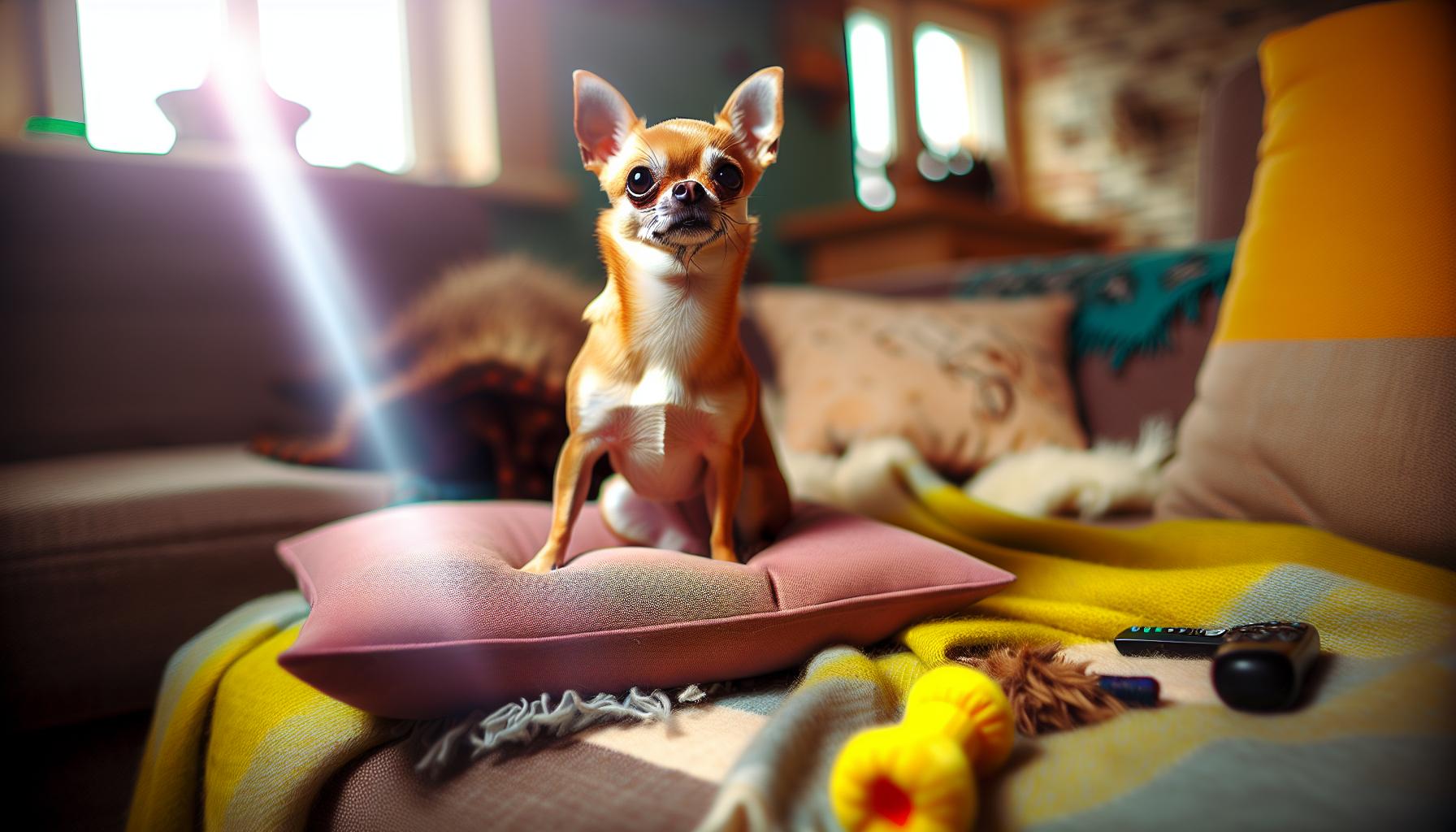
Chihuahuas often surprise new owners with their larger-than-life personalities packed into tiny bodies. These little dogs are known for their fearless attitudes, fierce loyalty, and charming quirks that can bring joy and laughter into any home. With their dynamic nature, they take on various roles in our lives, from affectionate companions to spirited guardians, making them unique members of the family.
One of the most notable traits of Chihuahuas is their vocal nature. They are naturally curious and alert, often “talking” to alert their owners of any perceived dangers or changes in their environment. This behavior, sometimes misunderstood as being yappy, is rooted in their instinct to protect. Many owners find that their Chihuahua’s vocalizations help build a bond, as they often seem to communicate their feelings and needs clearly. For example, a well-trained Chihuahua might give a soft bark when he wants to play or a growl if he feels something is amiss.
When it comes to their physicality, Chihuahuas come in two main coat types: smooth and long-haired. Each type has its distinct care requirements, but regardless of the coat, their fluffy little bodies can charm just about anyone. An apple-head Chihuahua, with its round skull shape, epitomizes the breed’s cute factor, while others may sport a deer-head look, giving them an elegant appearance. Their size, ranging generally from 2 to 6 pounds, makes them perfect for apartment living and easy to transport, ideal for those who are always on the go.
Regarding health, it’s essential for owners to be aware of specific considerations, such as potential heart problems or dental issues, which can be common in small breeds. Regular vet check-ups, a balanced diet, and proper dental care can contribute to a happy and healthy Chihuahua. Their lively disposition means that mental stimulation is crucial; engaging in games or training exercises keeps them entertained and satisfied.
Understanding and embracing the unique personality of Chihuahuas transforms the experience of ownership into a partnership filled with joy and loyalty. Their playful antics and unwavering affection make them invaluable companions, capable of elevating everyday moments into cherished memories. Whether it’s curling up beside you during a cozy evening at home or proudly strutting their stuff on a walk, Chihuahuas remind us daily of the simple joys in life and the strength of unconditional love.
Health Considerations for Your Chihuahua Companion

The little Chihuahua, despite its small stature, often comes with big health considerations that every owner should be mindful of. These tiny companions are prone to specific health issues that, if addressed early, can lead to happier lives for both you and your furry friend. One of the most common concerns is patellar luxation, where the kneecap dislocates easily, especially in active or playful Chihuahuas. Regular vet check-ups can help monitor this condition and keep an eye on any changes as they grow.
Dental health is another area where Chihuahuas need special attention. Given their small mouths, periodontal disease can develop easily, leading to painful infections. Using vet-recommended dental treats and performing regular brushing can make a significant difference. You might be surprised how many owners find that a little commitment to their Chihuahua’s dental care not only prevents health issues but also strengthens the bond between them.
Because of their size, Chihuahuas are also susceptible to heart problems, particularly mitral valve disease. This condition can develop as they age, so keep an eye out for any unusual coughing or lethargy and consult your veterinarian for heart screenings. Additionally, balanced nutrition plays a crucial role in maintaining their well-being. A high-quality, age-appropriate diet ensures they get the right nutrients and helps maintain a healthy weight, which is vital for minimizing pressure on their joints.
Regular exercise and mental stimulation are just as important for Chihuahuas. Their vibrant personalities thrive when they have a routine that includes walks, playtime, and even puzzle toys to challenge their sharp minds. For example, one owner found that incorporating short daily walks not only kept her Chihuahua healthy but also helped curb his barking as he expended some of that boundless energy.
In summary, keeping your Chihuahua healthy involves a proactive approach to vet visits, dental care, heart health, and proper exercise. Embracing these practices can transform your experience with your little companion, ensuring they live a long and joyful life. By understanding and addressing these health needs, you’ll celebrate not just the adorable quirks of your Chihuahua but also the richness they bring to your life.
Training Tips for Your Vibrant Chihuahua
Training a Chihuahua can feel like a delightful challenge, as these vibrant little companions often possess big personalities. Known for their loyal, sometimes feisty nature, Chihuahuas are both quick learners and independent thinkers. This unique blend of traits means that while your Chihuahua may master tricks with ease, they may also test your resolve when it comes to following commands. Establishing a consistent training routine is crucial to channel their energy and intelligence in constructive ways.
Start with basic commands like “sit,” “stay,” and “come.” Use positive reinforcement techniques, such as treats or praise, to reward your Chihuahua for good behavior. Remember, consistency is key-using the same commands and hand signals helps your little friend understand what you expect. For example, one Chihuahua owner found that using a specific hand signal paired with a verbal command helped their particularly stubborn pup grasp commands much faster. Be patient; training sessions should be short (5 to 10 minutes) to maintain your dog’s focus and enthusiasm.
Socialization is another important aspect of training. Exposing your Chihuahua to various environments, people, and other pets can help reduce any anxiety or aggressive tendencies that may arise from fearfulness. Consider enrolling in puppy classes or puppy playdates, where your Chihuahua can learn to interact positively with others. One owner shared how her Chihuahua, who was initially wary of larger dogs, blossomed into a social butterfly after a few classes-demonstrating that with the right experiences, even the most timid Chihuahua can flourish.
Moreover, addressing behavioral quirks early on is essential. Many Chihuahuas can be vocal, and without necessary training, barking can become an unpleasant habit. Instead of reprimanding, redirect the behavior by commanding attention through obedience training or engaging playtime. For example, teaching her to “speak” on command can transform the barking into a fun and effective trick. The goal is to guide their natural instincts positively, turning potential nuisances into charming qualities that highlight their unique personalities. With love, patience, and the right strategies, you’ll find your Chihuahua not only learns quickly but thrives in a well-structured environment, enjoying every moment spent together.
Chihuahuas as Emotional Support Animals
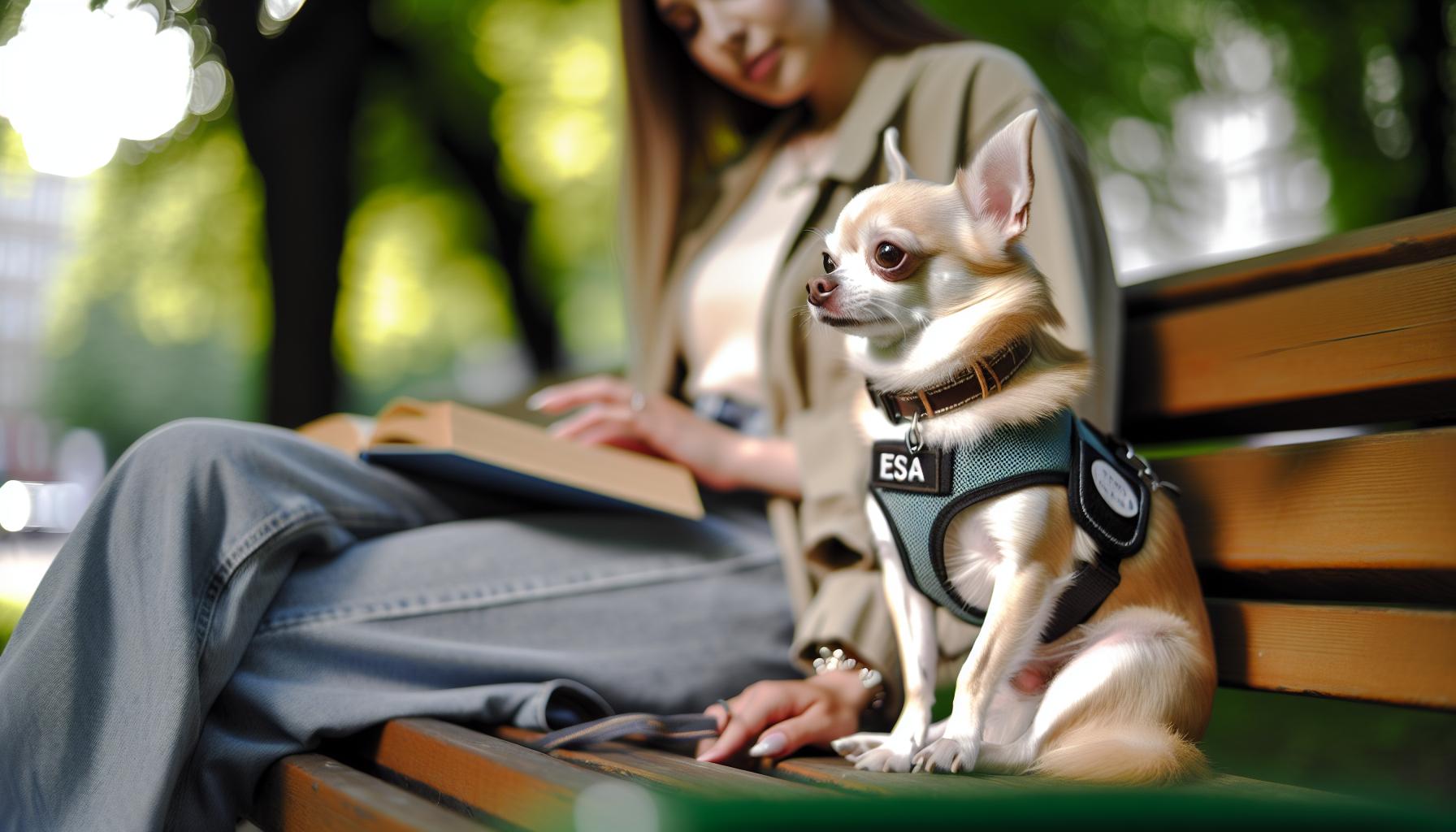
Chihuahuas have carved out a significant niche for themselves as emotional support animals, weaving their way into the hearts of their owners with their vibrant personalities and unwavering loyalty. These tiny companions, often weighing less than five pounds, possess an innate ability to sense their owner’s emotions, making them exceptional partners for those seeking comfort and companionship. Whether curled up in your lap during moments of anxiety or bouncing around joyfully to uplift your spirits, Chihuahuas offer an emotional connection that transcends size.
The benefits of having a Chihuahua as an emotional support animal are numerous. Their affectionate nature and playful antics can brighten the dullest days. Studies have shown that interactions with dogs can lead to reductions in stress, anxiety, and depressive symptoms. Furthermore, the bond between you and your Chihuahua fosters a sense of purpose, encouraging daily engagement and routine, which is particularly beneficial for those facing mental health challenges. Imagine coming home to a pup eagerly waiting at the door, ready to provide unwavering support through a wagging tail or gentle nudges for attention.
To nurture your Chihuahua’s potential as an emotional support animal, it’s essential to foster a strong foundation based on trust and positive interaction. Regular socialization, training, and bonding activities-such as short walks or play sessions-create an environment where your Chihuahua feels secure enough to express comfort. For instance, one owner noted how her Chihuahua often cuddled next to her after particularly stressful days, acting as her personal therapy dog. This instinctual empathy is a hallmark of the breed, showcasing their unique ability to tune into emotional cues.
Moreover, understanding your Chihuahua’s specific needs-such as health considerations and grooming-allows you to provide the best care possible, ensuring their well-being while they support you. Regular veterinary check-ups and attention to their distinct personalities help ensure they remain healthy, happy, and ready to fulfill their emotional support role. Remember, the more you invest in understanding and caring for your Chihuahua, the more effectively they can reciprocate with love and companionship. Embrace their quirks; after all, it’s through these little peculiarities that their personalities shine, reinforcing the bond you share.
The Versatile Lifestyle of Chihuahuas: From Apartment Pets to Show Dogs
Chihuahuas epitomize versatility, thriving in a variety of lifestyles that suit their owners’ needs and living conditions. These little pups can comfortably adapt to life in compact urban apartments or shine in the spotlight as show dogs, showcasing their remarkable personalities and unique characteristics. Whether you reside in a cozy studio or have room to spare, a Chihuahua easily fits into your world, offering companionship that’s as rich as any large breed.
One of the most appealing traits of Chihuahuas is their compact size, generally weighing between 2 to 6 pounds. This makes them ideal for apartment living. They require less space, but they are abundant in spirit. Chihuahuas revel in daily activities, from short neighborhood strolls to spirited play sessions in your living room. For instance, one proud owner shared that her Chihuahua, a fiesty apple-head named Bella, transformed her small apartment into a playground, exhibiting boundless energy and curiosity that seemed larger than life itself. Regular exercise and mental stimulation are key for keeping your vibrant Chihuahua happy and healthy within limited spaces.
Show Dogs and Companions
While many Chihuahuas thrive as beloved companions, others can also dazzle on competition stages and dog shows. Their distinct personalities and expressive features-ranging from the smooth coat to the more extravagant long-haired varieties-often catch the judges’ eyes. Preparing a Chihuahua for the show ring involves training and grooming to highlight their unique traits, such as coat care to prevent matting and socialization to develop confidence among other breeds. A notable example is Max, a dapper long-haired Chihuahua, whose owner meticulously trained him to strut his stuff, earning accolades at local dog shows. The commitment to grooming and training showcases how much these little dogs can shine when given the right opportunities.
Ultimately, whether your Chihuahua fills the role of a treasured lap companion or a show-stopper in the ring, they embody the best of both worlds. Their adaptability and affectionate nature ensure they can thrive in many settings, bringing joy and companionship tailored to your lifestyle. Don’t shy away from embracing these quirks and characteristics-your Chihuahua is ready to flourish wherever life takes you.
Grooming Your Chihuahua: Best Practices and Tips
Chihuahuas, with their small frames and larger-than-life personalities, require a grooming routine that not only keeps them looking adorable but also supports their overall health. These spirited little companions have unique grooming needs based on their coat types, which mostly fall into two categories: smooth and long-haired. Regular grooming is vital, not just for aesthetic purposes but to check for skin issues, remove dirt, and prevent matting in longer coats.
For smooth-coated Chihuahuas, brushing can be straightforward. A simple weekly brush will usually suffice to remove loose hairs and keep their coat shiny. On the other hand, long-haired Chihuahuas need more frequent grooming – at least two to three times a week. This helps prevent tangles and mats, especially around their ears, neck, and belly. A slicker brush is a fantastic tool to remove tangles gently without pulling on their delicate skin.
In addition to brushing, bathing is another critical component of your grooming routine. Generally, a bath every few months is sufficient, but if your little one gets into something messy, don’t hesitate to give them a wash more frequently. Use a gentle dog shampoo to avoid skin irritation; Chihuahuas can be particularly sensitive. After bathing, it’s important to dry them thoroughly, especially if they have long hair. A soft towel works well, but if your Chihuahua is comfortable with it, a low-heat blow dryer can make the drying process quicker.
Don’t forget about their tiny toenails! Regular nail trimming is essential, as long nails can cause discomfort and even lead to misalignment during walking. Aim to trim your Chihuahua’s nails every three to four weeks. If you’re nervous about trimming, using a file can be a gentle alternative-just be sure to give them lots of praise and a treat afterward to create a positive association.
Ultimately, grooming your Chihuahua is not just about upkeep; it’s an opportunity to bond with your little buddy. Whether it’s the quiet moments spent brushing or the playful chase that ensues after a bath, grooming helps reinforce that special connection. Remember, while these little dogs don’t shed as much as larger breeds, their grooming needs can be quite specific. Stay consistent and attentive to their needs, and you’ll note that a well-groomed Chihuahua feels just as good as they look!
Socialization: Helping Your Chihuahua Thrive Around Others
Socialization is one of the most vital aspects of raising a happy and well-adjusted Chihuahua. Despite their tiny stature, Chihuahuas possess vibrant personalities and bold temperaments that can either shine or shrivel depending on their experiences with other animals and people. An unsocialized Chihuahua may develop behavioral issues such as excessive barking, anxiety, or aggression, while a well-socialized one will be confident, happy, and engaged in his surroundings.
It’s important to start socializing your Chihuahua at a young age, ideally during the crucial developmental period between 3 and 14 weeks. Exposing him to a variety of experiences, such as different environments, sounds, people, and other pets, helps him build a positive and friendly demeanor. Arrange playdates with other small, calm dogs to foster social skills. For example, Sarah, a proud Chihuahua owner, found that her little Max was timid around larger dogs. By consistently introducing him to friendly Chihuahuas in a controlled setting, he now confidently plays with dogs of all sizes.
In addition to dog interactions, human exposure is equally crucial. Encourage family and friends to interact with your Chihuahua, allowing him to meet new people regularly. Introducing him to children under supervision can also be beneficial, as it teaches him how to behave around energetic youngsters. Remember, when introducing your Chihuahua to new situations, always use positive reinforcement-praise him and offer treats when he approaches someone new or remains calm during a chaotic event. This technique will create a positive association with new experiences.
Lastly, don’t forget to work on his confidence through training. Basic commands like “sit” and “stay” can help establish your role as the leader and create a sense of security. Incorporating training into your socialization routine allows your Chihuahua to learn to trust you, making him more likely to remain calm when faced with new situations. As he builds trust, he will be better equipped to navigate the world around him, making both of your lives more enjoyable and less stressful. Socialization is not just a phase; it’s an ongoing process that, when done right, enriches both your lives immeasurably.
Chihuahuas and Their Historical Background: More Than Just Pets
The Chihuahua, a breed brimming with character and history, has roots that trace back to ancient Mesoamerican cultures. These tiny companions were once revered by the Toltecs, who believed they were sacred and often featured in their religious ceremonies. The Techichi, a dog resembling the modern Chihuahua, was bred by the Toltecs as a companion and possibly a spiritual guide. This rich heritage set the stage for the Chihuahua’s role beyond mere pet ownership in today’s society.
Today, Chihuahuas are much more than delightful companions; they embody a spirit of resilience and versatility. In urban living, they have adapted beautifully, thriving in apartment settings where their small size fits seamlessly into the compact lifestyles of city dwellers. Their vocal nature and loyalty make them popular choices for emotional support animals, providing comfort to many who face life’s challenges. Owners like Jessica, whose Chihuahua Buddy has become her emotional rock, often emphasize how this breed’s affectionate demeanor can help alleviate anxiety and loneliness.
Furthermore, there’s a growing appreciation for the breed’s unique quirks and behaviors. Chihuahuas are known for their bold personalities despite their petite size. They can be fiercely protective of their loved ones, often making them stand out in a crowd of larger breeds. Their vibrant energy and social needs mean they require adequate training and socialization, which can be both an enriching experience for their owners and a critical element for the dog’s well-being. For first-time owners, understanding and embracing these traits can foster a deeper bond and a more satisfying ownership experience.
In essence, Chihuahuas have evolved from their ancient beginnings into cherished modern companions that provide emotional support, security, and an abundance of joy. These delightful little dogs not only warm our hearts but also teach us about resilience, companionship, and the importance of embracing our unique quirks, making them incredibly special members of our families today.
Choosing the Right Chihuahua for Your Family
When considering adding a Chihuahua to your family, it’s essential to understand their unique characteristics and how they fit into your lifestyle. These tiny companions pack a big personality, making them wonderful family pets for the right environment. Known for their loyalty and vibrant energy, Chihuahuas can adapt to various living situations, whether you live in a bustling apartment or a spacious house.
Chihuahuas come in two main coat types: long-haired and short-haired. Each has its own grooming needs, so it’s essential to choose a coat type that suits your family’s lifestyle. Long-haired Chihuahuas may require more grooming, while short-haired Chihuahuas might be less demanding in this regard. Additionally, consider the different Chihuahua shapes, such as apple-head and deer-head varieties. The apple-head Chihuahuas are typically more delicate and can be great lap dogs, while the deer head variety is slightly larger and sturdier, which might be a better fit for families with young children.
When selecting the right Chihuahua, consider the energy levels and temperament that best match your household. For instance, some Chihuahuas are naturally more laid-back, ideal for families who prefer a quiet companion, while others may be more vivacious and require more social interaction and exercise. Real owners, like Sarah, who welcomed a spirited rescue Chihuahua named Coco, share that finding a dog whose personality aligns with your family dynamic creates a fulfilling bond. Coco’s energetic nature brought joy and activity into Sarah’s home, showcasing how choosing the right temperament can enhance everyday life.
Lastly, take into account any potential health considerations associated with the breed. Chihuahuas can be prone to dental issues, patellar luxation, and heart problems, so choosing a reputable breeder who conducts health checks is crucial. A well-bred Chihuahua not only helps ensure a healthier pet but can also provide peace of mind as you and your family embark on this meaningful journey together. Embracing the quirks and boundless affection of your future Chihuahua will undoubtedly enrich your family life in extraordinary ways.
Common Misconceptions About Chihuahuas Explained
Many people have misconceptions about Chihuahuas, often seeing them as just tiny, yappy dogs. However, this breed is much more complex and has unique qualities that make them wonderful companions. Understanding these misconceptions is essential for anyone considering adding a Chihuahua to their family or for those who already own one.
A common belief is that Chihuahuas are aggressive or mean-spirited. While they can be protective, their behavior largely depends on socialization and training. When raised around different people and animals, Chihuahuas can be friendly, curious, and playful. For instance, Jessica, a seasoned dog owner, shared how her Chihuahua, Bella, loves to participate in family gatherings, charming guests with her affection and playfulness. This friendly disposition highlights the importance of guiding their social experiences from a young age.
Another misconception revolves around their size, leading to the belief that Chihuahuas do not require much exercise. In reality, despite their small stature, they have a high energy level. Regular exercise is crucial for their physical and mental health. Taking your Chihuahua for daily walks or engaging in interactive play can help prevent behavioral issues stemming from pent-up energy. Mark, a first-time Chihuahua owner, found that his little buddy, Max, thrived with a structured routine that includes walks and playtime, debunking the myth that little dogs are couch potatoes.
Lastly, many assume that Chihuahuas are not suitable for families with children due to their delicate size. While they need careful handling, many Chihuahuas, particularly the sturdier deer-head variety, adapt quite well to family life. It’s all about finding the right match for your household. For example, Maya’s Chihuahua, Leo, has developed a strong bond with her kids, enjoying their playful interactions while also teaching the importance of gentle behavior. With the right approach, Chihuahuas can be fantastic family pets, providing loyalty and love that are second to none.
By shifting perspectives on these common misconceptions, we can appreciate the rich personalities and roles that Chihuahuas fulfill in our lives, from spirited companions to loving family members.
Celebrating Chihuahua Quirks: What Makes Them Special
There’s something undeniably enchanting about Chihuahuas that makes them stand out in the world of canine companions. These little dogs pack a big personality, effortlessly blending boldness with a delicate size that captivates those around them. Their quirks-and those unique traits-are what truly make them special. From their vocal nature to their unwavering loyalty, every Chihuahua owner can attest to the joy these spirited little companions bring to daily life.
One of the defining characteristics of Chihuahuas is their vocal prowess. Often described as “tiny watchdogs,” they establish their presence through consistent barking, alerting their owners to anything unusual. This trait not only serves as a protective instinct but also becomes an endearing part of their charm. For example, Sarah, an enthusiastic Chihuahua owner, shares how her dog, Coco, announces every delivery with a spirited show of barks, turning mundane moments into entertaining ones. This vocal enthusiasm can be nurtured through training, allowing you to reinforce polite behavior while still celebrating their need to communicate.
Another delightful quirk is their tendency to form strong bonds with their humans. Chihuahuas thrive on affection and can be incredibly cuddly. They often seek out warmth and closeness, whether curling up in your lap or following you from room to room. This loyal companionship fosters a unique bond that many owners cherish. For instance, when Tom adopted his Chihuahua, Bella, he soon realized that her loyalty extended beyond mere companionship-she was a source of emotional support, always sensing when he needed comfort or a friend.
Despite their small size, Chihuahuas possess a brave heart. Their fearlessness can lead them to exuberantly greet much larger dogs as though they’re in charge. This boldness is often accompanied by a flamboyant personality, showcasing their playful antics. Owners like Mia enjoy recounting how her Apple-head Chihuahua, Diesel, has brought laughter into her home with his big personality and cheeky antics, like stealing socks or playfully teasing his feline brother. These spirited behaviors not only keep their owners entertained but highlight the importance of socialization and training to channel that energy positively.
To fully appreciate their charming quirks, it’s crucial to understand their needs. Regular exercise and mental stimulation are vital for maintaining their health and happiness. Engaging in interactive games like hide and seek or fetch can showcase their cleverness while allowing you to bond. Additionally, grooming, especially for long-haired Chihuahuas, can be an enjoyable experience, further strengthening your connection. With a little guidance and understanding, Chihuahuas can thrive as cherished family members, proving that the sweetest joys come in the smallest packages.
FAQ
Q: What are the primary benefits of owning a Chihuahua today?
A: Owning a Chihuahua offers several benefits, including companionship, security, and a minimal need for space. These loyal dogs thrive in small living environments and can adapt well to various lifestyles, making them excellent pets for city dwellers and families alike. They also provide emotional support through their affectionate nature.
Q: How do I care for a Chihuahua’s unique needs?
A: Caring for a Chihuahua requires attention to their health, diet, and socialization. Regular vet check-ups are essential, alongside a balanced diet suited for small breeds. Socializing your Chihuahua with various people and pets will help enhance their temperament, making them more adaptable and friendly.
Q: Can Chihuahuas be trained easily?
A: Chihuahuas are intelligent and trainable but can be stubborn. Implementing consistent, positive reinforcement techniques works best. Start basic training early to establish good behavior habits and reinforce commands with treats, praise, or playtime to keep them motivated.
Q: What are some common health issues Chihuahuas face?
A: Chihuahuas are prone to certain health issues, including dental problems, patellar luxation, and heart disease. Regular veterinary check-ups and a healthy diet can help monitor and prevent these issues. Being aware of their unique vulnerabilities will ensure you are better prepared to address their healthcare needs.
Q: Are Chihuahuas suitable for families with children?
A: Yes, Chihuahuas can be suitable for families, but caution is needed. They are affectionate and loyal, but their small size makes them vulnerable to rough handling. Teach children how to interact gently and respectfully with Chihuahuas to foster a positive relationship.
Q: How do Chihuahuas interact with other pets?
A: Chihuahuas can coexist peacefully with other pets if socialized early. Introduce them gradually to different animals, ensuring each interaction is positive. Supervision during playtime is essential to prevent any aggressive behavior from either side.
Q: Why are Chihuahuas popular as emotional support animals?
A: Chihuahuas are popular as emotional support animals due to their small size and companionship traits. Their ability to bond closely with their owners helps provide comfort and reduce anxiety. If you need an emotional support animal, consult a mental health professional for proper documentation.
Q: What are some activities that Chihuahuas enjoy?
A: Chihuahuas enjoy a variety of activities, including short walks, playtime with toys, and cuddling with their owners. Engaging in interactive games not only helps them stay active but also strengthens the bond between you and your Chihuahua. Regular mental stimulation is also vital for their well-being.
For more insights and guidance on understanding Chihuahuas’ modern purpose, feel free to explore each section of our main article.
In Summary
In conclusion, Chihuahuas are much more than just adorable companions; they serve as loyal protectors and delightful playmates, perfectly adapted to apartment living and eager to share their bold personalities with you. If you’re considering bringing a Chihuahua into your life or already have one, remember that their care requires understanding their unique health and behavioral needs. Embrace their quirks-whether it’s their feisty bark or their affectionate nature-because they bring joy and warmth into any home.
For more insights on Chihuahua behavior and care tips, check out our articles on “Caring for Your Chihuahua” and “Training Techniques for Chihuahuas.” Don’t miss out on exclusive updates-sign up for our newsletter today! Have questions or want to share your Chihuahua stories? We’d love to hear from you in the comments below. Explore our site for more valuable resources that enrich your journey with your tiny yet mighty friend, and remember, every Chihuahua deserves a loving home and a caring owner like you!
Get our latest guides, news, and insights highlighted in your Google Search & AI Overviews.