
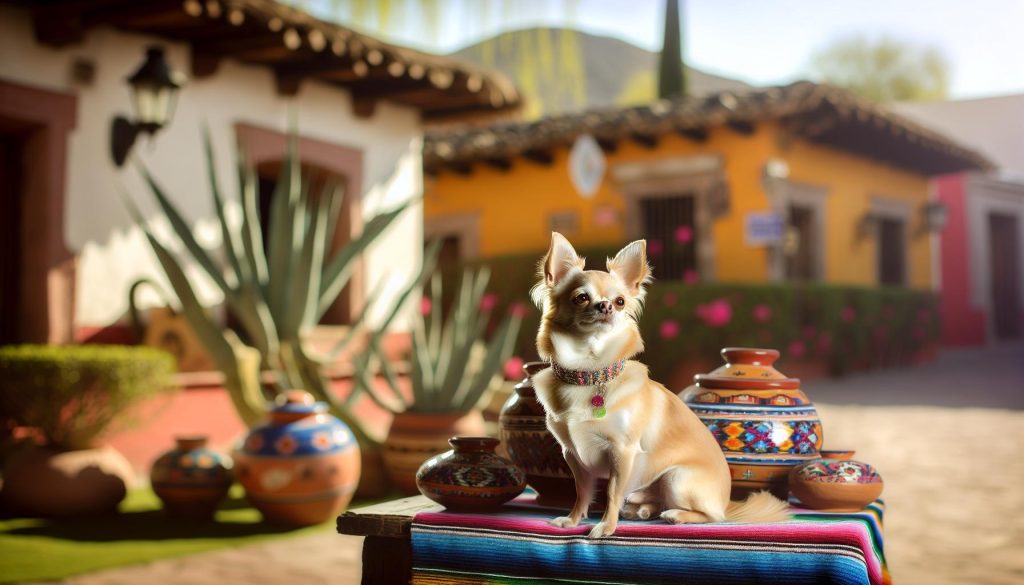
Did you know that the Chihuahua is one of the oldest dog breeds in the Americas, with origins tracing back to ancient Mexican civilizations? Understanding where this tiny yet fierce companion comes from can enrich your bond and enhance your care approach. As a proud Chihuahua owner, you’ll appreciate how their unique personality-bold, vocal, and fiercely loyal-shapes their behavior. Whether you’re a seasoned enthusiast or a new owner, knowing the history and significance of the Chihuahua breed helps in addressing their health, behavior, and the quirks that make them irresistible. Join me as we delve into the captivating origins of the Chihuahua, exploring not only their rich background but also practical insights that will empower you to provide the best for your little friend. Let’s discover the heart of the Chihuahua together!
Origins of the Chihuahua Breed: A Historical Overview
The Chihuahua, a breed beloved for its vibrant personality and small stature, has a rich history that traces back to ancient Mexico. This tiny dog is not just a modern companion but a symbol of cultural heritage and tradition. Archaeological evidence suggests that Chihuahuas are descendants of the Techichi, a small companion dog kept by the ancient Toltec civilization. The Techichi was revered, often accompanying their owners in life and even in death, believed to guide souls in the afterlife. These dogs were represented in various artifacts and paintings, showcasing their significance in pre-Columbian cultures.
As the Aztec Empire rose, so did the popularity of these small canines, which were often sacrificed during rituals, believed to have spiritual connection and power. The breed’s name, “Chihuahua,” comes from the Mexican state of the same name, where they were formally recognized in the 1890s. As American tourists began to visit Mexico in large numbers, they became enamored with these pint-sized pooches, leading to a surge in their popularity in the United States by the mid-20th century. This marked a pivotal moment in the breed’s history, transitioning them from ancient companions to modern pets adored worldwide.
Understanding the origins of the Chihuahua is essential for every owner. It highlights not only the breed’s historical significance but also the strong bonds these dogs form with their humans. Embracing this rich lineage can deepen your appreciation and connection with your Chihuahua, which is often reflected in their loyal and lively natures. From their Mexican roots to their contemporary role as family companions, Chihuahuas carry a narrative that enhances the joy of owning such a unique breed.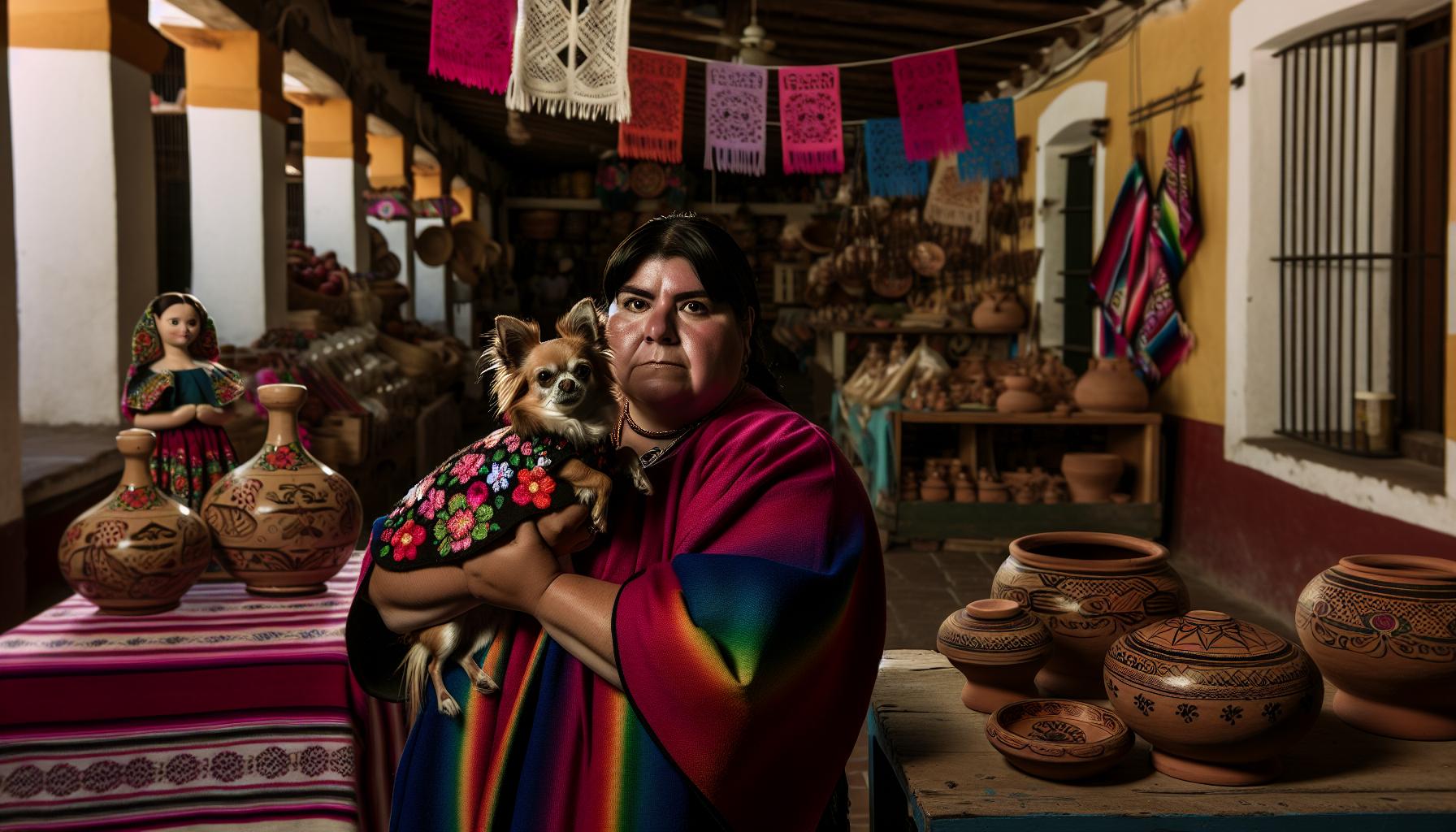
Cultural Significance of Chihuahuas in Mexico
The Chihuahua is more than just a beloved breed; it embodies significant cultural symbolism in Mexico. These little dogs are steeped in history and represent the rich tapestry of traditions that characterize Mexican heritage. Known as “el perro de la tierra” (the dog of the land), Chihuahuas were revered by ancient civilizations like the Toltecs and Aztecs, who believed they could guide souls in the afterlife. You’ll often hear that owning a Chihuahua is like having a piece of history right in your home.
Throughout the years, Chihuahuas have come to symbolize not just companionship but resilience and strength. Their bold personalities mirror the vibrant spirit of Mexican culture. In festivals and parades, it’s common to see these tiny companions dressed in colorful traditional garb, showcasing their significance in celebrations and gatherings. Their loyalty and spirited nature resonate deeply with many, making them more than pets-they become family members that embody the essence of their owners’ culture.
The Chihuahua’s cultural significance extends beyond its historical roots. This breed has made its mark in art and media, often celebrated as an emblem of Mexican heritage. From vibrant folk art to popular movies, these dogs are showcased as spirited companions that embody the heart and soul of Mexico. It’s inspiring to see how a breed so small can carry such a monumental load of cultural pride.
When caring for your Chihuahua, remember that you are nurturing a dog that represents a rich legacy. Whether it’s through proper training, socialization, or just enjoying playful moments, each interaction with your Chihuahua carries forward a story that connects you both to that heritage. Consider their vocal nature and boldness as traits to appreciate, not just from an owner’s perspective, but as qualities that reflect their historical significance. Embracing these aspects can deepen your relationship and gratitude for this wonderful breed.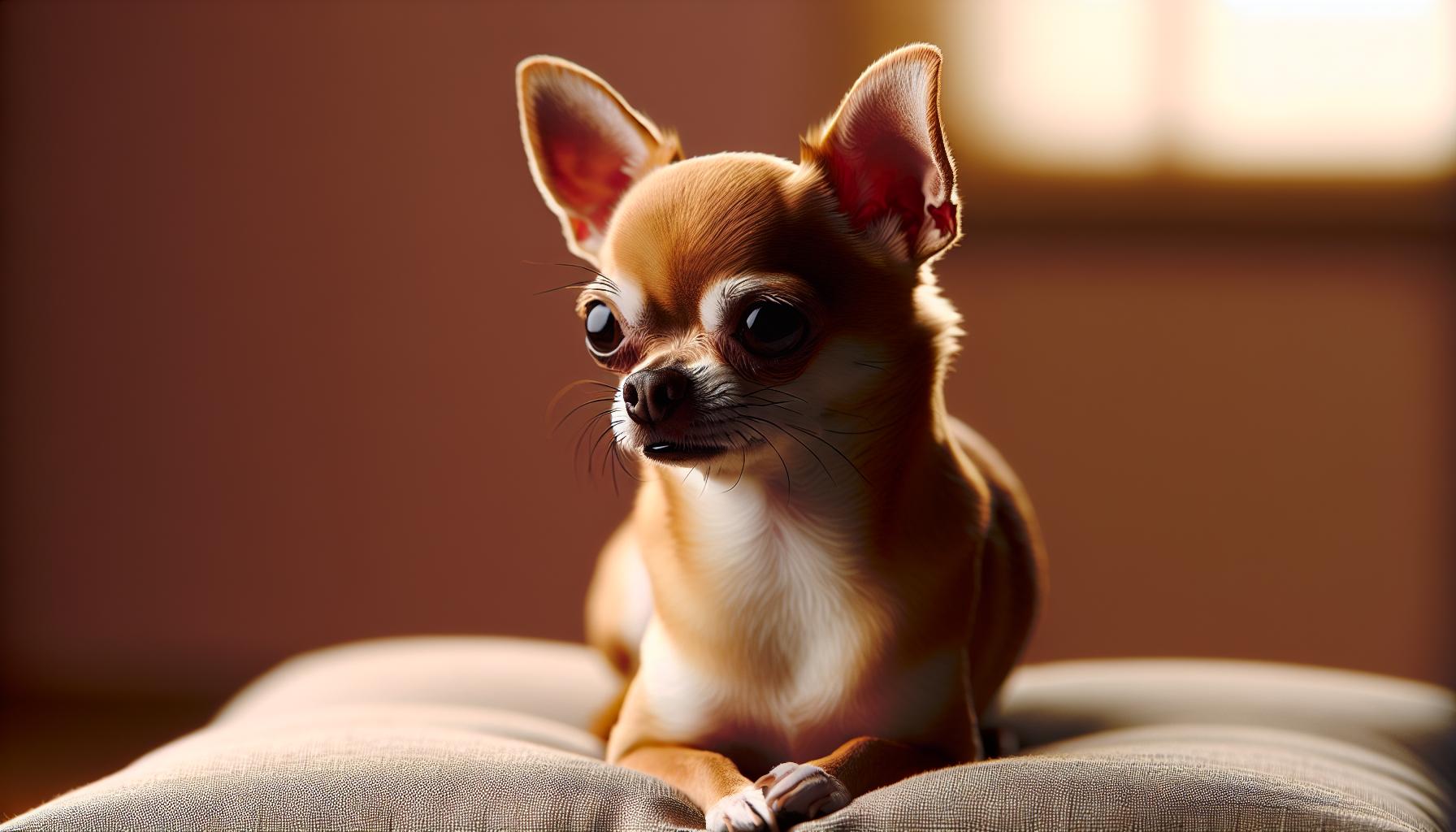
Distinct Physical Traits of Chihuahuas: What to Know
Chihuahuas are not just adorable tiny companions; they are a breed filled with distinctive physical traits that reveal their rich heritage and unique charm. The most striking feature of Chihuahuas is their size. Typically weighing between 2 to 6 pounds, they make up in personality what they lack in stature. Their diminutive size allows them to be easily carried around, which many owners find convenient and endearing. Whether you’re cradling her in your arms or watching him strut with confidence on a leash, their presence is always commanding despite their small frame.
One of the most notable distinctions in the breed is the shape of their heads. Chihuahuas can primarily be categorized by their head shape: the *apple head* and the *deer head*. Apple-headed Chihuahuas boast a round skull with a somewhat dome-like appearance, often featuring a pronounced stop, which is the indentation between the forehead and the muzzle. This shape contributes to their frequently adorable and perpetually youthful look. On the other hand, deer-headed Chihuahuas have longer heads with a more elongated snout, resembling a miniature deer. This variation not only affects their appearance but can also influence traits like temperament and health.
Coat Types
Chihuahuas come in two primary coat types: *short-haired* and *long-haired*. Short-haired Chihuahuas boast smooth, sleek coats that are easy to maintain, requiring minimal grooming. They often feature a variety of colors, including fawn, black, white, chocolate, and even more exotic shades like blue and merle. Long-haired Chihuahuas, in contrast, sport beautifully flowing fur that may require a bit more care to keep it tangle-free and shiny. Their coats can be straight or slightly wavy and often have a distinct feathering around the ears, legs, and tail, giving them a charming, elegant appearance.
Understanding these physical traits not only enhances your appreciation for the breed but also assists in proper care and health management. Chihuahuas are prone to certain health issues, particularly related to their dental and skeletal systems. Regular vet check-ups are essential, especially for those with an apple-shaped head, as they can be susceptible to fontanel issues-soft spots on the skull that may require special attention. By familiarizing yourself with the unique characteristics of your Chihuahua, you can better cater to her needs, ensuring a happy and healthy life together.
When you choose to welcome a Chihuahua into your home, you’re embracing a tiny dog with a big personality and a plethora of distinctive traits that set him apart from other breeds. Celebrate these differences and recognize how they reflect the breed’s vibrant history and character.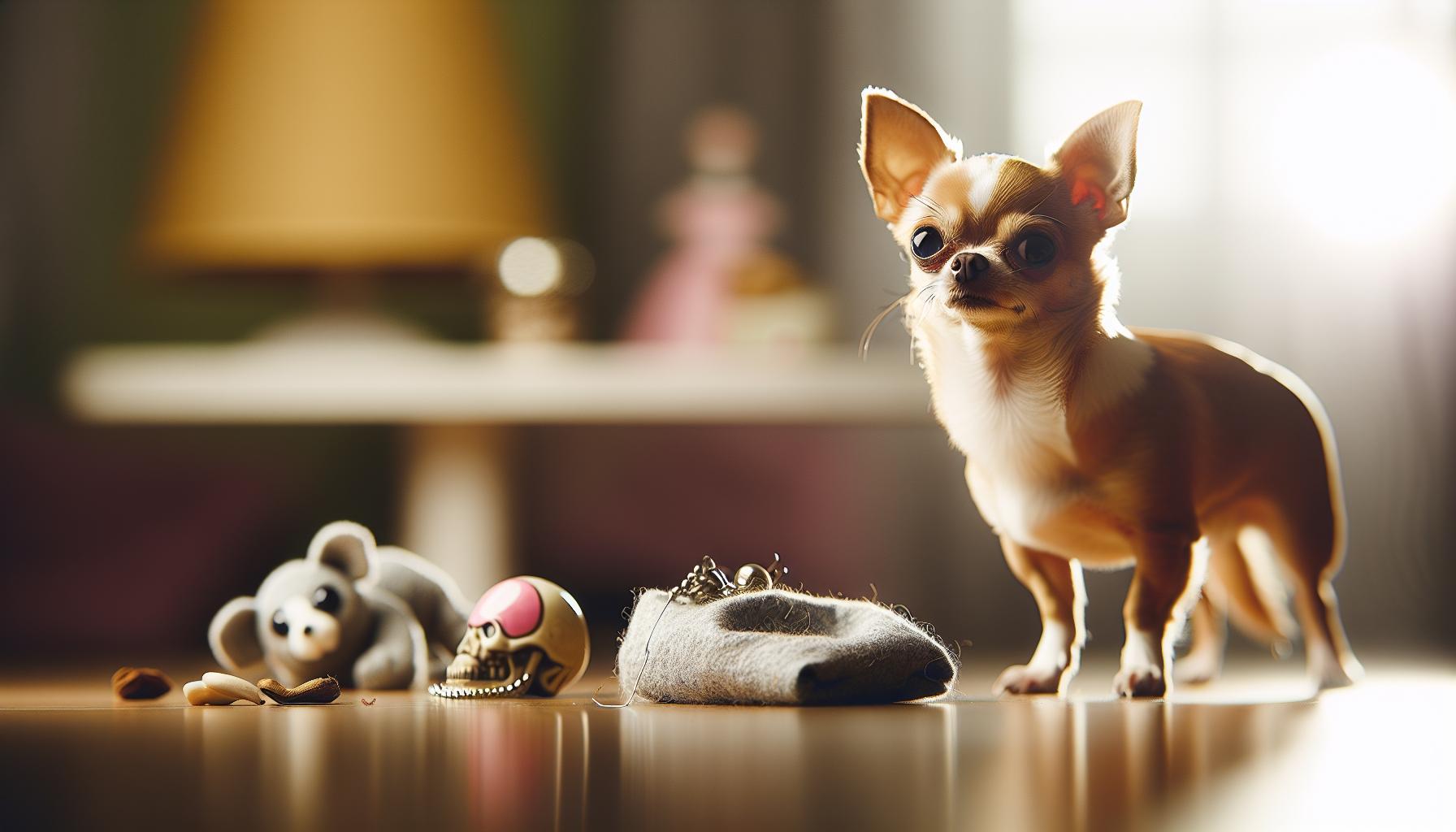
Behavioral Characteristics of Chihuahuas Explained
Chihuahuas are renowned for their larger-than-life personalities, often surprising newcomers with their boldness and assertiveness. Despite their tiny stature, these little dogs are fiercely loyal protectors of their owners and home. Their behavior can be as vibrant as their character, demonstrating a wide range of quirks that make them unforgettable companions. Understanding these behavioral characteristics is essential for fostering a rewarding relationship with your Chihuahua.
One key aspect of a Chihuahua’s behavior is their vocal nature. Often dubbed as “little watchdogs,” Chihuahuas are quick to alert their families to any unusual sounds or visitors. This trait can sometimes be overwhelming, particularly for first-time owners who may not be prepared for the significant amount of barking, especially when they’re excited or anxious. To manage this behavior, consistency in training is vital. Positive reinforcement techniques can help teach your Chihuahua when barking is appropriate and when it’s time to be quiet.
Social Behavior
Chihuahuas are generally social creatures but can be reserved around strangers. They may exhibit protective behavior, especially toward their favorite people. It’s important to socialize your Chihuahua from an early age to help them feel comfortable in different settings and with various people. Regular exposure to new environments, people, and other pets can significantly influence your dog’s confidence and reduce any anxious tendencies.
Another notable characteristic is their tendency to bond closely with their owners. A Chihuahua will often choose one person as their favorite and may exhibit jealousy toward other pets or family members. This intense loyalty can translate into clinginess, where your little companion follows you from room to room. For many owners, this loyalty is one of the most heartwarming aspects of having a Chihuahua. However, it’s important to encourage healthy independence by gradually introducing alone time, ensuring your dog feels secure even when you’re not right beside them.
In summary, while Chihuahuas bring joy and companionship, they also require understanding and patience due to their unique behaviors. Each Chihuahua has its individual personality, which can affect how they interact with the world around them. With the right approach to training and socialization, you can guide your Chihuahua to be the well-behaved and loving companion they were meant to be.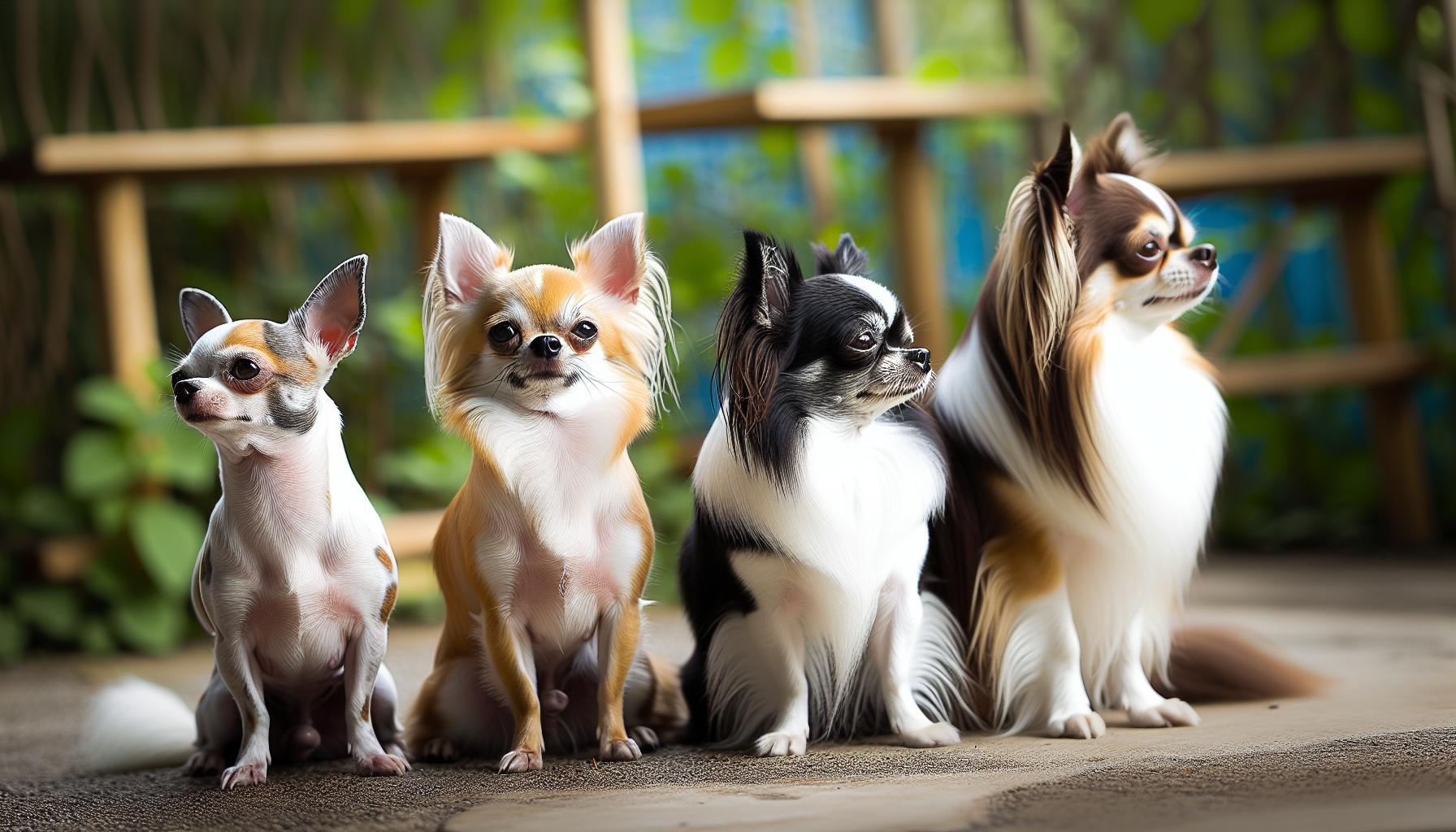
Chihuahua Coat Types: Understanding Variations
The coat types of Chihuahuas are as diverse as their personalities, adding a unique flair to each little companion. Understanding these variations not only enhances your appreciation of the breed but also aids in their care, grooming, and overall well-being. Chihuahuas can generally be categorized into two main coat types: short coat and long coat.
Chihuahuas with a short coat feature a sleek, glossy layer of fur that hugs the body, requiring minimal grooming. This type is often low-maintenance, making it a suitable choice for busy owners or those new to dog care. When it comes to colors, short-haired Chihuahuas can showcase a stunning palette including fawn, black, chocolate, and cream, often combined with striking patterns like brindle or spots. Their coat lies flat against the skin, giving them a streamlined appearance that can be quite appealing. Regular brushing isn’t necessary, but a quick rub down with a soft cloth can help keep their coat shiny and healthy.
On the other hand, long-coated Chihuahuas sport a more luxurious look, flaunting flowing fur that can vary in length and density. This longer coat can be either straight or slightly wavy, providing an elegant look that turns heads. With these beautiful locks, grooming becomes a more significant part of their care routine. Owners will need to invest time in daily brushing to prevent matting and tangles, especially behind the ears and between the toes, where knots tend to form. Long coats can come in an array of colors as well, much like their short-haired counterparts, which can add a delightful dimension to their appearance.
Understanding these coat types is crucial, as they influence not only grooming needs but also how your Chihuahua interacts with the environment. For instance, long-haired Chihuahuas might be more susceptible to overheating in warm weather despite their small size, necessitating cooler indoor climates or protective clothing during hot outings.
Ultimately, whether you’re drawn to the sleek elegance of a short-haired Chihuahua or the glamorous charm of a long-haired one, each dog carries its own set of unique traits. These variations in coat types reflect the stunning diversity of the breed and the myriad options available for potential owners. Remember, regardless of coat type, every Chihuahua boasts a lively spirit ready to offer loyalty and companionship!
Size and Weight: What to Expect with Chihuahuas
Chihuahuas are known for their petite stature, but their charming personalities absolutely eclipse their small size. Typically, these little dogs weigh between 2 to 6 pounds and stand about 6 to 9 inches tall at the shoulder, making them one of the smallest dog breeds globally. This size makes them incredibly portable, perfect for owners who enjoy taking their canine companions on adventures, whether it’s a stroll in the park or a trip to a café.
Despite their diminutive size, Chihuahuas bring boldness and energy that can surprise anyone unfamiliar with the breed. For instance, many owners notice that their Chihuahua believes they are much larger than they actually are. This feisty demeanor often leads them to take the lead in social situations, barking and asserting themselves, which can be a delightful quirk for their owners to witness. This spirited attitude means that Chihuahuas are not just lap dogs-they thrive on interaction, play, and, yes, even a little mischief.
When it comes to growth, Chihuahuas typically reach their full size by around 1 year of age. However, there’s variation within the breed. For instance, “apple-headed” Chihuahuas tend to be smaller and can weigh as little as 2 pounds, while “deer-headed” Chihuahuas might reach closer to 6 pounds and sporting a leaner body. Regardless of their specific weight or height, good health should be your priority. Regular vet check-ups are important to monitor their weight, as Chihuahuas can be prone to obesity, which can lead to health problems later in life.
Caring for a Chihuahua requires understanding their unique needs, especially considering their small size. Owners should provide a safe environment free of hazards that could pose risks to a tiny pup. Additionally, because of their lightweight stature, exercise needs can be met through short walks and play sessions rather than long runs or strenuous activities. So while they may be small and light, the responsibility of caring for your Chihuahua can feel quite significant but is ultimately rewarding.
In summary, knowing what to expect in terms of size and weight can prepare you for the delightful quirks and bold personalities that make Chihuahuas such beloved companions. Embrace the adventure of owning a Chihuahua-they might be tiny, but they carry a big heart!
Lifespan and Health Concerns for Chihuahuas
Owning a Chihuahua can be a joyous experience, but like all small breeds, they come with specific health considerations that every owner should be aware of. Chihuahuas typically have a lifespan ranging from 12 to 20 years, with proper care and attention. This longevity is encouraging, but it also underscores the importance of proactive health management to ensure your tiny companion remains spry and vibrant throughout his life.
Common Health Concerns
Chihuahuas can be prone to several health issues that owners should watch for, including:
- Dental Problems: Due to their small mouths, Chihuahuas are at higher risk for dental disease, including tartar buildup and periodontal disease. Regular dental check-ups and cleanings are crucial.
- Patellar Luxation: This is a common issue in smaller breeds where the kneecap can slip out of place, causing pain and difficulty walking. Keeping your Chihuahua at a healthy weight can help minimize this risk.
- Heart Issues: Some Chihuahuas may develop heart problems, particularly heart murmurs or mitral valve disease as they age. Regular vet visits can help catch these issues early.
- Obesity: Although they are small, Chihuahuas can easily become overweight, leading to a host of other health concerns. Monitoring their diet and ensuring they get enough exercise is key.
Preventative Care
Routine veterinary care is crucial for early detection and management of potential health problems. This includes:
- Regular Check-ups: Annual or biannual vet visits help ensure your Chihuahua is healthy and up-to-date on vaccinations.
- Nutrition: A well-balanced diet is essential. Consult your vet for recommendations on the best food for your Chihuahua’s age, weight, and activity level.
- Exercise: Though they don’t need extensive exercise, regular short walks and playtime can help maintain a healthy weight and spirited demeanor.
- Grooming: Regular grooming not only keeps your Chihuahua looking good but also helps you check for any lumps or skin issues. Be attentive to their coat type, as long-haired Chihuahuas may require more grooming.
By staying vigilant and providing a loving, attentive environment, you can help your Chihuahua live a long, healthy, and happy life. Remember, each Chihuahua has a unique personality and set of needs, so tailoring your care approach will ensure that he thrives in your home. Your spirited little companion, with his bold nature and unwavering loyalty, deserves all the love and attention you can provide!
Training Tips for Chihuahua Owners: Best Practices
The Chihuahua, rich in history and character, is not only known for its small size but also for its vibrant personality that often surprises first-time owners. Training your Chihuahua can be a delightful experience, especially once you understand their unique traits. These little dogs are intelligent, loyal, and often strong-willed, which means that training must be consistent, patient, and peppered with plenty of positive reinforcement. The key to success lies in embracing their quirks and using them to build a trusting relationship.
Establish a Routine
Chihuahuas thrive in a predictable environment. Establishing a regular routine helps her feel secure. Incorporate training sessions into daily activities-perhaps right before mealtime when she’s eager to learn for a treat. Keep sessions short, around 5 to 10 minutes, to maintain her attention. Remember, these dogs can easily get bored!
Positive Reinforcement
Using positive reinforcement is essential. Treats, praise, and playtime make a huge difference in motivating her. For example, when she sits on command, reward her immediately with a tiny treat and a big smile. This technique not only encourages good behavior but also strengthens your bond. Using her favorite toy as a reward is another approach that can make training more engaging.
Socialization is Key
Chihuahuas can have a tendency to be territorial or overly protective. Early socialization is crucial to help her learn how to interact with different people and animals. Exposing her to various environments, sounds, and experiences will build her confidence and decrease fearfulness. Introduce her to new situations gradually, making each experience positive. A well-socialized Chihuahua is a happier and more well-adjusted companion.
Consistent Commands and Structure
Use consistent commands for each action, as Chihuahuas thrive on structure. Use short, clear words like “sit,” “stay,” and “come.” Avoid using multiple phrases for the same command. For consistent communication, ensure that all family members use the same terms. This clarity will help her understand what you expect, making training smoother.
Chihuahuas possess a vibrant spirit that makes them wonderful companions. By embracing their unique characteristics and employing effective training techniques, you’ll nurture a well-behaved and happy little friend. Each training success is a stepping stone in your journey together, so take your time and enjoy every moment with your spirited companion!
Common Myths and Misconceptions About Chihuahuas
Chihuahuas are often surrounded by a cloud of myths that can mislead both prospective and experienced owners. One prevalent misconception is that these tiny dogs are prone to being yappy or aggressive simply because of their size. In reality, while some individuals may exhibit a vocal personality, this behavior is often a reflection of their environment and socialization rather than an inherent trait. A well-socialized Chihuahua can be just as calm and affectionate as larger breeds if raised in a nurturing atmosphere.
Another common myth is that Chihuahuas are “delicate” and can’t handle any physical activity. This notion diminishes their ability to engage in play and exercise suited to their energy levels. In fact, Chihuahuas thrive on regular walks and interactive playtime. Their bold nature often leads them to unknowingly challenge much larger dogs, showcasing their spirited demeanor. Providing appropriate outlets for their energy not only contributes to a healthy lifestyle but also helps prevent behavioral issues stemming from boredom.
Also, many believe that all Chihuahuas are inherently unhealthy due to their small size. While it is true that they can be predisposed to certain health conditions, such as dental issues and patellar luxation, regular vet check-ups, a balanced diet, and proper care can lead to a long and healthy life. In fact, with good care, many Chihuahuas enjoy lifespans of 12 to 20 years, proving they can be as hearty as any larger breed.
Finally, there’s a myth that Chihuahuas do not require training because they are small and easy to handle. This misconception can lead to problematic behaviors if left unchecked. In truth, training is essential for Chihuahuas just as it is for any other breed. They need consistency, positive reinforcement, and guidance to thrive as happy companions. By debunking these myths, potential owners can better appreciate the rich character and needs of the Chihuahua, leading to a stronger, more fulfilling bond with their furry friend.
How to Care for Your Chihuahua: Essential Tips
Chihuahuas, with their spirited personalities and compact frames, are not just adorable companions; they also come with unique needs that require special attention. Understanding how to care for a Chihuahua can significantly enhance the bond between you and your furry friend. Whether he’s a fluffy apple-head or a smooth-coated beauty, his well-being depends on your commitment to his care.
First and foremost, nutrition plays a crucial role in your Chihuahua’s health. Given their small size and faster metabolism, feeding them high-quality food formulated for small breeds is essential. Look for food that lists meat as the first ingredient, and ensure it contains the right mix of proteins, fats, and carbohydrates. Portion control is also important; Chihuahuas are prone to obesity, so measure their food according to the guidelines provided by the manufacturer or your vet. Remember, treats should only make up about 10% of their daily caloric intake.
Regular exercise is another cornerstone of good care. Despite their tiny stature, Chihuahuas are energetic dogs who thrive on daily activity. Short walks and interactive play sessions not only keep them physically fit but also mentally stimulated. Consider incorporating games like fetch or agility exercises, which cater to their natural agility and curiosity. Socialization through playdates or trips to pet-friendly parks can also help your Chihuahua build confidence and reduce any tendencies toward anxiety.
Grooming is equally important, varying by coat type. Long-haired Chihuahuas require more frequent brushing to prevent tangles and mats, while short-haired ones benefit from occasional brushing to remove loose hair. Regular dental care is crucial as well; Chihuahuas are prone to dental problems, so brush her teeth several times a week and schedule annual vet check-ups for cleanings. Pay attention to her ears and nails, too; gently clean the ears as needed and trim the nails regularly to keep her comfortable.
Finally, make training a priority. Chihuahuas are intelligent but can be stubborn. Using positive reinforcement techniques, such as treats and praise, will help her learn commands and proper behaviors. Establishing a routine not only aids in training but also creates a sense of security for your pet. Remember, patience is key; their bold and sometimes feisty nature means they may test boundaries, but consistent and loving guidance will foster a trusting relationship.
By providing thoughtful nutrition, regular exercise, proper grooming, and consistent training, you’ll ensure a happy and healthy life for your Chihuahua, allowing both of you to enjoy the unique joys this spirited breed brings.
Socialization Needs for Chihuahuas: Building Confidence
Building confidence in Chihuahuas starts with proper socialization. Known for their bold and sometimes feisty personalities, Chihuahuas can be wary of unfamiliar people, dogs, and places if not socialized early. Socialization helps them learn that the world isn’t a scary place but rather a collection of exciting experiences. Introduce your Chihuahua to a variety of environments, people, and other pets during their critical development period, usually between 3 and 14 weeks of age. A well-socialized Chihuahua becomes a more confident and adaptable companion.
Take your Chihuahua to different locations-parks, pet stores, or outdoor cafés. Each outing exposes him to new sights and sounds, helping diminish fear and anxiety. Use treats and positive reinforcement when he encounters something new, such as a friendly dog or an unfamiliar person. This approach develops positive associations with new experiences. For instance, if your Chihuahua meets another dog and receives treats and praise, he’ll learn that meeting other dogs can be a fun experience rather than a stressful one.
H3: Playdates and Group Classes
Setting up playdates with other friendly, well-behaved dogs can also significantly boost your Chihuahua’s confidence. Look for small dog groups or training classes that focus on socialization. These settings allow your Chihuahua to interact in a safe environment, learning how to communicate with other dogs. For example, a Chihuahua who regularly plays with similar-sized pups may become more comfortable in various situations, leading him to be more confident in unfamiliar environments.
H3: Daily Exposure
Incorporate socialization into your daily routine. Whether it’s a walk around the neighborhood or a visit to a dog-friendly store, expose your Chihuahua to various scenarios regularly. Gradually increasing exposure helps him feel secure. Pay attention to his body language; if he seems stressed, it’s okay to take a step back. Comfort should always come first. Remember, the goal is to make each experience positive, allowing him to learn at his own pace.
Chihuahuas thrive on positive interactions. Encouragement and rewards help create a strong bond between you and your furry friend, ensuring he feels safe and loved. With time and patience, your Chihuahua will blossom into a confident companion ready to take on the world.
Chihuahuas in Popular Culture: Their Global Influence
The Chihuahua has carved out a notable place in popular culture, capturing hearts not only in its native Mexico but across the globe. This charming little breed, often characterized by its bold personality and tiny stature, has starred alongside Hollywood’s biggest names, cementing its status as a cultural icon. From films to fashion, the Chihuahua has influenced various art forms, showcasing the breed’s unique appeal that goes far beyond its size.
One of the most famous Chihuahuas is Bruiser, the adorable pet of Elle Woods in the Legally Blonde movies. This portrayal not only showcased the Chihuahua’s intelligence and sass but also introduced a generation of viewers to the breed’s quirky personality. Chihuahuas have appeared in numerous other films and TV shows, often depicted as fashionable companions that embody loyalty and boldness, much like their real-life counterparts. These portrayals help shape public perception, encouraging many to adopt Chihuahuas for their perceived glamour and prestige.
Chihuahuas also influence fashion and lifestyle trends. Their small size and vibrant personalities make them ideal companions for socialites and celebrity figures. You might often spot Chihuahuas perched in designer handbags or strutting in chic outfits, paralleling the trend of small dogs becoming accessories in urban environments. This visibility in high fashion not only mirrors their popularity but also highlights their adaptability as loyal companions for those leading dynamic lifestyles.
Additionally, various social media platforms have amplified the Chihuahua’s fame, with countless influencers showcasing their Chi companions. These platforms provide a space for owners to share heartwarming stories, training tips, and the daily antics of their beloved dogs, resonating with pet lovers everywhere. Misty, an Instagram-famous Chihuahua, has garnered thousands of followers by showcasing her playful spirit and stylish wardrobe, proving that these little dogs can pack a significant punch when it comes to personality and charm.
In essence, Chihuahuas hold a beloved spot in popular culture, marked by their exciting presence in films, their trendsetting role in fashion, and their vibrant showcases on social media. Celebrating these unique traits only enriches our understanding of the breed, reminding us that despite their small size, Chihuahuas make a big impact on our hearts and homes. Whether you’re an experienced owner or considering welcoming a Chi into your life, embracing their cultural significance adds yet another layer to the joy of owning one of these remarkable dogs.
FAQ
Q: What is the historical significance of the Chihuahua breed?
A: The Chihuahua breed has deep historical roots, originating in Mexico. It is believed to be descended from the Techichi, a companion dog of ancient civilizations, including the Toltecs. This breed symbolizes Mexican culture and has evolved into a popular pet worldwide, known for its loyalty and distinct personality.
Q: How did the Chihuahua become popular in the United States?
A: The Chihuahua gained popularity in the U.S. in the 20th century, notably during the 1980s. Celebrities and pop culture promoted this breed, showcasing its charm and portability. Today, Chihuahuas are favored for their companionship and adaptability to various lifestyles.
Q: What are the common health issues Chihuahuas face?
A: Chihuahuas are prone to specific health concerns, including dental issues, patellar luxation, and heart problems. Regular veterinary check-ups, a balanced diet, and proper dental care are essential in managing these health risks to ensure a happy, long life for your furry friend.
Q: How do I choose the right Chihuahua for my lifestyle?
A: To choose the right Chihuahua, consider your living situation, activity level, and experience with pets. Some Chihuahuas are more energetic and require more exercise, while others are calmer. Meeting potential puppies and observing their temperament can help you find the best match.
Q: What is the difference between Long-Haired and Short-Haired Chihuahuas?
A: The primary difference between Long-Haired and Short-Haired Chihuahuas lies in their coat texture. Long-Haired Chihuahuas have soft, flowing fur that requires regular grooming, while Short-Haired Chihuahuas have smooth fur that is easier to maintain. Both varieties share similar personalities and charm.
Q: How can I socialize my Chihuahua effectively?
A: Effective socialization for your Chihuahua involves gradual exposure to different environments, people, and other animals. Start with short, positive experiences in safe settings and gradually increase complexity. Consistent training and rewards can enhance your Chihuahua’s confidence and behavior.
Q: When is the best time to start training my Chihuahua?
A: The ideal time to begin training your Chihuahua is during puppyhood, ideally between 8 to 16 weeks. Early socialization and basic obedience training can help set a solid foundation for good behavior. Use positive reinforcement to encourage learning and bonding.
Q: Why do Chihuahuas have such distinct personalities?
A: Chihuahuas often display bold, confident, and lively personalities due to their ancestral guarding instincts. These traits, coupled with their size, lead them to be vocal companions. Each dog is unique, so personality can vary widely even within the breed. Engaging with individual Chihuahuas can reveal their charm.
The Way Forward
Thank you for exploring the captivating origins of the Chihuahua breed with us! We hope you now have a deeper appreciation for these spirited little companions. Remember, Chihuahuas are not just small in size; they are bold in personality. Caring for a Chihuahua, from choosing the right diet to understanding their unique behavioral quirks, is essential for their well-being. If you want to dive deeper, check out our guides on Chihuahua health tips and training essentials.
Don’t miss out on our latest updates-subscribe to our newsletter for valuable insights, or explore our resources on Chihuahua care to help you and your furry friend thrive! Share your thoughts or experiences in the comments below; we love hearing from fellow Chihuahua enthusiasts! Your journey with your little buddy is just beginning, so let’s celebrate their loving nature together.
Get our latest guides, news, and insights highlighted in your Google Search & AI Overviews.