
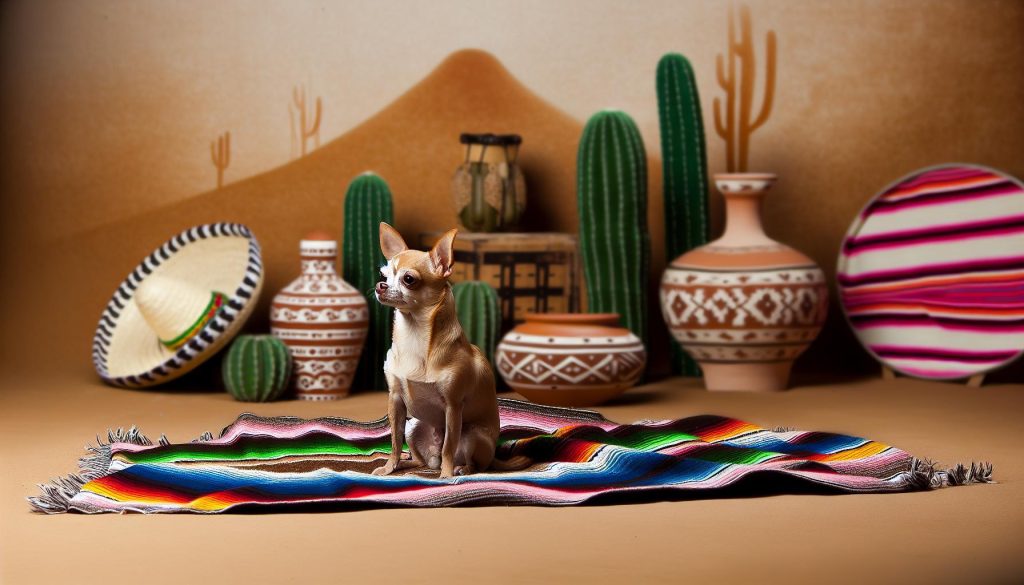
Did you know that the Chihuahua, one of the tiniest dog breeds, boasts a history that traces back thousands of years? Understanding when the first Chihuahua was born not only satisfies your curiosity but also deepens your appreciation for this spirited little companion. From their ancient roots in Mexico to their rise as beloved pets today, Chihuahuas are far more than just cute faces; they embody loyalty, boldness, and a unique charm that captures the hearts of dog lovers everywhere. Whether you’re a seasoned Chihuahua owner or a first-timer exploring the breed, join us as we unravel the fascinating origin timeline of these remarkable pups. Their story is one of resilience and companionship that reflects the rich tapestry of canine history. Get ready to learn more about what makes Chihuahuas such extraordinary friends!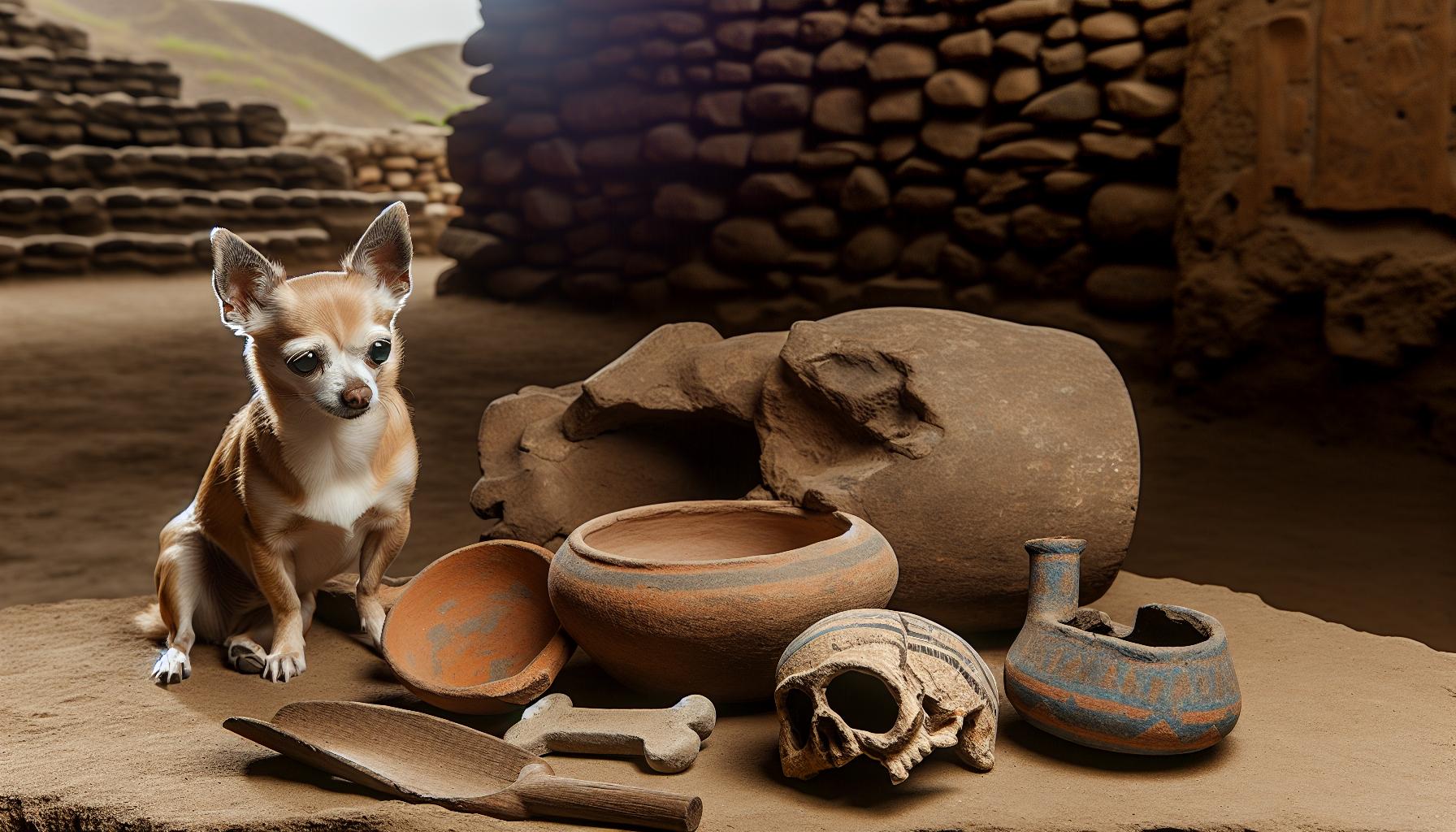
When Did Chihuahuas First Appear?
Chihuahuas, with their tiny stature and bold personalities, have a rich history that traces back thousands of years. These charming companions are believed to have originated in Mexico, with their ancestry linked to the ancient Techichi dogs that were kept by the Toltec civilization around the 9th century. This historical connection shows how deeply embedded Chihuahuas are in Mexican culture, serving not only as beloved pets but also as spiritual companions and symbols of wealth.
The breed as we know it today began to take shape in the late 19th century, specifically around the 1890s, when American tourists visiting Mexico discovered these small dogs. Their unique appearance and lively nature captivated many, leading to increased interest and eventual breeding practices that cemented the Chihuahua’s place as a distinct breed. Notably, the American Kennel Club (AKC) recognized the Chihuahua in 1904, marking a significant milestone in formalizing the breed’s status.
In terms of appearance, Chihuahuas can vary widely, with two primary coat types: short and long. This diversity not only adds to their appeal but also speaks to the evolution of the breed through selective breeding practices. Their sizes can also differ, typically ranging from 2 to 6 pounds, and they can come in myriad colors, further emphasizing their unique personalities and making them a favorite in popular culture and among dog enthusiasts alike.
As you embrace the journey of being a Chihuahua parent, it’s essential to appreciate their historical significance and the endearing traits that make them such wonderful companions. With their vibrant spirit and loyal demeanor, every Chihuahua tells a story that connects us to a rich heritage while filling our lives with joy and affection.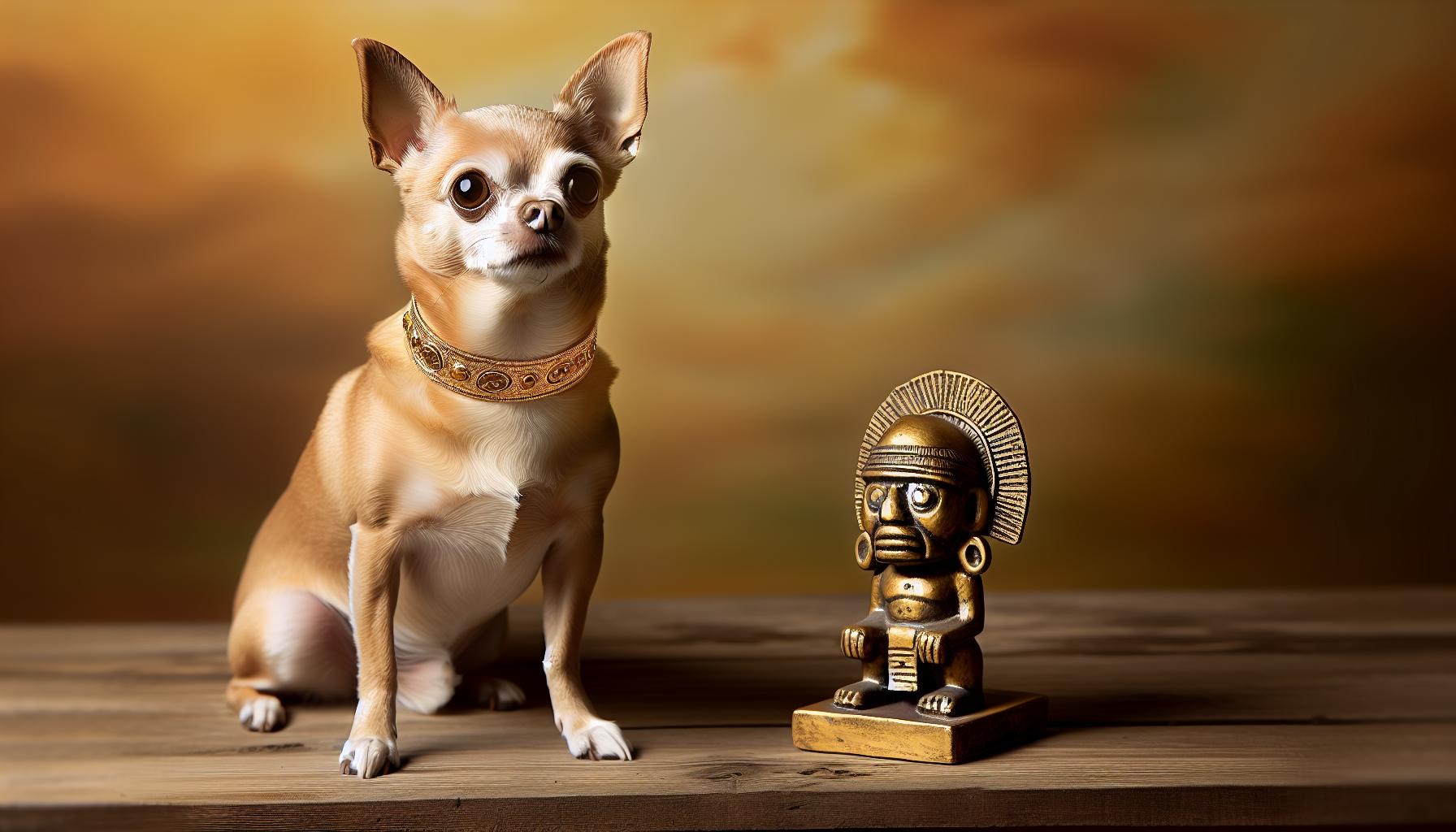
The Fascinating History of the Chihuahua
Chihuahuas have an enchanting history that stretches back millennia, intertwining with the cultural fabric of Mexico. These tiny dogs are believed to have descended from the Techichi, companion animals cherished by the ancient Toltecs around the 9th century. The Techichi were much more than pets; they served as spiritual companions, believed to guide their owners in the afterlife. This profound ancestral connection illustrates how deeply ingrained Chihuahuas are in Mexican heritage, symbolizing not only companionship but also forms of wealth and status.
The Chihuahua as we recognize it began to emerge in the late 19th century, particularly in the 1890s, when American tourists ventured into Mexico. Captivated by their adorable, compact form and lively disposition, these visitors began to bring them back home. It wasn’t long before interest ignited in the United States, leading to intentional breeding to enhance certain traits, thus establishing the breed’s identity. This culminated in the American Kennel Club’s recognition of the Chihuahua in 1904, marking a pivotal moment in the breed’s formal history.
Chihuahuas boast a delightful variety in appearance, primarily split between two coat types: short-haired and long-haired. This diversity not only enhances their charm but reflects the selective breeding that has shaped the breed over the years. Sizes vary too, usually ranging between 2 to 6 pounds, and they come in a dazzling array of colors, which adds to their appeal. This variance allows each Chihuahua to express its unique personality – from bold and spirited to sweet and snuggly.
As you embark on your journey with a Chihuahua, appreciating their rich historical roots is essential. These little dogs carry the legacy of many generations, embodying vibrant spirits and unwavering loyalty. Whether you’re considering bringing one into your family or already have a precious Chihuahua, knowing their background helps deepen your connection. With their playful quirks and affectionate natures, Chihuahuas are not just pets; they are living links to a fascinating past that enriches our lives with joy and companionship.
Understanding the Different Chihuahua Types
Chihuahuas come in a delightful variety of types, each showcasing unique characteristics that reflect their rich heritage. Understanding these types can enhance your experience as a Chihuahua owner, whether you’re adding one of these spunky little companions to your family or simply admiring them from afar. The two most recognized types are the Apple Head and the Deer Head, both distinguished by their head shapes and overall appearance.
Apple Head Chihuahuas
Apple Head Chihuahuas are often favored for their more traditional appearance, featuring a rounded skull and a short, pointed muzzle. Their charming round heads give them an adorable and alert expression that many find irresistible. This type is generally characterized by:
- Size: Typically around 2 to 6 pounds.
- Coat Length: Can be either short-haired or long-haired.
- Traits: Known for their bold and spirited personalities, they tend to be vocal and protective.
Chihuahua owners frequently express affection for the Apple Heads due to their loyalty and affectionate nature. Their playful antics, coupled with their zesty energy, often make them the life of the party. It’s essential to socialize and train them properly to channel their spirited energy positively.
Deer Head Chihuahuas
In contrast, Deer Head Chihuahuas possess a more elongated head and a flatter skull, resembling that of a deer. Their gentle and graceful appearance often appeals to those who prefer a more refined look. Here are some key attributes:
- Size: Also ranges from 2 to 6 pounds, similar to Apple Heads.
- Coat Length: Can be short-haired or long-haired, just like their Apple Head counterparts.
- Temperament: Generally described as calmer, often less demanding than Apple Heads.
These smart companions can sometimes carry a slightly more reserved demeanor, but they are equally loving and bond closely with their families. Owners appreciate their calm nature, making them great lap companions and excellent pets for a variety of living situations.
By understanding the differences between these types, you can better appreciate your Chihuahua’s individual personality and needs. Whether you choose an Apple Head or a Deer Head, both types promise a lifetime of companionship, joy, and sometimes a bit of mischief. With proper care, training, and love, your Chihuahua can thrive, showcasing the unique traits that make them special, no matter their head shape!
Key Characteristics: Size, Coat, and Color
The Chihuahua is a breed that captivates with its petite size and vibrant personality. Known for being the smallest dog breed in the world, Chihuahuas typically weigh between 2 to 6 pounds, making them an ideal companion for those who appreciate a tiny yet spirited companion. This size advantage allows Chihuahuas to thrive in various living situations, from city apartments to spacious homes. If you’re considering welcoming one of these dynamic little dogs into your life, understanding their size and other key characteristics is essential to ensuring you provide the best care possible.
Chihuahuas come in two primary coat types: short-haired and long-haired. The short-haired variety boasts a sleek, shiny coat that requires minimal grooming, making them perfect for busy owners. In contrast, long-haired Chihuahuas require a bit more maintenance but reward their owners with a glorious, flowing coat. Regular brushing will help to prevent matting and keep their fur looking vibrant and healthy. Coat color is another fascinating aspect of this breed, as Chihuahuas exhibit a wide range of hues. From the classic fawn, black, and white to more unique colors like chocolate, blue, and even cream, every Chihuahua can showcase its distinctive flair. This variety allows owners to choose a pup that resonates with their personal style.
When you bring a Chihuahua into your home, their bold and charming personality will steal your heart. They are known to be fiercely loyal to their owners and can be quite vocal, often expressing their opinions with a bark or two. It’s not uncommon for them to display a sassy attitude, especially in the presence of larger dogs, which is both entertaining and a reminder of their big hearts residing in tiny bodies. Proper training and socialization are paramount, especially for first-time owners, to ensure your Chihuahua learns to respect boundaries while embracing their unique quirks.
With dedication to their care and understanding of their special characteristics, your Chihuahua can thrive as a delightful companion, enriching your life in countless ways. Each day may bring new adventures with your spirited little friend, reminding you of the joy that comes from having such a loyal and loving companion by your side.
What Influences a Chihuahua’s Lifespan?
The lifespan of a Chihuahua can be surprisingly impressive, often reaching between 12 to 20 years. Their longevity is influenced by a variety of factors that every owner should be aware of. Understanding these can help you not only enrich your Chihuahua’s life but also potentially extend it significantly.
One of the leading factors impacting a Chihuahua’s lifespan is genetics. Just like us, Chihuahuas inherit traits from their parents. Breeding practices play a crucial role, so adopting from a reputable breeder who tests for genetic disorders can greatly benefit your pup’s health. Common hereditary health issues in Chihuahuas include patellar luxation and heart murmurs, which can affect their longevity if left unaddressed.
Nutrition and Weight Management are critical as well. Chihuahuas are small but sturdy and need a balanced diet rich in nutrients tailored to their age and size. Be mindful of their caloric intake to prevent obesity, which can lead to severe health issues such as diabetes or joint problems. A well-fed Chihuahua is a happy, vibrant Chihuahua.
Regular veterinary care cannot be overstated. Routine check-ups are essential in catching any early signs of illness. Vaccinations and preventative treatments against parasites are equally important in maintaining health throughout their lifetime. For example, dental health is paramount-Chihuahuas are prone to dental disease, so regular dental care can drastically enhance their quality of life and longevity.
Finally, exercise and mental stimulation also play a vital role. Keeping your little buddy active not only maintains their physical health but also satisfies their energetic, curious nature. Even small bursts of activity, like playtime with toys or short walks, keep them engaged and healthy. Incorporating these elements into daily life not only enhances your dog’s wellbeing but also deepens the bond you share, transforming your Chihuahua into a long-living companion who fills your life with joy for many years to come.
Essential Health Concerns for Chihuahuas
Chihuahuas are known for their big personalities packed into tiny bodies, but this breed also comes with specific health concerns that every owner should be aware of. Understanding these issues can empower you to provide the best care and ensure a happy, healthy life for your little companion.
One significant health concern is the breed’s tendency towards patellar luxation (dislocated kneecaps), particularly in smaller and toy breeds like Chihuahuas. This condition can cause pain and lead to mobility issues. To help prevent this malady, keep your Chihuahua at a healthy weight and avoid high-impact activities that could stress their joints. Regular veterinary check-ups can also help detect early signs of this issue.
Another common health issue in Chihuahuas is heart disease, notably mitral valve disease, which can develop as they age. Monitoring any changes in your Chihuahua’s behavior-like increased lethargy or difficulty breathing-is crucial. An annual heart check-up can identify problems before they become severe, maintaining your dog’s quality of life.
Chihuahuas are quite prone to dental problems due to their small mouths and crowded teeth. Regular dental care, including brushing your dog’s teeth and providing chew toys designed for dental health, can significantly reduce plaque buildup and tooth decay. For instance, introducing dental chews can serve as both fun and functional, keeping your pup engaged while helping their teeth.
Finally, don’t overlook the importance of temperature regulation; Chihuahuas can be sensitive to both heat and cold due to their small size and short coats. Be mindful of the weather and provide adequate protection, such as sweaters in cold months or ensuring they have shade and water on hot days.
By staying informed about these essential health concerns, you’ll be better equipped to support your Chihuahua’s well-being, enhance their time by your side, and enjoy the many moments of joy they bring into your life.
Training Your Chihuahua: Tips for Success
Training your Chihuahua can be as rewarding as it is challenging, thanks to their spirited and often stubborn nature. These tiny dogs, with their big personalities, are known for being fiercely loyal and sometimes a bit sassy. Understanding this dynamic is key. Training them not only builds a strong bond but also helps them learn how to navigate the world safely.
Start with the basics-consistency and positive reinforcement are your best tools. Chihuahuas respond well to treats, praise, and affection, making training sessions a delightful experience for both of you. Establish a command routine using short, fun sessions to keep their attention. For example, practicing commands like “sit,” “stay,” or “come” can be integrated into playtime, which can be particularly effective given their playful nature.
Socialization Is Key
It’s essential to socialize your Chihuahua early. Introduce him to different environments, noises, and people to help him become well-adjusted and reduce any potential fearful behaviors. A well-socialized Chihuahua is more confident and less likely to exhibit anxiety, especially since they can be wary of strangers or loud situations. For instance, consider organizing puppy playdates or bringing treats with you on walks to engage him positively with new experiences.
Addressing Behavioral Quirks
Chihuahuas can develop behavioral quirks, such as excessive barking or possessiveness. Redirecting this behavior early on can save you from headaches later. When your Chihuahua barks excessively, calmly use commands like “quiet” and reward him when he stops. Remember, he’s likely just protecting you, as Chihuahuas are natural watchdogs.
Involve family members in training routines, allowing your Chihuahua to learn from different voices and commands. This creates a sense of teamwork and can enhance his obedience. Given their small stature, it’s crucial to remain patient and gentle. Always remember that your little companion is not just a pet; he’s a member of your family with unique needs and personality traits that make each training session a delightful adventure. Embrace his quirks, and you’ll find training can be a fun and enriching experience for you both.
Behavioral Traits Unique to Chihuahuas
The Chihuahua, a tiny breed with a surprisingly bold personality, is packed with unique behavioral traits that stem from its rich history and distinctive characteristics. Known for their loyalty and vivacity, Chihuahuas often exhibit a variety of behaviors that are endearing yet can sometimes present challenges for their owners.
One of the most notable traits is their tendency to be incredibly vocal. Chihuahuas are natural watchdogs; they see their role as protectors of their home and family. This means they may bark at strangers, noises, or even passing cars with fervor. While this characteristic can make them great alert dogs, it’s essential to train them on appropriate barking behavior. For example, when your Chihuahua barks, calmly redirect their attention or use a designated command like “quiet” followed by praise when they comply. Consistent training and socialization will help reduce excessive barking and ensure your furry friend remains a well-mannered companion.
Chihuahuas also form strong bonds with their owners, often exhibiting what can be termed as a “one-person dog” mentality. This loyalty is profound; they thrive on the attention and affection they receive, often following you from room to room, seeking your company. However, this trait can evolve into possessiveness, leading to jealousy when they perceive other pets or people as threats to their relationship. To manage this, it’s important to socialize your Chihuahua from a young age, gradually introducing them to various people and other animals to help mitigate feelings of jealousy or anxiety.
In addition to these traits, Chihuahuas often possess an unexpectedly robust demeanor, occasionally displaying a feisty or sassy attitude-an amusing irony for such a small dog. It’s not uncommon for a Chihuahua to stand its ground against larger dogs, showcasing their confident spirit. While this boldness is admirable, it’s crucial to monitor their interactions with larger animals to ensure their safety. Encourage positive interactions through supervised playdates and provide reassurance to help them build confidence while learning their limits.
In essence, owning a Chihuahua means embracing their lively spirit, vocal nature, and deep loyalty. With patience, training, and a lot of love, you can help your little companion flourish into a well-adjusted and cherished member of your family, all while celebrating the traits that make Chihuahuas so uniquely charming.
Caring for Your Chihuahua: Daily Needs
Every Chihuahua owner soon discovers that caring for their petite friend requires a thoughtful approach tailored to their unique needs. Not only do Chihuahuas possess a vibrant spirit and a loyal demeanor, but they also have specific care requirements that ensure they thrive both physically and emotionally. With their tiny size, daily needs often differ from larger breeds, and understanding these intricacies can make all the difference in promoting a happy and healthy life for your beloved companion.
Chihuahuas typically enjoy a moderate level of exercise. Short, frequent walks are ideal for satisfying their natural curiosity without risking overexertion. Aim for at least two short walks a day, paired with playtime in a secure, familiar environment. These activities not only keep them fit but also stimulate their minds. It’s important to remember that Chihuahuas can get cold easily, so consider a cozy sweater for colder days to keep them comfortable during outings.
Feeding your Chihuahua the right diet is another critical component of care. Due to their small size, portion control is essential to prevent obesity, a common issue in the breed. High-quality kibble formulated for small breeds is typically ideal, and it’s advisable to split their daily food into two or three meals. A healthy treat here and there can enrich their day, but make sure these treats are appropriate for their size.
Grooming is also an integral part of their daily maintenance. Depending on whether your Chihuahua has a short or long coat, their grooming needs will vary. Short-haired Chihuahuas usually require less maintenance, while long-haired ones benefit from regular brushing to avoid tangles and mats. Additionally, pay attention to their dental health; Chihuahuas are prone to dental issues, so regular brushing and providing dental treats can help maintain their oral hygiene.
Lastly, never underestimate the power of affection and attention. Chihuahuas are known for their strong bonds with their owners, thriving on companionship. Regular interaction, whether through cuddling, training, or playtime, fulfills their emotional needs and reinforces the strong connection between you and your little buddy. By meeting these daily care requirements, you’ll create a nurturing environment where your Chihuahua can flourish and continue to fill your life with joy and laughter.
Chihuahua Myths: Debunking Common Misconceptions
Despite their cute and tiny stature, Chihuahuas are often surrounded by an array of myths that can mislead both potential and current owners. Understanding the truth behind these misconceptions can enhance the relationship between you and your furry friend. For instance, a commonly held belief is that Chihuahuas are inherently aggressive. In reality, their behavior is often a reflection of their environment and upbringing. With proper socialization and training, Chihuahuas can be affectionate, friendly, and eager to connect with new people and other pets.
Another myth many folks buy into is that Chihuahuas don’t need much exercise due to their small size. On the contrary, these energetic little ones require regular physical activity. Short walks and engaging play sessions not only help keep them fit but also stimulate their minds, preventing issues related to boredom. Just like any dog, a well-exercised Chihuahua is typically happier and less prone to behavioral problems.
Many people also think that Chihuahuas are prone to severe health issues and have short lifespans. While certain health concerns, such as dental issues and patellar luxation, can be more common in the breed, a healthy diet, regular vet check-ups, and proper care can help minimize these risks. With love and proper attention, Chihuahuas can live well into their teens, bringing joy to their families for many years.
Lastly, there’s a persistent notion that Chihuahuas are meant to be handbag dogs, only thriving in the care of celebrities. However, these dogs are incredibly adaptable and can make excellent companions in various living situations. Whether you reside in a bustling city apartment or a spacious house, your Chihuahua will flourish with the right exercise, mental stimulation, and bonding time spent with you. Embrace their quirky personality, and you’ll find that they’re not just cute companions but integral members of the family.
The Role of Chihuahuas in Popular Culture
Chihuahuas have carved out a unique niche in popular culture, often celebrated for their bold personalities and adorable appearances. This tiny breed has made numerous appearances in movies, television shows, and even fashion, capturing the hearts of audiences around the world. Perhaps one of the most notable influences was the rise of the Chihuahua as a “celebrity pet” in the late 1990s and early 2000s, largely thanks to stars like Paris Hilton, who made carrying her Chihuahua, Tinkerbell, a fashionable accessory. This visibility helped elevate the breed’s status, turning it into a symbol of luxury and companionship.
In films, Chihuahuas have played significant roles, notably in movies like “Beverly Hills Chihuahua,” which showcases not only their lovable traits but also their adventurous spirit. The film portrayed them as brave and loyal, breaking the stereotype of being mere lap dogs. Such portrayals resonate with many owners who see their own pets reflecting these heroic qualities, despite their small size. Furthermore, animated characters, such as the feisty Chihuahua in Disney’s “The Three Caballeros,” highlight the breed’s energetic and spirited nature, making them relatable to both children and adults.
Chihuahuas frequently feature in advertisements and fashion campaigns, thanks to their photogenic nature and expressive faces. Brands often use these little dogs to evoke feelings of warmth and playfulness, knowing their presence can enhance marketing efforts. This phenomenon, in turn, has raised awareness about the breed, sparking interest among potential pet owners. It’s essential for enthusiasts to remember that owning a Chihuahua is about more than just aesthetics; it involves a commitment to their care and a deep understanding of their unique personality traits.
Their role in popular culture extends beyond mere appearances; it also shapes perceptions of their behavior and care needs. With the increase in Chihuahua ownership following their rise in popularity, new owners often seek advice on training, socialization, and health. Therefore, it’s crucial to educate potential owners about the reality behind the charming façade. Understanding a Chihuahua’s needs not only enhances their well-being but also deepens the bond between owner and pet, making them not just a fashionable choice but a beloved family member.
Cuddly Companions: Why Chihuahuas Make Great Pets
Chihuahuas are more than just adorable lap dogs; they’re spirited companions that add joy and personality to any household. Their unique traits, combined with their deep bonds with humans, make them often regarded as the quintessential small breed. With a history that traces back to ancient Mexico, it’s fascinating to explore why these pint-sized canines capture hearts and take their place as beloved family members.
One of the most captivating aspects of Chihuahuas is their immense loyalty. These tiny dogs possess large personalities and are often fiercely protective of their owners. Many Chihuahua owners attest to their dog’s watchfulness, often alerting them to anything unusual in their environment. For example, a Chihuahua named Bella became famous in her neighborhood for heroically defending her owner from a potentially aggressive dog, showcasing that courage comes in small packages. This loyalty extends to their affectionate nature; Chihuahuas enjoy cuddling and often form strong attachments to their favorite humans, seeking warmth and companionship at every opportunity.
Chihuahuas also come in various types, including the beloved apple-head and deer-head varieties, each with its charm and physical characteristics. The apple-head Chihuahuas, with their round skulls and short muzzles, are known for their expressive faces, while the deer-head type boasts a longer muzzle and is often seen as more agile. This variety allows prospective owners to choose a Chihuahua that fits their personal style and preferences.
In terms of practical care, Chihuahuas are relatively manageable due to their size, making them excellent pets for apartments or smaller living spaces. Despite their tiny stature, they require regular exercise to keep their minds and bodies healthy. A simple daily walk or some playtime in the backyard can suffice. They also thrive on social interaction and mental stimulation, engaging in short training sessions or games that challenge their intelligence.
As with all breeds, it’s essential for owners to be aware of common health issues associated with Chihuahuas, such as dental problems and patellar luxation. Regular veterinary check-ups and good dental care are crucial for maintaining their health. Also, providing structure through training can significantly aid in managing any stubborn behaviors, ensuring your Chihuahua doesn’t become overly spoiled or anxious.
Ultimately, owning a Chihuahua means investing time and love into a relationship that pays off in countless cuddles and interactive moments. They effortlessly blend their bold characteristics with an affectionate demeanor, making them not just pets but true companions. Their quirky, vocal nature often results in playful interactions that leave families smiling, proving that these little dogs are full of love and personality, making them perfect cuddly companions.
FAQ
Q: When did Chihuahuas become popular as pets?
A: Chihuahuas gained popularity in the United States during the 20th century, particularly after the 1930s. Their recognition as a distinct breed by the American Kennel Club in 1904 helped boost their appeal. Today, they are cherished for their companionable nature, making them beloved family pets.
Q: What historical cultures are linked to the Chihuahua’s origin?
A: The Chihuahua’s history is closely tied to ancient Mexican cultures, particularly the Totonac and Aztec civilizations. These cultures often kept dogs similar to Chihuahuas for companionship and spiritual significance, highlighting the breed’s long-standing companionship role.
Q: Are Chihuahuas descended from larger breeds?
A: Yes, it’s believed that Chihuahuas descended from the Techichi, a small dog bred by ancient civilizations in Mexico, which was likely crossed with larger breeds. This mix contributes to their unique traits, combining small size with a bold personality.
Q: What are the key differences between the Chihuahua and other small dog breeds?
A: Chihuahuas stand out due to their distinctive personalities, loyalty, and alertness. Unlike other small breeds, they can be quite vocal. Their physical characteristics, such as the apple head, and their loving yet spirited nature, set them apart from breeds like Pomeranians or Yorkshire Terriers.
Q: How do historiographical sources document the Chihuahua’s origins?
A: Historians reference ancient artifacts and writings from civilizations like the Aztecs to trace the Chihuahua’s lineage. These documents provide evidence of small companion dogs that resemble modern Chihuahuas, giving insight into their historical significance.
Q: Why is it important to understand the Chihuahua’s origin?
A: Understanding the Chihuahua’s origin helps owners appreciate their unique traits and behaviors. Knowledge of their background can lead to better care tailored to their specific needs, fostering a stronger bond between the dog and owner.
Q: What notable events in history influenced the Chihuahua’s development?
A: Historical events like the Mexican Revolution and the arrival of American tourists to Mexico in the mid-20th century greatly influenced the Chihuahua’s popularity and breeding standards. These moments brought increased awareness and demand for the breed as a beloved companion.
Q: How does the Chihuahua fit into modern culture today?
A: Today, Chihuahuas are not only popular as pets but also as fashion symbols, frequently appearing in movies and with celebrities. Their unique personalities and small size continue to captivate global audiences, further embedding them in popular culture.
Future Outlook
Understanding the origin of the Chihuahua not only enriches your appreciation for this lively breed but also equips you with the knowledge to provide better care. From their ancient roots to their distinct characteristics like the apple-head shape and multitude of coat types, Chihuahuas are as fascinating as they are endearing. If you’re looking to further enhance your bond with your tiny companion, check out our articles on Chihuahua health tips and training essentials.
Don’t miss out-subscribe to our newsletter for the latest insights and community support. Got questions or stories to share? Drop a comment below; we’d love to hear from you! Your Chihuahua deserves the best, and together, we can ensure they thrive in all their quirky, bold glory. Explore more today and celebrate the unique personality of Chihuahuas with us!
Get our latest guides, news, and insights highlighted in your Google Search & AI Overviews.