
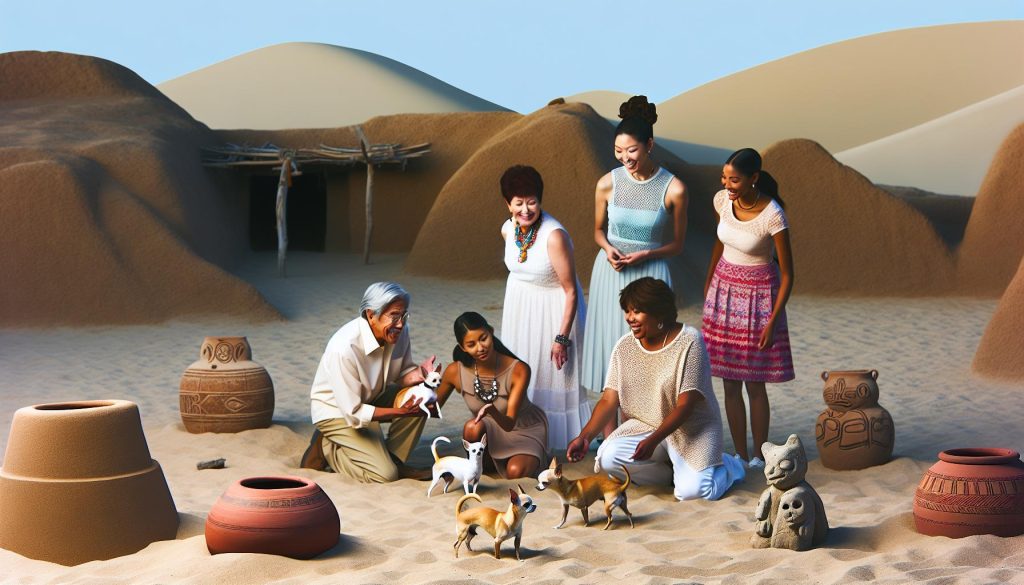
Did you know that Chihuahuas are believed to have ancient roots that trace back to the pre-Columbian era? These tiny but bold companions are not just adorable lap dogs; they carry a rich history that intertwines with the cultures of ancient civilizations. Understanding the origin of Chihuahuas can deepen your appreciation for your furry friend and help you connect with their breed’s unique personality and quirks. This exploration not only sheds light on their evolution but also highlights how their historical traits influence their behavior today. Whether you’re a first-time owner or a seasoned Chihuahua enthusiast, discovering what makes these little dogs so special will enhance your bond. Join us as we delve into the fascinating journey of Chihuahuas, celebrating their legacy while ensuring you have the knowledge to provide the best care for your vibrant, little companion.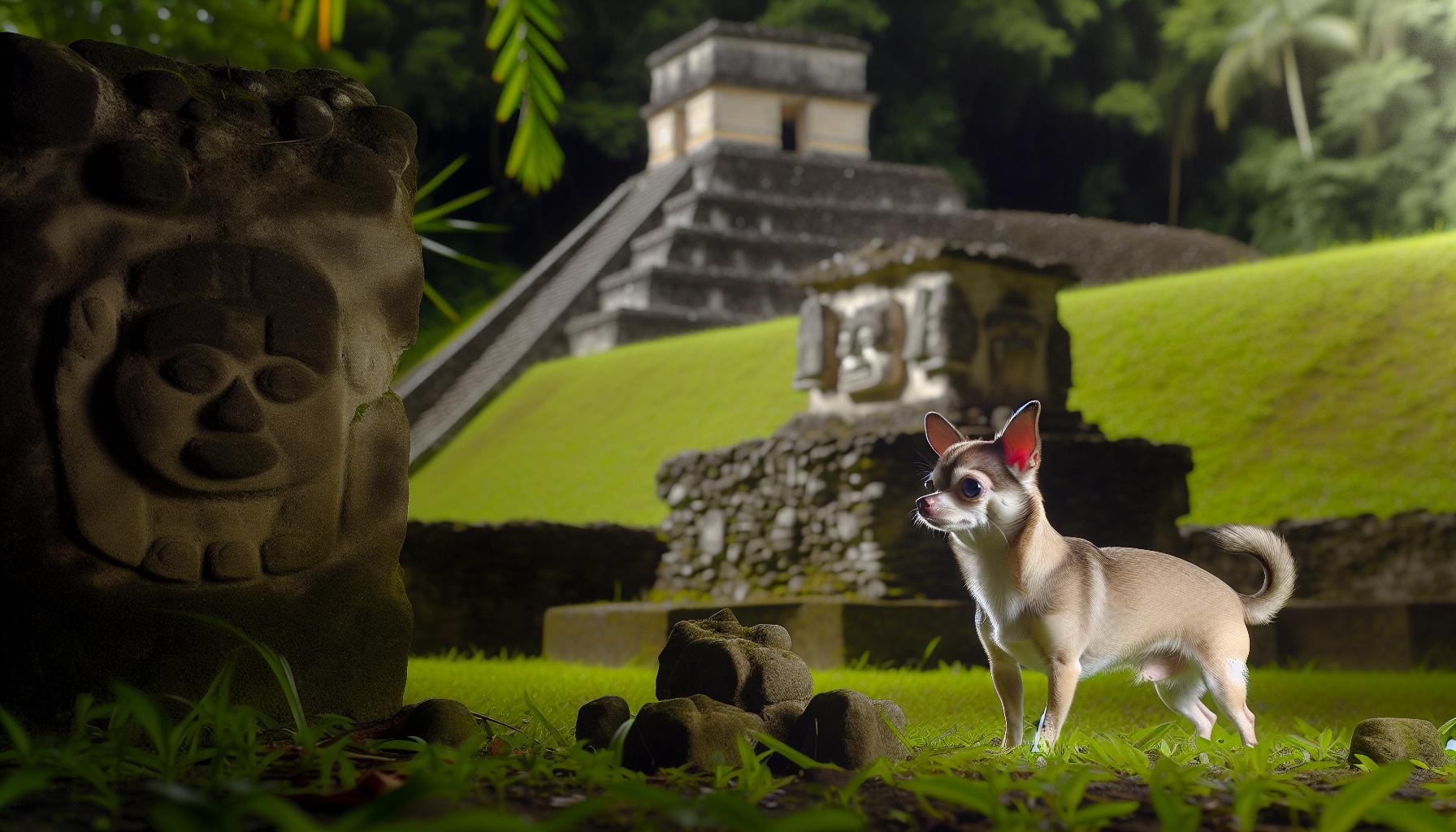
What Ancient Dogs Led to the Chihuahua?
Chihuahuas are beloved for their larger-than-life personalities packed into a tiny frame, but their heritage stretches back thousands of years to ancient civilizations. The origins of these spirited little dogs can be traced to ancient Mesoamerican cultures such as the Toltecs and Aztecs, who revered small dog breeds that are believed to be ancestors of the modern Chihuahua. The Techichi, a companion dog used by the Toltecs, shares a common lineage with the Chihuahua and was often depicted in historical artifacts, illustrating their significance in early society.
Historically, these small dogs were not just companions but also held spiritual significance. They were thought to possess mystical qualities, guiding souls in the afterlife, leading to their presence in burial sites alongside their human counterparts. This deep-seated cultural value has imbued Chihuahuas with a sense of purpose beyond mere pet ownership, celebrating their role in the lives of their families through history.
In addition to their rich historical background, the development of the Chihuahua has also been influenced by various breeding practices. After the arrival of Europeans in the Americas, small breeds from the Old World mixed with the native lines, refining the traits we recognize today. This genetic blend has resulted in the diverse appearances seen in contemporary Chihuahuas, such as the distinct apple-head shape and the variety of coat types, including long and smooth. Understanding this intriguing ancestry not only enriches your appreciation for this charming breed but also enhances the bond between you and your furry companion.
Cultural Significance of Chihuahuas Through History
Chihuahuas have captivated the hearts of many, but their journey through time paints a rich tapestry of cultural significance. These tiny canines, adored for their bold personalities and unwavering loyalty, are descendants of dogs that have been integral to Mesoamerican civilizations for thousands of years. The ancient Techichi, a small companion dog cherished by the Toltec people, is often recognized as a key ancestor of the modern Chihuahua. This unique lineage illustrates how their role in society was valued beyond mere companionship.
In ancient cultures like the Aztecs and the Toltecs, Chihuahuas were not only pets but also held profound spiritual significance. They were believed to guide souls in the afterlife, reflecting their revered status in various archaeological finds, including burial sites where these beloved dogs were laid to rest alongside their human companions. This connection to spirituality and their portrayal in art and artifacts provide a glimpse into how deeply woven into the fabric of early civilizations these dogs were.
As time progressed, the introduction of European dog breeds due to colonization led to a fascinating diversification in the Chihuahua’s genetics. This blending resulted in the varied physical traits we see today-each with its distinct character. From the compact, apple-headed features to the stunning array of coat types, including both long and smooth, every Chihuahua carries a piece of history within them. Understanding this is crucial for any owner; it fosters a deeper appreciation for the quirky, vocal, and fiercely loyal nature of these enchanting companions.
Caring for a Chihuahua means respecting its heritage. Their history of being cherished companions and guardians is reflected in their temperament-these dogs are bold and often unafraid to stand their ground despite their small stature. Enjoy the journey of sharing your life with a Chihuahua by incorporating aspects of their rich past into your care and training practices. Embrace their spirited nature, keep their health and diet in check, and you’ll find that, just like their ancestors, they bring joy and purpose to your life.
Exploring the Genetic Lineage of Chihuahuas
The lineage of Chihuahuas is as fascinating as it is rich, rooted in the history of ancient Mesoamerican cultures. At the heart of their ancestry is the small companion dog known as the Techichi, which thrived alongside the Toltec civilization. This ancient breed, valued for its companionship and spiritual significance, lived in homes, guarded sacred sites, and even accompanied their humans in the afterlife. The Techichi’s legacy is the bedrock upon which the modern Chihuahua stands, showcasing a continuity of companionship that spans centuries.
As you trace the genetic lineage, you’ll notice the impact of European colonization in the 16th century. The arrival of Spanish explorers brought new breeds, leading to an exciting blend of bloodlines that contributed to the diverse traits we see in contemporary Chihuahuas today. This crossbreeding resulted in various physical characteristics, from the distinctive apple-head shape to the cute, rounded ears and their compact stature, often weighing as little as 2 to 6 pounds. This diversity is not just a visual delight; it also elevates each Chihuahua’s personality, with combinations of traits producing everything from the bold, fearless demeanor to the affectionate, cuddly nature many owners cherish.
Caring for your Chihuahua involves understanding and appreciating this historical context. The balance of old-world genetics contributes to specific health considerations, particularly in maintaining their delicate yet resilient bodies. Owners should keep an eye on hereditary issues common in the breed, such as patellar luxation and heart problems, which can stem from their unique genetic makeup. Providing proper nutrition, regular vet check-ups, and gentle exercises can preserve their health, honor their lineage, and ensure that they thrive in the present.
Moreover, embracing their distinctive personality traits-bold and sometimes stubborn-can significantly enhance your bond. Consider engaging activities like agility training or puzzle toys that challenge their intelligent minds while respecting their spirited nature. This connection with their ancestry not only enriches their lives but also deepens the joy you experience as a Chihuahua owner, making every moment spent with them a celebration of an ancient legacy.
The Role of Chihuahuas in Aztec Civilization
In the vibrant tapestry of ancient Aztec civilization, Chihuahuas held a significant and multifaceted role. These small dogs, descendants of the Techichi, were not merely pets; they were integral to the cultural and spiritual life of the Aztecs. Revered as sacred companions, Chihuahuas were believed to ferry the souls of the deceased to the afterlife, embodying a spiritual connection that elevated them beyond simple domestic animals. This deep-seated reverence is a testament to their significance within Mesoamerican cultures.
Chihuahuas were often depicted in Aztec artwork, reflecting their prominent status. They were commonly associated with wealth and nobility, frequently appearing in the households of aristocrats. This connection reinforced their role as valued companions, often kept warm in the folds of their owners’ garments to provide comfort and joy. Such practices reveal how essential these tiny dogs were to daily life, blending seamlessly into the social fabric of Aztec society.
While modern owners might cherish Chihuahuas for their bold personalities and small stature, the Aztecs regarded them with a deeper respect that stemmed from their historical roles. Rituals involving these dogs were common; they were sometimes sacrificed to accompany their owners in death, emphasizing their position as sacred guardians. The legacy of this cultural significance persists today, as many Chihuahua owners still perceive their pets as loyal companions with an enduring spirit.
Caring for a Chihuahua today involves honoring this rich history. Understanding that your pup carries the legacy of ancient companionship and loyalty can deepen your bond. As you nurture her through health considerations-like regular vet check-ups and maintaining a balanced diet-remember the connection that has persisted through centuries. Engage her with stimulating activities, respecting her intelligent, sometimes feisty nature. This approach not only fosters a healthy relationship but also keeps alive the spirit of the breed’s profound ancestral legacy.
Physical Characteristics That Define Chihuahuas
With their tiny stature and vibrant personality, Chihuahuas encapsulate a unique blend of physical traits that make them one of the most recognizable dog breeds. Known for their compact size, they typically weigh between 2 to 6 pounds, although some may exceed this range. This little dynamo, often weighing less than a loaf of bread, is surprisingly robust. The Chihuahua’s distinctive shape features a rounded head and a tinky body, resulting in what enthusiasts often call the “apple-head” and “deer-head” variations.
Body Structure
Chihuahuas possess a delicate yet sturdy build. Their short legs and elongated tail give them an adorable appearance, while their large, expressive eyes convey a range of emotions. These eyes often sparkle with curiosity and intelligence, reflecting the breed’s lively nature. Both variations have signature physical traits:
- Apple-head Chihuahuas: Characterized by a rounder skull and a more pronounced dome shape. They typically have a shorter snout.
- Deer-head Chihuahuas: These have a more elongated snout and a flatter forehead, resembling the visage of a deer.
Coat Types and Colors
Chihuahuas come in both smooth and long-haired varieties, offering owners a choice based on personal preference and lifestyle. The smooth coat is low-maintenance and easy to groom, perfect for first-time owners. In contrast, the long-haired version requires more frequent brushing to prevent tangles. As for color, Chihuahuas are a canvas of possibilities, showcasing hues like fawn, black, chocolate, cream, and various combinations or patterns, including brindle and spotted. This spectrum of colors can reflect the owner’s style, making each Chihuahua unique.
Physical Presence
Though small, Chihuahuas carry a bold presence. Their confident stature is often accentuated by a raised head and alert ears, making them look like tiny guardians. This breed’s unique physical characteristics contribute to its reputation as a steadfast companion. Despite their size, Chihuahuas exhibit a personality larger than life-**vocal, loyal, and often sassy. They may be small, but their hearts (and bark) are mighty, adding a spirited touch to any household.
In summary, understanding the physical attributes of a Chihuahua is essential not only for identification but also for appreciating their charm and uniqueness. Their history as companions dates back to ancient civilizations, and these defining traits today continue to endear them to dog lovers everywhere.
Understanding Chihuahua Temperament and Behavior
Chihuahuas are as complex as they are charming, brimming with personality that belies their small size. They are known for their bold and spirited temperament, often acting like they’ve got the heart of a lion, despite weighing just a few pounds. This little dynamo can be fiercely loyal to their owners, forming strong bonds that are often akin to a best friendship, making them wonderful companions for those who appreciate their unique traits.
When it comes to their behavior, Chihuahuas can be a delightful mix of sassy and sweet. They tend to be very vocal, guarding their territory with a bark that can rival much larger breeds. This protective instinct makes them excellent watchdogs, as they will alert you to anything unusual happening around your home. However, this bark can also become excessive if not properly managed; early training in obedience and socialization is key to ensuring your Chihuahua learns when it’s truly necessary to express himself.
Socialization is particularly crucial for Chihuahuas because their initial predisposition can lead to shyness or even aggressive behaviors if they are not exposed to a variety of people, other animals, and situations early in life. Taking them on walks, enrolling them in training classes, or arranging playdates with other dogs can enhance their social skills. The more experiences they have, the more confident they will become, leading to a more stable and happy temperament.
Chihuahuas are also known for their affectionate nature. Many owners find that their Chi has a penchant for cuddling and being close to them, often seeking warmth under blankets or curling up in a lap. This deep affection contributes to their reputation as companion dogs. Given their sensitive nature, it’s crucial to provide them with a loving environment where they feel safe. Ensure that your Chihuahua has a quiet, cozy space to retreat to comfort and security during stressful situations, such as thunder or fireworks.
In summary, understanding the temperament and behavior of Chihuahuas is not just about recognizing their quirks; it’s about nurturing their vibrant personalities and enhancing the bond you share. With early socialization, training, and a lot of love, your Chihuahua can thrive and bring immeasurable joy to your life.
Chihuahua Health Insights: Common Issues to Watch
Chihuahuas, those tiny dynamos filled with personality, come with their own set of health considerations that diligent owners should keep in mind. Being one of the smallest dog breeds, Chihuahuas can be prone to specific health issues that necessitate proactive care. Understanding these common health concerns can help ensure that your little companion thrives for years to come.
One of the most prevalent issues in Chihuahuas is patellar luxation, where the kneecap dislocates, leading to pain and mobility challenges. This condition is often noticed in younger dogs but can worsen over time. Regular vet check-ups are essential for early detection, and in some cases, surgical intervention may be recommended to alleviate discomfort.
Chihuahuas are also susceptible to dental problems due to their small mouths, which can lead to overcrowding and other dental issues. Regular dental care, including brushing your dog’s teeth and providing dental chews, is crucial. Many owners have found that incorporating dental treats into their Chi’s routine not only enhances their oral hygiene but also keeps them engaged and happy.
Another potential concern is hypoglycemia, particularly in young or underweight Chihuahuas. These small dogs can experience dangerously low blood sugar levels, leading to weakness or lethargy. To combat this, feeding small, frequent meals with a high-quality diet can help maintain stable energy levels. Keeping a source of sugar, like honey or glucose gel, handy is also a practical tip for emergencies.
Lastly, be mindful of heart issues, especially common in older Chihuahuas. Conditions such as heart murmurs or congestive heart failure can arise, so maintaining regular vet visits becomes crucial as your furry friend ages. Monitoring their behavior for any changes, such as increased coughing or fatigue, can also help catch any developing problems early.
By staying informed and attentive to these health aspects, you can ensure that your Chihuahua lives a healthy, happy life. Regular veterinary care, a nutritious diet, and lots of love are the pillars of a thriving Chihuahua!
Care Tips for Your Chihuahua: What You Need to Know
Chihuahuas have an enchanting history that connects them to ancient civilizations, making them not just companions but bearers of cultural significance. Known for their captivating personalities and remarkable loyalty, these little dogs command attention both for their size and their rich ancestry that traces back to the ancient dog breeds of Mexico. As a proud owner of a Chihuahua, you may wonder how to provide the best care for your tiny companion, given their unique lineage and personality traits.
It’s essential to ensure that your Chihuahua receives appropriate nutrition suited to their size and activity level. Choose high-quality dog food specifically formulated for small breeds to support their energy needs. Due to their delicate nature, consider dividing their meals into smaller portions throughout the day to prevent hypoglycemia, a common concern for this breed. Keep an eye on their weight; Chihuahuas can easily gain excess pounds, which may lead to further health complications.
Regular exercise is vital, but it can be as simple as a brisk walk around the neighborhood or some indoor playtime. Despite their small stature, Chihuahuas are energetic and often enjoy spirited play sessions, so be prepared to indulge their playful side! Engaging them with toys or games not only keeps them physically fit but also sharpens their wits. When exercising, always monitor their tolerance, as Chihuahuas can easily become fatigued due to their small size.
Moreover, grooming should be a routine part of your Chihuahua’s care. Even if they have a short coat, regular brushing helps distribute natural oils and keeps their skin healthy. For long-haired varieties, like the beautiful long-haired Chihuahua, more frequent grooming is necessary to prevent tangles. Dental health is crucial, so make sure to incorporate tooth brushing into their routine or provide dental treats to help keep their teeth and gums in tip-top shape.
Finally, understanding your Chihuahua’s temperament is key to nurturing a loving environment. These little dogs can be quite vocal, expressing themselves grandly with barks and chatter. Embrace their bold nature by providing socialization opportunities with other pets and people. This not only helps reduce any anxiety they might have but also enhances their confidence. As a Chihuahua parent, celebrating their quirks (like their love for snuggling and guarding your home) makes the journey all the more rewarding.
Through attentive care that honors their ancient roots while embracing their vibrant spirit, you can ensure that your Chihuahua thrives both physically and emotionally. Your dedication will not only reflect in their health but also in the joyful companionship they provide as you share life’s adventures together.
Caring for Your Chihuahua: Nutrition and Diet Essentials
Chihuahuas carry a rich history that weaves through the ancient civilizations of Mesoamerica, and their diet reflects this unique heritage. As a loving owner of one of these spirited little companions, it’s essential to provide a diet that not only meets their physical needs but also honors their ancestry. Given their size and energy levels, careful consideration in nutrition can lead to vibrant health, showcasing the bold personality that Chihuahuas are known for.
When selecting food for your Chihuahua, look for high-quality options specifically formulated for small breeds. These foods are often richer in protein and fat, catering to their active lifestyle. The balance of nutrients is crucial to prevent common health issues like hypoglycemia, which can be a concern for these tiny dogs. Many owners, like you, find success by feeding their Chihuahuas smaller meals throughout the day rather than a couple of larger ones, ensuring they maintain stable energy levels without overwhelming their delicate stomachs.
Understanding Portion Sizes
Finding the right portion size can be a bit tricky due to their petite stature. Typically, adult Chihuahuas require about 1/2 to 1 cup of food daily, depending on their activity level and specific needs. To help you navigate this, consider these guidelines:
- Check the Food Label: Manufacturers often provide guidelines based on your dog’s weight.
- Monitor Weight: Keep an eye on your Chihuahua’s weight and adjust portions if they begin to gain or lose excessively.
- Consult Your Veterinarian: Regular check-ups can provide personalized dietary advice.
Special Dietary Considerations
Chihuahuas can be sensitive to certain ingredients, so knowing what to include-and what to avoid-is vital. Some owners have observed that their dogs thrive on grain-free diets, while others successfully use a mix of dry food with wet or fresh options to provide variety. Adding supplements, such as omega fatty acids, can improve coat health and support overall wellbeing. Just remember, any diet change should be gradual to prevent digestive upset.
Regularly watch for any signs of food allergies, which may present as itching or digestive issues. Keeping a food diary can be helpful; jot down your Chihuahua’s reactions to different foods and any changes in behavior or health. This proactive approach not only reflects the understanding rooted in their ancient lineage but also fosters a deeper connection with your loyal companion, ensuring a happy and healthy life as you navigate together through the joys and challenges of ownership.
Training and Socialization Tips for Chihuahuas
Training your Chihuahua can be a rewarding experience, especially given their rich history as companions to ancient civilizations. These tiny treasures are not just adorable; they’re also intelligent and eager to learn. Nonetheless, they possess a willful spirit that can make training a unique challenge. A solid understanding of their temperament and quirks will enhance your training methods and help you build a trusting relationship.
Start training early, ideally when your Chihuahua is still a puppy. Puppies are sponges for information, and early socialization is crucial. Expose your little one to various people, pets, and environments to promote confidence and reduce fear-based behaviors. For instance, if you take your Chihuahua to the park, allow her to meet other friendly dogs. This helps her understand different social cues and adapt accordingly.
Consistency is key with training. Use short, engaging sessions filled with positive reinforcement. Chihuahuas respond well to treats and praise, so keep some tasty snacks at hand for immediate rewards when she follows commands like “sit” or “stay.” Remember, they are more likely to engage when the atmosphere is fun and light-hearted. Real-world example: a Chihuahua owner I know found success by incorporating play into each training session. After completing a task, they would throw a toy and let their pup chase it, making learning a thoroughly enjoyable adventure.
To address potential behaviors common to the breed, such as excessive barking or stubbornness, try to redirect their energy. Teaching commands like “quiet” can be helpful to manage barking; simply reward her with treats when she obeys. Regular obedience training not only teaches essential commands but also reinforces your role as a calm and confident leader in her life.
Chihuahuas thrive with structure and knowing what’s expected. With patience and consistent training, your little friend will not only know the commands but also feel secure and loved. Remember, the journey of training is as important as the destination, so celebrate small victories and enjoy each moment spent together!
The Chihuahua’s Journey: From Ancient to Modern Companion
Chihuahuas, with their tiny stature and big personalities, have a fascinating history that traces back thousands of years. Originating from ancient Mexico, these dogs are believed to be descendants of the Techichi, a companion dog kept by the ancient Toltec civilization. They played a significant role in the lives of their owners, often serving not just as pets but also as spiritual companions. The Techichi were known for their loyalty and serene demeanor, traits that Chihuahuas still embody today.
As the Aztec empire rose, so did the prominence of the Chihuahua. These dogs were revered in various cultures, often thought to possess mystical qualities. The Aztecs even considered them sacred, believing that they had the ability to guide souls in the afterlife. In addition to their spiritual importance, Chihuahuas were also used in daily life, hunting small game and providing warmth to their owners, reflecting a deep bond between the breed and human families.
Fast forward to modern times, and Chihuahuas have transitioned from sacred companions to beloved pets across the globe. Their compact size makes them perfect for urban living, while their spirited personalities endear them to many. Whether it’s the feisty apple-head or the elegant deer-head type, each Chihuahua carries that ancient essence with them. Owners often share heartwarming tales of their Chihuahuas’ loyalty, like the story of a little Chihuahua named Bella who stayed by her owner’s side during a lengthy illness, providing comfort and companionship that only a true friend can offer.
Despite their ancient roots, Chihuahuas are very much a part of contemporary culture. They have become icons in popular media, often depicted as fashionable accessories due to their small size. Yet, it’s essential to remember their heritage; they thrive when treated with respect and love, showcasing their unique qualities as spirited, vocal, and fiercely loyal companions. It’s this blend of rich history and modern charm that makes Chihuahuas such special members of the family, echoing their legendary past while living vibrantly in the present.
Real Stories: How Chihuahuas Enrich Our Lives
Chihuahuas have an undeniable ability to enrich our lives in ways that go beyond their petite size and vibrant personalities. With origins tracing back to the ancient Techichi dogs revered by the Toltecs, these little companions carry a legacy of loyalty and connection that resonates through generations. Whether you choose an apple-head or a deer-head Chihuahua, each dog brings a unique charm that brightens everyday life, much like their historical predecessors who served as more than just pets.
Many owners share uplifting stories that highlight the special bond formed with their Chihuahuas. For instance, there’s the story of Max, a lively apple-head Chihuahua who became the emotional anchor for his owner during tough times. When his human faced anxiety, Max would curl up on the lap, providing warmth and comfort, reminding them of the ancient role these dogs played as spiritual companions. It is these moments of genuine connection that showcase how Chihuahuas not only offer companionship but also enhance our emotional well-being.
The social aspect of being a Chihuahua owner adds another layer to the enrichment they provide. Their spirited nature often acts as a conversation starter, bringing together other dog lovers and forging new friendships. Walking through the park with Bella, a feisty little deer-head, often leads to chats with other pet owners intrigued by her bold personality. This communal aspect reflects the historical significance Chihuahuas held in their communities, promoting not just a bond with their owners but also social ties amongst people.
Furthermore, caring for a Chihuahua can teach valuable lessons about responsibility and understanding. Owners quickly learn the importance of meeting their Chihuahua’s needs-whether in nutrition, exercise, or social interaction. This responsibility nurtures a deeper appreciation for the dog’s unique characteristics, from their fierce loyalty to their quirky behaviors, enriching not only the owner’s life but also the dog’s existence. As you share this journey with your Chihuahua, you’re not just providing a home; you’re creating a partnership that echoes the ancient companionship these remarkable dogs have offered for centuries.
FAQ
Q: Where did Chihuahuas originate from?
A: Chihuahuas trace their origins to ancient Mexico, specifically linked to the techichi, a small dog kept by the Toltec civilization. This breed evolved over centuries, eventually becoming recognized as the Chihuahua we know today.
Q: What historical role did Chihuahuas play in Aztec culture?
A: In Aztec culture, Chihuahuas were considered sacred and were believed to guide souls to the afterlife. They also served as companions and were often buried with their owners, highlighting their significant emotional value.
Q: How did the Chihuahua breed evolve over time?
A: The Chihuahua has evolved through selective breeding practices that emphasized traits like size and temperament. As they became popular in the United States, their breed standards were established, further shaping their development.
Q: What ancient dog breeds contributed to the Chihuahua’s genetic makeup?
A: The Chihuahua shares genetic roots with several ancient breeds, notably the techichi and other small native Mexican dogs. These breeds contributed to its physical characteristics and temperament.
Q: What makes the Chihuahua unique compared to other small breeds?
A: Chihuahuas are distinct for their bold personality, loyalty, and vocal nature. Unlike many other small breeds, they exhibit a unique blend of confidence and alertness that often belies their tiny size.
Q: How can understanding the history of Chihuahuas help in their care?
A: Understanding the Chihuahua’s historical background informs their care needs, including their nutritional requirements and socialization practices. Recognizing their ancient roles helps owners appreciate their unique temperament and behavior.
Q: Are Chihuahuas hypoallergenic?
A: No, Chihuahuas are not considered hypoallergenic. They can produce allergens in their dander and saliva, which may cause reactions in sensitive individuals. Regular grooming can help manage allergens.
Q: How did Chihuahuas gain popularity worldwide?
A: Chihuahuas gained international popularity in the late 20th century, largely due to celebrity ownership and portrayals in media. Their small size, coupled with charming personalities, made them a favored companion breed.
In Retrospect
Chihuahuas are more than just tiny companions; they carry a rich history that adds depth to their vibrant personalities. Their unique characteristics, like being vocal and loyal, make them beloved by many. As you embrace the joys of owning a Chihuahua, remember to consider their health needs and behavioral quirks to ensure a fulfilling relationship.
Want to dive deeper? Explore our guides on caring for your Chihuahua’s specific coat types and behavioral tips tailored to their apple-head features! Whether you’re a seasoned owner or new to the breed, there’s always more to learn. Be sure to check out our newsletter for the latest tips and breed insights, and share your own Chihuahua stories in the comments below. Let’s celebrate the amazing journey of our tiny, bold companions together!
Get our latest guides, news, and insights highlighted in your Google Search & AI Overviews.