
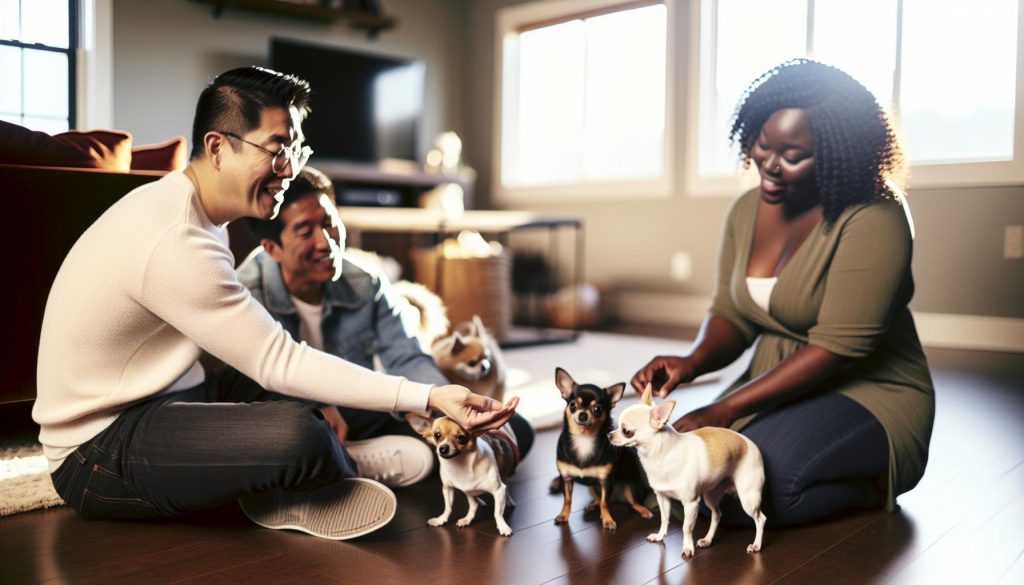
Thinking about adding a Chihuahua to your family? You’re in for a delightful journey! These small dogs pack a big personality, known for their loyalty, boldness, and charming quirks. However, it’s essential to consider whether this breed fits your lifestyle. Chihuahuas can be vocal and spirited, so a proper understanding of their needs-like attention, socialization, and health care-is crucial before making a decision.
In this honest assessment, we’ll explore important factors to consider when welcoming a Chihuahua into your home. From coat types and sizing to behavior and health concerns, we’ll help you determine if this breed aligns with your expectations as a pet owner. Whether you’re a first-time dog owner or an experienced enthusiast, understanding your potential furry friend’s unique personality and challenges will guide you toward a joyful companionship. Let’s dive in and find out if a Chihuahua is the perfect match for you!
Is a Chihuahua the Right Fit for Your Lifestyle?
While Chihuahuas are tiny in stature, they possess enormous personalities that can significantly impact your home and lifestyle. Their vibrant energy, loyalty, and often bold demeanor make them intriguing companions, perfect for those who appreciate spirited little dogs. However, before welcoming a Chihuahua into your life, it’s crucial to consider how this breed’s unique attributes align with your daily routine and expectations.
Chihuahuas are known for their strong bonds with their owners, often following them from room to room, and they can be quite vocal about their desires and feelings. This can be delightful for some and overwhelming for others. If you appreciate an affectionate, alert, and sometimes dramatic dog, a Chihuahua could be an excellent fit. However, if you prefer a low-key pet that enjoys independence, you might find the breed’s propensity for attention-seeking to be a challenge.
In terms of care, Chihuahuas require a commitment to both their physical and mental well-being. They thrive on social interaction and need regular play, which can be accommodated even in small apartments due to their manageable size. However, they also enjoy outdoor time and will benefit from daily walks and safe, enclosed spaces to explore. If you’re someone who enjoys cottage-style living, perhaps with a patio or a small yard, this breed will flourish with your companionship. Additionally, Chihuahuas can adapt well to many living situations, making them suitable for both active and more relaxed lifestyles, provided you’re willing to engage them regularly.
Moreover, you must also consider their health needs. Common concerns like dental issues or patellar luxation are prevalent in the breed, requiring regular veterinary care and attention to diet. If you’re prepared to prioritize health with regular check-ups and a balanced diet, your Chihuahua can lead a happy, healthy life by your side. Remember, their small size means they are also vulnerable to injuries, particularly in households with small children or larger pets, which demands extra caution and supervision.
Ultimately, the decision to bring a Chihuahua into your home should reflect your personality, lifestyle, and readiness to embrace their quirks. By understanding their needs and characteristics, you can ensure a harmonious partnership that enriches both your life and theirs.
Understanding Chihuahua Temperament and Behavior
Chihuahuas are more than just tiny companions; they embody an exuberant spirit that can light up any room. With a bold personality packed into a small frame, these little dogs often act as though they own the world. Understanding their temperament and behavior is essential for any potential owner, as their unique quirks come with both rewards and challenges. Whether you’re considering adopting a Chihuahua or are already a proud owner, appreciating their traits can enhance your relationship.
One of the most endearing qualities of a Chihuahua is their unwavering loyalty. They tend to form deep connections with their owners, often following them everywhere. This affectionate nature means they thrive on attention and companionship. However, this can also lead to separation anxiety if they feel neglected. For instance, one owner described how her Chihuahua, Bella, becomes a “drama queen” when left alone, expressing her discontent through vocal protests. Thus, ensuring they have ample interaction and companionship is crucial for their mental health.
Another defining aspect of Chihuahua behavior is their boldness. Despite their small size, Chihuahuas often display a fearless attitude. They aren’t shy about expressing themselves and might readily take on larger dogs in the park, much to the amusement (or horror) of onlookers. This confidence can be delightful, but it also requires careful socialization. Owners must be proactive in introducing their Chihuahua to various environments and dogs to help them become well-adjusted. Positive experiences early on can prevent overly aggressive or defensive behaviors later.
Chihuahuas are also known for being quite vocal. They’re not just barkers for no reason, though; their alerts can be beneficial as watchdogs. When considering your living situation, it’s important to gauge how well you can navigate this trait. Some owners love the alerting nature of their Chihuahuas, while others find it challenging, especially in quiet apartment settings. Implementing training techniques from an early age can help manage barking and ensure harmony within your household.
In essence, embracing a Chihuahua means embracing a life filled with energy, love, and a bit of mischief. Understanding their unique temperament and behavior not only prepares you for potential challenges but also helps you appreciate the joys of having such a spirited companion. By investing time in socialization and training, you’ll create a fulfilling environment that allows your Chihuahua to thrive, ensuring that both you and your little friend enjoy a happy, harmonious life together.
Health Considerations: Common Chihuahua Concerns
Chihuahuas are small but mighty, and their health considerations deserve attentive care. This breed is prone to specific health issues that can impact their quality of life. Understanding these common concerns is crucial for any current or prospective Chihuahua owner, as early detection and proactive management can lead to a happier, healthier little companion.
One prevalent concern among Chihuahuas is patellar luxation, where the kneecap slips out of place. This can lead to pain and mobility issues. Regular veterinary check-ups are essential, as a veterinarian can provide guidance on maintaining a healthy weight to alleviate pressure on the joints and recommend exercises that promote strength without strain.
Another key issue is dental health. Chihuahuas tend to have overcrowded teeth due to their small mouths, leading to a higher likelihood of gum disease. Establishing a routine for dental care, including regular brushing and professional cleanings, is vital. One owner shared how her Chihuahua, Max, had to undergo dental surgery, which was both stressful and expensive. Keeping a watchful eye on your dog’s oral hygiene can prevent similar situations.
Moreover, hypoglycemia (low blood sugar) is a risk, particularly in puppies or those who are stressed. Regular feeding schedules and high-quality, nutritious food can help keep your Chihuahua’s energy levels stable. It’s always a good idea to have appropriate snacks on hand, especially during training sessions or long outings.
With their large, expressive eyes, Chihuahuas can be susceptible to eye problems such as cataracts or corneal ulcers. Regular eye check-ups will help catch any signs of distress early. Keeping the eye area clean and free of irritation is also crucial. One Chihuahua owner recounted an instance where her dog developed dry eye, only to see improvement after diligent care and vet attention.
Lastly, your Chihuahua’s size means they can easily suffer from temperature sensitivity. They thrive in moderate climates but can struggle in extreme heat or cold. Providing a cozy sweater in winter and avoiding excessive exercise during hot days can keep your little one comfortable and safe.
By being aware of these common health issues, you can take proactive steps to ensure your Chihuahua lives a long, vibrant life filled with love and companionship. The investment in their health care will pay off in countless snuggles and adventurous moments that you both will cherish.
The Care Requirements of a Chihuahua
Chihuahuas are not just tiny companions; they’re vibrant and full of personality. Caring for a Chihuahua means understanding their unique needs and quirks that come with this spirited breed. While they may be small in size, their care requirements are just as significant as those for larger dogs. Owners must be prepared to provide a nurturing environment that keeps their Chihuahua both healthy and happy.
One of the primary aspects of Chihuahua care is their nutritional needs. Chihuahuas can be picky eaters, but it’s essential to offer them a high-quality diet that supports their health. Look for brand formulas specifically designed for small breeds. Providing meals in regular intervals-two to three small meals a day-helps prevent issues like hypoglycemia, a condition they are prone to due to their rapid metabolism. Many owners find success incorporating nutritious snacks during training sessions, which not only supports health but also strengthens the bond between owner and dog.
Healthcare and Regular Check-ups
Regular veterinary visits are crucial for Chihuahuas. They are prone to specific health issues, such as dental problems due to overcrowded teeth. Establishing a dental care routine-like regular brushing and vet cleanings-can mitigate serious dental diseases. Eye health is another concern; their large, expressive eyes may be prone to conditions like cataracts. Keeping their eye area clean can help prevent irritations.
Another area to focus on is exercise. Chihuahuas need daily activity, but their exercise needs differ significantly compared to larger breeds. They enjoy short walks and play sessions but can easily tire out, so be attentive to their energy levels. Mixing in mental stimulation with toys and interactive games helps keep their minds sharp.
Grooming and Temperature Sensitivity
Grooming requirements vary by coat type, with some Chihuahuas sporting long hair that needs regular brushing, while others have short coats that require less maintenance. Regardless of coat length, regular grooming helps minimize shedding and maintain skin health. It’s also important to dress your Chihuahua appropriately for the weather. They are sensitive to cold and heat; a snug sweater during cold months and avoiding excessive heat during summer can keep them comfortable.
Having the right resources and knowledge about Chihuahua care can make the experience rewarding. A well-cared-for Chihuahua is not just a pet; she becomes a cherished member of the family, known for her loyalty and spirited personality. Remember, the investment in your Chihuahua’s care leads to lifelong companionship, filled with affection and unforgettable moments.
Lifestyle Compatibility: Active vs. Sedentary Owners
Chihuahuas are as diverse in their personalities as they are in their size, and their compatibility with your lifestyle hinges on understanding what makes them tick. If you’re an active person, expect a spirited companion who loves to join you on short walks or even a quick jog around the block. Despite their tiny stature, Chihuahuas are bold and outgoing, often brimming with energy. A friend shared how her apple-head Chihuahua, Bella, eagerly bounds along during her morning runs, showcasing a stamina that surprises many. However, it’s crucial to keep in mind that due to their small size, Chihuahuas can tire quickly. Regular, interactive play sessions that include toys or agility courses can also give them vital exercise while keeping their minds engaged.
On the flip side, if you lean towards a more sedentary lifestyle, don’t fret! Chihuahuas can adapt beautifully to a quieter home. They are cuddle bugs at heart, thriving on close companionship. A gentle lap dog, your Chihuahua will happily curl up beside you as you enjoy a movie or read a book. Just ensure that you provide her with daily opportunities to stretch her legs, even if it’s a leisurely stroll in the backyard or a short play session in the living room. One of my fellow dog lovers mentioned how her Chihuahua, Max, prefers the thrill of snuggling to intense exercise, yet still enjoys little bursts of playfulness every now and then.
In both scenarios, consistency in their routine will help your Chihuahua feel secure and happy. Regardless of your activity level, incorporating socialization into your Chihuahua’s life is essential. Whether you’re an active adventurer or a couch potato, teaching your Chihuahua to confidently navigate new situations-like meeting other dogs or experiencing different environments-will contribute to a well-rounded temperament. A balanced approach ensures that she thrives, regardless of your lifestyle.
Ultimately, Chihuahuas are adaptable companions that can fit well into various lifestyles, but remember that they rely on you to meet their specific needs. Their loyalty and spirited personalities can transform every ordinary moment into something special, whether you’re out and about or enjoying a cozy night at home.
Training a Chihuahua: Tips for Success
Training a Chihuahua can be one of the most rewarding experiences for any dog owner. Despite their small size, Chihuahuas possess big personalities, often displaying a vocal, loyal, and sometimes stubborn nature. This creates a unique set of challenges and opportunities when it comes to training. Understanding these characteristics can set the foundation for a strong training relationship.
Starting with the basics, it’s essential to establish yourself as a confident leader. Chihuahuas, known for their boldness, may try to take charge if they sense a lack of assertiveness from their owner. To encourage good behavior, incorporate regular training sessions that focus on basic commands like “sit,” “stay,” and “come.” Keep sessions short and engaging, as Chihuahuas can lose interest quickly. For instance, a friend of mine, who has an apple-head Chihuahua named Daisy, found success by using high-value treats and playful praise, which not only encouraged Daisy but also made training enjoyable.
Another key aspect is consistency. Use the same commands and gestures every time to help your Chihuahua connect the dots. For instance, if you want her to learn the “down” command, always use the same word and signal. This consistency also applies to the rules you set; if jumping on the couch is a no-go, it should be prohibited at all times, not just on some days. This clarity helps her understand what is expected, which ultimately reduces confusion and anxiety.
Chihuahuas also thrive on positive reinforcement. Praise and treats can work wonders for motivating these little companions. If your Chihuahua successfully follows a command, immediately reward her with affection or a small treat. This method reinforces the desired behavior and encourages her to repeat it in the future. Moreover, remember that Chihuahuas generally respond to a softer tone of voice, so using encouraging words can enhance her willingness to engage in the training.
Lastly, socialization is vital in a Chihuahua’s training journey. Exposing your dog to different people, environments, and other pets helps her develop confidence and reduces fear-based behaviors. A cautious approach is often necessary; small doses of new experiences will help her adapt without becoming overwhelmed. For example, gradually introducing her to dog parks or busy areas can create a well-rounded and socially savvy companion.
A well-trained Chihuahua will not only enhance your life but also deepen the bond you share. Expect moments of stubbornness, but with patience, love, and the right techniques, you’ll find that this feisty little breed can soar to great heights of training success!
Socialization Needs: Ensuring Your Chihuahua Thrives
In the vibrant world of Chihuahuas, their socialization needs are paramount for cultivating confident and well-adjusted companions. While their petite size might lead some to underestimate their social nature, Chihuahuas are incredibly social dogs that thrive on regular interactions with both people and other pets. A well-socialized Chihuahua can reduce the likelihood of fearfulness or aggression, making each outing a delightful experience rather than a stressful one.
Exposing your Chihuahua to a mix of environments and encounters is essential. Start this process early, ideally when they are still a puppy, as their formative experiences will shape their adult personalities. Aim for a variety of situations, from bustling parks to quiet stores, allowing her to become accustomed to different sights, sounds, and smells. For example, one owner shared how their apple-head Chihuahua, Bella, became less anxious around larger dogs after several trips to the dog park, where she could observe and interact with them at her own pace. Such gradual exposure helps instill trust and reduce potential fear responses later on.
To foster those social skills, consider incorporating structured activities into your routine. Chihuahua playdates can be beneficial, allowing for safe interactions with other dogs. Start with calm or familiar canines that won’t overwhelm your little one. You might also think about enrolling her in puppy kindergarten or basic obedience classes, which often serve as socialization hubs. These classes not only teach crucial commands but also provide a controlled environment to meet new friends-both furry and human.
Pay close attention to your Chihuahua’s reactions during socialization. If she seems scared or overwhelmed, it’s important to give her space and time to acclimate. Avoid forcing interactions; instead, allow her to approach at her own pace and reward her with treats or praise for brave behavior. This positive reinforcement strengthens her confidence. Remember, each Chihuahua has her own unique personality; some might be bold and outgoing, while others might take a more reserved approach. Your goal is to nurture her comfort in diverse environments without adding undue stress.
With heartfelt dedication to their socialization, you’ll discover that your little companion not only thrives but also enriches your life with her vibrant personality. Whether she’s charming passersby with her playful antics or simply enjoying a cozy afternoon at home, a well-socialized Chihuahua brings joy and warmth to your everyday adventures.
Feeding Guidelines for a Healthy Chihuahua
Feeding your Chihuahua the right diet is crucial not just for their health, but also for their happiness and energy levels. These little dogs, known for their bold personalities and vocal nature, require a diet that supports their unique needs. Due to their small size, Chihuahuas can be prone to obesity, so managing their weight with a balanced diet is especially important. Choosing high-quality, small-bite kibble is a great starting point, as it will cater to their petite mouths and help prevent dental issues.
When it comes to feeding, consider the following guidelines:
Portion Control
Chihuahuas typically need about ¼ to 1 cup of food daily, divided into two meals. Monitor your dog’s weight closely and adjust portions accordingly. For example, one enthusiastic owner mentioned how switching to a more calorie-conscious formula helped their apple-head Chihuahua, Max, shed excess weight, allowing him to be more playful and active.
Quality Ingredients
Look for dog food that lists meat as the first ingredient, combined with wholesome grains or vegetables. Avoid fillers like corn or soy, as they don’t offer substantial nutritional benefits. Some Chihuahuas might also have allergies; keep an eye out for any adverse reactions to particular ingredients, and consult with your vet if necessary.
Home-Cooked Options
If you prefer home-cooked meals, ensure they are well-balanced. Natural options like lean chicken, carrots, and brown rice can be excellent choices, but it’s important to avoid toxic foods such as chocolate, garlic, and onion. Always consult your veterinarian before making significant changes to your dog’s diet to ensure all nutritional needs are met.
Hydration Matters
Don’t forget that hydration is crucial! Always provide fresh water. Since some Chihuahuas can be picky drinkers, try adding a splash of low-sodium broth to their water bowl to encourage drinking.
Emphasize positive feeding practices by rewarding your Chihuahua with healthy treats during training or for good behavior. They thrive on interaction, and these moments can enhance your bond. With careful attention to their diet and eating habits, you can help your Chihuahua live a long, vibrant life full of playful antics and unwavering loyalty.
Chihuahua Grooming: Coat Types and Maintenance
Chihuahuas, with their charming personalities and striking appearances, come in two coat types: short-haired (smooth) and long-haired. Both varieties require grooming, but the methods and frequency vary, making it important to understand your Chihuahua’s specific needs.
For short-haired Chihuahuas, grooming is relatively simple. They shed seasonally, so a weekly brushing with a soft bristle brush can effectively remove loose hair and keep their coat healthy. During shedding season, a more frequent brush might be necessary. Short-haired Chihuahuas can benefit from occasional baths to maintain their cleanliness and shine. Simply use a gentle dog shampoo that won’t irritate their skin, and always ensure they are thoroughly dried afterward, as they can get chilled easily.
On the other hand, long-haired Chihuahuas require a bit more attention. Their beautiful flowing coats can be prone to tangles and mats, so daily brushing is ideal to keep their fur looking its best. A slicker brush works well for this purpose, as it can easily navigate through their longer strands. When bathing, follow the same gentle approach as with the short-haired variety, but make sure to use a conditioner that helps detangle the fur. Ensuring your Chihuahua’s coat is well-groomed isn’t just about aesthetics; it also helps reduce the risk of skin problems that can arise from mats or neglect.
Additionally, don’t forget about the importance of regular nail trimming, ear cleaning, and dental care. Chihuahuas generally have small, delicate nails that should be trimmed every few weeks to avoid painful breaks. Keeping their ears clean helps prevent infections-gently wipe them with a damp cloth and check for any signs of wax buildup or unusual odors. Lastly, dental health is crucial in small breeds, so consider brushing your Chihuahua’s teeth regularly or providing dental chews designed to support oral care.
Ultimately, grooming is a fantastic bonding opportunity. Many owners find that their Chihuahuas enjoy the attention and care involved in their grooming routine. By keeping your friend’s coat in good condition, you not only enhance their appearance but also contribute to their overall health and happiness. Each grooming session can reinforce the trust and affection that you share, making it a rewarding part of your relationship.
The Cost of Owning a Chihuahua: Budgeting Essentials
While it might be tempting to think of Chihuahuas as a low-cost breed due to their small size, the reality is a bit more complex. Owning a Chihuahua comes with several expenses that every prospective owner should consider. Understanding these costs can help you determine if this spirited little companion fits your budget and lifestyle.
Start with the initial costs of getting a Chihuahua. Whether you adopt or buy from a breeder, there’s usually an upfront fee. Adoption fees typically range from $50 to $300, while puppies from reputable breeders can cost anywhere from $500 to $3,000 or more, depending on lineage and location. Besides the purchase price, don’t forget about essential supplies-like a collar, leash, bowls, crates, and bedding-which can add another $100 to $300 to your initial outlay.
Maintaining your Chihuahua’s health is paramount, and you’ll want to budget for regular veterinary checkups, vaccinations, and preventative care. Annual veterinary visits can cost between $200 to $500, depending on the services provided. Don’t overlook the necessity of spaying or neutering, which can be an additional one-time expense of $150 to $300. Regular grooming is also essential, especially for long-haired Chihuahuas, with costs for professional grooming ranging from $30 to $90 per session, depending on frequency and services.
In addition to medical care, consider the cost of food. A high-quality diet is crucial for your Chihuahua’s health, and feeding a small dog typically costs between $20 to $60 per month. Alongside food, you’ll need to budget for treats, dental chews, and the occasional toy-these can add up quickly, averaging around $15 to $30 each month.
Lastly, think about those little things that make life with a Chihuahua extraordinary, like socialization classes or training sessions. Group classes can cost around $150 for a series of sessions, while private lessons may reach $100 or more per hour. These are wonderful investments in your Chihuahua’s development, helping to ensure they grow into a well-mannered adult.
A practical overview of costs associated with owning a Chihuahua looks something like this:
| Expense | Estimated Cost |
|---|---|
| Adoption/Purchase Fee | $50 – $3,000+ |
| Initial Supplies | $100 – $300 |
| Annual Vet Visits | $200 – $500 |
| Spaying/Neutering | $150 – $300 |
| Food per Month | $20 – $60 |
| Grooming (Long-Haired) | $30 – $90 |
| Training Classes | $150+ |
Owning a Chihuahua can be a fulfilling and joyful experience that’s well worth the investment. By preparing for these costs, you ensure that you and your tiny companion can enjoy a happy and healthy life together.
Chihuahua Quirks: What Makes Them Unique?
Chihuahuas are nothing if not unique, embodying an abundance of personality in their tiny frames. One standout trait is their boldness; despite being one of the smallest dog breeds, Chihuahuas exhibit a fiercely confident demeanor. They are known for their protective instincts and unwavering loyalty to their owners. This breed isn’t afraid to take on dogs much larger than themselves, often inspiring laughter-and occasionally, concern-during encounters at the dog park. Their vocal nature further amplifies their presence; many owners find that their Chihuahua has a lot to say, whether it’s alerting you to a stranger at the door or simply expressing excitement at playtime.
Chihuahuas often display a characteristic attachment to their human companions, known as “velcro dogs.” They thrive on companionship and often follow their owners from room to room, relishing the closeness. This loyalty can occasionally lead them to experience separation anxiety, making it crucial for owners to establish comforting routines when left alone. For example, gradually increasing the duration of alone time can help ease them into independence, ensuring they feel secure even when you’re not around.
Their quirky habits also make Chihuahuas delightful companions. Some enjoy curling up in your lap for extended periods, while others prefer to be the center of attention, showcasing acrobatics or engaging in playful antics. Owners have shared stories about their Chihuahuas burrowing under blankets or inventive hiding spots, adding a layer of charm to their antics. Many Chihuahuas have strange sleeping positions: one proud owner recalls how her Chihuahua sleeps upside down, legs splayed, looking utterly relaxed and content.
In terms of grooming, Chihuahuas come in both long and short-haired varieties, each with its quirks. Long-haired Chihuahuas require more grooming to keep their coats looking neat, while short-haired ones might be easier to care for but can shed just as much. Regardless of coat type, regular grooming not only maintains their appearance but also fosters a stronger bond between you and your furry friend, making it an excellent activity for both.
Embracing these quirks is part of the joy of owning a Chihuahua. Each little personality is shaped by its environment and experiences, contributing to their distinct character. Understanding and appreciating these traits helps you cater to your Chihuahua’s needs, ensuring a fulfilling partnership filled with love, laughter, and countless unforgettable moments.
Finding the Right Chihuahua: Adoption vs. Breeders
Finding the right Chihuahua to welcome into your home can be as exciting as it is daunting. Understanding the differences between adopting from a shelter and purchasing from a breeder is crucial to this journey. Each path has its unique merits and challenges, influencing not only your experience but also the life of your future furry friend.
Adoption is a beautiful option that can transform the lives of Chihuahuas in need of homes. Many shelters and rescue organizations are filled with affectionate Chihuahuas of all ages, just waiting for a chance to find their forever families. When you adopt, you not only gain a loyal companion but also provide a loving home to a dog who might otherwise face a less fortunate fate. Plus, adopting is often more budget-friendly, allowing you to redirect those funds toward other essential needs, like quality dog food and routine vet visits. Many rescues also conduct personality assessments, helping ensure a good match based on your lifestyle. For example, one owner shared that adopting her Chihuahua from a local rescue meant she could connect with volunteers who understood the dog’s temperament and quirks, making the transition smoother.
On the flip side, if you decide to go through a breeder, ensure they are reputable and prioritize the health and temperament of their dogs. A good breeder can offer insights into the puppy’s lineage, potential health issues specific to Chihuahuas, and even help with socialization practices. When you choose to buy from a breeder, you have the opportunity to select a puppy who aligns with your vision of a companion-whether that’s a bold apple-head with a charming personality or an elegant deer-head with a sleek coat. However, this route typically comes with a higher price tag, and it’s essential to factor in the costs associated with maintaining your Chihuahua’s health. Responsible breeders often provide health clearances, which serve as clear indicators of the care they’ve invested in their puppies. Be wary of puppy mills, as these operations often prioritize profit over the well-being of the dogs, leading to a host of health and behavioral issues down the line.
Ultimately, whether you choose to adopt or breed, the most important aspect is the environment you create for your Chihuahua. Ensure that your decision aligns with your lifestyle and ability to meet a Chihuahua’s unique needs, from their grooming requirements to their need for companionship. Both paths can lead to finding a devoted companion who brings joy, laughter, and a touch of chaos to your life. Whatever option you select, cherish the quirks and lovable nature that Chihuahuas bring to your home, from their vocal greetings to their outrageous cuddling habits.
Frequently Asked Questions
Q: What are common behavioral traits of Chihuahuas?
A: Chihuahuas are known for their bold personalities and loyalty. They can be protective of their owners and often form strong bonds. While they may be wary of strangers, proper socialization can help them be more accepting. Understanding their temperament is crucial for integration into your home.
Q: How much exercise does a Chihuahua need daily?
A: Chihuahuas require moderate exercise, about 30 minutes per day. This can include walks, playtime, or mental stimulation. Due to their small size, short, frequent bursts of activity are typically best. Consider your energy levels as an owner to find the right routine.
Q: Are Chihuahuas good with children?
A: Chihuahuas can be great with children, but it depends on the individual dog’s temperament. They can be playful and affectionate, though supervision is necessary to prevent rough handling. Always ensure children understand how to interact gently with small dogs.
Q: What is the average lifespan of a Chihuahua?
A: Chihuahuas typically live between 12 to 20 years, making them a long-term commitment. Regular veterinary care, proper diet, and exercise can significantly enhance their lifespan. Understanding their health needs is important for prospective owners.
Q: How do I train my Chihuahua effectively?
A: Positive reinforcement is the most effective training method for Chihuahuas. Use treats, praise, and consistency to encourage good behavior. Short, engaging training sessions work best, as Chihuahuas can be feisty and stubborn.
Q: What are some common health issues in Chihuahuas?
A: Chihuahuas are prone to certain health issues, including dental problems, patellar luxation, and heart conditions. Regular veterinary checkups are vital. Being aware of these potential concerns can help owners provide better care.
Q: How do I socialize my Chihuahua properly?
A: Socialization is critical for Chihuahuas to develop confidence and reduce anxiety. Introduce your dog to various people, pets, and environments gradually. Start with controlled visits and positive experiences to build their comfort.
Q: What kind of grooming do Chihuahuas require?
A: Chihuahuas need regular grooming, especially if they have a long coat. Regular brushing helps reduce shedding and matting. Additionally, dental care is essential as they are prone to dental issues. Incorporating grooming into your routine can improve their overall health.
For more insights on caring for your Chihuahua, explore the respective sections in the article that covers their unique needs and characteristics. Feel free to reach out with any questions as you contemplate adding a Chihuahua to your family!
The Conclusion
Deciding if a Chihuahua is the right companion for you involves weighing their unique health, behavior, and care needs. These spirited little dogs, known for their vocal personalities and bold nature, require the right environment and owner commitment to thrive. If you’re ready to embrace the quirks of this affectionate breed-like their devotion and playful antics-now is the time to take the next step! Explore our articles on Chihuahua health tips and training essentials to get well-prepared for your new friend.
To further discover how to create a loving home for your future Chihuahua, consider subscribing to our newsletter for expert insights and owner stories, or check out our Chihuahua community forum where you can connect with experienced owners. Remember, every well-prepared Chihuahua owner starts with informed decisions-are you ready to take the leap? Your new adventure awaits, and we’re here to guide you every step of the way!
Get our latest guides, news, and insights highlighted in your Google Search & AI Overviews.