
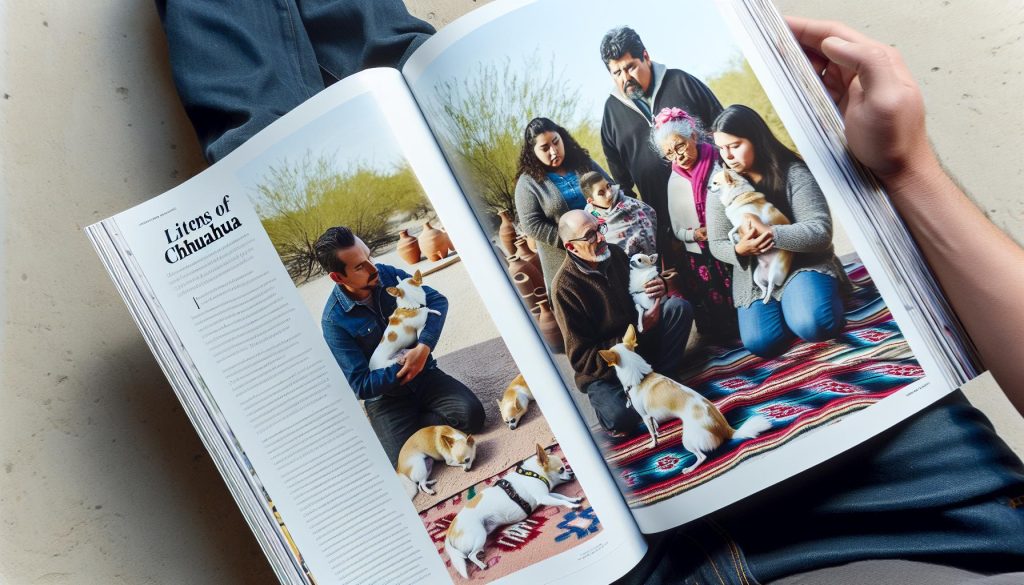
Did you know that despite their name, Chihuahuas might not all hail from Mexico? These tiny, vocal companions are often surrounded by myths about their origins, which can leave many owners curious and confused. Understanding the true history behind the Chihuahua is essential for any devoted owner or enthusiast, as it not only enriches your appreciation for this unique breed but also informs how you care for them. In this article, we’ll explore the fascinating truths and myths regarding Chihuahuas’ origins, shedding light on their rich heritage and varied background. Whether you’re a first-time owner or a seasoned Chihuahua lover, unlocking the secrets of this breed’s past can deepen your bond with your furry friend and enhance your experience as a responsible pet owner. Join us as we bust these myths and celebrate the Chihuahua’s quirky personality and loyal nature!
The Fascinating History of Chihuahuas
Chihuahuas, with their large personalities packed into tiny bodies, hold a rich tapestry of history that entwines them deeply with Mexican culture. While many associate this beloved breed solely with Mexico, the origins of Chihuahuas are a bit more complex. Modern DNA studies suggest that Chihuahuas share lineage with ancient breeds, hinting at a history that predates their official recognition in the 19th century. These small dogs were once revered companions, possibly linked to the Techichi, a companion dog celebrated by the ancient Toltec civilization. This relationship with humans suggests a profound bond that goes back thousands of years, making Chihuahuas not just pets, but a part of cultural history.
Much of what we know about Chihuahuas is steeped in myth. For instance, there’s a common misconception that all Chihuahuas are direct descendants of a single ancient breed. In reality, various influences, including the introduction of European breeds, shaped their characteristics over time. Owners often remark on the distinctive differences observed in their Chihuahuas, with some exhibiting traits of the apple-head variety, known for their rounded skulls and expressive eyes, while others embody the traits of the deer-head variation, which boasts longer heads and a more elegant structure. These differences don’t just contribute to their unique appearance; they can also influence their health and temperament, making it crucial for prospective owners to understand what they’re looking for.
You might find Chihuahuas in various colors and sizes, each with its unique personality quirks that can mirror their historic roles as good luck charms and companions. They often display a boldness that belies their size. With proper care which includes regular vet checks, a balanced diet, and adequate socialization, your Chihuahua can thrive, reflecting the vibrant culture they come from. So whether you’re an experienced owner or a first-time Chihuahua enthusiast, embracing their history not only enriches your understanding but also enhances the bond you share with your furry friend.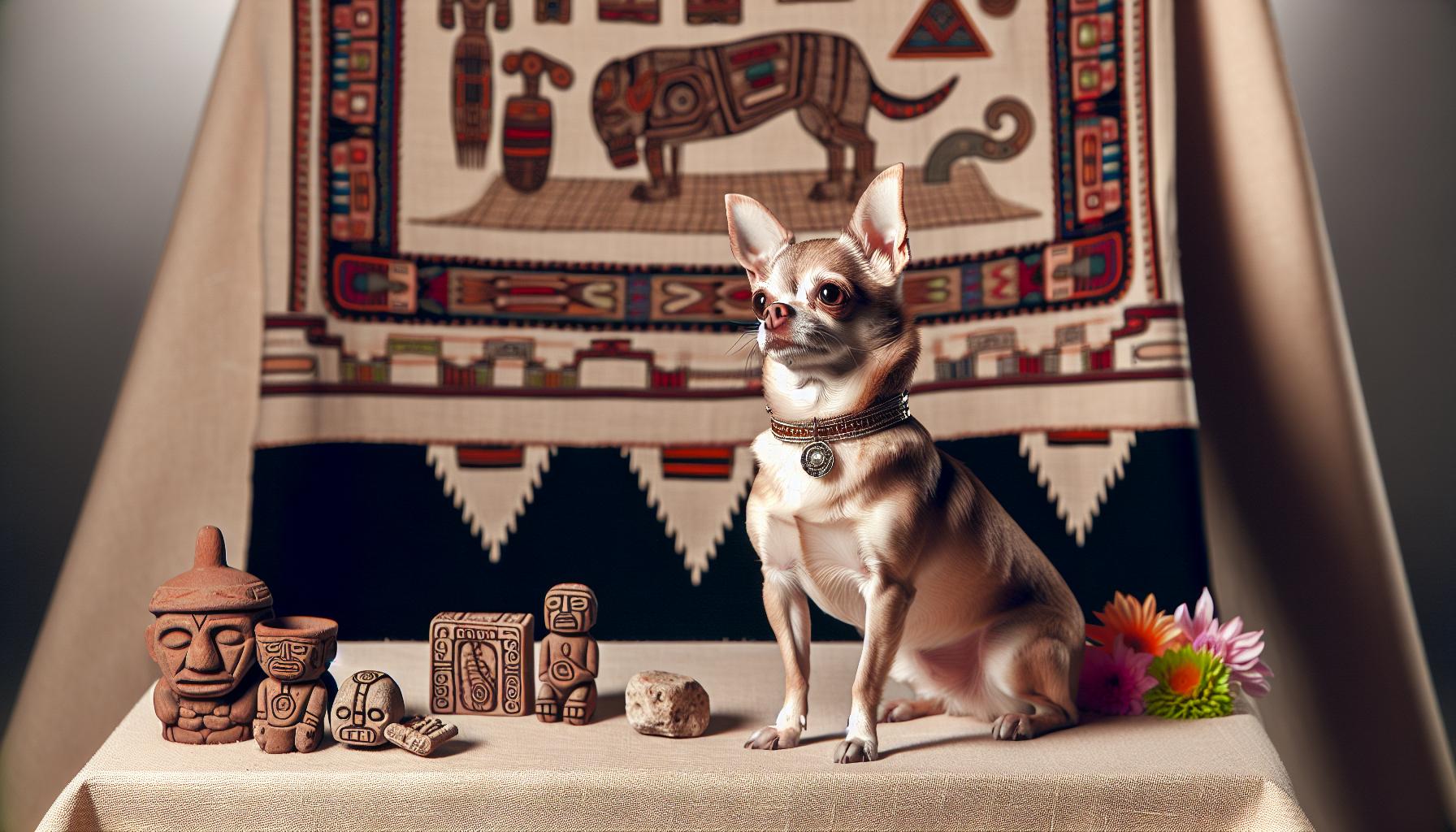
Unpacking the Mexican Heritage of Chihuahuas
Chihuahuas may be small in size, but their roots run deep in Mexican soil, intertwining with the culture and history of the region. These spunky little companions are more than just pets; they are living embodiments of a rich legacy. Fascinatingly, the breed is believed to have descended from the Techichi, a cherished companion of the ancient Toltec civilization. This connection reveals that Chihuahuas have been by humanity’s side for centuries, serving not only as loving companions but also as important cultural icons.
In Mexican culture, Chihuahuas have long been viewed as symbols of good fortune and were often associated with spiritual beliefs and rituals. They were traditionally believed to guide souls into the afterlife. This ancient reverence reinforces the idea that these dogs are not merely pets; they carry the weight of history on their tiny shoulders. Their vibrant personalities-marked by loyalty, boldness, and often a vocal nature-reflect the passionate spirit of Mexican culture.
As a Chihuahua owner, you’re invited to embrace not just the joy they bring but also the heritage they represent. Understanding this background can deepen your bond with your furry friend. It’s also essential to be aware of breed characteristics. For example, the two main variations-apple-head and deer-head-come with distinct traits in looks and temperament that can influence your Chihuahua’s behavior and health. By appreciating their unique heritage, you not only honor their lineage but also enhance your experience as a responsible and loving owner.
To care for your Chihuahua effectively, keep these essentials in mind:
- Regular health check-ups, as they can be prone to certain genetic conditions.
- A balanced diet tailored to their specific needs, considering their size and energy levels.
- Consistent socialization, ensuring they grow into well-adjusted adults.
By celebrating your Chihuahua’s rich heritage and implementing thoughtful care practices, you contribute to maintaining the legacy of this remarkable breed while providing your furry friend with a rich and fulfilling life.
Common Myths About Chihuahuas and Their Origins
Many people commonly associate Chihuahuas solely with Mexico, often attributing a mythological purity and simplicity to their origins. However, the truth is more complex. While the breed is indeed named after the Mexican state of Chihuahua, its lineage is deeply interwoven with various cultures. Chihuahuas are believed to be descendants of the Techichi, companion dogs of the ancient Toltec civilization, but their history also includes influences from other dog breeds brought into Mexico by Spanish colonizers. This blending of lineages showcases the Chihuahua’s ability to adapt and survive through centuries of cultural shifts.
One prevalent myth is that all Chihuahuas are tiny, fragile dogs meant only for lap-sitting. In reality, Chihuahuas can vary significantly not just in personality but also in size and type-mainly categorized into apple-head and deer-head varieties. Apple-head Chihuahuas tend to have a more rounded skull and a compact body, while deer-head Chihuahuas exhibit a longer face and more elongated bodies. Both types showcase distinct traits, but neither is less a Chihuahua than the other. Recognizing these differences can enhance understanding and appreciation of the breed’s diversity.
Another misconception is that Chihuahuas are inherently aggressive or yappy. While they can be vocal, this behavior often stems from their protective instincts and strong personalities. They’re fiercely loyal and make excellent watchdogs, traits that can sometimes be misinterpreted as aggression. Proper socialization and training from an early age are essential to help your Chihuahua thrive and express their bold spirit positively. For instance, introducing your Chihuahua to various environments and people can help mitigate overprotective tendencies.
To appreciate this breed fully, it’s crucial to debunk these myths and understand that Chihuahuas are complex companions. Their history is rich, filled with the essence of many cultures. As a caring owner, embracing the nuances of this breed allows for a more profound bond with your little friend. Celebrate what makes your Chihuahua unique and remember that beneath that small exterior beats the heart of a dog with a vibrant heritage.
Chihuahua Variations: Apple-Head vs. Deer-Head
The world of Chihuahuas is not just about their vibrant personalities; it also includes fascinating physical variations that reflect their unique breed history. When discussing Chihuahua types, the two leading varieties are the apple-head and the deer-head. Each offers distinct characteristics that not only affect their appearance but also their temperament and care needs.
Apple-head Chihuahuas are known for their distinctive rounded skulls, which give them a cute, almost cartoonish look. They typically have a compact body and a somewhat larger forehead, often making them the choice for those who admire a more classic “toy” breed aesthetic. These little companions are known for being quite affectionate and often develop a strong bond with their owners. However, they can sometimes exhibit a bit of a diva attitude, relishing the spotlight and enjoying their role as the pampered pet.
On the other hand, the deer-head Chihuahuas boast longer heads and bodies, resembling a miniaturized deer. They often have a more delicate and graceful appearance. Owners of deer-head Chihuahuas often appreciate their slightly calmer demeanor, which can be ideal for families seeking a pet that is playful but not overly demanding. Their size allows for a bit more versatility in terms of play and exercise, as they tend to enjoy a good romp around the house or yard.
Choosing the Right Type for Your Lifestyle
When selecting between these two Chihuahua varieties, consider your lifestyle and the kind of companion you want. Apple-head Chihuahuas thrive in an environment where they receive plenty of attention, as they can develop separation anxiety if left alone for long periods. In contrast, while deer-head Chihuahuas enjoy companionship, they might adapt better to a busier household due to their slightly more independent nature.
Keep in mind that health considerations can differ between the two types. Apple-heads, due to their unique skull structure, may be prone to certain health issues, such as dental problems or issues related to their delicate heads. Deer-head Chihuahuas generally enjoy a robust health profile but can suffer from common small dog ailments, like patellar luxation. Regular vet check-ups and proper care routines are crucial for maintaining their health, regardless of the type.
Both varieties are equally charming, bold, and capable of providing endless love and companionship. Understanding these differences allows you to appreciate the unique quirks of each type and select a Chihuahua that best fits your home and family.
Exploring the Chihuahua’s Role in Mexican Culture
In the vibrant tapestry of Mexican culture, the Chihuahua holds a special place that transcends its small size. Hailing from the region that now bears its name, this breed is more than just a popular companion; it is also a symbol of national pride and cultural heritage. Originating from ancient civilizations like the Toltecs and Mayans, who revered small dogs for their companionship and spiritual significance, Chihuahuas are intricately woven into the cultural fabric of Mexico.
These tiny warriors are often associated with traditional Mexican celebrations. You might spot them adorned in colorful attire, joining in on festivities during Día de los Muertos, or Day of the Dead, a time when families honor their deceased loved ones with altars, colorful decorations, and food. Chihuahuas, with their bold personalities and loyalty, often embody the spirit of this holiday, reminding us of the joy pets bring to our lives. Their presence not only adds vibrancy to these events but also reinforces their role as cherished family members.
Myths and Realities
Despite their Mexican roots, misconceptions persist about the Chihuahua’s origins, leading many to believe they are simply a modern creation. In reality, the breed’s lineage traces back centuries, intertwined with the rich history of indigenous cultures. While some are enamored with the idea of Chihuahuas as luxury accessories, they are, at their core, loving companions with deep historical ties.
In terms of behavior and temperament, Chihuahuas are known for their vocal nature and spirited demeanor. This boldness is a reflection of their heritage-they were bred to be watchdogs, ready to alert their owners to any intruders. As an owner, embracing these quirks is part of the joy. Whether your Chihuahua is an apple-head with a feisty personality or a deer-head with a more laid-back attitude, knowing their background enhances your understanding of their behavior and needs.
Bringing a Chihuahua into your life means you’re not just adopting a pet; you’re welcoming a piece of living history. With their loyal hearts and vibrant spirits, Chihuahuas encourage us to celebrate our roots while creating new memories filled with joy and love. Understanding their cultural significance is a beautiful way to honor this breed as you navigate the joys and challenges of pet ownership.
Health Considerations for Chihuahuas: Myths vs. Reality
Chihuahuas, with their spirited personalities and tiny frames, often face a myriad of health misconceptions that can lead to unnecessary worry for their owners. One common myth is that small size inherently means fragile health. While it’s true that Chihuahuas can be prone to specific health issues, such as patellar luxation or heart problems, with the right care and attention, many can live long, vibrant lives. Consider Daisy, an apple-head Chihuahua, who thrives at the age of 12, thanks to regular vet check-ups, a balanced diet, and proper exercise.
H3: Common Health Amiss Understanding
One of the biggest myths is that Chihuahuas don’t need much exercise because of their size. In reality, these little dogs are active and energetic! Daily walks and playtime are essential for maintaining their health and mental well-being. For instance, a favorite game for many Chihuahuas is “chase the ball,” where they can burn off their high energy levels. Neglecting exercise can lead to obesity and behavioral issues, making regular activity important.
Another common misconception surrounds their dental health. Chihuahuas are prone to periodontal disease, often more so than larger breeds. However, many owners are unaware of how crucial dental hygiene is for these pups. Regular tooth brushing and dental chews can significantly improve their oral health and prevent pain and infections. Lumi, a deer-head Chihuahua, showcases the benefits of good dental care; she has retained all her teeth and is free from gum issues through her owner’s diligent routine.
H3: Recognizing Signs & Seeking Help
It’s crucial for Chihuahua owners to be aware of their dog’s unique health signs. Due to their size, Chihuahuas can develop conditions like hydrocephalus or heart murmurs that might not be as common in larger breeds. Regular vet check-ups can help catch these issues early. For example, Rufus, another Chihuahua, was diagnosed with a mild heart murmur during a routine exam, allowing for proactive management that considerably extends his quality of life.
In conclusion, a Chihuahua’s health requires an informed and proactive approach. Understanding the reality of their needs-from dental hygiene to the importance of exercise-can ensure they thrive. By dismissing the myths and embracing informed care practices, owners can celebrate their bold, loyal companions, creating a fulfilling and healthy relationship for years to come.
Understanding Chihuahua Behavior: Traits and Temperament
Chihuahuas are known for their big personalities packed into tiny bodies, making them truly unique companions. One undeniable trait of this breed is their boldness-often acting like they’re much larger than they actually are. This courageous spirit translates into an eagerness to protect their owners, which can sometimes manifest as vocalization at perceived threats. Despite their small stature, Chihuahuas possess a regal attitude, often showing little regard for their size and taking on the role of the watchdog with gusto.
A distinguishing characteristic of Chihuahuas is their incredible loyalty. They tend to form deep bonds with their owners, often choosing one person to be their favorite. For instance, Max, a three-year-old apple-head Chihuahua, can’t be more than a few feet away from his owner, following her around the house throughout the day. This steadfast loyalty is a hallmark of the breed, providing endless affection and companionship. However, it’s essential to remember that their loyalty can sometimes lead to separation anxiety if they become too attached and are left alone for extended periods.
Understanding a Chihuahua’s temperament is crucial for proper care and training. These little dogs can be quite sassy; their vibrant personalities lead them to enjoy playtime but also demand mental stimulation. Engaging toys and interactive games can help channel their energy positively. For instance, Bella, a deer-head Chihuahua, thrives on puzzle toys that challenge her mind and keep her entertained. This stimulation is vital since the breed is prone to frustration, which can lead to unwanted behaviors if they don’t receive adequate physical and mental exercise.
Moreover, socialization plays a pivotal role in shaping a Chihuahua’s behavior. Early exposure to different people, animals, and environments helps ensure that your furry friend grows up to be well-adjusted and confident. Regular visits to dog parks, puppy classes, or even playdates with other dogs can significantly enhance their social skills. It’s not uncommon for Chihuahuas to be initially wary of strangers; however, through positive experiences, they can learn to embrace new situations. Owners should remain patient and consistent, helping their Chihuahuas navigate the world with confidence while showcasing the breed’s charm and affection.
Care Essentials for Your Chihuahua: Tips from Owners
Chihuahuas are not just adorable companions; they are complex little beings that thrive on proper care and understanding. One common piece of advice shared by experienced Chihuahua owners is to create a peaceful environment that accommodates their sensitive nature. These little pups are known for their vivacious spirits and can easily become overwhelmed by loud noises or chaotic surroundings. For example, Lucy, a five-year-old apple-head Chihuahua, loves her quiet corner in the house where she can retreat and feel secure. Designing a safe space for your Chihuahua to relax can greatly reduce stress and contribute to their overall happiness.
Nutrition also plays a vital role in keeping your Chihuahua healthy. Due to their small size, portion control is crucial to avoid obesity, a common issue for this breed. Many owners recommend choosing high-quality, grain-free kibble designed specifically for small breeds. The right food not only supports their energy levels but also helps maintain their vibrant coats. Samantha, who owns a sleek deer-head Chihuahua named Jack, swears by a mix of wet and dry food to ensure he stays hydrated and satisfied. Always consult with your veterinarian to tailor a diet that fits your Chihuahua’s unique health needs.
Regular health check-ups cannot be overstated, as Chihuahuas are prone to specific health issues like dental problems and heart disease. Early intervention is key to keeping them healthy. Owners should invest in dental care, including regular brushing and vet-checks, to prevent tartar build-up. Additionally, creating a consistent routine for exercise is vital-even small bursts of playtime or short walks can provide necessary physical activity. Zippy, a chipper apple-head Chihuahua, enjoys daily adventures in the park, but he also loves his indoor puzzle toys that keep his mind stimulated and his body active.
Lastly, socialization is essential for Chihuahuas. Introduce them to various environments, people, and other animals from a young age to help them become well-adjusted adults. Vanessa, an experienced owner of a three-year-old deer-head Chihuahua named Bella, emphasizes the importance of doggy daycare as a way for her pup to socialize while she’s at work. This not only provides Bella with essential interaction with other dogs but also curbs any potential separation anxiety. By understanding their needs and providing a nurturing environment, you can help your Chihuahua thrive, showcasing their unique blend of character, loyalty, and charm.
The Importance of Socialization for Chihuahuas
Socialization is a cornerstone of raising a well-adjusted Chihuahua. These little dogs, with their bold personalities and often fiery temperaments, thrive on experiences that help them navigate the world around them. Introducing your Chihuahua to a variety of environments and situations is essential during their formative months, ideally starting as early as possible. Just like Lucy, the apple-head Chihuahua who feels snug in her quiet nook, your pup will benefit from learning about the different sights, sounds, and smells that life has to offer.
Chihuahuas can be prone to anxiety and overprotectiveness, and effective socialization can counteract these tendencies. Taking the time to expose your Chihuahua to other dogs, people, and new places helps them develop confidence. For instance, Vanessa, who owns a three-year-old deer-head Chihuahua named Bella, highlights how doggy daycare has been a game-changer for Bella. It not only provides her with valuable playtime and interaction with other dogs but also lessens any feelings of separation anxiety when Vanessa is away. This is crucial as it teaches them that the world isn’t a scary place but one filled with friendly faces.
Moreover, socialization isn’t just about interaction with other dogs; it also means helping your Chihuahua feel comfortable around different people, sounds, and environments. Whether it’s a trip to a pet store or a walk in a busy park, these experiences are invaluable. Regular exposure to variety fosters a well-rounded temperament, allowing Chihuahuas to feel relaxed and confident in diverse situations. Remember, the goal is to create positive associations so that your Chihuahua becomes a calm and adaptable companion.
In conclusion, prioritizing socialization can make a significant difference in your Chihuahua’s life. It influences not only their behavior and responsiveness but also their overall happiness. Ensure these interactions are positive, and your furry friend will reward you with loyalty and love, showcasing their vibrant character that makes them such beloved companions.
Training Techniques Tailored for Chihuahuas
Training your Chihuahua requires understanding their unique personality traits and quirks. These tiny dogs may be small in size, but they bring a big attitude! Known for being bold and sometimes stubborn, it’s essential to use effective techniques tailored especially for them. With consistency, patience, and positive reinforcement, you can teach your Chihuahua to be a well-mannered companion.
One effective method is positive reinforcement. Chihuahuas respond remarkably well to praise and treats. For example, giving her treats when she sits on command reinforces that desired behavior. You might be surprised how quickly she picks it up, especially when she knows a tasty reward is in store! Just remember to keep the treats small to avoid overfeeding, considering their petite frames.
Another important aspect is short training sessions. These dogs often have short attention spans, so keeping training sessions between 5 to 10 minutes is ideal. For instance, Lisa, a proud owner of an apple-head named Max, has found success by breaking down commands into smaller parts. She practices ‘sit’ one day, then ‘stay’ the next, making sure Max isn’t overwhelmed. This method keeps him engaged without losing interest.
Socialization also plays a significant role in your training routine. Chihuahuas can be protective and wary of new situations, so introducing them gently to different people, animals, and environments is key. When introduced properly, your Chihuahua will learn to be confident and less anxious in new scenarios. Consider taking him along on walks to dog parks, where he can interact with larger dogs under controlled conditions.
Lastly, consistency is crucial. Use the same commands and hand signals each time. If you switch up your approach, your pup may become confused. For example, if you always say “down” while gesturing to get her off the couch, stick with that. Consistency will help her grasp the rules and learn more quickly. With these specialized techniques, you can enjoy a meaningful and fulfilling training experience with your little companion, turning her into the well-behaved and confident pet she is meant to be.
Chihuahua Size: More than Just a Small Dog
Chihuahuas may be tiny in stature, but their impact and personality are anything but small! Weighing between 2 to 6 pounds and standing about 6 to 9 inches tall, these little companions are the embodiment of the saying, “big things come in small packages.” Despite their diminutive size, Chihuahuas hold their own in the world of dogs with a range of temperaments and traits that can surprise even veteran dog owners.
When considering your new furry friend, it’s essential to recognize that a Chihuahua’s size affects not just their physical space but also their needs and care. For instance, a small dog often means a small bladder; brief and regular potty breaks are crucial. Their petite frames make them more vulnerable in rough play or boisterous environments, necessitating careful socialization, especially around larger dogs. Veteran Chihuahua owner Sarah learned this lesson when her deer-head, Max, inadvertently charged at a much larger dog; thankfully, Max came back unscathed, but it highlighted the need for supervision in social settings.
Chihuahua variations, such as the apple-head and deer-head types, also come into play when discussing size beyond mere measurements. The apple-head variety, with its more rounded head and compact body, tends to be the more common representation of the breed. Meanwhile, deer-head Chihuahuas have a longer face and body, offering slightly different proportions and sometimes differing temperaments. Understanding these nuances can enhance your bonding experience with your pup while meeting their individual needs effectively.
Lastly, let’s not overlook the health considerations related to size. As small dogs, Chihuahuas may face specific health challenges, including dental issues and potential heart problems. Ensuring regular veterinary check-ups and adhering to a proper diet tailored to their size can help keep your little companion in top form. Remember, while they fit comfortably in a handbag, they also require just as much love, training, and socialization as any larger breed. With the right care and attention, your Chihuahua will thrive, proving that size is truly no barrier to an enormous personality.
Choosing the Right Chihuahua: Adoption vs. Breeder
When you’re ready to welcome a Chihuahua into your home, the decision between adopting and buying from a breeder can deeply affect your puppy’s future and your experience as their owner. Choosing this energetic and bold companion can be thrilling, but understanding the options available to you is crucial to a happy, healthy pairing.
Adoption can be an incredibly rewarding journey. Many Chihuahuas in shelters are looking for loving homes, often due to circumstances beyond their control. When you adopt, you not only save a life but also gain a loyal friend who has likely already been through quite a bit. Shelters often provide health screenings and behavioral assessments, giving you a good idea of what you’re getting into. For instance, you might meet a spunky apple-head who’s been in foster care and shows signs of being well-adjusted, making him an excellent choice for an experienced owner. Adoption fees are usually much lower than purchasing from a breeder, allowing funds for initial veterinary care or supplies. However, it’s important to be prepared for the surprises that can come with shelter dogs-traumas from past experiences may require time and patience to navigate.
On the other hand, if you choose to go through a breeder, it’s essential to do thorough research. Find a reputable breeder who prioritizes the health of their dogs, providing necessary health clearances and socialization. Breeders can offer specific traits based on their breeding practices, such as lineage, temperament consistency, and even variations like apple-head or deer-head. But keep in mind that puppies from responsible breeders can come with a higher initial price tag. For first-time Chihuahua owners, a reputable breeder can provide valuable insights about your puppy’s care, socialization needs, and any breed-specific health issues to watch out for, such as dental problems prevalent in their tiny mouths.
Ultimately, whether you adopt or buy from a breeder, your commitment to providing a loving environment is what matters most. Connect with your Chihuahua’s unique personality traits-they are known for being fiercely loyal, bold, and yes, a bit vocal! Embrace those quirky Chihuahua characteristics, and remember that whether he has a long or short coat, your journey together will be filled with joy and challenges that form an unbreakable bond.
Q&A
Q: What is the true origin of Chihuahuas?
A: The Chihuahua likely traces its roots to ancient civilizations in Mexico, particularly the Toltecs. While they are often associated with Mexican culture, it’s important to note that their ancestors, such as the Techichi, contributed to their development as a distinct breed.
Q: Are Chihuahuas related to other dog breeds?
A: Yes, Chihuahuas share genetic links with various breeds, including the Chinese Crested and the Dachshund. This relation often influences their behavior and appearance, making them unique among small dog breeds.
Q: Why are Chihuahuas considered a heritage breed in Mexico?
A: Chihuahuas are celebrated in Mexico for their historical significance, often linked to local traditions and folklore. Their presence in art and culture highlights their status as a symbolic breed of national pride.
Q: Can Chihuahuas live in different climates?
A: Absolutely! While Chihuahuas thrive in warm environments due to their small size and short coats, they can adapt to cooler climates with proper care, such as warm clothing and sheltered living conditions.
Q: How does a Chihuahua’s personality compare to larger breeds?
A: Chihuahuas tend to exhibit bold, confident personalities, often displaying courage disproportionate to their size. This behavior can be quite distinctive compared to larger breeds, who may be more laid-back or reserved.
Q: What are common misconceptions about Chihuahua health?
A: A common myth is that all Chihuahuas are prone to health issues due to their size. While some may face challenges, such as dental problems or patellar luxation, many Chihuahuas live healthy lives with proper care and preventive measures.
Q: Are there different types of Chihuahuas based on their size?
A: Yes, Chihuahuas come in various sizes, with “teacup” Chihuahuas being particularly popular. However, it’s crucial to understand that size can impact health, making regular veterinary checks essential for all Chihuahuas.
Q: When is the best time to train a Chihuahua?
A: The best time to start training a Chihuahua is during puppyhood, ideally between 7 and 12 weeks old. Early training helps socialize them and curb behavioral issues, setting a foundation for a well-mannered adult dog.
Wrapping Up
As we’ve debunked the myth that all Chihuahuas are Mexican, it’s essential to embrace the rich diversity of this breed. From their spunky personalities to their varying sizes and coat types, every Chihuahua is unique-much like the bond you share with your furry friend. Remember, whether you have an apple-head or a deer-head, proper care and understanding of their health and behavior are key to a happy, fulfilling relationship. If you’re eager to learn more about caring for your Chihuahua, don’t miss our articles on Chihuahua health tips and training techniques.
Ready to dive deeper? Subscribe to our newsletter for the latest insights, and explore our resource section for everything from breed history to walking essentials. Join our community-share your thoughts in the comments below or connect on social media. Every little detail counts when it comes to understanding and celebrating the vibrant life of your Chihuahua. Let’s continue this journey together!
Get our latest guides, news, and insights highlighted in your Google Search & AI Overviews.