

Chihuahuas, with their bold personalities and tiny stature, have charmed many dog lovers. However, they are also prone to specific health issues that every owner should be aware of. From dental problems to heart conditions, understanding these potential challenges is essential for ensuring your furry companion’s well-being. This guide dives into the common health concerns Chihuahuas face, equipping you with the knowledge to provide the best care. Whether you’re a seasoned Chihuahua owner or considering adopting one, knowing what to look out for can help you foster a healthier, happier life together. Let’s explore these health issues and learn how to keep your little friend thriving.
Common Health Problems in Chihuahuas

Chihuahuas are known for their spirited personalities and unique quirks, but their small size can come with a host of health challenges. Understanding these common health problems can help you provide the best care for your furry companion and ensure they live a long, happy life. As a loving Chihuahua owner, it’s essential to be aware of the issues that can arise and how to address them.
One prevalent problem is dental disease. Chihuahuas are prone to oral health issues due to their small mouths, which can lead to overcrowding and plaque buildup. Regular dental cleanings and at-home oral care, like brushing their teeth, can make a significant difference. It’s not just about fresh breath; poor dental health can affect their heart and kidneys, making it crucial to prioritize their dental hygiene.
Another condition to watch for is patellar luxation, where the kneecap dislocates from its normal position. This can cause your Chihuahua to limp or skip while walking. If you notice this behavior, consult your vet, as the severity can range from mild to severe, sometimes requiring surgical intervention. Early diagnosis and management can help maintain your Chihuahua’s mobility and quality of life.
Heart issues are also something to keep in mind, as Chihuahuas are susceptible to heart diseases such as mitral valve disease. Symptoms can include coughing, lethargy, or difficulty breathing, and regular vet check-ups are essential for the early detection of these conditions.
Hypoglycemia is a hidden danger, especially in puppies and smaller adults, and can occur if they go too long without food. Signs include weakness, tremors, or even fainting. Keeping a regular feeding schedule and having small, healthy treats on hand can help prevent these episodes.
Lastly, maintaining a healthy weight is vital, as obesity in Chihuahuas can lead to numerous health issues like diabetes and joint problems. Providing balanced meals and regular exercise not only helps keep their weight in check but also supports overall well-being.
By being proactive about these potential health concerns, you can ensure your Chihuahua lives a healthy, vibrant life, full of joy and the adorable antics that make them so beloved. Regular veterinary care, observant monitoring of behavior, and a proper diet are key components to keeping your little companion thriving.
Dental Issues and Their Impact on Health
Chihuahuas, with their bold personalities and tiny stature, can quickly endear themselves to any pet lover. However, their small mouths can lead to significant dental issues, making dental health an essential aspect of their care. Did you know that dental disease is one of the most common health problems seen in Chihuahuas? This breed is particularly prone to plaque buildup and tartar accumulation due to their overcrowded mouths, which can result in serious complications if not addressed promptly.
Dental disease doesn’t stop at bad breath; it can have a domino effect on your Chihuahua’s overall health. Bacteria from periodontal disease can enter the bloodstream and affect vital organs, leading to heart and kidney problems. To combat these risks, it’s crucial to establish a robust dental care routine early on. Regular brushing, ideally every day, can significantly improve your dog’s oral health. Many Chihuahuas enjoy the taste of dog-friendly toothpaste, making this daily ritual more enjoyable for both of you. Consider using dental chews or toys designed to promote oral health as part of your regular playtime too.
Regular Vet Visits and Professional Cleanings
Proactive measures are essential in maintaining a healthy mouth. Regular veterinary check-ups can catch any early signs of dental disease, allowing for professional cleanings as needed. These cleanings can remove plaque and tartar that brushing alone may miss, helping to prevent more severe issues down the line. An experienced vet will also be able to assess your Chihuahua’s specific risks and suggest customized dental care solutions, whether that means recommending a particular diet or supplements to promote dental health.
Signs of Dental Problems
Being vigilant about your Chihuahua’s dental health is vital. Watch for signs that may indicate dental problems, such as:
- Bad breath
- Swollen or bleeding gums
- Difficulty eating
- Excessive drooling
- Behavior changes, like avoiding play
If you observe any of these symptoms, don’t hesitate to consult your vet. Early intervention can significantly impact your Chihuahua’s quality of life, and addressing dental issues promptly can help your little companion remain vivacious and playful.
By prioritizing dental hygiene, you are not just ensuring that your Chihuahua has a sparkling smile; you are extending their lifespan and enhancing their overall quality of life. Each effort you make, from brushing to regular vet visits, contributes to your fur baby’s health, allowing them to live a joyful and spirited life-just as they deserve!
Understanding Patellar Luxation in Chihuahuas
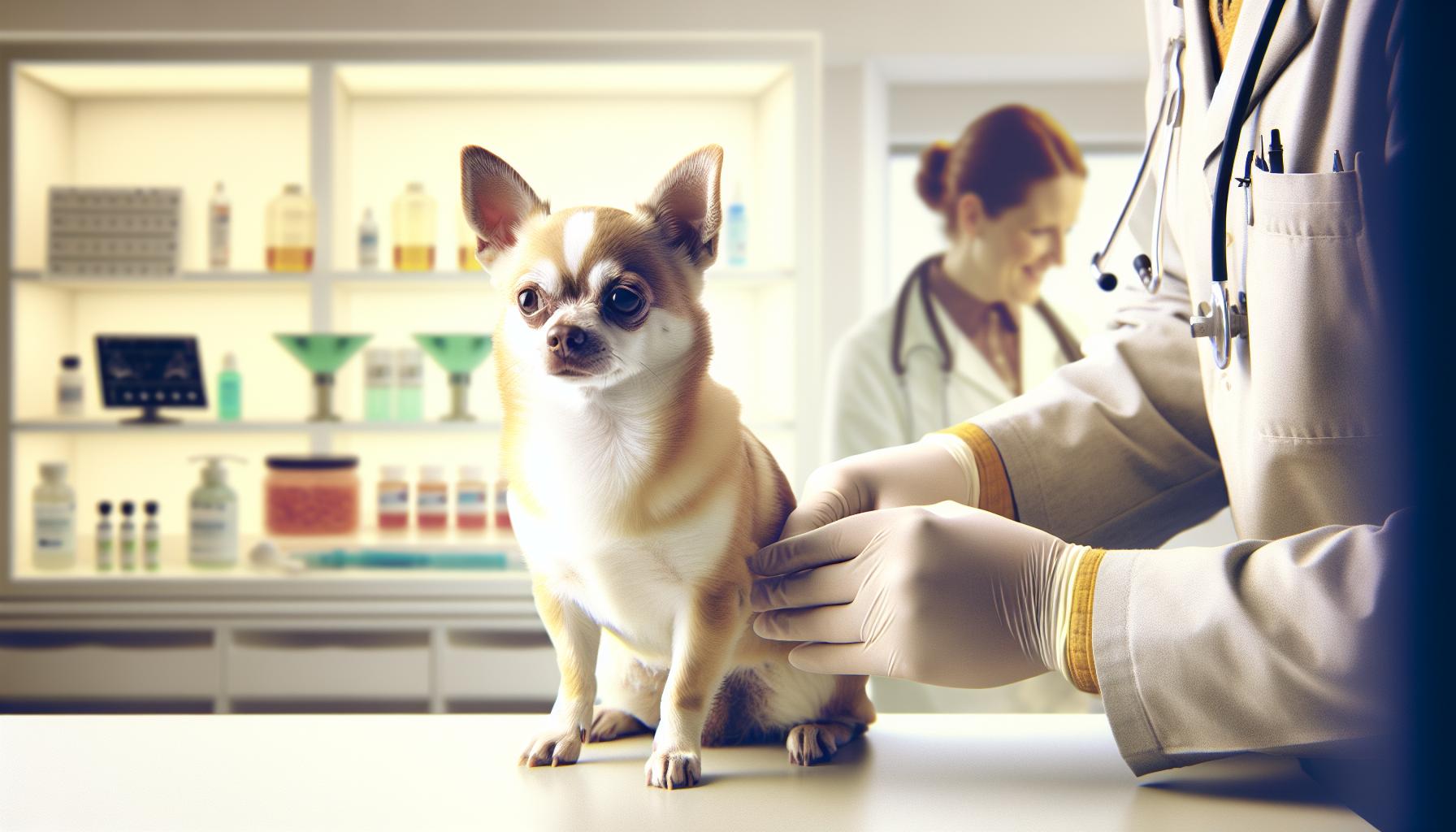
Patellar luxation is a common issue that can affect our spirited little Chihuahuas, and understanding it is crucial for any owner wanting to keep their furry friend healthy and happy. This condition occurs when the patella, or kneecap, slips out of its normal position, causing pain and discomfort. Chihuahuas, with their distinctive build-especially the adorable apple-head variety-are particularly prone to this problem due to their small size and genetics.
When a Chihuahua experiences patellar luxation, you might notice her favoring one leg, showing reluctance to jump or run, or even a sudden yelp of pain. Many owners report observing their Chi “bunny hopping” or limping because of the discomfort. The condition can range from mild, where it occasionally slips back in place on its own, to severe cases needing surgical intervention. Keeping an eye on her joints and being mindful of any changes in her behavior can help you catch this issue early.
Preventive Measures and Care
To help prevent patellar luxation, it’s essential to maintain a healthy weight for your Chihuahua, as excess weight puts additional strain on her joints. Regular gentle exercise, like short walks or playtime with soft toys, can also support joint health. Incorporating joint supplements such as glucosamine may prove beneficial, but always consult your vet first to determine the best approach.
When to Seek Veterinary Help
If you observe any signs that may indicate trouble-from unusual leg postures to persistent limping-consult your veterinarian promptly. They may suggest a thorough examination and potential imaging studies to assess the severity of the luxation. Early intervention can make a significant difference in your Chihuahua’s long-term comfort and mobility.
With proper care and proactive management, you can help ensure that your Chihuahua remains as spirited and lively as she was born to be, tackling each day with the same bold personality that characterizes this charming breed. Each little step you take in monitoring her health can lead to a happier, healthier life together.
Heart Conditions to Watch Out For
Heart health is often overlooked, but it’s vital for our delightful Chihuahuas, who despite their tiny stature, can face significant heart issues. One of the most prevalent conditions in this breed is mitral valve disease (MVD), which affects the heart’s ability to function effectively. This disease occurs when the mitral valve doesn’t close completely, leading to backflow of blood that can cause heart enlargement and congestive heart failure over time.
Symptoms of heart problems can be subtle and easy to miss, so staying vigilant is essential. Watch for signs such as:
- Coughing: Frequent coughing can indicate fluid accumulation in the lungs.
- Difficulty Breathing: Be alert if your Chihuahua struggles to breathe or exhibits rapid breathing.
- Lethargy: If your active little companion seems more tired than usual or is less playful, it may be a cause for concern.
- Fainting or Collapsing: Any episode of fainting indicates a serious heart issue and needs immediate veterinary attention.
To promote heart health, maintaining a balanced diet is crucial. Obesity can exacerbate heart issues, so monitoring your Chihuahua’s weight is essential. Regular vet check-ups are also important, as early detection can make a world of difference. Ask your veterinarian about heart-screening tests, especially if your Chihuahua is older or displaying any concerning symptoms.
Adding gentle exercise into your daily routine will help keep your Chihuahua’s heart healthy. Short walks and play sessions can support cardiovascular health while also providing mental stimulation. Different coat types and sizes of Chihuahuas might require tailored exercise plans; consult with your vet for specifics that suit your pup’s needs.
By being proactive and observant, you can help prevent potential heart problems and ensure that your Chihuahua continues to enjoy a vibrant life full of the spunky energy that defines this adorable breed. Remember, your little friend relies on you to recognize changes in health, and taking action early can lead to better outcomes.
Hypoglycemia: A Hidden Danger for Tiny Dogs
A common yet often overlooked concern for Chihuahuas is hypoglycemia, a condition characterized by dangerously low blood sugar levels. Tiny dogs, like our beloved Chihuahuas, are particularly susceptible to this issue due to their small size and fast metabolisms. For example, when a Chihuahua goes too long without food or experiences excessive stress, their energy levels can plummet, leading to serious health risks. As a devoted Chihuahua owner, it’s essential to recognize the signs and take proactive measures to prevent this hidden danger.
Signs of hypoglycemia can manifest quickly and might include unusual lethargy, weakness, confusion, or even tremors. In more severe cases, you may notice your Chihuahua experiencing seizures or collapsing. It’s vital to be attentive to these symptoms, especially in young puppies or older Chihuahuas who may be at greater risk. If you suspect that your little companion is suffering from low blood sugar, offer a small amount of honey or a high-quality pet electrolyte solution; this can help elevate their blood sugar levels quickly. Always consult your veterinarian after any hypoglycemic incident to ensure proper follow-up care and to discuss dietary strategies.
To prevent hypoglycemia, establish a consistent feeding schedule. Chihuahuas thrive on regular, small meals throughout the day rather than one or two large portions. This approach helps maintain stable blood sugar levels. It’s also advisable to keep a close eye on your pup during stressful situations, like trips to the vet or noisy gatherings, as anxiety can precipitate episodes. Some owners find that carrying a small snack or treat can be helpful in emergencies.
Additionally, regular vet check-ups can help monitor your Chihuahua’s overall health and prevent potential hypoglycemic episodes. Your veterinarian might recommend specific diets or supplements tailored to your Chihuahua’s needs, particularly if they have a history of low blood sugar. Remember, being a proactive and educated owner not only helps ensure a long and happy life for your Chihuahua but also strengthens the unbreakable bond you share with your tiny, vibrant companion.
Understanding and Preventing Obesity in Chihuahuas
Maintaining a healthy weight is crucial for Chihuahuas, especially given their petite size and unique vulnerabilities. Obesity in these little dynamos can lead to numerous health issues, including joint problems, heart disease, and diabetes. Given their love for food and tendency to beg for treats, keeping your Chihuahua at a healthy weight requires diligence and a proactive approach.
One effective strategy is to measure your Chihuahua’s food portions. Many owners underestimate how much their tiny companions actually need. Depending on your Chihuahua’s age, activity level, and weight, a good rule of thumb is to feed between 1/4 to 1/2 cup of high-quality dog food daily, split into two or three meals. To avoid overfeeding, consider using a measuring cup. Additionally, be mindful of treats; they should make up no more than 10% of your Chihuahua’s daily caloric intake.
Incorporate Regular Exercise
Chihuahuas have energy levels that can rival larger breeds, so regular exercise is vital. Simple daily walks for about 20-30 minutes, combined with playtime, can greatly help in managing weight and overall well-being. Incorporate activities that engage your Chihuahua physically and mentally, like using toys that encourage thinking or playing fetch in a safe area. This not only helps burn off calories but also stimulates their curious minds.
Monitor Health Regularly
Routine vet check-ups are essential in managing your Chihuahua’s weight and overall health. Your veterinarian can provide tailored advice on diet and exercise plans based on your dog’s unique needs. In some cases, specific weight management formulas or supplements might be recommended to help your Chihuahua shed extra pounds safely.
Being a responsible owner includes understanding your Chihuahua’s needs and tendencies. Celebrate the quirks that make her special-her stubbornness when it comes to exercise or her bold demeanor when she thinks she’s the boss! By implementing these practices, you’ll not only keep your pup healthy but also enhance the vibrant life you share together.
Skin Problems: Allergies and Irritations Explained
Chihuahuas, with their charming personalities and loyalty, can sometimes face troublesome skin issues. One of the most common concerns owners encounter is skin allergies. These tiny pups are often sensitive to environmental triggers such as pollen, dust mites, and certain foods. As a proud Chihuahua enthusiast, you’ll want to be vigilant about signs that your little companion might be experiencing discomfort, especially since they can’t always vocalize their pain.
When it comes to managing allergies, it’s crucial to identify potential irritants. Bathing your Chihuahua regularly with a gentle, hypoallergenic shampoo can help alleviate skin irritations and soothe itchy skin. For example, a local Chihuahua owner found that switching to an oatmeal-based shampoo significantly improved her pup’s skin condition, reducing redness and irritation after just a few washes. Always ensure to thoroughly rinse off shampoo to avoid any leftover residue that might worsen a reaction.
It’s also worth noting that Chihuahuas can suffer from hot spots, which are localized areas of inflammation and infection caused by excessive licking or scratching. These often develop quickly and require prompt attention. If you notice your dog regularly licking a specific spot, try to redirect his attention with toys or engage him in more playtime to minimize irritation. For persistent cases, a trip to the veterinarian might be necessary for a proper diagnosis and treatment plan.
In addition to baths and distractions, consider dietary tweaks. Some owners report that incorporating Omega-3 fatty acids into their Chihuahua’s diet can improve coat quality and reduce skin issues. Fish oil supplements or high-quality dog food enriched with these nutrients could be beneficial. It’s always wise to consult your vet before making changes to your dog’s diet, ensuring it aligns with his specific health needs.
Establishing a routine for checking your Chihuahua’s skin regularly is a proactive approach to health. Look for any signs of redness, dryness, or unusual hair loss, as early detection can make treatment easier and less costly. Remember, your Chihuahua relies on you to keep his skin healthy, so nurture that bond by being attentive to his needs!
Eye Disorders Affecting Chihuahuas
Chihuahuas are renowned for their big personalities, but their endearing eyes can sometimes lead to serious health concerns. Eye disorders are not uncommon in this breed and can significantly impact their quality of life. One of the most prevalent issues is cataracts, which can develop due to age, genetics, or other health problems. Owners may notice a cloudy appearance in their Chihuahua’s eyes, which can lead to vision impairment. Understanding these potential conditions and their implications is vital for keeping your furry friend healthy and happy.
Another common issue is patellar luxation, which can indirectly affect the eyes. When Chihuahuas struggle with joint problems, they may alter their gait or stance, leading to changes in posture that strain the eye muscles and possibly their vision. Additionally, Chihuahuas are susceptible to corneal abrasions, especially if they are active and play roughly. If your little one seems to be squinting or pawing at their eyes, it’s crucial to consult your veterinarian promptly to prevent further damage.
Preventive Care and Signs to Watch For
Regular veterinary check-ups are essential in monitoring your Chihuahua’s eye health. During these visits, the vet can assess for early signs of any eye condition, providing treatment options before issues become severe. Owners should also be vigilant at home; keep an eye out for signs such as:
- Excessive tearing or discharge
- Redness or swelling around the eyes
- Squinting or blinking more than usual
- Cloudy appearance in the pupil
If you notice any of these symptoms, prioritize a veterinary visit.
Owner Experiences and Advice
Some Chihuahua owners have found success in alleviating minor discomforts through gentle eye cleaning routines. Using a soft, damp cloth to wipe away any debris or discharge can be helpful. However, never use human eye drops, as they can be harmful to dogs. Instead, your vet can recommend safe options if your Chihuahua requires lubrication or treatment.
Incorporating protective measures is also wise. For instance, consider using dog goggles if your Chihuahua enjoys outdoor activities, especially in windy or dusty environments. These goggles can shield their sensitive eyes from debris and sun exposure. With regular check-ups and attentive care, you can help ensure that your Chihuahua maintains those sparkling eyes that reflect their vibrant spirit!
Caring for Your Chihuahua’s Joints
Taking good care of your Chihuahua’s joints is essential, especially since they are prone to conditions like patellar luxation and arthritis. These tiny dogs may have a bold attitude, but their little bodies can struggle under the weight of these issues. Regular monitoring and proactive care can keep your Chihuahua active and happy well into their golden years.
One practical way to support joint health is through proper diet and nutrition. Weight management is crucial; even a few extra ounces can put strain on your Chihuahua’s joints. Opt for high-quality pet food that meets their specific needs for protein and fat. Supplements like glucosamine and omega fatty acids can also be beneficial, promoting joint lubrication and reducing inflammation. Always consult your veterinarian before adding any supplements to your dog’s regimen to ensure safety and efficacy.
Engaging in appropriate exercise is another vital aspect of joint care. Chihuahuas love to play, but you’ll need to strike a balance that prevents overexertion. Short, frequent walks and gentle play sessions are ideal-just enough to keep their muscles strong without putting undue stress on their joints. Activities like swimming can provide a low-impact workout that helps improve mobility while being easy on their little bodies. Ensure that play areas are free of hazards that could lead to slips or falls, as Chihuahuas are more susceptible to injuries due to their small size.
Lastly, consider comfort measures around the home. Providing a soft, supportive bed can reduce pressure on their joints during rest. If your Chihuahua struggles with stairs or jumping, think about using ramps or steps to make these tasks easier for them. Regular vet check-ups will help catch any potential joint issues early and allow for intervention before problems worsen. Keeping your little companion healthy not only improves their quality of life but also enhances the bond you share. The joy of seeing them wag their tail fiercely during playtimes is well worth the effort you put into their care!
The Importance of Regular Vet Check-ups
Regular veterinary check-ups are absolutely essential for the health and well-being of your Chihuahua. These appointments provide not just an opportunity for vaccinations, but a chance for early detection of potential health issues. Chihuahuas, being a small breed, can be more susceptible to certain conditions like dental disease, heart problems, and patellar luxation, which may develop without obvious signs. By maintaining a routine schedule of vet visits, you’ll ensure that any issues are caught early, allowing for more effective treatments.
During these check-ups, your veterinarian will conduct thorough examinations, checking for signs of common health problems specific to Chihuahuas. They’ll assess your furry friend’s weight, coat, and dental health, all of which can influence their overall well-being. It’s also a great chance to discuss any unique behavioral quirks you may have noticed, providing insight into how those might correlate with health concerns. For instance, increased vocalization or unusual irritability can sometimes hint at discomfort or pain that may not be immediately apparent.
Additionally, regular visits help you stay informed about best practices for your Chihuahua’s diet, exercise, and preventive care. For example, your vet might recommend specific feeding guidelines tailored to your Chihuahua’s age and activity level, or they may suggest supplements to support joint health as your little companion ages. This ongoing dialogue strengthens not only your dog’s health but also your bond with both your pet and your veterinarian.
Lastly, building a strong relationship with your vet can boost your confidence as a pet owner. You’ll feel more equipped to manage your Chihuahua’s health proactively rather than reactively. This partnership is invaluable, especially in navigating the unique health challenges associated with the breed. Celebrate your Chihuahua’s vibrant spirit by ensuring they receive the care they need to thrive throughout their life!
Signs Your Chihuahua May Need Medical Attention
Chihuahuas are known for their spirited personalities and limitless loyalty, but their small size can make them vulnerable to a variety of health issues. As a dedicated Chihuahua owner, it’s crucial to understand the signs that may indicate your little companion requires medical attention. Being proactive can make all the difference in ensuring a long, happy life together.
One of the most common signs that your Chihuahua may need a vet visit is a change in appetite. If your normally enthusiastic eater seems disinterested in food, it could signal dental problems or other health concerns. Additionally, pay attention to any unusual behaviors, such as increased vocalization or signs of aggression, which may suggest discomfort or pain. A sudden decrease in activity level or reluctance to engage in play should also raise red flags; your Chihuahua might be experiencing joint issues or other underlying conditions.
Another critical area to monitor is your Chihuahua’s weight. If you notice rapid weight loss or unexplained weight gain, it’s essential to consult with your veterinarian. Obesity is a significant issue in Chihuahuas and can lead to a plethora of health problems, including diabetes and heart disease. Similarly, persistent coughing, wheezing, or labored breathing should be investigated, as these can point to serious heart conditions or respiratory issues prevalent in small breeds.
Lastly, pay attention to your Chihuahua’s skin and coat. If you observe excessive itching, redness, or hair loss, these may be signs of allergies or skin infections. Eye discharge, excessive tearing, or squinting can indicate eye disorders common in Chihuahuas, like cataracts or glaucoma. Every little quirk deserves your attention! By knowing what to look for, you’ll not only help your Chihuahua stay healthy but also strengthen the remarkable bond you share.
Proactive Health Tips for Your Beloved Companion
The smallest dog breeds often come with some of the most significant health challenges. Chihuahuas, with their bold personalities and undeniable charm, are no exception. Knowing how to maintain their health is paramount to keeping your tiny companion happy and thriving. Here are some proactive health tips to ensure your Chihuahua lives a long and vibrant life.
Regular Vet Visits
One of the most effective ways to stay ahead of potential health issues is scheduling regular veterinary check-ups. Your Chihuahua should see the vet at least once a year, but if she’s senior or has existing health issues, more frequent visits may be needed. During these check-ups, your vet can catch early signs of dental disease, heart problems, or any other concerns unique to the breed.
Balanced Diet and Healthy Weight
Because Chihuahuas are more prone to obesity than larger breeds, monitoring her diet is crucial. Choose high-quality dog food designed for small breeds and pay attention to portion sizes. Consider consulting your vet for recommendations tailored to your Chihuahua’s specific needs. Maintaining a healthy weight can stave off many health concerns, particularly diabetes and joint issues.
Dental Health is Key
Dental disease is rampant in Chihuahuas, so establishing a dental care routine is essential. Brush your Chihuahua’s teeth several times a week and provide dental chews to help reduce plaque buildup. Regular professional cleanings by your veterinarian can go a long way in keeping her mouth healthy.
Encourage Regular Exercise
Even a small dog needs a good amount of exercise to keep her body fit and mind sharp. Taking short walks each day, playing fetch, or engaging in interactive games can help meet her exercise needs. Chihuahuas can be prone to joint issues, so incorporating gentle activities that don’t put too much strain on her joints is ideal.
Monitor for Signs of Illness
Being observant can make all the difference. Look for changes in her behavior, appetite, or energy levels. Unexplained symptoms like coughing, difficulty breathing, or changes in bowel movements can signal health problems that need immediate attention. Trust your instincts-if something feels off, don’t hesitate to contact your veterinarian.
Promote Healthy Skin and Coat
Chihuahuas can suffer from skin issues, including allergies and irritations. Regular grooming not only keeps their coat looking good but also helps you monitor for signs of skin problems. Use gentle shampoos and natural products to avoid skin irritants. If you notice excessive itching or redness, consult your vet for appropriate treatment.
By incorporating these proactive health tips into your routine and staying informed about common issues, you’ll help your Chihuahua enjoy a healthy, happy life. Each little quirk that makes her unique-from her vocal nature to her loyalty-deserves the best care possible. Enjoy every moment with your spirited companion!
Frequently asked questions
Q: What are common genetic health issues in Chihuahuas?
A: Chihuahuas are prone to genetic health issues like heart problems, including mitral valve disease, and patellar luxation, a condition affecting their knees. Regular health screenings and breeding practices that prioritize genetic health can help mitigate these risks.
Q: How can I tell if my Chihuahua has allergies?
A: Signs of allergies in Chihuahuas include itchy skin, sneezing, and gastrointestinal issues. If you notice these symptoms, consult your vet for allergy testing and tailored treatment, which may include antihistamines or dietary adjustments.
Q: What should I do if my Chihuahua is overweight?
A: To address obesity in Chihuahuas, start by consulting your vet for a weight management plan. Incorporate a balanced diet, controlled portion sizes, and increased exercise. Focus on interactive play to enhance physical activity.
Q: How can I prevent dental problems in my Chihuahua?
A: Dental issues can be common in Chihuahuas. To prevent them, brush your dog’s teeth regularly, provide dental chews, and schedule professional cleanings. Good oral hygiene is crucial for maintaining overall health.
Q: What are the signs of heart disease in Chihuahuas?
A: Signs of heart disease include persistent coughing, fatigue, and difficulty breathing. If your Chihuahua exhibits these symptoms, have them evaluated by a veterinarian promptly to diagnose and manage heart health effectively.
Q: How does climate affect my Chihuahua’s health?
A: Chihuahuas can be sensitive to extreme weather. In cold climates, ensure they wear a sweater, and in hot weather, provide plenty of shade and fresh water. Being aware of temperature extremes is vital for their well-being.
Q: Why are regular vet visits essential for Chihuahuas?
A: Regular vet check-ups are crucial to detect health issues early and ensure vaccinations and preventive treatments are up to date. These visits help maintain your Chihuahua’s overall health and longevity.
Q: What are common eye problems in Chihuahuas?
A: Chihuahuas can suffer from eye problems like dry eye (keratoconjunctivitis), cataracts, and retinal issues. Regular eye examinations with a veterinarian can help catch these problems early, ensuring proper treatment and care.
Insights and Conclusions
Understanding the unique health issues Chihuahuas face helps you provide the best care for your beloved companion. Remember, early detection of problems like dental issues or patellar luxation can lead to smoother outcomes. Don’t hesitate-check your pup’s health regularly and consult your vet for tailored advice.
For more insights, explore our articles on common Chihuahua behavior quirks or tips for grooming your little friend. Sharing your experiences can also help other Chihuahua owners; feel free to drop a comment below! If you want to stay updated on essential tips and tricks for caring for your Chihuahua, consider signing up for our newsletter. Together, we can celebrate the joyful, spirited nature of these tiny dogs while ensuring they lead healthy, happy lives!
Get our latest guides, news, and insights highlighted in your Google Search & AI Overviews.