

As a proud Chihuahua owner, seeing your tiny companion limp can be deeply concerning. Chihuahuas, with their bold personalities and spirited nature, can face various leg injuries that may lead to this behavior. Understanding why your beloved fur baby is limping is crucial-not just for their comfort but also for your peace of mind. From sprains and fractures to arthritis, the causes can range from minor to more serious issues that require prompt attention. By recognizing the signs and understanding the underlying causes, you can take proactive steps to help your Chihuahua recover and maintain their playful spirit. Let’s explore the possible reasons behind that limp and what you can do as a dedicated owner to ensure your little friend is back to running and playing in no time.
Why Your Chihuahua May Be Limping: Common Causes
Although tiny, Chihuahuas are energetic and often quite bold, which sometimes leads to them developing limps or favoring a leg. Understanding the common causes of limping in your Chihuahua can help you identify the issue quickly and ensure he gets the support he needs. One frequent culprit is injury, such as sprains or strains, which can occur from rough play or jumping off furniture. These little furballs may not think twice about leaping from high places, and this can lead to sudden leg injuries. Another cause could be patellar luxation, a condition where the kneecap slips out of place, which is not uncommon in Chihuahuas due to their small size and unique anatomy.
Additionally, factors like arthritis can contribute to limping, especially in older Chihuahuas. Just like humans, their joints can wear down over time, leading to discomfort and decreased mobility. Other potential reasons for limping include bone fractures, foreign objects lodged in the paw pad, or even infections. It’s important to observe his behavior and note any other symptoms, like swelling or lethargy. For example, if your Chihuahua seems unusually sensitive when you touch his leg, or he’s reluctant to put weight on it, this indicates a potential problem.
In any case, paying attention to how he moves and behaves is crucial. If the limping persists or worsens, making a trip to the veterinarian is always the safest route. They can provide a proper diagnosis and discuss treatment options tailored to your Chihuahua’s individual needs. Remember, early intervention often leads to better outcomes-so trust your instincts and keep a close eye on your little companion!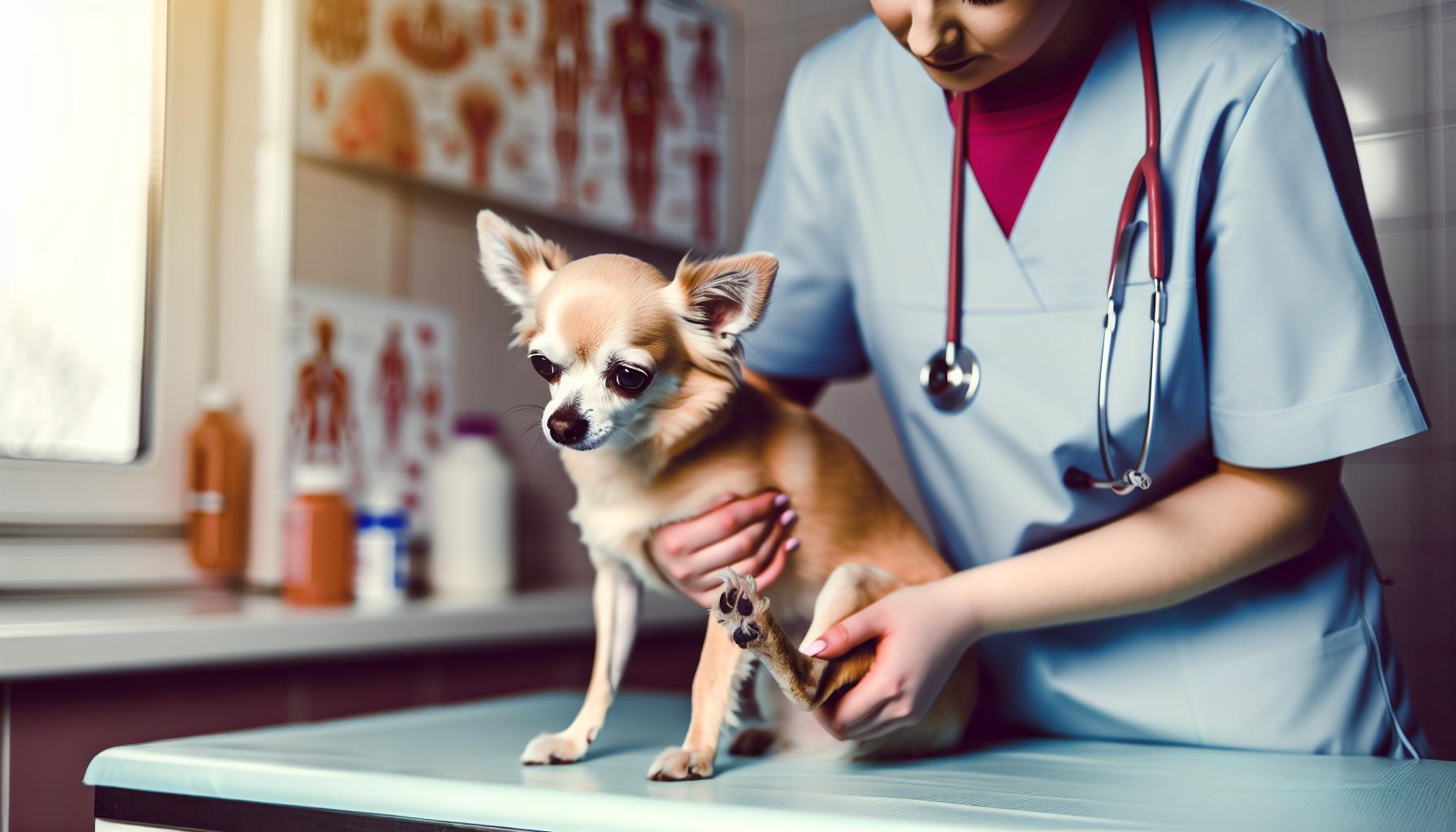
Understanding Leg Injuries in Chihuahuas
Chihuahuas may be small, but they have big personalities and endless energy, leading them to inadvertently invite trouble with their legs. Understanding the intricacies of leg injuries in Chihuahuas is vital for every owner. These delightful dogs may be bold enough to leap off furniture, chase after a squirrel, or engage in rough play, but their delicate limbs can suffer injuries as a result. From sprains to fractures, it’s essential to know what to look for to help your little furball recover swiftly.
Most commonly, Chihuahuas may experience soft tissue injuries, such as sprains or strains, particularly in their ligaments and muscles. These can occur when your pet lands awkwardly from a jump or has a sudden stop during a vigorous romp. You might notice your Chihuahua favoring one leg or being hesitant to engage in their favorite activities, like chasing a ball. Another frequent concern is patellar luxation, where the kneecap slips out of its normal position. This condition is prevalent among Chihuahuas due to their small stature, and you might see symptoms like a sudden skip in their stride or difficulty in walking.
Additionally, be mindful of signs that could point to more serious injuries. If your little buddy is suddenly reluctant to walk, seems to experience pain when you touch their leg, or shows swelling, these could indicate a more severe injury like a fracture or joint issue. Keeping an eye on their behavior can bring important insights; for instance, a Chihuahua who was once vigorous may become lethargic or irritable when in discomfort.
By understanding what types of injuries are common in Chihuahuas and the signs that accompany them, you’ll be better equipped to care for your furry companion when they need you the most. Always listen to your instincts as an owner, and if you notice any concerning behaviors, it’s best to err on the side of caution and consult your veterinarian for a thorough evaluation. Your proactive approach will help ensure that your lively little friend remains healthy and playful for years to come.
Signs of a Serious Issue: When to Worry
It’s tough to watch our little Chihuahuas limp around, especially when their playful spirit seems dampened. While a minor paw injury might be a simple sprain, there are certain signs that should raise immediate concerns. Knowing when to worry can make a significant difference in your dog’s well-being. One critical aspect to watch for is any sudden change in behavior. If your normally feisty Chihuahua is suddenly lethargic, avoids putting weight on a leg, or cries out in pain when you touch them, it’s a clear indication that something may be seriously wrong.
Furthermore, keep an eye out for visible signs like swelling, significant bruising, or an unusual angle of a limb. These external symptoms often point to severe injuries such as fractures or dislocations. For instance, a Chihuahua who typically enjoys running and jumping may become hesitant to engage in play or might even avoid movement altogether. If you notice this drastic shift alongside whining, yelping, or excessive licking of the affected leg, these could be signs of a serious issue requiring prompt veterinary attention.
Another crucial point to consider is the presence of any unusual gait. A Chihuahua with a leg injury might walk in a limping manner, or you may notice them trying to hop on three legs. Conditions like patellar luxation, common in small breeds, can cause this skipping motion and should not be taken lightly. Additionally, if you observe any signs of swelling around his joints, or if a joint appears dislocated, immediate veterinary consultation is necessary.
Trust your instincts as an owner. You know your Chihuahua’s behavior best, and if something seems off, don’t hesitate to seek help. Early intervention can significantly improve treatment outcomes for injuries, preventing chronic issues down the line. Remember, a quick evaluation by a veterinarian can provide peace of mind and keep your vibrant companion bouncing back to her normal self in no time.
Identifying Different Types of Leg Injuries
It’s essential to know that our Chihuahuas, with their bold personalities and tiny frames, are prone to various leg injuries due to their active lifestyles. Identifying the type of leg injury your little friend may have can help you provide the right care and seek veterinary assistance when necessary. Below, I’ll outline some of the most common types of leg injuries that you might encounter.
Common Types of Leg Injuries
- Sprains: These are among the most common injuries in Chihuahuas. A sprain occurs when the ligaments, which connect bones to joints, are stretched or torn. You might notice your dog limping and favoring the affected leg. Gentle rest and limited activity can help, but if the limping persists, it’s best to consult your veterinarian.
- Fractures: A fracture, or broken bone, can happen due to a fall or rough play. If your Chihuahua is unable to put weight on a leg, has swelling, or if there’s a visible deformity, it could be a fracture. This injury requires immediate veterinary attention as it may involve surgery or a cast for proper healing.
- Luxation: Luxation refers to dislocations in the joint, which are particularly common in Chihuahuas with patellar luxation. This occurs when the kneecap slips out of its normal position, leading to a noticeable limp or a hopping motion. If your dog seems abnormally limber in its movements, don’t hesitate to have it checked by a vet.
- Tendon Injuries: These injuries occur when the tendons, which connect muscles to bones, are damaged or inflamed. Look out for signs of pain and reluctance to move or play. Tendon injuries may sometimes resolve with rest, but persistent issues should be assessed by a professional.
Understanding these common injuries can help you recognize the symptoms early and take appropriate action. Quick identification and treatment not only improve recovery chances but also safeguard your Chihuahua’s joyous spirit from being hampered by pain. Always remember, it’s better to err on the side of caution when it comes to your furry friend’s health. A trip to the vet can provide clarity and peace of mind, ensuring that your little companion can return to their playful self sooner rather than later.
Home Remedies to Soothe Your Limping Chihuahua
As a proud Chihuahua owner, you may find it heartbreaking to see your feisty little companion limping around. These tiny dynamos, while bold and energetic, are susceptible to a range of leg injuries that can cause discomfort and distress. Fortunately, there are several home remedies you can try to help soothe your Chihuahua’s limping and support their recovery.
One of the first steps you can take is to allow your little friend some rest. Just like us, Chihuahuas need time to heal. Create a cozy, quiet space for him to recuperate. Limit his activity by setting up a playpen or using baby gates to keep him from jumping around too much. During this time, you can also incorporate warm compresses to the affected area. Use a clean cloth soaked in warm water and apply it gently to the leg for about 10 minutes several times a day. This can help alleviate pain and reduce swelling.
Additionally, consider enhancing his diet with supportive nutrients. Adding anti-inflammatory foods like fish oil or turmeric can make a difference. Talk to your veterinarian about the appropriate amounts for your Chihuahua’s size and health needs. A well-balanced diet rich in omega-3 fatty acids helps promote healing. You can also try offering your Chihuahua high-quality bone broth as it not only adds flavor to their meals but also is nourishing and beneficial for joint health.
Massage is another excellent way to soothe your pup; your loving touch can work wonders. Gently massaging the muscle around the injury can improve blood circulation and relieve tension. If you’re unsure about your technique, look for reputable online resources or videos that demonstrate proper dog massage techniques. Always be mindful to avoid putting pressure directly on the injured area, though.
If you notice that your Chihuahua’s limping persists despite these remedies, it’s essential to consult your veterinarian. Home care is a fantastic start, but professional guidance is crucial for ensuring the best recovery for your little companion. With attentive care and a bit of patience, your Chihuahua will be back to his playful self in no time.
When to Seek Veterinary Care for Your Chihuahua
Seeing your beloved Chihuahua limp can stir a whirlwind of emotions, from worry to frustration. These pint-sized bundles of energy deserve our utmost care and attention, especially when they show signs of pain or injury. While a bit of limping may seem minor at first, it can sometimes signal a more serious underlying issue that warrants immediate veterinary attention.
If your Chihuahua is limping and displaying any of the following symptoms, it’s crucial to seek veterinary care without delay:
- Persistent Limping: If the limping continues for more than a day or worsens, it’s time for a check-up.
- Swelling or Deformity: Noticeable swelling or a change in the leg’s shape can indicate serious injury or fractures.
- Refusal to Bear Weight: If your Chihuahua won’t put any weight on the affected leg, this could mean significant pain or injury.
- Behavioral Changes: If your normally playful little friend becomes withdrawn, vocalizes in pain, or seems unusually lethargic, it’s a red flag.
- Signs of Infection: Foul odor, discharge, or increased warmth around the injured area may suggest an infection that requires immediate treatment.
One owner shared how their apple-headed Chihuahua, Bella, suddenly refused to jump off the couch, something she did daily. Along with the limping, Bella’s eyes were dull, and she didn’t respond to treats. Recognizing these signs, her owner rushed her to the vet, discovering a torn ligament that needed surgical intervention. Timely action ensured Bella received the appropriate care and is now back to her spirited self.
Sometimes, injuries may not be visible at first glance, especially in Chihuahuas, who often mask their pain. Regular check-ups and being vigilant about changes in behavior can help you catch issues before they escalate. Remember, when it comes to your Chihuahua’s health, it’s always better to err on the side of caution. They rely on you to advocate for their well-being, and a swift visit to the veterinarian can help ensure your little buddy remains the vibrant, playful companion you cherish.
Preventive Measures for Your Chihuahua’s Legs
Chihuahuas are known for their lively spirits and big personalities, but their small size can make them more vulnerable to leg injuries. Prevention is key to keeping your tiny companion healthy and happy. Regular attention to their safety, exercise, and overall well-being can significantly reduce the risk of injuries.
To start, providing a safe environment is essential. Chihuahuas are curious and can easily get into trouble. Make sure your home is free from obstacles that could cause them to trip or fall. Remove small objects from the floor that might be hazardous and ensure that furniture is arranged to minimize the risk of jumping mishaps. Using baby gates to block stairways can also prevent accidental falls that may lead to serious injuries.
Exercise is crucial for maintaining your Chihuahua’s health, but it’s important to balance activity with caution. Short, controlled walks on a leash are ideal. This helps to strengthen their muscles without overexerting them. Avoid intense activities, especially on hard surfaces, as these can lead to sprains or fractures. Consider engaging in gentle play that doesn’t require jumping or strenuous exercise-tossing a soft toy to keep them entertained can be a great way to bond while being safe.
Attention to diet cannot be overlooked. Obesity is a common concern in smaller breeds, and excess weight puts undue stress on their legs. Ensure you’re feeding a high-quality diet that meets their nutritional needs while managing portion sizes. Regular vet check-ups are also vital, as your veterinarian can monitor your Chihuahua’s weight and joint health, providing tailored advice to keep them in optimal shape.
Lastly, be mindful of their unique activities and behaviors. For example, apple-headed Chihuahuas can be prone to dental issues, which might make them reluctant to chew their hard toys, leading to unsafe play with softer items. Encouraging them to use appropriate toys and monitoring their play can prevent accidental injuries. Remember, these little bundles of energy need your care and love to ensure they stay healthy and active throughout their lives. By being proactive about their environment and well-being, you can help your Chihuahua avoid painful injuries and enjoy a long, happy life by your side.
Understanding the Cost of Treatments for Leg Injuries
When your beloved Chihuahua starts limping, it can be concerning not just for her well-being, but also for your wallet. Understanding the financial implications of treating leg injuries in Chihuahuas is crucial for any owner. Treatment costs can vary widely depending on the nature and severity of the injury, and knowing what to expect can help you better prepare for the journey ahead.
The first step in addressing a leg injury is often a visit to the veterinarian. A thorough examination typically costs between $50 and $150. If imaging, such as X-rays, is required to diagnose the problem, expect an additional charge ranging from $100 to $300. For minor injuries, such as sprains or strains, your vet may recommend rest and anti-inflammatory medications, which can add another $20 to $50 to your bill. However, more serious injuries might necessitate surgery, which can be significantly more expensive-often running into the thousands.
Cost Breakdown Example
| Treatment Type | Estimated Cost |
|---|---|
| Veterinary Examination | $50 – $150 |
| X-rays | $100 – $300 |
| Medication (anti-inflammatory) | $20 – $50 |
| Surgery (if needed) | $1,000 – $3,000+ |
Keep in mind that these costs can escalate with follow-up visits or if complications arise. For instance, if your Chihuahua undergoes surgery, post-operative care and physical therapy may also be necessary, contributing additional fees.
To mitigate costs in the long run, investing in pet insurance can be a wise option. Many plans cover accidents and injuries, helping to offset some of the unexpected expenses associated with your Chihuahua’s paw problems. Always check the fine print to ensure leg injuries are included in your coverage.
By being proactive about your Chihuahua’s health and understanding potential treatment costs, you can ensure that your little companion receives the care she needs without causing undue financial stress. Remember, early intervention can often lead to simpler and less expensive treatments, so don’t hesitate to consult your vet at the first sign of trouble.
Rehabilitation Options for Injured Chihuahuas
When your little Chihuahua is recovering from a leg injury, effective rehabilitation can be the key to her swift return to normal activity. These spirited companions, with their big personalities and zest for play, often try to bounce back too quickly, but a structured approach to rehabilitation can ensure her recovery is both safe and effective.
Start by giving her plenty of rest. Limiting her movement initially is critical to prevent further injury. You might set up a cozy spot in your home where she feels secure and comfortable, surrounded by her favorite toys and a soft blanket. This will encourage her to relax and avoid straining her injured leg.
Next, consider gentle physical therapy. This can include range-of-motion exercises that you can perform together. Gently flex and extend her leg several times a day, always watching for signs of pain or discomfort. If she enjoys water, under supervision, short sessions in a kiddie pool can also be beneficial, as the buoyancy reduces strain on her joints while allowing her to move with more freedom.
As she begins to heal, you can introduce more challenging activities. Short, controlled walks on a leash can help her build strength without overdoing it. Aim for gradual increases in activity, paying close attention to how she responds. You know your Chi best, so trust your instincts-if she seems fatigued or shows signs of discomfort, it’s a good idea to dial back the intensity.
Incorporating warm compresses can also help soothe the muscles and improve circulation. A warm towel wrapped around her leg for about 10 to 15 minutes several times a day can be comforting and supportive to the healing process.
If her injury is significant, consulting a veterinary rehabilitation specialist might be an excellent option. They can guide you through tailored exercises and techniques that specifically address her needs. Remember, your vet may also suggest safer alternatives like laser therapy or acupuncture to facilitate healing.
Every Chihuahua is unique, and their recovery will vary based on personality and injury type. Celebrate her milestones, no matter how small, and encourage her with plenty of love and gentle praise. By keeping her engaged and supported through the rehabilitation process, you’re not just healing her body-you’re nurturing her spirit, too.
Caring for Your Chihuahua Post-Injury
When your little Chihuahua is recovering from an injury, providing just the right kind of care can make all the difference between a quick recovery and a prolonged one. Given their small size and delicate structure, Chihuahuas often face unique challenges when dealing with leg injuries. Whether your furry friend has sprained a leg during playtime or is recovering from a more serious injury, nurturing them with patience and the right techniques will support both healing and your bond.
Start by creating a calm and comfortable recovery space. Chihuahuas thrive in cozy environments, so setting up a warm nook with soft bedding, blankets, and their favorite toys will help them feel secure. You might consider using an exercise pen to limit their movement while still allowing them to feel a part of the household. Keeping their spirits high is important; provide interactive toys that stimulate their mind without requiring physical strain.
Incorporating gentle exercises can also aid in recovery. Range-of-motion exercises, where you carefully help your Chihuahua flex and extend their injured leg, can enhance circulation and flexibility. Aim for short sessions to avoid fatigue, and always observe for signs of discomfort. If your Chi enjoys the water, consider introducing short, supervised play sessions in a kiddie pool where the buoyancy helps alleviate stress on their joints.
Never underestimate the power of love and attention during recovery. Encourage your Chihuahua with soothing words and gentle petting to build their confidence as they heal. Celebrate small victories, like successfully taking a few steps without a limp. The emotional support you provide can be incredibly healing. Your loving approach not only helps them physically but also reassures them that they are safe and supported during this tough time. Remember, nurturing your pet through recovery is a journey for both of you, one filled with patience, persistence, and lots of love.
Talking to Your Veterinarian: Key Questions to Ask
When your beloved Chihuahua starts limping, it can be concerning. Their little legs, while full of personality, are also delicate and prone to injuries. As a caring owner, knowing what to ask your veterinarian can greatly enhance your understanding and ensure your furry friend receives the best care possible.
First and foremost, you should inquire about the specific cause of the limping. This could range from minor sprains to more severe issues like fractures or ligament tears. Asking your vet what they suspect based on your dog’s symptoms and activity level can provide clarity. You might say, “What do you think is causing my Chihuahua’s limping?”
Moreover, it’s essential to discuss any diagnostic tests that may be necessary. Will an X-ray help identify the issue, or should we conduct a physical examination first? Understanding the proposed course of action can help you feel more informed and involved in your Chihuahua’s care.
Another critical aspect to consider is the treatment options available. Ask your vet about any medications that could alleviate pain and inflammation, as well as the pros and cons of various treatments. For instance, “Are there any non-invasive options before considering surgery?” Delving into rehab exercises might also be beneficial, especially for Chihuahuas who thrive on gentle movement post-injury.
Lastly, always engage in a conversation about preventive measures. For instance, “What can I do to prevent this type of injury in the future?” This shows your commitment to your Chihuahua’s long-term health. Given their adventurous spirit, understanding how best to protect their tiny paws will help keep playtime safe and enjoyable.
Taking proactive steps during your vet visit not only empowers you as a pet owner but ensures your Chihuahua gets the comprehensive care they deserve. Remember, you’re her best advocate, and with a few pointed questions, you can navigate the path to recovery together.
Frequently Asked Questions
Q: What should I do if my Chihuahua suddenly starts limping?
A: If your Chihuahua suddenly starts limping, first examine the affected leg for any visible injuries or swelling. Limit his activity to prevent further injury, and consider applying a cold compress for 10-15 minutes. If the limping persists for more than a day or two, consult your veterinarian for a thorough assessment.
Q: How can I tell if my Chihuahua’s limping is serious?
A: Signs that your Chihuahua’s limping might be serious include inability to put weight on the leg, prolonged limping lasting more than a couple of days, or noticeable pain when touched. If you notice these symptoms, seeking veterinary care promptly is essential for proper diagnosis and treatment.
Q: Can small injuries cause long-term issues in Chihuahuas?
A: Yes, small injuries can lead to long-term issues in Chihuahuas if untreated. These dogs are prone to conditions like arthritis or joint injuries due to their small size and structure. Regular check-ups can help catch these problems early, so consult your vet if you suspect an injury.
Q: What are common home remedies for a limping Chihuahua?
A: Common home remedies include rest, warm compresses, and a gentle massage of the affected area to improve circulation. Additionally, using anti-inflammatory supplements, like turmeric or fish oil, may help soothe inflammation. However, always consult your veterinarian before trying new treatments.
Q: Why does my Chihuahua prefer to hop on three legs?
A: Hopping on three legs typically indicates that your Chihuahua is trying to relieve pain in the affected leg. This behavior suggests that he may have an injury or discomfort. Assess his leg for signs of swelling or tenderness, and consult your vet for professional advice.
Q: How can I prevent future leg injuries for my Chihuahua?
A: To prevent future leg injuries, ensure your Chihuahua maintains a healthy weight, engage in regular low-impact exercise, and avoid jumping from high places. Providing a safe environment free from hazards can also minimize the risk of slips or falls. Regular vet visits are important for monitoring health.
Q: Are there specific breeds more prone to leg injuries?
A: Yes, Chihuahuas, along with other toy breeds, are generally more prone to leg injuries due to their delicate structure. They often experience luxating patellas and fractures. Regular care, such as monitoring activity levels and avoiding rough play, can help reduce the risk.
Q: When should I consider physical therapy for my limping Chihuahua?
A: Consider physical therapy for your limping Chihuahua if veterinary treatments aren’t improving his condition, or if he has undergone surgery. A certified canine therapist can design a rehabilitation plan to promote healing, improve mobility, and strengthen the affected leg.
The Way Forward
If your Chihuahua is limping, it’s essential to act quickly. Understanding the potential causes, from minor strains to more serious injuries, allows you to provide the best care for your little companion. Don’t delay in scheduling a visit to your vet if you notice persistent limping; timely intervention can prevent further issues.
While you’re here, consider checking out our guides on “Chihuahua Joint Health” and “Common Injuries in Small Dogs” for more insights. And if you haven’t yet, join our community by signing up for our newsletter to get expert tips delivered straight to your inbox. You’re not alone in navigating your Chihuahua’s health; share your experiences in the comments below or reach out to us with any concerns. Your furry friend deserves the utmost care, and we’re here to help you every step of the way!
Get our latest guides, news, and insights highlighted in your Google Search & AI Overviews.