

Is your Chihuahua scratching more than usual? You’re not alone! Many Chihuahua owners struggle with itchy skin, which can stem from a variety of issues, such as allergies, parasites, or dry skin. These tiny, bold companions are known for their big personalities, but when they’re uncomfortable, it can disrupt their playful nature and your peace of mind. Understanding the reasons behind your Chihuahua’s itching is crucial for finding effective solutions. By addressing these skin problems, you can help your furry friend feel at ease, ensuring they remain the vibrant, vocal companions you cherish. Let’s explore common causes of itching in Chihuahuas and practical steps to alleviate their discomfort, so both you and your little one can enjoy life to the fullest!
Understanding Chihuahua Skin Issues: Common Causes
Understanding the nuances of your Chihuahua’s skin can feel like solving a puzzle; one minute they’re playing happily, and the next, they’re scratching incessantly. Chihuahuas, with their delicate skin and unique physiology, are particularly susceptible to a variety of skin issues. It’s crucial to recognize the common causes behind these ailments, especially since your little companion relies on you for support and care.
A primary culprit behind skin irritations in Chihuahuas is allergies. These can stem from environmental factors such as pollen, dust mites, and mold, or specific ingredients in their diet. Many Chihuahuas also suffer from contact allergies, where substances like certain fabrics, soaps, or chemicals might trigger an adverse reaction. Another frequent cause is parasites, such as fleas or mites, which can lead to severe itching and discomfort. Regularly checking for signs of fleas or skin infections is essential, as these can quickly escalate if left untreated.
Additionally, Chihuahuas are prone to skin infections due to their small size and sensitive skin barrier. This can happen if they experience minor cuts or injuries and bacteria enter those areas. Sometimes, hormonal imbalances or underlying health issues, like hypothyroidism, can exacerbate these skin problems. For instance, a Chihuahua with a thyroid deficiency might experience hair loss and flaky skin, requiring careful management through dietary adjustments and possibly medication.
In caring for your Chihuahua, it’s important to observe and record any patterns regarding when the itching occurs, or any new products introduced into their environment, as this can help identify the triggers. Understanding these common causes of skin issues can empower you to take proactive steps in keeping your furry friend comfortable and healthy. By focusing on preventive measures and maintaining regular veterinary check-ups, you can significantly enhance your Chihuahua’s quality of life while celebrating their spirited and loving nature.
Signs Your Chihuahua’s Itching Is Serious
Recognizing when your furry companion’s itching has crossed the line from mild annoyance to serious concern can be challenging, particularly for those new to Chihuahua care. These tiny dynamos are prone to various skin issues that can indicate deeper health problems if left unchecked. If your Chihuahua is itching persistently, pay attention to the signs-it could be more than just an occasional scratch.
The first indicator that your Chihuahua’s itching might be serious is the frequency and intensity. If she’s scratching, biting, or licking herself excessively, especially to the point of creating sores or hot spots, it’s a signal that something isn’t right. Alongside itching, look for changes in her behavior. Is she more irritable or withdrawn than usual? Perhaps she’s not sleeping well or seems restless. These behavioral shifts often accompany physical discomfort and shouldn’t be ignored.
Another vital sign to watch for is the appearance of her skin. Check for redness, swelling, or any unusual discharge. If your Chihuahua’s skin appears inflamed or if there is hair loss in specific areas, these could indicate infections or severe allergic reactions. Also, take note of any odorous smells; a foul odor can be a sign of bacterial or yeast infections, which require immediate veterinary attention.
Lastly, if you notice any other concerning symptoms alongside the itching-such as vomiting, diarrhea, or lethargy-it’s time to consult your vet. Even changes in appetite can be significant. A holistic view is essential; by observing her overall health and behavior, you can effectively assess the seriousness of her itching. If in doubt, err on the side of caution-prompt veterinary advice can lead to more effective treatment and relief for your beloved fur baby.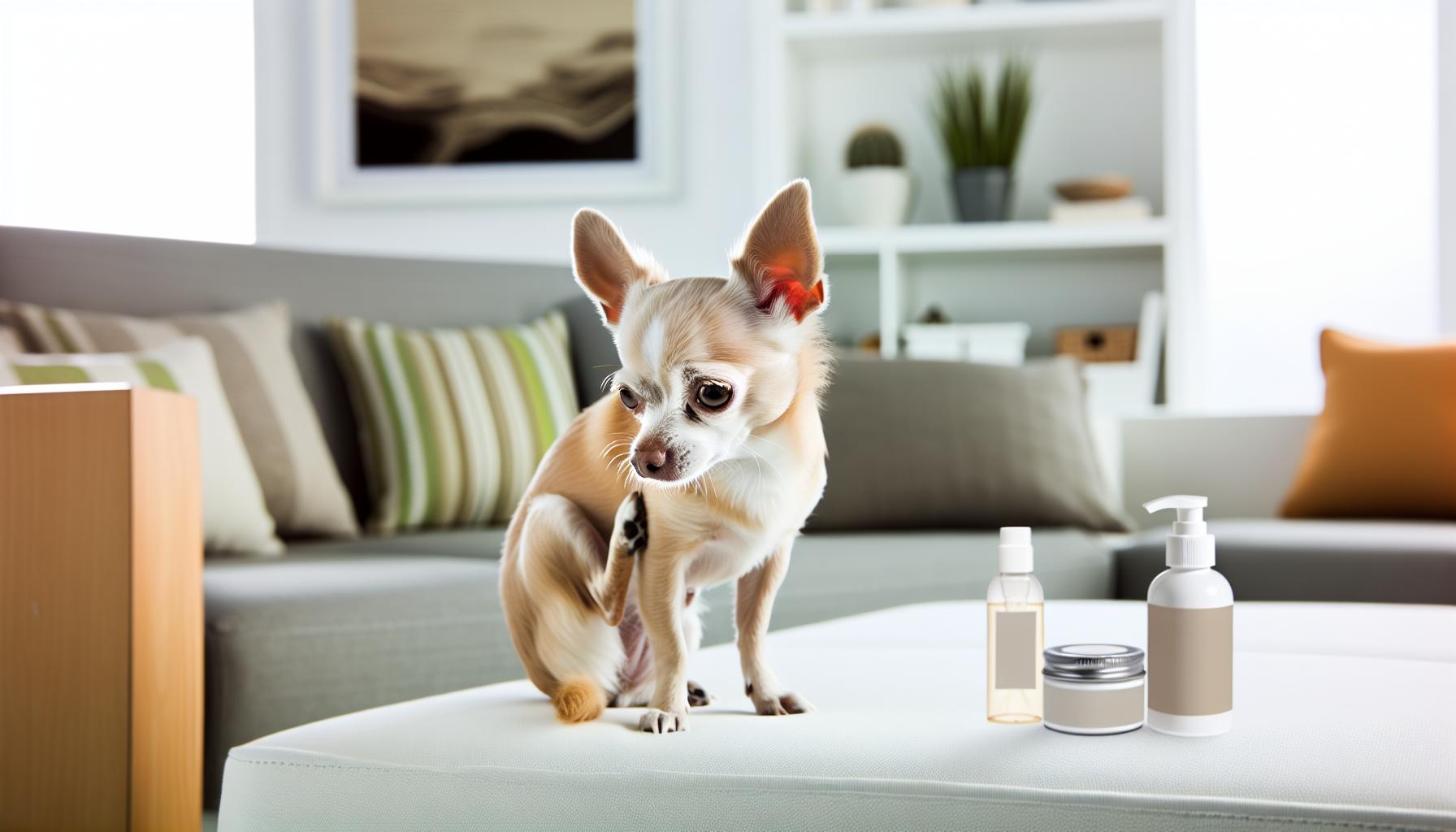
Natural Remedies for Your Chihuahua’s Skin Woes
Soothing your Chihuahua’s skin woes can sometimes feel like a daunting task, especially when those stubborn itches seem to pop up out of nowhere. Fortunately, there are a variety of natural remedies that many Chihuahua owners have found effective, helping to alleviate discomfort while steering clear of harsh chemicals. First things first, consider incorporating some gentle ingredients into your dog’s routine that promote skin health and comfort.
One popular option is coconut oil. This versatile superfood can serve as both a soothing moisturizer and an anti-inflammatory agent. Simply rub a small amount on your Chihuahua’s affected skin areas, taking care to observe how she reacts. The natural fatty acids in coconut oil can also help combat bacterial infections and reduce symptoms of allergies. Just be sure to avoid over-application to prevent potential greasiness.
Another fantastic remedy is oatmeal baths. This old-school approach has stood the test of time. Finely ground oatmeal, often found in pet-specific shampoos or as whole oats, can be added to warm bath water. It works wonders in calming inflamed skin and providing immediate relief from itching. Aim for baths once a week if your Chihuahua shows signs of irritation; this can help keep her skin hydrated while washing away allergens that contribute to her discomfort.
Consider adding fish oil to her diet as well. The omega-3 fatty acids found in fish oil are known to promote a healthy coat and skin. Many Chihuahua owners have noticed a marked improvement in skin conditions after incorporating fish oil supplements into their dog’s meals. Just consult your vet for the correct dosage based on your Chihuahua’s size and unique needs, as every little pup is different!
Finally, using aloe vera can also provide relief. This natural plant is known for its soothing properties and can be applied directly to irritated skin to reduce inflammation. Make sure to use only pure aloe vera and check that your Chihuahua does not ingest it in large amounts, as it can be somewhat bitter.
By embracing these natural remedies, you can create a customized approach to care that meets your Chihuahua’s skin needs while celebrating her unique personality. Remember, it’s always wise to consult your veterinarian before starting any new treatment, ensuring that her health remains the top priority. Exploring holistic options fosters a healthier and happier life for your tiny companion!
Diet and Nutrition: Transforming Skin Health
A well-balanced diet plays a crucial role in keeping your little Chihuahua’s skin healthy and itch-free. Many owners notice a direct correlation between what they feed their pets and the condition of their skin. Since Chihuahuas have delicate coats-be they the long-haired or short-haired types-investing in their nutrition can lead to noticeable improvements in skin quality, coat shine, and overall well-being.
First and foremost, focus on quality ingredients. Look for dog food that features high-quality proteins, such as chicken, fish, or lamb, as the primary ingredient. Protein is vital for skin repair and overall health. Supplementing their diet with essential fatty acids can also work wonders. Ingredients like flaxseed or fish oil are rich in omega-3 and omega-6 fatty acids, which help to moisturize the skin from the inside out. Many Chihuahua owners, like Sarah, have observed a significant reduction in itching after incorporating fish oil into their dog’s diet-a result of its anti-inflammatory properties.
When considering treats, aim for those that are low in fillers and artificial additives. Opt for options that include wholesome ingredients like sweet potatoes or pumpkin, which are not only delicious but also packed with vitamins A and C. Avoid grains if your Chihuahua shows signs of sensitivity; some dogs may react poorly to them, leading to skin irritations. Always consult your vet before making significant changes to your Chihuahua’s diet or introducing new supplements.
Hydration also plays an essential role in skin health. Ensure your Chihuahua has access to fresh water throughout the day, as proper hydration can enhance skin elasticity, making it less prone to dryness and irritation. If your furry companion enjoys a splash of flavor in their water, consider adding a bit of low-sodium chicken broth to encourage them to drink more.
By paying close attention to the nutritional components of your Chihuahua’s diet, you can transform her skin health significantly, helping her feel more comfortable in her own fur. As you make these dietary adjustments, keep an eye on any changes in her skin, and don’t hesitate to reach out to your vet for tailored advice or concerns nearly all Chihuahua owners eventually face regarding their beloved companions’ picky eating habits and skin sensitivities.
The Role of Allergies in Chihuahua Itching
Chihuahuas are known for their spunky personalities, but when they start itching, it can be a sign of underlying issues, often related to allergies. Allergies in Chihuahuas can be triggered by a wide array of environmental factors, from pollen and dust mites to certain foods. These tiny dogs possess sensitive skin, making them more susceptible to irritation and discomfort. If your little companion is scratching more than usual, it could be the result of an allergic reaction, causing not only physical distress but also emotional frustration for both of you.
One of the most common types of allergies affecting Chihuahuas is environmental allergies, also known as atopy. Seasonal allergens, like pollen from grasses and trees, can lead to incessant scratching, redness, and lesions. Many owners, like Laura, a proud Chihuahua mom, have noticed her pup’s itching aligns with the blooming of local flowers-every spring, it’s a battle against the effects of pollen! Observing environmental factors can help determine if allergens are causing your dog’s skin issues, leading to possible lifestyle adjustments.
Food allergies are another significant culprit, which may manifest as recurrent itching or gastrointestinal upset. Common allergens for Chihuahuas include chicken, beef, dairy, and grain. If you suspect a food allergy, consider an elimination diet where you gradually introduce new proteins and carbohydrates to pinpoint the issue. Remember, always consult with your vet before switching foods to ensure your dog’s nutritional needs are met while discovering any sensitivities.
Grooming plays a crucial role in managing allergies. Regular baths using hypoallergenic shampoos can relieve itching and remove allergens clinging to your pup’s skin. Additionally, keeping your home clean and free from dust and allergens-by vacuuming frequently and using air purifiers-can create a more comfortable environment for your Chihuahua. Maintaining a keen eye on these potential allergy triggers can help you manage your dog’s skin health effectively, ensuring their vibrant personality shines through without the constant scratching.
Grooming Tips for Healthy Chihuahua Skin
To keep your Chihuahua’s skin healthy and reduce itching, a consistent grooming routine is essential. These little dogs, whether they have a smooth, long, or curly coat, can benefit immensely from regular grooming that accommodates their unique needs. Did you know that grooming not only keeps them looking cute but also helps you spot any skin irritations early? Here are some effective tips to ensure your Chihuahua’s skin stays vibrant and itch-free.
Regular Baths
Bathing your Chihuahua appropriately is vital, especially if she struggles with allergies. Use a hypoallergenic shampoo to help soothe her sensitive skin and remove allergens that may be clinging to her fur. Aim for a bath every 3 to 4 weeks, but avoid overbathing as it can strip essential oils and lead to dryness. Pay attention to the temperature of the water, keeping it warm but not too hot, as Chihuahuas can easily get chilled.
Brushing Techniques
Brushing is another crucial part of grooming. Depending on your Chihuahua’s coat type, different tools will serve you better:
- Slicker Brush: Ideal for long-haired Chihuahuas to prevent mats and tangles.
- Bristle Brush: Suitable for short-haired varieties, it can help distribute natural oils and remove dead hair.
- Comb: A fine-toothed comb can help detangle any knots and keep skin irritation at bay.
Aim to brush her at least once a week. For long-haired Chihuahuas, consider more frequent sessions, especially during shedding seasons. This not only helps maintain a gorgeous coat but also allows you to check for any signs of skin problems, like redness or bumps.
Check for Irritants
As you groom, take time to inspect your Chihuahua’s skin closely. Look for areas of redness, excessive flakiness, or any unusual bumps. Chihuahuas can be prone to skin infections, so identifying these issues early is key. If you notice anything concerning, a quick trip to the vet may be necessary.
Keeping your Chihuahua groomed is a labor of love that reaps rewards in her overall health and happiness. Remember to make grooming a positive experience by offering treats or extra cuddles during and after your sessions. Creating a soothing environment will help her associate grooming with love rather than just a chore. Embrace your little one’s quirks, and give her the attention she deserves. She’ll appreciate all the extra TLC, and her skin will thank you for it!
Top Veterinary Treatments for Skin Problems
When your Chihuahua is suffering from persistent itching, it’s essential to explore the top veterinary treatments available to alleviate their discomfort. These tiny companions, known for their vibrant personalities and sensitivity, can experience various skin issues that prompt itching and irritation. Understanding the suitable treatments from your veterinarian can make a significant difference in their quality of life.
Regular Veterinary Check-ups
Consistency is key when monitoring your Chihuahua’s skin health. Regular veterinary visits are vital for diagnosing underlying issues such as allergies, infections, and parasites. Your vet can perform skin scrapings or allergy tests to pinpoint specific problems. For instance, if your Chihuahua has a penchant for scratching, a thorough examination might reveal flea allergies or dermatitis, which is often treatable with medication and dietary adjustments.
Prescription Medications
Veterinarians may prescribe various medications based on the diagnosis. For allergic reactions, antihistamines or corticosteroids can effectively reduce inflammation and itching. In some cases, an anti-fungal treatment is necessary if a yeast infection is the culprit. Oral or topical antibiotics might be recommended for secondary infections resulting from incessant scratching. It’s crucial to follow the vet’s guidelines for dosage and duration to avoid complications.
Specialized Shampoos and Treatments
Veterinary-recommended shampoos formulated for sensitive skin can provide immediate relief for your Chihuahua. These shampoos often contain ingredients like oatmeal or aloe vera, which soothe irritation and hydrate the skin. Regular bathing with these products helps remove allergens, dead skin, and excess oils, promoting a healthier coat. Your vet might also recommend medicated wipes or sprays for particular skin conditions, guiding you on the frequency and application technique.
Dietary Adjustments and Supplements
Sometimes, dietary changes play a critical role in alleviating skin problems. Your veterinarian may suggest a hypoallergenic diet or specific grain-free foods that help mitigate allergic reactions. Omega-3 fatty acid supplements can also contribute to better skin health by providing essential nutrients to your Chihuahua. These adjustments can lead to fewer skin irritations and a shinier coat, allowing your little friend to feel their best.
Addressing your Chihuahua’s skin issues may require some trial and error, but with the right veterinary support and consistent care, it’s entirely possible to restore their comfort and happiness. Remember, a proactive approach to skin health, combined with a deep understanding of your Chihuahua’s specific needs, is key to ensuring fewer scratching episodes and a joyful companion by your side.
When to Seek Professional Help for Your Chihuahua
When your beloved Chihuahua is suffering from relentless itching, it can be a heart-wrenching experience. His little body may squirm in discomfort, and as an owner, you want nothing more than to ease his irritation. While some scratching is normal, knowing when it’s time to seek professional help is crucial for your furry friend’s health.
If your Chihuahua’s itching persists for more than a few days despite your efforts with home remedies or over-the-counter treatments, it’s a clear signal to consult your veterinarian. Constant scratching can lead to skin damage, infections, and even painful hotspots. For instance, if you notice that he’s chewing at his paws or rubbing his face excessively, these behaviors can indicate allergies, parasites, or underlying skin conditions that require a vet’s expertise.
In addition to persistent itching, watch for other symptoms that signal a need for immediate veterinary attention. If your Chihuahua develops redness, swelling, or oozing sores, these signs can indicate an infection or a more serious skin issue. Similarly, if he experiences sudden hair loss or his mood changes-becoming more withdrawn or irritable-it’s important to seek help quickly. Early intervention can prevent further complications and ensure your little companion remains happy and healthy.
Another good rule of thumb is if you’ve changed his diet or environment recently and the itching began shortly after, a conversation with your vet can help determine if it’s an allergy or sensitivity. Remember, you know your Chihuahua best. Trust your instincts; if you feel something isn’t right, don’t hesitate to contact your veterinarian. Keeping your vibrant, loyal friend healthy and comfortable should always be a top priority!
Home Environment: Reducing Irritants for Your Dog
Creating a comfortable home environment is essential for your Chihuahua, especially when it comes to managing skin irritations. These tiny yet spirited pups can be especially sensitive to their surroundings, and various common household irritants might be fueling their incessant scratching. A few proactive adjustments can make a world of difference.
First, consider the cleaning products you use. Many household cleaners, detergents, and even air fresheners contain potent chemicals that can irritate your Chihuahua’s skin. Opt for pet-safe and hypoallergenic products to minimize exposure. You might also want to switch to fragrance-free options, as strong scents can trigger allergies in sensitive dogs. Remember, Chihuahuas’ skin is often delicate, and what’s safe for humans isn’t always safe for them.
Regular cleaning and grooming are crucial. Dust, pollen, and pet dander can accumulate quickly, particularly in a small living space. Make sure to vacuum regularly using a vacuum with a HEPA filter to trap allergens effectively. If you have carpeting, it may be wise to consider an area with washable rugs where your Chihuahua can play safely. Additionally, grooming your Chihuahua not only helps manage loose fur but also allows you to keep an eye out for any skin issues. Brush your pup frequently to reduce the chances of matting, which can trap dirt and irritants against the skin.
Creating a designated space for your Chihuahua can also help. This area should be free from common allergens like mold and dust mites. Choose bedding made from breathable fabrics and wash it regularly. You might even consider using an air purifier to help keep the air in your home clean and free from irritants.
To sum up, by being mindful of the products you bring into your home and maintaining a clean environment, you significantly reduce potential irritants for your Chihuahua. These small changes can lead to big improvements in your furry friend’s comfort and skin health. After all, when your lively little companion feels good, his true bold personality can shine, and that’s a joy for any Chihuahua owner to witness!
The Connection Between Stress and Skin Conditions
It’s fascinating how stress can have such a pronounced effect on your Chihuahua’s skin health. These little dogs, known for their bold personalities and strong emotional bonds with their humans, can be particularly sensitive to changes in their environment or routine. When stress becomes a factor, it can manifest in various ways, including that incessant scratching or biting at their skin, which only exacerbates any existing issues.
Chihuahuas thrive on stability. They are creatures of habit, and even minor disruptions in their daily lives-a new pet, a noisy environment, or the chaos of a move-can stress them out. This stress can trigger reactions in their bodies that lead to skin conditions. The link between stress and skin issues often comes down to how your dog’s body reacts to anxiety. When a Chihuahua feels stressed, their body may release cortisol, which can lead to inflammation and a compromised immune system, making their skin more susceptible to irritants and infections.
To help manage your Chihuahua’s stress levels and, in turn, their skin health, here are some practical strategies:
- Create a safe space: Designate a quiet, comfortable spot in your home where your Chihuahua can retreat when feeling overwhelmed. This could be a cozy bed or a specific room that is free from noise and activity.
- Regular routines: Stick to a consistent daily routine for feeding, walks, and playtime. This predictability can help alleviate anxiety.
- Positive reinforcement: Use treats and praise to reward calm behavior, especially when introducing new experiences or environments.
- Gentle enrichment: Provide mentally stimulating toys and activities that can distract your Chihuahua from stressors and engage them in healthy ways.
Maintaining your Chihuahua’s tranquility is essential in preventing stress-related skin issues. Observing your little companion’s behavior and being proactive can foster a happier, healthier pup who feels secure in her environment. When she’s comfortable and content, her beautiful coat will reflect her well-being, allowing her vibrant personality to shine without the irritation of itchy skin. Remember, your attention to her emotional health is just as important as her physical care!
Preventive Measures to Keep Your Chihuahua Itch-Free
To maintain your Chihuahua’s happiness and comfort, taking proactive steps to prevent itching and skin issues is essential. One of the most effective measures is to establish a consistent grooming routine. Given that Chihuahuas can have either short or long coats, regular brushing not only keeps their fur lustrous but also helps remove loose hair and dander, reducing the likelihood of skin irritations. For those with longer coats, consider using a detangling spray to ease the process and make grooming a more pleasant experience for both of you.
Next, focus on creating a clean living environment. Vacuum regularly to eliminate dust, pet dander, and environmental allergens that could trigger itching. Consider using an air purifier to reduce airborne irritants in your home. If your Chihuahua spends time outdoors, check for seasonal irritants like pollen and take steps to limit exposure during peak times.
Diet plays a crucial role in your pup’s skin health, so investing in high-quality dog food formulated for skin and coat health can greatly reduce itching. Look for ingredients rich in omega-3 and omega-6 fatty acids, which support skin hydration. Additionally, always ensure that your Chihuahua is well-hydrated, as proper water intake helps maintain healthy skin.
Another vital preventive measure is to keep an eye on potential allergens. Regularly observe your Chihuahua for any reactions to new foods, fabric materials, or cleaning products. If you notice a correlation between a specific item and an itchy episode, removing the irritant could alleviate the problem significantly.
Finally, regular veterinary check-ups are essential. Your vet can provide guidance on flea and tick prevention and may recommend specific hypoallergenic shampoos or treatments tailored to your Chihuahua’s needs. By following these steps, you can help keep your tiny companion itch-free and thriving, allowing her vibrant personality to shine through without the distraction of uncomfortable skin conditions.
Identifying Coat Types and Their Care Needs
Understanding your Chihuahua’s coat type is fundamental to providing the best care for her skin health. Whether you’re a proud owner of a long-haired beauty or a sleek short-haired gem, each coat type has specific grooming needs and potential skin issues to watch for. With a little attention, you can help her maintain a beautiful, itch-free coat that reflects her vibrant personality.
Coat Types Overview
Chihuahuas typically fall into two coat categories: short-haired and long-haired. Short-haired Chihuahuas have a smooth, fine coat that lies close to the body. This type generally requires less maintenance; however, it’s still important to brush her regularly to remove loose hair and dander, which can contribute to skin irritations. Long-haired Chihuahuas, on the other hand, have stunning, flowing fur that can easily tangle and mat if not cared for properly. Regular brushing, ideally every other day, is crucial. It not only keeps their coat looking lovely but also helps stimulate the skin and distribute natural oils.
Grooming Practices
Grooming routines should differ based on coat types, and adopting these tailored strategies can make a significant difference in her skin health:
- Short-Haired Chihuahuas: Use a fine-toothed brush or rubber grooming mitt to gently remove loose hair. Weekly baths with a mild, dog-specific shampoo can help keep her skin clean and hydrated. Always ensure she is thoroughly dried afterward, as moisture trapped in her coat can lead to skin issues.
- Long-Haired Chihuahuas: Invest in a good-quality pin brush and a detangling spray. Regular brushing is essential to prevent mats, which can trap moisture and irritate the skin. Bathe her every four to six weeks, using conditioner to help maintain coat moisture and health. Pay special attention to the areas behind the ears and under the legs, where tangles often occur.
The Importance of Skin Health
Regardless of her coat type, your Chihuahua’s skin is sensitive and can be prone to issues like dryness and irritation. Incorporating specific products designed for her coat type, such as oatmeal-based shampoos for soothing irritated skin, can provide relief. Additionally, look for conditioners that help detangle and add moisture to her coat, especially for long-haired varieties.
A fascinated owner once shared that switching to a hypoallergenic shampoo made a significant difference in her long-haired Chihuahua’s skin health. With fewer allergens in her bathing routine, her pup experienced less itching and irritation, highlighting the impact of tailored care.
By recognizing your Chihuahua’s coat type and adapting your grooming practices accordingly, you can enhance her overall well-being and minimize potential skin problems. Regular attention will keep her looking and feeling fabulous, allowing her bold, lively personality to shine through effortlessly.
Faq
Q: What are the signs that my Chihuahua’s itching is due to fleas or ticks?
A: Fleas and ticks often cause intense itching and discomfort. Look for small black specks (flea dirt) in your Chihuahua’s fur, excessive scratching or biting at their skin, and red, inflamed areas. Regular grooming and inspections can help catch these pests early. Check the section on grooming tips for more insights.
Q: How can I tell if my Chihuahua has a food allergy causing itching?
A: Food allergies can lead to itching and skin irritation. Look for symptoms like chronic itching, ear infections, or digestive issues after feeding. Consider keeping a food diary and trying a limited ingredient diet to identify triggers. For dietary transformations, refer to the Diet and Nutrition section in the article.
Q: What natural solutions can help soothe my Chihuahua’s itchy skin?
A: Natural remedies like oatmeal baths, aloe vera, and coconut oil can provide relief for itchy skin. These soothe inflammation and moisturize the skin effectively. Incorporating these methods can be beneficial as you approach natural treatments outlined in the Natural Remedies section.
Q: When should I worry about my Chihuahua’s skin condition?
A: If your Chihuahua’s itching persists despite home care, appears in combination with swelling, persistent bald patches, or any bleeding, seek professional help. Early intervention ensures better outcomes and is discussed in detail in the When to Seek Professional Help section.
Q: Could my Chihuahua’s stress be a factor in her itching?
A: Yes, stress can significantly contribute to skin conditions in Chihuahuas. Signs include excessive licking, changes in behavior, or new areas of irritation. Reducing stressors and creating a calming environment can help. Read more in the Connection Between Stress and Skin Conditions section.
Q: Are there specific grooming habits that can reduce itching in Chihuahuas?
A: Regular grooming is vital in minimizing itching. Brush your Chihuahua’s coat to remove dead hair and dirt, and bathe them using gentle, hypoallergenic shampoos. Grooming keeps the skin healthy and addresses irritants, as detailed in the Grooming Tips for Healthy Chihuahua Skin section.
Q: What preventive measures should I take to keep my Chihuahua itch-free?
A: Preventive measures include keeping your Chihuahua’s environment clean, using flea and tick products, and ensuring a balanced diet. Regular check-ups with the vet can also aid in early detection of skin problems. Explore preventive strategies in the corresponding section.
Q: How can I create a comfortable environment for my itchy Chihuahua?
A: To enhance your Chihuahua’s comfort, keep her living space clean and free from dust and allergens. Consider using air purifiers and ensuring consistent temperature control. A cozy bed can help alleviate discomfort as discussed in the Home Environment section.
Closing Remarks
If your Chihuahua is itching, understanding the root cause is crucial for their comfort and health. Remember, addressing skin issues promptly can prevent further complications and help your little friend thrive. Don’t wait-take action today! For more tips on caring for your Chihuahua, explore our articles on common dog allergies and effective grooming techniques tailored for their unique coat types.
We invite you to share your experiences in the comments below; your stories could help other Chihuahua owners facing similar challenges. If you haven’t yet, consider signing up for our newsletter for ongoing support and expert advice tailored specifically for dedicated pet parents like you. Celebrate every moment with your bold little companion, and let’s keep them healthy and happy together!
Get our latest guides, news, and insights highlighted in your Google Search & AI Overviews.