

Is your Chihuahua constantly scratching and seemingly uncomfortable? You’re not alone! Many Chihuahua owners face the perplexing issue of itchy skin. Understanding the underlying causes can significantly enhance your furry friend’s quality of life. From allergies to skin infections, the reasons for itching can vary widely, and it’s crucial to identify the exact problem to provide effective relief. Chihuahuas, with their unique coats and sensitive skin, can be prone to particular irritants, and a few simple changes to their environment or diet might be all it takes to alleviate their distress. As a dedicated Chihuahua enthusiast, I’m here to guide you through the common causes of itching and share practical solutions to ensure your beloved companion is happy and comfortable. Let’s explore how you can give your little guardian the relief and care they deserve!
Why Your Chihuahua Might Be Itchy: Common Causes
Chihuahuas are known for their lively personalities and bold demeanor, but the flip side of their adorable nature can sometimes be an itchy, uncomfortable pup. Understanding the common causes of itchiness in Chihuahuas is crucial for ensuring your furry friend feels his best. One of the most frequent culprits is allergies, which can stem from a variety of sources, including food, environmental factors, and even flea infestations. Though they might be small, Chihuahuas can have significant reactions to allergens due to their sensitive skin.
Another common reason for itchy skin in these tiny companions is dry skin, particularly in colder months. Chihuahuas often have fine, short coats that provide minimal insulation against the elements. When the humidity drops, their skin can become dry and flaky, leading to discomfort. Additionally, improper grooming practices can exacerbate the problem. Regular brushing not only helps keep their coats looking neat but also distributes natural oils that keep their skin moisturized.
Lastly, underlying health issues like hormonal imbalances or infections can contribute to itchiness. If a Chihuahua is continually scratching or biting at his skin, it’s important to observe any other signs, like redness or swelling, which could indicate a more serious medical condition. Identifying the type of itchiness-whether it’s seasonal, related to diet, or potentially linked to a health issue-will help guide you toward the best treatment and care for your beloved companion.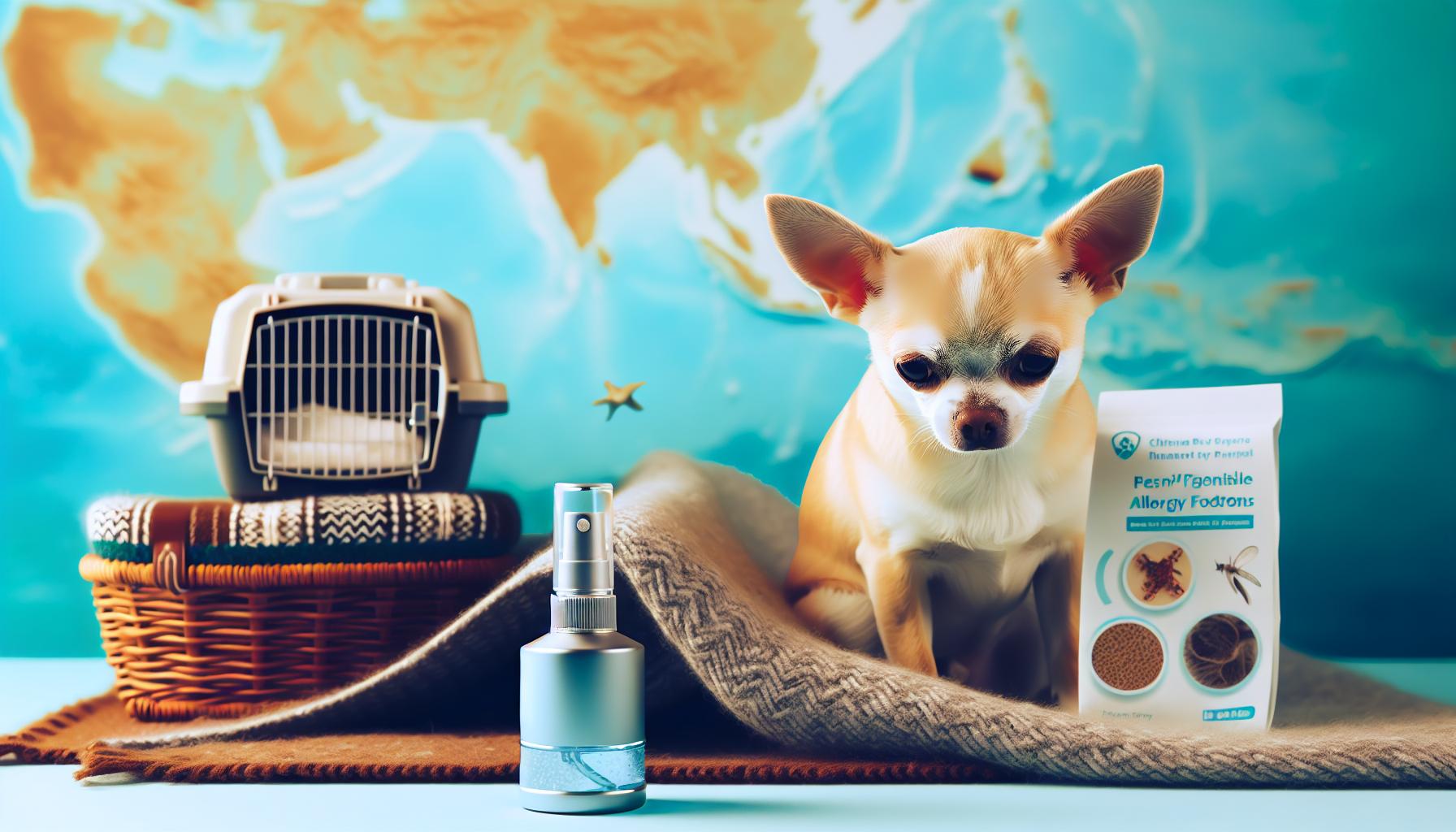
Understanding Chihuahua Skin Issues: A Quick Guide
Chihuahuas are small but mighty, and their unique personalities can sometimes overshadow their health needs, especially when it comes to skin issues. One important aspect of caring for these little companions is understanding the reasons behind their itchiness. Skincare is fundamental for Chihuahuas, and being proactive can make a world of difference in their comfort and happiness. It’s fascinating to note that Chihuahuas, with their fine coats and sensitive skin, can be particularly prone to various skin problems, making it essential for owners to stay informed.
Chihuahuas often suffer from skin irritations due to allergies, which can be more prevalent in this breed compared to larger dogs. Common allergens include pollen, dust mites, and certain food ingredients. For example, a Chihuahua might develop itchy skin from beef or chicken in their diet. Owners should remain vigilant; observe their furry friends closely after trying new foods or introducing new environmental elements, like houseplants or air fresheners. Keeping a journal of potential allergens can help identify and eliminate culprits, ensuring a more comfortable life for your pup.
Another contributing factor to skin issues in Chihuahuas is humidity and temperature changes. These little guardians have short coats that lack extensive insulation, making them susceptible to dry skin, especially in winter. To mitigate this, consider using a humidifier during dry months to maintain moisture in the air and regularly brushing your Chihuahua to distribute natural oils throughout their coat. This small act not only improves their coat’s shine but also serves as a bonding time that they will appreciate.
In essence, understanding your Chihuahua’s skin issues is a journey that involves keen observation and a willingness to adapt their environment and care routine. Every dog is unique, and what works for one may not work for another. Pay attention to your Chihuahua’s reactions, and don’t hesitate to consult with a veterinarian if his itchy skin persists despite your efforts. Together, you can ensure that your lovely little companion remains vibrant and comfortable in his skin.
Top Allergens Affecting Your Chihuahua’s Skin
Chihuahuas, with their lively personalities and delicate skin, can often fall victim to allergens that provoke irritation and discomfort. Understanding the common culprits behind your pup’s itchy episodes is key to helping him feel his best. This breed is especially sensitive due to their fine coats, making them more susceptible to allergies in their environment and diet. Identifying these allergens early can not only provide immediate relief but also enhance your little companion’s overall well-being.
Among the top environmental triggers are pollen and dust mites. Pollen levels can fluctuate seasonally, with spring and fall being particularly challenging times for Chihuahuas. If your furry friend seems more inclined to scratch during these seasons, consider keeping him indoors during peak pollen hours and regularly cleaning surfaces to reduce dust accumulation. Another frequent irritant is household products like cleaning agents or air fresheners, which can cause skin reactions. Opt for pet-friendly or hypoallergenic products, and be mindful of any new items introduced into your home environment.
Food allergies are also a significant contributor to skin issues in this breed. Common allergens include beef, chicken, dairy, and grains. Many Chihuahua owners have seen marked improvement by switching to a limited-ingredient diet or hypoallergenic food options. Observing your pup’s reactions after introducing new foods can help pinpoint any intolerances. Keep note of ingredients that seem to coincide with flare-ups, and consider consulting with your veterinarian about an elimination diet to identify specific triggers.
Lastly, fleas and ticks are not just nuisances; they can lead to intense itching and skin infections. Regularly treating your Chihuahua with veterinarian-recommended flea and tick preventatives is essential to keeping his skin healthy and itch-free. By being proactive and informed about the allergens affecting your beloved Chihuahua, you can take meaningful steps towards minimizing discomfort and ensuring he leads a happy, healthy life. Remember, a comfortable Chihuahua is a happy Chihuahua!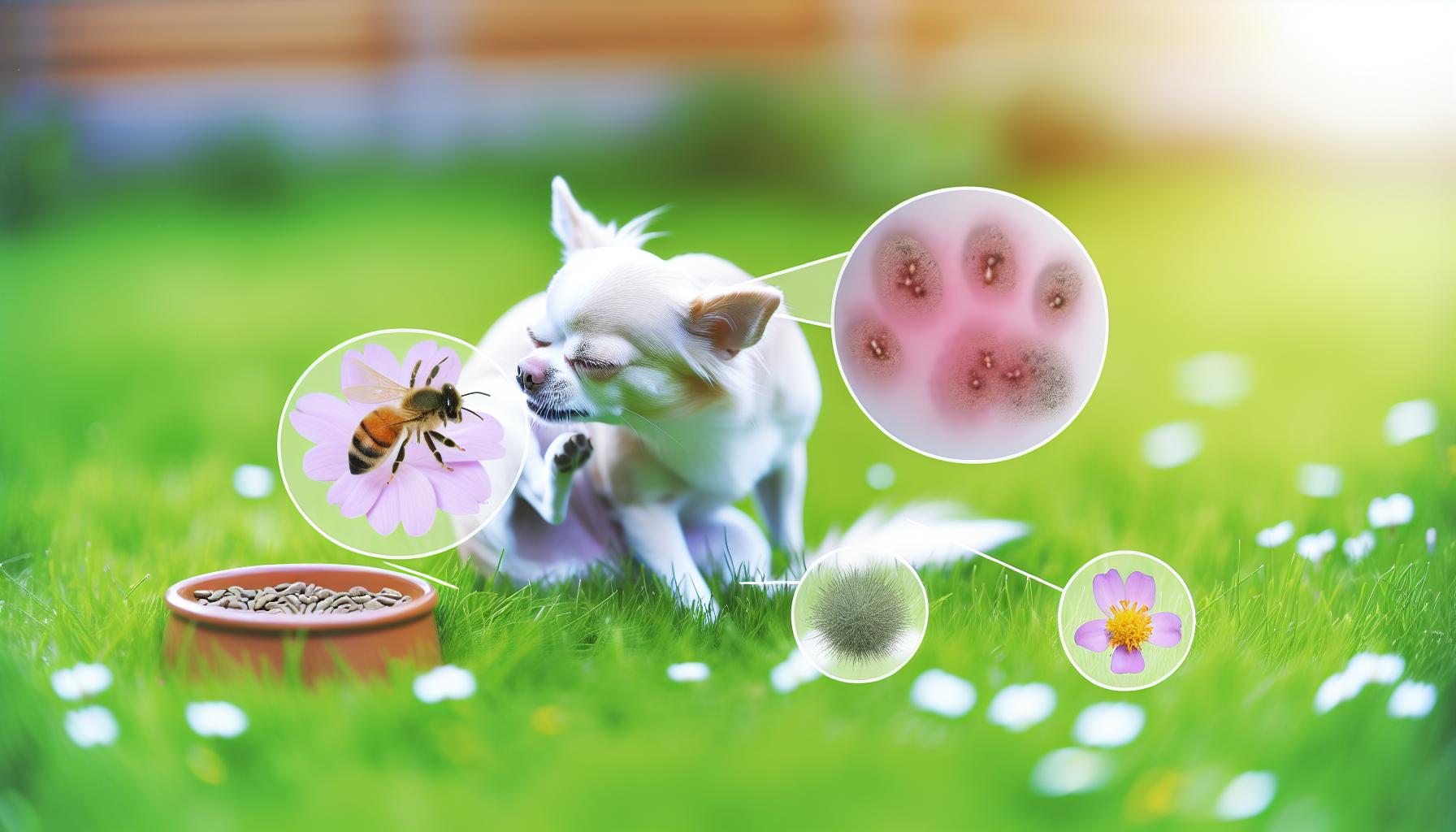
How to Identify Signs of Skin Irritation in Chihuahuas
Identifying signs of skin irritation in Chihuahuas can be a crucial first step in providing relief for your furry friend. These tiny, spirited companions are known for their exuberant personalities, but their delicate skin can sometimes become a source of discomfort. As a dedicated Chihuahua owner, being observant and proactive can make a significant difference in managing their skin health.
Watch for excessive scratching or biting. If your Chihuahua is frequently nibbling at their paws or scratching their ears, this could indicate an underlying issue. Pay attention to the areas they focus on. For instance, if he’s frequently scratching at his belly, it may suggest irritation in that specific area, possibly due to allergens or parasites. Another telltale sign is redness or inflammation on the skin. When inspecting your pup, look for any hot spots, bumps, or swelling that can signal allergic reactions or infections.
Additionally, dry or flaky skin is not something to ignore. This could lead to more significant problems if not addressed promptly. If your Chihuahua’s coat appears dull or brittle, or if you notice any unusual odor, there may be more at play than typical seasonal shedding. Lastly, unusual behaviors, such as isolating from playtime or exhibiting signs of lethargy, can sometimes accompany skin irritation. For example, if your previously playful Chihuahua is now hesitant to engage, he may be experiencing discomfort.
Being attentive to these signs will empower you to take suitable action, whether through home remedies, dietary changes, or consulting a veterinarian. Always remember that each Chihuahua is unique, and your knowledge of his specific habits and personality will guide you in recognizing when something is off.
The Role of Diet in Your Chihuahua’s Skin Health
A balanced diet can significantly impact your Chihuahua’s skin health, reducing itchiness and irritation while promoting a shiny, healthy coat. This breed, known for their bold personalities and compact size, is particularly sensitive to dietary choices. What they eat can either contribute to skin issues or help alleviate them. As a conscientious Chihuahua owner, understanding your pup’s nutritional needs will empower you to make informed feeding decisions.
Certain ingredients can support skin health and help minimize allergic reactions. Look for high-quality dog foods that include:
- Omega-3 and Omega-6 fatty acids: These essential fats-found in fish oil and flaxseed-help maintain skin moisture and reduce inflammation. Many Chihuahua owners report a noticeable improvement in their pets’ coats when incorporating these fats into their diets.
- Novel proteins: If your Chihuahua shows signs of food sensitivities, consider switching to a protein source they haven’t had before, like duck or kangaroo. This can help prevent allergic reactions that lead to itchy skin.
- Rich fibers: Ingredients like sweet potatoes or pumpkin can enhance digestive health, ensuring your Chihuahua absorbs nutrients effectively, leading to better overall health-including skin vitality.
When adjusting your Chihuahua’s diet, always introduce new foods gradually to avoid gastrointestinal upset. Monitor your pup for any changes in scratching or coat condition after dietary changes to assess what works best. For instance, one owner found that her apple-head Chihuahua’s itchiness decreased significantly after switching to a limited ingredient diet that focused on quality proteins and healthy fats.
If you suspect that your Chihuahua’s diet might be a factor in their skin issues, consult with your veterinarian for tailored advice. They can recommend specific diet plans or supplements that can help alleviate skin problems related to nutrition. Remember, your Chihuahua’s skin health is closely linked to their overall well-being, and investing in a nutritionally sound diet can lead to a happier, healthier little companion.
Effective Home Remedies for Itchy Chihuahuas
When your adorable Chihuahua is itching more than usual, it can be concerning. Fortunately, several effective home remedies can help soothe that irritated skin while being gentle enough for such a tiny and sensitive breed. Many Chihuahua owners have found relief using simple, natural ingredients that promote skin health and comfort.
One popular remedy is oatmeal baths. Oatmeal is known for its soothing properties and can help calm itchy skin. Simply blend plain oats into a fine powder and add it to your dog’s bathwater. Let your Chihuahua soak for about 10-15 minutes, then rinse thoroughly. This method not only eases itching but also moisturizes the skin, making it especially beneficial for Chihuahuas with dry skin, which can be a common issue in this breed.
Another fantastic option is using coconut oil. It’s a natural moisturizer with antibacterial properties. You can apply a small amount of coconut oil directly to the irritated areas of your Chihuahua’s skin. Massaging it gently into the coat can help soothe the itch and promote healing. Many owners have reported that their Chihuahuas appreciate this treatment, often relaxing into the massage!
Apple cider vinegar is another remedy worth considering. Its natural acidity can help restore the skin’s pH balance and alleviate itching caused by allergies or irritants. Mix equal parts apple cider vinegar and water, and apply the solution to the itchy spots using a cotton ball or spray bottle. Make sure your pup doesn’t lick the treated areas until it dries. Please note, this is best for irritated skin without open wounds, as vinegar can sting.
Finally, ensure you’re providing a calming environment for your Chihuahua. Stress can exacerbate skin issues, so creating a tranquil home atmosphere can contribute to skin health. Engage in gentle playtime that makes your little furball feel safe and secure, keeping in mind that Chihuahuas thrive on companionship and love.
Implementing these simple remedies can make a significant difference in your Chihuahua’s comfort. However, while home treatments can offer relief, keep a watchful eye on your pup’s skin condition. If you notice persistent irritation or any worsening symptoms, consulting your veterinarian is the best course of action to ensure your little companion receives the appropriate care.
Grooming Tips to Soothe Your Chihuahua’s Itchy Skin
To help your lovable Chihuahua find relief from itchy skin, effective grooming practices can make all the difference. Regular grooming not only keeps her coat looking fantastic but also allows you to monitor her skin condition. By establishing a soothing grooming routine, you can significantly enhance her comfort and well-being.
Start with gentle brushing, using a soft-bristled brush to detangle her fur without causing irritation. Chihuahuas come in short and long coat varieties, so choose the right tool for her specific coat type. For instance, an undercoat rake is ideal for longer-haired Chihuahuas to remove dead hair and prevent matting, while a slicker brush works well for short-haired beauties. Regular brushing helps distribute natural oils across her skin, promoting moisture and reducing dryness that can cause itching.
Bathing your Chihuahua is another key aspect of her grooming routine, but frequency is crucial. Aim for a bath every 3-4 weeks, using a hypoallergenic dog shampoo formulated for sensitive skin. Overbathing can strip away essential oils, leading to further dryness and irritation. After her bath, it’s important to dry her thoroughly, especially in cooler weather, as Chihuahuas can be sensitive to temperature changes.
A little pampering goes a long way, too. Consider using a soothing spray or conditioner specifically designed for dogs after her bath. Look for products that include ingredients like aloe vera or oatmeal, which are known to soothe irritation and hydrate the skin. As you apply these products, take the opportunity to gently massage her skin, which can boost circulation and enhance her relaxation.
Lastly, never underestimate the role of regular nail trimming. Long nails can cause discomfort and changes in how your Chihuahua walks, potentially leading to scratching and further skin irritation. Aim to trim her nails every few weeks, ensuring they are not touching the ground when she stands. If you’re unsure, consult a groomer or vet to show you the proper technique.
By incorporating these grooming tips into your Chihuahua’s routine, you not only address her itchy skin but also create a bonding experience that reinforces her trust in you. This attentive care reflects your love for her, helping her feel more comfortable and secure in her environment.
When to See a Vet: Serious Skin Issues
If your adorable Chihuahua is persistently scratching, it might signal a deeper issue that requires veterinary attention. Chihuahuas are known for their spirited personality and unique charm, but their delicate skin can be prone to various problems. Understanding when to seek professional help can make a significant difference in her comfort and health.
First, keep an eye out for signs that go beyond typical scratching. Redness, swelling, or heat in affected areas can indicate an infection or severe irritation. If you notice any of these symptoms, a trip to the vet is warranted. Additionally, watch for any changes in behavior; if your Chihuahua is unusually lethargic, refusing to eat, or seems in pain, these could be signals that something is seriously wrong.
If your Chihuahua develops any unusual skin lesions, such as sores, abscesses, or crusty patches, don’t hesitate to consult your veterinarian. These could be signs of underlying conditions like allergies, parasites, or even autoimmune diseases, which require prompt diagnosis and treatment. For example, a player like Bella, a five-year-old apple-head Chihuahua, recently experienced a flare-up of hot spots. What started as a minor itch turned into painful sores, necessitating a vet visit that revealed a bacterial infection requiring antibiotics.
Another critical trigger for a veterinary visit is if your Chihuahua’s scratching leads to hair loss or significant skin damage. This not only affects her appearance but can also lead to additional infections due to broken skin. Supporting her skin health through vet-checked special diets or topical treatments might be necessary to prevent further complications. Don’t wait for minor irritations to escalate; proactive care can safeguard your little companion’s well-being and ensure her skin stays as fabulous as her personality!
Medicated Treatments for Persistent Itchiness
Persistent itchiness in Chihuahuas can be incredibly distressing for them-and for you as an owner. When over-the-counter solutions or home remedies don’t seem to provide relief, it may be time to explore medicated treatments. These can effectively target the underlying causes of itching, such as allergies, infections, or skin conditions that are beyond the scope of simple topical treatments. Here’s a closer look at some of the options available to help your furry friend reclaim her comfort.
Types of Medicated Treatments
Chihuahuas may benefit from a range of medicated treatments, which your veterinarian may recommend based on the specific issue at hand:
- Topical Treatments: Creams, sprays, or shampoos containing corticosteroids can reduce inflammation and soothe itchy skin. Look for products specifically formulated for dogs and ensure they’re safe for your Chihuahua’s size and breed.
- Oral Medications: Antihistamines or corticosteroids may be prescribed to help control allergic reactions that lead to itchiness. Some veterinarians might also recommend medications like cyclosporine, which suppresses the immune response that could trigger skin irritation.
- Antibiotics: If your Chihuahua’s skin has become infected due to scratching, antibiotics can help clear the infection, thus alleviating some of the itchiness. It’s important to follow your veterinarian’s instructions closely while your dog is on these medications.
- Flea or Parasitic Treatments: If your Chihuahua is identified as having fleas or mites, topical treatments like spot-on applications can eradicate these pests quickly, reducing irritation and causing the itchiness to subside.
Owner Experiences
Many Chihuahua owners have found relief for their pets with medicated treatments. For instance, Jenna, a proud mom of a feisty apple-head Chihuahua named Charlie, noticed that he scratched incessantly after walks. After a vet visit, Charlie was treated with a special medicated shampoo that not only soothed his irritated skin but also helped clear up lingering hot spots. The transformation in his comfort was immediate, allowing him to enjoy his beloved outdoor adventures without constant scratching.
Remember, while it might be tempting to self-diagnose or quickly try a new product, always consult with your veterinarian before starting any medicated treatment. They can assess your Chihuahua’s unique needs, provide tailored advice based on her symptoms, and help you choose the right course of action to ensure her long-term health and happiness. Taking these steps can significantly enhance your Chihuahua’s quality of life and reduce the persistent itchiness that can affect her day-to-day joy!
Preventing Future Skin Problems in Your Chihuahua
To keep your beloved Chihuahua from experiencing itchy skin in the future, it’s essential to adopt a proactive approach that considers their distinct needs. Chihuahuas, with their lively personalities and often sensitive skin, can be prone to various irritants and allergens. By understanding their unique characteristics and implementing a few simple strategies, you can go a long way in ensuring their skin stays healthy and irritation-free.
Firstly, regular grooming is crucial. Chihuahuas, whether they have a smooth or long coat, benefit from consistent brushing. This practice helps remove loose fur and dander, which can be potential allergens. Moreover, bathing your Chihuahua with a vet-recommended, hypoallergenic shampoo can keep the skin clean without stripping it of essential oils. For example, Mitzi, an apple-head Chihuahua, thrived under a regular grooming schedule that included a soothing oatmeal bath every month, helping to reduce itching significantly.
Environmental factors also play a major role in skin health. Keeping your home clean and free of dust mites and allergens is vital. Consider using air purifiers and vacuuming regularly to minimize dust accumulation. Additionally, be mindful of outdoor environments. During peak pollen seasons, limit outdoor time or wipe down your dog’s paws and coat after walks to remove any allergens they might have picked up.
Diet can heavily influence your Chihuahua’s skin condition. High-quality, balanced nutrition is key. Foods rich in omega-3 and omega-6 fatty acids can promote healthy skin and coat. Some owners have found success by incorporating fish oil into their Chihuahua’s diet. For instance, Lucy’s owner discovered that adding a fish oil supplement helped alleviate her chronic itchiness, thus improving her overall vitality.
Lastly, regular veterinary check-ups are essential for maintaining your Chihuahua’s skin health. If your pet shows signs of irritation or bites and scratches more frequently than usual, it may be time to consult with a vet. Preventative care can identify potential issues before they become serious, keeping your tiny companion comfortable and happy.
By establishing a thorough grooming routine, maintaining a clean environment, monitoring their diet, and ensuring regular vet visits, you can significantly reduce the likelihood of skin irritations for your Chihuahua. This proactive approach not only keeps them comfortable but also enhances their overall quality of life, allowing them to embrace their playful, vibrant nature.
Understanding Chihuahua Coat Types and Skin Care Needs
Chihuahuas boast a delightful variety of coat types-primarily smooth and long-haired-and each type requires specific care to keep their sensitive skin healthy and irritation-free. Understanding the differences in their coats not only enhances their beauty but is essential in addressing common skin issues, such as itchiness. A properly cared-for coat can help prevent skin problems that often plague our tiny friends.
For smooth-coated Chihuahuas, also known for their sleek and shiny fur, regular brushings are still vital, albeit less frequently than their long-haired counterparts. A simple weekly brushing helps distribute natural oils and reduces dander, which can alleviate potential allergens and maintain skin health. Owners like Carlos, who has a lively smooth-coated Chihuahua named Bella, find that frequent use of a soft-bristle brush keeps her skin invigorated and looking its best.
Long-haired Chihuahuas require a bit more attention. Their beautiful, flowing coats can trap dirt and moisture, which can lead to skin irritation if not managed properly. Daily brushing is recommended to prevent tangles and matting, which could harbor bacteria. Jackie, an owner of a long-haired Chihuahua named Daisy, swears by using a wide-toothed comb followed by a slicker brush to keep her coat free of knots and her skin free from irritation. Additionally, frequent baths with a hypoallergenic shampoo tailored for dogs can help keep the skin clean without stripping vital oils.
The skin care routine for these furry little companions also involves being mindful of their environment. Chihuahuas are prone to allergies from both food and environmental factors. Regular baths, a healthy diet rich in Omega fatty acids, and a clean living area can work wonders. Strengthening their immune system with high-quality dog food not only fosters healthy skin but enhances the richness of their coat. Owners should be particularly attentive during allergy seasons, as this can exacerbate any existing skin issues.
Understanding your Chihuahua’s specific coat type will allow you to tailor their grooming and skincare routine, ultimately reducing the risk of pesky itchiness and reinforcing their joyful, vibrant demeanor. By embracing the quirks and needs of these adorable companions, you ensure they remain comfortable, confident, and ready to share their bold personalities with you.
Frequently Asked Questions
Q: What causes itchy skin in Chihuahuas?
A: Itchy skin in Chihuahuas can be caused by allergies, parasites, skin infections, or environmental factors. Identifying the underlying cause is vital for effective treatment. Consider consulting your veterinarian for diagnosis and tailored solutions specific to your Chihuahua’s needs.
Q: How can I help my Chihuahua with itchy skin at home?
A: You can help your Chihuahua by offering oatmeal baths to soothe irritation and using hypoallergenic shampoos. Additionally, ensure a balanced diet rich in omega fatty acids, which may improve skin health. Always check with your vet before starting new home remedies.
Q: When should I take my itchy Chihuahua to the vet?
A: If your Chihuahua’s itchiness persists despite at-home treatments, shows signs of infection, or has severe discomfort, it’s time to visit the vet. Quick intervention can prevent further complications and ensure your pet’s health and comfort.
Q: Are there specific foods that can cause itchy skin in Chihuahuas?
A: Yes, certain foods containing common allergens like beef, chicken, or grains may contribute to itchy skin. Transitioning to a limited-ingredient diet can help identify and eliminate the trigger. Consult your vet for dietary recommendations tailored for your Chihuahua.
Q: What are some common allergens that affect Chihuahuas’ skin?
A: Common allergens include pollen, dust mites, mold, and specific foods. Understanding these triggers can help you create a more comfortable environment for your Chihuahua. Regular cleaning and limiting outdoor exposure during high pollen seasons may offer relief.
Q: Can seasonal changes affect my Chihuahua’s skin condition?
A: Yes, seasonal changes can exacerbate skin conditions in Chihuahuas, particularly during spring and fall when allergens are prevalent. Monitor your pet’s needs and consider using air purifiers or bathing them more frequently during these times to help manage symptoms.
Q: What should I do if my Chihuahua has skin lesions from scratching?
A: If your Chihuahua develops skin lesions from scratching, it’s essential to prevent further irritation. Apply a soothing topical treatment as recommended by your vet and monitor the area closely. Persistent lesions should always be assessed by a veterinarian to rule out serious issues.
Q: How can regular grooming help with my Chihuahua’s itchy skin?
A: Regular grooming can help reduce itchiness by removing loose hair, dander, and dirt, which may contribute to skin irritation. Brushing your Chihuahua’s coat weekly also distributes natural oils, promoting healthier skin. Consider specific grooming tools for your Chihuahua’s coat type for best results.
Insights and Conclusions
If you’re concerned about your Chihuahua’s itchy skin, remember that identifying the cause is the first step toward relief. Whether it’s allergies, parasites, or skin conditions, we’ve covered how to manage those issues effectively. Don’t wait-start your journey to soothe your beloved companion today by exploring our guide on the best hypoallergenic shampoos for Chihuahuas and discover essential dietary tips to support their skin health.
Have questions or need further assistance? Feel free to drop a comment below; we’d love to hear your experiences and provide additional advice. For more expert insights into Chihuahua care, check out our articles on grooming essentials and common health concerns. Your furry friend deserves the best, and we’re here to help you ensure she lives a happy, itch-free life. Remember, each step you take today can lead to a more comfortable tomorrow for your little one!
Get our latest guides, news, and insights highlighted in your Google Search & AI Overviews.