

Is your Chihuahua starting to lose her luxurious coat? You’re not alone-hair loss in Chihuahuas is a common concern that many devoted owners face. Understanding why your little companion is balding is essential, as it can indicate various health issues or environmental factors that need attention. From allergies and hormonal imbalances to stress and poor nutrition, pinpointing the cause is the first step toward a solution.
As a fellow Chihuahua enthusiast, I know how distressing it can be to see your beloved pup struggle with thinning hair. You’re likely looking for answers to help restore that vibrant coat and maintain your furry friend’s overall well-being. In this article, we’ll explore the common causes of hair loss in Chihuahuas and share practical solutions to help your tiny warrior regain her confidence. Let’s dive into the world of Chihuahua health and ensure your spirited companion remains the stylish little diva she was born to be!
Understanding Hair Loss in Chihuahuas
Many Chihuahua owners notice that their beloved companions can experience hair loss, leading to concerns about their health and comfort. Understanding the nuances of this condition is essential in addressing it effectively. Due to their delicate size and unique coat types, Chihuahuas may face specific challenges that can cause bald patches or thinning fur. With their naturally confident and bold personalities, these tiny dogs deserve attentive care, particularly when it comes to their skin and coat health.
Chihuahuas have distinct coat varieties-either smooth or long-haired-that can react differently to environmental factors. For instance, they are sensitive to temperature variations, which can lead to excessive shedding during changes in the weather. Moreover, their small stature sometimes makes them more vulnerable to allergens and irritants in their surroundings. Pet owners should be diligent in observing any changes in their dog’s coat or skin condition, as early detection of hair loss can lead to more effective management.
Nutrition plays a critical role in maintaining a healthy coat. A diet rich in essential fatty acids, proteins, and vitamins is vital for keeping your Chihuahua’s fur shiny and resilient. Owners should consider incorporating high-quality dog foods or supplements specifically formulated for skin health. Be proactive in consulting with fellow Chihuahua enthusiasts or veterinarians about the best nutrition options. Regular grooming is also essential; it not only helps distribute natural oils but also allows you to monitor your dog’s coat and skin closely. In summary, by observing your Chihuahua’s behavior, ensuring a balanced diet, and committing to regular care, you can help safeguard against hair loss and keep your little companion looking their best.
Common Causes of Balding in Chihuahuas
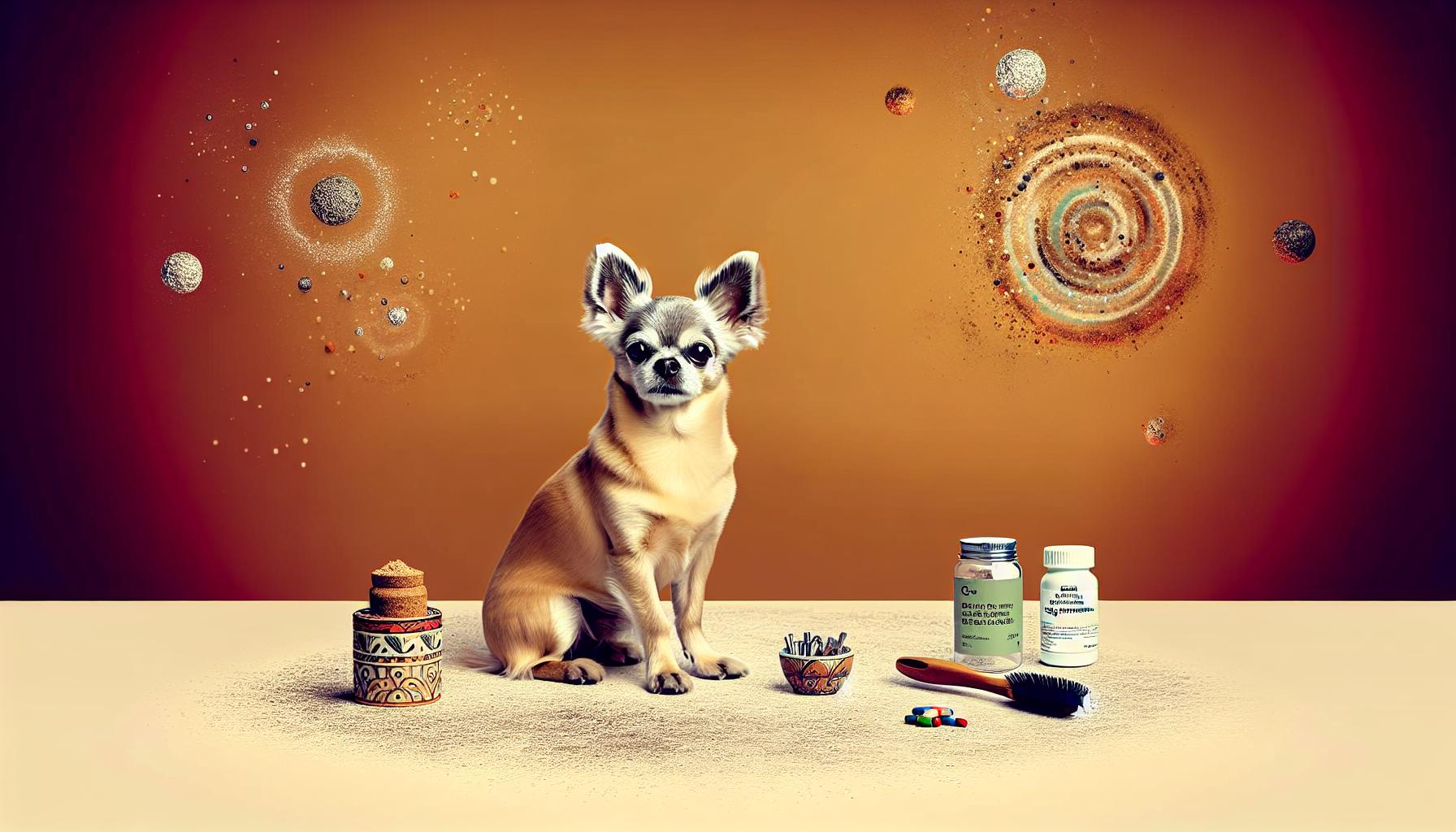
Many Chihuahua owners may find themselves puzzled when they notice their little companion developing bald patches or thinning fur. This breed’s unique coat, whether long or smooth, is not only a part of their charm but also a vital indicator of their health. Several factors can contribute to hair loss in Chihuahuas, and understanding these can help you address the issue effectively.
One of the most common causes of balding is allergies. Chihuahuas are particularly sensitive to environmental allergens such as dust mites, pollen, and certain foods. Symptoms may include excessive scratching or biting at the skin, leading to damaged fur and bald spots. It’s essential to observe your Chihuahua’s behavior closely and note any changes in diet or environment that may correlate with the onset of hair loss. If you suspect an allergy, consult your veterinarian to explore potential testing and treatment options.
Skin Conditions and Their Role
Another frequent culprit behind hair loss is skin infections or conditions like demodectic mange. This parasite thrives in the skin and can cause itching, redness, and hair loss. If your Chihuahua is experiencing patches of fur loss accompanied by skin irritation, a visit to the veterinarian is crucial, as they can recommend appropriate treatments such as medicated shampoos or topical treatments.
Nutritional Deficiencies
Nutrition plays a critical role in promoting a healthy coat. A diet lacking in essential fatty acids and proteins can lead to dull fur and increased shedding. Ensure your Chihuahua is getting a well-balanced diet with high-quality food that supports skin health. Supplements rich in omega-3 and 6 fatty acids may also be beneficial.
Stress and Anxiety Factors
Just like humans, Chihuahuas can manifest their stress through physical symptoms, including hair loss. If your little one has recently experienced changes, such as moving to a new home, the arrival of a new pet, or changes in your routine, these stressors may contribute to anxiety-related hair loss. Providing a calming environment and regular routines can help alleviate some of these issues.
By remaining vigilant and proactive, you can significantly reduce the chances of hair loss in your Chihuahua. By understanding the potential causes and maintaining regular vet checkups, you’ll ensure that your furry friend not only looks good but feels good too.
The Impact of Nutrition on Coat Health
Your Chihuahua’s coat is not just a lovely characteristic; it’s a reflection of his overall health. When you see those beautiful, shiny fur patches starting to thin or even develop bald spots, it often signals a deeper nutritional issue. Just like we elevate our mood with a good meal, a well-balanced diet is crucial for your little companion to maintain that healthy, vibrant coat he deserves.
A quality diet rich in the right nutrients can make a world of difference. Chihuahuas, known for their unique coats-whether long-haired or smooth-need specific vitamins and minerals to keep their fur in top condition. Essential fatty acids, particularly omega-3 and omega-6, play a vital role in skin health. These nutrients improve skin moisture and elasticity, which can help prevent hair loss and promote regrowth. Owners like you can easily incorporate these into your Chihuahua’s diet through high-quality dog foods or supplements.
To get started, here are some key components to focus on:
- High-Quality Proteins: Look for dog foods that list real meat as the first ingredient, such as chicken, beef, or fish, to support a healthy coat.
- Omega Fatty Acids: Check for added flaxseed or fish oil in your Chihuahua’s food; they are excellent sources of omega-3 and omega-6.
- Vitamins and Minerals: Vitamins A, E, and those in the B group are essential for skin health. Foods with fruits and vegetables can be a good source.
Consider customizing meals for your furry friend. Some owners have had great success adding a small amount of cooked fish or coconut oil to their Chihuahua’s food, which can significantly enhance coat texture and shine. Always start with small amounts to see how your Chihuahua reacts, as some foods can be too rich for their tiny stomachs.
Remember, maintaining a balanced diet is just one layer of care. Regular veterinary check-ups and discussions about your Chihuahua’s nutritional needs can help catch potential deficiencies before they impact his lovely coat. With the right approach to nutrition, you’ll not only keep him looking great but also ensure he feels his best-because a happy Chihuahua is a healthy Chihuahua!
Identifying Allergies: A Common Cause
Many Chihuahua owners are taken aback when they notice their little one developing bald patches or thinning fur. It’s easy to panic when you see those adorable fur coats losing their luster, but sometimes the culprit lies within the world of allergies. Just as humans can have sensitivities to certain foods or environmental factors, so can our furry friends. Identifying allergies early is crucial for preventing further coat loss and ensuring your pup remains comfortable and healthy.
Allergies in Chihuahuas can manifest in various ways, but hair loss often tends to be one of the more noticeable signs. Environmental allergens, such as pollen, dust mites, and mold, or food allergies, particularly to proteins like chicken or beef, can cause reactions that result in excessive itching and scratching. This behavior can lead to trauma on the skin and eventually hair loss. Keep an eye on your Chihuahua’s habits. If you notice them scratching frequently or biting at their skin, it may be a sign that something is irritating them.
To help identify potential allergens affecting your fur baby, consider keeping a diary of his meals, environment, and behaviors. Note any changes in fur density or skin condition alongside new foods or exposures. For instance, if you recently changed his food or introduced a new treat, monitor how he reacts in the following days. Once an allergen is suspected, a vet may recommend an elimination diet or allergy testing to pinpoint the exact cause.
Understanding the unique sensitivities of Chihuahuas, such as their delicate skin and propensity for allergies, allows you to take proactive steps. Frequent grooming not only helps keep their coats in shape but also gives you a chance to examine their skin for any signs of irritation or reaction. If you suspect your Chihuahua has allergies, consult your veterinarian for appropriate testing and treatment options, which may include antihistamines or dietary changes. With the right approach, you can help your Chihuahua feel comfortable, confident, and full of life, showcasing that magnificent coat once more.
Skin Conditions That Lead to Hair Loss
Many Chihuahua owners may find themselves surprised to see their little one developing bald patches or thinning fur, often without a clear explanation. Skin conditions are some of the most common culprits behind hair loss in these tiny, vibrant companions. Understanding these conditions is key to maintaining their gorgeous coats and ensuring their overall health.
One prevalent issue is pyoderma, a bacterial skin infection that can cause redness, itching, and, ultimately, hair loss. This condition often occurs when a Chihuahua’s skin barrier is compromised due to allergies or irritation. For instance, frequent scratching or biting can lead to open sores, creating a welcoming environment for bacterial growth. Owners might notice crusty, scabbed areas, which can be alarming. It’s essential to address pyoderma promptly, as it can lead to further complications if left untreated.
Another condition to be aware of is demodicosis, or demodectic mange, which is caused by the overgrowth of Demodex mites that naturally reside on the skin. While these mites don’t typically cause problems, an overpopulation can lead to hair loss, particularly on the face and front legs. A Chihuahua might exhibit redness or inflammation in the affected areas, indicating a need for veterinary intervention. This can require treatment with medicated shampoos or topical solutions, and it’s crucial to follow your vet’s recommendations closely.
Fungal infections, like ringworm, are also on the list of potential skin conditions affecting your Chihuahua. Ringworm is highly contagious and can easily spread among pets and even humans. Affected areas often appear circular with red, scaly patches and are typically itchy. It’s particularly important for owners to be cautious and seek veterinary treatment to avoid transmission and to treat the infection effectively.
To help prevent skin conditions, maintain regular grooming and health checks. Bathing your Chihuahua with a gentle, vet-recommended shampoo can help remove irritants and allergens from the skin, while also allowing you to spot any troublesome patches early on. Don’t forget to provide a balanced diet rich in essential fatty acids, which can promote a healthy coat.
In conclusion, being vigilant about your Chihuahua’s skin health can make a significant difference in preventing hair loss. If you notice any changes in her coat or skin, don’t hesitate to consult with your veterinarian to determine the best course of action, ensuring your spirited friend remains happy and healthy.
Hormonal Imbalances and Their Effects
Identifying why your Chihuahua may be experiencing bald spots can be a daunting task, particularly when hormonal imbalances may be at play. These tiny dogs, often packed with personality, can show signs of coat issues due to fluctuations in their hormone levels. Hormones regulate numerous functions in their body, including skin health and hair growth. When these levels become unbalanced, the results can sometimes lead to hair loss in unexpected places.
Common Hormonal Issues Leading to Baldness
One prevalent cause of hormonal imbalances affecting Chihuahuas is Cushing’s disease, or hyperadrenocorticism. This condition occurs when the body produces too much cortisol, a hormone vital for managing stress and metabolism. A Chihuahua with Cushing’s may exhibit excessive thirst, urination, weight gain, and noticeable thinning of fur, particularly along the body and tail. Early intervention is key, so if you notice these symptoms, consulting with your veterinarian about potential tests and treatments is crucial.
Another concern is hypothyroidism, where the body doesn’t produce enough thyroid hormone, leading to a variety of health problems including poor coat condition and hair loss. This condition can develop in older Chihuahuas and may also present other symptoms such as lethargy, intolerance to colder temperatures, and weight gain. Regular vet check-ups and blood tests can help catch such issues early, allowing for prompt treatment and management, often through medication.
Managing Hormonal Imbalances
To help manage your Chihuahua’s hormonal health, here are some practical tips that can make a difference:
- Regular Vet Visits: Schedule routine check-ups to catch any hormonal issues before they escalate.
- Monitor Diet: Ensure your furry friend enjoys a balanced, nutritious diet that supports overall wellness. Foods rich in omega fatty acids can help promote a healthier coat.
- Watch for Changes: Keep an eye on her behavior and coat condition. Any sudden changes should be taken seriously.
- Consider Spaying/Neutering: If not already done, spaying or neutering can sometimes help regulate hormonal levels and prevent associated issues.
It’s essential to take any signs of hormonal imbalance seriously. Engaging actively with your veterinarian about your Chihuahua’s health can ensure she stays vibrant and beautiful, showcasing her signature coat that reflects her unique spirit. Always remember, taking a proactive approach not only helps in diagnosing underlying issues sooner but can be the key to maintaining her overall well-being.
Stress and Anxiety: Do They Cause Baldness?
Understanding your Chihuahua’s emotional health is just as crucial as addressing their physical well-being, especially when it comes to their beautiful coat. Just like us, Chihuahuas can experience stress and anxiety, which can manifest not only in behavior but also in physical signs like hair loss. It’s not uncommon for a dog to develop bald patches when feeling anxious, and these can be caused by a range of stressors.
Chihuahuas are known for their big personalities packed into tiny bodies, and their sensitivity can make them particularly prone to stress. Changes in their environment, such as moving to a new home, the arrival of a new family member, or even loud noises can cause them to react negatively. For instance, an owner might notice that their apple-head Chihuahua, accustomed to a calm household, starts losing fur after a neighbor’s dog begins barking loudly throughout the day. This type of stress can lead to excessive scratching or biting at their skin, exacerbating hair loss.
To help your little companion manage stress, creating a calm and stable environment is essential. Here are some practical steps you can take:
- Establish a Routine: Chihuahuas thrive on consistency. Regular feeding, walking, and playtimes can help reduce anxiety.
- Safe Spaces: Create a cozy spot where your Chihuahua can retreat. This could be a bed in a quiet corner, a crate with soft blankets, or even a specific room where they feel secure.
- Engage in Gentle Activities: Interactive play and gentle grooming sessions not only provide comfort but also strengthen your bond and reassure them.
- Consider Calming Products: Products like anxiety wraps, calming sprays, or even specially formulated dog supplements can be beneficial. Always consult your vet before introducing new products.
Additionally, regular vet check-ups are a vital part of your Chihuahua’s overall health plan. If your dog’s anxiety seems to be leading to significant coat loss, it might be beneficial to seek professional help. A veterinarian can assess whether their anxiety is situational or requires deeper behavioral therapy.
Being proactive and attentive to your Chihuahua’s emotional needs will not only enhance their well-being but also help you enjoy the vibrant, loving companionship that these spirited little dogs provide. Recognizing the signs of stress and acting quickly can help prevent bald spots and ensure your Chihuahua’s coat stays healthy and bright, reflecting their lively personality.
Grooming Tips to Prevent Hair Loss
Chihuahuas may be small, but their coats require special attention to ensure they remain vibrant and healthy. Regular grooming not only maintains your dog’s appearance but also helps prevent hair loss caused by a host of issues from tangles to skin irritations. A consistent grooming routine can identify problems early, keeping your little companion looking their best while supporting their overall health.
Firstly, it’s crucial to choose the right tools for your Chihuahua’s coat type. Whether your dog has a long, flowing coat or a smooth, short one, using the appropriate brushes makes a significant difference. For smooth-coated Chihuahuas, a soft-bristle brush can help distribute natural oils and keep the skin healthy. Long-haired Chihuahuas benefit from a slicker brush to detangle and prevent mats. Brush your dog at least once a week, but if they enjoy it, daily brushing can be even more beneficial. Regular grooming sessions not only keep their coats free of mats but also create an opportunity for bonding, making him feel cherished and secure.
Another essential aspect of grooming is bathing, but moderation is key. Over-bathing can strip the natural oils from your Chihuahua’s skin, leading to dryness and increased vulnerability to hair loss. Aim to bathe your Chihuahua every four to six weeks, using a gentle, dog-specific shampoo designed to maintain skin health. After bathing, ensure your dog is thoroughly dried, especially if he has longer fur. Dampness can lead to skin irritations or infections, particularly in particularly sensitive areas.
Managing Skin Health
Keeping an eye on your Chihuahua’s skin condition is vital. Look for any signs of irritation or inflammation. If you notice excessive scratching, biting, or any changes in skin texture, these could indicate allergies or parasitic issues that need attention. Additionally, always check for fleas or ticks, especially if your Chihuahua enjoys outdoor walks. Regular preventative treatments, as recommended by your veterinarian, can mitigate these issues.
Finally, remember that a clean, well-groomed coat should be accompanied by proper nutrition. A diet rich in Omega-3 fatty acids can promote a healthy, shiny coat, further preventing hair loss. High-quality kibble or natural supplements can make a remarkable difference in your Chihuahua’s skin and coat health.
By establishing a consistent grooming routine, tending to your Chihuahua’s skin health, and providing nourishment, you can help maintain a beautiful coat that reflects your dog’s spirited personality. Your efforts today will ensure that your energetic companion continues to steal hearts with his adorable charm!
Natural Remedies for Hair Regrowth
Natural remedies can be a great way to support your Chihuahua’s coat health and encourage hair regrowth. Just like we look for holistic solutions to boost our own health and vitality, you can apply similar principles to help your little companion. Chihuahuas are known for their vibrant personalities, and a lush coat is part of what makes them so undeniably charming!
One effective natural remedy is to incorporate fatty acids into your Chihuahua’s diet. Omega-3 and Omega-6 fatty acids, found in fish oil and flaxseed oil, are essential for maintaining skin health and promoting healthy hair growth. Simply adding a few drops of fish oil to your Chihuahua’s food can make a noticeable difference in coat condition over time. For Chihuahuas with food sensitivities, flaxseed oil can be a suitable alternative to still deliver those vital nutrients.
Another fantastic option is to use herbal solutions like aloe vera and coconut oil. Aloe vera can soothe itchy or irritated skin while promoting healing. You can apply pure aloe vera gel directly to the affected areas, ensuring you choose a product that is free of additives. Coconut oil, on the other hand, works wonders as a natural moisturizer and can help with dry skin, which is often a cause of hair loss. Apply a small amount on your hands and gently rub it into your Chihuahua’s coat and skin a few times a week for optimum results.
Additionally, it’s crucial to maintain a low-stress environment for your Chihuahua. Stress and anxiety can profoundly affect a dog’s coat, causing hair loss or thinning. Creating a calm atmosphere with plenty of love and routine can help your Chihuahua feel secure. Regular play, cuddles, and quiet time together goes a long way. Remember that even something as simple as a cozy blanket or her favorite toy can provide comfort.
If your Chihuahua is facing issues with hair loss, try these natural remedies along with a consistent grooming routine to maintain skin health and coat vibrancy. By embracing a holistic approach, you’re not just looking at the external signs of hair loss, but also nurturing your Chihuahua’s internal well-being. Your dedicated efforts will not only beautify her coat but will also strengthen the bond you share through loving care and attention!
When to Consult a Veterinarian
If you notice that your Chihuahua is losing hair or has bald patches, it’s essential to keep a close eye on the situation. While some hair loss can be due to natural shedding or seasonal changes, persistent or excessive balding can indicate underlying health issues that require veterinary attention. Remember, our tiny friends, like Chihuahuas, often hide discomfort well, so being observant can make all the difference.
When should you reach out to your veterinarian? A good rule of thumb is to consult when you observe any of the following:
- Excessive Hair Loss: If your Chihuahua is losing more hair than usual, or you notice bald spots forming.
- Skin Changes: Look for signs like redness, rash, scabs, or flakiness. Any unusual odors from the skin are also a red flag.
- Behavior Changes: If she becomes excessively itchy, restless, or shows signs of discomfort, it’s time to investigate further.
- Diet and Lifestyle Changes: A sudden shift in appetite, lethargy, or weight loss should prompt a veterinary visit.
- Underlying Health Conditions: Be vigilant if your Chihuahua has conditions like allergies, thyroid disorders, or hormonal issues, as these can lead to hair loss.
When you visit the vet, come prepared with information on your Chihuahua’s diet, grooming routine, and any changes in behavior. This can help the vet make more accurate assessments. They might perform skin scrapings, allergy tests, or blood work to determine the root cause of the hair loss.
Early intervention often leads to better outcomes, whether it’s a simple case of allergies or a more complex hormonal issue. Your devotion to your furry friend’s well-being is key, and by addressing hair loss promptly, you place her health and comfort first. Together, you and your veterinarian can navigate the best solutions to ensure your Chihuahua not only looks her best but feels her best, too.
Preventive Measures for Healthy Coats
To keep your Chihuahua’s coat healthy and vibrant, building a proactive care routine is essential. Regular grooming not only helps to manage shedding and tangles but also provides an opportunity to check for any skin irritations or abnormalities that could lead to hair loss. Brushing your Chihuahua 2-3 times a week, or more often if they have a thick double coat, allows you to remove loose hair and dirt while distributing natural oils that maintain healthy skin.
Maintaining a balanced diet is another pivotal part of coat care. Feeding your Chihuahua high-quality dog food rich in omega-3 and omega-6 fatty acids can significantly enhance their coat’s health. Supplements, like fish oil or flaxseed oil, can also be beneficial. For example, a supportive Chihuahua owner found that adding fish oil to her dog’s diet helped reduce brittle fur and increased her overall shine.
Hydration is key-always ensure your tiny companion has access to fresh, clean water, especially if they’re active. Dehydration can contribute to dry skin, leading to more shedding. Additionally, consider regular supplements for skin and coat health. Consult with your veterinarian to choose the best options tailored for your Chihuahua’s specific needs based on their age, health status, and lifestyle.
Regular veterinary check-ups play a crucial role in preventive care. They can catch potential issues early-whether hormonal imbalances or allergies-that might affect coat health. By keeping up with vaccinations and flea or tick prevention, you minimize the chances of skin problems arising due to pests or infections. Ultimately, a combination of proper diet, regular grooming, and veterinary care ensures your Chihuahua not only looks fabulous but also feels fantastic.
Understanding the Unique Chihuahua Coat
Chihuahuas are renowned for their distinct charm, and one defining feature is their unique coat. Understanding the various aspects of a Chihuahua’s coat-from its structure to how it responds to environmental factors-can equip you with the knowledge needed to address any hair loss issues and maintain a healthy, vibrant appearance. Whether your Chihuahua has a sleek smooth coat or a plush long coat, each type has specific needs and potential challenges.
Chihuahuas typically coat up in two main types: short (smooth) and long. The smooth coat provides a sleek, shiny finish that requires less maintenance, often feeling soft to the touch. On the other hand, long-haired Chihuahuas sport a fuller, fluffier coat that can become tangled if not cared for adequately. Regardless of the type, regular brushing helps remove loose hair and stimulates the skin, promoting natural oil distribution which is vital for healthy fur. Aim to brush your Chihuahua at least twice a week, adjusting the frequency based on their coat type and activity level. A well-groomed coat not only looks better but can also prevent skin irritations that may contribute to hair loss.
Nutrition plays a critical role in maintaining the health and beauty of your Chihuahua’s coat. A diet rich in omega-3 and omega-6 fatty acids-found in high-quality dog food and supplements-can significantly enhance coat condition. Owners like Sarah, who introduced fish oil into her Chihuahua’s diet, noticed tangible improvements in shine and softness. Always ensure your furry friend is well-hydrated, too; adequate water intake is essential for skin elasticity, reducing the likelihood of dryness and shedding.
One lesser-known factor affecting coat health is stress and anxiety, which can sometimes lead to excessive grooming, resulting in bald patches. Chihuahuas, known for their bold personalities, may react strongly to changes in their environment. If you notice signs of stress, like increased vocalization or changes in behavior, consider ways to create a calming space for your pet. This could mean investing in a cozy bed, maintaining a stable routine, or even considering calming supplements if needed.
By taking a proactive approach and understanding the nuance of your Chihuahua’s coat, you can effectively tackle hair loss concerns and promote a glossy, full coat. Regular grooming, proper nutrition, and a stress-free environment are essential components in this journey. With a little love and attention, your Chihuahua will not only look fabulous but feel fantastic, ready to strut their stuff with confidence.
Faq
Q: What should I do if my Chihuahua is losing hair?
A: If your Chihuahua is losing hair, first assess their diet and ensure they receive proper nutrition. Consider potential allergens in their environment. Keep an eye on any skin irritations and consult your veterinarian for a thorough examination to rule out serious conditions.
Q: How can I tell if my Chihuahua’s hair loss is due to stress?
A: If your Chihuahua’s hair loss might be stress-related, look for behavioral changes like increased barking, hiding, or aggressive actions. Providing a calm environment, regular exercise, and engaging in anxiety-reducing activities can help alleviate stress-related hair loss.
Q: Can I use human shampoo on my Chihuahua?
A: No, you should not use human shampoo on your Chihuahua. Human products can irritate their skin and worsen hair loss. Use a gentle dog-specific shampoo to maintain their skin health and coat appearance.
Q: Are there specific grooming tips to prevent hair loss in Chihuahuas?
A: Yes, regular grooming helps prevent hair loss. Brush your Chihuahua’s fur at least once a week to remove loose hair and dirt. Bathe them as needed with appropriate dog shampoo and ensure their skin remains moisturized. Check out our tips in the “Grooming Tips to Prevent Hair Loss” section for more details.
Q: How does nutrition affect my Chihuahua’s coat health?
A: Nutrition plays a crucial role in your Chihuahua’s coat health. A balanced diet rich in omega fatty acids, vitamins, and minerals helps strengthen their hair and skin. Consider supplementing their diet with high-quality dog food that supports skin and coat conditions.
Q: When is it necessary to take my Chihuahua to the vet for hair loss?
A: It’s essential to consult a veterinarian if your Chihuahua experiences significant hair loss accompanied by other symptoms like itching, scabs, or changes in behavior. Early intervention can address underlying health issues effectively, as discussed in our “When to Consult a Veterinarian” section.
Q: Can anxiety lead to bald spots in my Chihuahua?
A: Yes, anxiety can lead to bald spots in Chihuahuas, often caused by excessive licking or biting. Implementing stress management techniques, such as calming products or behavioral training, can help mitigate anxiety and its effects on your dog’s coat.
Q: What are natural remedies for hair regrowth in Chihuahuas?
A: Natural remedies such as fish oil and coconut oil can assist in promoting hair regrowth in Chihuahuas. These oils provide essential fatty acids that nourish the skin and coat. Always consult your veterinarian before introducing new remedies to ensure safety and efficacy.
Concluding Remarks
Understanding why your Chihuahua is balding is crucial for his health and happiness. Remember, early detection of issues like allergies or stress can make a significant difference. As you explore solutions, don’t hesitate to check out our guides on Chihuahua skin care and common health issues to keep your furry friend thriving. If you’re looking for tailored advice, consider signing up for our newsletter, packed with tips and resources just for you.
Your journey doesn’t end here! Dive deeper into our other articles, like “Caring for Your Chihuahua’s Coat” and “Nutrition and Weight Management for Chihuahuas”, to ensure he stays healthy and vibrant. Share your experiences with fellow Chihuahua enthusiasts in the comments below-your insights could help someone else facing similar challenges! Let’s celebrate our small, bold companions together!
Get our latest guides, news, and insights highlighted in your Google Search & AI Overviews.