

Is your beloved Chihuahua losing hair? You’re not alone-many Chihuahua owners grapple with this concerning issue. From the charming apple-heads with their lively personalities to the sleek coats of the deer-head variety, these little companions can face unique health challenges that lead to hair loss. Understanding the common causes of shedding is crucial for ensuring your furry friend stays happy and healthy.
Whether it’s allergies, skin conditions, or stress, identifying the root cause can help you take proactive steps to restore her luscious coat. This article will guide you through the possible reasons behind your Chihuahua’s hair loss, offering insights that every owner should know. By addressing your concerns, we aim to not only ease your worries but also strengthen the bond with your loyal companion. Let’s dive into the world of Chihuahua care and uncover the mysteries behind that thinning fur together!
Understanding Common Reasons for Hair Loss in Chihuahuas
Chihuahuas, with their bold personalities and tiny frames, can be prone to a variety of health issues, including hair loss. This is not just a cosmetic concern; it can indicate underlying health problems. Understanding the common reasons for hair loss in Chihuahuas can help you address these issues promptly and effectively, ensuring your furry friend retains both their comfort and confidence.
One primary cause of hair loss in Chihuahuas is allergies, which can manifest as food allergies or contact dermatitis. Many owners have found that identifying and eliminating allergens-like certain ingredients in dog food or materials in bedding-can significantly improve their Chihuahua’s coat health. Skin infections, another common factor, often arise from scratching or biting at itchy spots. It’s crucial to observe your dog for signs of redness, swelling, or a foul odor, which might indicate an infection that requires veterinary treatment.
Parasites such as fleas and mites can wreak havoc on your Chihuahua’s coat and skin. Regular grooming and preventive treatments are essential in keeping these pesky invaders at bay. Additionally, hormonal imbalances, particularly thyroid issues, can lead to thinning hair or bald patches. Consulting with your veterinarian can help determine if your Chihuahua’s hair loss is due to hormonal changes, and appropriate treatment can halt further loss.
Chihuahuas are also sensitive to their environment. Changes in climate or household stress can impact their physical well-being and coat condition. Owners should strive to maintain a stable environment and ensure their little companions are well-nourished with a diet rich in essential nutrients for healthy skin and fur. Keeping an eye out for these common causes of hair loss can help you ensure that your Chihuahua remains a happy, healthy, and stylish member of your family.
Identifying the Symptoms: What to Look For
When it comes to your Chihuahua’s coat, losing hair can be more than just an aesthetic issue-it often signals underlying health concerns. As a devoted Chihuahua owner, you know how vital it is to be attentive to your furry friend’s overall well-being, including the condition of their beautiful coat. Understanding the symptoms associated with hair loss can help you catch potential problems early, ensuring that your little companion stays healthy and happy.
Start by examining your Chihuahua’s coat closely. Look for signs of patchy fur or spots of thin hair, which can indicate various health issues, including allergies or skin infections. Additionally, pay attention to any redness or irritation on the skin, as these can be tell-tale signs of allergies or parasitic infestations. If you notice excessive scratching or biting at the skin, this behavior can lead to further hair loss and may warrant an immediate visit to the veterinarian. Owners often share experiences of noticing their Chihuahuas scratching more than usual; this could be a simple reaction to seasonal allergies or something more serious.
Behavioral Indicators
Monitor your Chihuahua’s behavior as changes can also reflect discomfort that leads to coat issues. For instance, if your normally energetic friend becomes lethargic or withdrawn, or if you observe unusual licking or chewing, these could be signs of skin distress. A common scenario that many Chihuahua owners face involves their pets acting anxious or restless due to skin conditions, which can exacerbate the problem as they scratch or bite at affected areas.
Furthermore, consider the appearance of their skin. Healthy skin should be smooth and free from flaking or scabbing. If you notice any lumps, bumps, or excessive oiliness, these changes can suggest hormonal imbalances or infections. Some Chihuahua enthusiasts have found that documenting their pets’ coat condition and skin health can provide vital information to share with their vet, making it easier to diagnose the issue.
Being proactive and understanding these signs can help you maintain your Chihuahua’s coat and overall health. Embrace the fact that caring for a Chihuahua is a rewarding journey, full of insights that enhance your bond with your tiny yet powerful companion. A watchful eye on their appearance and behavior is your best ally in ensuring your Chihuahua remains a vibrant presence in your life.
Allergies: A Common Culprit for Hair Loss
Allergies can be a significant factor contributing to hair loss in Chihuahuas, often causing much distress for both the dog and its owner. These beloved little companions can have reactions to various allergens, leading to discomfort and itching that result in thinning fur or patchy areas on their coat. Allergic reactions can stem from a wide range of sources, including food, environmental elements like pollen, dust mites, or specific materials that irritate their sensitive skin.
When dealing with allergies, it’s essential to be observant and proactive. Watch for symptoms such as persistent scratching, chewing, or licking of certain areas, which can exacerbate hair loss. Many Chihuahua owners have noticed that their pets experience flare-ups during specific seasons, likely due to environmental allergens. Keeping a diary of when these episodes occur can help identify potential allergens affecting your dog’s comfort. A few common allergens and their effects include:
- Food Allergies: Ingredients like chicken, beef, corn, and wheat are common culprits. Switching to a limited-ingredient diet can sometimes help alleviate symptoms.
- Pollen: Seasonal allergies can trigger skin reactions, often seen alongside sneezing or watery eyes. Regular bathing and wiping down your Chihuahua’s coat after they have been outside can reduce exposure.
- Dust Mites: Homes with carpets and bedding may harbor dust mites. Vacuuming regularly and washing your dog’s bedding can help control this.
Moreover, it’s crucial to consult with your veterinarian for proper diagnosis and treatment options. They may recommend allergy testing or suggest antihistamines or steroids to help manage your dog’s uncomfortable symptoms. In some cases, a referral to a veterinary dermatologist may be necessary to provide a tailored treatment plan.
By understanding the links between allergies and coat health, you can better support your Chihuahua’s well-being. Regular check-ins with a vet, along with an attentive eye to changes in your dog’s behavior and coat condition, are key to keeping your little companion happy and healthy. Embracing this aspect of care not only helps maintain their beautiful coat but also enhances the bond you share with them, contributing to a vibrant and fulfilling life together.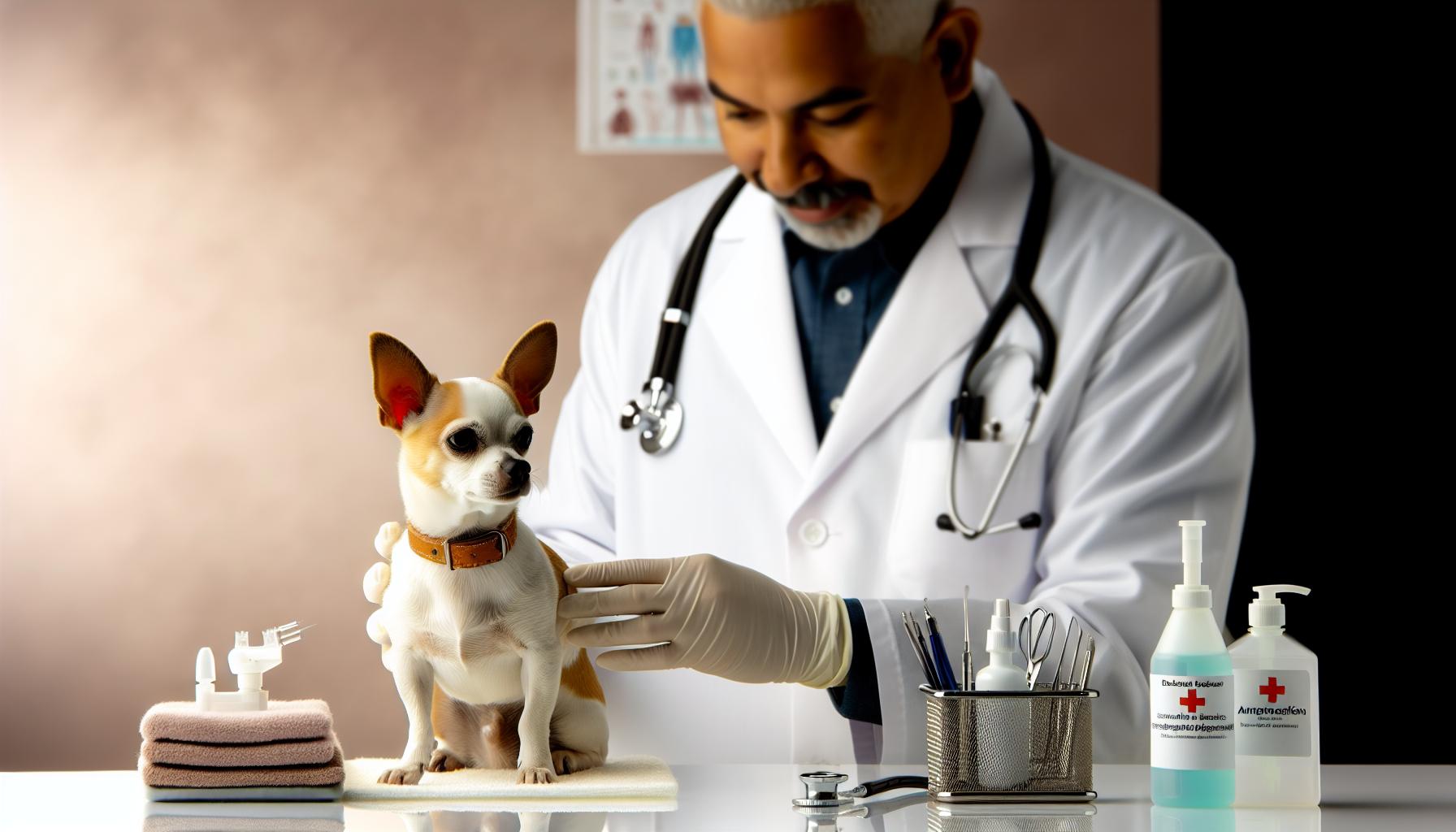
Skin Infections: Types and Treatments for Your Chihuahua
Skin infections can be a distressing cause of hair loss in Chihuahuas, often manifesting alongside other health issues. These tiny, spirited companions, known for their bold personalities, can develop various types of skin infections that impact their beautiful coats. It’s essential for Chihuahua owners to recognize these infections early and seek appropriate treatment to prevent further discomfort for their furry friends.
Bacterial skin infections, often resulting from open wounds or irritations, can lead to hair loss and inflammation. Chihuahuas have delicate skin that can react adversely to minor injuries. Common signs include redness, swelling, or pus around the affected area. Fungal infections, such as ringworm, are another culprit. This highly contagious infection can lead to circular, patchy areas of hair loss and is particularly concerning in multi-pet households. Identifying the specific type of infection is crucial for effective treatment.
Types of Skin Infections
- Bacterial Infections: These may occur due to allergies, parasite bites, or abrasions. Symptoms include moist, red, or swollen patches with potential pus.
- Fungal Infections: Ringworm is the most common, showing up as circular patches of hair loss. It’s crucial for you and other pets in the household to be cautious as it’s easily transmitted.
- Yeast Infections: Usually arise in warm, moist areas of the skin. Symptoms can include a foul odor, red, inflamed skin, and excessive scratching.
Early detection and intervention are key. If you notice any signs of skin infection, consult your veterinarian promptly. They may perform a skin scrape or culture to determine the exact cause of the infection and prescribe appropriate treatments, which may include antibiotics for bacterial infections or antifungal medications for yeast and fungal infections. In addition, keeping your Chihuahua’s environment clean and dry can help minimize the risk of skin infections.
Home care is also important. Regularly check your Chihuahua for any signs of itching or discomfort, and maintain a clean coat through gentle bathing with a vet-recommended shampoo. Monitoring and addressing any allergies your Chihuahua may have can also reduce the likelihood of infections due to scratching and biting at the skin. Remember, your vet is your best partner in navigating these health issues, ensuring your lively Chihuahua continues to thrive and radiate that special charm unique to the breed.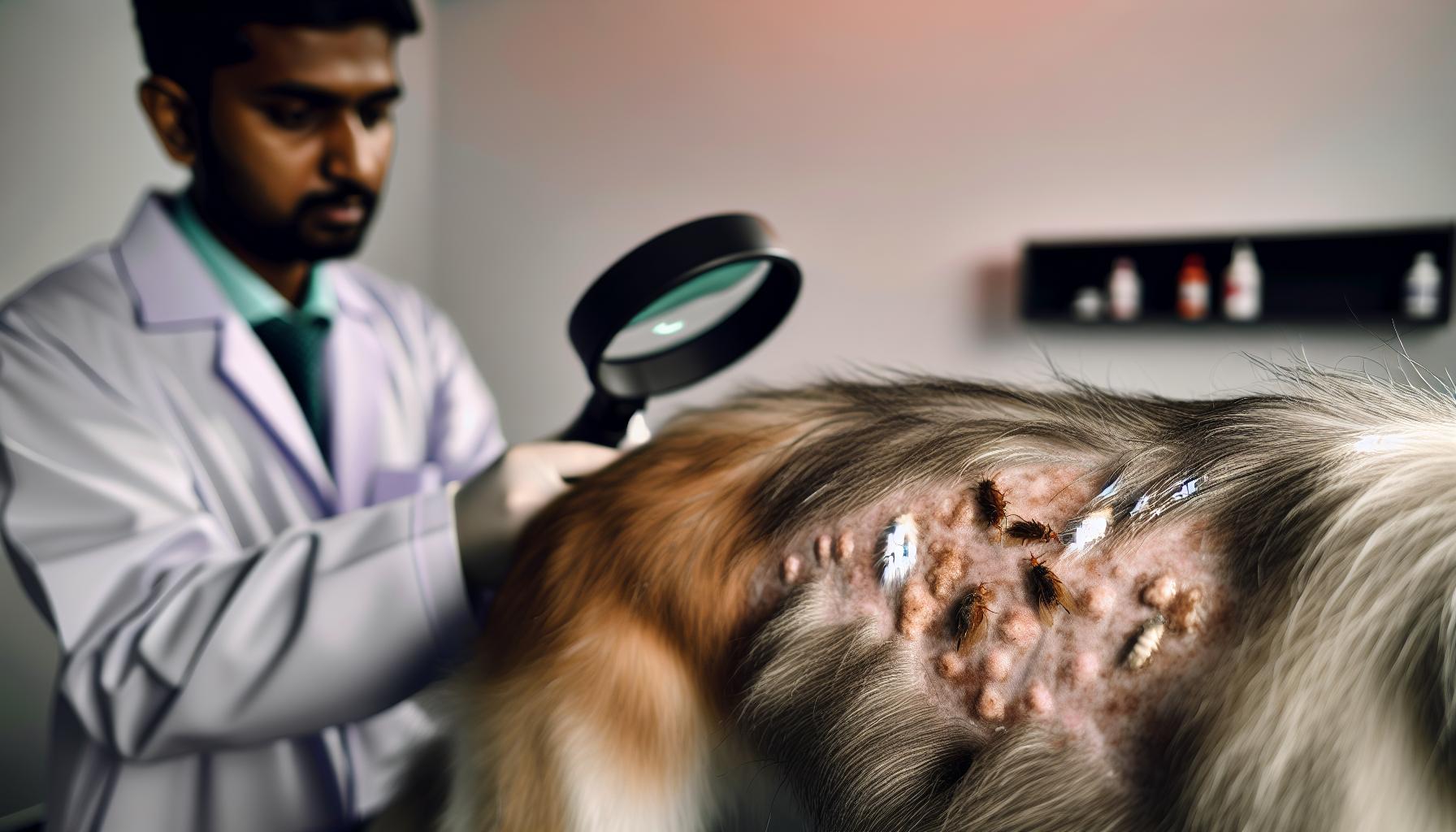
Parasites: How Fleas and Mites Affect Their Coat
Fleas and mites are more than just an annoyance for our beloved Chihuahuas; they can seriously impact their skin health and overall well-being. These tiny pests are known for causing intense itching, leading to excessive scratching and gnawing, which can result in hair loss and skin damage. For a breed as spirited and bold as a Chihuahua, dealing with these parasites isn’t just uncomfortable; it can affect their playful nature and zest for life. Owners should be on the lookout for signs of discomfort and itching, particularly if your little companion seems more irritable than usual.
Fleas are notorious for causing allergic reactions, which contribute to a condition known as flea allergy dermatitis (FAD). This allergic reaction occurs when a flea bites and injects saliva into the skin. For Chihuahuas, who already have sensitive skin, this can lead to significant inflammation, hair loss, and secondary infections. Monitoring your Chihuahua for signs of fleas, such as small black specks in the fur (flea dirt) or visible flea movement, is crucial. If you suspect a flea issue, prompt treatment is essential-your vet may recommend topical treatments, oral medications, or flea collars specifically designed for smaller breeds.
Mites, particularly those causing demodectic mange, can also lead to hair loss in Chihuahuas. These microscopic parasites are often present in small numbers on healthy dogs but can overpopulate and cause problems, especially in young or immunocompromised dogs. Symptoms of mite infestations include scabs, redness, and patchy hair loss, often around the eyes, mouth, and ears. If you notice these signs, a trip to the vet is necessary for a proper diagnosis, which may include skin scrapings. Treatment typically involves medicated shampoos or topical treatments, which can effectively eliminate mites and help restore your Chihuahua’s coat.
In preventing infestations, keep your Chihuahua’s environment clean and regularly groomed. Bathing with a vet-recommended shampoo can help keep fleas and mites at bay and soothe irritated skin. Also, consider routine flea and tick prevention methods, as advised by your veterinarian. Remember, timely intervention is key-helping your spirited friend maintain their gorgeous coat is an essential part of caring for your little bundle of joy.
Hormonal Imbalances: The Role of Thyroid Issues
Certain hormonal imbalances can significantly impact a Chihuahua’s health, particularly when it comes to coat condition. One of the most common hormonal issues seen in these little dogs is hypothyroidism, a condition that arises when the thyroid gland doesn’t produce enough thyroid hormone. This reduction can lead to a myriad of symptoms, but the most visible is often hair loss. You might notice that your Chihuahua’s coat becomes thin or brittle and could even develop areas of baldness, particularly on the trunk and tail.
Additionally, hypothyroidism can lead to changes in behavior and energy levels. Your usually spirited companion may seem lethargic or less interested in play. If you find yourself asking, “Why is my Chihuahua suddenly losing hair and seeming less like himself?” it’s worth considering a thyroid issue. Regular veterinary check-ups can help catch these changes early. Blood tests are usually required to diagnose hormonal imbalances and will provide a clear picture of whether your Chihuahua is suffering from a thyroid disorder.
Managing Thyroid Issues
Once diagnosed, managing your Chihuahua’s thyroid imbalance often involves medication to replace the missing hormone. This treatment usually leads to noticeable improvements within weeks. Owners often report a remarkable return of energy not just in their pet’s playful demeanor, but also in the regrowth of hair. Regular follow-ups with your vet are essential to adjust medication dosages and monitor progress.
In contrast, another hormonal concern is hyperadrenocorticism, commonly known as Cushing’s disease. This occurs when your Chihuahua’s body produces too much cortisol. While hair loss is also a concern here, you might notice skin changes such as increased pigmentation or thinning skin. It’s crucial to distinguish between these conditions, as they require different approaches for management and treatment.
Both conditions highlight the importance of being attentive to changes in your Chihuahua’s appearance and behavior. Owners should document their observations and ask their veterinarian for guidance if they notice things like unusual shedding, bald spots, or changes in activity level. With prompt attention and appropriate medical care, many of these hormonal issues can be effectively managed, helping your beloved companion lead a healthy, happy life.
Genetics and Hair Loss: Breed-Specific Challenges
Depending on genetics, Chihuahuas can face unique challenges when it comes to hair loss. Certain lines within this breed are predisposed to specific coat conditions. For instance, the difference between the long-haired and short-haired varieties isn’t just aesthetic. Each type has its own potential genetic quirks that may lead to hair thinning or patchiness if not managed properly.
One common genetic concern affecting Chihuahuas is a condition known as “color dilution alopecia.” This disorder happens primarily in dogs with diluted coat colors, such as blues or fawns. Owners of these Chihuahuas might notice hair loss along the back, notably around the tail and flanks, often accompanied by a change in hair texture. It’s essential to recognize that this is a genetic issue rather than an environmental or nutritional one, so managing expectations and treatment options through veterinary advice is crucial.
Additionally, Chinook Chihuahuas, known for their striking apple-head and sometimes unique coat patterns, may develop hair loss due to genetic factors related to skin health. Some owners have reported varying degrees of alopecia in their pets simply due to inherited traits. They might observe limited growth in specific areas, lending to irregular coat patterns. If inadequately addressed, these genetic predispositions can lead to more severe skin issues or infections, emphasizing the need for regular check-ups and proactive care routines.
Lastly, understanding breed-specific challenges facilitates more effective grooming and maintenance strategies. Regular brushing can help stimulate scalp health and clear away any debris that might impact hair growth. For some Chihuahuas, dietary adjustments aimed at improving skin health, such as fatty acid supplements, can also be beneficial. An attentive owner will notice when their furry companion’s coat starts to lack luster, prompting the necessary consultation with a veterinarian well-versed in the breed’s unique genetic nuances.
Environmental Factors: How Climate Affects Chihuahua Coats
The coat of a Chihuahua, whether short or long-haired, is stunning and reflects their vibrant personality, but did you know that climate can significantly impact the health of that coat? Chihuahuas are sensitive little beings, and their coats can show the effects of environmental factors like temperature, humidity, and air quality. Owners need to understand how these elements influence their pet’s fur and overall skin health.
In warmer climates, Chihuahuas might struggle with overheating, which can lead to excessive shedding. When the temperature rises, these tiny warriors may shed more to regulate their body heat. This is particularly common during summer months or in indoor settings with high temperatures. To combat this, ensure your Chihuahua has a cool, comfortable spot to rest and consider providing a light coat for outdoor adventures to protect his skin from the sun’s harmful rays. Regular grooming, especially during shedding season, can help manage loose fur and keep his coat healthy.
Conversely, in colder or drier conditions, your Chihuahua’s skin may become dry, leading to itchiness and hair loss. The lack of moisture in the air can cause their skin to flake and itch, prompting them to scratch more frequently. A humidifier in your home can make a significant difference, adding moisture to the air and thus helping maintain your pup’s skin hydration. Moreover, bathing your Chihuahua too often-especially with harsh shampoos-can strip the natural oils from their coat, worsening the situation. It’s best to bathe her only when necessary, using a gentle, moisturizing shampoo that promotes skin health.
Additionally, keep an eye on your dog’s reactions to environmental changes. Some Chihuahuas can develop allergies to pollen or dust, which can worsen during specific seasons. If you notice unusual scratching or hair loss correlating with certain times of the year, consult your vet about possible allergies, and consider regular cleaning of your home to minimize allergens.
By understanding how climate impacts your Chihuahua’s coat and skin, you can take proactive steps to ensure she remains beautiful, healthy, and comfortable, no matter the weather outside.
Nutrition and Diet: Feeding Your Chihuahua for Healthy Skin
Feeding your Chihuahua a well-balanced diet is vital not just for their overall health but also for maintaining a shiny, healthy coat. Did you know that the nutrients in their food directly influence the condition of their fur? Providing the right blend of essential vitamins and fatty acids can help prevent hair loss and combat dryness, which are common concerns for this beloved breed.
For your little companion, focus on foods rich in omega-3 and omega-6 fatty acids, as these are crucial for skin health. These fatty acids promote cellular regeneration and help maintain the skin’s moisture barrier, reducing the risk of dryness and flakiness. Look for high-quality dog foods that list fish, chicken fat, or flaxseed oil among the top ingredients. Real-life example: Owners of a long-haired Chihuahua noticed significant improvements in her coat’s luster after switching to a brand specifically formulated with omega fatty acids.
Additionally, ensure your Chihuahua is getting enough protein. A protein-rich diet supports not only muscle growth but also the strength of their hair follicles. Feed her high-quality proteins like chicken, turkey, or lamb, which should ideally be the primary ingredient in her food. Remember, feeding smaller, more frequent meals can help with digestion, especially for those tiny tummies!
Another key component of your Chihuahua’s diet is hydration. Always provide fresh water, as proper hydration is essential for maintaining a healthy coat. You might also consider adding water to her dry food to make it more appealing and easier to eat. This can help with digestion and improve overall skin health.
Lastly, any abrupt changes to your dog’s diet can lead to stress, which can exacerbate hair loss. When transitioning to a new food, be gradual-mix a little of the new food with the old, slowly increasing the new over several days. Tip: Watch for any signs of allergic reactions during this transition, as some Chihuahuas can be sensitive to certain ingredients.
By focusing on a high-quality, balanced diet rich in essential nutrients, you’ll give your Chihuahua the best chance at a vibrant coat and overall good health. Regularly consulting with your vet about dietary needs can also provide tailored guidance, ensuring your furry friend is thriving.
Managing Stress: The Impact of Anxiety on Your Dog’s Coat
Anxiety and stress can have a profound impact on your Chihuahua’s overall health, including their beautiful coat. This tiny breed is known for its big personality, but their sensitive nature means they can easily become overwhelmed by changes in their environment or routine. Stress responses can manifest in various ways, including increased shedding or noticeable hair loss. This can leave you concerned, wondering why your loyal companion is losing their lovely locks.
It’s essential to identify stressors that might affect your Chihuahua. Common triggers include loud noises, unfamiliar environments, or even the presence of new people or animals. For example, one owner shared how her apple-head Chihuahua started losing fur after moving to a new home, where construction noise was constant. The stress of the unfamiliar setting and disturbances in her routine led to significant anxiety, which in turn caused her coat to thin out.
To help your Chihuahua cope with stress, consider implementing a few calming strategies into their daily routine. Establishing a safe and comfortable space for them is crucial. This could be a cozy bed in a quiet room where they can retreat when feeling overwhelmed. Additionally, providing consistent routines for feeding, walks, and playtime can offer a sense of security. Positive reinforcement during these routines can further help to alleviate anxiety; rewarding calm behavior can teach your Chihuahua to remain relaxed even during stressful situations.
Another effective method is to engage in activities that promote relaxation and bonding. Gentle grooming can be not only a way to monitor your dog’s coat health but also a soothing experience for both of you. Many Chihuahuas enjoy light massage while being groomed, which can decrease stress levels and encourage a healthier coat. Furthermore, consider using calming products such as pheromone diffusers or anxiety wraps designed for small breeds. These can provide comfort and make your Chihuahua feel more secure.
By recognizing and managing stress in your Chihuahua’s life, you can help maintain their coat’s health and overall well-being. Observe how your dog reacts to various stimuli and adapt their environment to better support their needs. A calm, happy Chihuahua is much less likely to experience hair loss, allowing them to flaunt that gorgeous coat you adore.
When to Seek Veterinary Advice: Red Flags to Watch For
Determining when to seek veterinary advice for your Chihuahua can be challenging, especially when their adorable little faces are dripping with charm. However, if you notice any unusual patterns of hair loss, it’s crucial to pay close attention. Early intervention can mean the difference between a minor issue and a more significant health problem that requires treatment.
If your Chihuahua is experiencing patchy hair loss, skin redness, or the presence of sores or scabs, these could be indicators of underlying skin infections or allergies. For example, one owner found that her apple-headed Chihuahua developed bald spots and excessive itchiness due to environmental allergies, which required a trip to the vet for appropriate treatment. Additionally, if you observe changes in your dog’s behavior, such as excessive scratching, biting at the skin, or increased irritability, it’s a strong signal that something is amiss and should not be ignored.
Another red flag to watch for is if hair loss is accompanied by other symptoms, such as changes in appetite, weight loss, or lethargy. Chihuahuas are known for their spunky personalities, so a sudden drop in energy can be particularly concerning. In one case, a Chihuahua owner was alarmed when her normally vocal and playful pup became quiet and withdrawn alongside his hair loss. A vet visit revealed a thyroid issue, which is surprisingly common in this breed and can lead to other health problems if left untreated.
Lastly, if you notice hair loss with an unusual odor or if your Chihuahua’s skin appears greasy or flaky, these could be signs of a more severe skin issue, such as fungal infections or parasites like mites or fleas. Quick veterinary evaluation is essential to prevent the problem from worsening. Regular check-ups and being alert to these signs will help ensure your precious pet stays healthy and happy. Taking action early can not only support their coat health but also contribute to their overall well-being.
Home Remedies: Natural Solutions for Chihuahua Hair Loss
If your Chihuahua is losing hair, turning to natural remedies can be a gentle and effective way to address this concern. Many owners have successfully used home solutions to soothe their pups’ sensitive skin and encourage healthy coat regeneration. Each Chihuahua has unique needs, so it’s essential to find approaches that resonate with their individual personalities and health issues.
One highly regarded home remedy is coconut oil. Not only is it safe for your pup, but it also works wonders as a moisturizer. Applying a small amount of organic coconut oil directly to dry or flaky patches can help hydrate the skin and promote hair growth. It’s beneficial for Chihuahuas with dry skin, often exacerbated during winter months. Owners like Karen, whose apple-headed Chihuahua used to struggle with itchy skin, found that a regular coconut oil massage improved his coat significantly. Just make sure to monitor for any adverse reactions; not every dog will react the same way to new products.
Another natural solution involves integrating omega-3 fatty acids into your Chihuahua’s diet. Fish oil supplements or foods rich in omega-3s can enhance coat health and reduce inflammation in the skin. Regularly serving up salmon or sardines (in moderation) can provide essential nutrients that help your dog’s coat look shinier and healthier. Many owners report that their Chihuahuas have smoother fur and less itching after adding these ingredients to their meals.
For those dealing with allergies, topical solutions such as aloe vera can be beneficial. Its soothing properties can reduce irritation and inflammation, especially for Chihuahuas suffering from environmental allergies. Applying pure aloe vera gel to affected areas can promote healing and comfort. Just ensure that your Chihuahua doesn’t lick the area excessively, as ingesting too much could cause gastrointestinal upset. Another effective remedy is a herbal rinse made from chamomile or calendula tea, which can provide a calming effect on irritated skin.
In summary, home remedies like coconut oil, omega-3 fatty acids, aloe vera, and herbal rinses can work wonders for your Chihuahua’s coat health. Adopting a holistic approach not only helps combat hair loss but fosters a stronger bond between you and your furry companion. Always remember to consult with your vet before introducing new treatments to ensure they align with your dog’s individual health needs. With careful attention and these natural solutions, you can support your Chihuahua’s vibrant personality and adorable appearance.
FAQ
Q: What underlying health issues can cause hair loss in Chihuahuas?
A: Hair loss in Chihuahuas can be linked to various health issues such as hypothyroidism, Cushing’s disease, or autoimmune disorders. It is essential to monitor any other symptoms and consult with a veterinarian for a thorough examination and appropriate treatment options.
Q: How can I tell if my Chihuahua’s hair loss is due to allergies?
A: If your Chihuahua is losing hair due to allergies, you may notice additional signs like itching, redness, or inflamed skin. Common allergens include food ingredients, pollen, or flea saliva. A vet can perform tests to identify the specific allergy and recommend treatment.
Q: What natural remedies can help with my Chihuahua’s hair loss?
A: Some natural remedies for hair loss include omega-3 fatty acids, coconut oil, and oatmeal baths which can soothe the skin. Regular grooming is also crucial to remove dead hair and stimulate skin health. Always consult a vet before starting any new treatments.
Q: Is it normal for Chihuahuas to shed hair seasonally?
A: Yes, it is normal for Chihuahuas to shed hair seasonally, particularly as they adapt to changing temperatures. During these times, you may notice increased shedding. Regular brushing can help manage this and keep their coat healthy.
Q: When is it necessary to take my Chihuahua to the vet for hair loss?
A: You should visit a veterinarian if your Chihuahua experiences severe or sudden hair loss, additional skin issues, or changes in behavior. Early intervention can help address potential health concerns before they worsen.
Q: Can diet changes improve my Chihuahua’s coat health?
A: Yes, a balanced diet rich in essential nutrients, including vitamins and minerals, can significantly improve your Chihuahua’s coat health. Look for high-quality dog food with adequate protein, fatty acids, and antioxidants to support skin and coat condition.
Q: How do stress and anxiety affect a Chihuahua’s fur?
A: Stress and anxiety can lead to hair loss in Chihuahuas, often referred to as psychogenic alopecia. This condition may cause them to excessively groom or bite at their skin. Providing a stable environment and stress-relief techniques like exercise can help mitigate these effects.
Q: Are there specific grooming tips to prevent hair loss in Chihuahuas?
A: Regular brushing is important to prevent matting and remove dead fur, reducing the risk of skin irritations that can lead to hair loss. Additionally, bathe your Chihuahua with gentle shampoo and regularly check for parasites to keep their coat healthy and clean.
In Conclusion
If your Chihuahua is losing hair, it’s essential to act swiftly. Understanding the common causes, from allergies to stress, can help you address your furry friend’s needs effectively. Remember, small changes in diet or environment can significantly improve your pup’s coat health. If you still have questions or concerns, consider scheduling a consultation with a veterinary dermatologist who specializes in canine health.
While you’re here, check out our guides on “Best Foods for Chihuahua Coat Health” and “How to Manage Chihuahua Anxiety” for additional tips. Don’t forget to subscribe to our newsletter for the latest insights and expert advice tailored for devoted Chihuahua owners. Your tiny but bold companion deserves the best care, so explore further to ensure she thrives. Share your experiences or ask questions in the comments! We love hearing from fellow Chihuahua lovers and supporting each other in this rewarding journey.
Get our latest guides, news, and insights highlighted in your Google Search & AI Overviews.