

Did you know that protein plays a crucial role in the health of your Chihuahua? This tiny breed, known for its bold personality and loyalty, requires a carefully balanced diet to support its vibrant lifestyle. Whether you’re a new owner or a seasoned enthusiast, understanding how much protein your Chihuahua needs is vital for their overall well-being. Proper nutrition can enhance their energy levels, maintain a shiny coat, and promote healthy growth-especially for younger pups. In this guide, we’ll delve into the specific protein requirements for Chihuahuas, explore the best food options, and highlight how to recognize signs of protein deficiency. Join us as we ensure your furry friend stays happy and healthy!
How Protein Affects Chihuahua Health
Chihuahuas are known for their vibrant personality and distinctive traits, but did you know that their small size makes them particularly sensitive to nutritional imbalances? One of the most crucial components of their diet is protein, which plays a vital role in maintaining their health and energy levels. With a metabolism that runs high and a little frame that demands a lot of nutrients, understanding how protein affects these adorable companions is essential for ensuring they thrive at every stage of life.
Protein is foundational for several reasons. It supports muscle development, aids in the production of hormones and enzymes, and helps maintain a healthy coat and skin. As lively little dogs, Chihuahuas require sufficient protein not just for growth but also for their playful activities. For example, a young Chihuahua might require more protein during its growth spurts, while an active adult will need higher protein levels to sustain its energetic lifestyle.
When selecting a diet for your Chihuahua, it’s important to focus on quality protein sources. Not all proteins are created equal, and Chihuahuas thrive on diets rich in animal-based proteins like chicken, turkey, and fish. These sources provide essential amino acids that are more readily utilized by their bodies. Moreover, be on the lookout for added nutrients like omega fatty acids, which can enhance their skin and coat quality, making your little furball not just healthy but also looking sharp!
In conclusion, a balanced diet rich in high-quality protein is essential for keeping your Chihuahua happy and healthy. By paying attention to your pet’s specific needs and tailoring their diet accordingly, you can help ensure that they lead a long, vibrant life. Always consider your vet’s recommendations to keep their unique nutritional needs nuanced and well-managed.
Understanding the Nutritional Needs of Chihuahuas
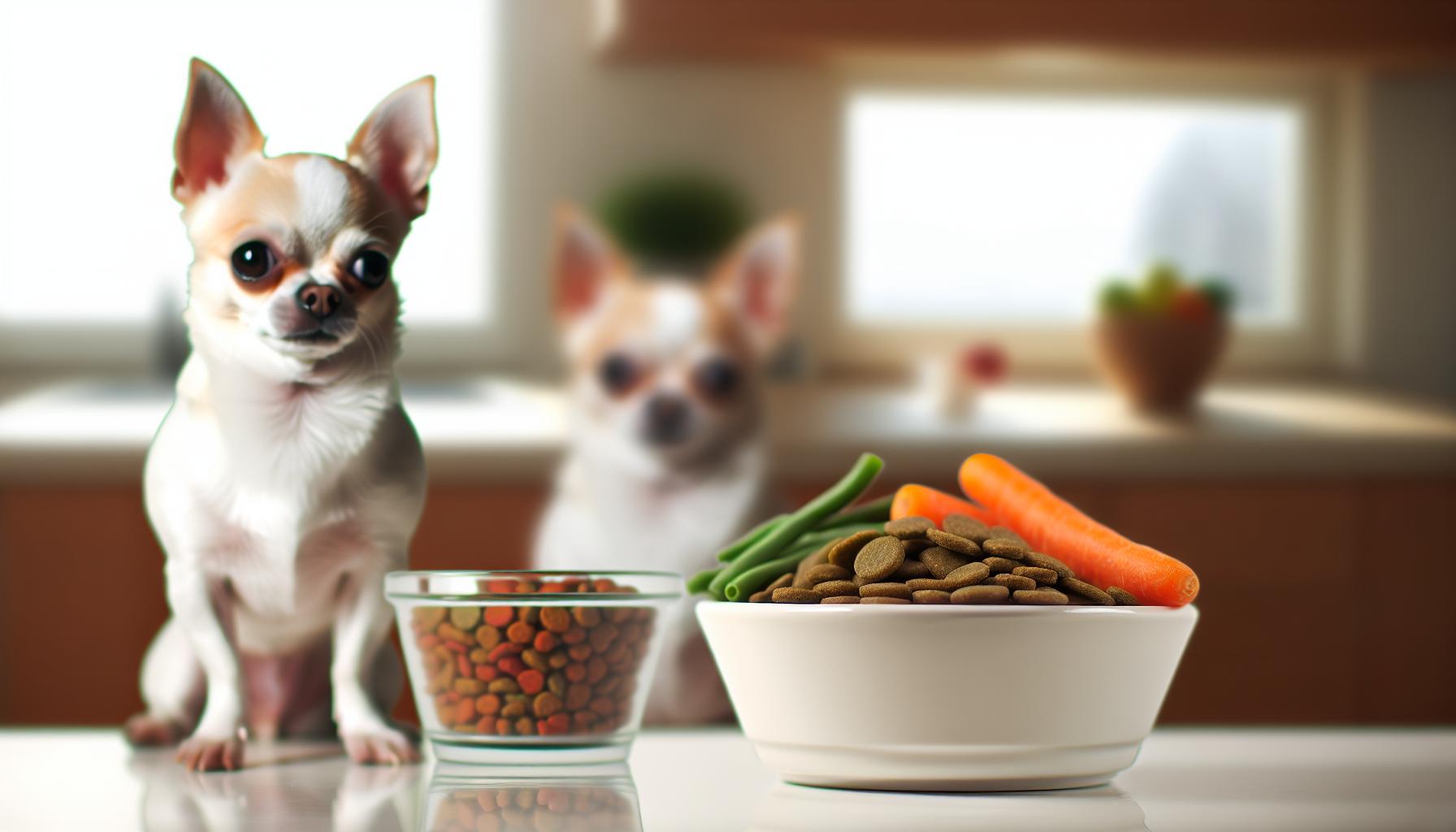
Chihuahuas may be petite, but their nutritional needs are anything but small. This lively breed has unique dietary requirements that revolve around their energetic nature and high metabolism. Understanding what your Chihuahua needs nutritionally is crucial to keeping him healthy and thriving. With a strong emphasis on protein, it’s vital to recognize that this nutrient is the building block of your furry friend’s overall well-being.
First, let’s talk about why protein is necessary for Chihuahuas. It plays a significant role in muscle maintenance, energy production, and even in the health of their skin and coat. Chihuahuas, especially the active ones, require protein to fuel their playfulness and support growth. For example, a young Chihuahua might show more pronounced effects of a protein-rich diet during his growth phases. Conversely, an adult needs sufficient protein to maintain that spunky personality without gaining unnecessary weight.
When considering your Chihuahua’s diet, focus on high-quality protein sources. Not all proteins are equal; prioritize animal-based proteins like chicken, turkey, and fish. These sources not only provide essential amino acids that your little buddy can utilize efficiently but also contribute to vibrant health. Additionally, many dog foods include beneficial ingredients like omega-3 fatty acids, which can enhance skin and coat condition. Regularly monitor how these proteins affect your dog’s coat and energy levels, as they can be a telling sign of how well his nutritional needs are being met.
Incorporating a variety of protein sources can enhance flavor and ensure a balanced diet. Some owners have found success by mixing high-protein kibble with a small portion of wet food for added moisture and taste. For instance, many have discovered that their Chihuahuas absolutely adore the rich flavor of fish combined with chicken, which keeps mealtime exciting and nutritious. Remember, every Chihuahua is unique; observing your little one’s reactions and energy levels can guide you in fine-tuning his diet for optimal health and happiness.
Comparing Protein Sources: Best Options for Chihuahuas
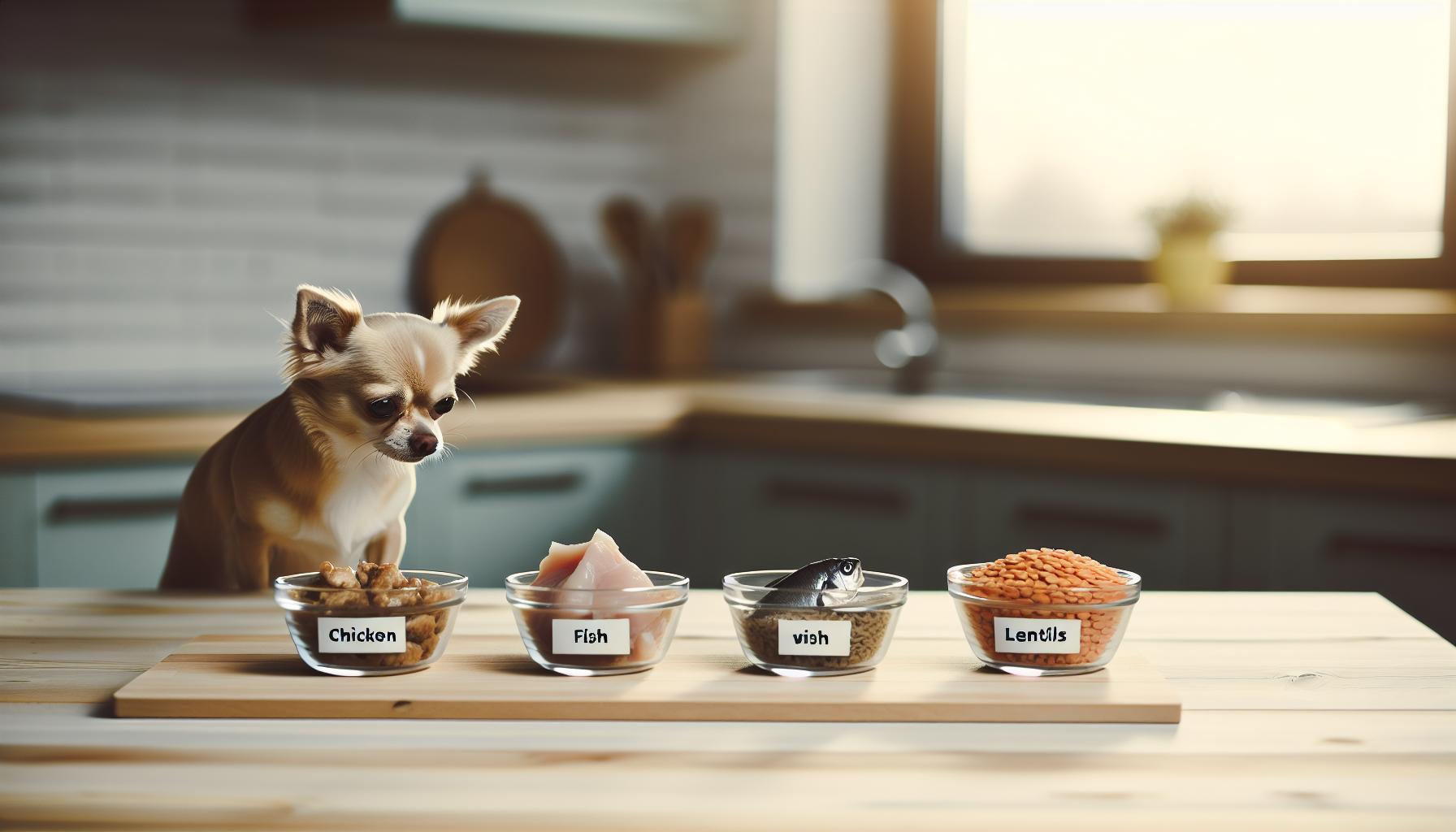
When it comes to meeting your Chihuahua’s protein needs, not all sources are created equal. Understanding the best options can set your little companion up for a healthy and happy life. Chihuahuas thrive on high-quality, animal-based proteins that provide essential amino acids necessary for their robust personalities and energy levels. Let’s explore some of the top protein sources that will keep your tiny friend sprightly and full of life.
Animal-Based Proteins
The cornerstone of any Chihuahua’s diet should be animal-based proteins. This means prioritizing meats like chicken, turkey, beef, and fish. These proteins are not only easy for your Chihuahua to digest but also provide the amino acids critical for muscle development and energy. For instance, many Chihuahuas adore the taste of chicken, making it an excellent choice for both nutrition and palatability. Fish, particularly salmon, is another fantastic option as it’s rich in omega-3 fatty acids, promoting a healthy coat and skin.
Plant-Based Proteins
While animal proteins should be the primary source, plant-based proteins can be beneficial in moderation. Ingredients like lentils, chickpeas, and quinoa can augment protein intake and offer fiber, which aids digestion. However, it’s important to ensure these sources are balanced with animal protein, as Chihuahuas have unique dietary needs that plant-only diets may not meet efficiently.
Processed Dog Foods
When considering dog foods, opt for brands that highlight their protein sources clearly. Look for formulas with a meat source listed as the first ingredient without vague terms like “meat meal.” A high-quality dog food tailored for small breeds will often include a combination of animal proteins and beneficial nutrients specifically formulated for their size. Additionally, some brands have grain-free options that prioritize protein quality, which can be excellent for Chihuahuas prone to allergies.
Homemade Diets and Treats
If you’re considering a more hands-on approach, homemade diets can be highly rewarding. Incorporating lean meats and vegetables allows you to control the ingredients while ensuring your Chihuahua receives the right nutrients. However, remember to consult a veterinarian or a pet nutritionist to create a balanced meal plan that meets all of your Chihuahua’s needs. Treats can also be an opportunity to include protein-rich snacks, such as freeze-dried chicken or fish, which often have high acceptance rates among Chihuahuas.
Chihuahuas may be small, but they truly need robust nutrition to match their vibrant personalities and energy levels. By selecting the right protein sources and ensuring a balanced diet, you’ll be doing your part to keep your little buddy healthy and thriving.
How Much Protein Should Your Chihuahua Eat?
To keep your Chihuahua vibrant and full of energy, understanding how much protein he needs is essential. Generally, a good guideline is that Chihuahuas should consume about 20% to 30% of their daily diet from protein. This percentage can vary based on factors like age, activity level, and overall health. For instance, a growing puppy, filled with that trademark boldness and energy, might require more protein than an older, less active Chihuahua.
Considering their petite nature, your Chihuahua’s size plays a crucial role in his dietary needs. A typical adult Chihuahua weighing around 6 pounds should aim for about 30 to 40 grams of protein per day. Puppies typically need a bit more due to their rapid growth-around 40 to 50 grams daily. It’s essential to feed them high-quality, easily digestible protein sources, like chicken or turkey, to support their muscle development.
For your active little friend, more protein might be beneficial. Stretching those tiny legs during playtime or going for brisk walks means that their muscles need a bit more fuel. Conversely, less active Chihuahuas might not require as much, as their energy expenditure is lower. Monitoring your dog’s weight and activity level can help guide you in adjusting their dietary protein accordingly.
Always be on the lookout for signs of protein deficiency in your Chihuahua, such as lethargy, a dull coat, or loss of muscle mass. If you suspect he’s not getting enough protein, a simple tweak in his diet can make a remarkable difference in his health and vitality. Tailoring protein intake to meet your Chihuahua’s unique needs is key to keeping that lively spark alive in your little companion.
Protein Intake for Active vs. Sedentary Chihuahuas
To help your Chihuahua thrive, understanding the differences in protein needs based on activity levels is crucial. If you’ve ever watched your little companion dash around the living room, you know that Chihuahuas can be surprisingly energetic! This playfulness demands a more substantial protein intake to support their active lifestyle, which helps in building and maintaining muscle while fueling their antics.
For the energetic Chihuahua, whose day might include a joyful romp at the park or enthusiastic play sessions with toys, protein intake should be on the higher end of the spectrum. Depending on his weight and energy level, you might consider increasing his protein to about 30-40% of his daily diet. Protein-rich foods like chicken, lamb, or fish not only provide essential amino acids but also support muscle recovery after those bursts of activity. In fact, many owners have noticed an improvement in their Chihuahua’s stamina and overall mood with a high-protein diet, making playtime even more enjoyable.
Conversely, if your Chihuahua leans towards a more sedentary lifestyle, perhaps preferring to snuggle up on the couch all day, it’s vital to adjust his protein intake accordingly. A lower protein diet, while still ensuring he meets the basic nutritional requirements, can help prevent excess weight gain, which is essential for Chihuahuas due to their tiny frames. Typically, about 20-25% protein will suffice for these cozy companions. This balance helps maintain his health without unnecessary calories, keeping his weight in check as he enjoys a life of leisure.
In both cases, keep an eye on your Chihuahua’s behavior and weight. If he seems less active, consult with your veterinarian to check if his protein intake aligns with his updated lifestyle. Tailoring his diet based on his activity not only keeps him healthy but also lets you celebrate his unique spirited nature, ensuring he remains your lively little friend for years to come!
Signs of Protein Deficiency in Chihuahuas
Recognizing the signs of protein deficiency in your Chihuahua is crucial, especially considering their unique nutritional needs. These tiny companions, known for their vibrant energy and spirited personalities, require a balanced diet rich in protein to thrive. A lack of adequate protein in their diet can lead to several health issues, easily recognizable through various physical and behavioral changes.
Chihuahuas may exhibit noticeable signs if they’re not getting enough protein. One of the first things owners might observe is a change in their coat. A dull, brittle, or thinning coat can indicate insufficient protein intake. Healthy coats are typically shiny and resilient, reflecting a proper balance of nutrients. Additionally, if you notice your Chihuahua losing weight or exhibiting muscle wasting-especially around their ribs and hips-it could be a clear signal that their diet lacks the necessary protein to maintain muscle mass.
Another critical sign to watch for is a decrease in energy levels. Is your feisty little buddy suddenly less interested in playtime or less inclined to join in on family activities? This lethargy may stem from a protein deficiency, as protein is vital for energy production and overall vitality. Additionally, some owners report behavioral changes, such as irritability or increased sensitivity. Just like us, dogs can feel the effects of inadequate nutrition, which can manifest in moods and behaviors.
If you observe these symptoms, it’s essential to consult with your veterinarian. They can help you assess your Chihuahua’s diet, verify if it meets their specific protein needs, and guide you in making any necessary adjustments. Remember, every Chihuahua is different-some may require a higher protein intake, especially active ones, while others might thrive on a more moderate approach. Staying attuned to your Chihuahua’s health and well-being is part of the joy of being a responsible owner, ensuring that your vibrant companion remains lively and happy for years to come.
High-Protein Dog Food Brands Recommended for Chihuahuas
Selecting the right dog food for your Chihuahua can feel overwhelming, especially with so many options claiming to deliver superior nutrition. However, a diet rich in protein is crucial for maintaining your Chihuahua’s health, energy, and overall well-being. Notably, they often thrive on brands specifically formulated to meet their unique needs, which can include high-quality animal proteins, healthy fats, and essential nutrients tailored for their small size and bold personalities.
Consider looking into brands known for their high protein content and quality ingredients. Many Chihuahua owners have found success with products like:
- Orijen Small Breed: This premium dog food boasts high protein content from fresh, regional ingredients and offers a variety of meats, which is excellent for energetic Chihuahuas.
- Wellness CORE Small Breed: Packed with protein from turkey, chicken, and salmon, this formula supports your pup’s energetic lifestyle while also promoting healthy digestion.
- American Journey Active Life Formula: This dog food includes real chicken as the first ingredient, providing a great source of protein, along with wholesome grains and veggies.
- Royal Canin Chihuahua Adult: Specifically crafted for Chihuahuas, this formula includes tailored nutrients that help support their skin and coat health, reflecting their vibrant nature.
Choosing a dog food with appropriate protein levels means considering both protein sources and the life stage of your Chihuahua. For instance, puppies require different protein levels than adult dogs. Real owner experiences echo the importance of tailored nutrition, indicating that many dogs not only thrive but display improved energy and enthusiasm when fed high-protein diets. As one owner noted, “Since switching to a high-protein food, my little Apple-head has so much more energy; he races around like a puppy again!”
When transitioning to a high-protein diet, do so gradually over a week to minimize digestive upsets. Always consult your veterinarian when making significant changes to your Chihuahua’s diet to ensure it meets their specific needs and energy levels. With the right nutrition, you can help your furry friend enjoy life to the fullest, maintaining that wonderfully spirited personality characteristic of Chihuahuas.
Homemade Diets: Balancing Protein for Chihuahuas
Creating a homemade diet for your Chihuahua can be an enticing way to ensure she receives balanced nutrition tailored to her specific needs, especially when it comes to protein. As you might know, Chihuahuas thrive on protein-rich meals that support their high energy levels and unique personalities. Cooking for your little companion allows you to control the quality of ingredients and provides an opportunity to create meals that cater to her preferences, offering variety to her diet.
When developing a homemade diet, keep in mind that a Chihuahua should primarily derive her protein from high-quality animal sources. Good options include lean meats such as chicken, turkey, and lean beef, which can be cooked and served in small, manageable pieces. Additionally, fish like salmon can offer essential fatty acids beneficial for her coat and overall health. It’s essential to ensure that any meat is cooked thoroughly and free from seasoning, as spices can upset her sensitive stomach.
Balance is key when creating these meals. Along with the primary protein source, you should incorporate a variety of vegetables and grains to provide essential vitamins and minerals. Some suitable veggies include carrots, peas, and sweet potatoes, while grains like quinoa or brown rice can serve as great fillers. A good guideline is that about 40-50% of her diet should consist of protein, with the remaining portion being a mix of healthy carbohydrates and vegetables.
Here’s a simple recipe to get you started:
- 1 cup of cooked chicken (shredded)
- ½ cup of cooked quinoa
- ¼ cup of chopped carrots
- ¼ cup of peas
Mix these ingredients together and serve in small portions that fit her eating habits. Always introduce new foods gradually, and monitor her reactions closely to avoid any digestive upsets. Plus, do consult with your veterinarian before making any significant dietary changes, as they can offer valuable insights into the specific nutritional needs of your Chihuahua, ensuring she remains happy and healthy. Remember, raising a happy Chihuahua is all about finding that perfect balance between nutrition and her undeniable quirks!
Common Misconceptions About Chihuahua Nutrition
It’s easy to think that because Chihuahuas are small, their nutritional needs are minimal. However, this couldn’t be further from the truth! These spirited little companions actually require a carefully balanced diet rich in high-quality protein to support their active lifestyles and robust personalities. One common misconception is that all dog foods labeled as “premium” or “high-protein” automatically contain the right nutrients for Chihuahuas. In reality, the quality of the protein source matters immensely.
Many owners mistakenly believe that filling their Chihuahua’s bowl with just any type of kibble is sufficient. But, not all proteins are created equal. While some dog foods might boast high protein content, they may derive this from low-quality meats or by-products, which can lead to poor digestion and nutrient absorption. Instead, seek out foods that list identifiable meat sources, like chicken or turkey, as the first ingredient. Remember, it’s not just about the quantity of protein but also its quality that can keep your Chihuahua healthy and vibrant.
Another area of confusion lies in the perception that all Chihuahuas can thrive on a vegetarian or vegan diet. While some dogs can adapt to such diets with careful planning, Chihuahuas, in particular, may struggle to get the necessary nutrients from plant sources alone. High-quality animal-based proteins provide essential amino acids that support their muscle development, energy levels, and overall health. If you’re looking into partial vegetarian diets, always consult with your veterinarian to ensure your pup receives balanced nutrition.
Lastly, many new Chihuahua owners feel relieved to hear that small portions are all that’s needed, often leading to underestimating their active chihuahua’s caloric needs. Tiny but mighty, Chihuahuas demand energy to sustain their big personalities, especially if they are active or playful. Understanding their protein and caloric needs could mean the difference between a spirited, happy Chihuahua and one that lacks energy. So, don’t let their small size fool you-pay attention to the quality of their protein, and always monitor their health with the guidance of your vet!
Transitioning Your Chihuahua to a High-Protein Diet
can be a rewarding journey, ensuring your beloved companion receives the nutrition needed for optimal health and energy. Chihuahuas, with their lively personalities and active lifestyles, thrive on high-quality protein that supports their unique needs. However, making this change requires a thoughtful approach to ensure your pup adapts well without digestive upset or loss of interest in food.
Start by selecting a high-quality dog food labeled specifically for small breeds and rich in animal-based proteins. Look for ingredients such as chicken, beef, or fish at the top of the list, as these indicate primary protein sources. Transitioning too quickly can lead to tummy troubles, so mix the new food with their current diet gradually. Use a ratio of about 25% new food to 75% old food for the first few days, then increase the new food to 50% over the next few days, and so on until your Chihuahua is fully transitioned within about a week to ten days.
Pay attention to your Chihuahua’s responses during this process. If you notice signs of digestive distress-like loose stools or decreased appetite-slow down the transition. Some Chihuahuas may resist new textures or flavors, so find ways to make the new food more appealing. Adding a splash of low-sodium chicken broth or a sprinkle of freeze-dried meat can enhance palatability and make mealtime exciting for your tiny friend.
Incorporating occasional healthy proteins as treats is also a great way to boost their diet without committing to a full meal switch. Offer cooked lean meats, eggs, or fish in moderation. This approach not only doubles as training rewards but also introduces variety, helping your Chihuahua to enjoy a well-rounded, high-protein diet that aligns with their vibrant personality and lifestyle. Always consult your veterinarian when making significant dietary changes to ensure your Chihuahua’s specific health needs are met.
Best Practices for Measuring Protein in Dog Food
To ensure your Chihuahua is getting the right amount of protein in her diet, understanding how to measure protein content in dog food is crucial. High-quality protein is essential for your beloved companion’s energy, muscle development, and overall health, especially given their unique physiological needs. Knowledge about reading packaging labels effectively equips you as an owner to choose the best food that meets those needs.
When evaluating dog food, start by checking the Guaranteed Analysis section on the package. This part lists the minimum percentages of protein, fat, fiber, and moisture. Keep in mind that the protein content is typically expressed on a dry matter basis, meaning you need to consider the moisture content of the food if it’s wet or canned. To accurately compare protein levels, you can convert the protein percentage to a dry matter basis by using the following formula:
Adjusting Protein Content to Dry Matter
- Obtain the Moisture Content: This percentage is usually listed on the label.
- Calculate Dry Matter: Subtract the moisture content from 100% to find the dry matter percentage.
- Apply the Formula:
[
text{Dry Matter Protein Percentage} = frac{text{Crude Protein Percentage}}{text{Dry Matter Percentage}} times 100
]
For example, if the protein content is 10% and the moisture is 70%, the dry matter protein would be:
[
text{Dry Matter Protein} = frac{10}{30} times 100 = 33.33%
]
Now, it becomes easier to compare this protein level against other foods. Look for dog food formulated for small breeds, as these blends are often richer in protein than standard formulas made for larger dogs.
It’s also helpful to consider the source of the protein listed on the ingredient label. Whole meats such as chicken, beef, and fish signify high-quality protein, while meat meals (like chicken meal) are also excellent as they are concentrated forms of protein. Be wary of vague terms like “meat by-products” as they can indicate lower-quality protein sources.
Additionally, keep an eye on your Chihuahua’s overall health and energy levels when introducing a new food. If she seems tired or less playful, it might be a signal that her diet needs a protein boost. Balance is key; much like us, she can benefit from varying protein sources to keep her diet interesting and nutritionally complete.
By equipping yourself with knowledge on measuring protein in dog food, you can confidently provide the best nutrition for your spirited and sassy little companion, ensuring she remains healthy and happy.
Consulting a Veterinarian About Chihuahua Nutrition
When it comes to ensuring your Chihuahua leads a healthy and happy life, the nuances of their nutrition-including protein intake-cannot be overstated. Consulting with a veterinarian is one of the best steps you can take. Veterinarians bring a wealth of knowledge about the specific needs of different breeds, including Chihuahuas, who have unique metabolic rates and dietary requirements. Their expertise can help you navigate the sometimes overwhelming world of dog food options and personalized nutrition plans.
A good starting point is to ask your vet specific questions about your Chihuahua’s protein needs. For instance, if you have an active Chihuahua, like one who loves to romp around or play fetch, your vet may recommend higher protein levels to support muscle development and energy levels. Conversely, if your Chihuahua is more sedentary or overweight, they might suggest a diet with moderated protein to prevent excess weight gain, which is common in small breeds. It’s essential to provide information about your dog’s lifestyle and health condition, as factors such as age, weight, and overall health can significantly influence dietary needs.
Here are a few essential points to discuss with your veterinarian during your consultation:
- Current Diet: Share details about the food you’re currently feeding and any reactions your Chihuahua has had-whether positive or negative.
- Adjustments Needed: Ask about the ideal protein percentage for your Chihuahua based on their activity level and health status.
- Food Allergies or Sensitivities: Discuss any known allergies, as some protein sources might be better than others for sensitive tummies.
- Transitioning Foods: If you’re considering switching to a high-protein diet, seek advice on the best practices for transitioning to minimize digestive upset.
Remember, each Chihuahua is unique. Regular veterinary check-ups can help monitor their health and make any necessary adjustments to their diet. Your vet can play a critical role in guiding you toward a diet that enhances your Chihuahua’s vitality, keeping those little tails wagging and spirits high. Ultimately, a collaborative approach between you and your veterinarian ensures that your devoted companion receives the very best in nutrition, tailored to her specific needs.
Frequently Asked Questions
Q: What is the ideal protein percentage in Chihuahua dog food?
A: The ideal protein percentage for Chihuahua dog food should be around 20-30%. This ensures they receive sufficient nutrients for their energetic nature while supporting muscle health and overall vitality. Look for high-quality commercial dog foods designed specifically for small breeds.
Q: How does protein benefit Chihuahuas specifically?
A: Protein is crucial for Chihuahuas as it aids in muscle development, supports immune function, and maintains healthy skin and coat. It provides the necessary energy for their playful and sometimes bold behavior. Ensure a balanced diet that meets their unique needs.
Q: Can Chihuahuas consume protein from plant sources?
A: Yes, Chihuahuas can consume protein from plant sources, but animal protein is often more beneficial due to its complete amino acid profile. Consider incorporating options like peas and potatoes alongside meat to ensure they receive all essential nutrients.
Q: What are the signs of too much protein in a Chihuahua’s diet?
A: Signs of excessive protein intake in Chihuahuas may include excessive thirst, frequent urination, and potential kidney strain. Monitor their diet closely and aim for balance to avoid health issues. Consult with your vet if you notice any concerning symptoms.
Q: Should puppies have more protein than adult Chihuahuas?
A: Yes, puppies usually require more protein-about 28-30%-to support their rapid growth and development. Adult Chihuahuas, however, need around 20-25% depending on their activity level. Always choose a diet formulated for their specific life stage.
Q: How can I tell if my Chihuahua is getting enough protein?
A: To ensure your Chihuahua is getting enough protein, observe their energy levels, coat quality, and overall health. Regular veterinary check-ups can also help assess their nutritional needs. A balanced diet will keep them happy and healthy.
Q: Is homemade dog food a good source of protein for Chihuahuas?
A: Yes, homemade dog food can provide a good source of protein if properly balanced with other nutrients. Include lean meats like chicken or turkey, and consult with a veterinarian to ensure the diet meets your Chihuahua’s specific requirements.
Q: How does age affect a Chihuahua’s protein needs?
A: Age significantly affects a Chihuahua’s protein needs. Puppies need more protein for growth, while adult dogs require it for maintenance. Older Chihuahuas may need higher protein levels to combat muscle loss. Adjust their diet accordingly based on life stage.
Insights and Conclusions
Understanding the protein needs of your Chihuahua is essential for keeping him healthy and happy. Remember, a balanced diet tailored to his size and energy level will not only support his physical health but also enhance his playful personality and companionship. If you’re ready to optimize your Chihuahua’s nutrition, consider checking out our guide on the best dog food options for small breeds or tips for maintaining a healthy weight.
We invite you to explore additional resources like our articles on dog behavior tips and grooming essentials for Chihuahuas. Your journey as a dog owner is just beginning, and your Chihuahua deserves the best care possible. For expert advice and community support, don’t forget to sign up for our newsletter. Share your thoughts and experiences in the comments – we love hearing from fellow Chihuahua enthusiasts! Together, let’s celebrate our tiny, vibrant companions and ensure they thrive in every way.
Get our latest guides, news, and insights highlighted in your Google Search & AI Overviews.