

Did you know that many Chihuahua owners worry about their pup’s health when they discover the fragile soft spot, or molera, on their head? This unique feature is common in the breed but can bring concern to new owners unfamiliar with its significance. Understanding when and how a molera closes can help you ensure your tiny companion stays safe and healthy throughout their life. Knowing what to look for as your Chihuahua grows will empower you to provide the best care possible. In this article, we’ll explore the timeline for when a Chihuahua’s molera typically closes and share essential safety tips to keep your spirited little friend thriving. Dive in and discover how to navigate this important aspect of Chihuahua ownership with confidence!
When Do Chihuahuas Develop a Molera?
Chihuahuas are endearingly known for their small size and big personalities, but many new owners are often surprised to learn about the unique physical traits of this breed, particularly the molera-a soft spot on their skull. The molera is a remnant of the normal development in puppies, similar to the fontanelle in human infants. Interestingly, this trait is part of what makes Chihuahuas charming, as it highlights their delicate, apple-headed shape. Most Chihuahuas are born with a molera, and it’s typically present at birth.
As your Chihuahua grows, the molera usually starts to close as the skull bones develop and fuse together. For many Chihuahuas, this process begins around 8 to 12 weeks of age. However, timeline variations exist; some may retain an open molera longer into adulthood or even into their senior years. A closed molera is considered normal and healthy, but it is vital for owners to monitor its development. Regular check-ups with a veterinarian can ensure that everything is progressing as it should.
One important aspect to consider is that the molera’s status can vary among individual dogs, especially among those with the apple-head characteristic. A Chihuahua’s distinct look, with its rounded head and prominent eyes, often contributes to the presence of a molera. If you’re ever unsure or concerned about your Chihuahua’s molera, consulting with your veterinarian is always the best course of action. This helps in understanding both the normal development stages and the unique aspects of your beloved companion’s growth.
Understanding the Chihuahua’s Molera Anatomy
Chihuahuas, with their charming apple-shaped heads and larger-than-life personalities, possess a unique anatomical feature known as a molera. This soft spot on their skull is not only a fascinating aspect of their physiology but also a critical part of their health care as they grow. Like human infants who have fontanelles, Chihuahuas are born with a molera, which is essential for their brain development and allows their skull bones to expand as they mature.
The molera is primarily found at the top of your Chihuahua’s head and is a remnant of the natural development in puppies. Typically, this soft spot is apparent from birth and can feel quite pronounced to the touch. As your Chihuahua ages, the bones of the skull gradually grow and fuse together, causing the molera to close up. Most will begin to see this closure process around 8 to 12 weeks of age, although some may retain an open molera longer, sometimes into their adult years. It’s crucial to understand that this variation can be entirely normal, particularly among our beloved apple-headed companions.
Monitoring the molera is a key part of responsible Chihuahua ownership. Regular vet check-ups can help evaluate whether the closure process is progressing appropriately. If your Chihuahua’s molera seems unusually large, open, or tender, it becomes even more vital to consult your veterinarian. This is especially important because an intact molera can be prone to injuries, such as bumps or falls, given its location on the head. Being attentive to these details will not only ensure your Chihuahua’s health but also allow you to celebrate their uniqueness confidently.
As a dedicated owner, you can feel reassured that an open molera is often just one of the many traits that make Chihuahuas endearingly special. Providing gentle care and being informed about their anatomical quirks will enrich your relationship with your furry friend.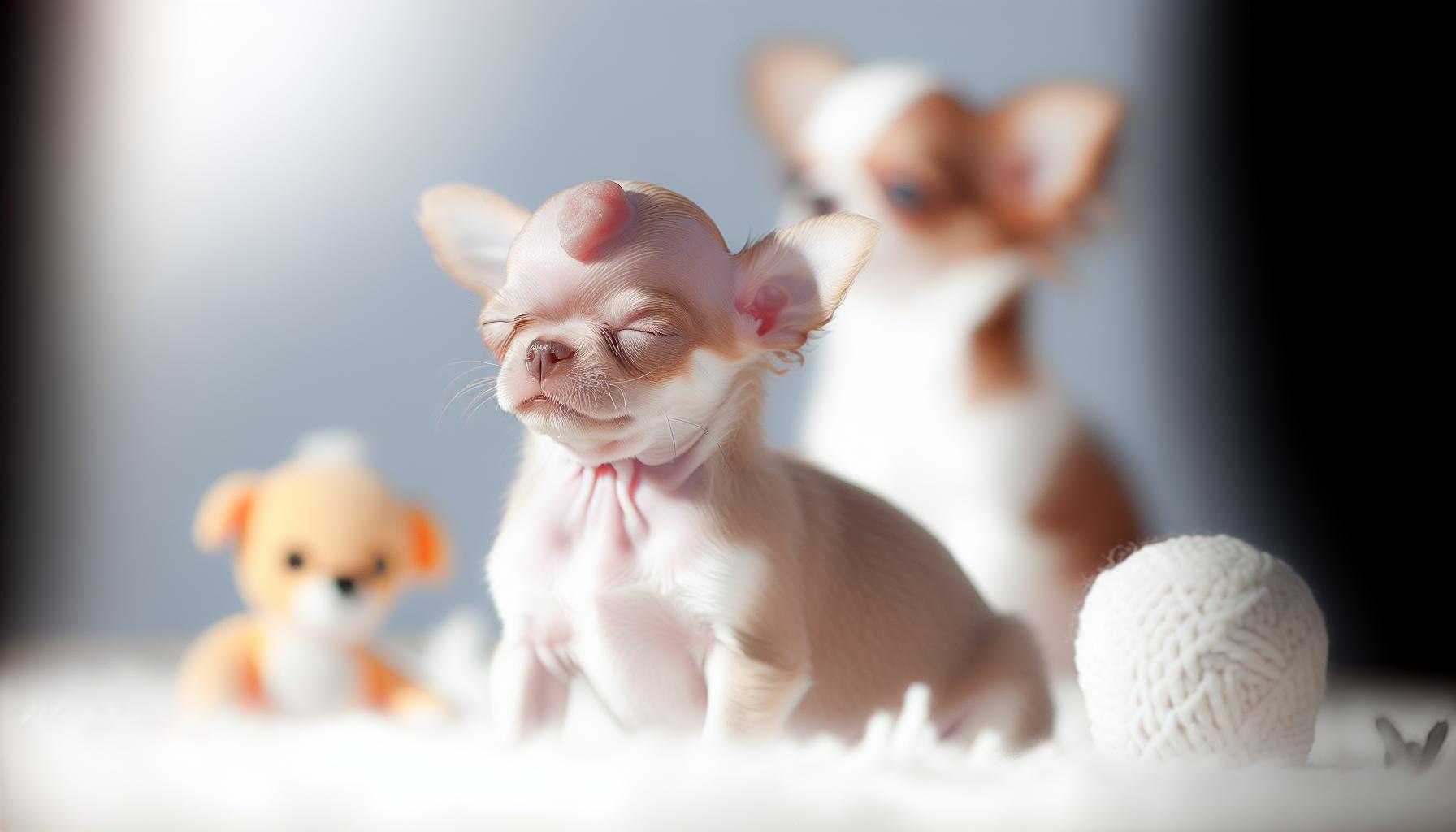
Signs Your Chihuahua’s Soft Spot Is Closing
As your Chihuahua grows, you may often find yourself wondering about the status of their molera-the distinctive soft spot on their skull. This feature, although concerning to some first-time owners, is a typical part of Chihuahua anatomy. Feeling confident about the signs that indicate your little one’s molera is closing can help you monitor their health effectively.
Typically, the closure of the molera begins around the age of 8 to 12 weeks. One of the first signs you might notice is a gradual reduction in the prominence of the soft spot. As the bones of the skull start to fuse together, you may find that the area becomes firmer to the touch; the pronounced softness that was once there begins to diminish. This process can sometimes make your Chihuahua’s head feel less delicate, giving you peace of mind.
It’s helpful to keep an eye on your pup’s behavior and physical activity during this period. If your Chihuahua is playful, energetic, and maintains a healthy appetite, that’s a great positive sign. As they mature, watch for any changes: a less pronounced molera should not result in any loss of coordination or an increase in clumsiness.
Another positive indication that the molera is closing involves the absence of tenderness or swelling around the soft spot. If you can gently touch the area without your Chihuahua flinching or showing discomfort, it’s likely that the soft spot is indeed progressing toward closure. However, every Chihuahua is unique; while some may close their molera completely, others may retain a small open spot well into adulthood. Monitoring these changes and consulting with your veterinarian during regular check-ups is essential for ensuring your furry friend’s well-being as they grow.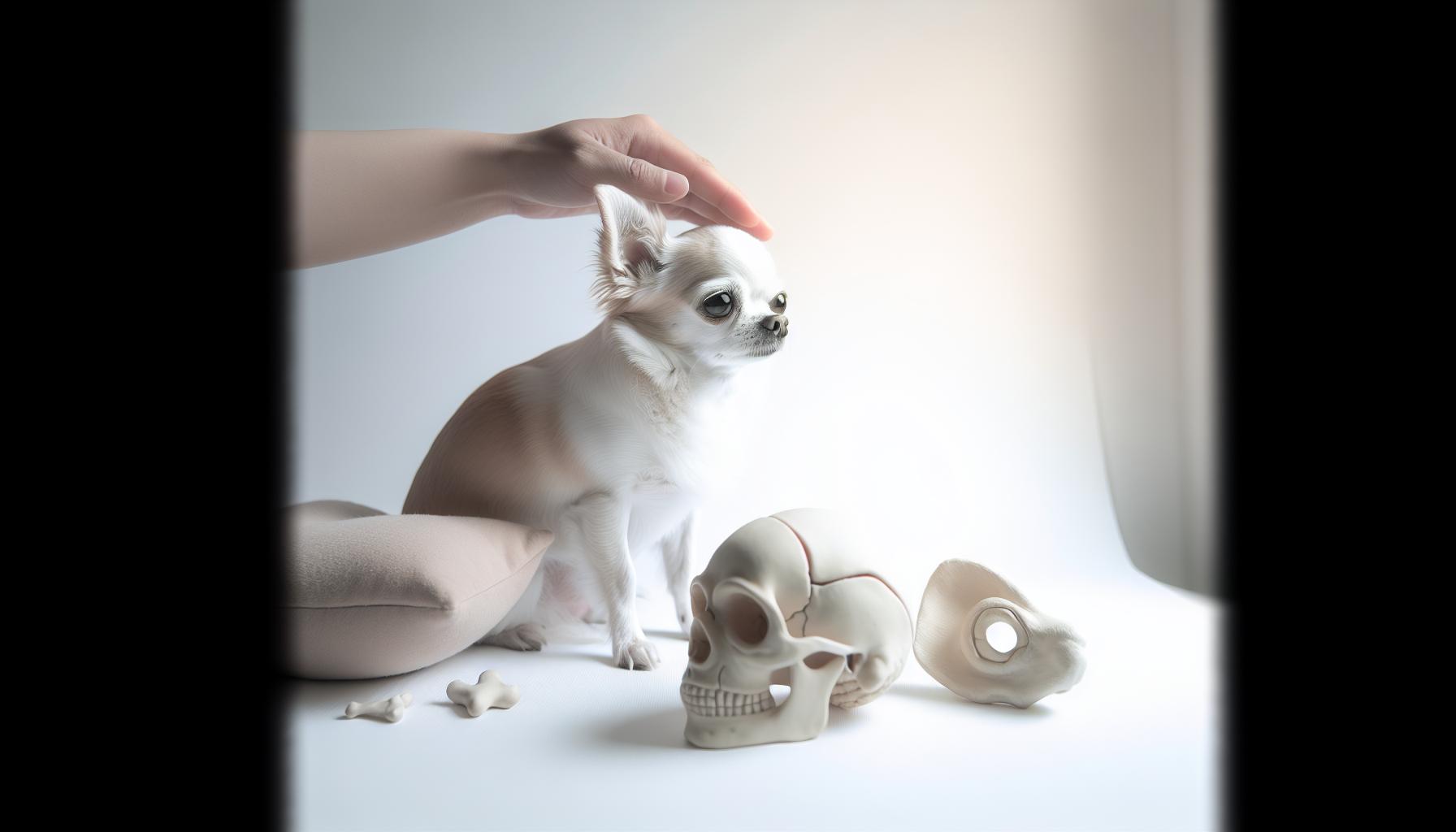
Potential Risks of an Open Molera
Understanding the in your Chihuahua is crucial for ensuring their health and safety as they grow. This distinctive soft spot is an area where the skull bones have not completely fused, making it more vulnerable to injury. As a loving owner, it’s important to be aware of these risks to help keep your tiny companion safe.
One of the main concerns associated with an open molera is the risk of trauma. Because this area is softer and less protected, a fall or a bump to the head can lead to serious injury. For example, if your Chihuahua is playful and engages in rough play with larger dogs, or even during enthusiastic play sessions at home, there could be a chance of impact that risks damaging the vulnerable area. Keeping your pet away from potential hazards, such as high ledges or roughhousing, is essential to prevent accidents.
Another risk to consider is the potential for infections. An open molera might expose the brain or surrounding areas to bacteria, especially if there are any scratches or trauma to the soft spot. If you notice any signs of swelling, warmth, or discharge, be proactive in consulting your veterinarian. Quick action can prevent complications and support your Chihuahua’s overall health.
Finally, it’s important to monitor your Chihuahua’s behavior closely. If you see signs of discomfort or changes in behavior, such as lethargy or sensitivity around the head, it could indicate that something is wrong. Engaging regularly with a veterinarian who understands the unique anatomy and needs of Chihuahuas will give you peace of mind and ensure that you’re taking appropriate steps for their care. Remember, being informed and vigilant is the best way to keep your little one happy and safe!
How to Care for a Chihuahua with a Molera
Caring for a Chihuahua with a molera requires understanding, attentiveness, and a few key strategies to ensure your little companion stays healthy and safe. This unique breed trait, characterized by a soft spot on the skull, needs special attention during their formative years. Knowing how to navigate the challenges that come with this feature is essential for any Chihuahua owner.
To start, ensure that your Chihuahua’s environment is as safe as possible. Limit access to high places where falls could occur, and be cautious during playtime, especially if your Chihuahua interacts with larger dogs. Soft bedding, play pens, and close supervision during play allow you to manage their environment effectively. For example, if your furry friend enjoys zooming around, a safe, enclosed space can help prevent unexpected mishaps.
Another important aspect is to monitor your Chihuahua for any unusual behavior or signs of discomfort. If you notice your pet being more sensitive around their head, showing signs of lethargy, or experiencing changes in appetite, these could be indicators of discomfort related to their molera. In such cases, it’s wise to consult with a veterinarian familiar with tiny breeds. Regular health check-ups will also help in tracking your Chihuahua’s development and address any concerns early on.
Finally, nurturing a supportive diet can significantly contribute to the well-being of your Chihuahua. Focus on high-quality, nutrient-rich foods that promote overall health and strong bone development. A well-balanced diet supports safe closure of the molera as your Chihuahua matures. Consult your veterinarian for specific dietary recommendations to ensure your tiny companion thrives.
In summary, by creating a safe environment, closely monitoring your Chihuahua’s health, and providing a nutritious diet, you can effectively care for your Chihuahua with a molera. Each step taken ensures that they remain the vibrant, spirited pups we all adore!
When to Consult a Veterinarian About Molera
Consulting with a veterinarian about your Chihuahua’s molera is essential, especially during their early growth stages. This soft spot, which is a natural characteristic of many Chihuahuas, can present unique challenges that require careful monitoring. Did you know that while many Chihuahuas see their molera close as they mature, this process can vary significantly between individual dogs? If you’re unsure whether your little companion’s soft spot is closing properly or if it’s causing any issues, it’s always best to seek professional advice.
If you observe any unusual changes in your Chihuahua’s behavior, such as increased sensitivity around their head, reluctance to play, or signs of discomfort when touched, it’s a strong indicator that you should consult your vet. These behaviors can signify that the molera is still open and potentially problematic. Additionally, if your Chihuahua is experiencing fatigue, a lack of appetite, or any signs of distress, a veterinary consultation is crucial. Regular health check-ups are key to keeping track of your Chihuahua’s development and addressing potential concerns early on.
In some cases, the molera may remain open longer than expected or could exhibit risk factors like swelling or sensitivity that could lead to complications. If you are concerned about the size of the molera or if it appears unusually firm or bulging, do not hesitate to reach out to a vet who is knowledgeable about small breeds. They can provide insights into whether surgical intervention is necessary or if special care is required.
Finally, it’s essential to remember that you are your Chihuahua’s best advocate. By trusting your instincts and keeping regular vet appointments, you can ensure that your furry friend not only thrives but remains the joyful, energetic companion you love. Monitoring her growth and health while being proactive about her care can make all the difference in assuring her well-being.
Diet and Nutrition for Healthy Molera Closure
Ensuring your Chihuahua receives the right nutrition can have a significant impact on their molera, that delicate soft spot on their head. While many owners are aware that a balanced diet plays a crucial role in overall health, it’s especially important for Chihuahuas due to their unique anatomical features. A nutrient-rich diet helps support bone development and closure of the molera as your little companion grows.
Start with high-quality dog food that includes essential vitamins and minerals. Look for food that contains adequate amounts of calcium and phosphorus, as these nutrients are vital for bone health. Omega fatty acids can also aid in skin and coat health, which is a particular concern for the Chihuahua breed, especially those with fine fur. Consider adding calcium-rich foods like plain yogurt or cottage cheese to their meals. However, always introduce new foods gradually to avoid upsetting their sensitive stomachs.
Portion Control and Weight Management
Chihuahuas are little bundles of energy, but they are also prone to obesity, which can exacerbate health issues. Maintaining a healthy weight is crucial for proper bone development and can influence the health of the molera. Measure their food portions precisely and stick to a feeding schedule-typically two small meals a day-rather than free feeding. Interactive feeding toys can also encourage mental stimulation while helping manage their weight.
Regular weight check-ups through your vet will help monitor your Chihuahua’s growth and ensure they’re on the right path. Always keep an eye on their food intake and adjust accordingly, especially during growth spurts.
| Nutrient | Importance |
|---|---|
| Calcium | Supports strong bones and may assist in molera closure |
| Phosphorus | Works with calcium for healthy bone development |
| Omega Fatty Acids | Promotes skin and coat health, reducing stress on the body |
| Vitamins A, D, E | Essential for overall wellness, including immune support |
Hydration and Treats
Don’t forget the importance of hydration! Fresh water should always be available, especially if your Chihuahua is active. When it comes to treats, focus on high-quality options that are low in fillers. Think about small pieces of fruits or vegetables, like cooked sweet potatoes or green beans, which can be both nutritious and delightful for your little friend.
Remember, the key to nurturing a healthy molera is to stay observant and proactive with a supportive diet. By giving your Chihuahua the best nutrition, you can help ensure that they grow strong, healthy, and ready to take on the world-just like the brave little companions they are!
Common Myths About Chihuahuas and Their Molera
While caring for your Chihuahua, you might come across a few myths regarding their molera-the little soft spot on their head. One common misconception is that all Chihuahuas will eventually outgrow their molera; however, this isn’t always true. The molera is a natural feature in many Chihuahuas, particularly in the apple-headed variety, and while it typically tends to close between a few months to a couple of years, some may retain an open molera into adulthood, especially if they have a genetic predisposition.
Another myth suggests that the presence of a molera is a sign of poor breeding quality. In reality, a molera is a breed standard in Chihuahuas, acknowledging their unique head shapes and that it serves as a normal feature rather than an indicator of bad health or poor genetics. Most importantly, owners should understand that while the molera itself isn’t an issue for many dogs, it does require extra care. The area remains delicate, and caution is essential to prevent injury.
Some people worry that touching or petting the area may cause harm to their Chihuahua, but gentle handling is generally safe. It’s crucial to remember that Chihuahuas are spirited little companions known for their bold personalities and loyalty. They can live active lives despite having a molera, as long as you monitor for any potential signs of trauma or discomfort around the area.
Lastly, many believe that a Chihuahua’s diet has little to no impact on molera closure. In fact, proper nutrition plays a significant role in supporting bone development. A nutrient-rich diet, particularly one high in calcium and phosphorus, can help promote overall health and support the closure of any soft spots. Make sure to provide your Chihuahua with high-quality food and monitor their diet closely during their growth phases to ensure they thrive.
By demystifying these myths, you can be better equipped to care for your beloved Chihuahua, giving them a safe and nurturing environment as they grow. Remember, the more informed you are, the better you can support your little friend on their journey!
Chihuahua Molera: What First-Time Owners Should Know
Welcoming a Chihuahua into your home is an exciting journey, filled with the joy of companionship and playful antics. However, as a first-time owner, understanding their unique features, like the molera, is crucial for their health and happiness. The molera is the soft spot on the top of your Chihuahua’s head, a characteristic more common in apple-headed varieties. While it can be daunting for new owners, being informed helps you care for your little one better.
First and foremost, it’s important to note that the molera is a normal anatomical feature. Many Chihuahuas will begin to close this soft spot by around six months of age, although some may retain it into adulthood. This doesn’t signify any health problem; instead, it’s a trait linked to the breed’s genetic makeup. For example, many apple-headed Chihuahuas are genetically predisposed to have a more pronounced molera. Understanding this can alleviate concerns over your dog’s health and help you appreciate their unique beauty.
When caring for a Chihuahua with a molera, gentle handling around this area is vital. While the molera is delicate, most Chihuahuas can engage in their bold and lively behaviors without much concern-provided you monitor their activity. For instance, if your little one leaps off the couch or engages in spirited play, be sure to check him for any signs of trauma or discomfort. Establishing a nurturing environment with soft bedding and safe play areas can also prevent accidental bumps to the head, reassuring you that your pup is secure.
Additionally, a balanced diet plays a significant role in supporting your Chihuahua’s health, including the development of the skull and its features. Feeding high-quality, nutrient-rich food can bolster bone health and may aid in the closure of any soft spots. Look for foods formulated for small breeds that are high in calcium and phosphorus. Regular vet check-ups can also help monitor your pup’s growth and provide personalized dietary recommendations.
In conclusion, embracing the quirks of Chihuahuas, including their molera, can enhance your experience as an owner. Take pride in learning about your Chihuahua’s anatomy and needs. With the right knowledge and care, your little buddy will thrive, bringing unlimited joy to your life!
Monitoring Your Chihuahua’s Growth and Development
Every Chihuahua’s journey through puppyhood is unique, but one constant is the importance of monitoring their growth and development, especially concerning their molera. This soft spot is a normal part of many Chihuahuas’ anatomy, particularly for those with the apple-head trait. As your little companion grows, keeping an eye on how their molera changes can be a key aspect of ensuring their overall health.
Growth Milestones
It’s not just about the molera; your Chihuahua will go through several important growth phases. Typically, by six months, many Chihuahuas will show signs that their molera is closing, but some may retain this feature into later life. Regular veterinary check-ups can provide insights into your pup’s development. It can be helpful to track:
- Weight and Size: Using a growth chart specific to Chihuahuas can help you monitor if your pup is on track.
- Molera Changes: Observe any shifts in size or sensitivity around the molera; this is crucial as it reflects skull development.
- Behavioral Changes: As Chihuahuas grow, their activity levels and behaviors evolve, so take note if they seem more active or cautious than usual.
Health Checks
Understanding your Chihuahua’s specific needs is essential. Schedule routine vet visits not only for vaccinations but also to have their growth, molera status, and overall health assessed. For instance, a simple check can ensure that everything is developing as it should, easing any concerns about the ongoing presence of a molera.
Nutrition and Care
A well-balanced diet rich in nutrients is vital for healthy development. Foods formulated for small breeds with appropriate calcium and phosphorus levels can support bone health and aid in molera closure. Additionally, monitor your Chihuahua’s activity levels and play behaviors. If he is feeling energetic, make sure to create a safe environment that shields his delicate molera from potential injury.
In conclusion, by staying engaged with your Chihuahua’s growth and development, you can ensure a happy and healthy life for your little friend. Observing changes in his molera is just one part of the beautiful journey of dog ownership-embrace the quirks and health needs of your Chihuahua, and you’ll foster a strong bond that lasts a lifetime!
FAQs About Chihuahua Molera and Health
Every Chihuahua has a unique story, and their molera-often referred to as the soft spot on their heads-plays an essential role in their health journey. Understanding the basics about this soft spot can reassure owners, especially first-timers. The molera is a normal anatomical feature found in many Chihuahuas, particularly those boasting the apple-head trait. This spot is a fusion area on the skull that may not fully close during puppyhood, leaving a soft tissue area that can require monitoring.
Many owners wonder when the molera closes. Typically, by six months of age, you may notice signs that your Chihuahua’s molera is starting to close. However, it’s important to remember that some Chihuahuas can retain a soft spot throughout adulthood without any complications. Regular veterinary visits can help you track your pup’s development, ensuring that both the molera and overall health are on the right path.
While watching for changes in your Chihuahua’s molera, it’s equally important to recognize potential risks associated with an open molera. Injury to this delicate area can occur, especially in rambunctious puppies who might engage in rough play. Providing a safe environment, free from sharp objects and allowing supervised playtime, can help mitigate these risks. If you notice any swelling, sensitivity, or changes in your Chihuahua’s behavior that concern you, consulting a veterinarian is crucial.
Diet and nutrition also play a significant role in the health of your Chihuahua’s molera. A balanced diet rich in essential nutrients, including calcium and phosphorus, ensures proper bone development and may support molera closure. Many owners have found success with commercial foods specifically formulated for small breeds. Furthermore, keeping an eye on your Chihuahua’s growth and ensuring he maintains a healthy weight can promote overall well-being.
Finally, here are some common questions that arise around the topic of Chihuahua molera:
- Is a molera normal? Yes, it’s a common feature in many Chihuahuas, particularly those with an apple head.
- What should I do if my Chihuahua’s molera seems sensitive? Contact your veterinarian for an assessment to ensure there are no underlying issues.
- Can I do anything to help my Chihuahua with a molera? Provide a safe environment, monitor his diet, and keep up with veterinary check-ups.
In conclusion, being proactive about your Chihuahua’s health and understanding the nuances of their molera will help you nurture a happy, healthy, and confident companion. Whether you’re a first-time owner or a seasoned one, embracing these adorable quirks is part of the joy of being a Chihuahua enthusiast!
Faq
Q: What is a Chihuahua’s molera and why is it important?
A: A Chihuahua’s molera is a soft spot on the skull where the bones haven’t fused together. This feature is crucial for brain development in puppies but should close by around 6 months of age. It’s important to monitor for closure to prevent potential injuries.
Q: When should a Chihuahua’s molera completely close?
A: A Chihuahua’s molera typically begins to close between 3 to 6 months of age. However, some may take longer. Regular checks can help ensure it is closing properly and safely-see our section on Signs Your Chihuahua’s Soft Spot Is Closing for more details.
Q: Are there any risks associated with an open molera in Chihuahuas?
A: Yes, an open molera can increase the risk of injury, as it leaves the brain more susceptible to trauma. It’s vital to keep your Chihuahua safe, especially during playtime or rough housing. Consult a vet if you’re concerned about your dog’s molera health.
Q: How can I care for a Chihuahua with a molera?
A: To care for a Chihuahua with a molera, avoid high-impact activities, be gentle during play, and provide a secure environment. Routine vet check-ups will help monitor its development and closure. Check out our How to Care for a Chihuahua with a Molera section for in-depth tips.
Q: Can diet affect a Chihuahua’s molera closure?
A: Yes, a balanced diet rich in vitamins and minerals can support healthy development and molera closure in Chihuahuas. Foods with omega fatty acids and DHA are particularly beneficial. Explore our Diet and Nutrition for Healthy Molera Closure section for specific recommendations.
Q: What should I do if I notice changes in my Chihuahua’s molera?
A: If you observe any changes such as swelling, sensitivity, or an unusual size of the molera, consult your veterinarian immediately. Early intervention is essential for addressing potential problems. Refer to our When to Consult a Veterinarian About Molera section for guidance.
Q: Are there any myths about Chihuahuas and their molera?
A: Yes, many myths exist. One common myth is that a molera indicates a health defect, but it’s a normal part of development in chihuahuas. Educating yourself can help dispel these myths. Visit our Common Myths About Chihuahuas and Their Molera for more insights.
Q: How can I monitor my Chihuahua’s growth related to the molera?
A: Monitoring involves regular vet visits to assess growth and ensure the molera is closing as it should. Keeping a detailed growth record can also help you spot any irregularities early. For more information, check our Monitoring Your Chihuahua’s Growth and Development section.
In Retrospect
Understanding when your Chihuahua’s soft spot will close is crucial for ensuring her safety and well-being. Remember, molera closure varies, so ongoing observation and veterinary advice are key. If you’re still curious about health concerns, check out our article on “Top Health Issues Every Chihuahua Owner Should Know.”
Don’t miss out on sharing your experiences or asking your questions in the comments below-your stories help build a supportive community for all Chihuahua lovers! For more insights, sign up for our newsletter to stay updated on Chihuahua care tips, health facts, and resources tailored for your tiny companion. Your furry friend relies on you to be informed and engaged-let’s keep exploring together!
Get our latest guides, news, and insights highlighted in your Google Search & AI Overviews.