
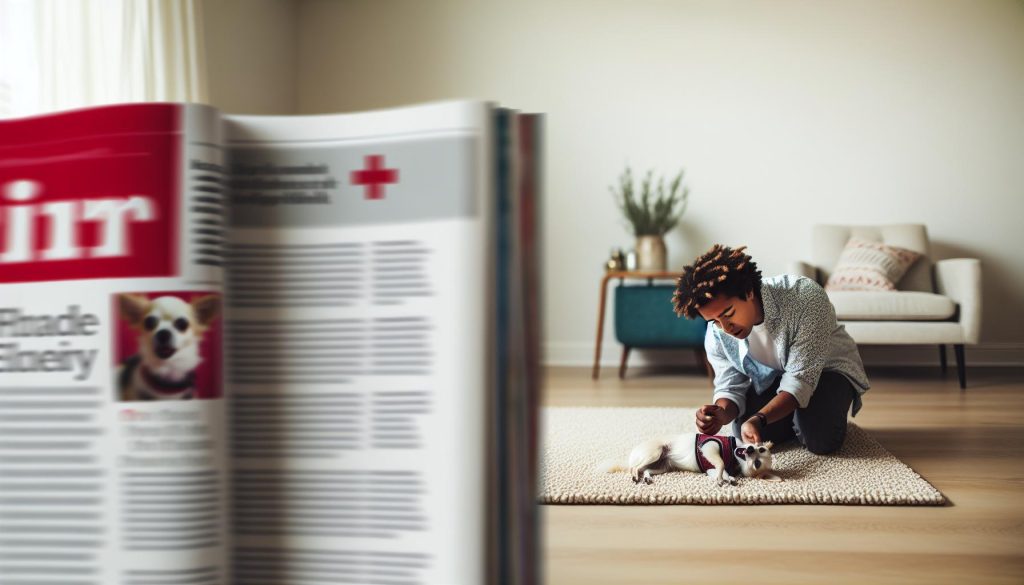
Chihuahuas are known for their bold personalities and vocal charm, but these tiny dogs can also face big dangers, such as choking. Did you know that due to their small size, Chihuahuas are particularly prone to respiratory issues and choking hazards from toys or food? As a loving owner, it’s crucial to be prepared for emergencies like this. Understanding the right steps to take when your precious companion is in distress can make all the difference. This guide will walk you through essential emergency protocols to ensure your Chihuahua receives the help he needs swiftly and effectively. Your quick actions can save him from serious harm, and being informed empowers you as a pet parent. Let’s dive into the necessary steps to keep your furry friend safe and sound!
Understanding Choking: Why Chihuahuas Are at Risk
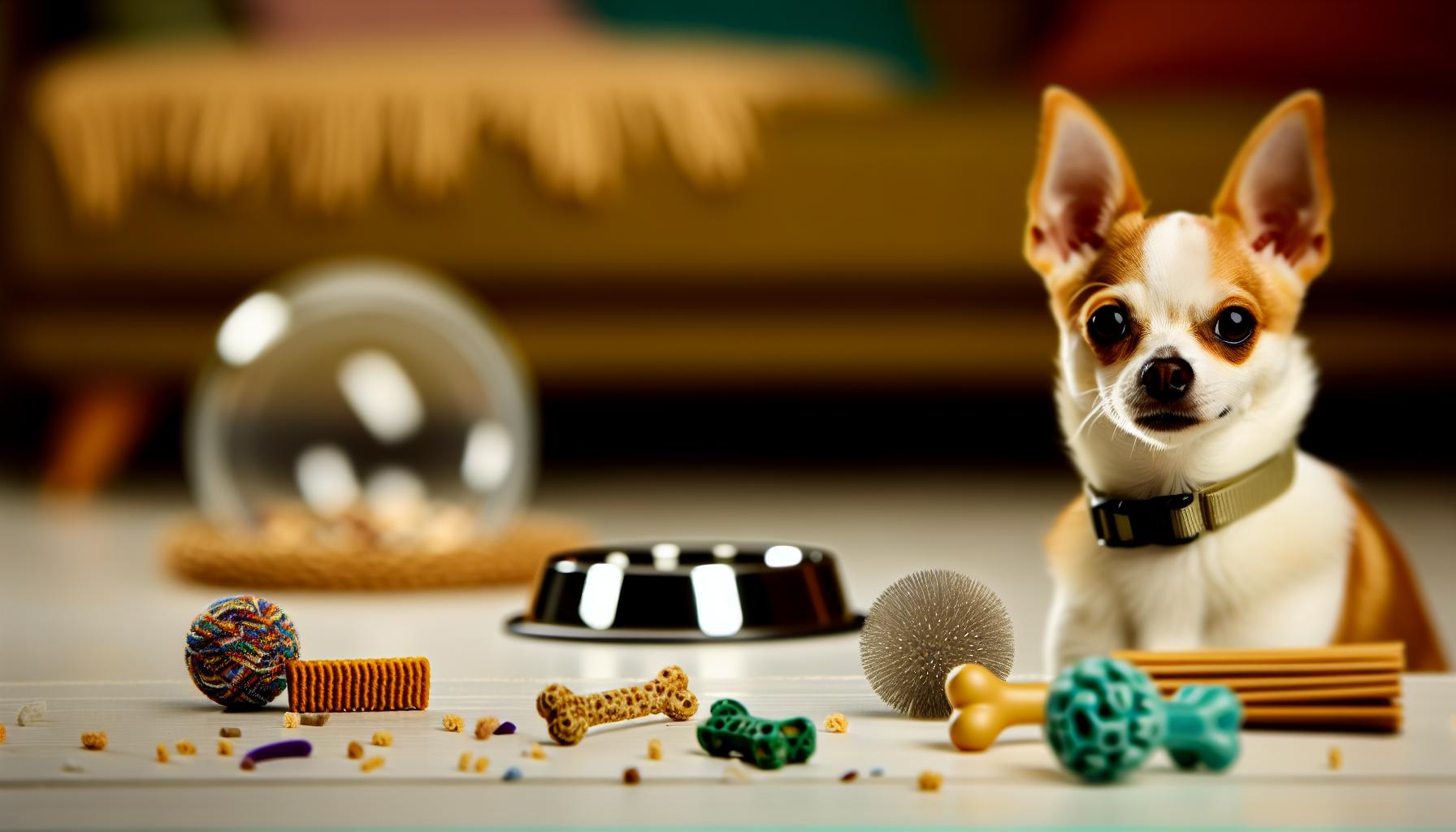
Chihuahuas, with their tiny frames and big personalities, often find themselves at risk for choking. Their enthusiastic nature can sometimes lead them to gulp down food or toys without adequate chewing. This behavior is particularly common among the more excitable Chihuahuas, who may not take their time when devouring treats or engaging with their favorite toys. Due to their relatively small windpipes, even minor obstructions can cause significant breathing difficulties, making it crucial for owners to understand the underlying reasons for choking and what they can do to mitigate the risks.
One primary factor contributing to choking in Chihuahuas is their anatomy. These little dogs have delicate throats and a narrow trachea, making them more susceptible to blockages from large food pieces or foreign objects. Additionally, the shape of their snouts can sometimes lead to faster ingestion rates, whether during mealtime or while playing. Owners should be vigilant about the size and type of food they provide, opting for smaller, easily digestible pieces to help reduce choking hazards.
Another important aspect is the emotional state of your furry friend. Highly excited situations, such as during playtime or around strangers, can lead to frantic eating or play, increasing the risk of choking. It’s essential to create a calm environment for meals and provide only safe, appropriate toys that are less likely to splinter or break apart. By being proactive and attentive, you can help ensure that your Chihuahua remains the healthy, energetic companion you love.
Remember, understanding your Chihuahua’s behavior and anatomy is vital for their safety, and as a devoted owner, your awareness can make all the difference in preventing choking incidents.
Signs Your Chihuahua Is Choking: What to Look For

It’s heart-wrenching to witness your beloved Chihuahua struggle, especially when their big personality meets a small throat that’s at risk for choking. Chihuahuas, with their compact size and tendency to gulp food or toys, can face this serious issue more often than larger breeds. Recognizing the signs of choking promptly can make all the difference in ensuring your furry friend stays safe and well.
Watch for these telltale indicators:
- Gagging or Coughing: If your Chihuahua is making gagging sounds or trying to cough something up, it could be a sign that something is lodged in their throat.
- Excessive Salivation: A sudden increase in drooling is often a red flag. This might happen as your Chihuahua’s body tries to clear the obstruction.
- Distressed Behavior: If your typically lively pup seems agitated, restless, or unusually quiet, it’s essential to take notice. Watch for pacing or seeking your attention more than usual.
- Blue-tinged Gums or Tongue: This is a severe symptom indicating that your dog is not getting enough oxygen. If you notice a bluish tint, immediate action is critical.
- Pawing at Their Mouth: Your Chihuahua may try to use their paws to dislodge the obstruction. This behavior is often instinctual and should not be ignored.
By being vigilant and attuned to your Chihuahua’s behaviors, you can more easily spot the early signs of choking. Keeping an eye on their playtime activities and mealtime habits can help mitigate risks. If your pup does show any of these signs, remember that swift action is crucial. Your calm reaction could save her life. Acting quickly while staying calm can not only assist your Chihuahua but also help you maintain your composure in a stressful situation. Always keep your vet’s contact details handy so you can reach out for immediate help if necessary.
Immediate Actions to Take When Your Chihuahua Chokes
It’s an alarming experience when your spirited Chihuahua starts to choke, and your heart races as you realize that quick action is essential. In such critical moments, staying calm is your best ally. Observe your pup’s distress signals-whether they’re gagging, pawing at their mouth, or showing signs of distress. Recognizing these signs early on allows you to initiate swift and effective responses that could save their life.
First, immediately assess the situation. If your Chihuahua can still breathe, whimper, or cough, encourage them to cough forcefully, as this may dislodge the obstruction. Clap or gently pat your Chihuahua’s back but remain supportive; it’s crucial to avoid creating additional panic.
If your furry friend seems unable to breathe and shows signs of more severe distress-like blue-tinged gums or loss of consciousness-it’s time to escalate your actions. For small breeds like Chihuahuas, performing the Heimlich maneuver is an effective technique. You can achieve this by holding your Chihuahua on their back and applying pressure just below the rib cage to create a quick thrust inwards and upwards. Always ensure that you’re gentle enough not to cause injury but firm enough to create the necessary force to expel the obstruction.
If the Heimlich maneuver doesn’t work or if your Chihuahua remains unresponsive, seek veterinary help immediately. Your vet can provide life-saving assistance and further care. Remember to keep emergency contact numbers readily available to minimize delays during these anxious times.
Caring for a Chihuahua comes with the responsibility of ensuring their safety, especially given their propensity for choking. Practicing quick response strategies not only equips you for emergencies but reinforces your role as a loving guardian in your Chihuahua’s life.
How to Perform the Heimlich Maneuver on a Chihuahua
When a cherished Chihuahua starts to choke, it can be a heart-stopping moment for any owner. These little warriors are known for their bold personalities but their small size also makes them particularly vulnerable to choking hazards. Knowing how to perform the Heimlich maneuver on your Chihuahua can make all the difference in a critical situation.
First, it’s important to remember that Chihuahuas, often weighing just a few pounds, require a delicate touch. Begin by positioning your dog on a flat surface or holding them in your lap if you are in a pinch. Here’s how you can conduct the Heimlich maneuver effectively:
Steps to Perform the Heimlich Maneuver
- Keep Calm: Your Chihuahua can sense your stress. Take a deep breath to stay composed.
- Assess the Situation: If your dog is still able to make sounds or breathes, encourage energetic coughing; this may help dislodge the object on its own.
- Position Your Dog: If your Chihuahua is unable to breathe, lay him on his side or back on a flat surface. You want to ensure they are secure and comfortable while you help.
- Apply Pressure: Place your hand just below their ribcage. Using a quick, firm thrust inward and upward with your hand, like you’re trying to push a soda can off a tabletop, aims to expel the obstruction. You might need to repeat this technique a few times if the object isn’t dislodged immediately.
Always be cautious with your force. Chihuahuas can be fragile, and excessive pressure might cause injury. If the Heimlich maneuver does not succeed after a couple of attempts or if you find your little one still unresponsive, seek veterinary help immediately.
After The Maneuver
Once you’ve successfully dislodged the object, keep a close eye on your Chihuahua for any signs of distress or unusual behavior. Even if they appear fine, a visit to the vet for a post-event check-up is wise. Their tiny bodies might still be recovering from the ordeal, and a vet can ensure they haven’t sustained any hidden injuries.
By being prepared and knowing how to respond quickly, you can provide the best care for your Chihuahua in a potentially life-threatening situation.
Alternatives to the Heimlich: Safe Techniques for Smaller Dogs
In the delicate world of our beloved Chihuahuas, a choking incident can send any owner into a wave of panic. While knowing how to perform the Heimlich maneuver is essential, it’s crucial to have safe alternatives tailored for smaller dogs like Chihuahuas, who require gentle handling due to their fragile build. By employing these techniques, you can help ensure that your tiny companion stays safe during such an alarming event.
One effective alternative involves encouraging your Chihuahua to cough. When a Chihuahua is choking but still able to breathe and make sound, it often means they can help dislodge the object themselves. You can gently encourage your pup to cough by reassuring them with your voice and encouraging some gentle throat-clearing sounds. Sometimes, the best approach is not to intervene directly but to create a calm environment where she feels safe to shake off the obstruction on her own.
If your fur baby is unable to shift the blockage through coughing, another technique you might try is the “back pats.” Position your Chihuahua gently on your lap, making sure she’s secure. With your hand, deliver a series of firm, controlled pats between her shoulder blades. This motion can help to loosen the object. Remember, your movements should be quick yet gentle-after all, you’re dealing with a precious little soul who may weigh no more than a couple of pounds!
For situations where your Chihuahua is more comfortable standing, you can carefully grip her around the waist and lean her slightly forward while delivering pats on her back. This position can help utilize gravity alongside your gentle encouragement, giving her the best chance to expel any obstruction safely.
In all these approaches, your calm demeanor will help reassure your Chihuahua, who may already be frightened by the incident. Always stay alert for any sudden changes in her condition and be prepared to seek veterinary assistance if none of these methods work. Remember, your first priority is your Chihuahua’s safety, and having a calm and controlled mindset is your best ally in these situations.
When to Seek Emergency Veterinary Care for Your Chihuahua
In the heart-stopping moment when your beloved Chihuahua starts to choke, knowing when to seek emergency veterinary care can mean the difference between life and death. Chihuahuas, due to their tiny size and unique physiology, can quickly go from manageable distress to a dire situation. If you’ve attempted to dislodge the object using safe techniques and the situation isn’t improving, it’s vital to act swiftly.
Start by staying attuned to your Chihuahua’s condition. If he’s showing any signs of distress, such as persistent coughing, gagging, or difficulty breathing, make the call to your veterinarian immediately. Additionally, watch for symptoms like a blue-tinged tongue or lips, which indicate adequacy of oxygen is compromised. If your Chihuahua is unable to bark or make noise, or if he collapses, don’t hesitate. This is an emergency, and every second counts.
When you reach the clinic, be prepared to explain the situation. Detail what you observed, any attempts you made to assist him, and if possible, what he may have choked on. This information can help the veterinary team act swiftly. Keep in mind that even if he seems to recover, it’s wise to have him checked out, as internal injuries aren’t always immediately visible.
Lastly, always have emergency numbers handy, including a 24-hour vet clinic and animal poison control. Being prepared can alleviate some of the panic when an emergency arises, allowing you to focus on your precious companion. Keeping your Chihuahua safe includes knowing when to act, and understanding that while anxiety is natural, informed actions are key to ensuring his well-being in distressing situations.
Preventing Choking: Tips for Keeping Your Chihuahua Safe
Chihuahuas are notoriously curious and bold, but their small size and delicate frame make them particularly vulnerable to choking. Despite their feisty spirit, these tiny companions can get into situations where they may ingest inappropriate items or food too quickly. To prevent such distressing moments, it’s crucial for every Chihuahua owner to implement safety measures to keep their furry friend secure.
One of the simplest yet most effective strategies for preventing choking is to monitor your Chihuahua during mealtime. Providing a calm and distraction-free environment can help him focus on eating at a slower pace. Consider using special slow feeder bowls or puzzle feeders, which encourage him to take his time while eating. Additionally, if your Chihuahua is particularly prone to gulping down food or treats, opting for smaller, softer pieces can reduce the risk of choking.
Another vital aspect of preventive care is to ensure that choking hazards are removed from your home. Common culprits include small toys, parts of chew items that can break off, and any household items that are small enough for your Chihuahua to swallow. Regularly check his play area and swiftly remove any objects that could pose a risk. Remember to choose toys that are appropriate for his size. For example, larger toys designed for bigger breeds can break down and create a choking hazard for your tiny companion. Look for toys labeled as suitable for small dogs and always supervise playtime.
Training your Chihuahua to have safe eating habits is equally important. Teaching him commands such as “leave it” or “drop it” can provide an extra layer of safety. Rewarding him when he follows these commands will reinforce that he should not try to consume anything that isn’t meant for him. You can also create a designated area for eating and limit snacks to times when you are present to supervise.
Lastly, regular veterinary check-ups can help you identify any potential health issues that might affect your Chihuahua’s eating habits or swallowing ability. If you notice any changes in his behavior during meals, such as an unusual desire to eat fast or a reluctance to chew, consult your veterinarian. Ensuring your tiny friend is healthy is key to preventing choking incidents.
By staying proactive and informed, you can help your Chihuahua enjoy his meals without the looming worry of choking. Emphasizing preventive measures not only ensures his safety but also allows you to cherish all those little quirks that make him uniquely him.
Common Choking Hazards: What to Avoid in Your Home
Keeping your Chihuahua safe from choking hazards can feel like a daunting task, especially given their inquisitive nature and small size. These tiny dynamos often don’t know their limits, which can lead to dangerous situations. It’s essential to arm yourself with knowledge about common choking hazards lurking in your home.
One of the primary offenders is small objects that are easy for your Chihuahua to swallow. This includes household items like coins, buttons, and beads. Even something as innocent as a ballpoint pen cap can pose a serious risk. To minimize potential choking hazards, regularly scan areas where your Chihuahua explores, including under furniture and around play areas, ensuring that no small items are within reach.
Another significant risk comes from toys. While your Chihuahua needs toys for play and mental stimulation, not all toys are created equal. Look for toys specifically designed for small breeds, as larger toys can break down into smaller, swallowable pieces. Soft rubber toys are often a safer option, as they are less likely to splinter compared to hard plastic ones. Remember to routinely inspect toys for signs of wear and discard any that are damaged.
In the kitchen, be aware of food-related hazards. Keep chewable items such as bones, pits, and cores from fruits (like peaches and avocados) out of reach, as these can easily become choking threats. Also, watch out for packaging materials-like plastic wrap or foil-left unattended, which can pose choking risks if ingested. Always store your Chihuahua’s food and treats in secure containers, and be mindful of leaving food unattended during meal prep.
Additionally, be attentive to other pets in the household. If you have larger dogs or even cats, their toys or food may become a temptation for your Chihuahua, leading to unsafe situations. Supervise interactions and ensure that toy-time and feeding areas are clearly defined.
By being vigilant and proactive in your home, you can create a safer environment for your feisty friend to thrive in. Chihuahuas bring so much joy with their playful antics and unyielding loyalty; keeping them safe from choking hazards allows you to fully enjoy their spirited company for years to come.
Post-Choking Care: Monitoring Your Chihuahua’s Health
After your Chihuahua has experienced a choking incident, it’s crucial to keep a close watch on her health. Small dogs like Chihuahuas can be particularly vulnerable, not just from the potential choking incident itself but also from any injury or stress that may have occurred. Monitoring her closely in the aftermath can help ensure she remains safe and healthy.
First, observe your Chihuahua for any signs of distress or difficulty breathing. If she seems unusually lethargic, refuses food, or continues to cough or gag, these could be indications of lingering issues. Chihuahuas often have a bold and sassy demeanor, so a sudden change in behavior, such as reluctance to play or engage, warrants immediate attention. It’s essential to note any potential behavioral changes, as these can signal discomfort or pain.
In addition to watching for physical signs, it might be helpful to keep a journal of your Chihuahua’s behavior and health over the next few days. Documenting any changes, such as her eating habits, energy levels, and interactions, can provide valuable information to share with your veterinarian. If you notice any unusual patterns or ongoing health concerns, don’t hesitate to reach out to your vet for professional guidance.
Monitoring Recovery
Pay special attention to how your Chihuahua’s throat and throat function after an incident. Choking can sometimes cause inflammation or irritation, leading to temporary issues like coughing or gagging. Keeping her calm and discouraging rough play during this recovery period can help prevent further strain. Consider providing a comfortable space for her to rest, away from loud noises and activities that might stress her out.
It can also be beneficial to adjust your approach to her food for a while. Consider transitioning to softer, smaller pieces of food that are less likely to pose a threat if she were to accidentally choke again. Many owners find that feeding her smaller meals more frequently can help prevent gulping and reduce the risk of future incidents.
Above all, don’t hesitate to consult with your veterinarian if you have any concerns or if your Chihuahua shows any signs of distress. Ensuring she feels safe and protected is vital for her recovery and emotional well-being. Remember, she relies on you not just as a caretaker, but as her advocate.
Training Your Chihuahua for Safe Eating Habits
Establishing safe eating habits for your Chihuahua is essential not just for their immediate comfort, but also for their long-term health. Did you know that Chihuahuas are particularly prone to choking due to their small size and often bold personalities? By creating a mindful feeding routine, you can minimize risks and ensure your furry companion enjoys mealtime safely.
One effective strategy is to feed your Chihuahua small portions more frequently throughout the day rather than one or two larger meals. This practice not only helps prevent them from gulping down their food too quickly but also aligns with their natural grazing tendencies. Consider using a shallow bowl to prevent them from burying their noses too deep, which encourages slower eating. Additionally, you might try placing a few larger (but safe) pebbles in their bowl. This technique forces your Chihuahua to nibble around the obstacles, slowing down their eating rate significantly.
It’s also important to choose the right food. Opt for high-quality, small-bite kibble specifically designed for small breeds. These kibbles are formulated with smaller pieces that are easier for your Chihuahua to chew and digest. If you’re considering a transition to a softer diet, be sure to check with your vet to ensure that the new food meets all their nutritional needs. Owners often find that wet food or soft-mash options can promote slower eating while providing hydration as well.
Lastly, us Chihuahua owners often know that these little dogs have personalities as vibrant as their looks. Incorporating training games during mealtime not only engages their minds but also makes eating a more enjoyable experience. For example, you can scatter their kibble in their play area, turning mealtime into a scavenger hunt. This not only keeps them entertained but also encourages them to take smaller bites as they search for their food, ultimately helping to prevent choking incidents. Remember, as with all training, patience and consistency are key.
By fostering these safe eating habits, you can enjoy peace of mind knowing you’re helping your Chihuahua stay healthy while indulging in her spirited nature. Always keep an eye on them during meals and adjust based on their individual behavior and preferences. After all, your bold little companion deserves the best!
Breeds Similar to Chihuahuas: Choking Risks and Actions
Chihuahuas may be petite in size, but their bold personalities make them larger than life. Just like Chihuahuas, several other small breeds share similar risks when it comes to choking, making understanding their unique needs essential for any dog owner. Breeds such as Pomeranians, Yorkies, and Toy Poodles are also prone to choking due to their diminutive stature and tendency to inhale food or treats quickly. Their small tracheas and adventurous spirits can lead them to snatch up objects that are unsafe to swallow, highlighting the need for vigilance during meal and playtimes.
For owners of these tiny companions, awareness of potential choking hazards is key. Here are some common risks to mitigate:
- Food Choices: Just like with Chihuahuas, it’s vital to select kibble that is proportionately sized for smaller breeds. Look for foods specifically designed to prevent gulping.
- Toys and Chews: Ensure any toys or chews are the right size, without small pieces that can be ingested or that may fit entirely in their mouths.
- Caring Environment: Keep small items and non-food objects out of reach. This includes coins, rubber bands, and even small shoes, which could pose choking risks.
If you ever find yourself in the unfortunate situation where your Chihuahua or a similar breed is choking, quick action can make all the difference. First, assess the situation calmly-check if they can still breathe or cough. If not, you may need to perform the Heimlich maneuver or another safe alternative. Remember, the steps can vary slightly between breeds due to their smaller size. Practicing these techniques through training or with demonstrations can prepare you for emergencies.
Building safe eating habits also pays dividends in keeping these spirited furballs out of harm’s way. For example, introducing slow-feed bowls or feeding smaller amounts more regularly can help mitigate rapid eating and reduce the risk of choking. Engaging in fun, interactive feeding games, such as hiding their food around the house or using puzzle feeders, can also promote slower eating habits while entertaining your loyal companion.
Arming yourself with knowledge and preventive measures will ensure that your experiences with your Chihuahua or any similar breed remain joyous and safe, letting their vibrant personalities shine without the worry of choking hazards.
Resources for Pet Owners: Emergency Contacts and First Aid Kits
In an emergency, having the right resources can mean the difference between panic and effective action, especially when your beloved Chihuahua is choking. Creating a plan that includes emergency contacts and a well-stocked first aid kit is not just a smart precaution; it’s an essential part of responsible pet ownership that helps ensure your tiny but fiery companion stays safe and healthy.
Start by listing emergency contacts prominently in your home. This includes your veterinarian’s phone number, a nearby emergency animal clinic, and even pet poison control hotlines. You can keep this list on your fridge or in your wallet for quick access during high-stress situations. For instance, having the direct line to a 24-hour emergency vet in your area can save precious time when every second counts. Some popular resources include the ASPCA Poison Control at (888) 426-4435 or the Pet Poison Helpline at (855) 764-7661, which are invaluable if your Chihuahua has ingested something harmful.
First Aid Kit Essentials
Compiling a first aid kit specifically for Chihuahuas can be a lifesaver in emergencies. Here are essential items to include:
- Emergency Blanket: Useful for warmth, especially if your Chihuahua is in shock.
- Gauze and Bandages: For wounds or cuts that may need to be wrapped up.
- Scissors: To cut gauze or clothing if necessary.
- Tweezers: For removing splinters or ticks.
- Pet-safe Antiseptic: Keeps wounds clean and reduces the risk of infection.
- CPR Instructions: Specific to small dogs, ensure you have a printed guide available.
- Hydrogen Peroxide: For disinfecting wounds (consult your vet for appropriate use).
It’s also wise to include a bottle of your pet’s regular medications, if applicable. Keeping this kit in a designated spot that all family members know about ensures that anyone can grab it and help quickly.
Remember, while discussing what to do in emergencies is crucial, practice makes perfect. Consider attending pet first aid classes in your area to become familiar with techniques specific to small breeds like Chihuahuas. Engaging in this knowledge not only empowers you but also builds confidence in handling potential choking incidents or other emergencies.
Ultimately, preparedness is about providing peace of mind. Your playful, affectionate Chihuahua deserves to have an owner who is equipped and ready to act when it counts the most. With a solid plan and quick access to resources, you can protect their vibrant spirit and enjoy the countless joyful moments they bring into your life.
FAQ
Q: What should I do first if my Chihuahua is choking?
A: If your Chihuahua is choking, stay calm and assess the situation. Check if they can cough, breathe, or bark. If they can’t, you’ll need to act quickly. Refer to the “Immediate Actions to Take When Your Chihuahua Chokes” section for detailed procedures on how to assist them effectively.
Q: How can I tell if my Chihuahua is choking or just coughing?
A: Choking signs include vigorous pawing at the mouth, restlessness, and labored breathing. If your Chihuahua can still make sounds, they might be coughing rather than choking. Monitor closely and, if needed, act according to the choking protocol.
Q: Are there specific foods that are riskier for Chihuahuas regarding choking?
A: Yes, certain foods pose higher choking risks for Chihuahuas, such as large pieces of meat, bones, and hard treats. Always cut food into small pieces and supervise their eating. For more insights, check the “Common Choking Hazards: What to Avoid in Your Home” section.
Q: What emergency tools should I have on hand for my Chihuahua?
A: It’s wise to keep a pet first aid kit that includes items like gauze, a muzzle to prevent biting during distress, and a flashlight. This ensures you’re prepared to act quickly. Additionally, familiarize yourself with the resources listed in “Emergency Contacts and First Aid Kits.”
Q: How can I teach my Chihuahua to eat safely?
A: To train your Chihuahua for safe eating, always encourage slow eating habits. Use puzzle feeders or slow-feed bowls. Incorporate training techniques to reward calm behavior during mealtime. For more strategies, refer to “Training Your Chihuahua for Safe Eating Habits.”
Q: What signs should prompt an immediate visit to the vet after a choking incident?
A: If your Chihuahua shows signs of difficulty breathing, excessive drooling, or persistent coughing after a choking episode, it’s essential to seek emergency veterinary care immediately. For more details, see the “When to Seek Emergency Veterinary Care for Your Chihuahua” section.
Q: Can regular exercise reduce choking hazards for Chihuahuas?
A: Regular exercise helps maintain a healthy weight and strengthens your Chihuahua’s overall health, which can reduce the likelihood of choking incidents related to obesity or inactivity. Engaging in daily activities can make eating more controlled and safer.
Q: What are the best ways to prevent my Chihuahua from choking?
A: Prevent choking by supervising meals and avoiding high-risk items in your home. Ensure toys are the appropriate size and material. See the “Preventing Choking: Tips for Keeping Your Chihuahua Safe” section for a comprehensive prevention guide.
Concluding Remarks
If your Chihuahua ever finds himself choking, remember that acting quickly can save his life. We’ve covered the essential steps you need to take to help him breathe easily again. Don’t wait until a crisis arises-now is the perfect time to familiarize yourself with these emergency protocols. Explore our guides on “Chihuahua Health Essentials” and “First Aid for Your Pet” to be even more prepared for any situation.
We know your Chihuahua is more than just a pet; he’s a cherished member of your family. Share your experiences or questions in the comments below. Your insights could help other owners facing similar challenges, and don’t forget to subscribe for more essential tips on caring for your vibrant little companion. Together, we can ensure every bark and wag is filled with joy!
Get our latest guides, news, and insights highlighted in your Google Search & AI Overviews.