
Did you know that Chihuahuas come in various sizes, each showcasing their unique traits? Understanding the size variety within this beloved breed is crucial for potential owners and enthusiasts alike. While you may think all Chihuahuas are tiny, the truth is that there are significant differences, especially when it comes to the biggest Chihuahua breeds. Whether you’re considering adding a lively little companion to your family or simply want to learn more about these bold, vocal friends, knowing what size is right for you is essential.
In this guide, we’ll explore the fascinating world of Chihuahuas, examining their sizes, characteristics, and what to expect when welcoming one into your life. From the apple-heads to the different coat types, we’ve got valuable insights to help you navigate the joys and challenges of Chihuahua ownership. Join us as we celebrate these spirited little dogs and uncover the details that make them truly special!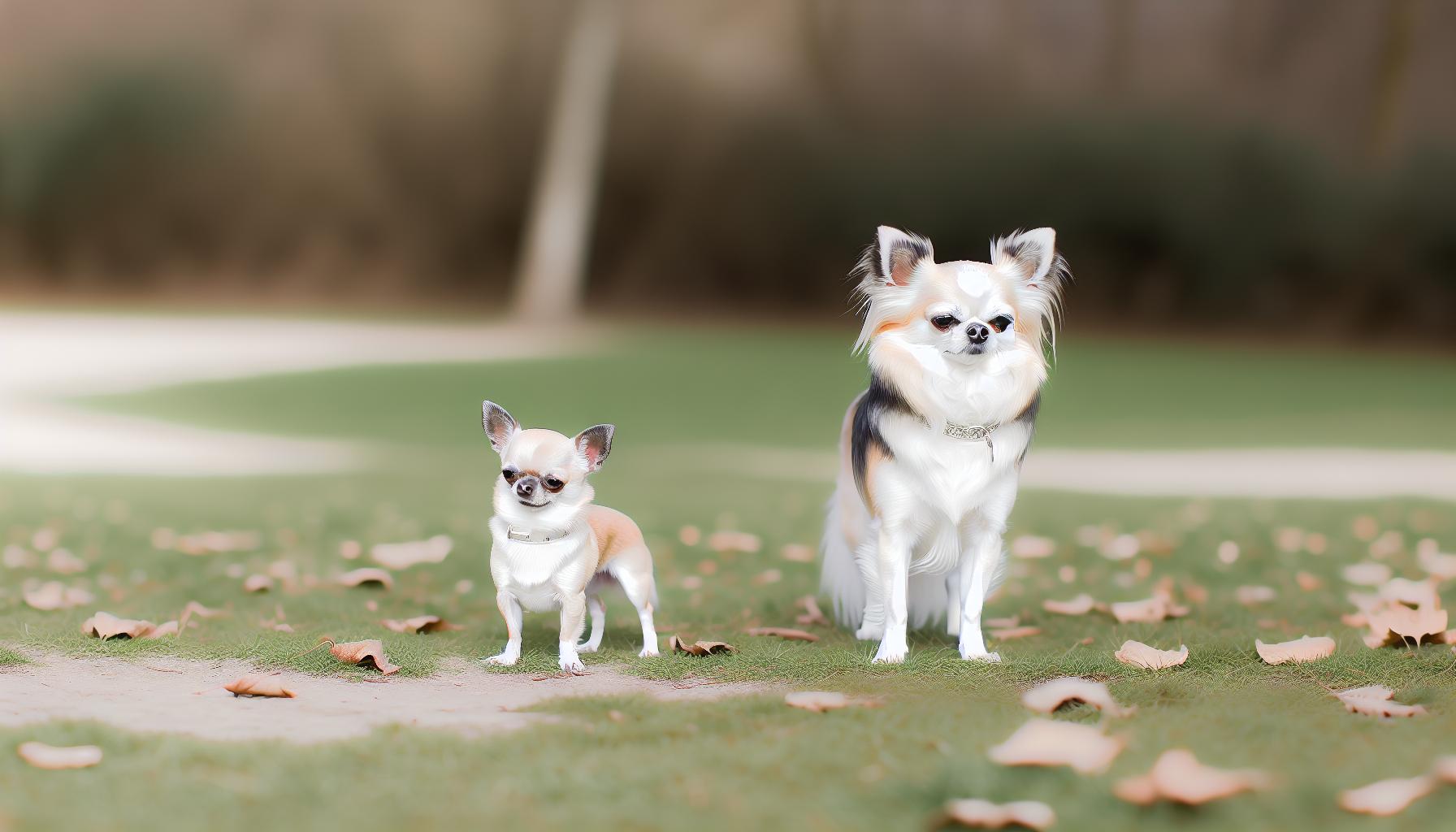
What Defines the Biggest Chihuahua Breed?
The biggest Chihuahua breeds tend to stand out not just because of their size, but also for their unique personality traits and characteristics. While the American Kennel Club (AKC) recognizes Chihuahuas as a breed that ranges in weight from about 2 to 6 pounds, some individuals can exceed this range, becoming what is often referred to as “larger Chihuahuas.” Interestingly, these dogs might not just be heavier; they can also showcase broader bodies and sturdier builds compared to their smaller counterparts.
When considering size, it’s crucial to understand the difference between standard and miniature Chihuahuas. The standards generally fall within the typical breed weight, while the larger Chihuahuas may tip the scales closer to 7 or even 10 pounds. Just like humans, each Chihuahua has its own growth pattern and can vary widely in appearance, personality, and energy levels. Some owners of bigger Chihuahuas have noted that despite the extra weight, these dogs often maintain the feisty attitudes and bold personalities that define the breed.
One common misconception is that larger Chihuahuas are less prone to health issues. In reality, size does not automatically translate to robustness. Larger chihuahuas can face specific health concerns, particularly joint problems or cardiovascular issues. Therefore, when celebrating the bolder, more substantial Chihuahuas, it’s essential to prioritize their health and well-being by ensuring they receive regular check-ups and a balanced diet tailored to their size.
In summary, if you’re eyeing a larger Chihuahua, keep in mind the blend of characteristics-size, health, and personality. They might be a bit more substantial, but they still embody the same affectionate and spirited traits that make Chihuahuas beloved pets. Adopting with love, providing proper care, and understanding their unique quirks, whether you’re a first-time owner or a seasoned enthusiast, ensures a fulfilling partnership with your furry companion.
Size Variations Among Chihuahuas
Among the various charms of Chihuahuas is their fascinating range of sizes. While most people recognize the breed as small companions, these tiny dogs can actually vary significantly in size, leading to an array of shapes, temperaments, and care needs. The most notable distinctions occur between what many would label ‘standard’ Chihuahuas and their larger counterparts, often affectionately referenced as ‘big Chihuahuas.’ Understanding these variations not only helps prospective owners choose the right companion but also opens up a world of appreciation for the breed’s diversity.
Chihuahuas generally fit within the weight category defined by the American Kennel Club (AKC), which specifies that most should weigh between 2 to 6 pounds. However, as many owners will attest, there are exceptions. Some Chihuahuas can exceed this range, often reaching 7 to 10 pounds or more. These larger dogs may possess broader builds and a stockier appearance, but don’t let their heft fool you; they often maintain the classic Chihuahua spirit-vocal, loyal, and exuberant. Owners frequently note that despite the varied sizes, the breed’s signature feistiness and affection remain constant throughout, making each dog unique.
When considering adding a bigger Chihuahua to your family, it’s essential to consider how their size might impact their everyday life. Larger Chihuahuas may require adjustments in training techniques, exercise routines, and even feeding plans. For instance, owners of larger Chihuahuas often find themselves needing to encourage gentler play with smaller pets or children, as their heftier bodies can unintentionally cause scrapes or bumps. Additionally, larger sizes can sometimes lead to increased health considerations, like joint care and appropriate weight management, emphasizing the importance of regular veterinary check-ups.
In embracing the beauty of size variations, prospective Chihuahua owners should also remember the importance of individual personality traits. Each dog’s character-whether big or small-shines through regardless of stature, which makes each interaction with them special. Real-world experiences shared by fellow Chihuahua enthusiasts often highlight these personal quirks, adding to the rich tapestry of what it means to share your life with a bigger Chihuahua.
Understanding the Apple-Head and Deer-Head Features
The distinct shapes and characteristics of Chihuahuas, particularly the apple-head and deer-head varieties, contribute significantly to their charm and appeal. The apple-head Chihuahua is easily recognized by its rounded skull, short muzzle, and large, expressive eyes that often give her a sweet, alert demeanor. This specific head shape resembles an apple, which is how she gets her name. Many owners adore her delicate features and often comment on how her face seems to reflect her personality-bold, vibrant, and full of life.
In contrast, the deer-head Chihuahua showcases a more elongated skull and a longer nose, akin to that of a deer. This head type typically has larger ears and a longer neck, lending her a more elegant appearance. Owners who prefer the deer-head variety often find her demeanor slightly different, as she tends to be a bit more laid-back compared to her apple-head counterpart. However, both varieties share a common trait: they are fiercely loyal companions that burst with energy and affection.
When considering size variations, it’s essential to note that both apple-head and deer-head Chihuahuas exist within a range of sizes. While most Chihuahuas fit within the AKC’s weight guidelines of 2 to 6 pounds, these head types can affect overall proportions and body structure. For instance, an apple-head Chihuahua might have a more stocky build, whereas deer-head Chihuahuas can appear taller and slimmer. It’s vital for prospective owners to understand these differences, as they can influence not only appearance but also health considerations.
As you embark on the journey of choosing a Chihuahua, pay attention to how these head shapes resonate with your lifestyle. Depending on your activity level and environment, one type may better suit your needs. For instance, if you’re looking for a cuddle buddy who enjoys quiet nights in, the apple-head may be your best bet. However, if you prefer an adventurous companion who might enjoy outdoor exploration, the deer-head might be more aligned with your expectations. Each variety brings its unique quirks to the table, so understanding these features will enhance your overall experience as a Chihuahua owner.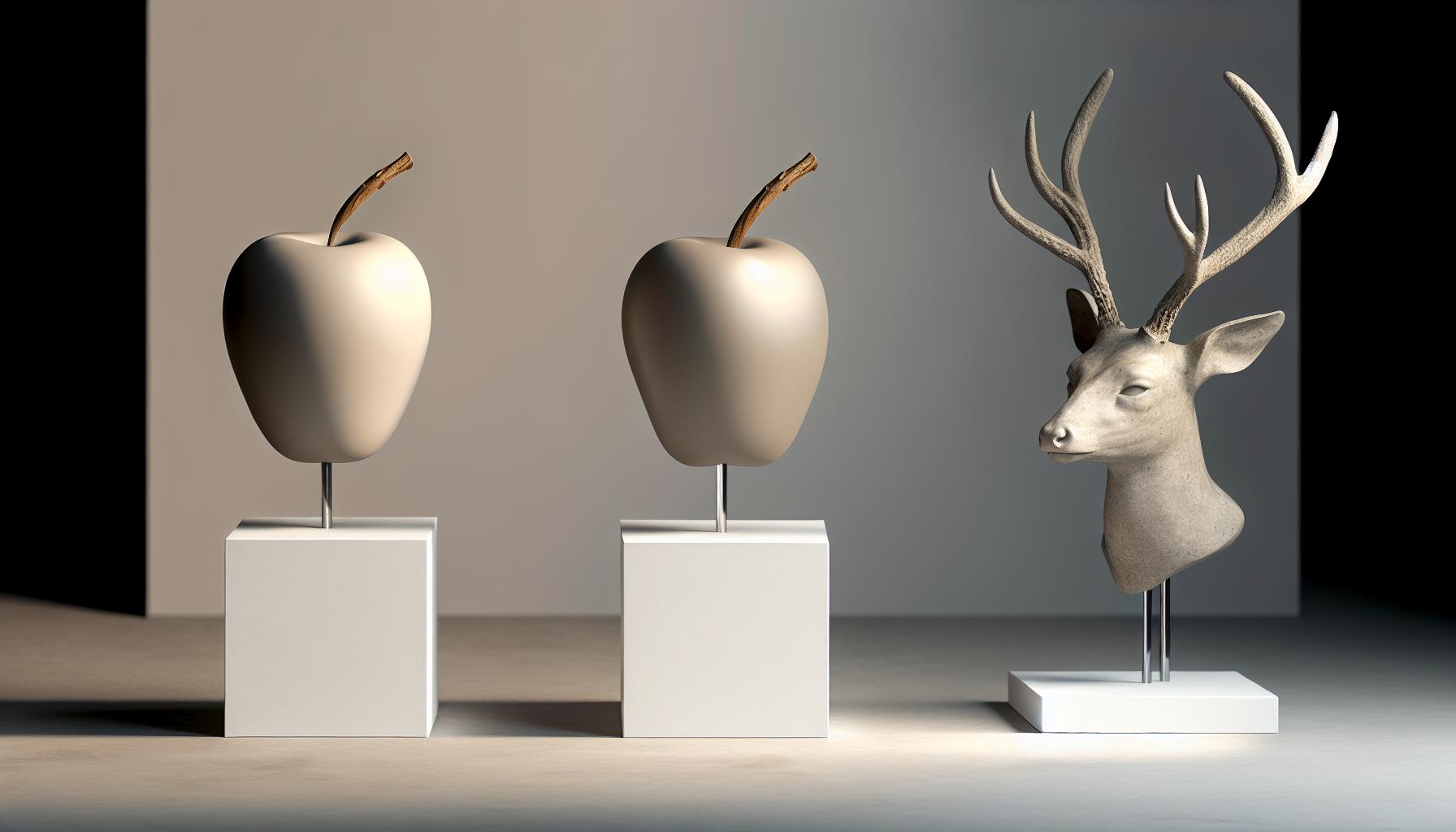
Comparing Standard and Miniature Chihuahuas
When it comes to Chihuahuas, one of the most common discussions among owners is the distinction between standard and miniature Chihuahuas. While both fall under the same breed, they can vary significantly in size, weight, and overall character, which ultimately affects your experience as an owner. Standard Chihuahuas usually weigh between 4 to 6 pounds and have a sturdy build. In contrast, miniature Chihuahuas typically weigh less than 4 pounds and, although they feature similar characteristics, they tend to have a more delicate appearance. This size difference can influence not just your picking preference but also your grooming needs, physical care, and even your day-to-day interactions.
Having a standard Chihuahua might grant you some advantages in terms of robustness. These dogs are often more resilient, handling playtime and outdoor activities with greater ease. For instance, one owner noted that her standard Chihuahua was always up for an adventure at the dog park, showcasing a playful disposition that kept her engaged for hours. Miniature Chihuahuas, however, require a gentler approach. Their small size makes them more susceptible to injuries and they may get tired more quickly during playtime. An owner shared how her miniature Chihuahua prefers cozy evenings on the couch rather than the rough and tumble of outdoor activities, making her a perfect companion for a quiet lifestyle.
Regardless of size, understanding the distinct traits and requirements of both types is essential in preparing for your Chihuahua’s needs. For grooming, both standard and miniature varieties are relatively low-maintenance, with short-haired Chihuahuas requiring less brushing than their long-haired counterparts. However, the tiny frame of a miniature Chihuahua necessitates careful handling-excessive jumps or falls can lead to injuries. You’ll want to cultivate a safe environment for her to explore.
Ultimately, whether you choose a standard or miniature Chihuahua, it’s about aligning the dog’s personality and physical characteristics with your lifestyle. Both sizes offer precious companionship, filled with the charm, loyalty, and quirky behaviors unique to this beloved breed. By prioritizing their well-being and ensuring that their size matches your living environment, you’ll create a fulfilling and joyful life together.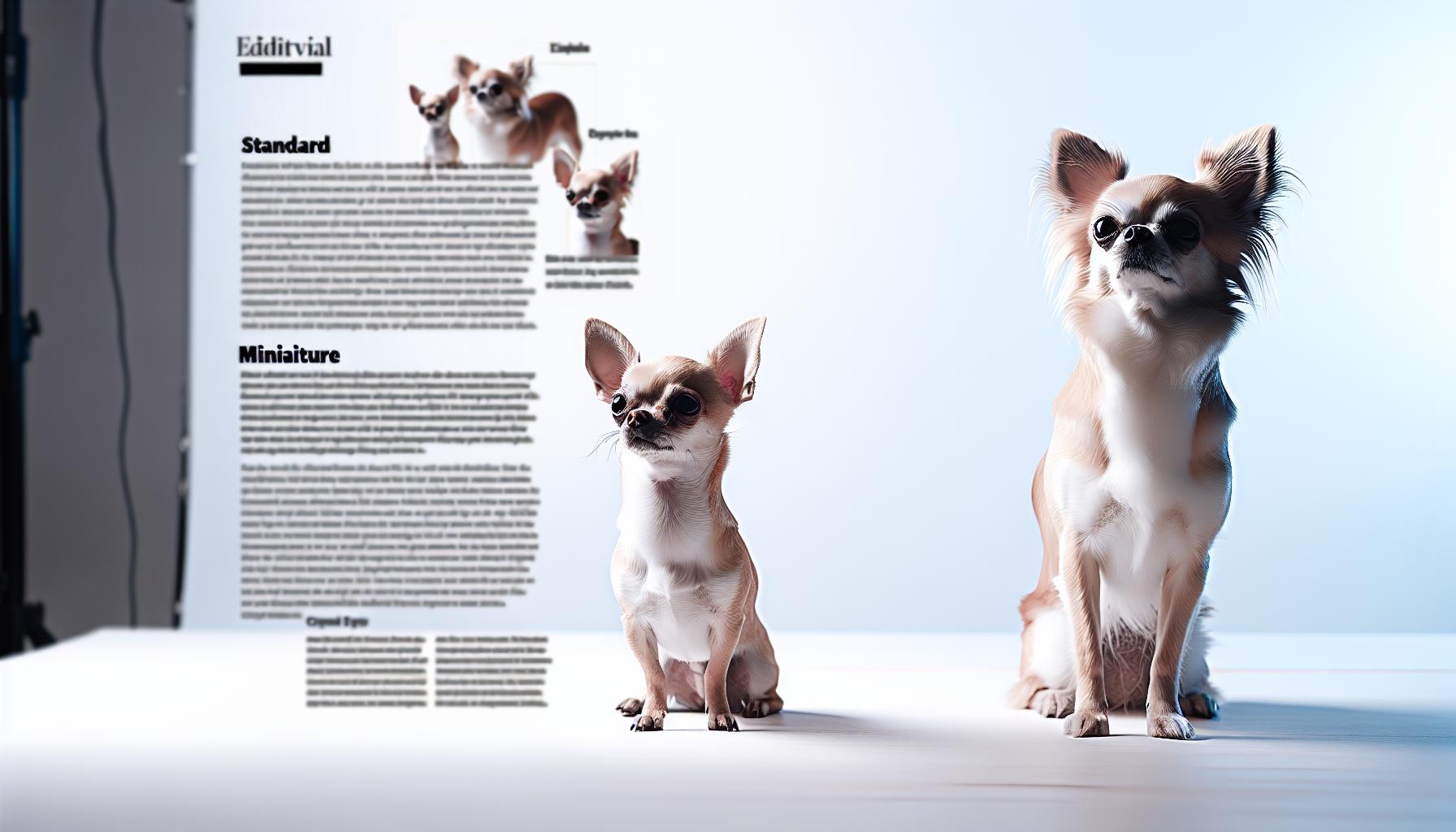
Debunking Myths About Chihuahua Sizes
Despite their tiny stature, Chihuahuas have a wealth of myths swirling around them, particularly regarding their sizes. One prevalent misconception is that all Chihuahuas are delicate and fragile; however, this isn’t entirely true. While miniature Chihuahuas, typically weighing under 4 pounds, may require a gentler approach, standard-sized Chihuahuas, which generally weigh between 4 to 6 pounds, are often much more robust. They enjoy vigorous play and outdoor activities, showing that strength can indeed come in small packages. A standard Chihuahua can accompany you on walks without being overly fragile, showcasing the varied capabilities within this beloved breed.
Another common myth is that the biggest Chihuahuas-usually the so-called “standard” size-are less valuable or desirable than their tiny counterparts. This notion overlooks their unique personalities and adaptability. Larger Chihuahuas can be equally as loving, playful, and intelligent. For instance, many owners find that their standard-sized Chihuahuas display a bolder demeanor, often taking on a protective role and forming deep bonds with their families. One owner recounted how her standard Chihuahua loved to bark at strangers, believing he was the guardian of the household, proving that size does not dictate bravery or loyalty.
Finally, it’s also worth addressing the belief that larger Chihuahuas face more health issues simply due to their size. While weight management and health monitoring are crucial for any size Chihuahua, larger dogs in the breed can enjoy a relatively healthy life, especially with proper care. Like any dog, a balanced diet and regular veterinary check-ups play key roles in their well-being. Real owner experiences highlight that, with the right precautions and lifestyles adapted to their needs, both standard and miniature Chihuahuas can thrive.
In conclusion, understanding these myths is crucial for prospective Chihuahua owners. Recognizing that size truly doesn’t define a dog’s heart, character, or health can help create a more informed and supportive environment for these charming companions. Whether you choose a petite friend or a slightly heftier one, the love and loyalty of a Chihuahua, regardless of size, will undoubtedly enrich your life.
Health Considerations for Larger Chihuahuas
Larger Chihuahuas, despite their petite appearance, require careful attention to their health. Many people assume that size dictates health risks, but with proper care, many larger Chihuahuas can lead happy, healthy lives. As a loving owner, it’s vital to understand how best to support their well-being, especially regarding diet, exercise, and regular veterinary check-ups.
A balanced diet is crucial for larger Chihuahuas. Since they tend to be more robust, they can have different nutritional needs compared to their smaller counterparts. Aim to provide high-quality, age-appropriate food that ensures they get enough protein and essential nutrients. This could mean incorporating a mix of dry kibble and wet food to keep hydration levels optimal and promote dental health. Be cautious of overfeeding, as weight management plays a significant role in preventing obesity-related health issues, which can be more pronounced in larger Chihuahuas.
Regular Vet Check-ups
Routine veterinary visits are essential. Large Chihuahuas may be prone to certain health conditions, including heart disease and joint issues. Regular check-ups allow for early detection and management of these conditions, keeping your furry friend in the best possible health. It’s helpful to establish a good relationship with your vet, who can provide tailored advice concerning your dog’s specific needs based on their size and lifestyle.
Exercise Needs
Don’t underestimate the exercise needs of larger Chihuahuas. While they aren’t as demanding as larger breeds, they still benefit greatly from daily playtime and walks. Activities like gentle fetch or agility training can be a fun way to keep them active and engaged without risking injury. Observing your dog’s energy levels and adjusting exercise to suit their preferences can foster a healthier lifestyle.
Remember, unique quirks define each Chihuahua. Larger ones often exhibit bold personalities and may be more adventurous, so maintaining a stimulating environment is beneficial. Many owners have found that their larger Chihuahuas enjoy interactive games that challenge both their minds and bodies. Engaging them in play not only helps with fitness but also strengthens your bond.
In summary, caring for a larger Chihuahua involves understanding their specific health needs, providing a balanced diet, ensuring regular veterinary visits, and encouraging physical activity tailored to their personality. These practices help cultivate a loyal and joyful companion, no matter the size.
Behavior Traits of Bigger Chihuahuas
Bigger Chihuahuas often surprise us with their larger-than-life personalities, defying expectations for such a small breed. One of the delightful quirks of these dogs is their remarkable vocalization. They tend to be quite chatty, making their presence known with barks that may sometimes sound like a throaty bark. Their bold nature can lead them to believe they’re the guardian of your home, ready to take on intruders far larger than themselves. Many owners report that their larger Chihuahuas are fearless and will stand their ground when necessary, showcasing their tenacity and protective instincts.
Socially, larger Chihuahuas can be a mixed bag. They often establish strong bonds with their families and can be exceptionally loyal. This connection may come with a dash of stubbornness, especially when they don’t feel like following commands or participating in training sessions. It’s crucial to balance this with positive reinforcement techniques. For instance, one owner shared that her larger Chihuahua, a spirited apple-head named Max, responds wonderfully to treats and praise, making training not just effective but enjoyable. Providing consistent structure helps them feel secure while also nurturing their inherent confidence.
Another aspect of their behavior is their playful energy. Though they may have a larger physical presence, don’t equate that with needing less playtime. Bigger Chihuahuas love to engage in activities that stimulate their minds and bodies. Interactive games such as tug-of-war or gentle fetch not only keep them fit but also satisfy their playful instincts. Owners often find that dedicating time to play strengthens the bond they share with their furry friends, ensuring both the dog’s and the owner’s happiness.
Finally, you’ll find that the adaptability of larger Chihuahuas can be a huge plus for first-time owners. They typically adjust well to various living situations – whether it’s a quaint apartment or a spacious home. This flexibility means they can thrive in the right environment, especially when their physical and emotional needs are understood. Always approach their quirks with patience and a sense of humor, for every little trait contributes to the delightful spirit that makes Chihuahuas so loved.
Grooming Needs for Different Size Chihuahuas
Keeping your furry friend looking sharp isn’t just about aesthetics; it contributes to their comfort and health. Grooming needs can vary significantly among Chihuahuas, especially when considering size and coat type. Larger Chihuahuas, whether they are apple-heads or deer-heads, often require a tailored grooming routine that caters to their unique characteristics.
For standard-sized Chihuahuas, regular brushing is essential, particularly for those with longer or thicker coats. Aim for at least once a week to prevent matting and remove loose hair. If you have a larger breed, a slicker brush or a pin brush works wonders to keep their fur sleek and shiny. Bathing should typically occur every few months or as needed, but be cautious not to bathe too frequently, as this can strip their natural oils.
Dealing with Shedding
Larger Chihuahuas can also be prone to shedding. Don’t be alarmed if you notice a little extra fluff around your home; it’s perfectly normal! Keep your home tidy by investing in a good vacuum and using furniture covers. Incorporating a nutrient-rich diet and supplements, like omega fatty acids, aids in maintaining a healthy coat, minimizing shedding issues.
Paw and Dental Care
When grooming, it’s vital not to overlook paw care. Regularly trim the nails of your larger Chihuahua to prevent discomfort and keep those paws healthy. Most dogs dislike nail trimming, so starting this process early is crucial. Additionally, dental hygiene is paramount; brushing her teeth a few times a week with dog-specific toothpaste can prevent oral issues that are common in smaller breeds like Chihuahuas.
Real Owner Insight
Many owners have found that making grooming a bonding experience can help their larger Chihuahuas accept grooming more willingly. Sarah, a proud owner of a large apple-head Chihuahua named Bella, shares how she turns bath time into a play session by using toys. “Bella loves her bath! We sing songs and play with water. It’s a fun routine we both look forward to.” This interactive approach not only ensures Bella stays clean and healthy but also strengthens their bond.
Understanding the specific grooming needs of your bigger Chihuahua can enhance their quality of life. By paying attention to their grooming routine, you can help ensure that your little powerhouse feels comfortable and looks great!
Choosing the Right Chihuahua Size for Your Lifestyle
Choosing the right size of Chihuahua can make all the difference in how well they fit into your life and routine. While Chihuahuas are known for their small stature, the breed varies significantly in size, and matching that size to your lifestyle is crucial for harmony at home. Larger Chihuahuas, like those in the standard category or the few that can be classified as miniatures, often bring unique characteristics and needs that are worth considering before you bring one into your family.
One major factor to think about is the activity level that fits your lifestyle. Larger Chihuahuas, particularly those on the standard side, tend to have more energy and may require more exercise than their smaller counterparts. If you’re an active individual or family who enjoys taking long walks, playing fetch in the backyard, or engaging in dog-friendly activities, a larger Chihuahua could be an excellent companion. For instance, Emily, an owner of a lively apple-head Chihuahua named Max, shares how his energetic personality keeps her active: “He loves our daily hikes; he bounds ahead, eager to explore!” However, if you live a quieter life, frequently travel, or work long hours, you might find a smaller Chihuahua more suited to your home, as they can be easier to manage and require less physical activity.
Health is another essential aspect to consider. Larger Chihuahuas can be prone to certain health issues, such as joint problems or obesity, especially if they don’t get enough exercise. When deciding on the size of your Chihuahua, it’s vital to choose a reputable breeder who screens for hereditary health issues and can guide you on caring for larger dogs. Keep in mind that even larger Chihuahuas still need to be treated with care due to their sensitive nature; they may be more fragile than they appear and can be prone to injury.
Ultimately, picking the right Chihuahua size is about understanding your lifestyle and what you can provide. Observe your daily routine: Is there ample space for them to play? Do you have time for regular grooming and veterinary visits? Do you have children or other pets, and how do you think they will adapt? Larger Chihuahuas, while bold and full of personality, also come with their own set of quirks. They can be quite vocal and may feel the need to protect their loved ones, which can be charming but also requires a bit of training and socialization. As Chloe, a proud owner of a larger deer-head Chihuahua, puts it, “He’s my watch dog! He may be small, but he’s fierce!” Finding that balance in personality, space, and family dynamics will help ensure you and your Chihuahua thrive together.
Tips for Training Larger Chihuahuas
Training larger Chihuahuas can be an exciting journey, particularly because their bold personalities often bring a unique twist to obedience and behavior. Unlike their smaller counterparts, bigger Chihuahuas may exhibit more energy and a desire to assert themselves, making effective training all the more important. Establishing consistent routines while using positive reinforcement will help guide them into the well-mannered companions you envision.
When starting the training process, focus on establishing boundaries early. Larger Chihuahuas, like Emma’s apple-head named Bella, can quickly become little tyrants if they sense that their owners lack confidence. Emma remarked, “I quickly learned that if I let Bella think she could do whatever she wanted, she’d take charge!” Therefore, use clear commands and positive affirmations to reinforce desired behaviors. Whenever Bella obeys a command, rewards like treats or affection can motivate her to repeat the action.
Socialization is another crucial aspect of training. Because larger Chihuahuas often carry a more protective instinct, exposing them to various people, pets, and environments is essential. Start socialization young, if possible, by inviting friends over, visiting dog parks, or taking them on community walks. This exposure not only builds their confidence but also helps them learn appropriate behaviors in different settings. Brian, an owner of a deer-head Chihuahua named Max, highlights how this strategy transformed his dog: “Max used to bark at everything, but after some socialization in the park, he’s much more relaxed and friendly with others.”
Consistency is key in any training regime. Larger Chihuahuas thrive with a structured routine, which can significantly aid in housebreaking and teaching new commands. Consider using a training schedule that includes short, focused sessions. Keeping each session to about five to ten minutes can maintain their attention, allowing for multiple sessions throughout the day to reinforce learning without overwhelming them. Remember to be patient-each dog learns at their own pace, and encouraging progress, no matter how small, makes a big difference in building their confidence.
In conclusion, training larger Chihuahuas can indeed be a rewarding endeavor. Recognizing their dynamic nature and adhering to steadfast plans that include both boundaries and socialization will pave the way for a happy, well-adjusted companion. With the right approach and plenty of love, your larger Chihuahua will not only thrive but also become the beloved sidekick you always wanted.
Understanding Lifespan and Development
Chihuahuas, despite their tiny stature, exhibit a lifespan that can rival larger breeds, often living between 12 to 20 years. This impressive longevity can largely be attributed to their genetics, care, and, notably, their size variations which influence health outcomes. Larger Chihuahuas, whether apple-head or deer-head, may face unique developmental pathways that impact their overall health and longevity.
During their early development, larger Chihuahuas tend to grow quickly, reaching their full adult size more swiftly than their smaller counterparts. It’s essential for owners to monitor their diet during this rapid growth phase. A balanced diet rich in nutrients will support not only their physical growth but also their cognitive development. For example, Brenda’s deer-head Chihuahua, Leo, thrived on a grain-free diet enriched with omega fatty acids, which she credits for his vitality and shiny coat.
As they mature, the care routine for larger Chihuahuas can play a significant role in their lifespan. Regular veterinary check-ups can catch potential health issues early, particularly dental problems that Chihuahuas are prone to regardless of size. Establishing a regime of dental care, such as brushing teeth and providing dental chews, can contribute significantly to maintaining oral health throughout their lives.
Behaviorally, larger Chihuahuas can exhibit a range of personality traits. They often display a bit more boldness and protectiveness compared to smaller Chihuahuas, which can be endearing but also requires consistent training and socialization to ensure they remain well-adjusted. Owners like Angela have found that her apple-head Chihuahua, Daisy, enjoys playtime with a variety of dogs, which significantly enhances her confidence and social skills. Incorporating regular playdates can help fulfill their energetic nature and stave off potential behavioral issues down the road.
In summary, understanding the lifespan and development of larger Chihuahuas involves more than just acknowledging their size. It encompasses a holistic approach to their health, diet, and social environment. With diligent care, love, and a commitment to training, your larger Chihuahua can enjoy a long, happy life filled with adventure and companionship.
Real Owner Experiences with Bigger Chihuahuas
There’s something truly special about owning a larger Chihuahua. Many owners often share heartwarming tales, illustrating how these tiny yet bold dogs bring immense joy, energy, and even a little chaos into their homes. Larger Chihuahuas, whether they’re the charming apple-head or the sturdy deer-head variety, have unique personalities that thrive on attention and affection. Each story adds colorful insights into what it’s like to share life with these spunky companions.
- Playful Energy: A common thread among owners is the unexpected energy and playfulness of their bigger Chihuahuas. For instance, Nick’s deer-head Chihuahua, Max, is affectionately referred to as “the little tornado” because of his playful antics. He jumps and runs around the house, often engaging in playful ‘wrestling matches’ with larger dogs, proving that size doesn’t limit his bravery!
- Vocal Personalities: Another distinctive trait is their vocal nature. Sarah shared how her apple-head Chihuahua, Bella, has a surprisingly loud bark that not only alerts her of any visitors but also serves as a great icebreaker with neighbors. Bella’s boldness means she fiercely protects her home while simultaneously charming everyone she encounters.
- Bonding Moments: Many owners highlight the deep bonds they form with their larger Chihuahuas. For instance, Tom emphasizes how cuddly and loyal his deer-head Chihuahua, Charlie, is-he curls up every evening on Tom’s lap while they watch TV, creating a perfect end to their day. This loving behavior showcases their affectionate side, often surprising first-time owners who might expect a more independent breed.
For anyone considering adding a larger Chihuahua into their home, keep in mind that these dogs thrive on companionship and active engagement. They may exhibit a bold nature; thus, consistent training and socialization are essential. Owners like Lily advocate for embracing their larger Chihuahuas’ unique quirks-like their protective instincts and their penchant for mischief. With patience, a dedicated training routine, and plenty of love, the rewards of life with a larger Chihuahua can be immeasurable, filled with playful antics, genuine loyalty, and cherished moments.
Frequently Asked Questions
Q: What is the largest Chihuahua breed size in terms of weight?
A: The largest Chihuahua typically weighs between 6 to 12 pounds. While all Chihuahuas are small, certain lines and individuals can exceed this range. It’s essential to maintain a healthy weight through balanced nutrition and regular exercise to avoid obesity-related health issues.
Q: How can I identify a bigger Chihuahua among different types?
A: You can identify a larger Chihuahua by looking for characteristics such as a broader body, bigger head, and thicker legs. Standard Chihuahuas often weigh more than miniature varieties. Pay attention to their physical features and consult with breeders who specialize in larger types.
Q: Are there specific health issues associated with larger Chihuahuas?
A: Yes, larger Chihuahuas can face unique health challenges like joint problems and heart issues. Regular veterinary check-ups, a balanced diet, and maintaining a healthy weight can help mitigate these risks. Monitoring their activity level is also crucial for their overall health.
Q: Why do some people prefer larger Chihuahuas over smaller ones?
A: People may prefer larger Chihuahuas for their robust appearance and perceived sturdiness. Larger Chihuahuas often have a more confident demeanor and can be easier to manage, especially for families with young children or other pets.
Q: What is the average lifespan of a larger Chihuahua?
A: Larger Chihuahuas generally have a lifespan of 12 to 20 years, similar to their smaller counterparts. Their longevity often depends on genetics, diet, exercise, and regular veterinary care, ensuring a healthy and fulfilled life.
Q: Are bigger Chihuahuas known for different behavioral traits?
A: Yes, bigger Chihuahuas may exhibit slightly different behavioral traits, such as being more relaxed and less anxious than smaller ones. They might also be more social and confident, influenced by their physical stature and upbringing.
Q: How should I care for my larger Chihuahua compared to a smaller one?
A: Caring for a larger Chihuahua involves a few specific considerations: provide appropriate portion sizes for food, ensure regular exercise tailored to their stamina, and be vigilant about potential joint issues. Regular grooming and socialization are equally important to promote a happy, healthy companion.
Q: Can I train a bigger Chihuahua differently than a smaller one?
A: Training techniques can be similar for both sizes, but positive reinforcement works particularly well with larger Chihuahuas. Their confidence level may lead them to be more assertive, requiring consistent training and boundaries. Focus on short, engaging sessions to maintain their interest.
To Wrap It Up
Now that you know the ins and outs of the biggest Chihuahua breeds, it’s time to embrace the unique traits that make your furry friend so special. Whether you’re considering an apple-head or a longer-bodied variety, understanding their size, behavior, and care needs is crucial. Remember, these little companions can have big personalities-vocal, loyal, and sometimes a bit bold!
If you’re eager to learn more about caring for your Chihuahua, check out our guides on Chihuahua health tips and behavioral training strategies. Don’t forget to subscribe to our newsletter for the latest insights and tips on small dog breeds. Got any questions or stories about your own Chihuahua? We love hearing from fellow enthusiasts-share in the comments below! With the right knowledge and love, you’ll ensure a happy, healthy life for your tiny companion.
Get our latest guides, news, and insights highlighted in your Google Search & AI Overviews.