
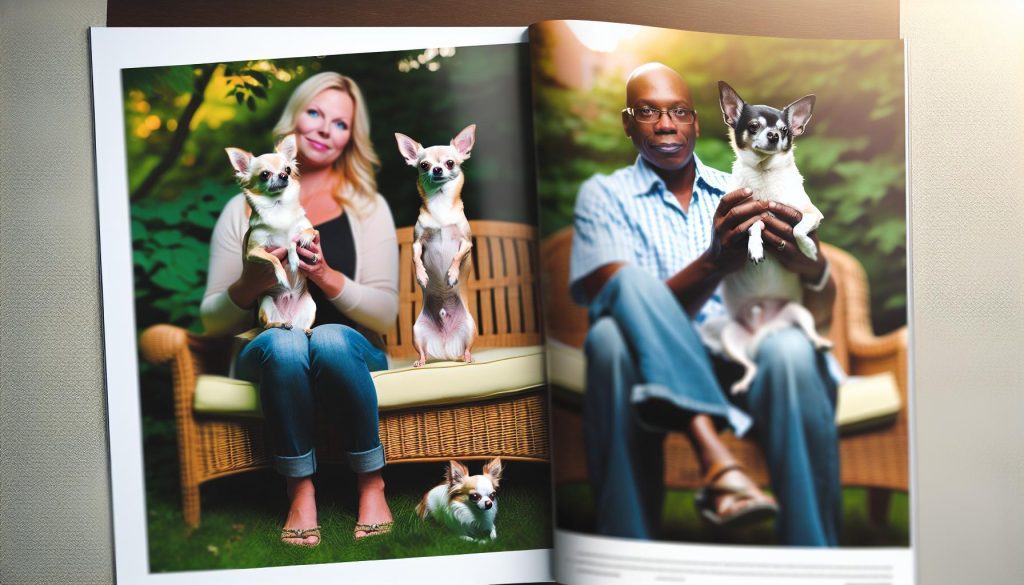
Did you know that Chihuahuas, despite being one of the smallest dog breeds, come in a surprising range of sizes? This variation can leave even experienced owners scratching their heads. Understanding why some Chihuahuas are bigger than others is essential for every owner, whether you’re a first-time caregiver or a seasoned enthusiast. Factors like genetics, nutrition, and breed standards all contribute to this size diversity. Recognizing these differences not only helps you appreciate the breed’s uniqueness but also aids in providing tailored care for your furry friend. Dive deeper into the fascinating world of Chihuahuas and uncover the secrets behind their size variation, ensuring you can better meet the needs of your beloved companion.
Genetics and Size: What Beginners Should Know
Many Chihuahua enthusiasts find themselves curious about why some Chihuahuas are noticeably larger than others. This intriguing variation in size can often be attributed to genetics. Just like people, each dog carries a unique genetic blueprint that can influence not only their physical traits but also their overall health and temperament. Understanding how genetics plays a role in size can help you make informed decisions about your furry friend, whether you’re a first-time owner or a seasoned aficionado.
When selecting a Chihuahua, it’s essential to consider their lineage. Breeders who prioritize size may implement specific breeding practices, while backyard breeders might not follow consistent standards, leading to unpredictable outcomes. For example, if both parents are on the larger side, it’s likely that their puppies will also grow to be bigger, however, genetic variation can still produce smaller offspring. This unpredictability is part of what makes Chihuahuas so unique and endearing.
Additionally, there are two prominent types of Chihuahuas based on head shape-apple-head and deer-head-which can also influence size. Apple-head Chihuahuas tend to be more compact and often fall within the smaller size category, while deer-head Chihuahuas can grow slightly larger due to their longer legs and overall structure. It’s worth noting that many owners love their Chihuahuas for their individuality, so size diversity is often celebrated rather than frowned upon.
In summary, understanding the genetic factors at play can alleviate some concerns for new owners and enhance the appreciation for Chihuahuas of all sizes. As you embark on your Chihuahua journey, remember that whether your companion is petite or a bit more robust, what truly matters is their personality and the joy they bring to your life.
Understanding Size Standards in Chihuahuas
Many Chihuahua lovers often marvel at the size variations within the breed. It’s fascinating to note that while Chihuahuas are generally recognized as one of the smallest dog breeds, their size can range from under 2 pounds to over 6 pounds. Understanding size standards is essential not just for breeders but also for prospective owners who may have specific size preferences. The American Kennel Club (AKC) recognizes the breed as ideally weighing between 2 to 6 pounds; however, individual dogs outside this range can still make delightful companions.
Breeders often select for specific sizes based on the lineage and intended purpose of the puppies. For instance, if a litter is produced from parents that lean toward the upper end of the size spectrum, it is expected that their offspring might, too, take after them. Conversely, a line that consistently produces smaller Chihuahuas will have a different set of traits that owners or breeders might prefer. This selective breeding contributes to the ongoing debate among Chihuahua enthusiasts regarding size standards and the importance of health over mere aesthetics.
Moreover, it’s crucial to recognize that size should not dictate a Chihuahua’s worth or the love they deserve! Absolutely, the quirks and personalities of Chihuahuas vary just as widely as their sizes do. For example, some larger Chihuahuas might be the boldest little guardians of the household, while smaller ones may be more affectionate lap warmers. As a new owner, embracing the individuality of your Chihuahua-whether she’s a robust deer-head or a petite apple-head-can lead to a wonderfully rewarding relationship.
In summary, isn’t just about adhering to kennel guidelines; it’s about appreciating the unique charm that each size brings. If you’re considering adding a Chihuahua to your family, focus not only on size but also on personality and health. Engaging with knowledgeable breeders and fellow enthusiasts can provide insights into which size might fit best with your lifestyle, ensuring that your new companion brings joy, loyalty, and a bit of spirit to your home.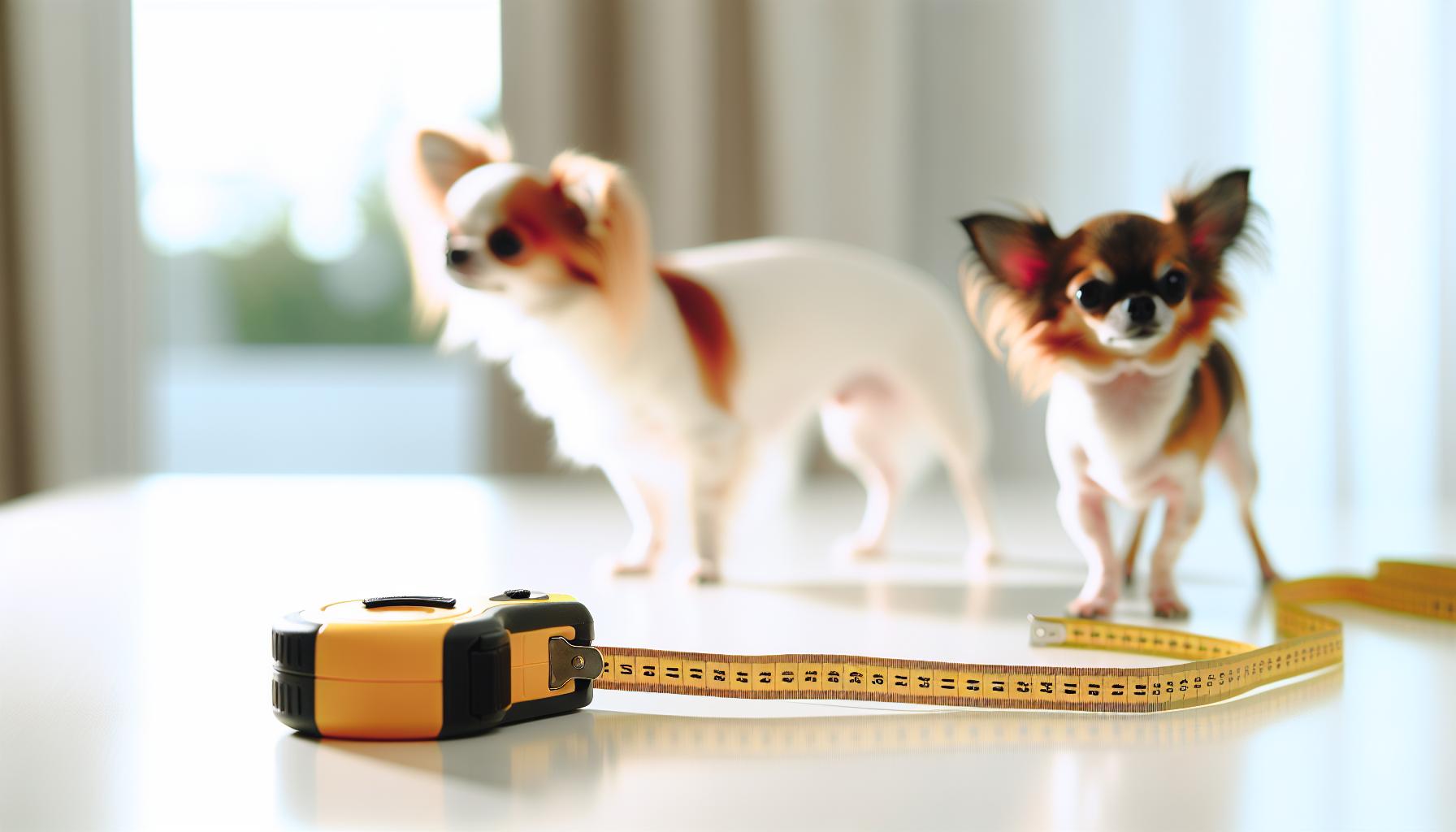
The Role of Nutrition in Growth and Size
Proper nutrition plays a crucial role in the growth and overall health of Chihuahuas, influencing their size and development. Just like humans, a dog’s diet directly affects their growth patterns. For this spirited breed, which can exhibit notable size variations, understanding the impact of nutrition is key to ensuring they thrive within their ideal weight range.
Chihuahuas have specific dietary needs depending on their size and age. For instance, puppies require a diet rich in proteins and fats to support their rapid growth. High-quality puppy food, specifically formulated for small breeds, often contains the necessary nutrients to foster healthy development. Adult Chihuahuas, on the other hand, benefit from a balanced diet that maintains their energy levels while preventing obesity. It’s essential to choose a high-protein, low-carb diet for your little one, as this promotes muscle maintenance and a healthy weight.
Feeding Guidelines
When thinking about meal times, consider the following guidelines to help manage your Chihuahua’s size and health:
- Consistency is Key: Regular feeding times can help regulate their appetite and prevent overeating. Aim for two to three meals a day.
- Portion Control: Small breeds like Chihuahuas can be prone to obesity, so monitoring portion sizes is essential. Always refer to feeding guidelines specific to your dog’s weight and activity level.
- Choose Quality over Quantity: Invest in high-quality dog food that lists real meat as the first ingredient and contains minimal fillers.
- Watch for Allergies: Some Chihuahuas may have dietary sensitivities. Keep an eye out for any adverse reactions to food and consult your vet if you notice issues.
It’s also worth noting how treats fit into the overall diet. While treats can strengthen the bond between you and your Chihuahua, they can add unnecessary calories if not given in moderation. Opt for healthy, low-calorie snacks, and incorporate them into your training routine wisely.
By providing appropriate nutrition tailored to your Chihuahua’s size and growth stage, you help pave the way for a healthy, happy life. Remember, each Chihuahua is unique, whether an adorable apple-head or a sturdy deer-head, and responding to their specific needs with love and care will significantly enhance their quality of life.
Apple-Head vs. Deer-Head: Size Differences Explained
The fascinating diversity in Chihuahuas is clearly illustrated by the two prominent head types: apple-head and deer-head. This difference in head shape not only contributes to the breed’s unique charm but also often correlates with size variations. Apple-head Chihuahuas have a round, domed skull and a short muzzle, giving them a more compact appearance. They typically weigh between 2 to 6 pounds and stand around 6 to 9 inches tall. Their adorable face and larger variation in size can make them a favorite among many owners seeking a tiny companion.
On the other hand, deer-head Chihuahuas sport a longer and more narrow skull with a slightly pointed muzzle. This longer head shape can make them appear more elegant, and they often weigh a bit more-ranging from 4 to 10 pounds. Their height can also vary, usually around 8 to 12 inches tall. The deer-head type tends to have a slightly larger body, which can further contribute to the perception that they are “bigger” than their apple-headed counterparts. This can be a useful consideration when choosing a Chihuahua based on your living situation and lifestyle.
Understanding these size differences has practical implications for prospective and current Chihuahua owners. For instance, an apple-head may be more suitable for a small apartment due to their compact size, while a deer-head might enjoy a bit more space to roam and play. Regardless of the head type, it’s crucial to ensure a healthy weight through proper nutrition and exercise suitable for their size. Owners should celebrate these differences and learn how to cater to the unique needs of both types. Consistent care and training will help each Chihuahua thrive, leading to happier, healthier companions.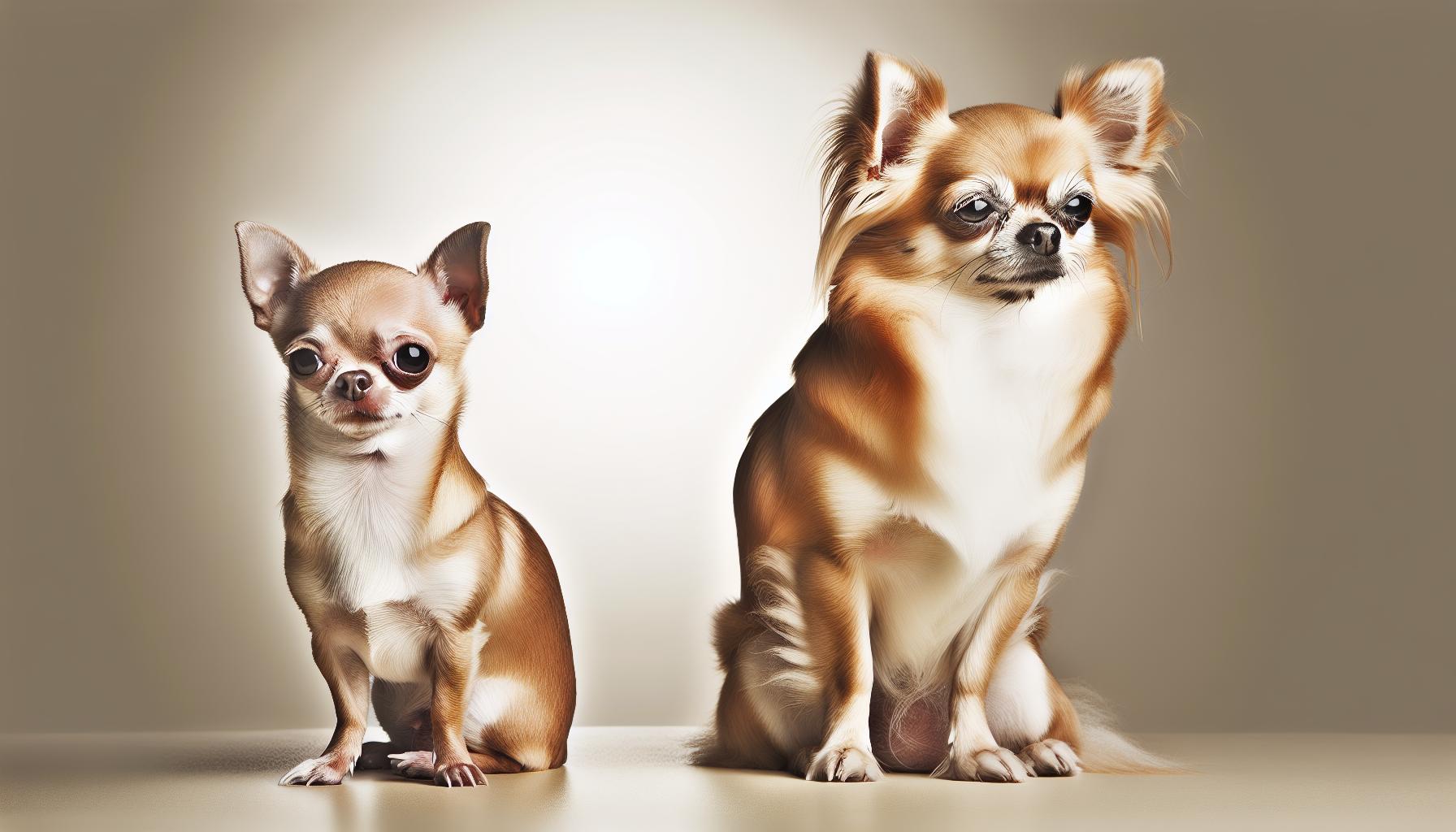
Environment and Its Impact on Chihuahua Size
The environment in which your Chihuahua lives can significantly influence her size and overall health. Factors such as space, climate, and lifestyle play crucial roles in shaping how big she grows. For instance, Chihuahuas that live in smaller spaces, like an apartment, might not get as much exercise as those in homes with yards, potentially impacting their growth and size. Regular movement allows for muscle development and can help balance weight, which is essential for both apple-head and deer-head types.
Additionally, the climate can affect a Chihuahua’s size indirectly through nutrition and activity levels. In warmer areas, dogs may become lethargic, leading to reduced physical activity; conversely, in cooler climates, they may be more active if properly protected from the elements. Owners in colder regions often find it helpful to engage in indoor play or agility exercises to keep their little ones active.
Chihuahuas are social creatures; their surroundings influence not only their physical growth but also their emotional well-being. A stimulating environment with socialization opportunities can lead to healthier, more active lifetime behaviors, which in turn supports better physical health. For example, a Chihuahua named Bella lived happily with her owner in a lively neighborhood, benefiting from regular walks and playdates with other small breeds. Bella thrived and developed a strong, healthy stature, reflecting how enriched environments can promote optimal growth.
Ultimately, fostering a supportive and engaging living space for your Chihuahua is vital. Ensure she has plenty of opportunities for exercise, interaction, and mental stimulation to help her reach her full potential size-wise while maintaining her playful spirit. Incorporating these elements into her daily routine can create a nurturing environment that celebrates her unique personality and supports her health.
Common Health Issues Related to Size Variation
Some Chihuahuas can surprise you with their size variations, but this diversity can come with a host of health issues that both current and prospective owners should be aware of. Smaller Chihuahuas, particularly those at the lower end of the size spectrum, often face unique health challenges that larger counterparts might not experience as acutely. While the charm and character of a tiny Chihuahua are undeniable, these little ones can be more susceptible to certain conditions.
Common Health Issues:
- Dental Problems: Small breeds, including Chihuahuas, are prone to dental issues such as overcrowding and periodontal disease. Regular dental check-ups and cleanings can help mitigate these risks.
- Luxating Patella: This condition, where the kneecap dislocates, is more common in smaller Chihuahuas. Regular vet visits and maintaining a healthy weight can help manage this issue.
- Heart Issues: Larger Chihuahuas can also experience heart problems, particularly mitral valve disease, which affects many small breeds as they age. Keeping an eye on your pup’s weight and engaging in moderate exercise can support heart health.
- Hypoglycemia: Particularly in tiny Chihuahuas, blood sugar levels can drop dangerously low. Symptoms may include lethargy and disorientation. Feeding smaller, more frequent meals can help stabilize their blood sugar.
Observing Behavior Changes:
Changes in behavior such as lethargy, reduced appetite, or unusual barking can indicate underlying health issues. An attentive owner will notice these signs early. For instance, an owner named Lisa noticed her Chihuahua, Max, becoming unusually quiet. A vet visit revealed early signs of heart issues, which prompted proactive treatment.
When considering adopting a Chihuahua, it is crucial to examine the potential health implications related to size. Speak with breeders about genetic backgrounds, and prioritize health screenings to help ensure a happy, long life for your new friend. Being informed and prepared can make all the difference in navigating the unique health landscape of this lovable breed.
How to Choose a Chihuahua Based on Size
Choosing the right Chihuahua for your home can feel both exciting and overwhelming, especially considering the unique size variations within the breed. Did you know that the size of a Chihuahua can range from under two pounds to over six pounds, not to mention the enrichment that differences like Apple-head and Deer-head features bring to your choice? Understanding these differences is essential not only for practical reasons but also for how your future furry friend will fit into your lifestyle.
When selecting a Chihuahua based on size, it’s crucial to consider your living situation and activity level. Smaller Chihuahuas, particularly those on the lower end of the scale, may be more suited for apartment living and less demanding exercise routines. However, they are often more delicate and can be prone to specific health challenges like hypoglycemia and dental issues. Conversely, larger Chihuahuas typically exhibit a more robust build, which may allow for a slightly more active lifestyle, but they can also face heart problems and other size-related health issues. If you have children or other pets, think about their energy levels and how a Chihuahua’s size may influence interactions.
Health is a significant aspect to consider as well. Speak with breeders about the lineage of the Chihuahuas they’re offering. A reputable breeder should provide health clearances and share information about past health issues in their line. This is particularly important for size variations, as smaller Chihuahuas can develop complications related to their size, such as luxating patella. Always prioritize health and temperament over mere size; a well-adjusted and socialized dog will thrive regardless of its height or weight.
Finally, engage in some hands-on experience, if possible. Spend time with Chihuahuas of varying sizes to see which one you connect with most. Observe their personalities-some may be outgoing and bold, while others might be more reserved. Understanding your lifestyle as an owner will ultimately help you decide which Chihuahua will be the best fit for your heart and home, allowing for a lasting and joyful companionship.
Training Techniques for Different Sized Chihuahuas
Training Chihuahuas can be a delightful journey, especially when you consider the size variations within the breed. Whether you have a dainty Apple-head or a sturdy Deer-head, understanding how size influences training can help you forge a stronger bond with your furry friend. Smaller Chihuahuas, due to their delicate frames, often require gentle and patient training techniques, while those on the larger side may have a heartier disposition that allows for a bit more assertiveness.
When it comes to basic commands, positive reinforcement is your best friend. Chihuahuas, known for their loyalty, respond well to treats and praises. For smaller Chihuahuas, ensure that rewards are not too large – think mini treats or tiny bits of kibble. For larger Chihuahuas, you can offer slightly larger treats, but always watch their portion sizes to avoid overfeeding. A good example is using small pieces of cooked chicken or commercial training treats that are soft and easy to chew.
Keep in mind the energy levels of different Chihuahuas. Smaller Chihuahuas may tire quickly, so keep training sessions short but engaging. This can be achieved by breaking down commands into easy, understandable steps. For example, when teaching “sit,” start with a small treat held above their nose and slowly move it back over their head. As they look up, their bottom will automatically hit the ground – the perfect moment to praise and reward.
Larger Chihuahuas may have more stamina and can handle slightly longer training sessions. They can also engage in light play between commands, which helps keep their attention. Including small obstacles for them to navigate can add fun to the learning process. For instance, set up a series of cushions for them to weave through; this not only hones their skills but also encourages physical exercise.
Lastly, consider socialization as a key part of their training. Engaging both sizes in various environments – parks, shops, or even gatherings with other pets – is crucial. This helps build their confidence and adaptability. Just remember, when introducing your Chihuahua to new experiences, always read their body language. Smaller Chihuahuas might get overwhelmed easily, so gradual exposure is vital.
With patience and love, you will not only teach your Chihuahua the commands they need to know but also foster a trusting relationship that celebrates their unique size. Engaging them with tailored techniques based on their size will make the learning process enjoyable for both of you.
The Effect of Size on Chihuahua Behavior
The size of a Chihuahua can dramatically influence not only its appearance but also its behavior. For instance, smaller Chihuahuas, often characterized as tiny and delicate, tend to exhibit a more assertive demeanor, perhaps as a defense mechanism against their size. Many owners share that their petite Apple-heads may seem more feisty and vocal compared to their larger Deer-head counterparts. This bold attitude can be surprising given their tiny stature, but it’s rooted in their instinct to assert themselves in a world where they’re often perceived as vulnerable.
Moreover, larger Chihuahuas often showcase different behavioral traits. Many owners report that their bigger Chihuahuas tend to be more laid-back and less anxious than smaller ones. With their sturdier build, they seem to take life in stride. This variation in attitude can influence everything from training approach to social interactions with other dogs and people. For example, larger Chihuahuas might be more open to playtime and roughhousing compared to their petite peers, who might prefer gentler interactions.
Understanding these behavioral tendencies is crucial when choosing a Chihuahua. If you’re considering adding one of these delightful companions to your family, reflect on how size might align with your lifestyle and home environment. A small Chihuahua might thrive in a cozy apartment with limited space, while a larger one might enjoy having more room to move around and play. Ultimately, matching size and behavior to your living situation ensures a harmonious bond between you and your furry friend.
Behavioral differences can also significantly affect training techniques. Smaller Chihuahuas might require gentler handling due to their sensitivity, while larger Chihuahuas may be more tolerant of a firmer approach. Understanding these nuances allows you to tailor your training methods, ensuring a positive experience for both you and your Chihuahua, regardless of their size.
Owner Experiences: Size Variations in Chihuahuas
Every Chihuahua owner has a unique story to tell about their little companions, and a common thread throughout these tales is the relentless curiosity about why some Chihuahuas grow larger than others. Chihuahua size can greatly vary, influenced by genetics, nutrition, and even environment, leading to diverse experiences among owners.
Many owners of larger Chihuahuas, often referred to as Deer-heads, express their surprise at their pets’ personalities. For instance, Sarah, who has a 7-pound Deer-head named Max, shares that he’s not just bigger but also much more laid-back compared to her friend’s 3-pound Apple-head named Bella, who tends to be vocal and assertive. These differences in size also translate to behavioral traits: Sarah finds that Max is more tolerant of children and other pets, making him a perfect family dog, while Bella’s fiery spirit is entertaining but requires more careful interaction.
On the flip side, owners with smaller Chihuahuas often highlight their bold and quirky nature. John, who has a tiny Apple-head named Coco, emphasizes that her size gives her an exaggerated sense of bravado. Coco doesn’t shy away from challenging larger dogs at the park, and according to John, this fierce attitude is typical for smaller Chihuahuas. It seems many owners agree that smaller Chihuahuas compensate for their size with an over-the-top personality, which can be both endearing and challenging.
Diet and nutrition also play a critical role in how size unfolds in these little furballs. Owners have noted that ensuring a balanced diet impacts growth potential, striking a chord with both first-time and seasoned Chihuahua parents. Proper nutrition from puppyhood can set the foundation for healthy growth. For instance, Lisa made sure to feed her Chihuahuas a high-quality, balanced diet, noting that her larger Deer-head, Buddy, is not only bigger but also exceptionally healthy. In contrast, the stories of size-concerned owners often highlight the anxiety around dietary choices and their impacts-making this a topic of considerable importance within the Chihuahua community.
Collectively, the insights from Chihuahua owners paint a vivid picture of how size variation influences daily life with these spirited companions. Whether you’re welcoming a petite Apple-head or a sturdy Deer-head into your family, understanding the nuances of their size can enhance your experience, nurtured by the traits that make Chihuahuas such beloved pets.
Socialization Tips for Different Sized Chihuahuas
Every Chihuahua, regardless of size, thrives on social interaction. However, the approach to socialization can vary significantly between Apple-heads and Deer-heads, or between Chihuahuas of different weights and temperaments. Understanding how to effectively socialize your Chihuahua can build their confidence, improve their behavior, and enrich both their lives and yours.
Start Early and Consistently
Socialization should begin as early as possible. For puppies, exposure to different environments, sights, sounds, and other animals is crucial. Take your small Apple-head, Bella, for example; her owner, Sarah, diligently took her to puppy classes and local parks, allowing Bella to interact with various breeds and people. This early exposure made Bella more adaptable and less fearful, which is essential for her confident personality.
For larger Deer-heads like Max, it’s equally important to introduce them to various scenarios gently. Owners should remember that while size can influence how Chihuahuas react, temperament plays a significant role as well. Regular visits to dog parks designed for small breeds can help them learn proper play behavior without feeling overwhelmed.
Gradual Introductions
Introducing your Chihuahua to new environments and experiences should be a gradual process. If your Deer-head is about 7 pounds and doesn’t have much exposure to larger dogs, start by introducing him to one stable, calm dog before moving on to more hectic settings. On the other hand, small Apple-heads can often hold their own with bigger dogs, but supervision is key to prevent any unwanted squabbles.
When introducing your Chihuahua to other pets, ensure that each meeting occurs in a controlled setting. You might want to utilize a leash to maintain control, allowing your Chihuahua to feel secure as they meet new friends. As they grow more comfortable, you can loosen the reins, so to speak, allowing for more freedom and exploration.
Positive Reinforcement is Key
Using positive reinforcement during socialization helps build your dog’s confidence and encourages good behavior. Treats, praise, and playtime can motivate your Chihuahua to engage positively with new experiences. If you notice that your Apple-head, Coco, is reluctant to approach new people, reward her with a treat when she does. This method reinforces her brave choices and helps her associate friendly encounters with positive outcomes, easing those initial nerves.
Additionally, remember that typical Chihuahua boldness can manifest as vocalizations or assertiveness; understanding these traits helps owners manage their behavior during socialization. For instance, teaching them cues like “quiet” or “leave it” can greatly enhance interactions, allowing both owners and Chihuahuas to enjoy their time out.
Recognize Individual Needs
Ultimately, each Chihuahua has its own unique personality. Some may flock to new friends effortlessly, while others take a more cautious approach. Be patient and observe your dog’s reactions. If your smaller Apple-head shows signs of anxiety, it might be best to take a step back and socialize at their pace. On the flip side, if your Deer-head is particularly social, expose them to various situations to leverage their outgoing nature.
In conclusion, effective socialization is about understanding your Chihuahua’s individual behaviors and needs. By starting early, using gradual introductions, and reinforcing positive interactions, you can help your Chihuahua thrive among their peers, whether they are a petite Apple-head or a sturdy Deer-head. Your attentive approach can turn even the most reserved Chihuahua into a confident, well-socialized companion.
The Future of Size Trends in Chihuahuas
There’s a growing fascination with size variations in Chihuahuas, sparking conversations among enthusiasts about the future direction of these delightful little companions. As more people become captivated by Chihuahuas, the demand for dogs that fit specific size preferences is on the rise. Whether you’re drawn to the petite Apple-heads or the more robust Deer-heads, the future is likely to see continued diversity in size, understanding, and care of this charming breed.
The breeding practices surrounding Chihuahuas are evolving. Responsible breeders are taking into account the health and well-being of the dogs while aiming to cater to the trends associated with size. This means that while some breeders might focus on producing smaller Chihuahuas as “teacup” versions, many emphasize the importance of maintaining genetic health. It’s crucial for potential owners to seek breeders who prioritize the long-term health of the breed over mere aesthetics. The right breeder will provide health clearances and educate owners on the characteristics and needs of the different size variations.
Additionally, size trends can influence social dynamics within the breed. As the popularity of Chihuahuas grows, more owners of varying experience levels are bringing them into their homes. This diversity will likely lead to greater awareness and resources focused on training and socializing Chihuahuas of all sizes. For example, larger Deer-head Chihuahuas may require different socialization approaches than their smaller Apple-headed counterparts, as their temperaments can vary significantly. Owners increasingly share their insights, and online communities continue to flourish, providing ongoing support and advice for successful pet ownership.
As we look to the future, it’s vital for Chihuahua enthusiasts to celebrate the uniqueness of each size variation. The breed’s rich personalities-from their bold, vocal natures to their affectionate traits-can shine regardless of size, creating an endless source of love and joy for their families. All Chihuahuas, irrespective of whether they’re tiny or a bit more substantial, deserve to thrive in environments where their individual needs are understood and catered to. Embracing these trends can lead to a more informed and compassionate community dedicated to the well-being of this spirited breed.
FAQ
Q: Why do some Chihuahuas grow larger than others?
A: The size variation in Chihuahuas can be attributed to a combination of genetic factors, nutrition, and environmental influences. Some Chihuahuas inherit larger traits from their parents, while others may benefit from optimal nutrition during their growth phases, affecting their overall size.
Q: What factors affect the growth of a Chihuahua?
A: Factors influencing a Chihuahua’s growth include genetics, nutrition, health status, and environment. Proper nutritional support during their early life stages can significantly impact size, while genetics ultimately determines their size potential.
Q: How can you tell if a Chihuahua will be small or big?
A: To predict a Chihuahua’s size, observe parental size and lineage. Larger parent breeds may produce larger offspring. Additionally, consulting with a vet about expected growth patterns based on current size can provide insights.
Q: Is it common for Chihuahuas of the same litter to vary in size?
A: Yes, it is common for littermates to differ in size due to genetic diversity. Factors such as nutrition and individual health can also play roles, leading to noticeable size variation among siblings.
Q: Can health issues affect a Chihuahua’s growth?
A: Yes, various health issues can hinder growth. Conditions like hypoglycemia or congenital problems may lead to stunted growth. Regular veterinary check-ups are essential for monitoring health and ensuring optimal growth.
Q: How does the environment influence Chihuahua size?
A: The environment can impact a Chihuahua’s size by providing safer, stress-free living conditions that promote healthy growth. Excessive stress, poor shelter, or inadequate space for movement may adversely affect their development.
Q: Are there different size standards for Chihuahuas?
A: Yes, there are size standards for Chihuahuas, with an acceptable weight range typically between 2 to 6 pounds. However, size can also vary widely beyond these parameters, influenced by genetics and breeding practices.
Q: What role does diet play in a Chihuahua’s size?
A: A nutritious diet is crucial for proper growth in Chihuahuas. High-quality dog food that meets their specific dietary needs can help support their overall health and size potential. Regularly reviewing their diet with a vet can ensure they receive adequate nutrients.
Feel free to explore more insights on factors affecting Chihuahua size in our detailed article sections!
To Conclude
As we wrap up our exploration of why some Chihuahuas are bigger than others, remember that every size variation brings its own charm and personality. Whether your little buddy is an apple-head or a more robust build, understanding their unique traits will help you provide the best care. If you have lingering questions about your Chihuahua’s health or behavior, check out our guides on Chihuahua care tips and fun activities to keep your pup active.
Don’t forget to join our community by subscribing to our newsletter for the latest tips and tricks on nurturing your beloved companion. Share your experiences in the comments below-your story might just inspire another owner! Explore more about Chihuahuas and their quirks, and let’s celebrate these vibrant personalities together. Stay connected and happy Chihuahua parenting!
Get our latest guides, news, and insights highlighted in your Google Search & AI Overviews.