
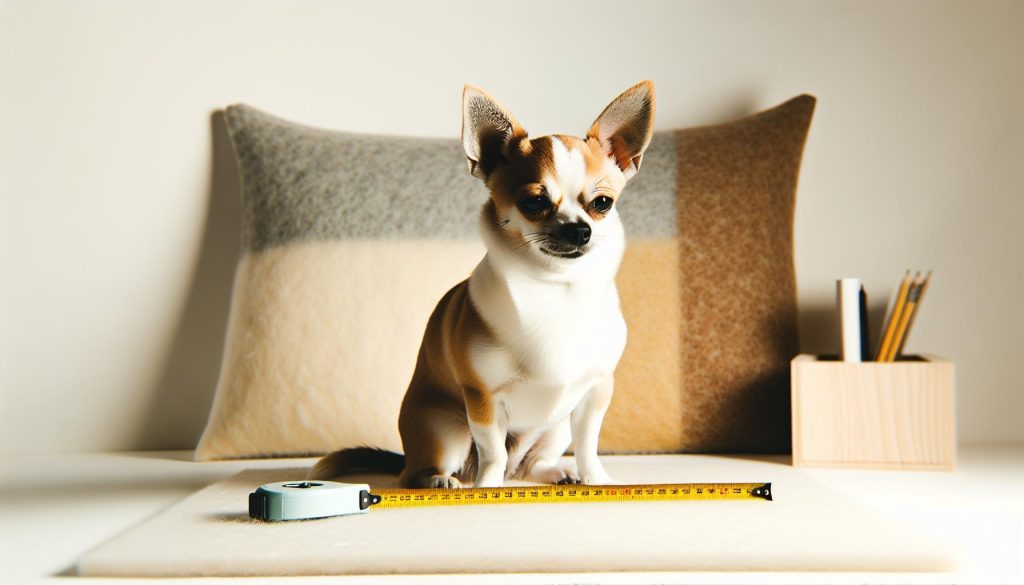
Did you know that Chihuahuas, despite their tiny stature, have a world of personality packed into their small frames? Understanding the height standards of this vibrant breed is essential for both potential and current owners. Whether you’re considering adding a Chihuahua to your family or looking to better care for one you already adore, knowing their size guidelines can help you make informed choices about health, training, and overall care. These little companions are known for their bold attitude and distinctive traits, like their apple-head shape and various coat types. By learning what to expect in terms of height, you can celebrate their unique characteristics while ensuring they thrive. Join us as we delve into the specifics of Chihuahua height, offering insights and tips to enhance your journey with these lovable, feisty pets.
What Is the Average Height of a Chihuahua?
Chihuahuas, those tiny yet spirited companions, typically stand between 6 to 9 inches tall at the shoulder. Despite their petite size, they carry big personalities, often proving that great things come in small packages. This height range reflects the breed’s standard, which varies slightly depending on the individual dog. When measuring your Chihuahua, consider that slight variations can occur due to genetics, nutrition, and overall health, all of which contribute to the unique stature of each dog.
When thinking about height, it’s essential to recognize that both the apple head and deer head types of Chihuahuas exist within this height range. Apple head Chihuahuas tend to have rounder faces and a more compact body, which can sometimes affect their overall proportions, while deer head Chihuahuas feature a more elongated shape with a longer snout. Understanding these distinctions can help you appreciate how each type fits within the general height standard, but regardless of the type, both bring joy and spunk into a home.
Taking care of your small friend requires attentiveness, especially as they navigate their environment. Although they may be spirited, Chihuahuas are also prone to health issues related to their size, such as patellar luxation and dental problems. Ensuring they receive a balanced diet tailored to their size can help promote healthy growth and development as they mature. Remember, each Chihuahua is unique, and their height can play a role in their overall personality and health, making close observation and care a must for any dedicated owner.
Understanding the Chihuahua Size Standards
Chihuahuas are often enchanting little companions, bursting with personality packed into their tiny frames. Understanding their size standards is crucial not just for savvy owners but for appreciating the wonderful quirks that come with these delightful dogs. Typically, a Chihuahua will stand between 6 to 9 inches tall at the shoulder. This small stature is a hallmark of the breed and is not just about height, but about the health and behavior nuances that come into play at this size.
When we delve into the specifics of Chihuahua height, it’s essential to recognize the two primary types: the Apple Head and the Deer Head. Apple Head Chihuahuas feature round heads, a compact body, and tend to have a shorter height in many cases. In contrast, Deer Head Chihuahuas sport a more elongated frame with a longer snout, giving them a taller appearance. Both types fall within the same height range, yet their physical differences contribute to distinct personalities and traits. For instance, while one owner may find their Apple Head Chihuahua to be adorably outspoken and feisty, another might appreciate the calm demeanor of their Deer Head counterpart.
Moreover, several factors influence the variations in Chihuahua heights beyond their physical classification. Genetics play a substantial role, as does the dog’s nutrition. A well-balanced diet rich in essential nutrients is vital for maintaining not only a healthy weight but also optimal growth during the puppy stages. Regular vet check-ups can also ensure that any potential health issues are caught early, particularly those related to size, like dental problems and patellar luxation.
In the world of Chihuahuas, size is more than just a number; it’s linked to their overall health, behavior, and how they interact with the world around them. Owners should take pride in the uniqueness of their Chihuahua, knowing that each one’s journey through life will reflect their individual size, shape, and spirited personality. As you navigate the joyful experience of Chihuahua ownership, embracing those idiosyncrasies is part of the charm that these feisty little dogs bring into our lives.
Factors Influencing Chihuahua Height Variations

Chihuahuas are known for their compact size, but what truly contributes to the variation in their height? Understanding the factors that influence these adorable little dogs can help owners appreciate their unique characteristics and ensure they meet their specific needs.
Genetics plays a crucial role in determining a Chihuahua’s height. Each puppy inherits DNA from its parents, which can result in a wide range of heights within the breed standard of 6 to 9 inches. Breeders often focus on specific traits, including height, when selecting breeding pairs, thereby influencing the potential size of the offspring. This is especially apparent in varieties such as the Apple Head and Deer Head Chihuahuas, where the respective genetic traits may lead to slight differences in overall height even if both types generally fall within the same range.
Nutrition is another essential factor in height variation. A well-balanced diet rich in proteins, vitamins, and minerals supports healthy growth, particularly in puppies. Conversely, malnutrition or a poor diet can hinder optimal development, potentially leading to smaller stature or health problems. Owners should monitor their Chihuahua’s diet throughout various life stages, adjusting nutrition to support their growth and overall well-being. Regular veterinary check-ups can help identify any dietary deficiencies early on, allowing for timely interventions to support the dog’s growth and health.
Lastly, environmental factors also play a role. The conditions in which a puppy is raised-such as the amount of space to move around, access to exercise, and social interaction-can influence their growth patterns. Chihuahuas thrive in environments that provide stimulation and interaction, positively affecting their development. For instance, an owner who provides plenty of opportunities for play and exploration can help foster a confident and well-adjusted Chihuahua, which may contribute to better growth and health.
By taking genetics, nutrition, and environment into account, you can better understand and appreciate the height variations among Chihuahuas. Each dog is a unique individual, and the factors that contribute to their size are just one part of what makes the breed so special.
Differences Between Apple Head and Deer Head Chihuahuas
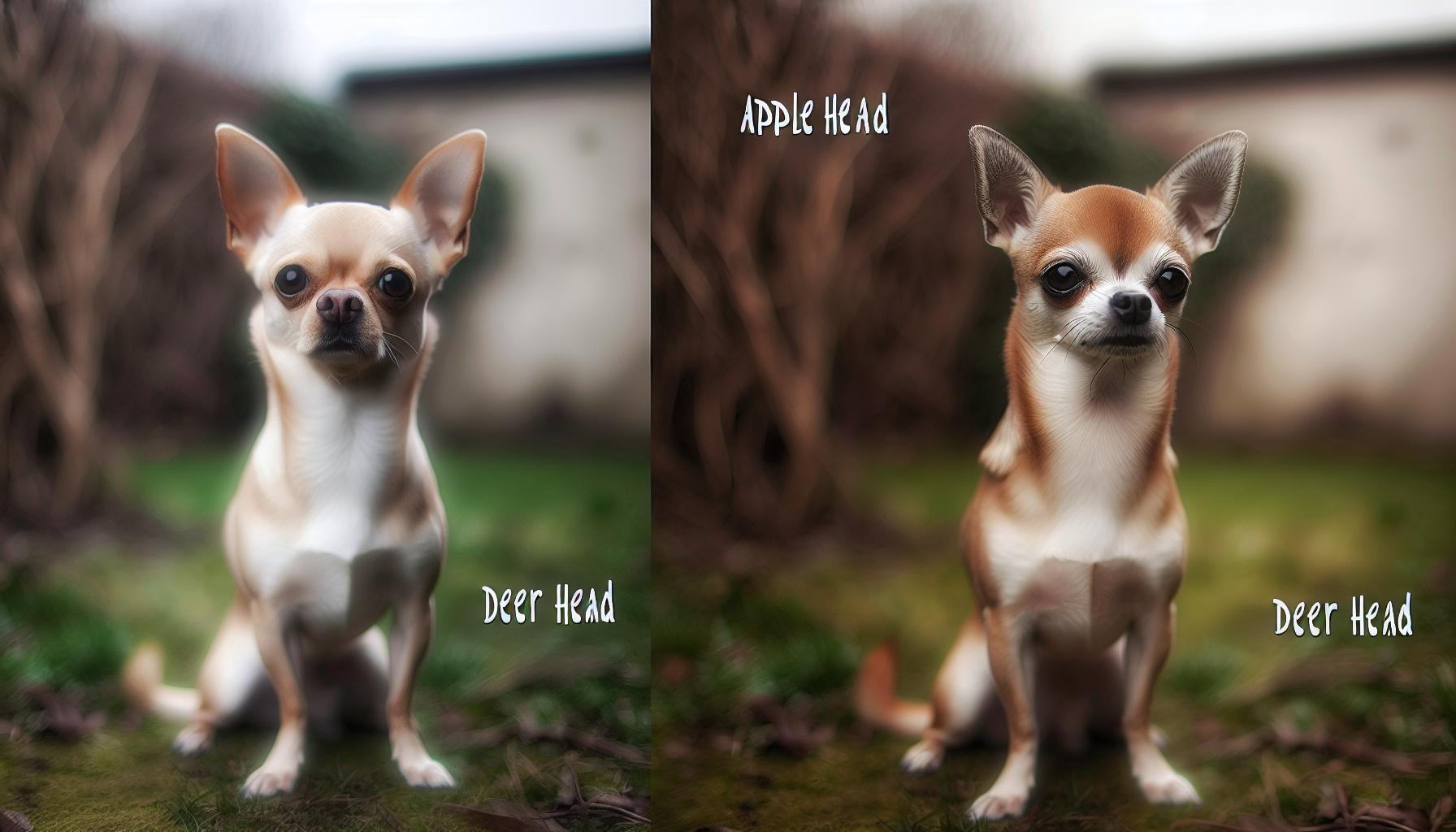
Chihuahuas are delightfully diverse, especially when it comes to the two primary types: Apple Head and Deer Head Chihuahuas. One intriguing aspect of these variations is how they can influence the height and overall stature of your companion. While both types typically fall within the breed standard of 6 to 9 inches tall, there are nuances in their physical attributes that make them special.
Apple Head Chihuahuas are often recognized for their rounded skulls and distinct “apple-like” heads. This unique shape not only gives them a charming appearance but also influences their overall height. Generally, these Chihuahuas are more compact and can appear a bit stockier. They often weigh between 2 to 6 pounds, making them the quintessential toy breed. Their small stature can make them more susceptible to certain health issues, such as brain disorders, which owners should monitor closely.
On the other hand, Deer Head Chihuahuas present a more elongated head and a longer snout, resembling a deer in some aspects. This type tends to have a slightly taller stance, often reaching closer to that upper height range of 9 inches. They can weigh a bit more than their Apple Head counterparts, sometimes up to 8 pounds. The differences in head shape and body structure also translate into variations in personality; Deer Heads are often seen as more outgoing and energetic, while Apple Heads might be a tad more reserved.
Recognizing these differences not only helps in understanding the physical traits of your Chihuahua but can also guide you in their care and training. Each type may have unique needs or tendencies that you’ll want to consider in their upbringing. Regardless of which type you have, both are known for their loyalty, vocal personalities, and bold nature, making them fantastic companions for dog lovers everywhere. Understanding these distinctions can enrich your bond with your furry friend, ensuring they thrive in your loving home.
Chihuahua Size: How Weight Affects Your Dog’s Health
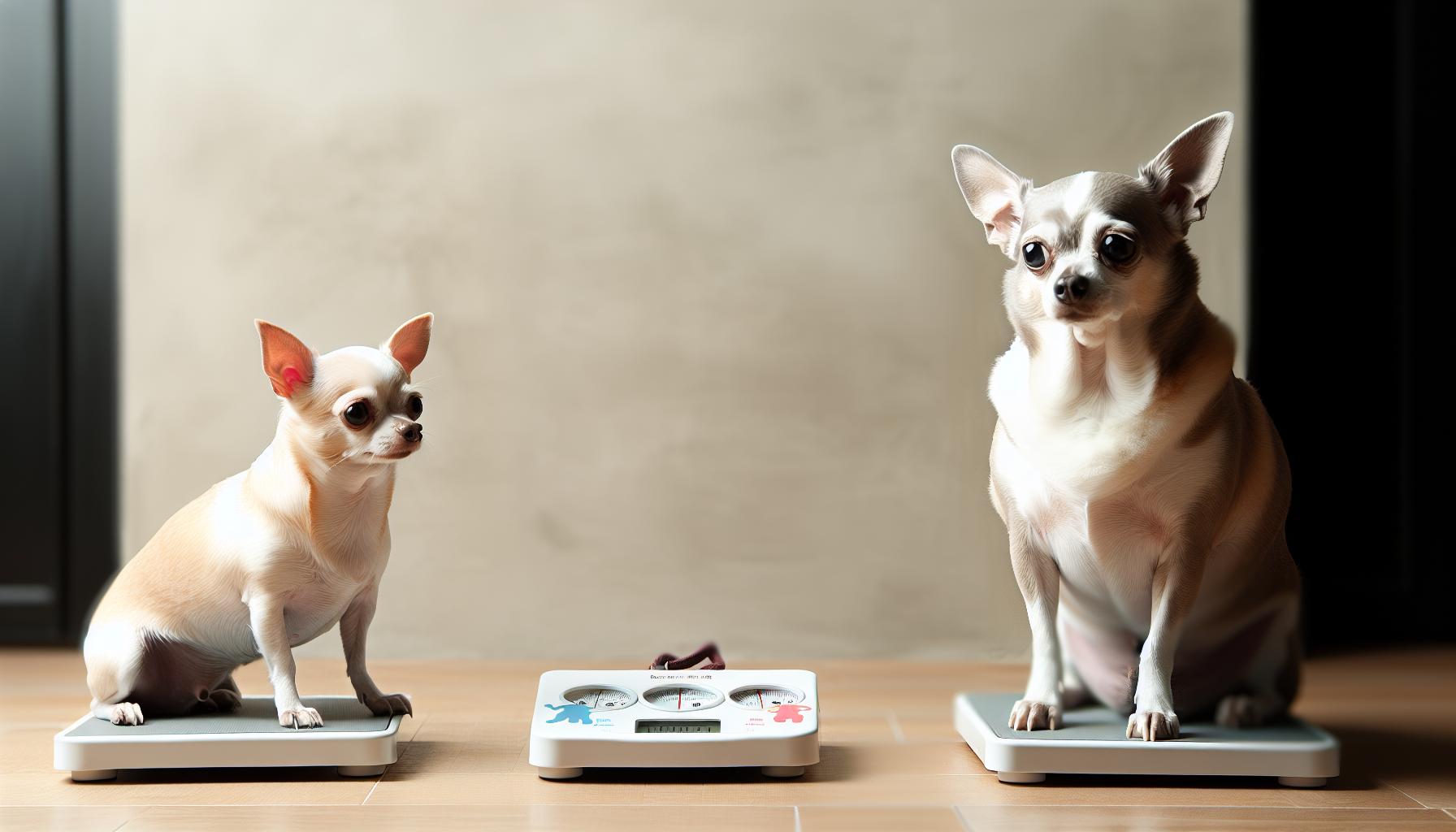
When it comes to Chihuahuas, a little extra weight can lead to significant health challenges. Although these feisty companions technically fall under the breed standard of 2 to 6 pounds, many owners may overlook the importance of maintaining an ideal weight within this range. Surprisingly, even a slight increase in their weight can make them more susceptible to various health issues, particularly joint problems, dental diseases, and heart conditions.
Chihuahuas are energetic little dogs, and their playful nature often means they require regular exercise to stay fit. However, many owners might not realize that overfeeding-even with the healthiest treats-can sneak up on them. It’s essential to monitor their dietary intake carefully. Like many dog breeds, Chihuahuas can be prone to obesity, which not only limits their mobility but can also exacerbate existing health issues. For example, a Chihuahua that weighs 7 pounds instead of the ideal 5 could experience joint strain, making it harder for them to enjoy their daily walks or playtime.
To ensure your little one remains healthy, it’s crucial to have a balanced diet that aligns with their unique nutritional needs. This may include high-quality dog food suitable for their size and age, along with the occasional treat. Feeding guidelines on the packaging of their food can help, but be sure to adjust portion sizes based on their activity level and overall health. Regular vet check-ups will also play a pivotal role in tracking their weight and adjusting their diet as necessary. Remember, maintaining an appropriate weight not only promotes physical health but also contributes to a happier, more active Chihuahua.
In addition to diet and exercise, owners should be vigilant about recognizing signs of weight gain. These can include decreased energy levels, difficulty in grooming, or trouble fitting comfortably in their favorite resting spots. For Chihuahuas, the saying “you are what you eat” rings especially true, as proper weight management is essential for a long, happy life filled with love and companionship.
Growth Patterns: When Do Chihuahuas Stop Growing?
The delightful Chihuahua is known for its tiny stature and bold personality, but when it comes to growth, understanding the timeline can help you nurture your furry friend properly. Typically, Chihuahuas reach their adult height by about 6 months of age, although some may continue to fill out a bit past this point as they develop muscle tone and a fuller body. By the time they reach 12 months, most Chihuahuas will have settled into their characteristic size, which generally ranges from about 6 to 9 inches tall at the shoulder.
Factors Influencing Growth Duration
The growth patterns of Chihuahuas can vary widely based on several factors, including genetics, nutrition, and overall health. For instance, a well-bred Chihuahua whose parents were within the breed standard size is likely to reach the appropriate height without significant issues. Conversely, if your Chihuahua comes from smaller or larger parents, he might not fit the typical mold.
Growth Changes and Monitoring
It’s essential to monitor your dog’s growth periodically to ensure he’s developing healthily. Regular vet checks provide crucial milestones for tracking weight, height, and any concerns that could arise as he matures. Keep a close eye on his diet and exercise during this critical growth phase, as obesity or malnutrition can lead to health issues that affect his long-term well-being.
Chihuahuas have a remarkable temperament that grows alongside their physical development. These affectionate little companions thrive when they feel secure and loved, which reflects positively through their playful and sometimes sassy nature. So, providing an environment rich in care and bonding can significantly influence not only their growth patterns but also their emotional health as they transition from puppy to adult. Always ensure you’re meeting their specific needs as they grow, and you’ll have a happy, thriving little partner by your side.
Measuring Your Chihuahua: A Step-by-Step Guide
To ensure you have an accurate understanding of your Chihuahua’s size, measuring him correctly is crucial. This small breed’s height at the shoulder typically ranges from 6 to 9 inches when fully grown, but knowing how to measure your Chihuahua can help you track his growth and health accurately. Here’s a simple step-by-step guide to making those measurements with ease.
Begin by gathering your measuring tools: a flexible tape measure, a notepad, and a pen. First, find a quiet space where your Chihuahua feels comfortable but alert. Make sure he is standing on all fours with his legs straight; this position is key for an accurate height measurement.
Now, follow these steps:
- Positioning: Stand your Chihuahua on a flat surface. If possible, have someone help keep him standing still and calm, as this will ensure a more accurate reading.
- Measuring Height: Take your tape measure and gently extend it from the ground to the highest point of his shoulder. This is the withers, where the base of the neck meets the back and is the standard height reference for dogs. Make sure the tape is straight and not bending in any way.
- Noting Down the Measurement: Read the measurement carefully in inches or centimeters, depending on your preference. It’s often helpful to take the measurement a couple of times to ensure accuracy-just in case your little one decided to shift or move slightly.
- Recording Weight: While you’re at it, consider weighing your Chihuahua as well. Weight plays a significant role in his overall health and can vary widely within the breed. It’s normal for a Chihuahua to weigh anywhere from 2 to 6 pounds, depending on factors such as genetics and diet.
- Regular Monitoring: Establish a routine of measuring and weighing your Chihuahua every few months, especially as he grows from a puppy into adulthood. This will help you keep an eye on his health, and monitoring changes over time will give you insights into any dietary or health adjustments he may need.
By regularly measuring your delightful companion, you can ensure that he maintains a healthy weight and height, contributing to a long, happy life. Remember, each Chihuahua is unique-some may fall at the lower end of the height spectrum while others might be on the taller side, especially those coming from different lineage like the apple-head or deer-head variations. So, whether he’s small, bold, and vocal or a little more reserved, consistent tracking boosts not only his health but also your bond with him as you watch him grow and thrive.
Height vs. Personality: What to Expect from Your Chihuahua
The adorable Chihuahua is known not just for their small stature but also for their larger-than-life personalities. While it may seem intuitive that height correlates with temperament, the truth is more nuanced. Chihuahuas typically measure between 6 to 9 inches at the shoulder, but their range of personalities is as diverse as their heights. From the feisty, vocal apple-head Chihuahuas to the more reserved deer-head types, what’s fascinating is that you can find spirited little companions in all shapes and sizes.
When considering how height affects personality, you might notice some trends. Generally, smaller Chihuahuas might display more boldness-think of that pint-sized protector who fiercely barks at passing strangers! They often embrace their role as guard dogs with immense pride, showing a level of confidence that belies their size. Conversely, taller Chihuahuas, particularly those with a deer-head shape, may exhibit a more laid-back demeanor, preferring to lounge comfortably as they observe the world around them. Owners often remark how this breed can simultaneously be a fierce protector and a gentle cuddle buddy, making them beautifully complex family members.
Communication is another area where size can play a role. Many Chihuahua owners share similar experiences where their smaller companions seem to express themselves more vocally. High-pitched barks or even “chirps” are common among those on the shorter end of the height chart. This spirited communication can sometimes be misinterpreted as a sign of aggression, but in truth, it’s just part of their expressive nature. Understanding this aspect can help owners manage and appreciate their Chihuahuas’ quirks, providing training that encourages appropriate vocalization without stifling their vibrant personalities.
Ultimately, whether your Chihuahua is 6 inches tall or closer to 9, embrace the unique traits that come with your pup’s personality. Regardless of height, maintaining a consistent routine, socialization, and positive reinforcement will help your furry friend thrive. Celebrate their individuality, and you’ll create a strong bond that enhances their well-being and enriches your life. Just remember, every Chihuahua, no matter how tiny, carries a big heart!
Common Health Issues Related to Size in Chihuahuas
Chihuahuas, those tiny titans of personality, may be small in stature, but their health can be significantly impacted by their diminutive size. Understanding the health issues that can arise in Chihuahuas, especially considering their height and weight, is essential for any devoted owner. While these little companions typically stand between 6 to 9 inches tall, their small size makes them particularly vulnerable to certain health concerns that require awareness and proactive care.
One of the most common health issues related to size is dental problems. Due to their small mouths, Chihuahuas often experience overcrowded teeth, leading to an increased risk of tartar build-up and gum disease. Regular dental check-ups and at-home dental hygiene practices, such as brushing their teeth or providing dental chews, are crucial in maintaining their oral health.
Another major concern is their susceptibility to patellar luxation, a condition where the kneecap dislocates. This is more prevalent in smaller breeds like Chihuahuas, and it can cause pain and mobility issues. Owners should watch for signs like limping or reluctance to jump, as prompt veterinary attention can help manage or correct this issue effectively.
Hypoglycemia and Weight Management
Chihuahuas are also prone to hypoglycemia, particularly in younger individuals or those who are underweight. This condition occurs when their blood sugar levels drop too low, leading to lethargy, weakness, or even seizures. Owners can help prevent hypoglycemia by ensuring their fur babies eat regular, balanced meals and maintaining a consistent feeding schedule.
Guiding your Chihuahua’s weight is vital, especially since excess weight can exacerbate existing health issues. Obesity can strain their joints and lead to heart problems, so it’s essential to monitor your pup’s diet and exercise. Regular playtime and brief walks are not only great for their waistlines but also contribute to their overall mental and emotional well-being.
Ultimately, being aware of these size-related health concerns allows you to provide the best care for your Chihuahua. By fostering a preventive approach-which includes routine veterinary visits, a tailored diet, and adequate exercise-you can help your little friend lead a happy, healthy life. After all, ensuring your tiny companion enjoys a robust quality of life reflects the immense love they share with you each day.
Tips for Caring for Your Chihuahua at Every Size
Chihuahuas, those delightful little companions, thrive best when their care is tailored to their unique size and personality. Whether your furry friend is an apple head or a deer head, proper care is essential to maintaining their health and happiness. Here are some valuable tips to ensure your Chihuahua thrives at any height.
One of the first steps in caring for Chihuahuas of all sizes is addressing their dietary needs. Chihuahuas typically require a diet rich in high-quality protein and healthy fats. Owners should choose a premium small-breed dog food, ideally formulated to support their unique metabolic rates. Smaller kibble size is ideal as it allows them to chew and digest their food more effectively. Many owners find success by dividing their dogs’ meals into two or three smaller portions throughout the day. This helps prevent low blood sugar levels, which Chihuahuas are particularly prone to, especially in younger dogs or those on the leaner side.
Keeping your Chihuahua physically active is equally important, regardless of whether he stands at the lower end or the upper limit of the breed’s height range. Daily play sessions and short walks can keep your tiny buddy’s energy levels from rising too high. Simple interactive games, such as fetch or hide-and-seek, are not only fun but also stimulate their sharp minds. Remember, Chihuahuas love to show off their bold personalities, so incorporating socialization with other dogs can bolster their confidence and help combat potential behavioral issues.
It’s also crucial to monitor your Chihuahua’s dental health, given their small mouths and history of dental issues. Regular brushing and the provision of dental chews can make a significant difference, preventing serious problems that commonly arise in the breed. Furthermore, routine veterinary check-ups should include dental assessments, ensuring their pearly whites remain healthy throughout their life.
Lastly, pay attention to your Chihuahua’s specific comfort needs. Smaller Chihuahuas may feel vulnerable in colder weather, so providing a cozy sweater or a warm bed can help him stay snug. Creating a safe, enriching environment that considers his height and the natural curiosities of his breed can enhance his well-being greatly. By embracing these care tips, you’re not just nurturing his physical health but also celebrating the spirited personality that makes Chihuahuas so lovable.
The Role of Nutrition in Chihuahua Growth and Development
Providing the right nutrition is a cornerstone of fostering your Chihuahua’s growth and health, especially as these tiny companions can have specific dietary needs based on their size, metabolism, and activity level. A well-balanced diet can support not just physical growth, but also vibrant energy levels and mental sharpness. For instance, your little buddy may need a diet consisting of high-quality protein sources, as these are essential for muscle development and overall vitality. Look for dog foods designed specifically for small breeds; these are often richer in nutrients and have smaller kibble sizes that are easier for tiny mouths to handle.
Your Chihuahua’s daily caloric needs can vary significantly depending on factors like age, weight, and activity level. Typically, a healthy adult Chihuahua requires about 40-50 calories per pound of body weight per day. It’s crucial to adjust this intake as your dog ages or if their activity levels change. For example, a young, energetic apple head may require more calories to sustain her playful nature, while an older deer head may need a lighter regimen to maintain a healthy weight and avoid obesity-related diseases.
To ensure optimal nutrition, many owners find success by dividing their Chihuahua’s meals into two or three smaller servings throughout the day. This not only helps prevent episodes of low blood sugar-something Chihuahuas can be prone to-but also keeps their energy levels stable. For example, a puppy named Bella thrived on a schedule that provided her with three meals a day, helping her avoid the unsettling dips in energy that can come from a single large meal.
In addition to proper meal schedules, incorporating healthy snacks can be beneficial. Choose treats that are high in protein and low in fillers. This could include small bits of cooked chicken or special training treats formulated for small breeds. However, moderation is key; as a rule of thumb, treats should constitute no more than 10% of their daily caloric intake. Always keep an eye on your Chihuahua’s weight and adjust portions accordingly, ensuring she remains healthy and sprightly. A balanced nutritional approach not only fosters proper growth and development but also celebrates the spirited, lively personality we adore in our Chihuahuas.
Chihuahua Sizes: Miniature vs. Standard Explained
The Chihuahua is a breed that never ceases to amaze with its stunning diversity in size. Understanding the difference between miniature and standard Chihuahuas can help you appreciate each individual’s personality and requirements more fully. Generally, the accepted height standard for Chihuahuas ranges from 6 to 9 inches at the shoulder. However, “miniature” Chihuahuas, although not officially recognized by breed standards, are often those that fall below 6 inches-think of them as the petite members of this already small breed. These tiny companions may often be seen in breeds differing in type, yet they all share the same spirited temperament that makes Chihuahuas so beloved.
When choosing a Chihuahua, consider the implications of size beyond just physical stature. Personality traits can differ significantly between these two categories. For instance, miniature Chihuahuas might be more vocal and bold, often showcasing a confident demeanor that belies their size, while standard ones tend to have a balanced temperament, combining playfulness with a bit more calmness. This isn’t to say that all miniatures are alike-each dog, regardless of size, has its unique quirks. Owners often share stories of their miniatures who think they can take on the world, proudly barking at larger dogs, showcasing not just courage but also a loyal spirit.
Additionally, health considerations are paramount across both size categories. Smaller Chihuahuas may face unique health challenges, such as dental problems or susceptibility to certain medical conditions due to their size. Ensuring a balanced diet tailored to their specific needs is crucial. Remember to provide high-quality nutrition, incorporating appropriate portion sizes to maintain a healthy weight. Regular vet visits will also help monitor for any potential health issues, especially given the breed’s predisposition to certain ailments related to size, like patellar luxation.
In conclusion, celebrating the variations within Chihuahua sizes enriches the experience of being a pet owner. Whether your companion is a feisty little miniature or a more standard-sized model, their personality and loyalty will surely fill your home with love. Embrace all their charming quirks, and enjoy the journey of caring for your unique little friend!
Q&A
Q: What is the typical height range for a Chihuahua?
A: The typical height range for a Chihuahua is between 6 to 9 inches (15 to 23 cm) at the shoulder. However, some Chihuahuas may be slightly taller or shorter, with the weight being more variable than height.
Q: How can I measure my Chihuahua to ensure accuracy?
A: To measure your Chihuahua accurately, use a measuring tape while they’re standing. Measure from the ground to the highest point of their shoulder. This helps you track growth correctly, which is discussed in our section on Measuring Your Chihuahua.
Q: Do Chihuahua heights vary by breed type?
A: Yes, Chihuahua heights can vary based on their type. For instance, Apple Head Chihuahuas typically have a more rounded appearance, but their height still falls within the standard range of 6 to 9 inches. For more detailed distinctions, see our section on Differences Between Apple Head and Deer Head Chihuahuas.
Q: How does my Chihuahua’s height affect its health?
A: A Chihuahua’s height can impact their health, especially if they are on the extremes of the size spectrum. Shorter dogs may be more prone to certain injuries, while taller ones might face other health issues. Refer to our segment on Common Health Issues Related to Size in Chihuahuas for insights.
Q: When do Chihuahuas stop growing in height?
A: Chihuahuas generally reach their full height by about 12 months of age. However, some may continue to fill out in body size and weight beyond that age. For more about Chihuahua growth patterns, check our section on Growth Patterns: When Do Chihuahuas Stop Growing?.
Q: Are there specific size classifications for Chihuahuas?
A: Yes, Chihuahuas can be classified into Miniature and Standard types, though the breed standard primarily lumps them together. Miniatures are often considered the smaller end of the breed, usually under 6 pounds. More about this can be found in our Chihuahua Sizes: Miniature vs. Standard Explained section.
Q: Does my Chihuahua’s personality correlate with its height?
A: While personality traits can vary, many owners note that height does not directly correlate with behavior. Chihuahuas, regardless of size, are typically known for their bold and loyal nature. Explore our section on Height vs. Personality: What to Expect from Your Chihuahua for more details.
Q: What factors can influence the height of my Chihuahua?
A: Several factors can influence a Chihuahua’s height, including genetics, nutrition, and overall health during their developmental stages. To learn more, read through our section on Factors Influencing Chihuahua Height Variations where these influences are discussed in detail.
In Retrospect
Understanding the height of a Chihuahua is just the beginning of your journey with this beloved breed. Remember, they come in various sizes and characteristics, from the charming apple-head to the more robust deer-head type. Each Chihuahua has a unique personality, and attentive care can unlock their full potential, ensuring they thrive in your home. If you’re curious about enriching your Chihuahua’s life further, check out our guides on Chihuahua health and behavior or learn essential training tips that can transform your bond with your little companion.
Are you ready to embrace all the quirks that come with owning a Chihuahua? Join our community of passionate dog owners by signing up for our newsletter. Stay informed with the latest tips and resources tailored for you and your furry friend. And don’t hesitate to leave your questions or comments below-sharing your experiences can inspire others on their Chihuahua journey. Dive deeper into the wonderful world of Chihuahuas and explore more about their care and training today! Your adventure with a loyal and bold companion awaits.
Get our latest guides, news, and insights highlighted in your Google Search & AI Overviews.