
Did you know that the charmingly petite Chihuahua, one of the smallest dog breeds in the world, can weigh as little as two pounds? This size isn’t just adorable; it comes from a fascinating mix of genetics and selective breeding that has shaped their tiny stature. As a proud Chihuahua owner, you might wonder why these feisty little companions are so small and how that affects their health and behavior. Understanding the secrets behind their size not only enriches your appreciation for this breed but also helps you provide the best care for your energetic friend. Whether you’re a first-time owner or a seasoned Chihuahua enthusiast, exploring the genetic factors that contribute to their small size will deepen your bond and enhance your experience with your beloved furry companion. So, let’s dive into the intriguing world of Chihuahua genetics and uncover the key secrets behind their unique size!
Why Size Matters: Understanding Chihuahua Growth
Chihuahuas are famously small, and understanding this unique aspect of their growth can illuminate much about their health and behavior. The average Chihuahua grows to be between 2 to 6 pounds and stands about 6 to 9 inches tall at the shoulder. This diminutive size isn’t merely a point of pride; it influences every aspect of their lives, from their dietary needs to their interactions with larger dogs and children. Recognizing why Chihuahuas are small helps you ensure they thrive as cherished companions.
The genetics behind a Chihuahua’s size is fascinating. These little dogs are the result of a long history of selective breeding, originally aimed at emphasizing their tiny frame. This breeding has accentuated certain traits, such as their unique apple-head or deer-head shapes, while also making them prone to specific health issues due to their size. For instance, the apple-headed variety often experiences dental problems because of their compact skull structure. Understanding these genetic predispositions allows owners to anticipate potential health concerns, such as patellar luxation or heart disease, and underscores the importance of regular veterinary check-ups.
Feeding a Chihuahua appropriately is another crucial aspect of managing their size. Due to their small stomachs, it’s better to provide them with several small meals throughout the day rather than a couple of larger ones. High-quality dog food that meets their nutritional needs without adding excess weight can help maintain a healthy body condition, which is vital since overweight Chihuahuas can face greater health challenges. Remember, proper nutrition and a balanced diet go a long way in supporting the lively personality and energy levels that make Chihuahuas such delightful companions.
In summary, the small size of Chihuahuas is a defining characteristic that shapes their upbringing and care. It is essential to celebrate their uniqueness while also ensuring their health and well-being are prioritized. By understanding their growth patterns, genetics, and specific care needs, you can foster a loving and healthy environment for your pint-sized friend.
The Genetics Behind Chihuahua Size
Chihuahuas are a perfect illustration of how genetics can shape a breed’s size and characteristics. Their small stature results from centuries of selective breeding, where humans favored traits that produced these pint-sized companions. The emphasis on size has led to distinct physical features, such as the apple-head and deer-head varieties, each with unique genetic markers. The apple-headed Chihuahuas tend to have round skulls and a more pronounced forehead, while deer-head Chihuahuas have longer snouts and a more slender appearance.
Genetic Influences on Size
The genes that dictate size are complex and involve multiple alleles that affect growth patterns. In a Chihuahua, these genetic factors have been selectively manipulated to ensure the breed remains small. A common misconception is that all small dogs are genetically similar; however, Chihuahuas specifically have a unique genetic makeup that fosters their compact size. For example, research indicates that certain genes linked to growth hormone regulation play a role in maintaining their miniature stature.
Selective Breeding Practices
Selective breeding has not only focused on size but also on preserving the breed’s defining characteristics. Breeders historically chose the smallest and most desirable traits to create a lineage that emphasizes these features. Unfortunately, this practice can sometimes lead to health concerns, as the very traits that make Chihuahuas endearing can also predispose them to conditions like dental problems and heart issues. Awareness of these genetic predispositions is essential for any Chihuahua owner. Regular vet check-ups and monitoring for common health concerns can help mitigate these risks.
Moreover, understanding the genetic basis of size provides insights into their behavior and personality. While many people see Chihuahuas as delicate due to their size, these dogs often display a bold personality that belies their stature. Owners frequently marvel at their little companions’ confidence, which can be traced back to their genetics. They often act as if they are much larger than they are, displaying a remarkable loyalty and fearlessness.
In conclusion, recognizing the intricate genetic factors behind Chihuahua size not only enriches our appreciation for these little dogs but also fosters better care and understanding of their unique needs. Whether you’re a first-time owner or a seasoned Chihuahua enthusiast, knowing about their genetics can empower you to provide a nurturing environment that celebrates their small size while prioritizing their health and happiness.
The Role of Selective Breeding in Size
Selective breeding has played a crucial role in shaping the Chihuahua, leading to the distinctive small size that we adore today. Since their domestication, breeders have carefully chosen traits that emphasize diminutive stature. This conscious selection has not only ensured that Chihuahuas remain among the tiniest breeds but has also highlighted certain physical characteristics, such as the famed apple-head and deer-head varieties. Each type showcases unique traits, with the apple-head known for its rounded skull and cute, expressive face, while deer-head Chihuahuas feature a more elongated muzzle and a graceful appearance.
The intricate process of selective breeding often involves pairing the smallest, healthiest dogs, which can create generations of tiny companions. However, it’s essential to recognize that this focus on size can lead to potential health pitfalls. Breeding for smallness can amplify genetic predispositions to certain conditions. For instance, many Chihuahuas suffer from dental issues and heart disease, which necessitate a dedicated approach to their care. Regular veterinary check-ups and proactive dental health practices are crucial for maintaining their well-being.
Understanding the implications of selective breeding also offers insights into your Chihuahua’s behavior. Contrary to what one might expect from such a small dog, Chihuahuas often exhibit a spirited and sassy temperament. Their bold personalities are a testament to their breeding, as these little dogs rarely shy away from asserting themselves. Owners frequently share anecdotes about their Chihuahuas fearlessly challenging larger dogs at the park or claiming their spots on the couch with unwavering confidence. This blend of charm and tenacity is what makes the breed so lovable.
As you venture into the world of Chihuahua ownership, keep the impact of selective breeding in mind. Celebrate their quirks, like their penchant for vocalizing and their loyalty. By understanding the history and genetics behind their small stature, you can better appreciate their unique needs and cater to their health, behavior, and overall happiness. Engaging with your Chihuahua in play and training can foster a bond that respects both their small size and big personality.
Chihuahua Size Variations: Apple-Head vs. Deer-Head
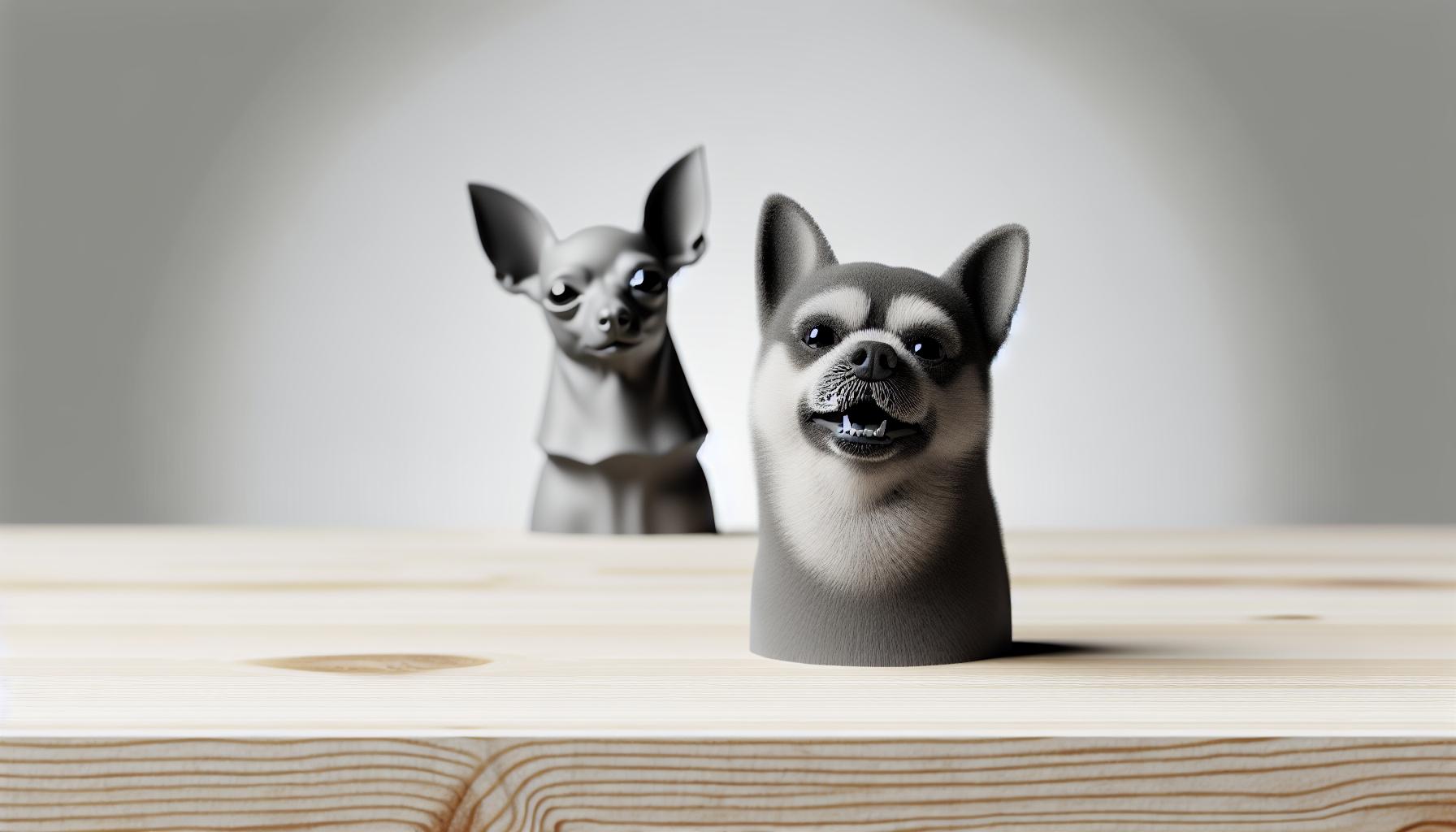
When you encounter Chihuahuas, you might notice their striking variations in head shape and overall appearance, primarily categorized into the beloved apple-head and the charming deer-head types. These two distinct forms highlight not just aesthetic differences but also unique characteristics that can influence a Chihuahua’s care and personality.
The apple-head Chihuahua is often recognized by its strikingly rounded skull and short, compact body. This adorable variety typically exhibits large, expressive eyes that enhance their endearing charm. Owners love their apple-head Chihuahuas for their spirited personalities; many describe their little companions as cuddly yet brave, often displaying a confident demeanor. However, this breed type can be prone to specific health issues. Because of their unique head shape, dental problems are not uncommon, as their crowded teeth may require regular veterinary care to prevent complications.
In contrast, the deer-head Chihuahua carries a more elongated muzzle and typically a slightly taller stance. This variation, resembling a small deer’s features, often results in a more graceful and streamlined profile. Many owners appreciate the gentle and laid-back nature of deer-head Chihuahuas; they can be a bit less assertive than their apple-head counterparts. However, it’s essential to remain aware of their health needs, as like all Chihuahuas, they may also face challenges related to dental health and heart conditions.
Understanding these differences allows Chihuahua owners to cater to their pets effectively. For instance, while engaging in play, knowing that an apple-head may be more prone to respiratory issues during vigorous activity-especially in hot weather-can help you tailor your exercise routines. Similarly, providing a supportive environment for your deer-head to thrive without stress can foster a deeper trust and bond.
In considering which type may best suit your lifestyle, remember that both apple-head and deer-head Chihuahuas bring unique quirks and affectionate behavior that can enrich your life. They may be small in stature, but their larger-than-life personalities make each moment with them memorable. Whether you find yourself drawn to the cuteness of an apple-head or the elegance of a deer-head, embracing their differences will enable you to provide the supportive and loving home they deserve.
Weight Considerations for Healthy Chihuahuas
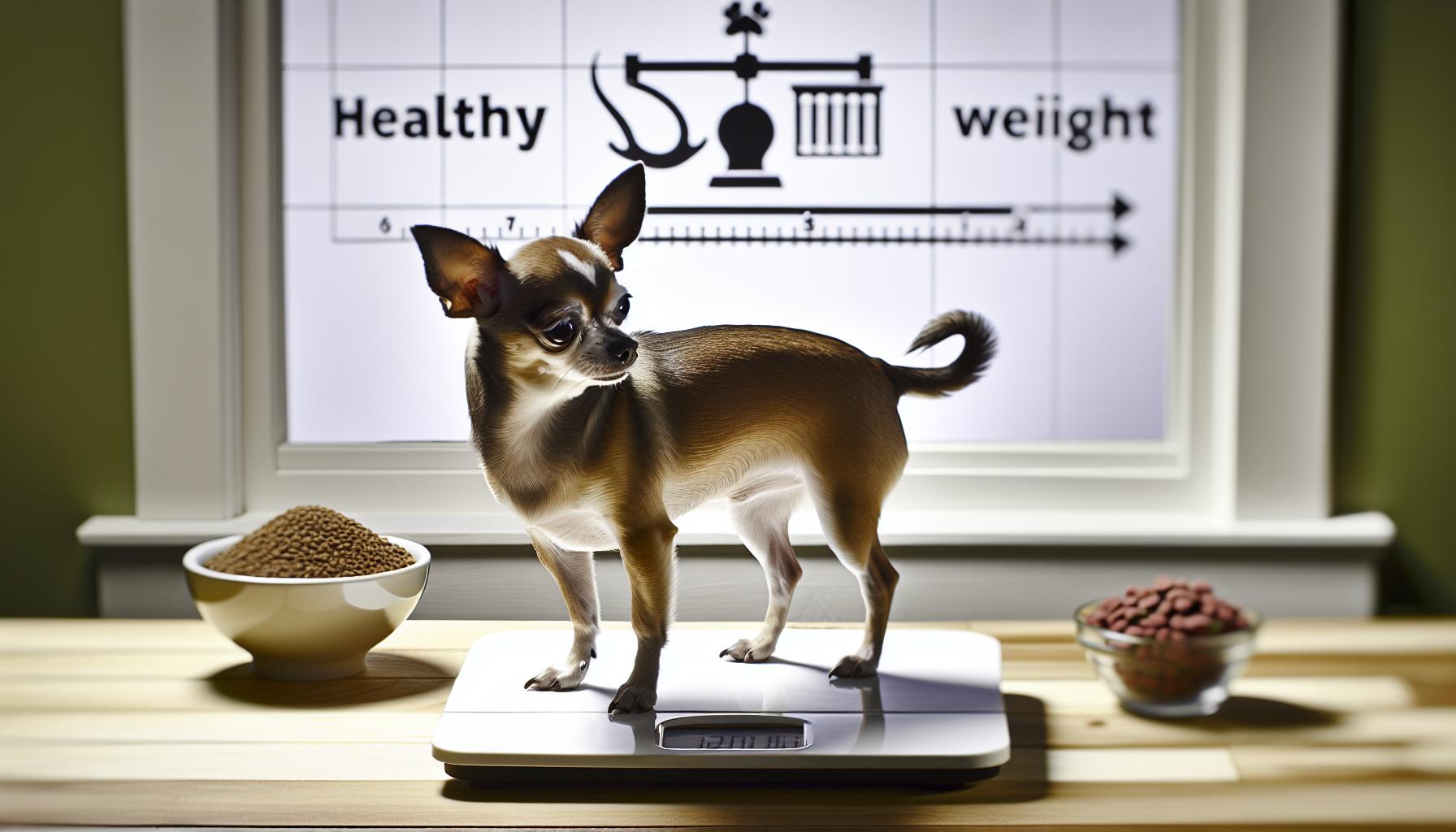
Understanding your Chihuahua’s weight is crucial for ensuring a long, healthy life. Despite their pint-sized stature, Chihuahuas require careful management of their weight to prevent health issues. Typically, a healthy Chihuahua should weigh between 2 to 6 pounds, but variations do exist depending on whether your furry friend is an apple-head or a deer-head. Apple-head Chihuahuas usually fall on the smaller side of this spectrum, while their deer-head counterparts may be slightly heavier due to their more substantial bone structure.
Maintaining a healthy weight isn’t just about aesthetics; it significantly impacts your Chihuahua’s overall health. Excess weight can lead to numerous health problems, including heart disease, joint issues, and diabetes. In contrast, being underweight can also present challenges, such as nutritional deficiencies and a weakened immune system. Regular veterinary check-ups can help determine your dog’s ideal weight and monitor any fluctuations that may require dietary adjustments.
To keep your Chihuahua in tip-top shape, consider the following tips:
- Portion Control: Measure out food portions based on your vet’s recommendations. Too many treats, even healthy ones, can add up quickly.
- Quality Nutrition: Choose a high-quality dog food tailored for small breeds, which provides the right balance of protein, fats, vitamins, and minerals necessary for your tiny companion.
- Regular Exercise: Engage in short, frequent play sessions. Chihuahuas are energetic, and regular activity – such as walks or games of fetch – helps keep their weight in check while satisfying their playful nature.
Many owners find that engaging their Chihuahuas in interactive play not only helps with weight control but also strengthens their bond. For instance, a charming apple-head named Bella loves to chase after soft toys around the living room, while a deer-head named Max enjoys brisk strolls in the park. Observing their individual preferences for exercise can help you create a fun and effective routine that fits your Chihuahua’s lifestyle.
Ultimately, monitoring your Chihuahua’s weight is an integral part of their care that fosters longevity and well-being. By remaining vigilant and proactive, you can help your little friend lead a happy, healthy life, embracing all the vocal, loyal, and audacious quirks that make them the wonderful companions they are.
Common Health Issues Related to Their Size
Chihuahuas, although adorably tiny, bring a unique set of health considerations due to their size. These little companions are prone to a variety of health issues that stem from their genetics and anatomical structure. For many owners, understanding these potential concerns is essential not only for preventing them but also for fostering a loving and supportive environment for their furry friends.
One common issue that arises in Chihuahuas is dental disease. Their small mouths can lead to overcrowded teeth, resulting in a higher risk of plaque buildup and periodontal problems. It’s crucial to establish a dental care routine that includes regular brushing and veterinary check-ups. For example, an owner named Sarah discovered that her apple-head Chihuahua, Bella, had significant tartar buildup at just two years old. After implementing a brushing routine alongside dental treats approved by her vet, Bella showed marked improvement, both in her dental health and her breath!
Patellar luxation, a condition where the kneecap dislocates, is another concern for these pint-sized pups. This condition can cause discomfort and may lead to arthritis if not addressed. Owners should be vigilant for signs such as limping or reluctance to jump. For instance, a deer-head Chihuahua named Max experienced minor luxation episodes, prompting his owner to consult with a veterinary orthopedic specialist. Through targeted exercises and a revised play routine, Max enjoys a more active lifestyle with less risk of injury.
Chihuahuas are susceptible to heart conditions too, like mitral valve disease, which can develop due to their small heart size. Regular veterinary visits are paramount, as early detection can lead to better management. Symptoms like coughing, lethargy, or difficulty breathing should never be ignored. Engaging with your vet over these issues ensures that your tiny companion receives the best care possible, keeping the bond strong and the tail wagging.
Finally, it’s essential to monitor their weight closely. An overweight Chihuahua is at an even greater risk for numerous health problems, including diabetes and joint issues. It’s not just about keeping them looking cute but about ensuring they have a vibrant, healthy life. Owners can support their Chihuahuas’ wellbeing with a well-balanced diet and regular exercise, ensuring plenty of playtime while being mindful of their little body’s needs.
By understanding and proactively managing these health issues, you can provide your Chihuahua with a happy, healthy life. Embrace their quirks, nurture their personalities, and remember-every little step you take helps them thrive!
Feeding a Tiny Dog: Nutrition Tips for Chihuahuas
Chihuahuas may be tiny, but their nutritional needs are anything but small. Given their unique size and metabolism, it’s essential to provide a well-balanced diet tailored to their specific requirements. Proper nutrition not only supports their energy levels but also contributes to their overall health and happiness. A well-fed Chihuahua is energetic, playful, and ready to take on the world, or at least the living room!
Choosing the right food is paramount. Opt for high-quality commercial dog food formulated specifically for small breeds. Look for options that highlight real meat as the primary ingredient, as protein is vital for maintaining muscle mass and energy. Keep an eye out for foods that are higher in fat and protein, as smaller dogs like Chihuahuas often require more dense calorie sources to meet their energy needs without having to eat large quantities. You might find that some owners of apple-headed Chihuahuas prefer grain-free formulas due to sensitivities, while others with deer-head Chihuahuas notice their pups thrive on holistic diets with wholesome grains. Your choice should reflect your dog’s specific health needs and preferences.
Portion control is crucial, too. Chihuahuas can easily become overweight if they are overfed, which can exacerbate health issues like heart disease and joint problems. A good rule of thumb is to follow the feeding recommendations on the food packaging and tailor it based on your Chihuahua’s activity level and weight. Regular weigh-ins at the vet’s office can help ensure they are maintaining a healthy size. Many owners find success by measuring out their Chihuahuas’ food at each mealtime, which fosters a routine and prevents overindulgence.
Additionally, consider incorporating fresh foods into their diet, such as small pieces of cooked chicken, carrots, or green beans. These not only provide variety but also essential nutrients. Just be sure to avoid toxic foods like onions, chocolate, and grapes. Introducing new foods slowly can help prevent gastrointestinal distress. Real-life stories from other Chihuahua owners can be a great source of inspiration; for example, a sweet little deer-head named Charlie thrived on a mix of high-quality kibble and fresh veggies, which his owner swears made all the difference in his energy and coat health.
Lastly, keep hydration in mind. Always ensure your furry friend has access to fresh water, especially if you’re feeding dry kibble. Sometimes, tiny dogs can be picky about drinking enough, so place their water bowl in a visible, easily accessible location.
Feeding your Chihuahua with care and consideration is not just about keeping them full-it’s a pivotal way to show love and ensure their longevity and quality of life. By understanding their unique dietary needs and monitoring their intake, you can help your little companion remain as vibrant and spirited as they were meant to be.
Chihuahua Behavior: Energy Levels and Size
Chihuahuas may be small, but their energy levels often rival those of much larger breeds. This lively spirit is particularly emblematic of the breed, making them vibrant companions despite their compact size. You’ll find that even the tiniest Chihuahua can have a big personality and boundless enthusiasm. Their small stature does not limit their daring nature; rather, it often magnifies it. Whether they are darting around the house or bravely confronting a dog three times their size, their energy is infectious and part of what makes them so endearing.
Most Chihuahuas are known for their high energy; however, this can vary based on factors such as age, health, and even individual temperament. For instance, a young apple-head Chihuahua might exceed your expectations with her playful antics, whereas an older deer-head may prefer lounging on the couch. Understanding and recognizing these nuances is key to providing the best care for your little companion.
Regular exercise is essential to maintain their physical health and mental stimulation. You don’t need a vast backyard to keep your Chihuahua happy; short walks and play sessions indoors can be more than sufficient. Create an engaging environment for your energetic friend by introducing toys that encourage activity, such as small balls or tug ropes. You might notice that your little one enjoys chasing after a feather toy or a laser pointer, igniting her instinctual drive for play. Stay attuned to her energy levels and adjust playtime as needed.
Socialization plays a crucial role in a Chihuahua’s behavioral development. Frequent interactions with other dogs and individuals help them learn to navigate different social situations, which can alleviate anxiety and reinforce positive behavior. However, being a small dog can lead to overprotectiveness or skittishness towards larger animals, so gradual exposure is ideal. Consider meeting friends with dogs of various sizes in safe environments, allowing her to build confidence and social skills.
Ultimately, appreciating the energetics of Chihuahuas means understanding that their small size comes packed with personality and vigor. Each interaction with your Chihuahua can reveal more of her quirks, and embracing her unique character will only deepen your bond. Through engaging activities, thoughtful socialization, and a little patience, you’ll have a spirited companion who remains lively and engaged throughout her life.
How Size Affects Training and Socialization
Chihuahuas are often perceived as tiny bundles of energy, but their small size comes with unique challenges and advantages when it comes to training and socialization. Due to their diminutive stature, these little pups can be easily overlooked in a pack of larger dogs, potentially leading to overprotective or anxious behaviors. This makes early socialization even more critical. When introducing a Chihuahua to new environments or larger dogs, it’s essential to do so gradually. Positive experiences will enhance her confidence and help her navigate social situations with ease.
Training small dogs like Chihuahuas can differ from training their bigger counterparts due to their size-related quirks. Many owners find that their little companions possess a stubborn streak, partly because they are accustomed to being doted on and carried around. To foster good behavior, consistency and positive reinforcement are vital. Use treats and praise to reward desired behaviors, making training sessions fun and engaging. Interestingly, due to their size, training sessions can be shorter but more frequent, keeping your Chihuahua focused and motivated.
Understanding Their Boundless Energy
Despite their small size, Chihuahuas often have energy levels that rival larger breeds. This spirited nature can translate into a need for more mental stimulation and interactive play. Incorporating agility exercises or interactive toys that stimulate both the body and mind can be particularly beneficial. For instance, setting up small obstacle courses or using puzzle toys can keep her engaged and help channel her energy positively.
Additionally, while Chihuahuas may seem fragile, many have a surprisingly bold personality. They can be vocal and fearless, often challenging larger dogs. It’s essential to instill good manners and body language to ensure your tiny friend does not get into trouble in social settings. Obedience training, alongside social playdates with well-mannered dogs, can teach her how to interact respectfully.
In conclusion, understanding how size impacts your Chihuahua’s training and socialization is key to raising a well-adjusted companion. Celebrate her uniqueness and playful spirit, and invest time in her training and socialization to ensure she grows into a confident little dog ready to take on the world, one bark at a time.
Understanding the Chihuahua Personality and Size
Chihuahuas, with their pint-sized bodies and larger-than-life personalities, often defy the stereotype of being delicate toys. One fascinating aspect of their character is how their small size is intertwined with their unique temperament. These dogs are renowned for their surprising boldness; they tend to act much larger than they are, often displaying fearlessness that can be both endearing and amusing. It’s not uncommon for a Chihuahua to strut around with confidence, barking at much larger dogs as if they were equals. This spirited demeanor is a hallmark of the breed and speaks to their vibrant personality shaped by genetics and upbringing.
The personality of a Chihuahua can often be traced back to its size. Being small means that Chihuahuas frequently rely on their humans for protection and support, which can lead to some behaviors that are rooted in either loyalty or anxiety. Many owners notice that their Chihuahuas can become very attached and protective of their family members, sometimes showing a tendency to be overzealous in guarding their space. This loyalty is a beautiful trait, but it’s essential to guide these instincts through training and socialization. Regular interactions with varied environments and other dogs will help your little friend learn appropriate boundaries and enhance their confidence.
In caring for Chihuahuas, understanding their personality quirks is essential. These little dogs are often characterized by a vocal nature; their barks can be loud and persistent for their size. Choose to manage this trait with positive reinforcement training, rewarding quiet behavior to encourage more peace and less barking. Additionally, maintaining a routine that includes physical exercise and mental stimulation-think of playtime with toys or engaging in short training sessions-will help channel their boundless energy appropriately.
Lastly, it’s important to embrace the variations within the breed itself; for instance, the apple-head versus the deer-head Chihuahuas may exhibit different traits influenced by their physical characteristics. While both types boast a bold personality, apple-heads might lean more towards the cuddly side, while deer-heads are often more active and alert. Understanding these distinctions allows owners to cater to their companions’ specific needs and personalities, ensuring that every Chihuahua shines in its own unique light.
In summary, recognizing how size influences a Chihuahua’s behavior and personality not only fosters a deeper bond between you and your furry friend but also equips you with the tools needed to navigate their world. Your tiny companion dreams big; understanding her needs will ensure she remains a happy and confident little ruler in your household.
Caring for Your Small Companion: Essential Tips
Caring for a Chihuahua involves a unique blend of attention to their health, understanding their distinctive behaviors, and catering to their petite size. These little dogs are not only adorable but also require tailored care to ensure they thrive. Whether you are a first-time owner or an experienced Chihuahua enthusiast, the following tips will help you provide the best possible environment for your small companion.
One essential aspect of Chihuahua care is proper nutrition. Given their tiny stature, it’s crucial to choose high-quality kibble specifically formulated for small breeds. This will ensure they receive the right balance of nutrients. Chihuahuas can easily become overweight, so monitoring their portion sizes and keeping an eye on treats is vital for maintaining a healthy weight. Remember, a fit Chihuahua is a happy Chihuahua! Owners often find success by measuring meals and sticking to a twice-daily feeding schedule, which helps regulate their appetite and energy levels.
Regular veterinary visits are another cornerstone of your Chihuahua’s care. Due to their small size, Chihuahuas are prone to certain health issues like dental disease, heart problems, and patellar luxation. It’s wise to schedule wellness exams at least once a year and to stay up-to-date on vaccinations. Many owners also find that dental care-like regular brushing and dental chews-helps keep their Chihuahua’s teeth healthy and reduces the risk of periodontal disease.
Physical activity is essential, but keep in mind that “exercise” for a Chihuahua looks different than it does for larger breeds. Short walks, playtime, and mental stimulation are vital to keeping them happy and healthy. Engaging activities, such as puzzle toys or obedience training, can provide mental challenges that tire them out just as much as physical exercise would. Many owners enjoy bonding time with their Chihuahuas by incorporating these enriching activities into their daily routine, helping to strengthen their connection.
Lastly, socialization plays a key role in shaping a well-rounded Chihuahua. Exposing your little one to various people, environments, and other pets will help them develop confidence and mitigate anxiety. Remember to take advantage of puppy classes, dog parks, or even simple outings to pet-friendly stores. This not only allows your Chihuahua to become accustomed to new experiences but also aids in curbing any overprotective or anxious behaviors they might exhibit.
In summary, by focusing on nutrition, regular vet visits, adequate exercise, and positive socialization, you can ensure that your Chihuahua leads a healthy, fulfilling life. Embrace their quirks and bold personalities, and you’ll find that every moment spent with your little companion is a joyous adventure.
The Future of Chihuahuas: Trends in Size and Breeding
As we look toward the future of Chihuahuas, fascinating trends in size and breeding are emerging. These trends not only reflect a growing interest in this beloved toy breed but also signify the evolving standards and practices among breeders. With the Chihuahua’s charm and adaptability, many owners and breeders alike are keen to understand how factors like genetics and selective breeding continue to shape the size and characteristics of Chihuahuas.
One prominent trend is the increasing popularity of hybrid breeds, leading to the emergence of “designer” Chihuahuas. Crossbreeding with breeds such as Poodles or Dachshunds is becoming common, aiming to introduce desirable traits while maintaining the compact size that Chihuahua enthusiasts appreciate. However, this also raises important considerations about health and temperament. When breeding for size, especially smaller sizes, potential health issues can arise. It’s crucial for breeders to prioritize the health and well-being of the dogs over mere aesthetics. Responsible breeding practices are essential to avoid common genetic problems that can affect Chihuahuas, such as dental issues and heart defects.
Moreover, as pet owners become more educated about canine genetics, there is a growing demand for Chihuahuas with specific physical attributes. Breeders are being asked for Chihuahuas with distinct characteristics, such as the apple-head and deer-head variations, which both have their unique appeal. Apple-head Chihuahuas are often favored for their rounder skulls and larger eyes, embodying the classic “cute” look, while deer-head Chihuahuas, known for their elongated noses and elegant build, attract those who appreciate a more refined appearance. This demand encourages breeders to specialize, which can lead to improved standards within the breed.
In caring for your future Chihuahua, it’s important to consider these trends. Always seek a reputable breeder who prioritizes health and temperament over size. Ask questions about their breeding practices, the health testing of breeding pairs, and the health history of the puppies. Ensuring that your Chihuahua is not just a pretty face but a healthy companion should always be your top priority. Embrace the joy of owning a Chihuahua by understanding the implications of size and breeding processes, and you’ll foster a happy, healthy relationship with your tiny, bold friend.
Frequently asked questions
Q: Why are Chihuahuas so small compared to other dog breeds?
A: Chihuahuas are small due to their unique genetics and years of selective breeding that emphasize smaller sizes. Their compact bodies allow them to adapt well to various living environments, making them popular city companions.
Q: What genes are responsible for the small size of Chihuahuas?
A: The small size of Chihuahuas is linked to specific genetic markers related to growth and development. Research indicates that mutations in genes controlling bone growth can significantly affect their size.
Q: How does nutrition impact the growth of Chihuahuas?
A: Proper nutrition is crucial for maintaining ideal weight and growth in Chihuahuas. A balanced diet helps prevent obesity, which is particularly harmful for small breeds. Ensure you provide high-quality dog food tailored to their size.
Q: Are there health risks associated with their small size?
A: Yes, small size can lead to health issues such as dental problems, patellar luxation, and heart diseases. Regular veterinary check-ups are essential to catch and address potential health concerns early.
Q: How does selective breeding affect Chihuahua sizes today?
A: Selective breeding practices aim to enhance desirable traits, including size. This has led to increasingly smaller Chihuahuas, with specific lines being developed for traits like the Apple-head and Deer-head differences in appearance.
Q: What age do Chihuahuas reach their full size?
A: Chihuahuas typically reach their full size by around 6 to 12 months of age. Growth can vary, so monitoring their weight and development during this period is critical for health.
Q: Can Chihuahuas grow larger than expected due to environmental factors?
A: While genetics primarily determine size, environmental factors like diet and exercise can influence a Chihuahua’s weight and growth. Overfeeding or a lack of activity can lead to heavier Chihuahuas, which may appear larger.
Q: How can I ensure my Chihuahua remains healthy as a small breed?
A: To keep your Chihuahua healthy, provide a balanced diet, regular exercise, and routine veterinary care. Educate yourself on common health issues related to small breeds to enable early detection and prevention of potential problems.
Key Takeaways
Understanding why Chihuahuas are so small uncovers the fascinating interplay of genetics and size secrets that define this beloved breed. From the adorable apple-head to the variety of coat types, these dogs bring unique traits and charming personalities-vocal, loyal, and undeniably bold. If you’re a proud Chihuahua owner or considering welcoming one into your home, explore our comprehensive guides on Chihuahua health, behavior, and care, which offer essential tips for nurturing your tiny companion.
Don’t miss out on our resources-consider signing up for our newsletter for the latest tips and community support tailored just for Chihuahua lovers. Have questions or want to share your own experiences? We invite you to leave a comment below; your insights create a vibrant community of fellow enthusiasts. Dive deeper into the wonderful world of Chihuahuas today, and cherish every quirky moment with your loyal friend!
Get our latest guides, news, and insights highlighted in your Google Search & AI Overviews.