

Did you know that the name “Chihuahua” comes from the Mexican state of the same name, where these pint-sized pups were first recognized? Understanding the etymology of Chihuahua not only highlights their rich cultural origins but also connects us to the unique traits that make these little companions so beloved. Whether you’re a seasoned Chihuahua owner or considering bringing one into your home, learning about their name offers insight into their personality and charm. From their bold, feisty nature to their affectionate loyalty, Chihuahuas are more than just a cute breed; they carry a history that reflects their spirit. Join me as we explore the fascinating journey behind the name “Chihuahua” and uncover what it reveals about these delightful dogs.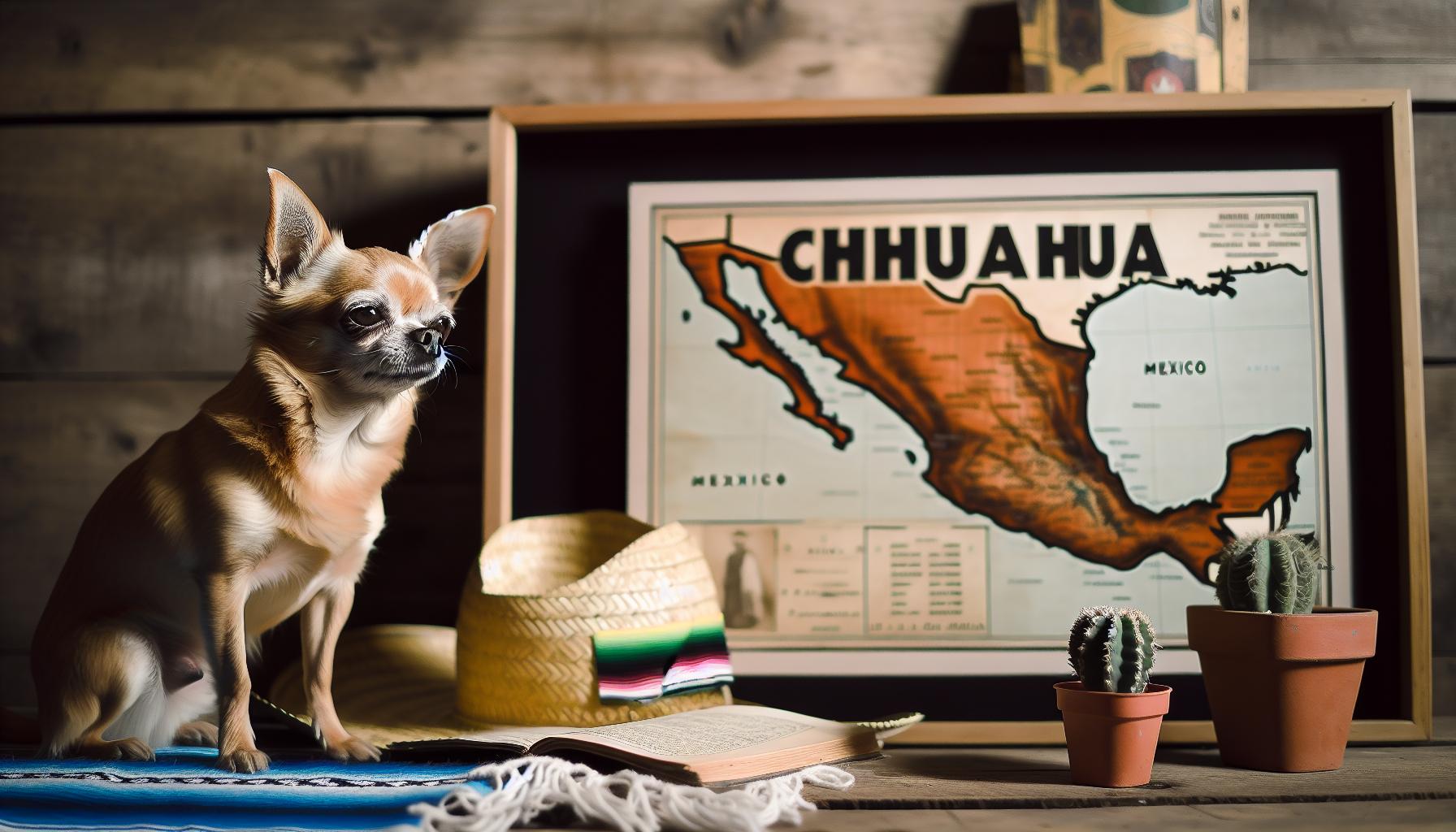
The Origins of the Chihuahua Name: A Deep Dive
The name “Chihuahua” carries a rich tapestry of history and cultural significance, reflecting both the breed’s geographical origins and the deep connections to Mexican heritage. The term itself is derived from the Mexican state of Chihuahua, where these petite pups were first recognized in the mid-19th century. This connection not only links the breed to its birthplace but also highlights how regional characteristics are often entwined with the identity of a breed.
Chihuahuas are more than just their names; they embody a spirit that resonates with the vibrant culture of Mexico. The state’s indigenous peoples, particularly the Tarahumara and other native groups, are believed to have kept small dog breeds that closely resemble today’s Chihuahuas. These dogs were often integral to their communities, serving as companions and protectors. This historical context enriches our understanding of the Chihuahua’s identity, marking it as a breed that has evolved through centuries of cultural interaction.
Etymologically, the word “Chihuahua” may be derived from the Nahuatl word “chīchīltik,” meaning “mouth” or “little dog.” This reflects the small size and vocal nature of the breed, known for their barks and playful demeanor. It’s fascinating to see how language and cultural nuances can shape the perception of a dog breed. Chihuahuas are often celebrated for their bold personalities, defying their tiny stature with big attitudes, which makes them captivating companions for many owners.
Understanding the origins of the Chihuahua name not only honors the breed’s rich heritage but also enhances the bond between owner and dog. Knowing where your furry friend comes from adds depth to the daily joys and challenges of Chihuahua ownership, empowering you to celebrate their unique identity and quirks. Whether he is a lively apple-head or a smooth-coat beauty, knowing the historical significance of his name gives you a greater appreciation for your Chihuahua and the many generations that have come before.
Historical Context of Chihuahua Naming
The fascinating story of the Chihuahua’s name is steeped in rich historical context that mirrors the cultural fabric of Mexico. These charming little dogs carry not only a distinctive name but also the legacy of their geographical origins. The Chihuahua breed, widely recognized for its diminutive size and big personality, is named after the northern Mexican state of Chihuahua, where they were first documented in the mid-1800s. This geographical rootedness is more than just a point of origin; it signifies a larger cultural narrative that integrates the lives of these dogs with the communities that raised them.
The history of the Chihuahua is intertwined with the indigenous peoples of Mexico, particularly the Tarahumara and other local tribes who historically cared for small dog breeds akin to today’s Chihuahuas. These dogs were not just pets; they held significant roles within their communities, often serving as companions in both daily life and spiritual practices. Understanding this connection provides insight into why Chihuahuas are such spirited and loyal companions today. For example, many owners notice that their Chihuahua displays a protective nature, an echo of its ancestral roles in safeguarding families and homes.
Moreover, the name itself has fascinating etymological roots, possibly derived from the Nahuatl word “chīchīltik,” meaning “mouth” or “little dog.” This reflects the breed’s small stature and vocal tendencies, traits that endeared them to their human counterparts. As you observe your Chihuahua’s bold antics and spirited barks, remember that these behaviors are part of a legacy that goes back generations, embodying a deep cultural significance that celebrates their unique identity.
As a Chihuahua owner, embracing this historical context can enhance your bond with your furry friend. Recognizing your Chihuahua’s rich heritage is a reminder of the vitality and resilience that resonates within these tiny, yet mighty, creatures. Whether you have an apple-head or a deer-head variety, understanding the deeper meanings behind the breed’s name will not only enrich your connection but may also help you navigate the quirks and challenges of Chihuahua ownership with a greater sense of appreciation.
The Role of Mexican Culture in Naming Chihuahuas
The profound connection between Mexican culture and the naming of Chihuahuas goes beyond mere geography; it encapsulates a rich tapestry of history, tradition, and identity. When you think about your little companion, remember that you are not just sharing your life with a pet; you are partaking in a legacy that is deeply rooted in Mexican heritage. The Chihuahua breed’s name reflects this, serving as a tribute to its origins in the Mexican state of Chihuahua, where these small dogs were cherished companions of local communities.
The indigenous peoples of Mexico, particularly the Toltec and later the Aztecs, played a pivotal role in the Chihuahua’s history. They nurtured small dog breeds that were integral to their daily lives-often as companions, but also as spiritual entities representing protection and loyalty. These dogs were believed to accompany their owners into the afterlife, which adds a layer of cultural significance to the name and the breed itself. Such deep-rooted practices contributed to the reverence given to these animals, explaining why Chihuahuas are often seen as spirited protectors, despite their tiny size.
Modern perceptions of Chihuahuas are heavily influenced by this cultural background. Owners often remark on their pets’ bold personalities and vocal tendencies, traits that reflect their historical lineage. The term “Chihuahua” not only identifies the breed but also signifies a celebration of its vibrant heritage. Whether you have an apple-head or a deer-head Chihuahua, these distinctions are not just physical; they also tie back to the breed’s diverse cultural lineage. Many owners embrace the quirks of their Chihuahuas while recognizing the cultural weight that the name carries, thus fostering a deeper appreciation of their adorable companions.
By understanding the cultural role behind the name, Chihuahua owners can foster a stronger bond with their pets. This knowledge can encourage you to engage with and appreciate your dog’s unique personality traits, which are echoes of their ancestral roles. As you navigate the joys and challenges of Chihuahua ownership, acknowledging this rich heritage will enhance your experience, allowing you to be not just a caretaker, but a participant in a long-standing tradition that celebrates one of Mexico’s most beloved canine companions.
Etymological Roots: Spanish and Indigenous Influences
The name “Chihuahua” carries with it a rich tapestry of cultural and historical significance, weaving together threads of both Spanish and indigenous influences. Originating from the state of Chihuahua in Mexico, the breed’s name is a reflection of its deep roots in Mesoamerican history. The term “Chihuahua” itself is believed to derive from the word “xihuahuitl,” meaning “dry and sandy place” in the Nahuatl language, which was spoken by the Aztecs and other indigenous groups. This connection emphasizes not just a geographical origin but a profound cultural identity associated with the breed.
Throughout history, the locals of Chihuahua cherished small dog breeds, particularly those that are now recognized as ancestors of the Chihuahua. These dogs held significant roles beyond mere companionship; they were seen as spiritual companions believed to protect their owners in life and after death. The Toltecs and Aztecs revered these canines for their loyalty and vitality, intertwining their names and identities with the cultural practices of the time. For instance, archaeological findings often reveal depictions of small dogs alongside their human companions in burials, highlighting their esteemed positions in Mesoamerican society.
In more contemporary settings, the Chihuahua’s name continues to evoke a sense of pride among owners. Whether you have an apple-head or a deer-head Chihuahua, the name encapsulates a legacy that transcends mere nomenclature. It’s a reminder that every vocal bark and spirited bounce reflects their ancestry and the vibrant culture of Mexico. Understanding the etymology not only enriches your appreciation of the breed but also deepens your bond with your little companion, as you recognize the historical weight behind each wagging tail.
As a Chihuahua owner, embracing both the quirks and the formidable hearts of your dog is part of what makes this breed so special. Knowing your Chihuahua’s name and its origins can enhance your connection, reminding you that you are part of a long-standing tradition filled with rich history and cultural significance. This knowledge can empower first-time and experienced owners alike, enabling you to celebrate the unique essence of your beloved Chihuahua with informed affection.
Exploring the Connection to the State of Chihuahua
The state of Chihuahua, Mexico, is not just the namesake of the beloved breed but also its cultural birthplace. Renowned for its vast deserts and rich history, Chihuahua has played an integral role in shaping the identity and characteristics of Chihuahuas. The region’s rugged landscape and historical significance lend a unique aspect to understanding these tiny dogs, which are often bold and spirited, mirroring the resilient spirit of their homeland.
Chihuahuas were discovered in the 19th century, closely linked to the ancient civilizations that walked the lands of Chihuahua long ago. These small dogs were more than mere companions; they were revered as sacred animals by the Toltec and Aztec cultures. It’s fascinating to think how these tiny warriors have echoes of their ancestors, reflecting the strength and courage found in the landscapes of Chihuahua. The naming of the breed aligns seamlessly with cultural pride-a tribute to a state steeped in history and tradition.
When you hear the name “Chihuahua,” you might visualize the dry, sandy terrain that inspired its etymology. The breed’s connection to the region extends beyond just a name; it speaks to the rich heritage that every Chihuahua carries. If you own one, you might notice traits that resonate with this legacy-perhaps your Chihuahua is particularly fearless or loyal, characteristics that nod to their past as protector dogs. Understanding this connection enriches your bond with your pup; it transforms each affectionate bark and spirited leap into a celebration of heritage.
Many Chihuahua owners cherish this connection, often proudly sharing stories of their dogs’ unique personalities-like how Bella, a feisty apple-head, dives bravely into playtime, or Max, a sweet deer-head, snuggles up to offer warmth during chilly evenings. As you nurture your Chihuahua, recognizing their roots can enhance your relationship, making each moment together a reflection of a shared story that spans centuries. Embrace the heritage that comes with your beloved Chihuahua; it’s a celebration of culture, courage, and enduring companionship.
Chihuahua Varieties: Naming and Distinction Explained
Chihuahuas come in an array of delightful varieties, and understanding these distinctions can enhance your appreciation for this vibrant breed. While your Chihuahua’s name is tied to its heritage, its appearance and characteristics further reflect its unique identity. The two main types of Chihuahuas recognized today are the *apple head* and the *deer head*, each with distinctive features and personalities.
- Apple Head Chihuahuas: Known for their rounded skulls and short snouts, apple head Chihuahuas tend to have a more compact look. This variety is often favored for its “cute” appearance, and many owners appreciate their expressive eyes, which convey a wide range of emotions. They are typically a bit more affectionate and are known to be loyal companions, often forming tight bonds with their humans.
- Deer Head Chihuahuas: As the name suggests, these Chihuahuas have longer snouts and a more elongated skull, resembling a young deer. This type is often associated with a leaner body and can appear slightly taller. Though they may be less common in dog shows, they have charming personalities that can be just as engaging. Many owners find them to be playful and social, thriving in dynamic environments.
Beyond these primary distinctions, Chihuahuas also exhibit various coat types, including smooth and long-haired varieties. Smooth-coated Chihuahuas require minimal grooming, while long-haired Chihuahuas may need regular brushing to prevent matting. Regardless of the coat type, all Chihuahuas share a bold spirit and a zest for life.
When it comes to health considerations, both varieties can face specific issues related to their distinct structures. Apple head Chihuahuas, due to their cranial shape, may be more prone to certain health conditions like hydrocephalus or dental issues. In contrast, deer head Chihuahuas generally boast a more robust structure but are not immune to common concerns like patellar luxation. Regular vet check-ups and attentive care are crucial for maintaining their health.
Recognizing these variations not only deepens your bond with your Chihuahua but also helps you provide tailored care that reflects their individual needs. Every Chihuahua, be it an apple head or a deer head, carries with it a unique story, full of character and heart, just waiting to be shared with the world.
Cultural Significance of the Chihuahua Breed Name
The Chihuahua, a breed known for its bold personality and minimal size, carries a name steeped in cultural significance and rich history. Originating from the Spanish state of Chihuahua, the breed’s name reflects not just a geographical location, but also a deep connection to Mexican heritage that resonates with dog lovers around the world. Understanding the name’s cultural backdrop allows owners to appreciate not just their pet’s lineage, but also the vibrant history that accompanies them.
Interestingly, the Chihuahua’s name is thought to be derived from a Nahuatl word, chihuahuitl, which means “small” or “tree.” This etymological root links the breed to the rich tapestry of Indigenous Mexican cultures, where dogs were revered and often associated with various spiritual and cultural practices. In this context, naming the breed after a place also offers a glimpse into the bond between local culture and the animals that inhabit it. This breed’s connection to Mexican culture is further evident in festivals and traditions wherein Chihuahuas often take center stage, embodying the spirited nature of their homeland.
As a Chihuahua owner, you likely understand the nuances that come with their name. The breed’s fame has grown through popular media, which has contributed to their allure and recognition but sometimes also leads to misconceptions. For instance, the portrayal of Chihuahuas as mere accessories in celebrity culture often overlooks their loyalty and fierce personalities. By embracing their true cultural significance, you can better represent this breed’s essence, celebrating not only their quirky behaviors but also their historical importance.
Ultimately, knowing the cultural significance behind your Chihuahua’s name enriches your bond and enhances your understanding of this unique breed. Each bark and wiggle reflects not just personality, but also a lineage that connects to a broader story. Your little companion might be tiny, but she carries an immense legacy that adds to her distinctive identity. By recognizing this heritage, you honor every aspect of what it means to be a Chihuahua owner.
How Popular Media Shaped the Chihuahua Name
As the world shifts towards a more visually-driven culture, the portrayal of Chihuahuas in popular media has transformed them from often-overlooked companions into prominent figures celebrated for their unique personalities and charm. This change began in the late 20th century, catalyzed by media representations that highlighted these tiny dogs’ distinctive characteristics-a blend of sass, loyalty, and boldness. From movies to advertisements, Chihuahuas captured the public’s imagination, leading to a surge in their popularity and subsequently shaping perceptions about their name and identity.
One of the most pivotal moments for the Chihuahua was the 2008 animated film “Beverly Hills Chihuahua.” This film not only portrayed the breed as glamorous and adventurous but also endeared them to a younger audience. The character of Chloe, a pampered Chihuahua voiced by Drew Barrymore, showcased the breed’s vocal and spirited nature, reinforcing their image as feisty little companions. As a result, many viewers associated the name “Chihuahua” with playful antics and a sassy attitude, overlooking the breed’s deeper cultural significance rooted in Mexican heritage.
Moreover, celebrity culture has also played a significant role in shaping the Chihuahua narrative. Stars like Paris Hilton famously carried their tiny Chihuahuas as fashion accessories, a trend that not only popularized the breed but also influenced the way people perceived them. While this elevated the breed’s status, it inadvertently led to some misinterpretations. Many began to see Chihuahuas as mere fashion statements rather than the loving, dynamic beings they are. First-time owners might find themselves drawn to the breed due to this glamorized image, yet it’s essential to remember that behind the name is a dog with a rich history and a strong personality.
Understanding how popular media has influenced the Chihuahua name invites a deeper appreciation of these dogs. As owners, we have the opportunity to celebrate their little quirks and behaviors-whether it’s their tendency to bark loudly at perceived threats or to snuggle incredibly close for warmth-while also teaching others about the breed’s true nature. The way a Chihuahua carries itself sets it apart in a world of dog breeds, and by recognizing the impact of media, we can foster a more nuanced love for our furry friends that honors both their playful spirit and their cultural legacy.
Common Misconceptions About Chihuahua Naming
While Chihuahuas are known for their bold personalities and charming quirks, there are many misconceptions surrounding their name and origins that can lead to confusion. One prevalent myth is that the name “Chihuahua” comes from the word for “small” in either Spanish or an indigenous language. In reality, the name is derived from the Mexican state of Chihuahua, where this breed was first recognized in the early 20th century. The state itself, rich in history and native culture, plays a significant role in the breed’s identity, linking these small dogs to the region’s indigenous heritage.
Another common misunderstanding is the belief that all Chihuahuas share a single, uniform appearance due to their name. In truth, there are distinct varieties within the breed, including the smooth coat and long coat Chihuahuas. Furthermore, Chihuahuas also come in a variety of sizes and head shapes, notably the apple-head and deer-head types. This diversity makes each Chihuahua unique, but all share the same spirited temperament and loyalty that passionate owners come to cherish.
It’s also important to address the misconception that Chihuahuas are simply fashion accessories. While it is true that popular culture, including celebrity endorsements, has elevated their status, it has led many to view them at a superficial level. Chihuahuas are more than just stylish companions; they are dogs with complex needs, requiring proper socialization, training, and care to thrive. A Chihuahua’s reputation as a yappy or overly dramatic breed often overshadows their true temperament, which can vary greatly based on their upbringing and environment.
Finally, some may think that because of their size, Chihuahuas don’t need as much care or attention as larger breeds. This is far from the truth. Like all dogs, Chihuahuas require regular exercise, mental stimulation, and social interaction to remain happy and healthy. They also can develop health issues typical of small breeds, such as dental problems and heart conditions. Understanding these factors is vital for potential owners seeking to provide the best possible life for their tiny companions. By dispelling these misconceptions, we can embrace the full authenticity of the Chihuahua, honoring both their heritage and their personality.
The Evolution of the Chihuahua Name Over Time
The name “Chihuahua” has an intriguing journey that reflects not just the breed itself but also the rich cultural tapestry of Mexico. Originally acknowledged in the early 20th century, the breed takes its name from the Mexican state of Chihuahua, which is significant in both geographical and historical terms. The evolution of the Chihuahua name is tied closely to this area’s indigenous heritage and the ongoing relationship between culture and canine companions.
As the breed gained recognition, its name became synonymous with the spirit of the locals-bold, loyal, and full of personality. Early breeders and enthusiasts often embraced the regional identity tied to these small dogs, further entrenching the name in the fabric of Mexican culture. It is essential to highlight that the Chihuahua was not merely a breed; it became a symbol of pride for many who lived in or hailed from the state, showcasing how names can carry deeper meanings tied to culture and identity.
Over the years, the connection of the Chihuahua name to popular media has also played a substantial role in its evolution. From being featured in films to being carried by celebrities, the breed has transitioned from local affection to global recognition. This widespread fame has caused some variations in perception and understanding of the name, yet at its core, it maintains the impressive heritage associated with its origins. As you navigate through your journey with your Chihuahua, understanding the significance of their name can enrich your ownership experience, reinforcing a bond that celebrates both their history and their unique personalities.
As an owner, recognizing how names evolve-not just sound but meaning and context-can deepen your appreciation. When you call your Chihuahua, you’re not just using a label; you’re invoking a legacy of Mexican culture, a testament to the breed’s spirited nature, and an ongoing story that connects you to a broader community of Chihuahua enthusiasts. Whether your pup is a feisty apple-head or a charming deer-head, each moment spent with them is part of the ongoing narrative of their name and the history they carry.
Why Understanding Your Dog’s Name Matters
Understanding the significance of your Chihuahua’s name goes beyond a mere label; it connects you to a rich cultural heritage and shapes your bond with your furry companion. The name “Chihuahua” is steeped in history, representing not only the breed’s origins in Mexico but also the characteristics that make them unique-boldness, loyalty, and spirited personalities. When you call your Chihuahua, you’re invoking a connection that embodies a legacy woven into the identity of the breed.
Names can influence behavior, too. Studies have shown that dogs respond differently to names based on their tone and how they are used. A name infused with affection and respect may encourage your Chihuahua to respond more positively. For example, consider using playful variations of “Chihuahua” that capture her personality-like “Chica” for a lively female or “Tiny” for a petite apple-head. Personalizing the name can enrich your relationship, helping your dog feel even more connected to you.
Every Chihuahua has a distinct personality drawn from their history and breed traits. Apple-heads may exhibit more vocal tendencies, while deer-heads might have a slightly calmer demeanor. Embracing these traits as part of your dog’s identity enhances your understanding and care for her. Familiarity with the cultural roots of the name can also foster appreciation-recognizing that by choosing a name associated with such a vibrant culture, you are stepping into a community of Chihuahua lovers worldwide.
Ultimately, knowing the story behind your Chihuahua’s name fosters a deeper connection and enhances your role as an owner. Your choices reflect not just affection but also a tribute to the breed’s origins and cultural significance. So next time you call your Chihuahua, remember that you are celebrating her heritage, reinforcing your bond, and partaking in a narrative that spans generations and geographic borders.
Celebrating Chihuahuas: Reflecting on Their Unique Identity
Every time you interact with your Chihuahua, you engage with a breed rich in history and unique traits that deserve celebration. These spirited little dogs, often weighing under six pounds, are quintessential companions known for their confident demeanor and social engagement. With roots tracing back to ancient Mexico and a name derived from the state that shares their name, Chihuahuas embody a vibrant cultural legacy that reflects not just their origins but also the variety of personalities within the breed.
Caring for a Chihuahua means embracing their quirks. From the lively apple-heads, who may chatter away as if they are in constant conversation, to the more laid-back deer-heads, each variety brings its own charm. These dogs thrive on human interaction and love to be at the center of family activities. Their loyalty is unmatched, often forming strong bonds with their owners, earning them the title of “miniature guardians.” Celebrating your Chihuahua means recognizing these traits and making daily efforts to engage with her uniquely-perhaps by initiating playful games or encouraging her to show off her bold personality.
Here are a few ways to honor and celebrate your Chihuahua’s unique identity:
- Personalized Naming: Choose a name that reflects her personality. For an adventurous spirit, maybe “Bella the Brave” or for a calm companion, “Gentle George” feels right.
- Engage in Activities: Regular socialization and play are crucial. This could mean joining a local dog group or simply spending time at a park.
- Health Matters: Keep her thriving with a nutritious diet and regular vet check-ups-Chihuahuas can be prone to dental issues, so dental care is vital!
Understanding the cultural and historical contexts surrounding the name “Chihuahua” enriches your connection to your dog. It reminds us that our little companions are more than just pets; they are carriers of history and cultural significance. Valuing her identity each day not only enhances your bond but also ensures she feels cherished and understood, celebrating the spirit of the Chihuahua in every interaction you share.
Q&A
Q: What does the name ‘Chihuahua’ signify in its original context?
A: The name ‘Chihuahua’ is derived from the state of Chihuahua in Mexico, which signifies “place of the water.” This reflects the region’s indigenous heritage and connection to natural landmarks, as explored in The Origins of the Chihuahua Name: A Deep Dive section of the article.
Q: How did the Chihuahua breed evolve over time?
A: The Chihuahua breed evolved from small native dogs in Mexico, influenced by Spanish breeding practices. The historical context highlights how this evolution reflects cultural shifts and environmental adaptations specific to the state of Chihuahua, which you can read more about in The Evolution of the Chihuahua Name Over Time.
Q: What are some common misconceptions about Chihuahua naming?
A: Common misconceptions include the belief that Chihuahuas are solely named after the state. In reality, their name reflects both regional significance and cultural history, including Spanish and indigenous influences as detailed in the Common Misconceptions About Chihuahua Naming section.
Q: How did Mexican culture influence the naming of Chihuahuas?
A: Mexican culture significantly shaped the naming of Chihuahuas, as the breed was integral to local traditions and folklore. Names often reflect traits valued in Mexican society, enhancing their cultural significance, elaborated on in The Role of Mexican Culture in Naming Chihuahuas.
Q: Are there different varieties of Chihuahuas, and how are they named?
A: Yes, Chihuahuas come in various types, such as the apple-head and deer-head varieties. Their names often reflect physical traits or origins. This distinction is discussed in Chihuahua Varieties: Naming and Distinction Explained.
Q: How has popular media influenced the perception of the Chihuahua name?
A: Popular media, including films and celebrities, has shaped public perception and popularity of the Chihuahua breed. This influence often leads to stereotypes that may not align with the breed’s true characteristics, as outlined in How Popular Media Shaped the Chihuahua Name.
Q: Why is understanding the origins of dog names important?
A: Understanding the origins of dog names, like that of the Chihuahua, enriches the owner’s connection to the breed and its history. Recognizing these origins fosters appreciation for the animal’s cultural significance, discussed in Why Understanding Your Dog’s Name Matters.
Q: What is the significance of the Chihuahua name in terms of breed identity?
A: The Chihuahua name holds cultural and historical significance, reflecting the breed’s unique identity and heritage. This identity embodies characteristics that resonate deeply with their loyal owners, as explored in Celebrating Chihuahuas: Reflecting on Their Unique Identity.
The Way Forward
Now that you know how Chihuahuas received their captivating name, let’s dive deeper into what makes this breed so special. Whether you’re curious about Chihuahua health, care tips, or their vibrant personalities, you won’t want to miss our detailed guides. Be sure to check out our articles on “Top Health Tips for Your Chihuahua” and “Understanding Chihuahua Behavior”-your go-to resources for becoming a confident Chihuahua owner.
Don’t forget to share your thoughts in the comments below-what’s your favorite Chihuahua quirk? If you enjoyed this etymology exploration, consider signing up for our newsletter for more engaging content. With their bold nature and unwavering loyalty, Chihuahuas continue to charm dog lovers everywhere. Explore more and let your journey as a devoted Chihuahua enthusiast thrive!
Get our latest guides, news, and insights highlighted in your Google Search & AI Overviews.