

Did you know that Chihuahuas, despite their small stature, can still surprise us with their impressive size variety? Understanding what constitutes the biggest Chihuahua not only fascinates dog lovers but also highlights the breed’s unique characteristics. In a world where tiny dogs often steal the spotlight, these pint-sized companions show us just how much personality, loyalty, and boldness can fit into a small package. Whether you’re an experienced Chihuahua owner or just beginning your journey, diving into the facts about these remarkable dogs will enhance your appreciation for their quirks. From apple-heads to the statistics behind record-breaking sizes, explore how these little dogs pack a big punch in the canine kingdom. Join us as we uncover the fascinating world of Chihuahuas and celebrate all the wonderful traits that make them so beloved.
What Makes a Chihuahua ‘Big’ in Size?
What indeed defines a Chihuahua as “big”? It’s a term that can be subjective, as the breed itself is known for its tiny stature. However, when we refer to larger Chihuahuas, we are generally talking about those that weigh more than the typical range of 2 to 6 pounds. Some Chihuahuas can reach 7 pounds or more, and even record-breaking individuals have tipped the scales at over 10 pounds!
Several factors contribute to a Chihuahua’s size. Genetics plays a significant role; breeding practices and lineage can yield larger pups. Also, a Chihuahua’s sex can influence its size, with males often being slightly larger than females. Additionally, factors such as nutrition and overall health during the early stages of development can affect growth. It’s also fascinating to note that different types of Chihuahuas, such as the “apple head” and “deer head,” can show variations in size and body structure, contributing to perceived size differences.
Caring for a larger Chihuahua comes with its unique set of guidelines. While they may be larger than their counterparts, they still exhibit the classic Chihuahua personality traits: bold, loyal, and often quite vocal. As an owner, it’s essential to ensure your big Chihuahua maintains a healthy weight through balanced nutrition and regular exercise-both critical factors to prevent obesity, which can lead to health issues later in life. Regular vet check-ups can help monitor their growth and overall health, ensuring they thrive as beloved members of your family.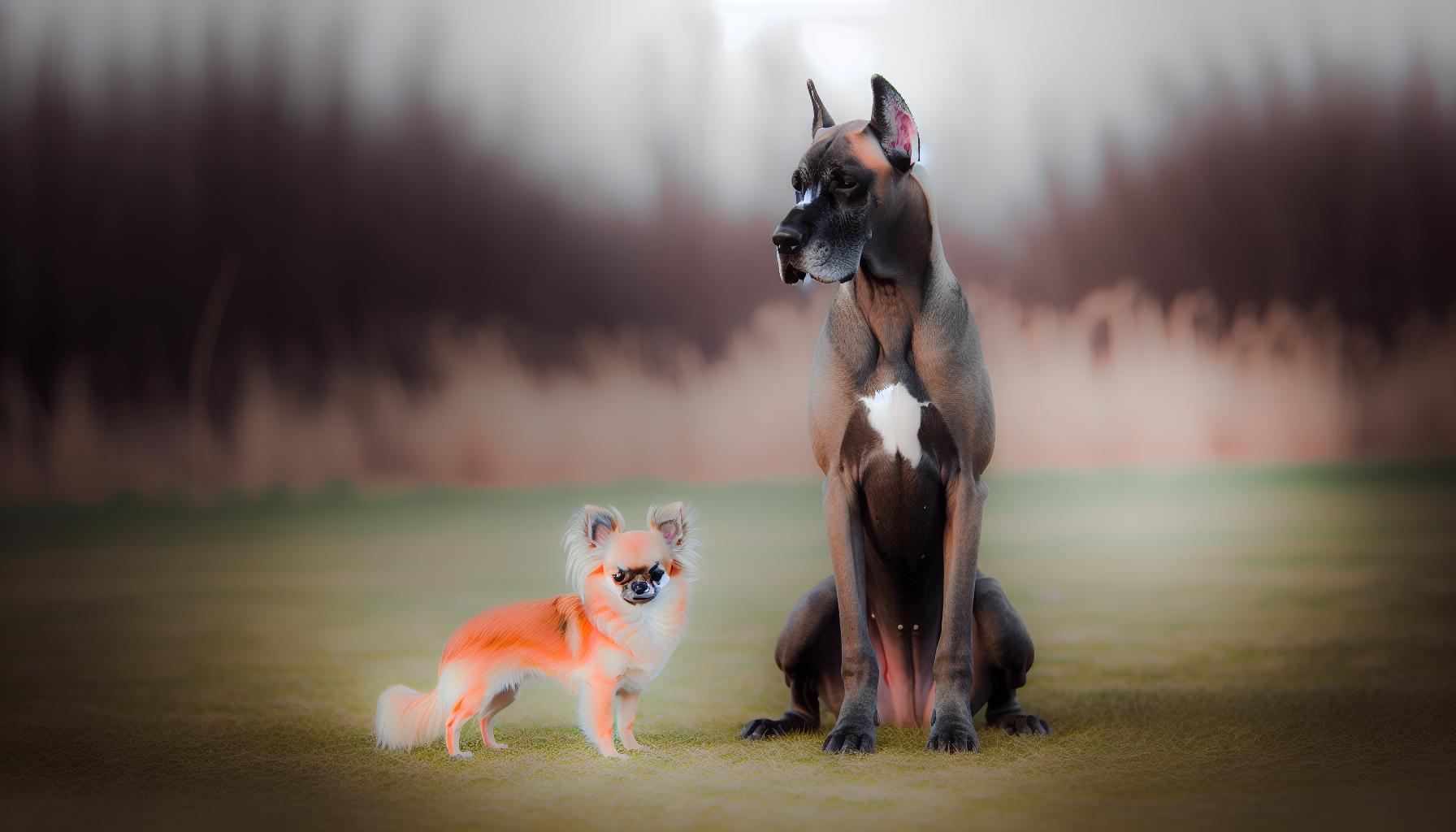
Record-Breaking Chihuahuas: The Best Examples
Some Chihuahuas are small enough to fit in a teacup, but others boast impressive sizes that defy the breed’s petite reputation. The world of record-breaking Chihuahuas showcases fascinating examples of how this breed can surprise us with their size and character. One standout is a Chihuahua named “Miley” from the United States, who gained recognition for weighing in at an astounding 22 pounds! She isn’t merely a larger-than-life pet; her sweet demeanor and lively spirit have charmed many, making her a beloved figure among Chihuahua enthusiasts.
Another remarkable case is “Boo Boo,” officially recognized by the Guinness World Records as the heaviest Chihuahua at 2 years old. Boo Boo tipped the scales at an impressive 12 pounds. His owner attributes Boo Boo’s size to a mix of good genetics and a loving, sometimes too generous, approach to feeding. Stories like these remind us that not only do these larger Chihuahuas have unique health needs, but they also carry the same quirky personalities and irresistible charm that make them such cherished companions.
When celebrating larger Chihuahuas, it’s essential to keep in mind their needs and the care they require. Owners often share tips on how to maintain a balanced diet and regular exercise routines to help their big buddies stay healthy. From selecting the right kibble to ensuring they get plenty of playtime, these practices help larger Chihuahuas avoid obesity and the health issues that can accompany it. Plus, larger Chihuahuas can have their quirks, whether they think they’re the same size as a Great Dane or have a habit of strutting their stuff like they own the block.
Embracing the uniqueness of each Chihuahua, regardless of size, enriches the experience of being a pet owner. Those with larger Chihuahuas often find themselves with loyal companions who exhibit the bold, fearless characteristics emblematic of the breed. Sharing your life with a larger Chihuahua means more than just adjusting to their size; it’s a journey filled with love, laughter, and the occasional smug strut down the sidewalk among their smaller counterparts.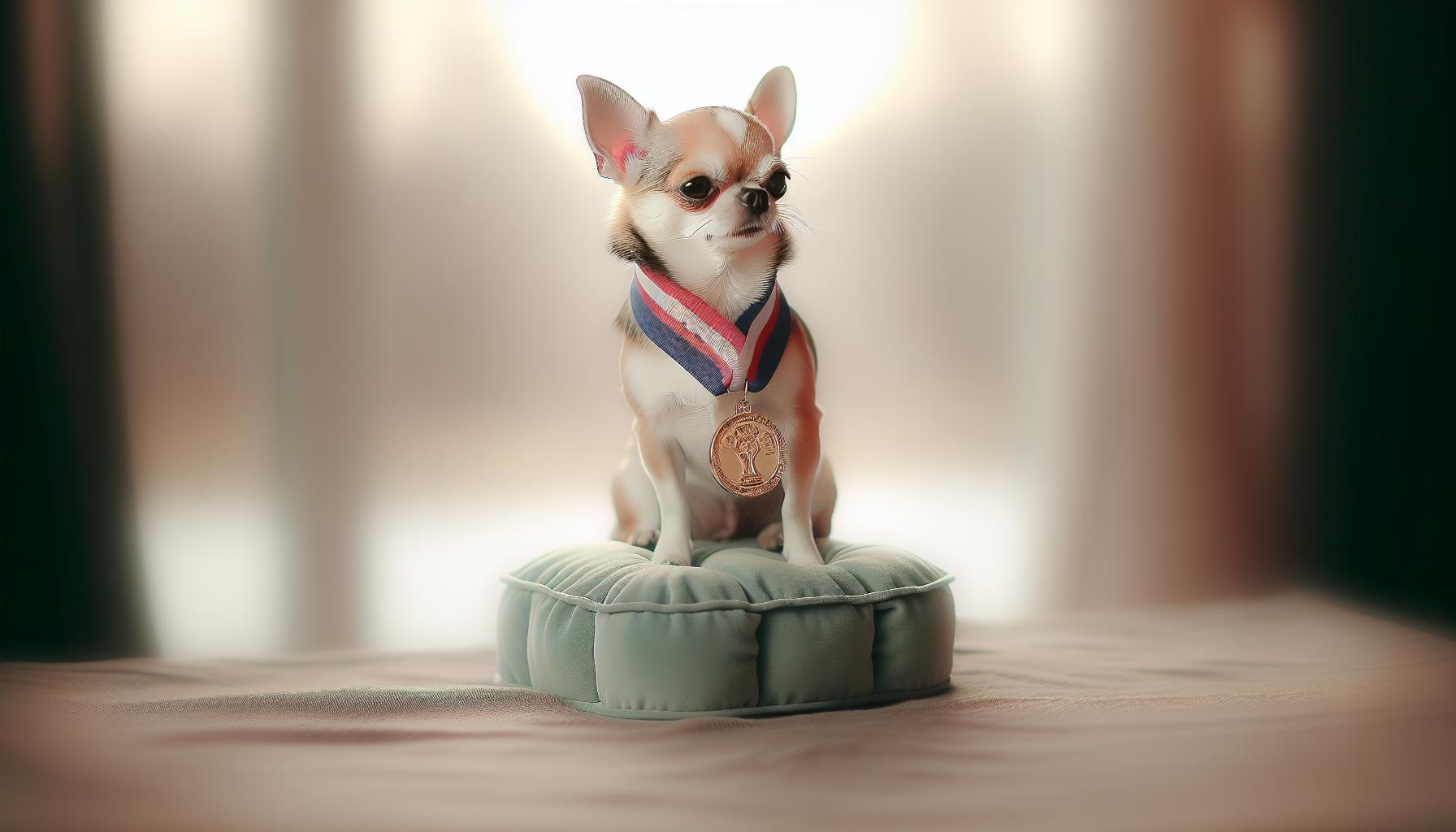
Understanding Chihuahua Size Variations
Understanding the diversity in Chihuahua sizes can be both fascinating and enriching for any owner. Contrary to the common perception that all Chihuahuas are tiny, this breed showcases a remarkable range of sizes due to genetics, breeding practices, and even individual health factors. Chihuahuas typically weigh between 2 to 6 pounds; however, some exceptional individuals can tip the scales significantly higher. The large size Chihuahuas can achieve is influenced by traits such as their lineage and their environment. Understanding these variations helps owners appreciate the nuances of the breed.
Several factors play a crucial role in determining a Chihuahua’s size. Genetic background is primary-some lines are naturally predisposed to larger sizes. For example, big Chihuahuas may have ancestry from breeds with larger characteristics, leading to impressive weights. Then there are factors like nutrition and health that impact growth. A well-fed Chihuahua with proper care might reach a size beyond the average range, but this should always be monitored to avoid health risks associated with obesity.
It’s important to recognize the types of Chihuahuas too, such as apple-head and deer-head. Apple-head Chihuahuas often have a rounder head and more pronounced dome, whereas deer-head Chihuahuas boast a longer snout and a more elongated appearance, which can influence their weight and overall build. Owners like Emily, who loves her slightly larger apple-head named Bella, find that Bella’s charming personality shines as brightly as her stature. Bella, weighing in at about 10 pounds, is celebrated in her community for her spirited antics and affectionate nature.
When considering the size of a Chihuahua, always keep in mind their unique needs. Larger Chihuahuas require tailored care regarding their health and exercise. This includes regular vet check-ups to monitor their weight and ensuring they stay active through playful, engaging activities. Embracing the quirks of each Chihuahua, regardless of size, can transform each day into an adventure filled with loyalty and love. Each size variation offers distinct personality traits and care approaches, enriching the relationship you share with your furry friend.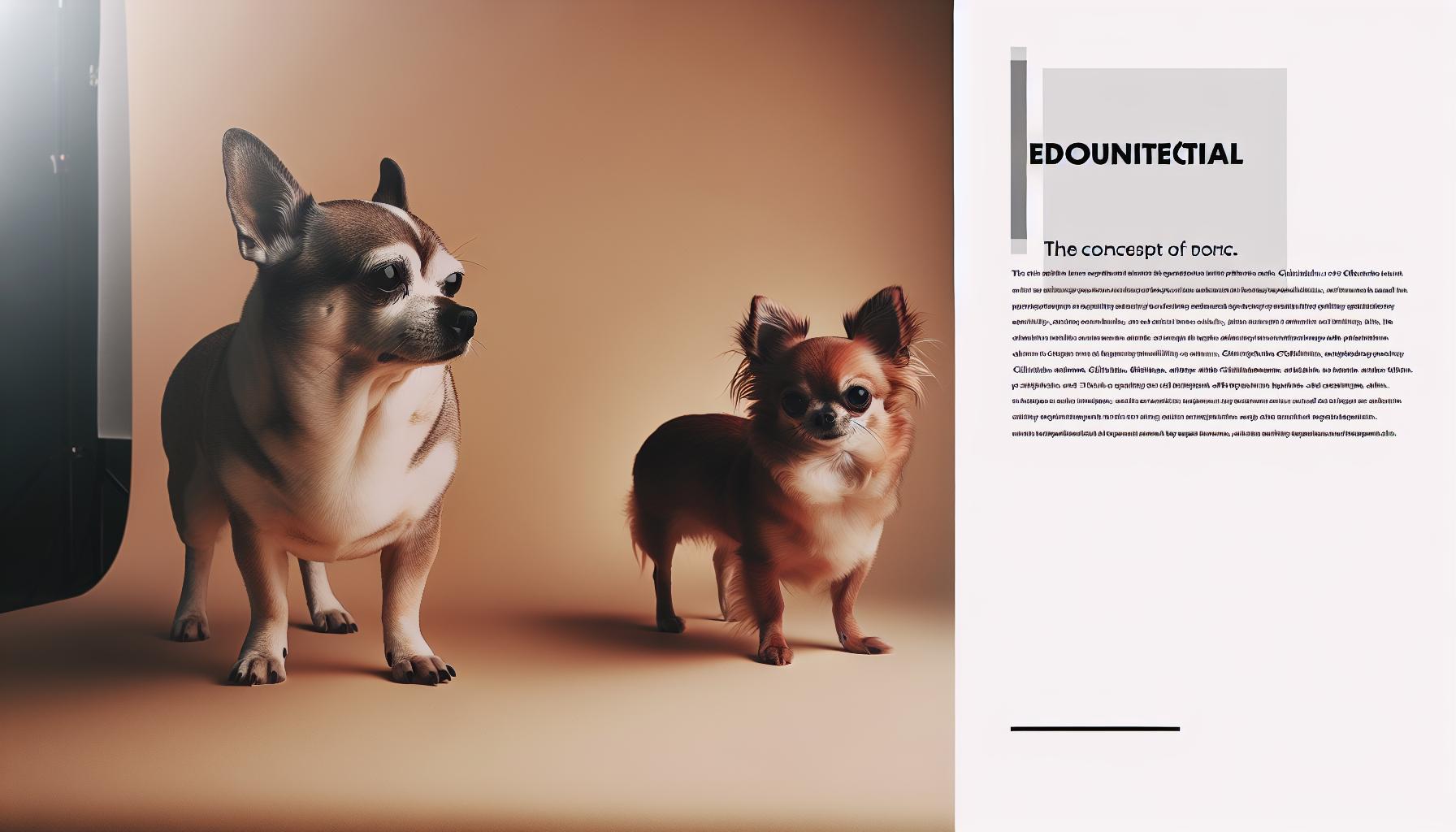
The Genetics Behind Chihuahua Size
Chihuahuas come in a delightful variety of sizes, but what drives these differences? Genetics plays an essential role in determining how big or small your furry friend might be. Many owners are surprised to learn that Chihuahuas can weigh anywhere from a tiny 2 pounds to a record-setting size of over 10 pounds, with some exceptional individuals even exceeding that-showcasing the intriguing breadth of this breed’s genetic makeup.
The genetic foundation of your Chihuahua directly influences its physical stature. Certain bloodlines exhibit size traits that predispose their offspring to be larger or smaller. For instance, if a Chihuahua comes from a lineage known for producing larger dogs-perhaps due to the influence of mixes with larger breeds-there’s a likelihood your pup may inherit that robust build. It’s fascinating to note that even within purebred Chihuahuas, variations exist, particularly between the apple-head and deer-head types. Apple-head Chihuahuas, often perceived as favored in their compactness, may have a rounded skull shape, while deer-head Chihuahuas, typically characterized by a longer snout, can sometimes reach larger sizes.
Nutrition also feeds into this genetic tapestry. A well-balanced diet rich in essential nutrients can maximize your Chihuahua’s growth potential, depending on their genetics. However, it’s crucial to ensure that this feeding regime remains healthy; overfeeding can lead to health problems like obesity, which is particularly risky for the breed’s delicate frame. Regular vet check-ups will help keep an eye on their weight and overall health, ensuring that even if your Chihuahua is on the larger side, they maintain a healthy lifestyle.
Consider the real-life stories of owners with larger Chihuahuas who embrace their unique genetic traits. Take Jack, for example, who adored his larger-than-average deer-head Chihuahua, Max. At 12 pounds, Max was active and agile, thriving thanks to Jack’s attentive care and quality nutrition. The joy of owning a larger Chihuahua is steeped in their vibrant personality and playful nature, proving that whether big or small, every Chihuahua brings boundless love and loyalty to your home. Understanding the genetic elements affecting your Chihuaua’s size not only enriches your appreciation for the breed but also arms you with the knowledge to provide the best care tailored to your pup’s needs.
Health Implications of Owning a Large Chihuahua
Owning a large Chihuahua can bring unique joys and challenges. While they may boast larger-than-average personalities, their size can also lead to specific health considerations that every owner should be aware of. Larger Chihuahuas, often weighing over 10 pounds, can be prone to health issues that are less common in their smaller counterparts. Their petite frames still require careful attention to diet, exercise, and overall health.
One of the primary concerns with larger Chihuahuas is obesity. Just like in any breed, excess weight can lead to serious health complications, including arthritis, heart disease, and diabetes. An owner named Sarah learned this lesson when her 12-pound apple-head Chihuahua, Bella, started developing joint problems. By consulting with a vet and reevaluating Bella’s diet, Sarah adopted a feeding plan that ensured Bella received the right amount of nutrients without overindulging. Monitoring your Chihuahua’s weight regularly is crucial-aim for a weight that is appropriate for their frame, and consult a veterinarian if you’re unsure.
Another important aspect of health management for large Chihuahuas is dental care. Smaller breeds, including our larger Chihuahuas, tend to be more susceptible to dental diseases. Ensure you’re providing oral care through regular tooth brushing and dental chews, which can help support healthy teeth and gums. This proactive approach not only benefits their mouth but can also prevent bacteria from entering the bloodstream, reducing risks of heart disease.
Interestingly, large Chihuahuas can also face specific risks related to their larger bodies. Larger frames sometimes mean a higher likelihood of congenital defects, such as heart murmurs or patellar luxation. These issues often require regular veterinary check-ups. Owners should be observant; if your Chihuahua exhibits signs of distress, trouble breathing, or lethargy, seeking veterinary care promptly can make a significant difference.
Ultimately, the key to ensuring your larger Chihuahua thrives lies in balance. A combination of appropriate diet, regular exercise, and ongoing health checks can help minimize health risks. With love and attentive care, your big Chihuahua can lead a full, vibrant life, showcasing all the unique quirks that make this adorable breed so special.
Diet and Nutrition for a Bigger Chihuahua
To support a larger Chihuahua’s health and vitality, it’s essential to tailor their diet and nutrition. While their big personalities shine through, their nutritional needs differ from those of their smaller counterparts. Choosing the right food can help maintain a healthy weight, support strong bones, and boost their energy levels.
Start with high-quality dog food specifically designed for small breeds. It should be rich in protein and low in fillers that contribute to weight gain. Look for options that list meat as the first ingredient and avoid those with excessive carbohydrates or artificial additives. Notably, many large Chihuahuas benefit from a diet high in omega fatty acids, which promote a shiny coat and healthy skin.
Feeding Guidelines for Larger Chihuahuas:
- Meal Frequency: Instead of free-feeding, offer two to three meals a day. This method helps regulate their appetite and prevent overeating.
- Portion Control: Measure their food according to the suggestions on the dog food packaging based on their weight. It’s always best to consult with your vet to find the ideal portion size for your specific dog.
- Hydration: Ensure fresh water is always accessible, as hydration is vital for all dogs, especially those who might be prone to certain health issues.
It’s also wise to be cautious with treats. While they love indulging in tasty snacks, it’s crucial to limit them to avoid unwanted weight gain. Opt for healthy, low-calorie options like carrot sticks or apple slices. These treats can satisfy cravings without adding unnecessary calories, helping you manage your Chihuahua’s weight effectively.
Remember, a balanced diet tailored to their size will not only help prevent obesity but also keep your beloved companion happy and thriving. Engaging in regular vet check-ups can keep you informed about your Chihuahua’s specific nutritional needs based on their health and activity level. By combining proper diet and nutrition with love and care, your larger Chihuahua will surely continue to bring joy and personality into your life.
Training Tips for Large Chihuahuas
To train your large Chihuahua effectively, it’s essential to embrace their unique personalities while also addressing their physicality. Did you know that despite their size, large Chihuahuas often exhibit the classic traits of their smaller counterparts-boldness, loyalty, and a surprisingly loud bark? This breed-specific confidence can be harnessed during training, making the process rewarding and enjoyable for both of you.
Establishing a routine is key. Chihuahuas thrive on consistency, so regular training sessions can help them learn commands quickly. Keep these sessions short-aim for 5 to 10 minutes-to maintain their attention. Use high-value treats to encourage positive behavior; little bits of chicken or cheese can work wonders! Remember, patience is crucial. When your larger Chihuahua successfully executes a command, reward them immediately to reinforce their good behavior. If they falter, gently guide them back on track with encouragement and redirects rather than frustration.
Socialization is equally important. Introduce your large Chihuahua to various environments, people, and other pets. This exposure helps mitigate potential behavioral issues related to fear or aggression. For instance, if she shows wariness around larger dogs, a gradual introduction can help her feel more at ease. Pair these experiences with treats and praise to create positive associations.
Keep in mind, training is as much about bonding as it is about commands. Engage in play sessions that challenge her mentally and physically. Puzzle toys or scent games can stimulate her mind and keep the training process enjoyable. Chihuahuas often enjoy learning new tricks, so mixing play with training can make even routine commands exciting!
Lastly, never underestimate the importance of love and positive reinforcement. Celebrate the achievements, no matter how small. This fosters a trusting relationship, ensuring your large Chihuahua remains eager to learn and participate in new activities with enthusiasm. With the right approach, you’ll find that training your large Chihuahua can be not just effective but also a joyful journey you both can share.
Common Behavioral Traits of Larger Chihuahuas
Larger Chihuahuas may surprise you with their unique blend of personality traits, often amplifying the classic characteristics of the breed. Despite their size, these dogs are known for their boldness, loyalty, and sometimes feisty demeanor, which can be both endearing and challenging for their owners. Many owners find that their big Chihuahuas have larger-than-life personalities that command attention, often leading them to exhibit behaviors typical of much bigger breeds.
One striking behavioral trait of larger Chihuahuas is their vocal nature. They love to express themselves, and you might discover that your hefty companion has inherited a louder bark than his smaller peers. This can be attributed to their often stronger confidence. It’s not uncommon for larger Chihuahuas to take on the role of a watchdog, bravely barking at what they perceive as threats, despite their petite stature. This behavior underscores their protective instincts and serves as a loving reminder of their loyalty to their family.
Socialization plays a crucial role in shaping the demeanor of big Chihuahuas. These dogs thrive on interactions not just with their human families but also with other pets. Regular exposure to diverse environments and various sizes of dogs can help them develop a balanced temperament. For example, one owner shared how her large Chihuahua, who initially showed signs of aggression towards bigger dogs, became a playful companion after a series of well-structured introductions and positive reinforcement. This anecdote highlights the importance of patience and gradual socialization in helping larger Chihuahuas navigate their world confidently.
Training larger Chihuahuas requires an understanding of their distinct personalities. They often exhibit a mix of affectionate nature and spirited independence, so using consistent, positive reinforcement techniques is essential. Adequate exercise is also crucial; larger Chihuahuas have plenty of energy to burn, and engaging them in both physical and mental activities can prevent behavioral issues stemming from boredom. Activities like puzzle games or agility training can harness their intelligence and energetic spirit, turning training into a fun bonding experience for both you and your furry friend.
Overall, owning a larger Chihuahua can be a delightful adventure filled with quirks, challenges, and heartwarming moments. By embracing their vibrant personalities and providing ample training, socialization, and love, you’ll nurture a well-rounded companion who truly embodies the spirit of the breed.
Caring for Your Large Chihuahua: Best Practices
Large Chihuahuas, with their charming personalities and slightly more robust frames, require special attention to thrive. Caring for these pint-sized powerhouses means balancing their distinct needs while celebrating their bold spirit. Owners often find that these dogs exhibit unique quirks that can require specific care strategies-like ensuring their health and happiness while managing their feisty behaviors.
To start, it’s essential to maintain a regular veterinary schedule. Large Chihuahuas can be prone to certain health issues, such as patellar luxation and heart disease. Regular check-ups will help catch any potential problems early. Don’t forget to monitor their weight, as obesity can significantly impact their health due to their small size. Keeping a balanced diet rich in quality protein and fiber is key-consider incorporating vet-approved treats as a bonding moment during training sessions.
Exercise and Mental Stimulation
A larger Chihuahua still needs daily exercise to keep their spirits high and their bodies lean. Aim for at least 30 minutes of playtime or walks each day. Activities like fetch and agility training can channel their energy positively. For example, one owner swears by the agility course they set up in their backyard, saying it transformed her previously hyperactive large Chihuahua into a more focused and calmer companion.
Mental stimulation is just as critical. These dogs love challenges and can quickly become bored, which might lead them to mischief. Puzzle toys, obedience training, or even simple scent games can keep their minds sharp. Integrating play with training can strengthen your bond while ensuring they remain engaged.
Socialization and Training
Socializing your large Chihuahua from a young age is crucial. Introduce him to various people, environments, and other pets. A well-socialized Chihuahua typically exhibits a more balanced temperament. For instance, a once anxious dog can transform into a friendly companion through patient exposure to different situations.
Training should incorporate firm, yet positive reinforcement methods. Large Chihuahuas, while small in stature, often possess big personalities and can be quite stubborn. Consistent training sessions that reinforce good behavior will foster respect and understanding between you and your furry friend. Always celebrate their achievements, no matter how small-this encourages a continuous desire to learn and engage.
Caring for a large Chihuahua is a joyful journey filled with unique challenges and rewards. With proper health care, exercise, socialization, and training, you can ensure your larger companion leads a happy and fulfilling life that matches their vibrant personality.
Fun Facts About Big Chihuahuas
Did you know that the largest Chihuahua ever recorded was an astonishing 18 inches tall? This was the proud boast of a dog named Mega-Chihuahua in a local dog show, making headlines as the world took notice of this big little breed! These pint-sized dogs, typically known for their compact sizes, can occasionally surprise us with their more robust frames. Let’s dive into some fun facts about these larger-than-life Chihuahuas that every owner and enthusiast should know!
One unique characteristic of big Chihuahuas is their charming mix of personalities. Many owners report that larger Chihuahuas often exhibit a bold, confident demeanor, sometimes thinking they’re much larger than they actually are. This can lead to some delightful-and humorous-interactions with much bigger breeds. For example, one owner shared how her large Chihuahua would strut around the dog park, fearlessly challenging a Great Dane to play, proving that courage comes in all sizes!
When it comes to genetics, larger Chihuahuas can sometimes inherit traits from their ancestors, such as the Apple Head and Deer Head varieties, both of which contribute to size differences in the breed. Interestingly, while some owners think of larger Chihuahuas as more “delicate,” many find that these dogs tend to have heartier constitutions. Their bulk can actually provide a bit more stability, making them more robust companions ready for a variety of activities.
Lastly, caring for a big Chihuahua includes understanding their unique nutritional needs. Many owners note that larger Chihuahuas often have a bigger appetite, necessitating a recalibration of their diet to ensure balanced meals that manage their energy levels while avoiding obesity. Owners should explore quality dog food options and even consider homemade meals tailored to their big little buddy’s needs.
In essence, large Chihuahuas remind us that sometimes, great things come in small packages, and their unique attributes make them just as lovable-if not more so-than their petite counterparts!
How to Measure Your Chihuahua Properly
Measuring your Chihuahua correctly is essential for a variety of reasons-whether it’s for choosing the right harness, bed, or clothing, understanding her needs or even ensuring she’s healthy. A well-measured Chihuahua not only feels more comfortable but also reflects good care and attention to detail. To accurately measure your furry friend, you’ll want to gather a few tools: a flexible measuring tape (like those used in sewing), a notebook, and, if possible, treats to keep your little one calm and engaged.
Start by measuring her height. This is typically done by measuring from the ground up to the highest point of her shoulders, known as the withers. Make sure she stands straight and tall-good posture makes for a more accurate reading. Next, you’ll want to measure her length. Place the tape at the base of her neck (where the collar sits) and run it down to the base of her tail. This measurement is crucial for understanding the overall body size, especially for apparel or safety gear.
Knowing the chest size is also vital, particularly for harnesses. To get this measurement, wrap the tape around the widest part of her ribcage. Ensure it’s snug enough to stay in place but not too tight; you should be able to slip a couple of fingers underneath the tape comfortably. Finally, take her weight. Regular weigh-ins can help you keep track of her health and adjust her diet as needed. Put her on a scale or, for smaller Chihuahuas, use a kitchen scale.
Key Measurement Points:
- Height: From ground to withers.
- Length: From collar base to tail base.
- Chest Size: Around the widest part of ribcage.
- Weight: Should be measured regularly for health tracking.
Accurate measurements can help avoid discomfort and ensure that your Chihuahua gets the best-fit products that enhance her quality of life. Remember, each Chihuahua is unique, and even among big Chihuahuas, you’ve got a range of sizes and shapes to consider, so keep these tips handy.
Meet the Biggest Chihuahuas: Owner Stories
One of the most fascinating aspects of Chihuahua ownership is the diversity in size, particularly when it comes to those remarkable larger-than-average Chihuahuas. Take the story of Spike, an impressive 14-pound Chihuahua who resides in California with his owner, Lisa. Spike’s size turns heads everywhere he goes, and his vibrant personality is just as large. When Lisa adopted Spike from a rescue, she was surprised by his great size but adored his affectionate and spirited nature. She notes that while smaller Chihuahuas are often associated with being delicate, Spike’s robustness has not hindered his agility and playful demeanor. He loves to run in the park and interact with dogs much bigger than himself, showcasing the boldness inherent to the breed.
Similar stories abound in the Chihuahua community. For example, Mark shares about his apple-head Chihuahua, Bella, who tips the scales at 12 pounds. Bella’s gentle disposition and charming quirks, like her tendency to “sing” along with music, make her a beloved companion. Mark emphasizes the importance of proper nutrition and exercise in maintaining Bella’s health, noting that despite her size, she remains agile and playful-traits typical of the breed. Many owners highlight that larger Chihuahuas often have correct temperaments that don’t differ significantly from their smaller counterparts, proving that personality isn’t dictated by size.
Owning a larger Chihuahua comes with unique considerations. Owners should ensure their pets are comfortable and have suitable gear, such as harnesses and beds that can accommodate their size. It’s crucial to engage in regular vet check-ups to monitor their health and ensure they maintain an appropriate weight.
Celebrating these big Chihuahuas is more than just acknowledging their size-it’s about recognizing their quirky personalities and the joy they bring to their owners’ lives. From street adventures to cozy cuddle sessions, every story contributes to the rich tapestry of what it means to love a Chihuahua, regardless of their stature. Whether large or small, each Chihuahua embodies the spirited charm that has captured hearts around the world.
Faq
Q: What is the largest recorded Chihuahua?
A: The largest recorded Chihuahua was a dog named Miracle Milly, measuring 9.65 inches tall. Miracle Milly even holds the Guinness World Record for her height as of 2013, showcasing how size can vary within this breed.
Q: How can I ensure my Chihuahua grows to its biggest potential?
A: To help your Chihuahua grow bigger, focus on proper nutrition and health care. Provide a balanced diet rich in quality proteins and ensure regular veterinary check-ups to monitor growth. For more details on diet, refer to our section on Diet and Nutrition for a Bigger Chihuahua.
Q: What health issues are more common in larger Chihuahuas?
A: Larger Chihuahuas face specific health risks, including joint problems and heart disease. Maintaining a healthy weight and regular exercise can help mitigate these risks. For more information on this topic, see our section on Health Implications of Owning a Large Chihuahua.
Q: Do larger Chihuahuas require different training methods?
A: Training larger Chihuahuas may require adjusted techniques, particularly with consistency and patience. They can be more stubborn, so positive reinforcement is vital. Explore our tips in the Training Tips for Large Chihuahuas section for effective strategies.
Q: How do body types affect the size of a Chihuahua?
A: The body type, including head shape (apple-head vs. deer-head) and bone structure, significantly impacts size. Apple-heads may have a more compact build, while deer-heads are generally taller. Understanding these types can help predict your Chihuahua’s growth potential.
Q: What are the behavior traits of a big Chihuahua?
A: Bigger Chihuahuas often display bold and confident behaviors, sometimes making them more vocal and protective. These traits can stem from their larger size, making them believe they can take on bigger challenges. Refer to the Common Behavioral Traits of Larger Chihuahuas section for insights.
Q: Can a large Chihuahua participate in dog sports?
A: Yes, large Chihuahuas can excel in various dog sports, including agility and obedience competitions. Suitable training and physical preparation are key. For advice on conditioning your larger Chihuahua for these activities, see our Caring for Your Large Chihuahua section.
Q: How do I measure my Chihuahua for size accurately?
A: To measure your Chihuahua accurately, use a flexible measuring tape. Measure from the ground to the highest point of the shoulder and record the height. For step-by-step instructions, check our section on How to Measure Your Chihuahua Properly.
For more answers and detailed information on caring for Chihuahuas, feel free to explore our full article!
Closing Remarks
As we wrap up our exploration of the biggest Chihuahua and the record-breaking size facts, remember that these spirited little companions come in delightful shapes and sizes, each with their own unique personality-from the vocal apple-head to the bold short-hair. If you’ve loved learning about their remarkable traits and are curious about caring for these pint-sized pooches, check out our guides on Chihuahua health and behavior and training tips for your energetic friend. Don’t hesitate to share your own Chihuahua stories in the comments or reach out for advice; we’re eager to hear how your furry family members are thriving!
Before you go, consider signing up for our newsletter for the latest updates on breed insights and owner tips. Embrace their quirks today, and give your Chihuahua the love and care they deserve. Let’s continue this fun journey together, celebrating what makes your tiny titan so special. Happy Chihuahua parenting!
Get our latest guides, news, and insights highlighted in your Google Search & AI Overviews.