

Are you curious if your furry friend is a Chihuahua? You’re not alone! Chihuahuas are one of the most fascinating breeds, known for their vibrant personalities packed into a tiny frame. Whether you’re a seasoned owner or a first-time dog parent, identifying if your dog is a Chihuahua is essential for understanding their unique health, behavior, and care needs. Chihuahuas can be quirky-vocal, loyal, and bold-each with distinct traits like the apple-headed shape or a variety of coat types. In this guide, we’ll explore the key identifying features of Chihuahuas, helping you celebrate the uniqueness of your precious pup while ensuring you meet all their specific needs. Let’s dive into the world of Chihuahuas and discover what makes these little companions so special!
How to Identify a Chihuahua: Key Physical Traits
When you’re trying to determine if your pup is a Chihuahua, look for those standout physical characteristics that make this breed so distinct and endearing. Chihuahuas are one of the smallest dog breeds, often weighing between 2 to 6 pounds and standing about 6 to 9 inches tall. Their tiny stature might make them appear delicate, but they embody a surprising amount of vitality and personality!
Chihuahuas typically feature a round or apple-shaped head, which is a hallmark of the breed. This head shape is often accompanied by large, expressive eyes that can range from dark brown to hazel. Their ears are another defining trait-larger than you might expect for such a small dog, they often stand erect, giving Chihuahuas a perky and alert demeanor. The coat of a Chihuahua can be short or long, with various color patterns including fawn, black, white, and chocolate, among others. Here’s a brief overview of key physical traits:
- Size: 2 to 6 pounds; 6 to 9 inches tall
- Head Shape: Round or apple-shaped
- Ears: Large and erect
- Coat Types: Short-haired or long-haired; various color patterns
While their small size and weight are the most evident traits, take note of their muscular build. Despite their dainty appearance, Chihuahuas are agile and possess great strength for their size. This breed is also known for its unique gait-Chihuahuas often strut with a lively, confident walk that showcases their bold personalities.
Observing these physical traits can help you confirm whether your dog is a Chihuahua or not. If you notice a tiny pup with a big personality and the physical proportions listed above, you’re likely looking at a Chihuahua!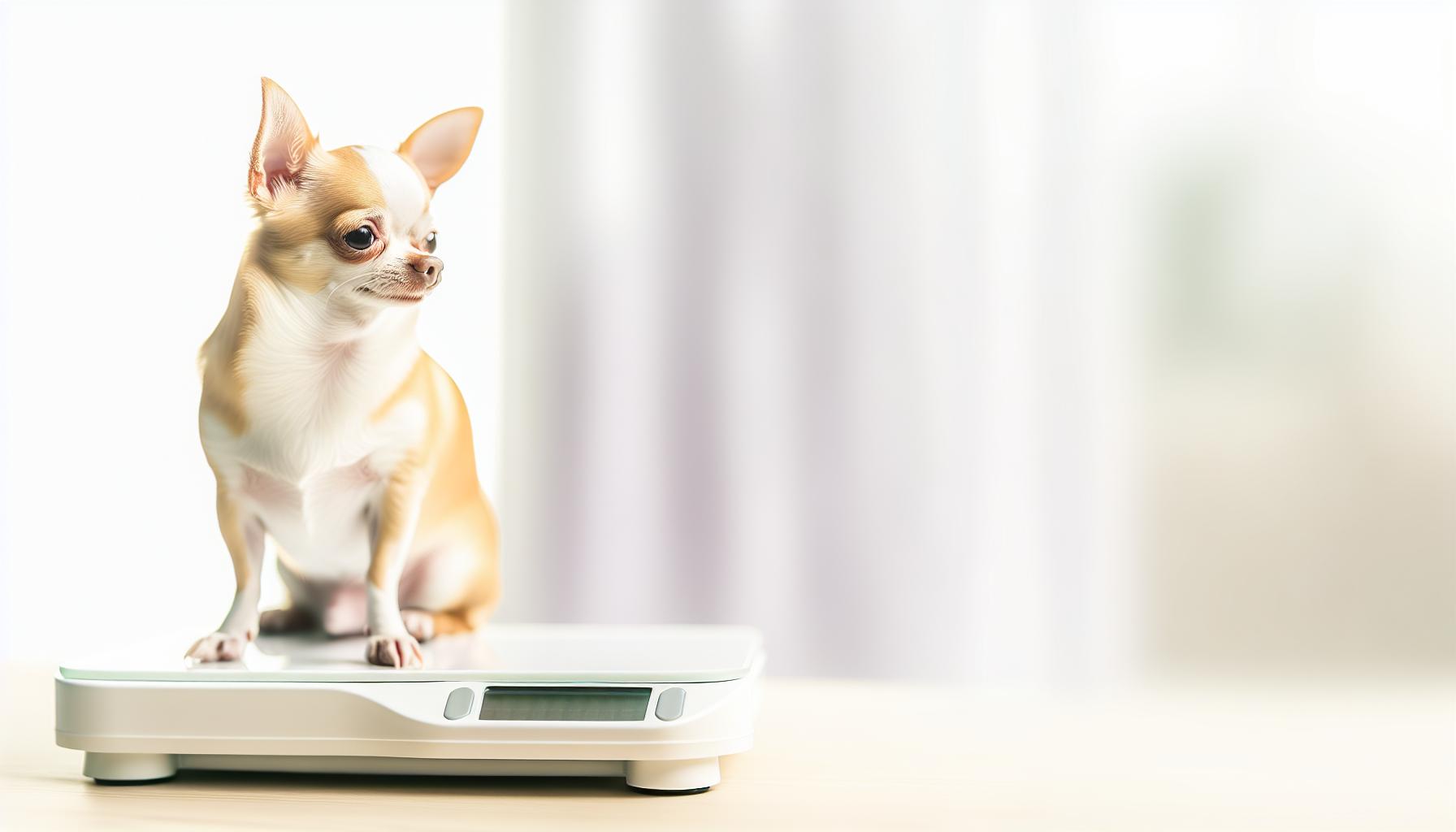
Understanding Chihuahua Size and Weight Norms
Chihuahuas, despite their small size, are a breed known for their vibrant personalities and distinctive characteristics. Understanding their size and weight norms is crucial for any owner, whether you’re introducing a new companion into your life or confirming if your pup truly is a Chihuahua. Typically, a healthy Chihuahua weighs between 2 to 6 pounds and stands around 6 to 9 inches tall at the shoulder. This petite frame not only contributes to their charm but also affects their overall care and health considerations.
When you bring a Chihuahua into your home, it’s important to recognize that their delicate appearance belies their resilient nature. Many first-time Chihuahua owners may be surprised by how sturdy these tiny dogs can be. Their muscular build allows them to be surprisingly agile and energetic, often engaging in playful antics that seem to defy their size. Real owners often describe their Chihuahuas as “big dogs in small bodies,” and this is particularly evident when they interact boldly with larger dogs or assert themselves in their environment.
Weight management is an essential aspect of Chihuahua care. Given their small size, even a slight increase in weight can lead to health issues. Owners should aim to maintain their Chihuahua at a healthy weight through balanced nutrition and regular exercise. Bringing agility training or fun walks into their routine can help keep your little companion fit and happy. It’s always a good idea to consult your veterinarian if you’re unsure about whether your Chihuahua falls within the healthy weight range, especially if they seem to be outside the typical guidelines.
In sum, if your dog’s weight and size correspond with the Chihuahua standard, and she exhibits the lively, spirited personality characteristic of the breed, you can confidently embrace your role as a proud Chihuahua parent. Remember, these little dogs may be tiny, but they carry great big hearts and an abundance of love!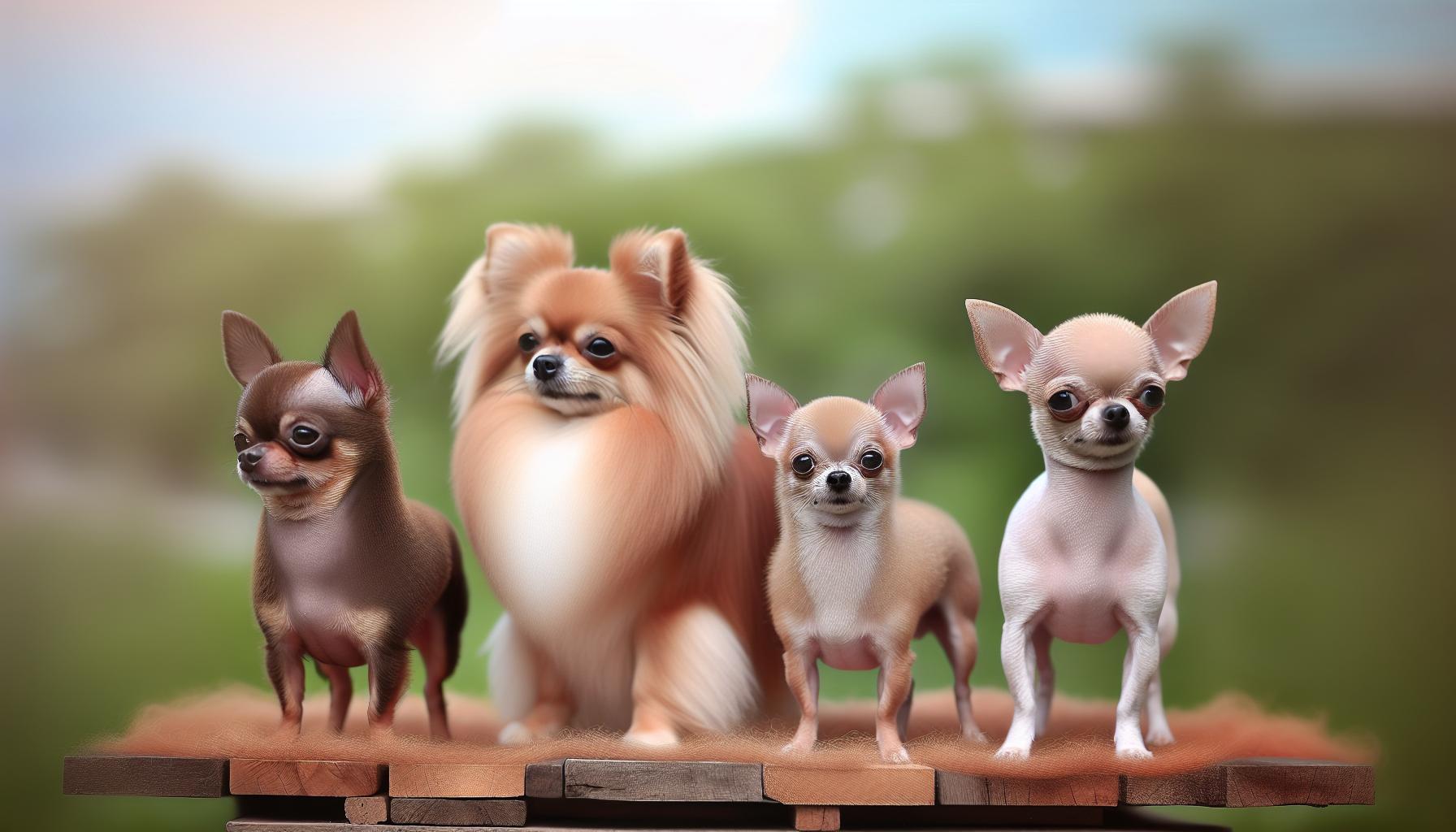
Exploring Different Chihuahua Coat Types
Chihuahuas come adorned in a variety of beautiful coat types, which can be one of the most delightful aspects of their charm. Understanding the differences can help you appreciate their uniqueness and guide you in their care. Whether short-haired or long-haired, the coat of a Chihuahua can significantly affect their grooming needs and overall health.
Coat Types
Chihuahuas primarily fall into two coat categories: smooth coat and long coat.
- Smooth Coat: This type features a short, glossy coat that lies flat against the body. It’s easy to maintain with minimal grooming, making it ideal for busy owners. However, these Chihuahuas can still shed, and a regular brushing is recommended during seasonal changes.
- Long Coat: Long-haired Chihuahuas possess a soft, flowing coat, often with a feathered appearance around the ears, chest, and legs. They require a bit more grooming-regular brushing is essential to avoid matting and tangles. Long-haired Chihuahuas can be just as vibrant in personality as their smooth-coated counterparts!
Color Varieties
In addition to coat length, Chihuahuas boast a stunning palette of colors and patterns. You might find Chihuahuas dressed in:
- Solid colors such as black, fawn, chocolate, or white.
- Multi-colored coats, often showcasing vivid combinations like brindle or merle.
- Spotted or patched varieties, where different colors intermingle to create a unique pattern.
Grooming Considerations
Caring for your Chihuahua’s coat involves more than just aesthetics. Regular grooming helps to promote healthy skin and can assist in early detection of health issues. Consider incorporating the following into your routine:
- Brushing: For long-haired Chihuahuas, brush several times a week to prevent tangles. Smooth coats may only need brushing occasionally.
- Bathing: Every few months or as needed, use a gentle dog shampoo to keep your pup clean and fresh.
- Checking for irritations: Regularly inspect your Chihuahua’s skin for any signs of irritation or parasites, as their short fur can make any abnormalities more noticeable.
The coat of your Chihuahua is not just about beauty; it’s an integral part of their identity. As you embrace your role as a proud Chihuahua parent, understanding their unique coat types will enhance your bond and help ensure a happy, healthy life together.
Recognizing Unique Personality Traits of Chihuahuas
Chihuahuas are renowned for their bold personalities, often more than compensating for their small stature. These tiny companions are not just lap dogs; they possess a vibrant spirit that can light up any room. Their behavior can range from sassy to shy, making every Chihuahua uniquely charming. When you open your heart to a Chihuahua, you invite a whirlwind of energy, loyalty, and a whole lot of quirks into your life.
Typically, Chihuahuas exhibit a strong attachment to their owners, embodying the term “velcro dog.” They thrive on companionship and do best when they can spend ample time with you. This loyalty comes with a protective streak; Chihuahuas can be surprisingly fearless, often barking to alert you to anything they perceive as a threat. Their small size doesn’t prevent them from thinking they are mighty guardians, whether patrolling your home or standing their ground against much larger dogs. Their distinctive vocal nature means you might find your Chihuahua barking at leaves, passing cars, or even the wind, expressing their big personalities through sound.
Each Chihuahua can have varying degrees of playfulness and affection. Some might be more reserved, while others are incredibly affectionate, often cuddling and seeking close contact. For instance, I have seen owner interactions where a Chihuahua confidently jumps into their lap for a cuddle after every successful playtime session, demonstrating their need for love and bonding. Understanding these personality traits can enhance your relationship and help you cater to their emotional needs.
Socialization is crucial to nurturing a well-adjusted Chihuahua. Exposing your pup to different environments, people, and other dogs can help mitigate any overprotectiveness or timidity they may have. Whether through puppy classes or regular trips to the park, these experiences can build confidence in your little one, allowing their true personality to shine brighter. Remember, every Chihuahua has its quirks-celebrate them! They may have preferences for certain toys, particular spots on the couch, or even quirks like burrowing into blankets. Embrace these idiosyncrasies, as they are what make your Chihuahua distinctly special!
Behavioral Differences: Chihuahua vs. Other Breeds
Chihuahuas are renowned for their feisty personalities, often standing out in stark contrast to the more laid-back demeanor of many other dog breeds. While larger breeds may exhibit a calm and gentle disposition, Chihuahuas thrive on showcasing their bold and spirited nature. They are often dubbed “big dogs in little bodies,” not just due to their fierce confidence but also because of their unmatched loyalty to their human companions.
One of the most notable behavioral differences is their vocalization. Unlike breeds who are more prone to silence, Chihuahuas bark with a fervor that reflects their alertness and tendency to protect their territory. It’s common to see a Chihuahua barking enthusiastically at passersby, cars, or even the faintest sounds, effectively turning them into vigilant little watchdogs. This contrasts sharply with breeds like the Great Dane or Labrador Retriever, which are generally more retrained in their vocalizations, preferring to observe rather than announce their presence.
When it comes to socialization, Chihuahuas can be quite different from other breeds. Their protective instincts can lead to cautiousness or wariness around strangers. While some breeds, like Golden Retrievers, are known for their amiable nature and eagerness to befriend everyone they meet, Chihuahuas require a bit more careful exposure to new environments, people, and pets. As a Chihuahua owner, encouraging positive encounters is essential to helping your little pup grow into a well-adjusted adult. For example, one owner shared how her Chihuahua, Charlie, initially struggled with new visitors but eventually became a loving greeter after being introduced to friends in a calm setting.
Recognizing that Chihuahuas often bond tightly with their owners is crucial; they appreciate being seen as part of the family. Their need for companionship can lead them to develop unique attachment styles, resulting in a behavior called “shadowing,” where they follow their human from room to room. In comparison, some breeds can enjoy independence and may not feel the need to stay close to their owners all the time. This deep sense of loyalty and attachment in Chihuahuas manifests in ways that highlight their need for emotional connection, ensuring they feel secure and loved within their home.
Understanding these behavioral differences not only enhances your experience with your Chihuahua but also allows you to appreciate the richness of their personalities. By embracing their quirks-whether it’s their sassy bark, their unwavering loyalty, or their distinct way of expressing love-you can forge a deep and rewarding relationship that celebrates all the unique traits that make your furry friend special.
Health Considerations Unique to Chihuahuas
Chihuahuas, despite their petite stature, come with a unique set of health considerations that owners should be aware of to ensure their furry friends live long, healthy lives. As one of the smallest dog breeds, they can be particularly prone to certain health issues, which makes regular veterinary care and health monitoring essential. Understanding these health aspects will help you better support your Chihuahua’s well-being.
One common concern among Chihuahuas is their susceptibility to dental problems. Their small mouths can lead to overcrowding, resulting in plaque buildup and periodontal disease. To combat this, regular dental check-ups and at-home dental care-such as using special toothbrushes or dental treats-are highly beneficial. Many owners find that managing their Chihuahua’s dental hygiene early on not only prevents pain but also keeps their little smiles bright. For example, one owner shared how establishing a routine cleaning habit dramatically improved her pup’s dental health, eliminating the need for costly veterinary dental procedures.
Additionally, Chihuahuas are prone to heart issues, particularly mitral valve disease, which can develop as they age. Watch for signs like coughing, lethargy, or difficulty breathing, and consult your veterinarian promptly if any of these symptoms arise. Regular check-ups can help catch and manage these problems early. Engaging in light exercise, such as short walks or playtime, promotes both physical and cardiovascular health, but it’s crucial to avoid overexerting your little companion, especially in hot weather.
Another health consideration is the risk of patellar luxation (kneecap dislocation) due to their delicate bone structure. This condition can cause discomfort and difficulty in walking, but many Chihuahuas adapt well with the right care. It’s essential to observe your dog’s activity and be cautious with jumping or rough play, particularly around young children. Providing a safe environment can help mitigate injury risks.
Lastly, hypoglycemia (low blood sugar) is a critical concern for Chihuahuas, particularly in puppies or small adults. Symptoms might include lethargy, weakness, or shaking. Ensuring your Chihuahua has regular access to food and monitoring their diet can help prevent this condition. Providing small, frequent meals with a balanced diet tailored for small breeds is often recommended.
Incorporating these practical tips into your routine can make a significant difference in your Chihuahua’s health. By being proactive and attentive to their unique needs, you can enjoy many happy moments with your feisty little friend. Remember, every tiny Chihuahua has a big personality just waiting to shine!
Common Misconceptions About Chihuahuas
Chihuahuas are often misunderstood, leading to a variety of myths that can misinform potential owners about what these little dogs are truly like. One prevalent misconception is that all Chihuahuas are aggressive or yappy. While it is true that Chihuahuas can be quite vocal, this behavior often stems from their protective nature and alertness. They tend to be quite affectionate and loyal to their owners, which often comes off as boldness. A personal story from a Chihuahua owner highlights this: her pup, Bella, is initially wary of strangers but becomes a loving companion once trust is established.
Another common belief is that Chihuahuas are “fragile” pets that require constant pampering. While they are small and do require careful handling, Chihuahuas are surprisingly resilient. Many owners have noted how their Chihuahuas thrive in dynamic households, adapting well to different environments and even enjoying outdoor activities. For example, one owner shares how her Chihuahua, Coco, loves hiking and exploring the outdoors just as much as any larger breed would!
It’s also a frequent assumption that size diminishes a Chihuahua’s need for exercise. In reality, Chihuahuas are energetic dogs that benefit from regular play and short walks to keep them physically and mentally stimulated. Their small size can often mislead people into thinking they might not need as much physical activity, but many Chihuahuas enjoy playtime as much as any larger breed. Owners have shared how enriching their Chihuahua’s life with engaging toys or agility exercises helps keep their little ones happy and healthy.
Finally, many people think that Chihuahuas are unsuitable for families due to their tiny size. However, with proper training and supervision, they can be fantastic family pets. They have vibrant personalities that can harmonize well with children, bringing laughter and joy into family life. One owner mentioned how her Chihuahua, Max, is gentle with her toddler, forming a bond that reflects the breed’s loyal and affectionate nature.
By understanding these common misconceptions, current and prospective Chihuahua owners can better appreciate the unique joys and attributes of this beloved breed. With the right care and attention, your Chihuahua can be a bold, loving, and integral member of your family.
Signs Your Dog May Not Be a Chihuahua
Identifying whether your dog is a Chihuahua can be a delightful journey, but it’s important to recognize signs that may indicate you’re not looking at a true Chihuahua. The first aspect to consider is the size and weight of your pup. Chihuahuas are one of the smallest dog breeds, typically weighing between 2 to 6 pounds and measuring around 6 to 9 inches tall. If your dog exceeds this size or weight significantly, it might be a different breed or a mixed breed. For instance, owners often describe their Chihuahua mixes, like those with Pomeranians or Dachshunds, as having a bit more heft or varying body shapes, which makes them cuter but not pure Chihuahuas.
Another telltale characteristic lies in your dog’s coat and anatomy. While Chihuahuas can have smooth or long hair, their body shape is distinct. A true Chihuahua has a rounded “apple head” or a slightly flatter “deer head,” with large, expressive eyes that are typically set wide apart. If your dog has a more elongated head or smaller eyes that don’t align with the typical Chihuahua look, it’s likely not a purebred. Real-life examples abound of Chihuahua enthusiasts who have shared, “My rescue is half Chihuahua, half Pekingese, and while he’s adorable, he’s way fluffier and has a longer snout than any Chihuahua I’ve owned!”
Another factor is personality. Chihuahuas are renowned for their spunky and confident demeanor despite their size. They tend to form strong bonds with their owners, displaying loyalty and sometimes even a touch of sass! If your dog shows little assertiveness and prefers a more laid-back attitude, or if they aren’t particularly alert or vocal, consider that they may not carry the Chihuahua spirit. Owners often recount stories where their Chihuahuas have bravely taken on much larger dogs, showcasing not just bravery but also a tendency to bark and communicate their presence.
Finally, consider the way your dog behaves in social situations. Chihuahuas may act bold and can be somewhat cautious with new people. If your dog is consistently overly aggressive or fearful beyond what’s typical for a Chihuahua, it might indicate differences in breed temperament. By paying attention to these signs-size, physical traits, and behavior-you can gain deeper insights into your dog’s true identity and help them flourish in line with their unique personality.
Chihuahua Generational Traits: Apple-Head vs. Deer-Head
The Chihuahua breed is renowned for its adorable size, personality, and distinctive physical traits, but two main types stand out among them: the apple-head and the deer-head. Understanding these generational traits can help you identify your Chihuahua and appreciate the unique characteristics of each type.
Chihuahuas with an apple-head shape are the most recognizable and are often the preferred type among breeders and enthusiasts. They are characterized by their rounded skulls, large, expressive eyes, and short muzzles. This structure gives them a cute, almost doll-like appearance, which many Chihuahua lovers find irresistible. Apple-head Chihuahuas tend to be more compact and are usually slightly heavier compared to their deer-head counterparts, making them appear sturdier. They often display a feisty attitude, reflecting the boldness of the breed, and are known for being loyal companions who love to engage with their owners.
On the other hand, deer-head Chihuahuas possess a more elongated, streamlined skull and a longer muzzle, resembling the profile of a deer. Their eyes are set wide apart, and their bodies often have a more delicate build. This type is generally taller and can weigh similarly or slightly less than apple-head Chihuahuas, which can sometimes lead to confusion among new owners. While both types share the same feisty spirit, deer-head Chihuahuas may exhibit slightly different temperaments, often described as more mellow but still playful. Many owners appreciate that their deer-head Chihuahuas can have a slightly different physicality without losing the quintessential Chihuahua personality.
Here are a few tips to help you identify your Chihuahua’s type:
- Head Shape: Look for the roundness of the skull (apple-head) versus the more elongated shape (deer-head).
- Muzzle Length: Apple-heads typically have shorter muzzles, whereas deer-heads have longer ones.
- Body Build: Notice the sturdiness of apple-heads compared to the more slender appearance of deer-heads.
Real-life examples abound, like one owner recalling, “My little Bella is an apple-head, and she’s got the most expressive eyes. You can’t help but laugh at her antics!” Meanwhile, another owner might say, “Max, my deer-head, is so sweet; he loves to cuddle and is such a gentle soul compared to some of the more feisty apple-heads I’ve seen.” Understanding these traits not only helps in identifying your Chihuahua but also lets you embrace and celebrate their unique charm in your daily life.
How to Leverage DNA Testing for Breed Identification
When you’re uncertain about whether your dog is a Chihuahua, DNA testing can be a game-changer. These tests not only confirm your dog’s breed but can also reveal insights about their health and ancestry. For Chihuahua owners, this means understanding not just if they have a true Chihuahua, but what specific traits and health considerations are linked to their dog’s genetic makeup.
Many DNA testing kits are available online and can provide relatively quick results. The process is straightforward: you typically collect a saliva sample from your dog using a swab and send it to a lab. In a few weeks, you’ll receive a report detailing their breed composition and potential health risks associated with those breeds. For example, if your little one is confirmed as a Chihuahua, you might learn about health issues that Chihuahuas are prone to, such as dental problems or heart conditions. This information can significantly help you plan for better healthcare, ensuring your feisty companion lives a long and healthy life.
Real-life stories from fellow owners can enhance this experience. One owner shared her surprise when the results revealed that her “Chihuahua mix” was actually 100% Chihuahua and also had heritage linked to another small breed. This not only affirmed her dog’s social quirks but also drove her to focus more on typical Chihuahua care practices, like managing weight and providing mental stimulation through play. These anecdotes highlight how DNA testing can enrich your understanding of your Chihuahua’s needs and enhances your relationship with her.
Moreover, if you suspect your dog may not be a Chihuahua, DNA testing can help clarify that, too. This can prevent unnecessary assumptions based on looks alone, especially since some mixes can closely resemble Chihuahuas. Being informed about your dog’s genetics allows you to better tailor your care strategy, feeding practices, and even training methods to match her breed’s quirks, whether she’s a spirited apple-head or a graceful deer-head. Ultimately, DNA testing is an empowering tool that connects you more deeply with your pet’s unique personality and heritage.
Caring for Your Chihuahua: Essential Tips and Tricks
Caring for a Chihuahua is an enriching experience filled with joy and special moments. These tiny dogs pack a big personality into their compact bodies. To ensure your Chihuahua lives a happy and healthy life, it’s essential to embrace their unique traits and needs.
Nutrition Matters
Chihuahuas have distinctive dietary requirements due to their size and metabolism. Opt for high-quality dog food that caters specifically to small breeds and is rich in protein. Feeding them smaller, frequent meals can help maintain their energy levels and prevent the risk of obesity, which they are prone to. One owner found success by incorporating a mix of quality kibble and home-cooked meals, including lean meats and vegetables, ensuring a balanced diet that keeps her furry friend lively and healthy.
Regular Exercise
Despite their small stature, Chihuahuas are energetic and require regular exercise to stay fit and entertained. Short walks and playtime in a secure area are great ways to keep them active. Remember, their bold nature can sometimes lead them into trouble, so always supervise outdoor play to keep them safe. A fun owner tip is to use toys that stimulate their minds, such as puzzles or interactive balls, which can help satisfy their need for mental stimulation.
Grooming and Health Care
Regular grooming is important for your Chihuahua, especially if they have a longer coat. Brush them a few times a week to minimize shedding and keep their fur smooth. Dental health is another critical aspect; consider brushing their teeth regularly or providing dental chews to combat dental diseases like periodontal disease, which Chihuahuas are particularly susceptible to due to their small mouths. One owner shares how she made tooth brushing part of their evening routine, turning it into a bonding time that her Chihuahua enjoys.
Socialization and Training
Socializing your Chihuahua from a young age is vital. This breed is known for being loyal and fierce, often developing protective instincts. Early exposure to various people, environments, and other animals helps temper their bold nature into a well-rounded companion. Training should be consistent and positive; Chihuahuas often respond well to treats and praise. Anecdotes from experienced Chihuahua owners often highlight the importance of patience and reward-based training methods, which integrate better with their sensitive nature.
By understanding and catering to your Chihuahua’s specific needs, you’ll foster a loving and enriching environment that supports their health, happiness, and vibrant personality. Embrace their quirks-whether it’s their spirited bark or their penchant for cozying up with you on the couch-and watch as you and your Chihuahua thrive together!
Engaging Examples from Real Chihuahua Owners
Chihuahuas are not just recognizable for their tiny stature; they boast a range of engaging qualities that make them beloved companions. A common story from owners is how they first identified their Chihuahua. For instance, one proud owner, Sarah, reflected on how she immediately recognized her little guy, Max, at a shelter. With his large, expressive ears and lively demeanor, he embodied the quintessential Chihuahua look-coming in at just under six pounds with a glossy coat that glimmered in the sunlight. Such physical traits are key indicators of this breed, including the distinct shape of their heads, whether they are apple-headed or deer-headed, which can serve as useful guides for identification.
Personality is another defining aspect. Many Chihuahuas are vocal and have bigger-than-life attitudes. James, a long-time Chihuahua enthusiast, recalls how his rescue pup, Bella, exhibited her protective instincts by barking at passersby from her favorite spot on the armrest of the couch. This ownership behavior is typical for the breed; they tend to be loyal and often develop strong bonds with their human companions. Owners often share that it’s these quirks-their confident bark, the way they demand attention, or their affectionate cuddles-that truly solidify their identity as Chihuahuas.
When it comes to coat types, the variety can add to the confusion. For example, Lisa, a Chihuahua mom, loves her long-haired Chihuahua, Coco, who has a plush coat that needs regular grooming to avoid tangles. These grooming needs can vary widely between short-haired and long-haired Chihuahuas, but both types retain that characteristic charming face and vibrant expression. Such variations highlight why it can be tricky for new owners to distinguish Chihuahuas from other small breeds, prompting many to seek out expert guidance or even DNA testing for definitive breed identification.
Lastly, caring for a Chihuahua often emphasizes the need for specific attention and affection, as shared by countless owners. Whether it’s through the nostalgic memories of learning to train their spirited little ones-using positive reinforcement techniques-or simply enjoying a cozy evening on the couch, the journey is uniquely fulfilling. The love many owners have for their Chihuahuas reinforces not only their commitment to understanding the breed’s specific needs but also celebrates the delight these tiny companions bring into their lives.
Faq
Q: What are the typical size and weight of a Chihuahua?
A: Chihuahuas typically weigh between 2 to 6 pounds and stand around 6 to 9 inches tall. Their small size makes them ideal companions. If your dog falls within these dimensions, it could be a Chihuahua. Consider checking your pet against these standards to help with identification.
Q: How can I differentiate between an apple-head and a deer-head Chihuahua?
A: The primary difference is in head shape; apple-head Chihuahuas have a rounded skull and a shorter muzzle, while deer-head Chihuahuas feature a flatter skull and a longer snout. Understanding these traits can aid in identifying which type your dog may be.
Q: What personality traits are common in Chihuahuas?
A: Chihuahuas are known for their lively, bold, and sometimes vocal nature. They tend to form strong bonds with their owners and can be quite protective. Observing these behaviors can help affirm if your dog is a Chihuahua.
Q: Do Chihuahuas have distinct coat types?
A: Yes, Chihuahuas come in two coat types: smooth (short-haired) and long-haired. Each type requires different grooming levels, but both exhibit the characteristic Chihuahua traits. Identifying your dog’s coat can further assist in breed determination.
Q: What health issues should I be aware of with Chihuahuas?
A: Chihuahuas can be prone to heart problems, patellar luxation, and dental issues. Keeping an eye on their health is crucial. Regular vet check-ups can help manage these concerns and ensure your Chihuahua thrives.
Q: What are the common misconceptions about Chihuahuas?
A: Many believe Chihuahuas are aggressive or fragile. In reality, they can be loving and resilient companions. Understanding their unique personality traits can dispel these myths and enhance your bonding experience.
Q: How to use a DNA test for identifying my dog’s breed?
A: DNA tests can accurately identify your dog’s breed by comparing its DNA to a database of breeds. This is a reliable method if you’re unsure about your dog’s breed composition. Order a test kit online and follow the instructions for swab collection.
Q: What should I do if my dog shows signs that he might not be a Chihuahua?
A: If your dog displays traits inconsistent with Chihuahuas, such as significant variations in size, coat, or temperament, consult a vet or a breed expert for guidance. They can help clarify your dog’s breed and provide tailored care advice.
Insights and Conclusions
Now that you’ve learned how to identify the unique traits of Chihuahuas, remember these features help celebrate their charm and quirks. Whether he has a tiny apple-head or a sleek deer-head shape, it’s crucial to understand his individual needs, from health to socialization. Don’t hesitate to share your experiences with your own Chihuahua in the comments below-let’s build a supportive community of Chihuahua lovers!
For more insights, check out our guides on Chihuahua care and training tips, or explore our article on common health concerns to ensure he thrives. If you enjoyed this content, subscribe to our newsletter for exclusive tips and resources tailored just for you and your lovable pup. Embrace the delightful journey of Chihuahua ownership, and let’s keep the conversation going to celebrate every wag of his tail!
Get our latest guides, news, and insights highlighted in your Google Search & AI Overviews.