
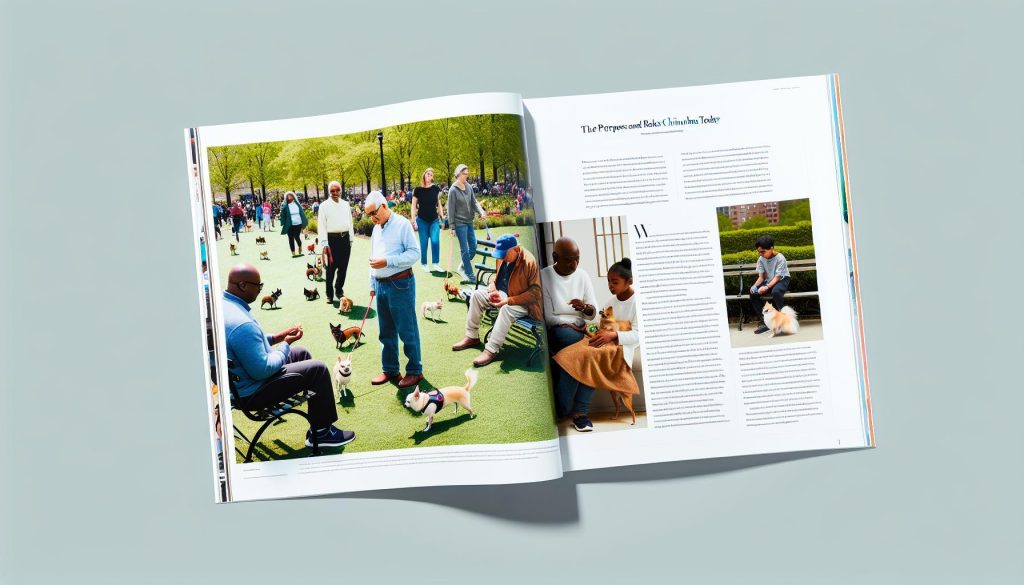
Chihuahuas, the tiny dynamos of the dog world, offer much more than just a cute face. These spirited companions are renowned for their loyalty and bold personalities, making them a perfect fit for various roles in today’s society-from devoted lap dogs to spirited watchdogs. Understanding what makes Chihuahuas unique can enhance your experience as an owner and deepen the bond with your furry friend. Whether you’re a first-time owner or a seasoned Chihuahua enthusiast, knowing the strengths and potential challenges of this vibrant breed can help you provide the best care tailored to their needs. Join me as we delve into the multifaceted roles of Chihuahuas today and discover how they can enrich our lives in ways you might not expect.
What Makes Chihuahuas Unique as Pets?
Chihuahuas stand out as one of the most distinctive dog breeds, not just for their tiny stature but for their enormous personalities and unique quirks. With their typically weighing between 2 to 6 pounds, these little companions carry a reputation for being fiercely loyal and protective, often forming an unbreakable bond with their owners. Their boldness is intriguing; despite their size, they can be surprisingly brave, making excellent watchdogs. Whether it’s barking at the mailman or standing guard over their favorite toy, Chihuahuas bring a vibrant energy into any household.
One of the most delightful aspects of Chihuahuas is their variety; they can have different coat types, from smooth to long-haired, as well as diverse physical characteristics such as the beloved apple-head shape. Their coats can come in almost any color imaginable, which adds to their charm. These features not only make them visually delightful but also contribute to their individuality, as each Chihuahua has its own specific needs in terms of grooming and care. This appealing diversity means that every Chihuahua can have a distinct personality, with some being more affectionate and snuggly, while others may prefer to be the independent little monarch of their home.
Understanding the daily needs of a Chihuahua is essential for any potential owner. These small dogs thrive on consistent attention and companionship and benefit greatly from early socialization and training. It’s also important to consider their health needs, as they can be prone to specific issues, such as dental problems and luxating patellas. Caring for a Chihuahua involves not just feeding them high-quality food and ensuring they get regular vet check-ups, but also being mindful of their emotional well-being.
Above all, Chihuahuas excel in providing joy and love beyond their physical dimensions. Their playful nature, combined with their loyalty, makes them not just pets, but cherished family members. These tiny companions have a remarkable ability to fill a home with love and laughter, proving that good things really do come in small packages.
Chihuahuas in Family Roles: Companions and Protectors

Chihuahuas are more than just adorable little companions; they serve as both steadfast friends and protective guardians in many families. Despite their tiny size, these dogs possess a grand sense of loyalty, making them one of the most devoted breeds. Their affectionate nature creates deep bonds with their owners, often leading to very special relationships that contribute to a loving home atmosphere. Chihuahuas are known to alert their families to anything out of the ordinary, from unexpected sounds to strangers approaching, showcasing an innate protective instinct that belies their stature.
This breed thrives in family settings, bringing warmth and a touch of humor to daily life. Their playful energy can lighten any mood, while their feisty personality ensures they aren’t just passive observers. Chihuahuas often become the heart of the family, eagerly engaging in activities and making their presence felt. For instance, it’s common to see a Chihuahua snuggled up with the kids during movie night or perched on a lap, content to be a part of everything happening around them. Their vocal nature can be both endearing and amusing, with many Chihuahuas having a lot to “say” about their surroundings.
When it comes to protecting their family, Chihuahuas take their role seriously. With their keen senses, they tend to be alert to any potential threats, making them excellent watchdogs. A Chihuahua may bark fiercely at someone passing by or alert you to the arrival of guests, despite their size. It’s not uncommon for these little guardians to stand their ground, bravely defending their home and loved ones with surprisingly assertive behavior. For example, a Chihuahua named Bella once didn’t hesitate to stand up to a raccoon that wandered too close to her family’s yard-illustrating just how bold this breed can be.
In summary, this breed’s combination of loyalty, protecting instincts, and delightful personality makes Chihuahuas wonderful companions in family roles. They thrive on love and attention, and their commitment to their families makes them cherished members of the household. For anyone considering adopting a Chihuahua, be prepared for a playful and loving spirit who will serve faithfully as both a companion and a protector.
Understanding Chihuahua Behavior and Temperament

Chihuahuas are fascinating little companions, known not just for their petite size but for their big personalities. These vibrant dogs often defy stereotypes associated with small breeds. A common misconception is that all Chihuahuas are timid or reclusive; however, many are quite the opposite-bold, sassy, and full of life. They thrive on interaction, bringing energy and joy to their families with their playful antics and spirited nature.
To truly appreciate their behavior and temperament, it helps to understand their historical roots as a breed. Originating in Mexico, Chihuahuas have been bred for companionship and have evolved to enjoy close relationships with people. This strong attachment often manifests in their protective instincts; they’re known to be excellent watchdogs, displaying a surprisingly robust bark for their size. Socialization is vital for these little guardians, as their natural alertness can lead to excessive barking if not properly managed. Early exposure to various environments, people, and pets can help minimize fearfulness and encourage adaptability.
Chihuahuas also exhibit a range of emotions vividly. Their loyalty to their owners is immense, and they often form deep bonds, sometimes choosing a favorite family member. They can be quite affectionate, often wanting to cuddle and be close to their humans. However, it’s essential to balance affection with boundaries. Training techniques that incorporate positive reinforcement can help shape a well-behaved Chihuahua. For instance, a Chihuahua like Max may initially be reluctant to share his favorite toy, but with consistent training and encouragement, he learns to engage in games of fetch or play nicely with other dogs.
Understanding the nuances of a Chihuahua’s temperament can enhance the experience of pet ownership. While the breed typically thrives in lively households, they also can enjoy quiet time cuddled in a lap or nestled in a cozy bed. Owners will often note that Chihuahuas have unique personalities; some are feisty and outgoing, while others are more reserved. This diversity within the breed is part of what makes Chihuahuas so charming. Whether they’re playfully barking at a passing squirrel or snuggling up next to you for a nap, embracing and celebrating their quirks can lead to a harmonious and happy relationship.
Health Considerations for Chihuahuas: Common Issues

Chihuahuas, with their big personalities housed in tiny bodies, might seem like little bundles of joy, but like all breeds, they come with their share of health considerations. Understanding these common issues can ensure your Chihuahua remains a happy, active, and loving companion for years to come. Whether your pup is a sassy apple-head or a sleek deer-head, being aware of their specific health risks can help you provide the best care.
One of the most prevalent health concerns among Chihuahuas is patellar luxation, a condition where the kneecap dislocates due to the shape of the knee joint. This can lead to discomfort and mobility issues, particularly if not addressed early on. Regular vet checks and ensuring your Chihuahua maintains a healthy weight can minimize the risk of developing this condition. Owners should also keep an eye out for any signs of limping or discomfort when walking, and consult a veterinarian if these symptoms arise.
Another significant issue is heart disease, which is particularly common in older Chihuahuas. The most frequent form seen in this breed is mitral valve disease. Regular veterinary visits are crucial for early detection, as managing heart health often involves medication and careful attention to diet and exercise. For instance, a Chihuahua named Bella, who started showing signs of fatigue, benefited from regular heart scans that allowed her veterinarian to monitor her condition closely.
Dental health should not be overlooked, as small breeds like Chihuahuas often face periodontal disease. The tiny mouths can make it challenging to maintain proper hygiene, leading to serious dental problems if not addressed. Owners should establish a routine of brushing their Chihuahua’s teeth and consider dental treats that promote oral health. Regular dental check-ups can prevent these issues and help ensure your furry friend enjoys a pain-free life.
Lastly, given their small size, Chihuahuas are particularly prone to temperature sensitivity. They can easily become cold, especially in winter months, or overheated during summer days. Owners can keep their Chihuahuas cozy with sweaters in cold weather and ensure they’re never left in hot environments. Ensuring your Chihuahua is comfortable temperature-wise not only keeps them healthy but also contributes to their good mood.
By staying informed about these health considerations and being proactive, you can enjoy many happy, playful times with your Chihuahua. Remember, frequent vet visits, proper diet, and lots of love will play significant roles in helping your tiny companion thrive in all their vibrant glory.
Training Your Chihuahua: Tips for Success
Training a Chihuahua can be a delightful adventure, each step infused with their unique flair and tenacity. These tiny dogs, famous for their bold personalities, thrive on positive reinforcement and consistent routines. They may be small in size, but their brains are big; Chihuahuas are intelligent and eager to learn, making training not just possible but highly rewarding for both you and your furry friend.
One effective approach to training your Chihuahua is to utilize short and positive sessions. Given their attention spans, aim for 5 to 10-minute training intervals. Start with basic commands like “sit,” “stay,” and “come.” Use high-value treats (like small pieces of chicken or cheese) that will capture their interest and reinforce desired behaviors. For instance, when training a Chihuahua named Max, his owner noticed that using his favorite freeze-dried liver treats kept him engaged and responsive, leading to quicker learning.
Consistency is also key. Your Chihuahua should understand that commands mean the same thing every time. Celebrate their little victories with plenty of praise. For example, if you’re teaching your Chihuahua to sit, as soon as they do, shower them with affection and a treat. This not only strengthens the bond between you but also helps them associate good behavior with positive outcomes. To ensure your pup learns well, practice commands in various environments to help them generalize their understanding beyond just one setting.
To address some of their behavioral quirks, consider socialization as a vital part of training. Expose your Chihuahua to different people, animals, and environments. This exposure helps reduce anxiety and builds confidence. Chihuahuas can sometimes be overly protective or bark excessively; early socialization can curb these tendencies. Owners who actively socialize their Chihuahuas often remark on their friendly and well-adjusted demeanor as adults.
Finally, keep in mind that patience is essential. It’s not uncommon for Chihuahuas to test boundaries, given their spirited nature. Celebrate their individuality and quirks; whether they’re a vocal apple-head or a sleek deer-head, every Chihuahua has something special to offer. By understanding and embracing their unique traits, you’ll pave the way for successful training while deepening your bond-leading to countless delightful moments together.
The Importance of Exercise for Chihuahuas
Chihuahuas may be small in stature, but their playful energy and spirited personalities make regular exercise essential for their health and happiness. Just like larger breeds, these pint-sized pals need physical activity to maintain a healthy weight, support their metabolism, and reduce the likelihood of behavioral issues. A well-exercised Chihuahua is a content Chihuahua, and engaging in daily activities not only supports their physical health but also nurtures their mental well-being.
Daily walks are an excellent way to fulfill your Chihuahua’s exercise needs. A brisk 20 to 30-minute stroll can do wonders for their physical health, helping them expend energy and stay fit. Because Chihuahuas can be sensitive to cold weather, make sure to adjust the frequency and duration based on the temperature-shorter, more frequent walks may be ideal. Remember, despite their size, Chihuahuas enjoy exploring their environment, so allow them some time to sniff and investigate their surroundings. This mental stimulation is just as important as the physical component of exercise.
In addition to walking, incorporating playtime into your Chihuahua’s routine can provide both exercise and a bonding experience. Engage them with toys that match their playful nature-think squeaky toys, rope tuggers, or even a game of fetch. Keep in mind that they can be easily intimidated, so choose toys that suit their small size and personality. A Chihuahua named Bella, for example, adores chasing after lightweight, plush toys, which not only keeps her active but also brings her immense joy as she pounces and prances around.
Now, don’t forget about indoor activities! If the weather keeps you indoors, consider interactive play. Puzzle toys that dispense treats can keep your Chihuahua mentally engaged and physically active. Additionally, short training sessions can double as exercise; teaching tricks like “spin” or “jump” encourages movement and sharpens your pup’s mind.
Ultimately, understanding and meeting the exercise needs of your Chihuahua is crucial. Not only does it promote a healthy lifestyle, but it also helps manage behaviors like excessive barking and destructive tendencies. By actively including exercise in your daily routine, you’ll foster a happy, well-adjusted companion who thrives on your love and attention. Embrace their quirks, and remember: every bounce and bark from your little friend is a testament to the joy they bring into your life.
Socialization Strategies for Happy Chihuahuas
Creating a well-socialized Chihuahua is crucial for their happiness and overall well-being. These little companions, known for their vibrant personalities, thrive in an environment where they feel confident and comfortable interacting with people and other dogs. Early socialization can prevent the development of fearful or aggressive behaviors, which can be common in Chihuahuas if not adequately managed.
Start Early and Gradual Exposure:
It’s essential to introduce your Chihuahua to various environments, sounds, and people as early as possible. Start with short outings where he can experience the outdoors, parks, or even pet-friendly shops. Gradually increase the exposure to more challenging situations, like busy streets or public transport. A Chihuahua named Max initially hesitated during car rides, but after several positive experiences, he now eagerly jumps into the car, knowing he will explore new places.
Create Positive Experiences:
Make socialization enjoyable by associating new experiences with positive reinforcement. Bring treats or a favorite toy to reward your Chihuahua when meeting new people or dogs. This approach helps him connect new encounters with happiness. Try arranging playdates with well-mannered dogs. Watching her interact with friendly companions can help a shy Chihuahua like Luna build confidence. Over time, she’ll start to feel more relaxed and engaged in social settings.
Utilize Training Classes:
Enroll your Chihuahua in puppy classes or group training sessions. These settings offer controlled environments for social interaction and skill-building. Training classes not only teach valuable skills but also allow your Chihuahua to meet other dogs and people, enhancing their comfort in social scenarios. A Chihuahua named Coco flourished in a group class, learning obedience while making friends, which made her more sociable outside of class.
Monitor Body Language:
Always observe your Chihuahua’s body language during interactions. Signs of stress, such as growling, cowering, or excessive barking, mean it’s time to step back and reassess the situation. Learning to read these cues will help you adjust your approach, ensuring your Chihuahua feels secure. Providing a safe space, like a cozy bed or a crate, allows her to retreat when overwhelmed.
Remember, socializing your Chihuahua isn’t a one-time activity; it’s an ongoing process. By prioritizing these strategies, you’ll cultivate a well-adjusted, cheerful companion capable of navigating the world with confidence. Celebrate the uniqueness of your little friend, knowing that these experiences contribute significantly to a joyful and balanced life.
Chihuahuas in Therapy and Assistance Roles
Chihuahuas are not just adorable companions; their unique traits make them fantastic candidates for therapy and assistance roles. Despite their diminutive size, these little dogs possess big personalities, often exuding confidence and a caring nature that can uplift those around them. Their vocal tendencies and loyalty can also play significant roles in providing comfort to individuals in need, whether in healthcare settings or personal environments.
In therapy contexts, Chihuahuas have shown remarkable abilities to connect with people emotionally. Their compact size makes them easy to handle and transport, which is ideal for visits to nursing homes, schools, or hospitals. Many owners have shared compelling stories about how their Chihuahuas have brought joy and relief to those suffering from anxiety or depression. For example, a Chihuahua named Bella became the highlight of a weekly visit to a local nursing home-her gentle demeanor and love for cuddling brightened the days of many residents, sparking smiles and warm conversations.
Moreover, Chihuahuas can excel in more specialized assistance roles. Their keen senses and alert nature allow them to be trained as service animals, helping individuals with disabilities navigate daily life. They can alert owners to important sounds, provide companionship, and even perform tasks like picking up dropped items. It’s essential to understand that, while their size may limit certain physical tasks, their intuition and adaptability compensate greatly, often making them perfect partners for individuals needing support in more subtle forms.
To ensure your Chihuahua thrives in a therapy or assistance role, start with basic obedience training to develop good behavior patterns. Socialization with various people, environments, and other animals is crucial. Regular positive reinforcement-like treats or praise-will help them build confidence. For those considering this path, connecting with local therapy dog organizations can provide resources and guidance to help you and your Chihuahua embark on this rewarding journey together. Embrace the quirks of your tiny companion; their bold and lovable nature may just make a world of difference in someone else’s life.
Adopting a Chihuahua: What to Expect
When bringing a Chihuahua into your life, prepare for a delightful adventure filled with love and personality. These pint-sized pups are renowned for their bold nature, loyalty, and surprisingly big hearts. As you consider adoption, you’ll want to arm yourself with important knowledge about the breed’s needs and quirks. For instance, did you know that Chihuahuas often form strong bonds with their owners, making them feel like true companions? They thrive in environments where they receive affection and consistent attention.
Finding the right fit for your family or lifestyle is crucial. Chihuahuas range from the classic apple-head to the more modern deer-head type, each with unique characteristics. It’s essential to understand that while their size makes them low-maintenance in terms of space, they still require mental and physical exercises, such as daily walks and interactive play. Many owners recommend blending structured activities with downtime, as Chihuahuas can be energetic one moment and cuddly the next.
Once you bring your new friend home, you’ll want to focus on establishing a routine that includes a nutritious diet and regular vet visits. Common health issues to be aware of in Chihuahuas include dental problems and patellar luxation, so dental care and joint health are especially important. Preparing for training is equally vital; Chihuahuas can be stubborn but respond well to positive reinforcement methods. Start with basic commands and gradually introduce more advanced training, keeping sessions short to maintain their attention.
Socialization is key to a well-adjusted Chihuahua. Introduce her to various environments and people early on to help her develop confidence and reduce anxiety. Consider enrolling in a puppy kindergarten or taking her to local dog parks where she can interact with other dogs. This exposure will help her feel more comfortable and adaptable in different situations, making her a joyful addition to your life.
Ultimately, adopting a Chihuahua means opening your heart to a loving companion who will fill your days with laughter and loyalty. Embrace her quirks and unique personality, and you’ll find that the bond you create will be immensely rewarding. Whether she’s snuggled in your lap during a movie or playfully barking at a squirrel, your Chihuahua will undoubtedly prove to be a wonderful addition to your home.
Nutrition Tips for a Healthy Chihuahua
Chihuahuas may be small, but their nutritional needs are as vital as those of any larger breed. Providing a well-balanced diet is crucial to ensure your tiny companion thrives. These lively dogs require a diet that supports their energy levels, maintains their tiny frames, and contributes to their overall health. For example, a Chihuahua’s small size means they have a fast metabolism, so they often need to eat small meals throughout the day rather than one or two large ones.
When crafting a diet for your Chihuahua, lean towards high-quality dog food specifically formulated for small breeds. Look for options rich in protein-chicken, beef, or fish-as the primary ingredient, as this helps maintain muscle mass and energy. A mix of dry kibble and wet food can also be beneficial, providing hydration and enticing picky eaters. Remember, however, that Chihuahuas can be prone to obesity, so portion control is key. Consider using a measuring cup to ensure you’re giving the right amount and avoid unnecessary treats that can lead to weight gain.
Special Considerations
Chihuahuas are also prone to certain health issues, so their diet should address these concerns. Dental health is a common issue in the breed, so incorporating dental chews or kibble designed to support oral hygiene can make a difference. Keep an eye on their joints, as issues like patellar luxation can occur. Supplementing their diet with omega fatty acids, either through food or a vet-recommended supplement, can support joint health and keep their coat shiny.
An essential part of any Chihuahua’s diet also includes fresh, filtered water. Hydration is crucial for all dogs, but especially for Chihuahuas due to their tiny size and high energy levels. Always ensure your little friend has access to fresh water at all times.
In summary, caring for your Chihuahua’s nutritional needs requires attention to detail, focused on their size, energy, and potential health problems. By choosing high-quality food, keeping an eye on their weight, and consulting with your veterinarian about their specific dietary needs, you can help your spirited companion lead a long, healthy life filled with love and joy.
Celebrating the Quirks of Your Chihuahua
Every Chihuahua owner knows that these petite pooches are packed with personality, often showcasing quirky behaviors that make them truly special companions. From their fearless attitudes to their impressive vocal abilities, Chihuahuas can bring a unique charm to any home. It’s not uncommon for these tiny titans to think they are larger than life, proudly guarding their territories and making their presence known with an exuberant bark that can rival much bigger breeds. Their lively spirits not only brighten days but also create an engaging dynamic within the family.
Chihuahuas are renowned for their loyalty and devotion to their human companions. This bond is particularly evident when they follow you from room to room, settling in close by to soak up every moment of your day. Their affectionate nature means they often become “velcro dogs,” sticking closely to their favorite humans and providing cherished companionship. If you’ve ever experienced your Chihuahua nuzzling against you for warmth or snuggling in your lap, you know just how deeply they crave that connection.
In addition to their social behaviors, Chihuahuas often display amusing quirks that can keep you entertained. For instance, many of them have unique ways of expressing themselves-some communicate their enthusiasm with an adorable spinning dance, while others have a delightful habit of barking at their reflections or shadows, convinced there’s a rival to challenge. These antics are not just endearing; they also remind us of the vibrant characters these dogs possess. Owners frequently marvel at their Chihuahuas’ playful antics, highlighting just how much fun they add to everyday life.
To enhance your relationship with your Chihuahua, consider engaging in activities that allow for playtime and bonding, such as teaching them tricks or encouraging interactive play with toys specially designed for small breeds. Not only does this provide mental stimulation, but it also helps channel their energy positively. By understanding and embracing these little quirks, you’ll undoubtedly enhance your connection with your Chihuahua, ensuring a happier and more fulfilling companionship.
FAQ
Q: What are the social benefits of owning a Chihuahua?
A: *Chihuahuas enhance social interactions* by attracting attention due to their size and personality. They often spark conversations and can help owners meet new friends in parks or social settings. Additionally, their loyalty can provide emotional support, making them excellent companions for people of all ages.
Q: Are Chihuahuas good for apartment living?
A: *Yes, Chihuahuas are ideal for apartment living* due to their small size and low exercise requirements. They can thrive in small spaces as long as they get regular walks and mental stimulation. Make sure to create a safe environment to keep them happy and healthy indoors.
Q: How do Chihuahuas contribute to mental health?
A: *Chihuahuas can significantly boost mental health* by providing companionship and reducing feelings of loneliness. Their affectionate nature encourages bonding, which can lower stress levels and improve mood. Incorporating daily routines with your Chihuahua can foster a sense of purpose and routine.
Q: What roles do Chihuahuas play in therapy?
A: *Chihuahuas are increasingly used in therapy settings* due to their calming presence and manageable size. They serve as comfort animals, helping individuals cope with stress, anxiety, and depression. Many therapy programs incorporate them for patients to enhance emotional well-being.
Q: Can Chihuahuas succeed in dog sports?
A: *Absolutely! Chihuahuas can be trained for various dog sports* such as agility and obedience competitions. Their intelligence and eagerness to please make them suitable for these rigorous activities, providing both physical exercise and mental stimulation.
Q: What makes Chihuahuas uniquely adaptable pets?
A: *Chihuahuas adapt well to different lifestyles*, whether it’s a busy family home or a quiet single-person setting. Their size makes them versatile companions, and they can adjust to varying levels of activity, making them suitable for many pet owners.
Q: What are common misconceptions about Chihuahuas?
A: *Many misconceptions surround Chihuahuas, particularly regarding their temperament.* While often seen as yappy or aggressive, with proper training and socialization, they can be well-mannered and loving pets. Understanding their behaviors is key to successful ownership.
Q: How can I ensure my Chihuahua is happy and fulfilled?
A: *To keep your Chihuahua happy, engage in regular playtime,* provide mental stimulation through toys and puzzles, and ensure they receive consistent training. Regular socialization with other pets and humans also contributes to a well-adjusted and content dog.
The Conclusion
Chihuahuas bring immense joy and companionship to our lives, serving as fierce protectors and delightful companions. Whether you’re drawn to their bold personalities, loyal nature, or unique health and care needs, embracing their quirks is part of the adventure. As you consider adding a Chihuahua to your family or seeking to understand your current furry friend better, dive into our detailed guides on Chihuahua health and training tips to ensure a happy life together.
Don’t miss out! Sign up for our newsletter for more expert advice and join our community of enthusiastic Chihuahua owners sharing experiences and tips. Explore related articles that discuss small dog care strategies and the best products for Chihuahuas that can enhance your pet’s life. Your next exciting discovery about this lovable breed is just a click away! Celebrate their small size and massive hearts-they’re ready to be your next best friend!
Get our latest guides, news, and insights highlighted in your Google Search & AI Overviews.