

Did you know that Chihuahuas come in over 30 recognized colors and patterns, yet some are remarkably rare? If you’re a Chihuahua lover or thinking about adopting this vibrant breed, you might be wondering which colors stand out from the rest. Understanding the variety of Chihuahua colors is not just about aesthetics but also reflects their unique personalities and histories. These little companions are known for their boldness and loyalty, making them wonderfully special in every way. In this exploration, we’ll dive into the rarest Chihuahua colors, their significance, and what makes them irresistible to enthusiasts. Whether you’re a first-time Chihuahua owner or a seasoned fan, uncovering these unique shades may just deepen your appreciation for this charming breed. Keep reading to discover the captivating world of rare Chihuahua colors and how they might resonate with your own furry friend’s personality!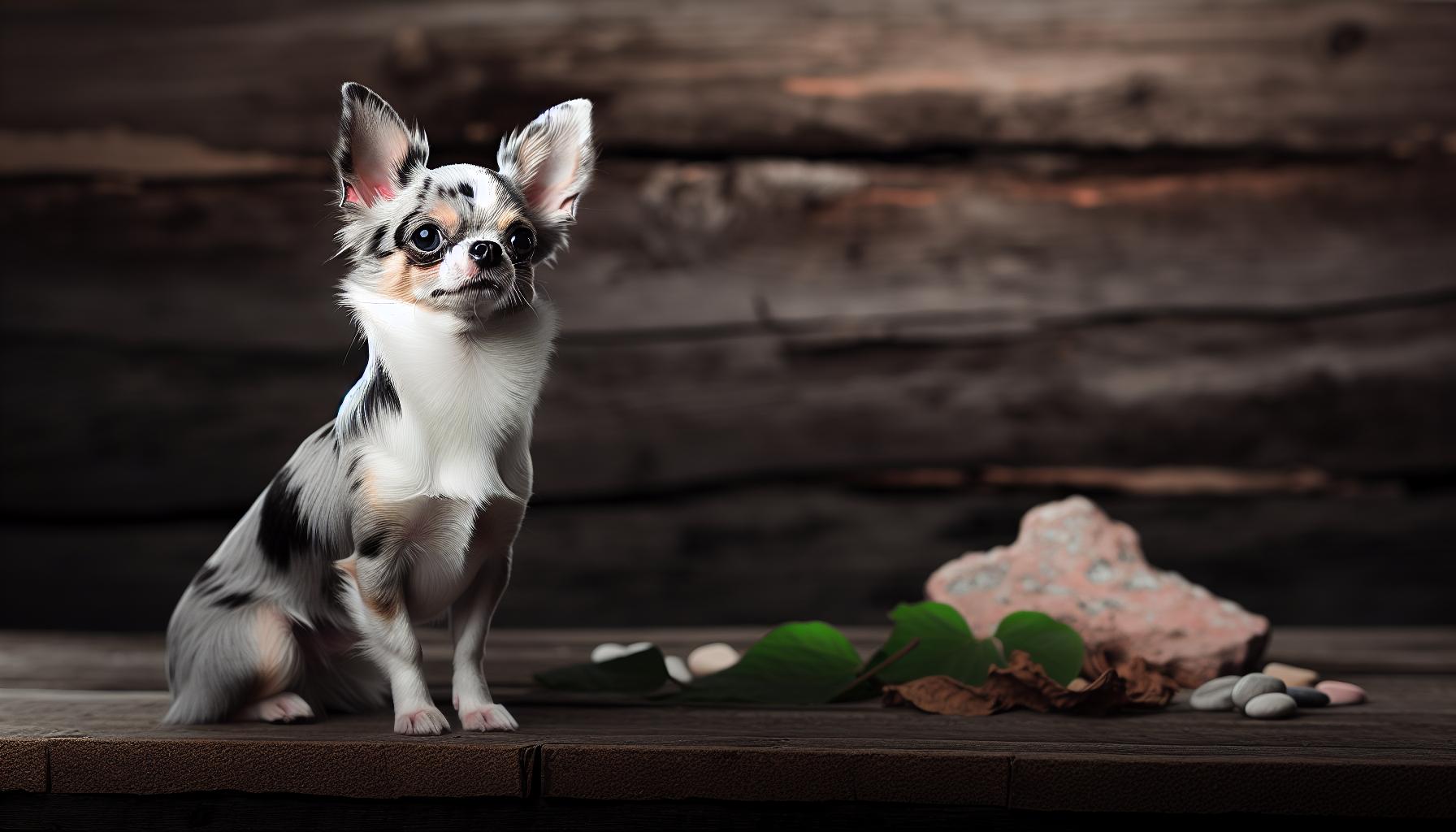
What Makes Chihuahua Colors Unique?
Each Chihuahua is a unique bundle of personality wrapped in a coat of various colors, patterns, and types. What truly sets Chihuahua colors apart is not just their aesthetic appeal; it’s the fascinating genetics behind these hues that captures the hearts of enthusiasts. For example, the rich chocolate color doesn’t just denote a deep tone but reflects specific genetic markers that can influence the dog’s temperament and health. When you dive into the world of Chihuahuas, you’ll discover that their colors can be as expressive as their charming personalities.
Chihuahuas showcase an impressive spectrum of colors, ranging from the familiar fawn and black to more exotic shades like lavender and merle. Each color is a result of complex genetic combinations, and some may even exhibit a blend of hues, creating a striking coat that reflects their distinctive individuality. The allure of rare colors, such as the exquisite blue or the elusive isabella, often stems from their scarcity, making them highly sought after by collectors and lovers alike. These specific colors can embody the essence of the Chihuahua-boldness wrapped in diminutive frames, lovingly showcasing their uniqueness.
Recognizing the influence of coat color on various traits is essential for any Chihuahua owner. For instance, blue Chihuahuas are sometimes perceived to exhibit particular personality traits, including being more reserved. Meanwhile, traditional fawn Chihuahuas are often described as lively and vocal, echoing the spirit of the breed itself. When selecting a Chihuahua, consider how color can complement not just your aesthetic preferences but also the dynamic of your household. Additionally, understanding the nuances of each color can aid owners in providing proper care tailored to their dog’s specific needs.
The world of Chihuahua colors is a celebration of diversity. Whether your interest lies in the common fawn or the rare chocolate, embracing these variations enriches the bond between a dog and its owner. Remember that beyond their unique appearances, each Chihuahua brings a distinct personality to the table-vocal, loyal, and adorably bold. By appreciating what makes their colors unique, you deepen your connection with your vibrant little companion.
The Most Common Chihuahua Colors Explained
Chihuahuas come in a kaleidoscope of colors, each hue telling its own story through genetics and ancestry. Understanding the most common Chihuahua colors not only helps owners appreciate the visual variety but also aids in recognizing that these colors can hint at different personality traits and care needs. For instance, if you are considering bringing a Chihuahua into your home, knowing the common colors can guide your choice, especially if you’re drawn to a particular aesthetic or temperament.
One of the most ubiquitous colors you’ll encounter is fawn, which ranges from a light tan to a deeper golden shade. This classic color is beloved for its vibrant character and is found in many of the breed’s representatives. Fawn Chihuahuas are often described as extroverted and cheerful, mirroring the brightness of their coats. Another prevalent color is black, which can be solid or part of a pattern, such as brindle-a black coat interspersed with lighter shades. Black Chihuahuas are frequently noted for being more fearless and assertive, making them charmingly bold little companions.
Chocolate is another common hue characterized by its rich, deep brown which can create a stunning contrast to lighter eye colors. Often, chocolate Chihuahuas tend to be affectionate and deeply loyal, showcasing a nurturing disposition. Then there’s the white Chihuahua, pure and pristine, often associated with a calm and gentle nature. Interestingly, some owners note that the white ones can be a bit more sensitive, requiring a tender approach in training and socialization.
A deeper understanding of these common colors is not only about aesthetics but about the holistic care and bonding experience with your Chihuahua. Each color represents a unique personality and may require specific considerations regarding health, temperament, and social dynamics. So, whether your heart is set on a lively fawn or a spirited chocolate, be sure to recognize the individual quirks that each color can embody.
As you explore the colorful world of Chihuahuas, remember it’s the personality that truly shines, regardless of hue. Embrace their tiny quirks, whether it’s a barking little fawn or a cuddly chocolate companion-each one brings its own delightful energy to your home.
Exploring Rare Chihuahua Colors: A Visual Guide
When it comes to rare Chihuahua colors, the breed offers captivating variations that can leave enthusiasts in awe. These unique hues not only reflect stunning aesthetics but may also convey distinctive personalities. While the fawn and chocolate shades are beloved, a handful of lesser-seen colors bring a special charm and allure to Chihuahuas. Exploring these colors shines a light on each dog’s individuality, making them even more remarkable companions.
Lavender is one of the rarest hues you might encounter. This beautiful shade is often described as a diluted version of chocolate, providing an elegant appearance that stands out in a sea of more common colors. Lavender Chihuahuas can exhibit a calm demeanor, and they’re often cherished for their uniqueness.
Another intriguing variety is the merle. Characterized by its mottled patterning with patches of different colors-often mixed with gray, black, or cream-merle Chihuahuas are visually striking. Owners frequently find that these Chihuahuas have an adventurous spirit, adding a playful and lively energy to their homes.
Chihuahuas can also display colors like blue, a beautiful grayish hue that provides a modern twist to the traditional palette. Blue Chihuahuas often have bright, expressive eyes that enhance their charm. Meanwhile, the isabella color, which results from a combination of diluted chocolate and fawn, offers another rare palette choice, showcasing a soft and elegant appearance.
It’s important to note that while these unique colors can be visually appealing, potential owners should be aware of certain health considerations. For instance, some rare colors may be associated with genetic conditions or sensitivities. Thus, it’s crucial to choose a reputable breeder who prioritizes health alongside aesthetic traits. A well-informed approach not only ensures that you celebrate your Chihuahua’s unique look but also nurtures a long and fulfilling companionship.
In the colorful world of Chihuahuas, embracing these rare hues means more than just a visual attraction; it’s an opportunity to build a deep bond with your furry friend, recognizing their distinct traits and cherishing their individual quirks.
Understanding Chihuahua Coat Types and Patterns
Chihuahuas are charming little companions often defined by their bold personalities as much as by their exquisite colors and patterns. The coat types and patterns in Chihuahuas not only contribute to their uniqueness but also affect their grooming needs and overall care. Understanding these factors is essential for any proud Chihuahua owner, especially if you’re drawn to rare colors or specific traits.
Chihuahuas primarily come in two coat types: smooth coat and long coat. Each type offers its own set of characteristics and care requirements. Smooth-coated Chihuahuas typically have a short, glossy coat that is easy to maintain with regular brushing to remove loose hairs. They can display all the beautiful colors and patterns, including the rare lavender and blue. On the other hand, long-coated Chihuahuas present a more luxurious appearance with a soft, flowing coat that requires more grooming to prevent matting. This type may showcase a wider variety of unique patterns, including the merle, which is not only visually stunning but also adds an element of excitement to their overall persona.
Among the patterns you might encounter, there are solid colors, brindled, spotted, and the aforementioned merle. Each pattern carries its own appeal and can even reflect certain personality traits. For instance, a merle Chihuahua often has a vibrant, adventurous nature, while a solid color may be more reserved and affectionate. When selecting a Chihuahua based on coat type and pattern, consider how their specific grooming needs align with your lifestyle. If you’re looking for a low-maintenance friend, a smooth-coated variety might be your best bet, while those willing to invest time in grooming could revel in the stunning beauty of a long-coated dog.
Health implications can also tie into coat types. For example, some coat and color combinations may predispose Chihuahuas to certain health concerns. It’s vital to work with a breeder who prioritizes the health of the breed over rare color traits, ensuring that your furry friend has the best chance for a happy, healthy life. Remember, every Chihuahua, regardless of coat type or color, offers a wealth of love and loyalty that is truly unmatched. Embrace their individuality, and you’re bound to deepen the special bond you share with your Chihuahua.
The Myth Behind the ‘Rarest’ Chihuahuas
Chihuahuas often capture the hearts of dog lovers with their charming personalities and unique colors. However, myths surrounding the “rarest” Chihuahua colors can lead to confusion and misunderstanding. For instance, many people believe that coat colors like blue or lavender are not only rare but also more valuable, when in reality, such colors should not be given special prominence over the breed’s health and temperament.
Myth: Rare Colors Are Always Healthier or Better Trained
While some claim that specific rare colors indicate a more desirable temperament or health, this is misleading. The truth is, a Chihuahua’s personality is shaped more by its environment, upbringing, and genetics than by its coat color. Irrespective of whether they are chocolate, fawn, or a striking merle pattern, all Chihuahuas have the potential to be loving, loyal companions.
Myth: Rare Colors Are Exclusively More Expensive
You may hear that rare colors always fetch higher prices; however, this can depend on various factors including the breeder’s reputation, the dog’s lineage, and the demand in specific regions. Health and individual characteristics should weigh more heavily than color when it comes to price. Investing in a healthy Chihuahua, regardless of color, often leads to better long-term companionship.
Emphasizing the uniqueness of your Chihuahua should not be centered solely on color; instead, appreciate their distinctive traits as part of their charm. Whether you own a classic fawn Chihuahua or a rare coat type, remember that each dog’s personality and loving presence is what truly makes them special. Focus on providing a loving environment, proper training, and attention to health needs-qualities that truly enrich the relationship you have with your furry friend.
Personality Traits of Rare Chihuahua Colors
Chihuahuas are well-known for their quirky personalities, and the color of their coat can sometimes play a role in how they express themselves. While it’s a common belief that certain rare colors, like blue or lavender, might affect a Chihuahua’s temperament, the truth is that their personality traits are shaped far more by their environment and upbringing. Nonetheless, owners often report unique quirks and behaviors that can correlate with their Chihuahua’s specific coat color, adding another layer of charm to these delightful companions.
For instance, Chihuahuas with more striking hues, such as the merle pattern or a rich chocolate brown, are often described by their owners as having a bolder and more outgoing disposition. These dogs may exhibit more confidence in new situations, which can be a wonderful trait when introducing them to new environments or socializing with other pets. Conversely, those with the classic fawn color or lighter shades are sometimes noted for being a bit more reserved. This doesn’t mean they lack affection; they might just take a little longer to warm up and show their true personalities.
Another aspect to consider is the playfulness often seen in Chihuahuas. Regardless of color, many owners find that their little companions share a common love for toys and playtime. However, those with rare coloring may have slightly more frenetic energy-a characteristic that can surprise unwelcome visitors! This engaging behavior not only highlights their individual spirit but also underscores the importance of regular exercise and mental stimulation to keep them happy and healthy.
When you welcome a rare-colored Chihuahua into your home, recognize that their personality will unfold uniquely, reflecting both their color and their life experiences. Always foster a nurturing environment that encourages exploration and bonding. The essence of your Chihuahua, be they a vibrant blue or a classic fawn, lies in their loyalty, love, and individuality-qualities that make every Chihuahua special in their own right.
How to Care for Unique Chihuahua Colors
When welcoming a unique-colored Chihuahua into your home, you embark on a delightful journey of care that respects their individuality. Whether your dog boasts a striking merle pattern or a subtle blue hue, each color can come with its own set of considerations for optimal care. Start by ensuring a balanced diet tailored for small breeds, as health and nutrition play critical roles in maintaining vibrant coats and overall well-being. Quality kibble rich in protein and nutrients helps support their tiny bodies, no matter the color.
Frequent grooming is essential, especially for those Chihuahuas with longer or thicker coats. Regular brushing keeps their fur healthy and free of tangles, while also helping to manage shedding. Consider investing in a high-quality brush designed for small breeds, and be gentle-Chihuahuas can be sensitive. In addition to coat maintenance, routine dental care is vital; small breeds are more prone to dental issues. Brush your Chihuahua’s teeth regularly and schedule annual vet check-ups to stay ahead of any potential problems.
Moreover, unique coat types may affect their sensitivity to temperature. Chihuahuas, generally weighing between 2 to 6 pounds, can struggle in extreme weather conditions. On chilly days, dress your Chihuahua in a snug sweater or coat to keep them warm. Conversely, during hot spells, limit outdoor activities to the cooler parts of the day and provide plenty of fresh water to keep them hydrated.
Finally, embrace their quirks! Chihuahuas, regardless of color, often express themselves through personality traits unique to their breed. Celebrate your Chihuahua’s boldness, playfulness, and loyalty. Playtime is vital; engaging in regular interactive games will help channel their energy positively and strengthen your bond. Remember, each Chihuahua, whether a rare lavender or a classic fawn, brings a special light to your life, making nurturing your unique companion an incredibly rewarding experience.
Health Considerations for Rare Chihuahua Types
When it comes to caring for rare Chihuahua colors and types, understanding potential health considerations is essential. While every Chihuahua is unique, certain colors and coat types may present specific health challenges that owners should be aware of. It’s widely recognized that some rare colors, like merle and chocolate, can be associated with genetic factors that may affect your pup’s well-being.
One significant health concern tied to rare Chihuahua colors, particularly the merle pattern, is the risk of deafness and vision problems. This pattern can inhabit both eyes or occur in one eye only. If you notice that your Chihuahua appears unresponsive to sounds or has difficulty navigating through spaces, a veterinary check-up is crucial. Regular hearing and vision assessments should become part of your routine vet visits.
Additionally, certain coat types may influence your Chihuahua’s susceptibility to skin issues. For instance, Chihuahuas with longer coats may be more prone to matting and skin irritations, which can lead to infections if not managed properly. Establishing a diligent grooming routine paired with high-quality skin care products can significantly contribute to their overall skin health. Always be gentle during grooming sessions; this not only maintains a clean coat but also helps you bond with your little companion.
Another critical aspect is the tendency toward dental issues in Chihuahuas. Regardless of their coat color or pattern, these tiny dogs often face challenges like overcrowded teeth or periodontal disease. To mitigate these risks, ensure you maintain a consistent dental care routine, brushing your Chihuahua’s teeth regularly and providing dental chews designed for small breeds. This simple practice can help keep their pearly whites healthy and prevent painful dental conditions.
Ultimately, providing tailored health care for your unique-colored Chihuahua encompasses regular vet visits, attentive grooming, and diligent dental care. By focusing on these areas, you can help your Chihuahua thrive, allowing them to showcase their beautiful and unique appearance while enjoying a long, healthy life. Remember, every delightful quirk and character trait of your Chihuahua is amplified by the love and attention you give them, making their health a top priority in your journey together.
The Price Difference: Rare vs. Common Chihuahuas
Chihuahuas captivate us not just with their big personalities but also with their stunning array of colors. When you dive into the world of Chihuahuas, you’ll quickly discover that not all colors are created equal in terms of market value. The price of these delightful companions can vary significantly based on their color and coat types, making it crucial for potential owners to understand what factors contribute to these differences.
Common Chihuahua colors, such as fawn and black, typically range from $300 to $800. These colors are popular and readily available, which helps keep prices more stable. In contrast, rare colors-like merle, chocolate, or blue-can command much higher prices, often reaching upwards of $1,500 or more. This price increase is not merely due to their scarcity but also because these colors often come with unique genetic traits that can appeal to specific buyers, including those looking for show quality dogs.
Factors Influencing Price
Several elements contribute to the price difference:
- Rarity: The scarcity of certain colors influences demand. For example, blue and merle Chihuahuas are less common and therefore more sought after.
- Genetics: Some rare colors are linked to specific genetic backgrounds, which can affect the overall health and quality of the puppy. Responsible breeders often charge a premium for puppies with a well-documented pedigree.
- Breeder Reputation: Established breeders who adhere to responsible breeding practices and focus on health testing for genetic conditions often price their puppies higher than backyard breeders.
- Health Considerations: While rare colors can be visually striking, they may also come with potential health concerns, which can further complicate the pricing. Puppies from reputable breeders often come with health guarantees that foster confidence in the investment.
Paying attention to the details of where you adopt or purchase a Chihuahua is vital, as pricing reflects both the initial cost and the ongoing commitment to health and care. So whether your heart is set on a classic fawn or a striking merle, understanding these dynamics will help you make an informed choice while celebrating the unique charm that every Chihuahua brings into your life.
Tips for Finding a Rare Chihuahua
Finding a rare Chihuahua can be an exciting journey for any dog lover. These tiny companions come in an array of captivating colors and patterns, but obtaining one of the more elusive shades, like merle or blue, requires a bit of diligence and understanding of the breed. First and foremost, research reputable breeders who specialize in rare Chihuahua colors. Many breeders value genetic health and the well-being of their dogs, so seeking those who prioritize health testing, pedigree documentation, and ethical breeding practices is crucial.
Connecting with breed-specific groups or forums can also be invaluable. Engaging with fellow Chihuahua enthusiasts allows you to tap into a network of owners who may have leads on upcoming litters or who can share their experiences with rare colors. For example, a Chihuahua owner in a local club might know someone who has a planned breeding of merles, which offers a fantastic opportunity to find your dream pup. Don’t hesitate to ask questions and gather insights; most breeders love to share their knowledge.
When you find a breeder, it’s essential to ask about the health history of both the puppy’s parents and potential genetic issues associated with rare colors. For instance, some rare coat colors can sometimes be linked to health complications, so you’ll want to ensure that the breeder not only produces aesthetically pleasing pups but also prioritizes the health and welfare of the breed.
Lastly, patience is vital in your search. The allure of owning a rare Chihuahua can tempt you to rush into a purchase, but quality should always come before speed. Embrace the journey of finding your unique little companion, as it reflects the love and dedication you have for this remarkable breed. By taking the time to understand the ins and outs of breeding and connecting with the right people, you can ensure that your future furry friend is not just rare, but also healthy and happy.
Training and Socialization for Distinctive Chihuahua Types
Training and socializing a Chihuahua, especially one sporting a rare color or type, can significantly enhance their personality and behavior. These small dogs, known for their boldness, loyalty, and vocal tendencies, thrive on positive interactions and structured training. Whether your Chihuahua is a vibrant merle or a soft blue, understanding their unique traits is key to fostering a happy, well-behaved companion.
To maximize training effectiveness, start early. Socialization should begin as soon as your Chihuahua arrives home. Expose her to various environments, people, and other pets to help her develop confidence and reduce anxiety. Small playdates with gentle, well-mannered dogs can create positive experiences. For instance, one owner noted that her timid blue Chihuahua blossomed after several social outings, becoming more playful and less fearful.
In terms of training techniques, Chihuahuas respond very well to positive reinforcement. Use treats, praise, and toys to encourage good behavior and commands. Keep training sessions short but frequent-5 to 10 minutes multiple times a day works wonders. Remember, Chihuahuas are intelligent but can be a bit stubborn, so patience is crucial. For example, an owner teaching her apple-head Chihuahua to sit found that mixing in games kept her pup engaged and motivated.
While training, maintain a balance of exercise and playtime. These tiny dogs may be small, but they need ample activity to stay healthy both physically and mentally. Engaging in activities like short walks or tug-of-war helps burn off excess energy while strengthening your bond-something essential for all Chihuahuas, especially those with distinctive qualities.
Lastly, be mindful of their health traits associated with rare colors. For example, breeding for specific colors can sometimes lead to health issues such as patellar luxation. Consult with your veterinarian early on to ensure your training and socialization strategies promote overall health and are safe for your unique Chihuahua. By focusing on her specific needs and behaviors, you can nurture a well-adjusted, charismatic companion that truly stands out in the best way possible.
Celebrating Your Chihuahua: Embracing Their Uniqueness
Chihuahuas, with their bold personalities and tiny stature, are a true delight, especially when they sport unique colors and patterns that set them apart. Each Chihuahua is not just a pet; they are a vibrant part of your life, full of character and charm. Breeds like the lavender, merle, or blue Chihuahuas capture the hearts of many and showcase the incredible diversity within the breed. Celebrating their uniqueness goes beyond mere aesthetics; it’s about understanding and appreciating the quirks and traits that make each dog special.
To fully embrace their individuality, consider their distinctive needs and characteristics. Each color and coat type may come with specific traits that affect their health or behavior. For example, merle Chihuahuas can be prone to certain health issues due to the genetics behind their stunning coat pattern. Understanding these nuances allows you to provide better care and attention, ensuring a happy and fulfilling life for your companion. Create a nurturing environment where your Chihuahua can thrive, respecting both their playful nature and any potential health considerations.
Additionally, showcasing your Chihuahua’s unique traits can be a fun and joy-filled experience. Get creative with accessories that highlight their colors, like custom collars or chic outfits that make a statement during outings. Engaging with other Chihuahua owners, attending breed-specific events, or joining online communities can also provide support and enrichment for both you and your dog. Sharing experiences, tips, and stories creates a sense of belonging and celebration among like-minded enthusiasts who appreciate the beauty of different Chihuahua types.
Finally, training and socialization play significant roles in embracing their uniqueness. Training sessions can be personalized to focus on their quirks, reinforcing positive behavior and interactions with the world around them. Remember, each Chihuahua, regardless of color, brings something special to the table, and celebrating their individuality is a rewarding journey. By cherishing your dog’s distinct personality and traits, you strengthen your bond and create lasting memories together.
Faq
Q: What are the rarest Chihuahua colors?
A: The rarest Chihuahua colors include *merle*, *lavender*, and *chocolate*, which can be difficult to find. These unique hues often attract enthusiasts and collectors. For a visual guide, explore “Exploring Rare Chihuahua Colors: A Visual Guide” in the article.
Q: Why is the merle color considered rare in Chihuahuas?
A: Merle Chihuahuas display a distinct pattern of mottled colors, making them highly sought after. This pattern occurs due to a specific gene, and *breeding practices* can make merle colors less common. Learn more about this in “Understanding Chihuahua Coat Types and Patterns.”
Q: How can I identify a rare Chihuahua type?
A: To identify a rare Chihuahua type, look for unique traits such as coat color, pattern, and size. Comparing features with the breed standards can help. Refer to “The Most Common Chihuahua Colors Explained” for additional insights on coat variations.
Q: Are rare Chihuahua colors associated with specific health issues?
A: Some rare Chihuahua colors, such as merle, may be linked to health problems due to gene mutations. Responsible breeding practices can mitigate these risks. See “Health Considerations for Rare Chihuahua Types” for more details.
Q: What factors affect the price of rare Chihuahuas?
A: The price of rare Chihuahuas is influenced by their color, pedigree, and demand. Typically, rarer colors like merle or chocolate can command higher prices. For a detailed breakdown, check out “The Price Difference: Rare vs. Common Chihuahuas.”
Q: Where can I find rare Chihuahua puppies for sale?
A: Rare Chihuahua puppies can often be found through reputable breeders or breed-specific rescue organizations. Ensure you research breeder credentials thoroughly. “Tips for Finding a Rare Chihuahua” offers guidance on this process.
Q: Do rare Chihuahuas require special care?
A: Rare Chihuahuas do not generally require different care than common varieties, but their unique genetics might necessitate extra attention to health and well-being. Refer to “How to Care for Unique Chihuahua Colors” for proper care tips.
Q: What are some common myths about rare Chihuahuas?
A: Many myths exist, such as the belief that rare colors equal better temperament or health. In reality, individual care and upbringing are more crucial. Explore “The Myth Behind the ‘Rarest’ Chihuahuas” for clarification on common misconceptions.
Insights and Conclusions
Understanding the rarest Chihuahua colors and types not only enriches your appreciation for this spirited breed but also prepares you for the joy of dog ownership. Whether you’re captivated by the elegance of a chocolate merle or the charm of an apple-head, each unique Chihuahua brings its own delightful quirks. If you’re considering adding a rare Chihuahua to your family or want tips on their care and wellness, explore our guides on Chihuahua health and behavior.
Don’t forget to join our newsletter for expert tips and the latest updates about Chihuahua enthusiasts like you! Your journey with your loyal companion is just beginning-share your thoughts or experiences in the comments, and connect with fellow Chihuahua lovers. Let’s celebrate the brave, tiny hearts of these wonderful dogs together!
Get our latest guides, news, and insights highlighted in your Google Search & AI Overviews.