

Brindle Chihuahuas excite both enthusiasts and potential owners alike, but are they truly rare? Understanding the genetics behind this unique coloration is essential for anyone passionate about the breed. These pint-sized pups, known for their bold personalities and loyalty, often become a focal point for discussions on rarity and desirability in the dog world. Many owners wonder if the distinctive brindle pattern signifies something special or if it’s just a common variation. By exploring the genetics behind their stunning coats, we can appreciate not just their appearance but also the broader implications for breeding and care. Join us as we delve into the fascinating world of Chihuahua color genetics and uncover what makes brindle Chihuahuas stand out in more ways than one.
Understanding Brindle Chihuahuas: A Color Overview
Brindle Chihuahuas have a striking appearance that captivates many dog lovers. Their unique coat features a combination of rich, solid colors blended with contrasting stripes created through a complex genetic pattern. This rare coloration can range from a soft fawn peppered with darker stripes to deep chocolate, creating a visual spectacle that many adore. Understanding what makes these dogs special involves delving into their genetics, which play a crucial role in this elusive and vibrant color pattern.
Chihuahuas, like many breeds, inherit their coat colors through a mix of dominant and recessive genes. The brindle pattern is primarily produced by a specific gene known as the “brindle gene” (K locus), responsible for the mixing of pigment. While many owners may wonder if the brindle coat makes these dogs less common, it is essential to note that while they are less frequently seen compared to more traditional colors like fawn or black, their rarity stems largely from breeding patterns rather than genetic limitations. In fact, brindle Chihuahuas can appear from lines that possess the coloring, and responsible breeding practices can increase their presence in the community.
For those who have a brindle Chihuahua, you’ll notice their vibrant personality is as distinct as their coat. These little dogs are known for their bold and confident demeanor. They are vocal companions, displaying loyalty and a playful spirit that can brighten any household. Whether you’re a first-time owner or an experienced Chihuahua enthusiast, understanding the charm and uniqueness of your brindle friend’s coloration is key to celebrating their individuality. Recognizing their needs, from proper nutrition to health check-ups, will not only enhance their well-being but also deepen the bond you share with your spirited little companion.
The Genetics Behind Brindle Coloring
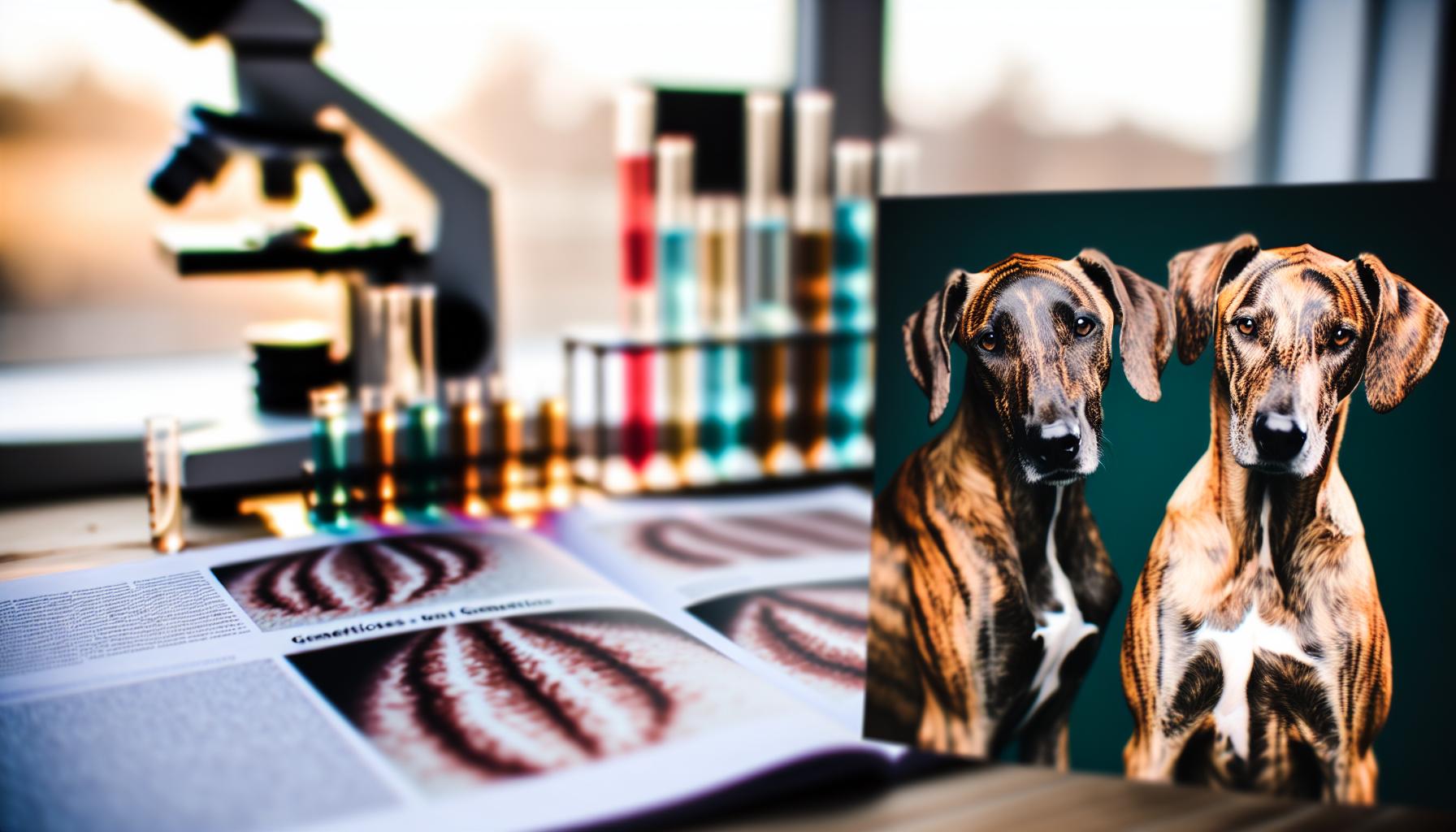
Brindle Chihuahuas are a stunning testament to the beauty of genetic variation, combining vibrant stripes with a base coat color to create a truly unique appearance. This distinctive brindle pattern results from a complex interplay of genes, specifically the interaction of the “brindle gene” located at what is known as the K locus. This gene affects the pigmentation distribution in the fur, producing the characteristic streaks of lighter and darker colors that give brindle Chihuahuas their striking look.
Understanding the genetic basis of their color can demystify some of the questions you might have as a proud owner. The brindle pattern occurs when a dog inherits the brindle gene from one or both parents. If one parent is a solid color and the other carries the brindle gene, there is a chance that their offspring can inherit the brindle pattern. This genetic trait isn’t found in all Chihuahua lines, which is why brindle Chihuahuas can be considered somewhat rare, particularly compared to more commonly seen colors like fawn or black. However, the rarity of the pattern is more about breeding choices than a genetic scarcity, as responsible breeders increasingly recognize the appeal of this unique coloration.
Owners of brindle Chihuahuas often marvel at not only their dog’s vibrant appearance but also their playful personalities. These dogs tend to be bold and confident, behaviors that reflect their distinctive and varied background. When selecting a companion, it’s crucial to understand that each Chihuahua, especially those with unique traits like brindling, deserves proper health care, nutrition, and socialization. For instance, maintaining a balanced diet and regular veterinarian check-ups will help ensure a long and healthy life for your furry friend.
In summary, the genetics of brindle coloration in Chihuahuas is a fascinating subject that enriches the experience of owning one. As you navigate through their care and bonding experiences, appreciating the complexity behind their coat will deepen your connection with your spirited little companion. Embrace their quirks, knowing that each brindle Chihuahua is a unique blend of beauty and character, waiting to share its loyalty and love with you.
Are Brindle Chihuahuas Truly Rare?
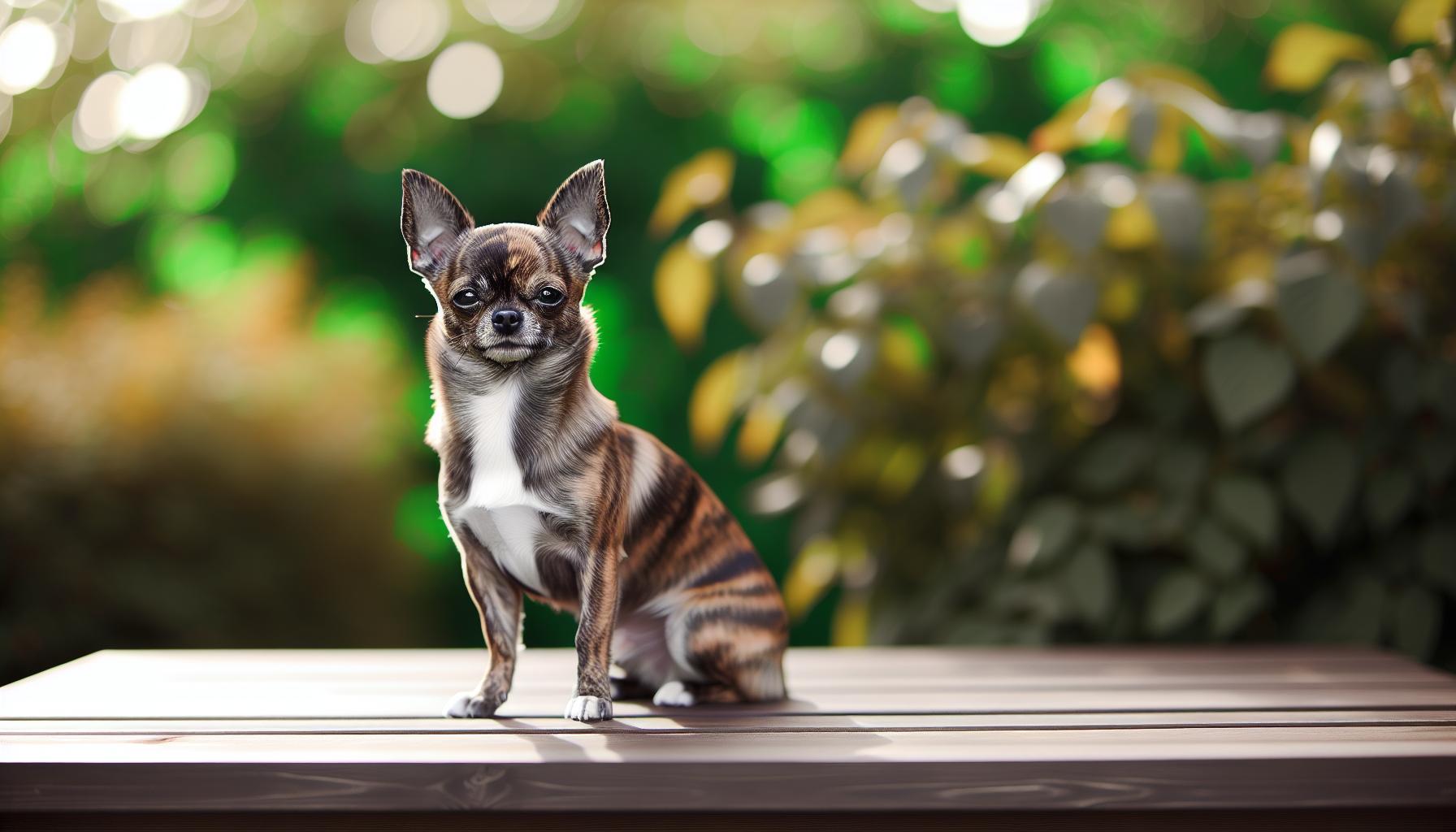
Brindle Chihuahuas certainly catch the eye with their striking coat patterns, but how rare are they really? To answer that, we must first understand the genetic mechanics behind this beautiful coloration. Brindle isn’t a standalone color in Chihuahuas; rather, it’s a pattern that emerges when a dog inherits the brindle gene from its parents. This gene modifies the distribution of pigmentation in the fur, resulting in those distinctive streaks of lighter and darker shades. While not a trait found in every Chihuahua bloodline, brindle patterns can appear, showcasing the breed’s genetic diversity.
In practice, brindle Chihuahuas can be considered somewhat rare compared to their more common counterparts like fawn or black Chihuahuas. The rarity often doesn’t stem from a lack of genetic possibilities but rather from the selective breeding choices of conscientious breeders. Many breeders focus on traits that are more popular among pet owners, such as solid coloration or specific physical characteristics. This focus can make brindle Chihuahuas less frequently seen in the market, creating a perception of rarity among those passionate about the breed.
It’s also essential to recognize that “rare” doesn’t always imply valuable or superior. Every Chihuahua, regardless of coat color, brings unique charm and personality to the table. It’s common to find people drawn to the unique appearance of a brindle but that shouldn’t overshadow the fundamental quality of companionship each Chihuahua offers. Owners often share that their brindle Chihuahuas display the same playful, loyal, and bold traits that you would find in any other Chihuahua. In many ways, the rarity of a brindle coat adds an extra layer of appreciation for those who own one, but the heart of a Chihuahua remains consistent-a spirited little companion full of love and character.
Factors Influencing Brindle Color in Chihuahuas

Brindle coloring in Chihuahuas is a captivating phenomenon that results from a complex interaction of genetics and environment. Understanding the factors that influence this stunning coat pattern can help potential owners appreciate their dogs even more and inform those considering adding a brindle Chihuahua to their family. One of the primary influences on brindle coloration is the genetic makeup of both parents. The brindle pattern arises when a dog inherits specific alleles from its parents that dictate pigmentation distribution. This genetic combination can lead to the striking contrast of dark and light fur, giving each brindle Chihuahua a unique look.
Besides direct inheritance, environmental factors and health can also play a role in how the brindle pattern expresses itself. For instance, a Chihuahua’s diet and overall health can affect the vibrancy and texture of their coat. A poor diet might dull the sheen or disrupt pigment production, potentially affecting the overall appearance of the brindle pattern. Furthermore, stress or changes in environment may cause variations in coat color, as well as seasonal changes that are common in many breeds. Engaging in regular, fun activities can significantly enhance your Chihuahua’s mental and physical well-being, contributing to a healthier and more vibrant coat.
Another element to consider is the impact of breeding practices. Responsible breeders often aim for diversity in coat colors and patterns, which includes brindle. However, some breeders prioritize more common colors like fawn or chocolate, making brindles less frequent in certain lines. This intentional selective breeding can perpetuate the perception that brindle Chihuahuas are rare, even though they can naturally occur in the breed. Being aware of these influences can help you in your search for a brindle Chihuahua, ensuring that you find a healthy, well-bred pup who can bring joy and charm into your home.
In engaging with the Chihuahua community-whether through online forums or local meetups-you may come across vivid stories from other owners about how their brindle Chihuahuas have stood out, not just for their color but for their unique personalities and behavior. Each Brindle Chihuahua carries a tale that reflects the blend of genetics, nurturing, and environment, making them not just a dog, but a delightful companion rich in character. Embrace the quirks of these lovely little creatures, and you’ll find that the rare brindle is just like any other Chihuahua-a loyal friend and a spirited presence in your life.
Health Considerations for Brindle Chihuahuas
Brindle Chihuahuas, with their striking, unique coat patterns, are not just a delight to the eyes but also come with specific health considerations that every owner should be mindful of. Like any Chihuahua, brindles are prone to certain health issues, and understanding these can help you provide the best care possible for your little companion.
One of the most common health concerns in Chihuahuas, including brindles, is patellar luxation. This condition occurs when the kneecap dislocates from its normal position, which can lead to pain and mobility issues. Regular vet check-ups and maintaining a healthy weight can help mitigate the risks associated with this condition. Additionally, as a breed, Chihuahuas often face dental problems. Their small mouths can lead to overcrowding of teeth, increasing the likelihood of periodontal disease. To combat this, establish a regular dental hygiene routine early on, including brushing their teeth and providing dental chews.
Chihuahuas, regardless of their coat color, are also susceptible to heart disease, particularly mitral valve disease. This condition is more prevalent as they age, so monitoring your brindle’s heart health with consistent veterinary visits is crucial. Look for signs like coughing or lethargy, and don’t hesitate to consult your vet if these arise.
Furthermore, brindle coloring does not inherently lead to any unique health issues, but the overall health of these dogs is closely tied to the practices of their breeders. Responsible breeding, focused on the health of the parents and puppies alike, can significantly influence the well-being of your dog. Engage with reputable breeders who provide health clearances and prioritize the health of their Chihuahuas over the aesthetics of coat color.
Incorporating these health considerations into your care routine will ensure your brindle Chihuahua remains a vibrant companion throughout their life. Remember that a proactive approach to health, combined with love and attention, will yield the happiest and healthiest results for your beloved furry friend.
Coat Care Tips for Brindle Chihuahuas
Brindle Chihuahuas are a beautiful sight, with their distinctive patterns of color that make them stand out in any crowd. To keep their coats looking vibrant and healthy, understanding their specific grooming needs is crucial. Proper coat care not only enhances their appearance but also contributes to their overall well-being, reflecting the love and attention you provide.
To maintain your brindle’s coat, regular brushing is essential. This breed can have either short or long coats, and consistent brushing helps reduce shedding and prevents tangles. For a short-haired Chihuahua, a soft-bristle brush will remove loose hair and distribute natural oils in their skin, resulting in a shiny coat. Long-haired Chihuahuas may require a slicker brush or a comb to address knots effectively. Aim for a brushing session at least once a week, or more frequently if your Chihuahua enjoys it or sheds heavily during seasonal changes.
Bathing is another important aspect of coat care. While Chihuahuas don’t require frequent baths-every few months should suffice-using a mild, dog-friendly shampoo aids in keeping their coat and skin healthy. Over-bathing can strip the coat of natural oils and lead to dryness, so be mindful of how often you wash your little one. After a bath, gently dry your Chihuahua with a towel and ensure they stay warm, especially since they are susceptible to the cold due to their small size.
Paying attention to skin health is vital as well. Chihuahuas can be prone to skin allergies, which may be exacerbated by irritants in their environment or diet. Regularly check for any unusual bumps, redness, or flaking skin, and consult your veterinarian if you notice anything concerning. Not all Chihuahuas are created equal-some may have sensitive skin that requires specialized products, so be sure to choose materials designed especially for dogs.
Lastly, consider the unique personalities of Chihuahuas in your grooming routine. They can be quite vocal and feisty, so fostering a calm environment during grooming can make these sessions more enjoyable. Incorporate treats and positive reinforcement to create a positive association with grooming. Celebrate the quirks of your brindle, and enjoy the bonding time spent together keeping them looking fabulous!
In summary, with regular brushing, thoughtful bathing, and close attention to skin health, your brindle Chihuahua will not only look stunning but will feel confident and comfortable in their own skin. Embrace their unique beauty through attentive coat care, and you’ll both reap the rewards of a happy and healthy companion.
Comparing Brindle Chihuahuas to Other Colors
Brindle Chihuahuas captivate with their unique coat patterns, but understanding how they compare with other colors can deepen your appreciation for these vibrant companions. While brindle may seem exotic, it’s just one of many beautiful variations within the breed, each with its own charm and personality. Recognizing what sets brindle apart can help you appreciate the diverse beauty of Chihuahuas and choose the best fit for your lifestyle.
Color genetics play a crucial role in a Chihuahua’s coat color. Brindle coloring is characterized by a mix of two base colors, typically a darker shade like black or chocolate intermingled with lighter tones like fawn or cream. This results in a striking striped appearance that differs significantly from solid colors such as black, white, or brown. In contrast, solid-colored Chihuahuas often exhibit a uniform look, making them equally stunning but less visually complex.
One of the most notable differences lies in rarity. While brindle Chihuahuas may appear rare due to their less frequent occurrence, other colors can also be hard to find, such as the elusive blue or merle. Owners who have experience with multiple color types often share that each hue comes with its own unique quirks. For instance, while a solid-colored Chihuahua might offer a more consistent aesthetic, many find brindle coats to be conversation starters due to their distinctive looks.
It’s also important to consider temperament when comparing colors. Regardless of the color, Chihuahuas are known for their bold and tenacious personalities. However, some owners claim that their brindle Chihuahuas possess a particularly lively spirit, making them playful companions that demand attention. An owner might tell you about their brindle’s tendency to steal the show with her energetic antics, contrasting with the more reserved demeanor of a fawn-colored counterpart.
In summary, while brindle Chihuahuas hold a special place in the hearts of many enthusiasts, every color brings its own set of characteristics that contribute to the rich tapestry of the breed. By celebrating these differences, you can foster a deeper bond with your furry friend, appreciating not only their color but also the unique personality traits that make Chihuahuas such beloved companions.
Common Misconceptions About Brindle Chihuahuas
Many people find themselves captivated by the striking patterns of brindle Chihuahuas, but several myths and misconceptions persist about these beautiful dogs. One common belief is that brindle Chihuahuas are a completely different breed or somehow more exotic than their solid-colored counterparts. In reality, they are just one of many coat colors within the Chihuahua breed. The brindle pattern, characterized by its mix of dark and light stripes, emerges from the same genetic makeup that governs all Chihuahuas. Understanding this can help prospective owners appreciate that while the cosmetic differences are remarkable, all Chihuahuas share the same loving spirit and lively personality.
Another misconception is that all brindle Chihuahuas suffer from health issues or behavioral problems due to their unique coloring. However, the truth is that brindle coloring itself does not inherently lead to health concerns. The breed as a whole is predisposed to some health conditions, but these are typically not related to coat color. Owners should focus on regular veterinary care, a healthy diet, and adequate exercise, regardless of their Chihuahua’s color. For instance, one owner shared how her brindle Chihuahua, Bella, is as energetic and healthy as her fawn companion, proving that an active lifestyle is key to wellness.
Moreover, some people believe that finding a brindle Chihuahua is nearly impossible due to their supposed rarity. While it’s true that brindle Chihuahuas are less frequently seen compared to solid colors, they are not as elusive as some might think. Many Chihuahuas come in various colors, including blue and merle, which can be even rarer. It’s crucial for potential owners to look beyond just color when adopting, as temperament, health, and the pup’s personality will affect their experience.
Ultimately, embracing the uniqueness of brindle Chihuahuas means acknowledging the quirks and joys that come with every color and pattern. By understanding and dispelling these misconceptions, you can appreciate the full spectrum of Chihuahuas and foster a deeper bond with your colorful little companion.
How to Identify a Genuine Brindle Chihuahua
To truly appreciate the beauty of a brindle Chihuahua, you first need to recognize what makes this color pattern special. Genuine brindle Chihuahuas showcase a distinct and striking mix of dark and light stripes, often resembling the patterns of a tiger. This intricate combination arises from the interplay of their genetics, where darker hairs blend with lighter ones, creating the unique brindle effect that many people find captivating.
When you’re attempting to identify a genuine brindle Chihuahua, focus on these key characteristics:
Identifying Features
- Color Pattern: Look for a canvas of fawn, chocolate, or cream with contrasting dark stripes. The brindle should be evident throughout the coat, not just in isolated patches.
- Coat Texture: Like other Chihuahuas, brindles can have either a smooth or long coat. Ensure that the coat feels healthy and well-maintained.
- Body Structure: Genuine Chihuahuas exhibit the breed’s signature traits, including a compact body, wide-set eyes, and a slightly rounded skull, known as the apple head. Regardless of color, these physical traits are what define the breed.
Another aspect to consider is the dog’s lineage. Knowing the background can help clarify whether a Chihuahua is genuinely brindle. Reliable breeders usually provide documentation, including pedigree certificates and health records, which can give insights into the dog’s heritage and confirm that the brindle coloring is authentic and bred according to breed standards.
It’s worth noting that while brindle Chihuahuas are less common than their solid-colored companions, they are not an entirely different breed-it’s a color variation. Some owners share heartwarming stories about their brindle buddies, highlighting how their unique coloring complements their vibrant personalities. For instance, a brindle Chihuahua named Milo, with his warm, taupe and brown stripes, is as bold as he is beautiful, often stealing the spotlight at the dog park.
In your quest to find a genuine brindle Chihuahua, remember that personality, behavior, and the overall temperament of your pup play equally critical roles. Positive, loving characteristics define this breed, beyond the visual appeal of their coat. Embrace the quirks of each brindle Chihuahua, recognizing that whatever coat color they wear, their spirited and loyal nature remains the same.
Brindle Chihuahua Breeding: What to Know
Breeding brindle Chihuahuas can be an enriching journey, but it’s essential to understand the nuances behind their unique coat color. While they might not be as common as their solid counterparts, true brindles are indeed a beautiful variation that many Chihuahua lovers cherish. If you’re thinking about breeding, it’s crucial to grasp the genetic principles behind brindle coloration, as well as the responsibility that comes with producing healthy pups.
The brindle pattern results from a specific genetic makeup involving the interaction of the agouti and black genes. It’s essential to note that both parent dogs need to carry the brindle gene to successfully produce brindle offspring. For breeders new to this process, working with a knowledgeable veterinarian or a seasoned breeder can provide invaluable insight into genetics, ensuring that not only the desired color is achieved but also the health of the puppies.
Key Considerations for Breeding
- Health Testing: Prioritize health screenings for both parents. Chihuahuas can be prone to certain genetic conditions, so ensuring that the breeding pair is in good health significantly increases the chances of producing healthy puppies.
- Choosing Parents Wisely: Select parents not just based on appearance but also temperament. Well-behaved, social Chihuahuas will produce pups that are more likely to have similar traits, making them suitable companions.
- Documentation: Maintain clear records of lineage and health tests. This practice is essential for establishing credibility and assisting future owners in understanding the background of their potential pets.
- Understand Market Demand: Recognize that while brindle Chihuahuas are sought after, not all breeds are created equally in terms of popularity and demand. Familiarize yourself with your local market to gauge interest accurately.
Breeding should go beyond aesthetic goals. Each puppy should be placed in a loving home where their unique personality can shine, regardless of color. Many owners of brindle Chihuahuas appreciate their dog not just for their looks but also for their spirited and loyal nature. Don’t forget to celebrate the individuality of each pup and prepare potential owners for the joys and challenges of Chihuahua ownership, including their vocal tendencies and affectionate nature.
Ultimately, breeding brindle Chihuahuas can add a vibrant dynamic to the Chihuahua community, provided it is approached with knowledge, care, and respect for the breed’s heritage.
Real Stories of Brindle Chihuahua Owners
One delightful aspect of owning a brindle Chihuahua is the unique stories that surround their vibrant personalities and distinctive coats. Many owners share how their brindle pups have added a dynamic flair to their lives, captivating everyone they meet with their charm and character. For instance, Sarah, a first-time Chihuahua owner, discovered Rico, her brindle boy, at a local shelter. Initially drawn to his stunning coat patterns, she found that Rico’s boisterous nature and love for mischief were just as striking. “He’s a little clown,” she laughs, recounting how he manages to steal the spotlight wherever they go. Rico not only turned heads but brought a sense of joy and laughter into her household.
Brindle Chihuahuas often have bold personalities that mirror their remarkable coat colors. John, a seasoned enthusiast, describes his experience with Bella, his beloved brindle. “She has this regal presence about her, but she’s also feisty and protective,” he shares. Bella often leads the charge in barking at strangers passing by their home, using her tiny frame to sound like a fierce guardian. John emphasizes the deep bond they share, highlighting how she often curls up next to him during quiet evenings. For him, Bella’s quirks, from her opinionated vocalizations to her playful antics, showcase how Chihuahuas can be both little and larger than life.
For those considering adding a brindle Chihuahua to their family, it’s vital to embrace their spirited nature and unique needs. Owners like Emily, who cares for two brindles named Max and Ruby, stress the importance of regular exercise and mental stimulation. Her dogs may be small, but they thrive on daily walks and play sessions that engage their curious minds. “Chihuahuas are like little dynamos,” she says, illustrating how their energy levels require owners to be proactive in providing outlets for their enthusiasm.
In addition to the joys and daily adventures, brindle Chihuahua owners often embrace the special health considerations tailored to the breed. Many share experiences regarding the significance of regular vet check-ups and the benefits of a tailored diet that keeps their pups healthy and happy. Dialogue among owners fosters a community where knowledge is shared, enhancing the overall experience of raising these unique companions. Each story reinforces the mutual understanding that, while brindle Chihuahuas may present unique challenges, their loyalty and playful spirit create bonds that are truly irreplaceable.
The Future of Brindle Chihuahuas in Breeding
As more people fall in love with the captivating charm of brindle Chihuahuas, their future in breeding looks increasingly bright. Breeders and enthusiasts alike are recognizing the unique appeal of this color pattern and the wonderful qualities that brindle Chihuahuas bring to the breed. With their bold personalities and loving nature, it’s no wonder that many dream of welcoming these vibrant canines into their homes.
To ensure a healthy future for brindle Chihuahuas, responsible breeding practices are crucial. This includes maintaining genetic diversity and avoiding inbreeding, which can lead to potential health issues. Breeders should focus on pairing dogs with robust health histories and favorable temperaments. This not only promotes the well-being of the puppies but also preserves the striking aesthetic of brindle coloring. By transparency in their breeding programs, breeders can help educate prospective owners about the merits and care requirements of brindle Chihuahuas.
Furthermore, as awareness grows around brindle coloring, more owners are sharing their experiences, which can help foster an appreciation for this unique hue. Communities of Chihuahua enthusiasts have formed, where owners discuss their favorite traits of their brindle companions, from their playful antics to their loyal natures. These conversations can lead to a better understanding of breeding practices and what to look for in a future companion. For instance, seasoned owners often recommend looking into the lineage of potential pups to identify traits that could affect health and personality.
Looking ahead, it’s essential for both breeders and new owners to prioritize the health characteristics typical of the breed, such as heart health and dental care, while also celebrating the unique charm the brindle coloring brings. By promoting responsible breeding and creating supportive communities, the future of brindle Chihuahuas can be filled with love, health, and continued fascination for this remarkable variety of the breed.
Q&A
Q: How does the brindle pattern develop in Chihuahuas?
A: The brindle pattern occurs due to a specific genetic combination, primarily involving the Agouti locus. When certain alleles are present, they cause the hair to appear striped with dark and light colors, creating the distinctive brindle look found in some Chihuahuas.
Q: What other colors can Chihuahuas have besides brindle?
A: Chihuahuas can come in a variety of colors, including fawn, black, chocolate, cream, and white. Each color exhibits unique traits, but brindle is particularly sought after for its striking appearance.
Q: Are brindle Chihuahuas more prone to health issues than other colors?
A: No, brindle Chihuahuas are not inherently more prone to health issues than other color variations. Health concerns typically correlate with genetics rather than color. Regular veterinary check-ups and proper care are essential for all Chihuahuas.
Q: Can all Chihuahuas produce brindle offspring?
A: Not all Chihuahuas can produce brindle offspring. Breeding two chihuahuas with the brindle gene is necessary for a likelihood of having brindle puppies. Understanding the genetics behind brindle is crucial for breeders.
Q: How can I identify a genuine brindle Chihuahua?
A: To identify a genuine brindle Chihuahua, look for a coat that displays a mix of dark stripes on a lighter base color. Observing the dog’s pattern but also checking for official documentation can help ensure authenticity.
Q: What are some common misconceptions about brindle Chihuahuas?
A: A common misconception is that brindle Chihuahuas are rare or unhealthy. While they may be less common than other colors, they do not have additional health risks associated with their coat color. Education about their genetics is important for potential owners.
Q: How do breeders select for brindle coloring in Chihuahuas?
A: Breeders select for brindle by carefully pairing dogs with desirable genetic traits. This includes confirming that both parents carry the brindle gene, which requires knowledge of the dog’s lineage and genetic testing when necessary.
Q: Where can I find ethical breeders of brindle Chihuahuas?
A: To find ethical breeders of brindle Chihuahuas, start by visiting breed clubs or rescue organizations. Researching online and asking for recommendations from veterinarians or local pet communities can also lead to reputable breeders.
Key Takeaways
Understanding the rarity of brindle Chihuahuas uncovers the fascinating world of color genetics in this beloved breed. While their unique coat can make them stand out, remember that each Chihuahua-whether apple-headed or smooth-coat-brings their own personality and charm into your life. If you’re curious about essential health tips or the best care practices for your little companion, be sure to explore our guides on Chihuahua health and their quirky behaviors.
Don’t miss out on further discussions about genetics or tips for training your tiny friend! Subscribe to our newsletter for expert advice delivered straight to your inbox and dive deeper into the Chihuahua world with our articles on maximizing their health and happiness. Your journey with your brindle or any other Chihuahua is just beginning! We’d love to hear about your experiences-share your stories in the comments below and connect with fellow enthusiasts. Explore, engage, and let’s celebrate these wonderful creatures together!
Get our latest guides, news, and insights highlighted in your Google Search & AI Overviews.