

If you’ve ever wondered about the delightful blend of a Chihuahua and a Poodle, look no further than the Chipoo! These charming little pups combine the bold personality of Chihuahuas with the intelligence and hypoallergenic benefits of Poodles. This mix brings unique traits that can benefit both new and seasoned dog owners, highlighting their playful and affectionate nature. However, owning a Chipoo comes with its own set of challenges, from grooming needs to understanding their behavior. In this article, we’ll explore the essential facts about Chipoo care, temperament, health concerns, and their stunning variety in appearance, so you can better appreciate these lovable companions. Whether you’re considering adding a Chipoo to your family or simply curious, get ready to discover why this mix is a growing favorite among dog lovers!
What Is a Chipoo: Understanding the Breed Blend
While the Chipoo-a delightful blend of Chihuahua and Poodle-may be a designer hybrid, she is much more than just a fashionable companion. This charming mix typically retains the affectionate and quirky personality traits of both parent breeds. Chipoo dogs, often weighing between 4 to 15 pounds, can exhibit various coat types, from the Chihuahua’s short and sleek fur to the Poodle’s curly and hypoallergenic coat, making each Chipoo unique in appearance.
One fascinating fact about Chipoos is their intelligence and eagerness to please, inherited from their Poodle lineage. This trait makes them relatively easy to train; however, they can also be headstrong like their Chihuahua parent. Thus, early socialization and consistent positive reinforcement training are crucial. Owners often find that Chipoos enjoy engaging activities, such as obedience training and interactive games, which help curb their occasional stubbornness and energy.
In terms of temperament, Chipoos are known for being loyal and affectionate. They form strong bonds with their owners, often following them around the house. While generally friendly, they can be protective, demonstrating that little dogs often possess big personalities. Their playful nature, combined with a touch of boldness, makes them both entertaining and loving companions. It’s essential to nurture this by introducing them to various social settings to foster a well-rounded demeanor.
When considering adopting a Chipoo, prospective owners should be prepared for the lifelong commitment of grooming and health care. Regular grooming helps to manage their coats-especially if they inherit the Poodle’s curly hair-and helps prevent matting. Furthermore, being aware of potential health issues such as dental problems and patellar luxation will ensure your Chipoo remains happy and healthy throughout her life. Every Chipoo is a blend of two distinct personalities, and understanding these traits will help you enjoy a fulfilling relationship with your furry friend.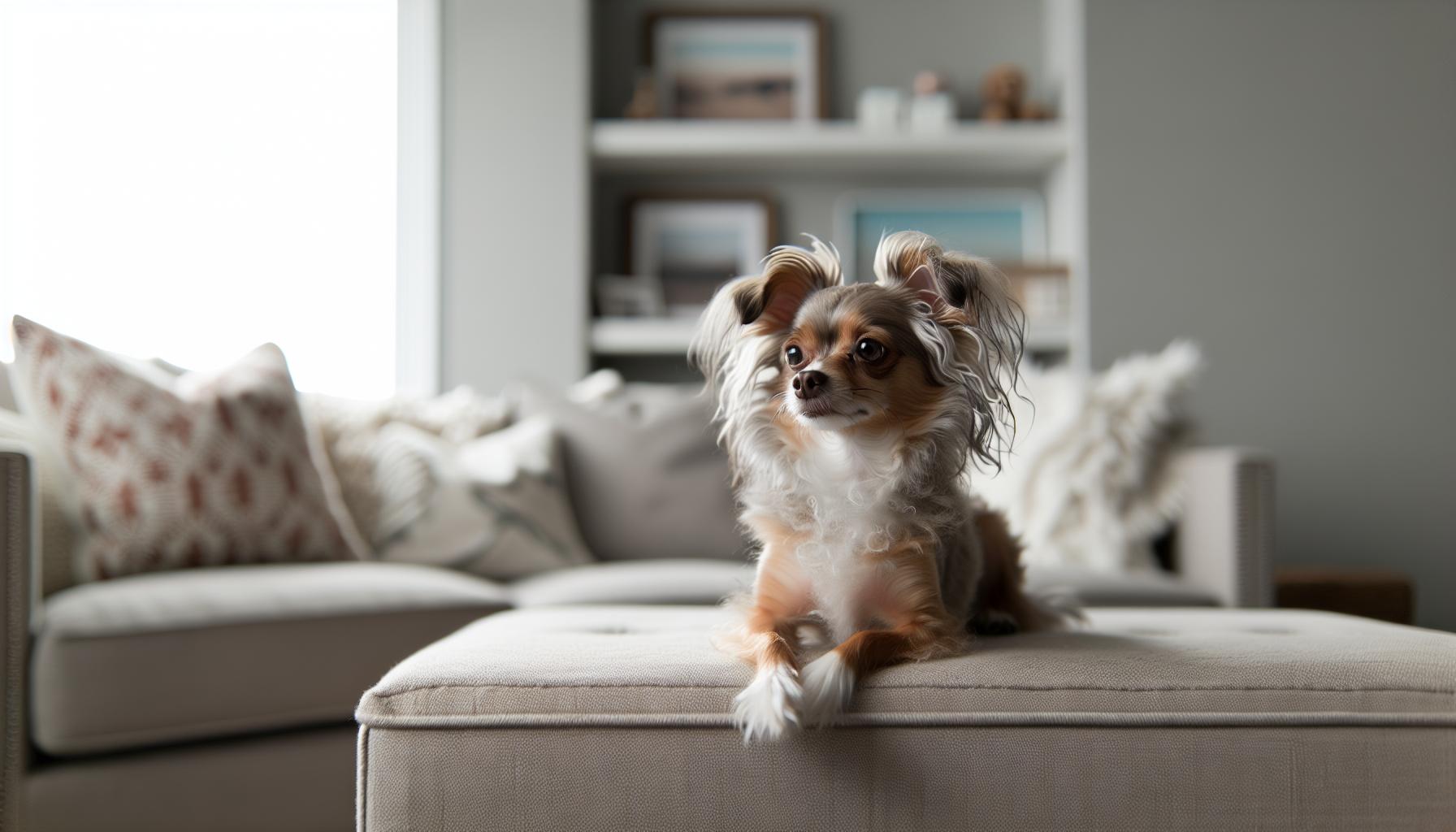
Chipoo Characteristics: Size, Coat, and Colors
Chipoos are as unique as they are charming, thanks to their delightful mix of Chihuahua and Poodle heritage. Typically, these small dogs weigh between 4 to 15 pounds, making them perfect companions for those who appreciate pint-sized pooches. Their size allows them to adapt well to various living situations, whether it’s a cozy apartment or a spacious home. Within this breed blend, you might encounter a variety of coat types-from the sleek and short fur of a Chihuahua to the soft, curly, and hypoallergenic coat characteristic of Poodles. This variability means that every Chipoo can showcase a distinctive appearance, adding to their appeal.
When it comes to colors, Chipoos exhibit a beautiful range of options. Their coats can be seen in solid colors such as black, white, cream, and brown, often combined with markings that reflect their parent breeds. Some may have delightful patterns, including spots or brindle variations. This diversity not only makes choosing a Chipoo an exciting journey but also forms part of their unique personality package. Many owners will tell you that their Chipoo’s coat can change over time-some may start with a wiry texture and develop softer curls as they mature.
In terms of grooming, your Chipoo’s coat type will largely dictate the maintenance routine. If your furry friend has inherited Poodle-like curls, regular grooming is essential to avoid matting and tangles. On the other hand, a shorter coat may require less intensive care. Regardless of their specific coat type, establishing a grooming routine early will foster a bond of trust between you and your pup while ensuring they look their best. From brushing to the occasional bath, keeping your Chipoo’s coat healthy will enhance their natural beauty and your enjoyment of your lovely companion.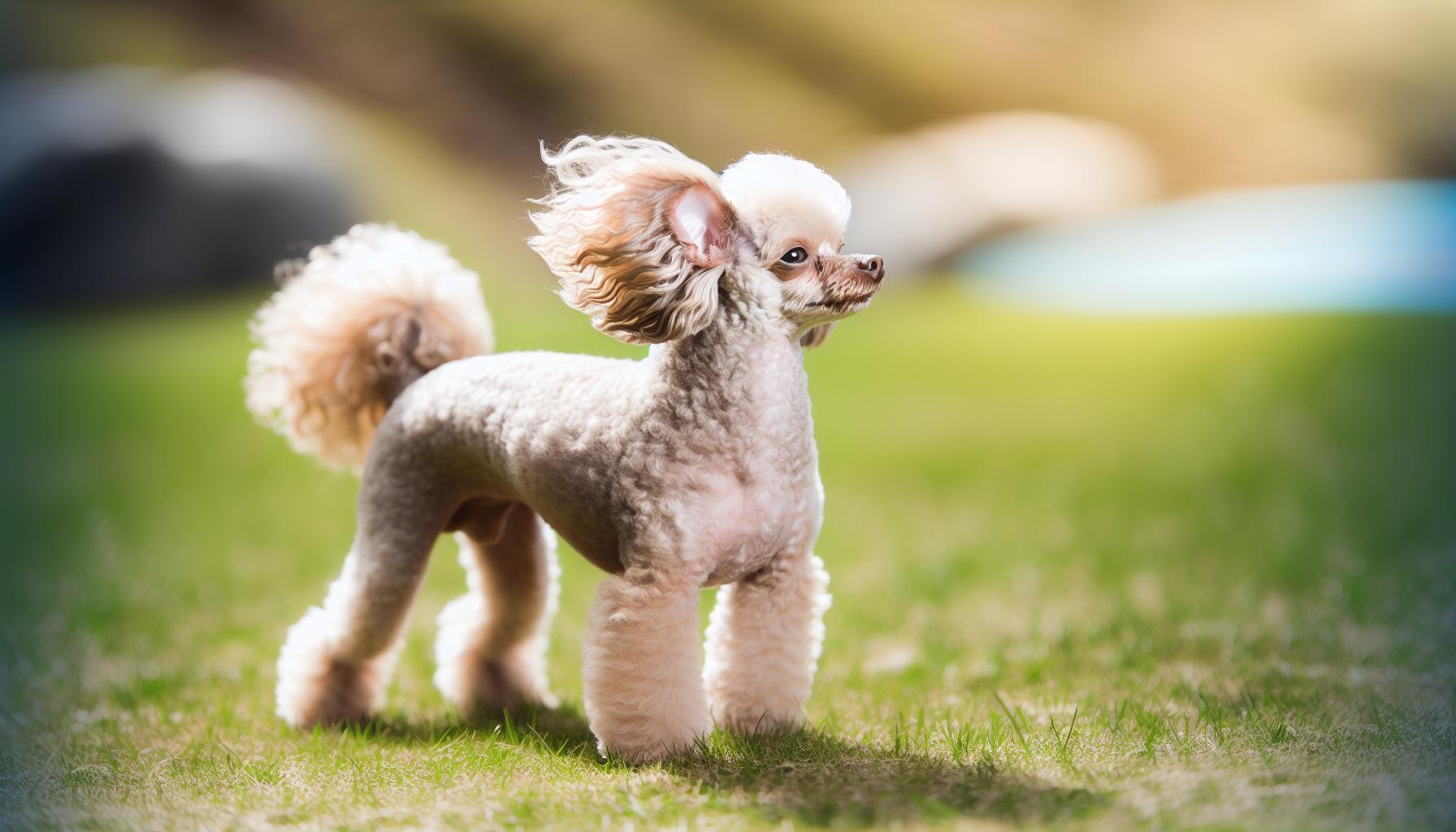
Temperament and Behavior of Chipoo Dogs
Chipoo dogs, a delightful mix of Chihuahua and Poodle, bring together the best traits of both worlds. Known for their playful and loving personalities, Chipoos can range from pairing the bold spirit of a Chihuahua with the intelligent and affectionate nature of a Poodle. These small dogs often possess a vibrant attitude that makes them lively companions, as well as an endearing stubborn streak inherited from their Chihuahua lineage. Their confident demeanor can sometimes lead them to act like they own the place, often bestowing themselves with the title of “alpha” among their human family.
Their temperament largely depends on their individual upbringing and socialization experiences, but common traits include loyalty and devotion to their owners. Chipoos tend to form strong attachments and thrive on companionship. This breed excels in a social environment where they can engage with family members and, if well-socialized, with other pets. Early socialization is crucial; it’s essential to expose your Chipoo to a variety of people, environments, and experiences. This exposure helps them develop a balanced personality and reduces the chances of becoming overly shy or aggressive.
Chipoos can also be quite vocal, often alerting their owners to anything they perceive as “threats,” which makes them excellent watchdogs despite their small size. They may be prone to barking, especially when excited or if they sense strangers nearby. As a proud owner, it’s crucial to teach your Chipoo when barking is appropriate to prevent developing any disruptive habits.
The playful yet gentle nature of Chipoos lends itself well to families with older children or anyone looking for a devoted companion. With the right training and attention, your Chipoo can be a well-mannered member of the family, spreading joy and laughter with their quirky personality. Consider how their lively spirit and affectionate nature can enhance your life, creating a bond that encourages a playfully devoted environment.
Health Considerations for Chipoo Owners
Taking on the responsibility of a Chipoo means embracing not just their charming personality, but also understanding the health considerations that come along with this delightful hybrid breed. Chipoos, with their mixed genetics-being part Chihuahua and part Poodle-can inherit potential health issues from both parent breeds. As a devoted owner, awareness and proactive care can go a long way in ensuring your furry companion enjoys a healthy life.
One of the primary health concerns to be mindful of is dental health. Both Chihuahuas and Poodles are prone to dental problems, so it’s essential to establish a regular dental care routine for your Chipoo. Brushing her teeth several times a week and providing dental chews can help combat plaque build-up and maintain oral hygiene. This small step can significantly prevent serious dental issues down the road.
Common Health Issues
Chipoos may be susceptible to certain health conditions, including:
- Patellar Luxation: This is a common issue in small dogs, where the kneecap dislocates. It can cause pain and affect mobility. Regular vet check-ups can help catch this early.
- Heart Problems: Both parent breeds can have heart issues, so watch for signs like coughing or lethargy, which could indicate heart conditions.
- Allergies: Chipoos can develop allergies to food or environmental factors. Keep an eye on skin irritations or changes in behavior that may suggest an allergic reaction.
Monitoring your Chipoo’s weight is crucial. Their small stature means that even a slight weight gain can lead to health issues. Regular exercise is essential-not only to keep her fit but also to provide mental stimulation, which is equally important for their well-being. Aim for daily walks and interactive play sessions to keep her happy and healthy.
Lastly, as your Chipoo ages, common signs of aging such as decreased activity, changes in appetite, or altered behavior might emerge. Keeping regular veterinary appointments will help manage age-related health issues more effectively. Establishing a loving but observant approach ensures you’ll spot changes early, allowing for prompt action and care.
By staying informed and proactive, you can enjoy every moment with your Chipoo, ensuring that her quirky, lively spirit thrives for years to come. Remember, the joy of owning this mixed gem is enhanced by the passion you show in caring for her health and happiness.
Grooming Your Chipoo: Best Practices
To keep your Chipoo looking and feeling their best, establishing a regular grooming routine is essential. This delightful breed mix, with roots in both Chihuahua and Poodle, can have varying coat types that affect their grooming needs. For many Chipoo owners, the grooming experience can be a bonding time, allowing you to connect with your pup while ensuring their health and hygiene.
First and foremost, regular brushing is key. Depending on the coat type, a Chipoo may have a softer, wavy fur, similar to a Poodle, or a flatter coat akin to a Chihuahua. You should aim to brush your Chipoo at least two to three times a week. This helps remove loose hairs, reduces matting, and stimulates the skin, promoting a healthy coat. For those with longer or curlier fur, you might need to increase the frequency to daily brushing, especially in areas prone to tangles, like behind the ears and the belly.
Another critical component of grooming is bathing. Chipoos typically require baths every four to six weeks, but this can vary depending on their activity level and sensitivity to odors. When bathing, it’s important to use a high-quality, dog-specific shampoo that is gentle enough for their skin. After bathing, be sure to dry your Chipoo thoroughly, especially if they have a thicker coat. A blow dryer on a low heat setting can be helpful, but always keep it at a safe distance to avoid overheating their skin.
Regular dental care is equally important for this hybrid breed. Given their smaller size and predisposition to dental issues, you should brush your Chipoo’s teeth at least two to three times a week. This can prevent plaque build-up and help maintain fresh breath. Providing dental chews or toys can also aid in keeping their teeth healthy.
Finally, don’t forget those nails! Regular trimming is necessary as overgrown nails can lead to pain and mobility issues. Aim to check your Chipoo’s nails every few weeks; if you hear them clicking on the floor, that’s a sign it’s time for a trim. If you’re unsure about doing this yourself, your groomer or vet can assist.
Incorporating these grooming practices into your routine will not only enhance your Chipoo’s appearance but also contribute to their overall health and happiness. Whether it’s the gentle rub of a brush or the joy of a bath, these moments can reinforce your bond and ensure your tiny companion remains vibrant and well-cared-for.
Training Tips for a Well-Behaved Chipoo
Training your Chipoo can be a delightful experience, as their intelligence and eagerness to please make them quick learners. This breed, a mixture of the agile Chihuahua and the clever Poodle, thrives on both mental and physical stimulation, so it’s essential to incorporate interactive training methods.
Start with positive reinforcement techniques. Chipoo dogs respond best to encouragement rather than reprimand. Using treats, praise, and playtime as rewards can significantly enhance their motivation during training sessions. For example, when teaching basic commands like “sit” or “stay,” always reward her immediately after she follows your instruction. This not only reinforces behavior but also builds a trusting relationship between you and your pup.
Since Chipoos tend to exhibit some of the boldness of their Chihuahua ancestry, managing their behavior in social settings is crucial. Begin incorporating socialization early, exposing her to diverse environments, people, and other pets. Flea markets, dog parks, or even a busy café patio can present wonderful opportunities for socialization. Ensure these experiences are positive by offering treats and praise when she remains calm and composed.
Additionally, setting a consistent daily routine can provide your Chipoo with a sense of stability, which she craves. Regular walk times, feeding schedules, and play periods help her understand what to expect each day. Consider incorporating training into these routines – for instance, practicing commands during walks or playtime. This method not only makes training feel more natural but also integrates it into her lifestyle.
Furthermore, don’t overlook the importance of mental stimulation. Activities like puzzle toys and interactive games can help keep her mind sharp and reduce behavioral issues resulting from boredom. Engaging her in simple tricks, like rolling over or playing dead, can be both entertaining and beneficial for her mental health.
Lastly, remember that patience is key. Each Chipoo has her own unique personality and learning pace. Take the time to celebrate small victories and remain patient during setbacks. Embracing her quirks – whether she’s being delightfully vocal or showcasing her loyalty – makes the training journey just as rewarding as the end result. Enjoy this precious time with your tiny companion, and celebrate every step of her growth!
Nutrition Needs for a Healthy Chipoo
To keep your Chipoo thriving, understanding their nutritional needs is essential. This small breed, a mix of Chihuahua and Poodle, requires a balanced diet tailored to their unique characteristics. With their lively personality and high energy levels, proper nutrition fuels their playful antics while also supporting their overall health.
When selecting food for your Chipoo, consider their size and metabolism. A high-quality, small-breed dog food is ideal, as it typically contains the right balance of proteins, fats, and carbohydrates tailored for their energy needs. Look for foods that feature real meat as the first ingredient, ensuring that your pup gets the protein necessary for maintaining muscle mass and energy levels. You should always avoid fillers like corn and soy, which provide little nutritional value.
Feeding Schedule
Establishing a consistent feeding schedule is vital for your Chipoo. Puppies generally require three to four meals per day, gradually transitioning to two meals as they mature into adulthood. Use a measuring cup to avoid overfeeding; Chipoos can easily gain weight if portions are not controlled. A healthy weight helps prevent potential health issues, especially since small breeds can suffer from obesity-related problems.
Treats and Supplements
While it’s natural to want to spoil your Chipoo with treats, moderation is key. Opt for healthy, low-calorie treats, like small pieces of fruits or vegetables, and reserve special snacks for training reinforcement or exceptional behavior. Also, consider discussing with your veterinarian about adding supplements such as fish oil for a shiny coat or glucosamine for joint health, especially as your pup ages.
In summary, maintaining a proper diet for your Chipoo involves choosing high-quality food, sticking to a feeding schedule, and offering controlled treats. The right nutrition directly impacts her energy levels, mood, and long-term health, ensuring she stays your playful, loyal companion for years to come.
Socialization Strategies for Your Chipoo
The importance of socialization for your Chipoo cannot be overstated. This delightful mix of Chihuahua and Poodle is known for their bold nature and can sometimes be a bit high-strung, making early and ongoing socialization essential. Exposing her to a variety of environments, people, and other animals helps her develop confidence and good behavior, ensuring she becomes a well-adjusted companion.
Start socialization when your Chipoo is a puppy. This critical period lasts until about 16 weeks of age, so take advantage of it by introducing her to as many new experiences as possible. Attend puppy classes where she can interact with other dogs in a controlled setting. This not only helps her learn to play appropriately but also gives you insights into her temperament and the best ways to manage her energy and enthusiasm.
Once your Chipoo is older, regular outings will keep her social skills sharp. Take her on walks in busy areas, visit pet-friendly stores, or go to dog parks. Always supervise her interactions, especially with large or boisterous dogs. Remember, Chipoos can exhibit a big-dog attitude despite their small stature, which might lead to conflicts if not monitored. Use positive reinforcement, such as treats or praise, to reward calm behavior during these outings, reinforcing her understanding of acceptable interactions.
Moreover, invite friends and family over regularly to introduce her to different people. Provide plenty of opportunities for her to meet people of varying ages and appearances, ensuring she doesn’t become overly protective or nervous around strangers. If possible, expose her to children gently, as they can be unpredictable and loud-traits that may unsettle a small breed like a Chipoo.
Ultimately, socialization is about building your Chipoo’s confidence in social settings and creating a lifelong foundation for positive interactions. A well-socialized Chipoo is not only a joy to have around but also less likely to develop anxiety-related behaviors. This investment in her early interactions will pay off in spades, giving you both a stronger bond and a happier dog.
Common Myths About Chipoo Dogs
Many people adore Chipoos, the charming hybrid of Chihuahuas and Poodles, yet a cloud of misinformation surrounds them. Recognizing these myths is crucial for prospective owners who want to provide the best environment for their furry companions. One common misconception is that Chipoos are just “miniature” Chihuahuas; in reality, their Poodle ancestry gives them unique behavioral traits and potential for size variation. While they are typically small, they can inherit different sizes and coat types from either parent, which can surprise first-time owners.
Another myth is that Chipoos are hyperactive and difficult to manage. While they can be spirited and vocal-traits both Chihuahua and Poodle share-their agility and intelligence make them trainable and capable of adapting to various lifestyles. With consistent training and socialization from an early age, your Chipoo can thrive both in active homes and with more relaxed routines. Real-life examples from Chipoo owners often describe their dogs as surprisingly calm after a good walk or play session, revealing the importance of physical and mental exercises to harness their energy.
Additionally, potential health concerns often get exaggerated. Like all breeds, Chipoos can inherit health issues from their parent breeds, but with regular vet visits and a keen eye on their nutrition and activity, many Chipoo owners report having happy, healthy pets well into their senior years. Taking proactive steps towards a balanced diet and proper care is the best way to mitigate health risks, not an inescapable burden.
Finally, there’s a belief that Chipoos are not good family pets due to their small size. This couldn’t be further from the truth! Their loyal nature often shines through, making them affectionate companions for children and adults alike. With adequate socialization, they can coexist harmoniously with kids, bringing joy and loyalty into family life. Embrace the quirks and personality traits that make your Chipoo unique, and you will find a loving companion full of character.
Lifespan and Aging in Chipoo Breeds
Chipoos, the delightful blend of Chihuahuas and Poodles, typically enjoy a lifespan ranging from 12 to 15 years, though some may live even longer with proper care. Their longevity can largely be attributed to their small size, as smaller dogs often have fewer age-related health problems compared to larger breeds. However, understanding the aging process in your Chipoo is essential to ensuring he remains healthy and happy as he matures.
As your Chipoo transitions through different life stages, you’ll notice changes in behavior, energy levels, and health. In the puppy stage, your little furball may be full of energy, but as he reaches adulthood, you may see a slight decrease in his activity level. By the time he enters his senior years, which can start around 10 years of age, you might notice that he requires more rest and may prefer leisurely strolls over vigorous playtime. Regular vet check-ups become increasingly important during this time, as they can help monitor for common health issues, such as dental problems and joint concerns that develop with age.
To help your Chipoo age gracefully, you should focus on a balanced diet tailored to his specific needs. Good nutrition is crucial at any age, but senior dogs benefit greatly from diets rich in antioxidants and lower in calories to maintain a healthy weight. Supplements, such as glucosamine and omega fatty acids, can also aid joint health and keep his coat looking vibrant.
Moreover, engaging your Chipoo’s mind becomes as important as physical activity. Mental stimulation, through puzzle toys or training sessions, can help keep his brain sharp in his golden years. Many owners have found that incorporating these activities not only combats age-related cognitive decline but also enhances the bond with their beloved companion.
Ultimately, every Chipoo is unique, and watching for individual quirks and changes will equip you to provide the best care possible. Embrace the personality your Chipoo brings to the family, and as he ages, enjoy the journey together. By being proactive and attentive, you can ensure that your little friend enjoys a long, fulfilling life filled with love and happiness.
Choosing the Right Chipoo for Your Lifestyle
Choosing a furry companion can be both exciting and daunting, especially with a breed as unique as the Chipoo. This delightful mix of Chihuahua and Poodle brings together the best traits of both breeds, making them adaptable and lovable. When considering a Chipoo, think carefully about your lifestyle, as this blend can suit various living situations, but each dog has its own personality and needs.
First, assess your activity level. Chipoos, small and often energetic, enjoy daily walks and playtime, but they can also adapt to quieter living environments. If you lead an active lifestyle, a Chipoo can be a great companion for outdoor adventures. Conversely, if your home is a bit more laid-back, you’ll still find that these dogs love to snuggle and engage in playtime indoors. It’s important to provide mental stimulation, too, as these clever pups thrive on problem-solving activities and interactive toys.
Consider your living space. Chipoos are well-suited for apartment living, provided they receive sufficient exercise. Their small size means they don’t need expansive backyard space, making them ideal for urban environments. However, be mindful of their vocal nature; you’ll want to manage their tendency to bark by introducing them to various environments and situations early on. This helps them feel more at ease and less likely to express their opinions loudly.
Lastly, think about the needs of your household. If you have children or other pets, a friendly Chipoo can integrate well into family dynamics, but early socialization is key. These dogs possess a bold personality that can either endear them to family members or lead to occasional spats if boundaries aren’t established. Always supervise interactions and gradually introduce your Chipoo to new faces and experiences to foster a confident and well-adjusted companion.
Incorporating a Chipoo into your life means embracing their quirky, loving nature. Whether you’re a seasoned dog owner or a first-time pet parent, understanding how a Chipoo fits into your lifestyle will ensure a fulfilling companionship filled with loyalty, joy, and perhaps a few hilarious antics along the way.
Real Owner Experiences: Living with a Chipoo
Living with a Chipoo is like having a tiny tornado of energy and affection wrapped in a fluffy coat. These delightful pups, a mix of Chihuahua and Poodle, embody the best of both worlds, often forming deeper bonds with their owners than many larger breeds. Their charming personalities and rich expressions make them wonderful companions, but they can also keep you on your toes!
Many Chipoo owners share the joy of their pets’ quirky behaviors. For instance, they often enjoy showcasing their vocal range, from enthusiastic barks to playful yips, especially when they hear something unfamiliar. One owner recounted how her Chipoo, Bella, would alert her not just to the mailman but also to the neighborhood cats wandering by. This natural instinct makes socialization crucial; exposing her Chipoo to different sounds, sights, and environments has helped reduce barking fits over time.
In terms of energy levels, Chipoos usually thrive on daily walks and playtime, but they also have a knack for enjoying indoor activities. Owners have found that puzzle toys keep their Chipoo engaged, reducing the chances of destructive behavior when left alone. With the right balance of exercise and mental stimulation, a Chipoo can adapt to various living situations, whether in an apartment or a larger home. One owner mentioned that their Chipoo, Max, loves to wind down with snuggle sessions after a busy day, making each moment spent together rewarding.
Grooming also plays a significant role in the Chipoo experience. Given their Poodle lineage, many Chipoos have wavy fur that requires regular brushing to prevent matting. Owners often share tips on keeping their pups looking their best-some swear by using specific brushes while others find success in taking their Chipoo to a groomer every couple of months to maintain a manageable coat.
Ultimately, every day is an adventure with a Chipoo. Their bold nature, charming quirks, and willingness to love unconditionally remind us just how delightful and rewarding pet ownership can be. Whether you’re a seasoned dog owner or a first-time pet parent, embracing the Chipoo’s unique characteristics will lead to a fulfilling relationship filled with laughter and loyalty.
Frequently Asked Questions
Q: What is a Chipoo?
A: A Chipoo, or Chihuahua Poodle mix, is a playful and affectionate designer breed that combines the intelligence of Poodles with the spirited nature of Chihuahuas. These small dogs typically range from 5 to 15 pounds and have varying coat types and colors, making each Chipoo unique.
Q: What is the typical lifespan of a Chipoo?
A: The lifespan of a Chipoo generally ranges from 12 to 15 years. Their longevity can be influenced by genetics, health care, and lifestyle choices, so a balanced diet and regular vet check-ups are essential for a healthy life.
Q: How do you train a Chipoo?
A: Training a Chipoo should involve positive reinforcement techniques, such as treats and praise, to encourage obedience. Start with basic commands and socialization early on. Consistency and patience are key, as these dogs are eager to please but can also be stubborn.
Q: Do Chipoo dogs shed a lot?
A: Shedding varies by individual Chipoo, depending largely on their Poodle genes. While many may have low-shedding coats like Poodles, regular grooming helps control shedding and keeps their coat healthy. Check the grooming section for best practices.
Q: What common health issues affect Chipoo dogs?
A: Chipoo dogs may face common health concerns inherited from their parent breeds, like dental problems, obesity, and patellar luxation. Regular veterinary check-ups and a healthy diet can help mitigate these issues. Refer to the health considerations section for more details.
Q: Are Chipoo dogs good for first-time pet owners?
A: Yes, Chipoo dogs can be great for first-time owners due to their small size and affectionate nature. They require moderate exercise and love attention, making them manageable companions. Check the article on choosing the right Chipoo for tips.
Q: What is the ideal environment for a Chipoo?
A: A Chipoo thrives in homes where they can receive plenty of love and attention. They adapt well to apartments or houses but require regular mental stimulation and physical activity. Ensure a safe place for them to play and explore.
Q: How do Chipoo dogs interact with children and other pets?
A: Chipoo dogs can be sociable with children and other pets if properly socialized from an early age. They often display a playful and loyal nature, making them affectionate companions. Always supervise interactions to ensure they are safe and positive.
In Summary
Thank you for exploring the delightful world of the Chipoo! This loving Chihuahua Poodle mix brings together the best traits of both breeds-intelligence, loyalty, and that irresistibly bold personality. Remember, whether you’re a new or experienced owner, understanding their unique needs in health care, exercise, and socialization is crucial.
If you found this guide helpful, check out our articles on Chihuahua care tips and Poodle training methods for deeper insights. Don’t miss our community where fellow Chipoo owners share their experiences and tips.
Feel free to leave a comment below with your thoughts or questions, and if you loved this content, subscribe to our newsletter for more breed-specific advice. Embrace the joy that comes with having a Chipoo in your life, and share your adventures with us! Your journey is just beginning.
Get our latest guides, news, and insights highlighted in your Google Search & AI Overviews.