
Did you know that Chihuahuas, despite their tiny stature, can have surprisingly varied body proportions? One of the most common curiosities among Chihuahua owners is whether these charming little pups have long legs. Understanding the unique proportions of Chihuahuas is not just fun trivia; it plays a crucial role in their care and overall well-being. When considering health concerns, mobility, and even behavior, body proportions can have significant implications. This exploration into whether Chihuahuas have long legs or not will provide you with valuable insight into their physical characteristics, helping you better understand your beloved companion. Whether you’re a first-time Chihuahua parent or an experienced owner, this guide will enhance your appreciation for the breed and support you in nurturing a happy, healthy pup. So, let’s dive deeper into the fascinating world of Chihuahuas and their distinctive bodies!
Do Chihuahuas Have Long Legs? Understanding Body Proportions
Chihuahuas are often characterized by their small stature and unique body proportions, prompting many owners to wonder about their leg length. While these tiny dogs are well-known for their bold personalities, understanding their physical traits is essential for proper care and appreciation of their quirks. Typically, Chihuahuas do not possess what one might consider “long legs” when compared to larger breeds; their proportionate limbs are designed for their compact bodies.
Understanding Proportions
In general, a Chihuahua’s legs may appear short in relation to their body, especially when compared to breeds like Dachshunds or Greyhounds. However, this is part of what gives the breed its distinctive look. The most common types of Chihuahuas-Apple-head and Deer-head-exhibit slight variations in body shape.
- Apple-head Chihuahuas tend to have a rounder skull and shorter legs, contributing to a more compact appearance.
- Deer-head Chihuahuas, on the other hand, have longer legs and a more elongated face, which gives them a different silhouette and contributes to a perceived sense of height.
Why Leg Length Matters
Leg length plays an important role in a Chihuahua’s health and mobility. Dogs with shorter legs may find it difficult to navigate certain terrains, while those with longer legs might have more ease in running and jumping. Always keep an eye on your Chihuahua’s movement-if you notice any limping or hesitation, it might be worth consulting with your veterinarian.
Measuring Your Chihuahua’s Legs
To accurately gauge your Chihuahua’s leg length, measure from the ground to the elbow. Use a soft measuring tape and make sure your pup is standing upright. This will give you the best understanding of their leg proportions and can help in assessing any changes over time.
Embrace the charm of your Chihuahua’s unique body structure. Regardless of leg length, they bring a vibrance and loyalty that make them beloved companions. Celebrate each aspect of their characteristics, from their petite stature to their expressive personalities. Whether your dog fits the classic proportions or has longer legs that set him apart, every Chihuahua has unique traits that contribute to their individual charm.
Exploring Chihuahua Size and Structure
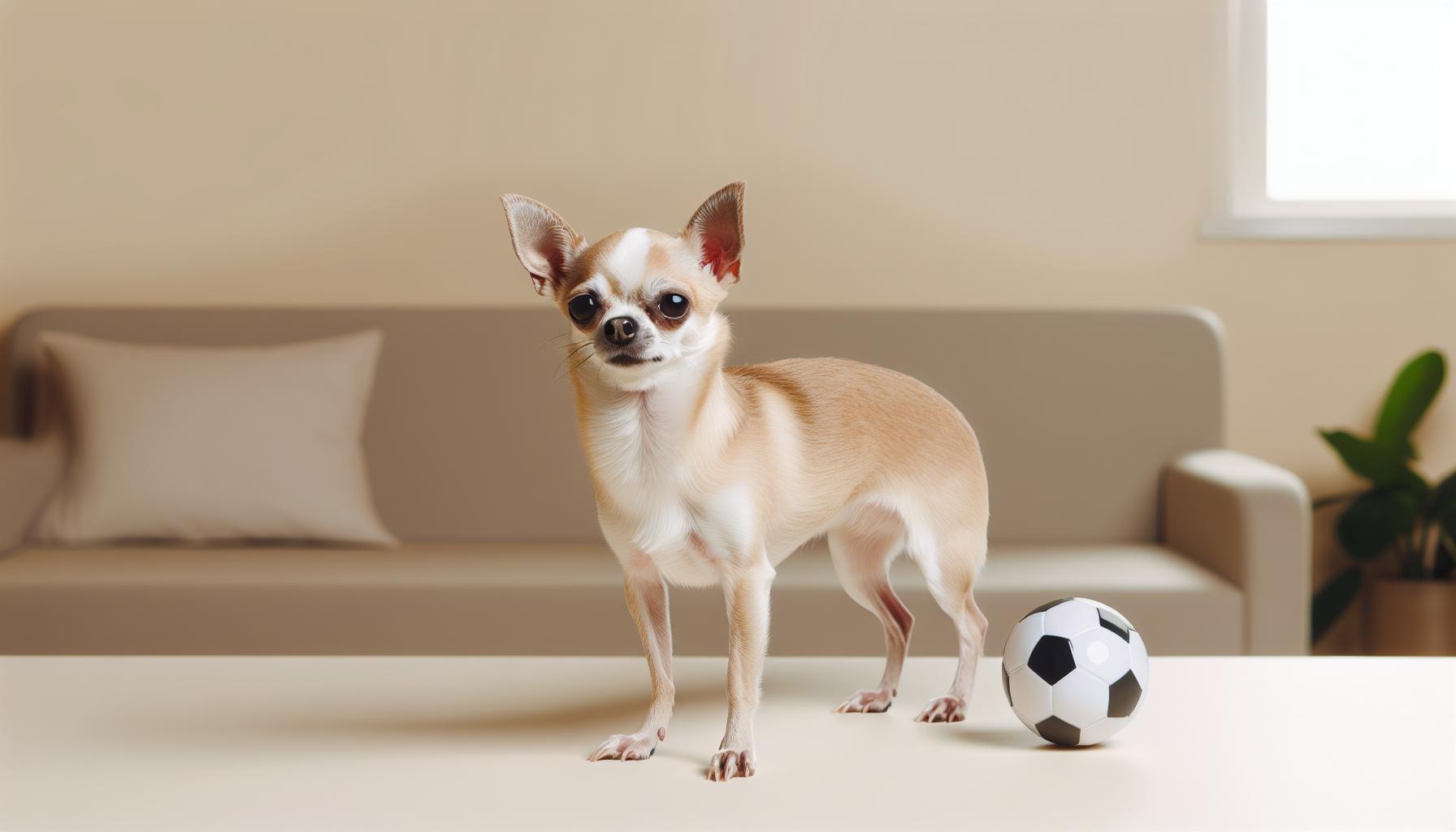
Chihuahuas are fascinating little dogs, and their size plays a pivotal role in their overall charm. While they may not boast long legs, their petite stature and proportionate limbs contribute to their unique beauty and personality. Many owners often notice that their Chihuahua’s body is compact, supported by short legs that are perfectly in tune with their small frame. These proportions are not merely cosmetic; they play a crucial role in how Chihuahuas move and interact with their environment.
When looking closely at Chihuahua size and structure, it’s essential to consider the differences between the common types: Apple-head and Deer-head Chihuahuas. Apple-head Chihuahuas typically have a round skull and shorter limbs, which lends to a more robust appearance. In contrast, Deer-head Chihuahuas sport a longer leg and a more elongated face, creating a slender silhouette. This variation is not just aesthetic; it can influence everything from their energy levels to how they maneuver in different settings.
A practical aspect of understanding these body proportions is recognizing how they can impact health and mobility. Chihuahuas with shorter legs might face challenges in navigating rough terrain, which can make them more susceptible to injuries. As a caring owner, being aware of these differences helps in tailoring their environment to maintain their well-being. Whether it’s choosing the right toys that suit their size or considering their comfort while taking short trips in a carrier, every detail matters.
As you embrace your Chihuahua’s character and quirks, celebrating their size is key. These tiny companions are not just lap dogs; they have big personalities packed into small frames. Whether you’re a first-time owner or a seasoned Chihuahua enthusiast, understanding these size nuances enhances your appreciation for this remarkable breed. Each Chihuahua, with their unique traits and charming stature, brings joy and loyalty that brighten everyday life.
The Difference Between Apple-Head and Deer-Head Chihuahuas
Chihuahuas come in two fascinating types that showcase unique physical traits and personalities: Apple-head and Deer-head Chihuahuas. Recognizing these differences can deepen your appreciation for this enchanting breed and help you better understand your own Chihuahua’s characteristics.
Apple-head Chihuahuas are known for their distinct round skulls, often described as resembling an apple. This breed type typically features shorter legs and a more stocky build. Their compact body gives them a robust appearance, and the shorter legs can sometimes make them feel a bit sturdier on their feet. This body structure may influence their activity level as they often engage in playful antics that showcase their big personalities despite their small size. For instance, many Apple-head owners share stories of their pets fearlessly navigating through dog parks, barking at larger breeds as if they were equals.
On the other hand, Deer-head Chihuahuas flaunt a more elongated face and longer legs, creating a sleek and slender silhouette. These Chihuahuas tend to be slightly taller and may have a more graceful gait. The longer legs can lend them a bit more agility, making it easier for them to maneuver through varied terrains. Owners often note how their Deer-head Chihuahuas glide effortlessly across the ground, embracing playtime with impressive speed. Anecdotes of Deer-head Chihuahuas outpacing their companions in a game of fetch are common among those who cherish this type.
Understanding these distinctions is crucial for new and seasoned Chihuahua owners alike. The Apple-head’s stockier frame might require careful handling to prevent injuries, particularly in more rugged environments. In contrast, Deer-head owners may find their companions more adept at outdoor adventures. Ultimately, both types embody the spirited and loveable nature that defines Chihuahuas, ensuring that regardless of structure, they all have the capacity to bring immense joy and loyalty into your life. Celebrate the quirks and strengths of your Chihuahua, whether he or she has the bold presence of an Apple-head or the elegance of a Deer-head.
Common Body Type Myths About Chihuahuas
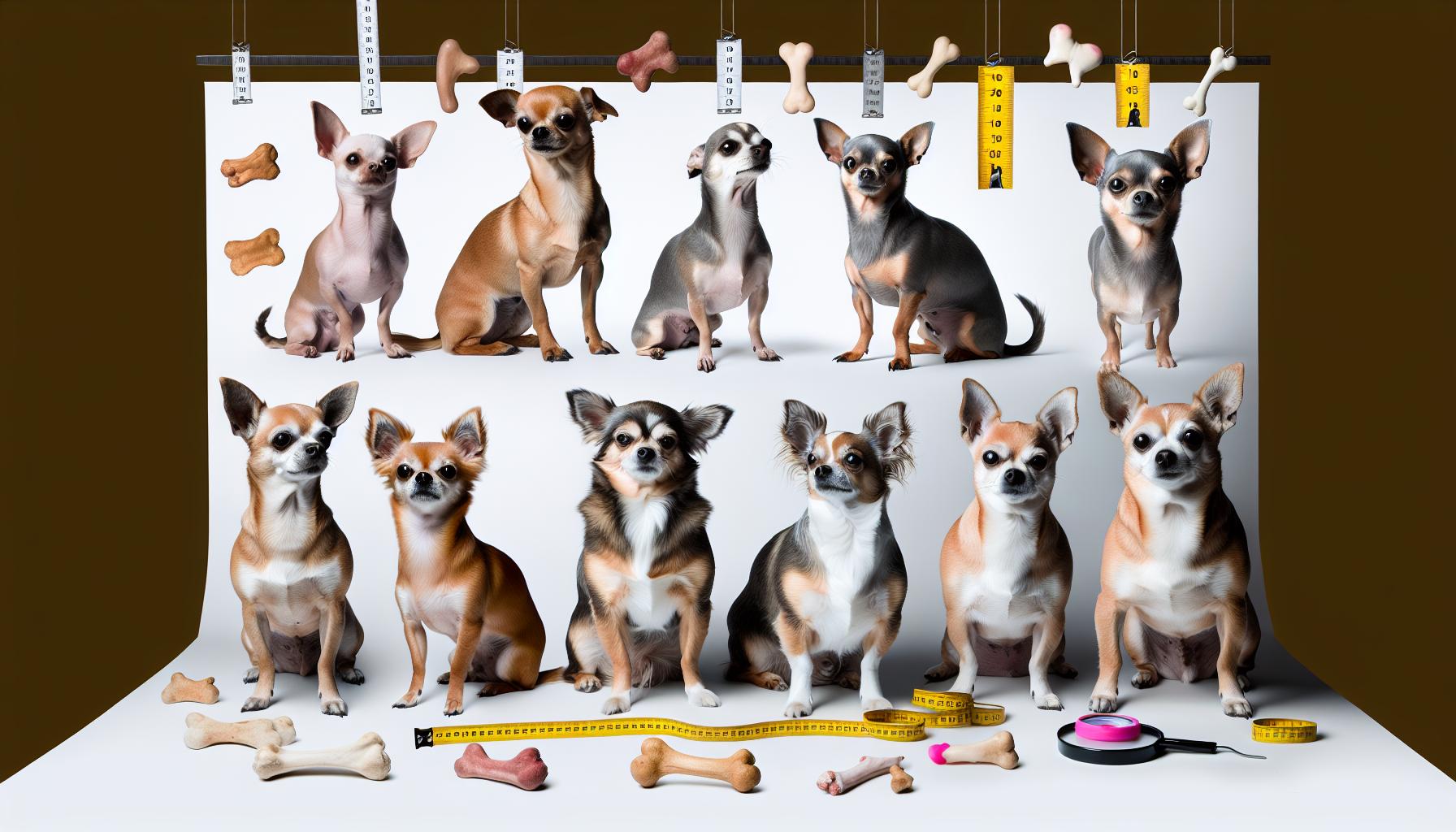
There are numerous misconceptions about Chihuahuas that can mislead new owners and enthusiasts alike. One of the most prevalent myths is the belief that all Chihuahuas are created equal in terms of body types. While they may be small, their body proportions can vary significantly between the two primary types: Apple-head and Deer-head Chihuahuas. Understanding these differences is essential for appreciating the breed’s diversity and addressing any specific needs.
Many people assume that because Chihuahuas are tiny dogs, they must all have short legs and stocky builds. This perception does not take into account the elegant stature of Deer-head Chihuahuas, which are characterized by longer legs and a sleeker appearance. These differences affect not only aesthetics but also function. For instance, the longer legs of a Deer-head Chihuahua often contribute to a more graceful gait and improved agility. This can make them more adept at running or jumping, which may dispel the myth that Chihuahuas are always clumsy or awkward.
Another common myth is that leg length in Chihuahuas doesn’t influence their overall health or mobility. In reality, leg length can play a critical role in a Chihuahua’s physical well-being. Shorter-legged Apple-head Chihuahuas might excel in activities that require less jumping or agility but could face challenges in more active environments. Conversely, the increased leg length of Deer-head Chihuahuas may provide them with better mobility over various terrains, making them suitable for adventures outdoors. Owners often share stories of their Deer-head Chihuahuas confidently exploring parks and playful environments, reiterating the idea that leg structure can directly impact their activity preferences.
Education is key when it comes to dispelling these myths. As a responsible owner, paying attention to your Chihuahua’s individual characteristics and needs will not only enhance their quality of life but also make for a fulfilling companionship. Recognizing the differences in body types can help you tailor care, exercise, and training to better suit your furry friend’s unique disposition, ultimately leading to happier and healthier Chihuahuas.
Why Leg Length Matters for Health and Mobility
A Chihuahua’s leg length significantly impacts its overall health and mobility, making this an essential factor for every owner to understand. While it might be tempting to focus solely on a Chihuahua’s adorable face or playful personality, the physical structure, particularly the legs, plays a crucial role in how well your furry friend navigates the world. Different body structures between Apple-head and Deer-head Chihuahuas showcase notable contrasts, especially in leg length and proportionality, which can affect not just their agility but their overall quality of life.
For instance, Deer-head Chihuahuas, with their longer legs, can enjoy greater agility and balance. This not only allows them to run and jump more effortlessly but also decreases the risk of injuries related to awkward landings or falls. Owners often notice that their Deer-head Chihuahuas seem more at ease during playtime, confidently darting across the yard, while shorter-legged Apple-heads may prefer more gentle interactions where they can stay on stable ground. For example, I once spoke with an owner whose Deer-head Chihuahua loved hiking with her, showing off his ability to navigate uneven trails with grace.
The implications of leg length also extend to health considerations. Chihuahuas with shorter legs may have limitations in their exercise routines, particularly for activities that require jumping or extensive running. This doesn’t mean they can’t enjoy activity; however, their exercise should be tailored to their physical capabilities. Owners should consider low-impact activities, like gentle walks or play sessions on softer surfaces, to ensure their Apple-head Chihuahuas stay fit without straining themselves. In contrast, providing more varied terrain and opportunities for exploration is key for Deer-head Chihuahuas, who benefit from engaging in diverse physical activities that keep them stimulated and healthy.
Understanding these aspects of leg length and mobility helps owners provide better care. Regular veterinary check-ups and discussions about your Chihuahua’s specific needs based on their body type can enhance their physical well-being. Paying close attention to their activity preferences can guide a pet parent’s approach, ensuring that both Apple-head and Deer-head Chihuahuas lead vibrant, fulfilling lives. With the right adjustments, every Chihuahua can enjoy the adventures that come their way, reflecting their unique personalities and charm.
How to Measure Your Chihuahua’s Leg Proportions
Measuring your Chihuahua’s leg proportions is an essential task that can help you better understand your furry companion’s health and mobility. Knowing the specifics of your Chihuahua’s leg length can guide your exercise routine and inform you about any potential health issues. Thankfully, this process is straightforward and can be done easily at home with a few simple tools.
To get started, you’ll need a flexible measuring tape, like the kind used for sewing. First, place your Chihuahua on a flat, even surface-preferably where they feel comfortable, like their favorite spot. Measure from the shoulder blade (the highest point of the shoulder) down to the ground. This measurement will provide the baseline for leg length. Next, repeat the process for the hind legs, measuring from the hip to the ground. It’s crucial to ensure your Chihuahua is standing naturally and not crouching, as this can affect the accuracy of your measurements.
Once you have your measurements, consider comparing them with breed standards for leg proportions. Generally, Deer-head Chihuahuas have longer legs in proportion to their bodies, while Apple-head Chihuahuas tend to have more compact and slightly shorter legs. Understanding these differences can help you determine if your Chihuahua falls within a healthy range based on their specific body type. If you’re considering adoption, knowing leg length can also aid in selecting a dog that fits your lifestyle-active owners might prefer a Deer-head for more agile play, while those looking for a gentle couch companion may lean toward an Apple-head.
Lastly, remember to keep your Chihuahua’s personality in mind during this process. Their unique quirks-be it their bold little barks or their playful zoomies-are part of what makes them so special. As you measure and observe, you’ll learn even more about how their body structure affects their play style and overall health, ensuring that you provide the best care possible. With a little patience and attention, you’ll be well on your way to understanding your Chihuahua’s physical proportions and their need for activity tailored to their specific body type.
Chihuahuas and Their Unique Gait: What to Know
Watching a Chihuahua trot around is a delightful experience that showcases their unique movement. Unlike larger breeds, Chihuahuas often exhibit a distinct gait that stems from their proportions and breed characteristics. This little breed typically moves with a quick, peppy style, reflecting their bold personality. Understanding how your Chihuahua’s leg structure influences their gait can be important for their overall health and mobility.
Chihuahuas can be generally categorized into two types based on their head shapes, which also correlates with body structure: the Apple-head and the Deer-head. Apple-head Chihuahuas tend to have a more compact body with shorter legs, while Deer-head Chihuahuas have longer legs and a more elongated body. This difference directly affects how they walk and run. For instance, Deer-head Chihuahuas might be more agile and more capable of maintaining a brisk pace, making them especially playful companions. In contrast, Apple-head Chihuahuas might display a more shuffling gait due to their shorter limbs, which can give them an adorable and somewhat wobbly appearance.
It’s crucial to monitor your Chihuahua’s gait throughout her life, particularly as she matures. Changes in their walking style can signal potential health issues, such as arthritis or joint problems. If you notice limping, stiffness, or an unusual gait pattern, it’s wise to consult your veterinarian. Regular check-ups that include examining her gait can help identify any issues before they escalate. Owners can also assist by providing a soft and supportive bed, ensuring her play area is free from hazards, and engaging in frequent, moderate exercise to keep joints limber.
Encouraging your Chihuahua to play and exercise in a safe environment will help maintain her muscle strength and overall health, contributing to a more confident and vibrant gait. Remember, the way she moves is uniquely her expression-embrace those little quirks! Your connection grows deeper when you engage with her personality and strengths, making every trot around the block or playful zoomie a special memory.
Factors Influencing Chihuahua Leg Length Variations
Understanding the variations in leg length among Chihuahuas can greatly enhance your appreciation of this charming breed. While many people might view leg length as a minor detail, it plays a pivotal role in defining how your Chihuahua interacts with the world. Several factors contribute to these differences, impacting not only their appearance but also their overall mobility and health.
One primary factor influencing leg length variations is genetics. Within the breed, mixes and selective breeding have led to distinct traits among different types of Chihuahuas. For instance, Deer-head Chihuahuas typically exhibit longer legs compared to their Apple-head counterparts. This attribute results from their distinct body shapes, which have evolved due to selective breeding practices that emphasize different features. It’s fascinating how the genetics of a tiny dog can create such diverse appearances and capabilities.
Environmental factors also play a role. A Chihuahua that has grown up in a home with plenty of safe space to roam and play might develop stronger, more defined legs than one that spends most of its time in a small enclosure. Regular exercise not only helps build muscle but also supports joint health, contributing to a more agile canine. For example, a Chihuahua like Max, who regularly engages in playful fetch sessions, may showcase longer, stronger legs compared to a more sedentary companion.
Lastly, health concerns can indirectly affect leg length and proportions. Conditions such as obesity can lead to structural changes, potentially altering a Chihuahua’s gait and leg development over time. As an owner, monitoring your furry friend’s weight and ensuring a balanced diet is crucial. Providing tailored nutrition that supports their specific body type-whether they have shorter legs or longer-can make a noticeable difference in their quality of life and mobility.
By appreciating these nuances in leg length variations, you can better understand your Chihuahua’s unique needs and quirks. Whether your companion hops around with those short legs or darts playfully with long, agile limbs, that diversity is part of what makes Chihuahuas so endearing. Embrace your pet’s characteristics, celebrate their differences, and ensure they’re well cared for in ways that align with their individual body structure and health requirements.
Adopting a Chihuahua: Choosing Based on Size and Structure
Choosing the right Chihuahua for your home can be an exciting yet daunting decision, especially considering how their unique body proportions can shape their personality and behavior. For instance, did you know that leg length can influence a Chihuahua’s agility and energy levels? When you’re looking to adopt, it’s essential to understand these variations, particularly between the Apple-head and Deer-head types-two of the most common distinctions within the breed.
Understanding Size and Structure
When adopting, think about your lifestyle and what you want in a companion. A Chihuahua with shorter legs, often seen in the Apple-head variety, may have a more stocky build, exuding a delightful, sturdy charm. They often have a feistier attitude and might be more inclined to assert their dominance during playtime or while guarding their territory. In contrast, the Deer-head Chihuahua, with its longer legs and leaner frame, may bring a different energy to your household-often displaying a bit more elegance in movement, which can translate to a playful but graceful demeanor.
Make sure to ask breeders or shelters about the leg proportions and body type of the Chihuahua you’re considering. Understanding whether the dog has a longer or shorter leg structure can give insight into how agile she might be, which can help inform your expectations regarding exercise and playtime needs.
Meeting Your Lifestyle Needs
Your living environment also plays a pivotal role in this decision. If you reside in a smaller space, a short-legged Chihuahua might adapt more easily, thriving in cozy corners and small nooks. However, if you have a yard or access to open areas, a Deer-head Chihuahua might relish the opportunity to showcase her athleticism. Regular exercise is critical for both types, but the manner may vary. Owners often share how their short-legged Chihuahuas, while sprightly, love a good cuddle after a short sprint around the apartment, while longer-legged ones may benefit from more varied activities like agility training or longer walks.
Another aspect to keep in mind is health. Chihuahuas are prone to certain genetic conditions, which can be influenced by body structure. While leg length itself may not be a direct health indicator, understanding the typical health issues associated with each type can aid in your decision-making process. For example, some owners of taller Chihuahuas report fewer joint issues, although this can vary widely based on physical care and genetics.
Ultimately, the best choice is one that aligns with not just your aesthetic preference but also your ability to cater to your future companion’s physical needs. Embrace the quirks that come with each Chihuahua-whether it’s her bold bark or her tiny stature-and ensure she’s set up to thrive in your home. An informed choice today will pave the way for a joyful, long-lasting bond with your new friend.
Caring for Chihuahuas: Tailoring to Their Body Type
Caring for your Chihuahua means understanding the unique attributes of her body type, including leg length. This breed exhibits variations from the stocky Apple-head with shorter legs to the more elongated Deer-head with longer legs. Each type not only presents a distinct aesthetic but also influences your Chihuahua’s health and daily activities.
It’s vital to adjust your care approach based on your Chihuahua’s leg proportions. For instance, shorter legs may be better suited for cozy environments and need supportive surfaces for jumping on and off furniture. Providing low beds or step aids can make their life easier. Conversely, you’ll want to encourage regular exercise for both types, but a Deer-head Chihuahua’s longer legs might allow for more vigorous activities such as running or playing fetch. Chi owners often find that their longer-legged dogs excel in agility courses due to their natural grace and extended reach.
Additionally, consider the potential health impacts of their body types. Short-legged Chihuahuas could be more susceptible to certain joint issues, while taller ones might fare better in that department but could have their own set of challenges, such as back problems. Regular vet check-ups are crucial no matter the leg length, and maintaining a healthy weight will greatly support their joint health and overall agility.
As you create a nurturing environment for your Chihuahua, pay attention to her specific needs and behaviors. Engage her with toys that match her energy level-think puzzle toys for the more active Deer-head or plush toys for the snuggly Apple-head that prefers quieter play. Real experiences shared by owners highlight the joy of tailored play; one Deer-head Chihuahua owner noted the excitement of their dog mastering jumps, while another found their Apple-head bursting with energy during shorter, spirited indoor play sessions.
By celebrating the quirks that make each Chihuahua unique and adapting your care to their body type, you can foster a happy, healthy, and fulfilling life for your feisty little friend.
Understanding Breed Standards: Leg Length and Recognition
Understanding the breed standards of Chihuahuas, especially regarding leg length, is crucial for both current and potential owners. These little bundles of joy come in various shapes and sizes, giving them a unique profile that influences not only their appearance but also their health and behavior. Chihuahua breed standards emphasize the diversity between the two main head types: the Apple-head and Deer-head. Each type presents distinctive characteristics, including leg length, which can affect their mobility and agility.
The Apple-head Chihuahuas typically have a more compact frame with shorter legs, providing a sturdy build that may lend itself to a sturdier gait. In contrast, Deer-head Chihuahuas often boast longer legs and a more elongated body structure, which can make them look more graceful or elongated in movement. This difference in proportions matters not only for aesthetics but can influence how each type interacts with their environment. For instance, those longer legs can aid Deer-heads in performing agility tasks, allowing them to navigate obstacles with ease.
When considering breed recognition, it’s important to note that differences in leg length are not merely cosmetic but can be integral to conforming to breed standards set by organizations like the American Kennel Club (AKC). Understanding these standards helps owners appreciate the natural variations within the breed and recognize that, regardless of leg length, each Chihuahua embodies distinct traits rooted in their heritage. Owners often recount stories of how their Chi’s unique body type shapes their personality and play style, with longer-legged Chihuahuas enjoying speedier chase games, while the short-legged ones may excel in snuggling and relaxed indoor play.
To celebrate your Chihuahua’s unique proportions, ensure that their environment caters to their leg length and build. Consider adopting dog-friendly furniture or engaging in activities that suit their agility level. Whether you have an Apple-head or a Deer-head, understanding their specific traits and health considerations can foster a joyful and fulfilling companionship. Remember, it’s the love and bond you share that truly defines your relationship, no matter what shape or size your lovable little friend may be.
Celebrating Chihuahua Quirks: Why Size Does Matter
Chihuahuas, with their bold personalities and unique sizes, bring a charm that’s hard to resist. What many don’t realize is how their body proportions, particularly leg length, significantly affect their behavior, health, and even their play style. The differences between Apple-head and Deer-head Chihuahuas provide fascinating insights into the diversity of the breed. For instance, while the shorter-legged Apple-heads might be sturdy and stable, the longer-legged Deer-heads tend to take agility to another level, gracefully maneuvering in ways that reflect their structure. Understanding these quirks is essential for any dedicated owner, as it helps you appreciate the nuances that make your Chihuahua unique.
When it comes to playtime, leg length can shape your pup’s approach to activities. For example, if you have a Deer-head Chihuahua, she may excel in games that involve speed and agility, darting across the yard in a blur. On the other hand, your Apple-head companion might invent her own style of play-more about cozy cuddles and short bursts of energetic zoomies around the living room. These differences can define how you engage with your pup, ensuring that playtime remains enjoyable and suited to her built-in preferences.
Adjusting to your Chihuahua’s unique size isn’t just fun-it’s also important for their health and comfort. Consider choosing toys or activities that match her leg length and overall build. Shorter dogs might not have the same jumping capability as their longer-legged counterparts, so providing options that don’t require extensive leaping can prevent injuries. Additionally, when creating a home environment, remember to provide cozy spots that suit their stature, such as low beds or easy access to furniture.
Ultimately, no matter her leg length, your Chihuahua’s quirks and characteristics are what make her so special. Each playful bark, bold attitude, and snuggly moment is a reflection of her unique body structure and personality. Embrace these traits, celebrate the differences, and ensure that her life with you is tailored to fit her perfectly. Being mindful of her needs based on her size and structure will not only enhance her happiness but also deepen the bond you share together.
Faq
Q: Do Chihuahuas typically have short or long legs?
A: Chihuahuas generally have proportionate legs that vary in length based on their individual body types. While some may appear to have longer legs, the breed standard usually portrays a compact frame with well-balanced proportions, emphasizing their distinct features.
Q: How can I assess the leg length of my Chihuahua?
A: To assess your Chihuahua’s leg length, measure from the ground to the elbow when he is standing. Compare this measurement to his overall height. This will help you understand if he has longer or shorter legs relative to his body size, which can impact mobility.
Q: What are the ideal leg proportions for a healthy Chihuahua?
A: Ideal leg proportions for a healthy Chihuahua balance between leg length and body structure, allowing for agility and ease of movement. A well-proportioned Chihuahua typically has legs that are about the same length as their body when viewed from the side, providing stability.
Q: Can leg length affect a Chihuahua’s health?
A: Yes, leg length can affect a Chihuahua’s health, particularly related to mobility and joint stress. Shorter legs may lead to a more robust frame but could also pose a risk for certain joint issues. Maintaining a healthy weight helps mitigate these risks.
Q: What influences the variation in leg length among Chihuahuas?
A: Variations in leg length among Chihuahuas can be influenced by genetics, breed type, and environmental factors. For instance, differences between apple-head and deer-head Chihuahuas often contribute to the perception of leg length, affecting their overall appearance and movement.
Q: Are there specific breeds with longer legs compared to Chihuahuas?
A: Breeds like the Italian Greyhound or Dachshund tend to have longer legs and elongated bodies compared to Chihuahuas. Chihuahuas, known for their compact size, reflect a structure that emphasizes their small stature as opposed to height.
Q: What care considerations should I take for Chihuahuas with longer legs?
A: If your Chihuahua has longer legs, focus on providing a balanced diet and regular exercise to ensure optimal health. Be mindful of activities that may stress their joints, and consult a veterinarian for personalized advice on maintaining their physical health.
Q: How do leg proportions affect a Chihuahua’s gait?
A: Leg proportions directly influence a Chihuahua’s gait. Chihuahuas with well-proportioned legs typically exhibit a balanced, agile movement. Discrepancies in leg length may lead to a stilted or awkward gait, which can indicate underlying health issues.
Key Takeaways
Thanks for joining us in exploring the fascinating world of Chihuahuas and their unique body proportions! Remember, while Chihuahuas may come in various shapes and sizes, understanding their health, behavior, and care is crucial for every owner. Whether you’re considering adopting a tiny companion or looking to enhance your knowledge as a seasoned owner, there’s always more to learn.
Don’t forget to check out our articles on caring for your Chihuahua’s specific coat type and understanding their vocal behavior. These topics can greatly support your journey with your furry friend. If you enjoyed this discussion, please leave a comment below or share it with other dog lovers!
For more insights, sign up for our newsletter to stay updated on all things Chihuahua. Dive deeper into the world of these lovable and vibrant companions, and let’s celebrate their quirks together! Your small, loyal buddy deserves the best care possible-let’s make sure they get it!
Get our latest guides, news, and insights highlighted in your Google Search & AI Overviews.