

Bringing a Chihuahua into your home is both a joyous adventure and a rewarding challenge. Known for their spirited personalities and unwavering loyalty, Chihuahuas are more than just tiny companions-they’re feisty little dynamos ready to steal your heart. In this essential first-year guide, we’ll explore everything you need to know about raising a Chihuahua, from understanding their unique health needs to managing their bold behaviors. Whether you’re a first-time dog owner or an experienced enthusiast, this guide aims to resonate with your concerns and goals, helping you prepare for the quirks and joys of life with a Chihuahua. Dive in to discover how to nurture and celebrate the vibrant spirit of your new furry friend while ensuring a happy, healthy transition into your family. This journey will not only strengthen your bond but also enrich both your lives in ways you can only imagine.
Choosing the Right Chihuahua for Your Lifestyle
Choosing the right Chihuahua can be a rewarding yet challenging task, especially when you consider their distinct personalities and diverse needs. Did you know that Chihuahuas are recognized as one of the world’s smallest dog breeds, yet they possess a boldness that often belies their size? This spirited nature often makes them the center of attention, whether it’s with their charming demeanor or their vocal proclamations. When selecting a Chihuahua, it’s essential to align their characteristics with your lifestyle, ensuring a harmonious companionship.
Firstly, understanding the different types of Chihuahuas is crucial. There are mainly two variety categories: Apple-head and Deer-head. Apple-head Chihuahuas are known for their rounded skulls and have a more pronounced facial structure, giving them a distinctive “cute” appearance. On the other hand, Deer-head Chihuahuas have longer legs and a more elongated head, resembling small deer. Both types exhibit unique temperaments, but generally, they share common traits of loyalty and affection.
Next, consider your living situation. Chihuahuas thrive in environments where they receive plenty of attention and interaction. If you live in a small apartment, a Chihuahua might just be the perfect fit, as they require less space compared to larger breeds. However, they do need daily exercise despite their size. A simple walk around the block or a playful session indoors can help keep their energy in check. Moreover, think about your daily schedule. If you’re frequently out of the house, be prepared for the possibility of separation anxiety, as Chihuahuas form strong bonds with their owners.
It’s also important to factor in your family’s needs and lifestyle. Chihuahuas can be great companions for individuals or families, but their size and sensitivity can make them less suitable for very young children. Always supervise interactions between your Chihuahua and small children to ensure a positive experience for both parties. Lastly, take time to meet different puppies or adults to gauge their personality and how they match with your energy and lifestyle, ensuring that you choose a Chihuahua who will enrich your life with love, laughter, and unmistakable charisma.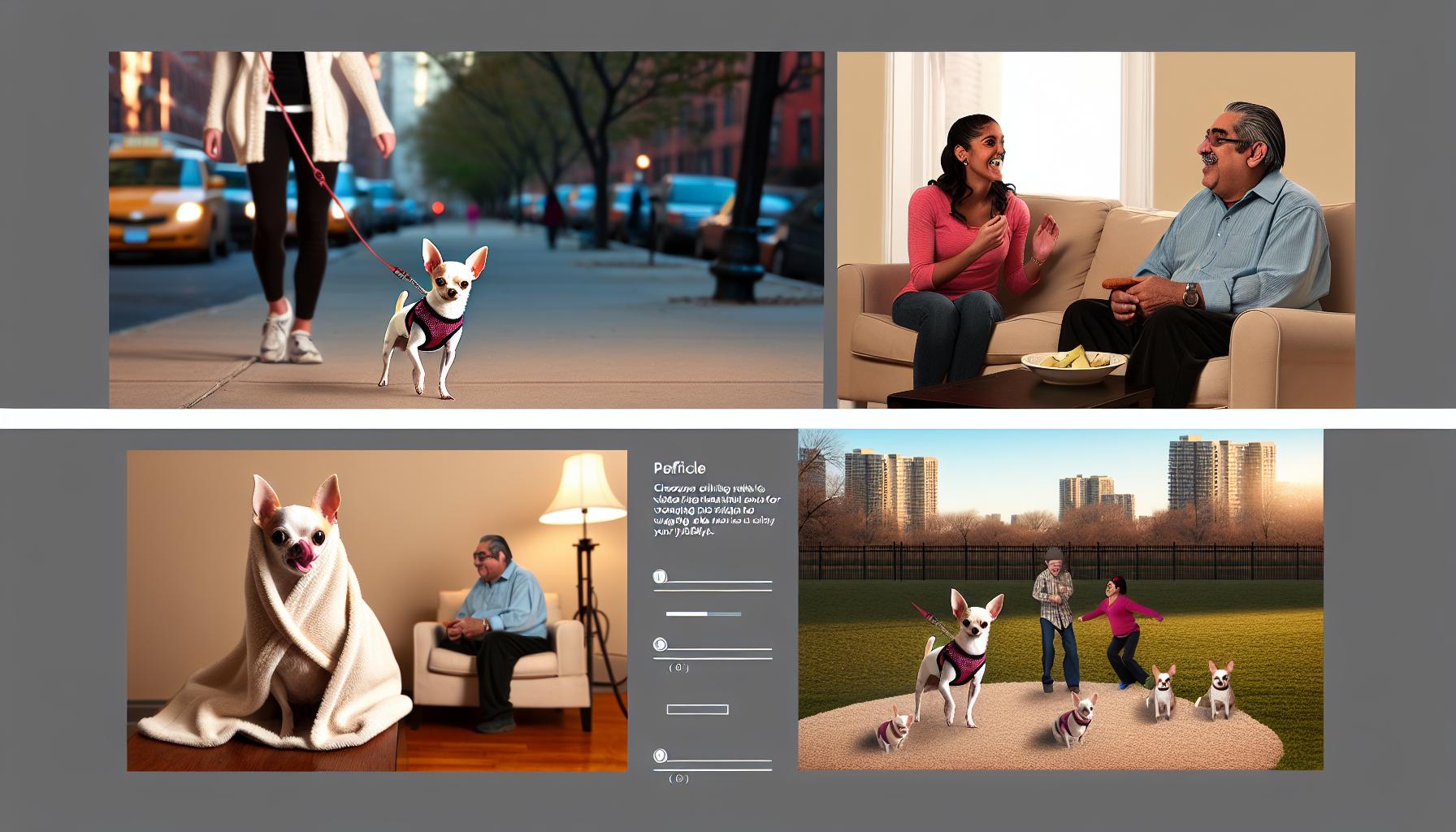
Setting Up Your Home for a Happy Chihuahua
Creating a welcoming environment for your Chihuahua is crucial to ensuring their happiness and health. With their tiny stature and vibrant personalities, Chihuahuas thrive in a space that feels secure, stimulating, and tailored to their unique needs. Did you know that these little dogs can be quite territorial? This means that a well-set-up home can greatly enhance their sense of comfort and security.
Start by choosing the right sleeping area. A cozy dog bed tucked away in a quiet corner can provide a safe haven for your Chihuahua to rest. Look for beds that are appropriately sized-too large can feel overwhelming, while too small may be uncomfortable. Consider the fabric too; Chihuahuas often enjoy soft materials that hug them close, offering comfort during sleep or naptime. For added comfort, think about placing the bed in a spot where they can observe their surroundings without feeling exposed.
Chihuahuas are highly curious and intelligent, which means they need mental stimulation to thrive. Set up designated play areas filled with toys that cater to their small size and playful nature. Soft plush toys, interactive puzzles, and chewables are fantastic options. These can help keep them entertained and mentally engaged. You might also want to include a variety of textures-think rubber, fabric, and rope-to keep playtime fresh and exciting.
Safety is paramount, especially for the adventurous Chihuahua. Ensure your home is puppy-proof by removing hazards like small objects they could choke on and securing electrical cords. Install baby gates if you need to restrict access to certain areas, particularly if you have other pets or young children. It’s also wise to keep harmful substances like cleaning supplies and certain plants out of reach, as Chihuahuas can be quite curious.
Lastly, don’t forget to create a safe outdoor area. Chihuahuas are known for their boldness, but their small size makes them more vulnerable outdoors. If you have a yard, secure the perimeter to prevent escapes and consider a cozy outdoor shelter for warmth during colder months. For walks, a well-fitted harness is essential, as it distributes pressure evenly and provides better control during those spirited outings. A stroller can also be a fantastic option if your Chihuahua enjoys being part of the action without risking too much strain on their little legs.
By carefully setting up your home, you create a nurturing environment that celebrates your Chihuahua’s personality while also addressing their specific needs. This thoughtful preparation lays the groundwork for a loving and happy companionship, ensuring your little friend feels right at home from day one.
Essential Health Care Tips for Your Chihuahua
Regular veterinary care is a cornerstone of maintaining your Chihuahua’s health. One of the first things you should do when bringing your new pup home is to schedule a visit with a veterinarian. During this initial appointment, your vet can assess your Chihuahua’s overall health, recommend vaccinations, and discuss necessary preventive care such as flea and tick control. As Chihuahuas are prone to certain health issues, including heart problems and dental diseases, it’s vital to establish a care routine that addresses these risks early.
Nutrition plays a significant role in your Chihuahua’s health, especially in their formative first year. Choose a high-quality dog food formulated specifically for small breeds. Look for ingredients that promote optimal growth and development, such as proteins, healthy fats, vitamins, and minerals. Chihuahuas can be picky eaters, so offering a mix of dry and wet food might make mealtime more appealing. Additionally, be mindful of portion sizes to prevent obesity, which is a common concern in this breed due to their tiny size and tendency to overeat when food is available.
Dental Care
Dental health is crucial for Chihuahuas, as they are particularly prone to periodontal disease. Start a dental care routine early. You can brush her teeth using a toothbrush designed for dogs and toothpaste made specifically for pets. Regular dental chews can also help reduce plaque and tartar buildup. Some owners find that the sooner they introduce their Chihuahua to dental care, the more accepting she’ll be, making this easy to manage as she grows.
Exercise and Activity
Even small dogs like Chihuahuas need regular exercise to stay healthy and happy. Short walks and play sessions throughout the day not only keep them fit but also provide an outlet for their energy. These activities are particularly important for their mental well-being; a bored Chihuahua can develop behavioral issues. Incorporate fun games that stimulate her mind, such as hide-and-seek or interactive toys that require problem-solving.
By prioritizing these health care tips, you’ll ensure that your Chihuahua thrives during her first year and beyond, allowing her vibrant personality to shine bright as you build a strong bond together. Whether she’s barking at a passing leaf or snuggling into your lap, a healthy Chihuahua is a happy Chihuahua, ready to share all her love and quirks with you!
Understanding Chihuahua Behavior and Temperament
Chihuahuas are known for their bold personalities packed into tiny frames, making them one of the most captivating breeds to welcome into your home. Their spirited nature can be both a joy and a challenge for new owners who may not be aware of the nuances of Chihuahua behavior and temperament. Understanding how to navigate their vibrant personalities will not only enhance your relationship but also foster a fulfilling companionship.
Chihuahuas are naturally vocal and often use barking as their primary form of communication. This trait, while endearing, can become excessive if not managed early on. It’s beneficial to expose her to different sounds and environments to help her adapt and learn when barking is appropriate. Engaging her with positive reinforcement training-like treats or praise when she remains quiet-will cultivate a serene atmosphere in your home while respecting her instinct to sound the alarm when needed.
Socialization is crucial for Chihuahuas, who can sometimes exhibit a fearful or defensive demeanor, especially towards strangers or larger dogs. Start socializing her early by introducing her to various people, pets, and environments. Gentle interactions can help her build confidence and reduce anxiety. Remember, frequent small outings are more effective than infrequent longer ones. A good example is introducing her to friends with dogs of similar sizes in a controlled environment, which can ease anxiety and help her learn proper dog decorum.
Despite their small size, Chihuahuas have big hearts and often exhibit a loyal demeanor. They form strong bonds with their owners and may display protective behaviors. Providing them with structure and consistency in training establishes trust and security. Regular playtime and affection will also reinforce your bond, allowing her to feel secure and loved in her environment. As an owner, complement boldness with gentle reassurance, especially during new experiences or outings.
Understanding these behavioral traits will help you navigate the joys and quirks of your Chihuahua. With patience and affection, you’ll find that your little companion will reward you with endless love and an even bolder personality as she becomes accustomed to her forever home. Embrace those unique Chihuahua moments; whether she’s curling up in your lap or asserting her presence, every day is an adventure filled with character in the life of a Chihuahua.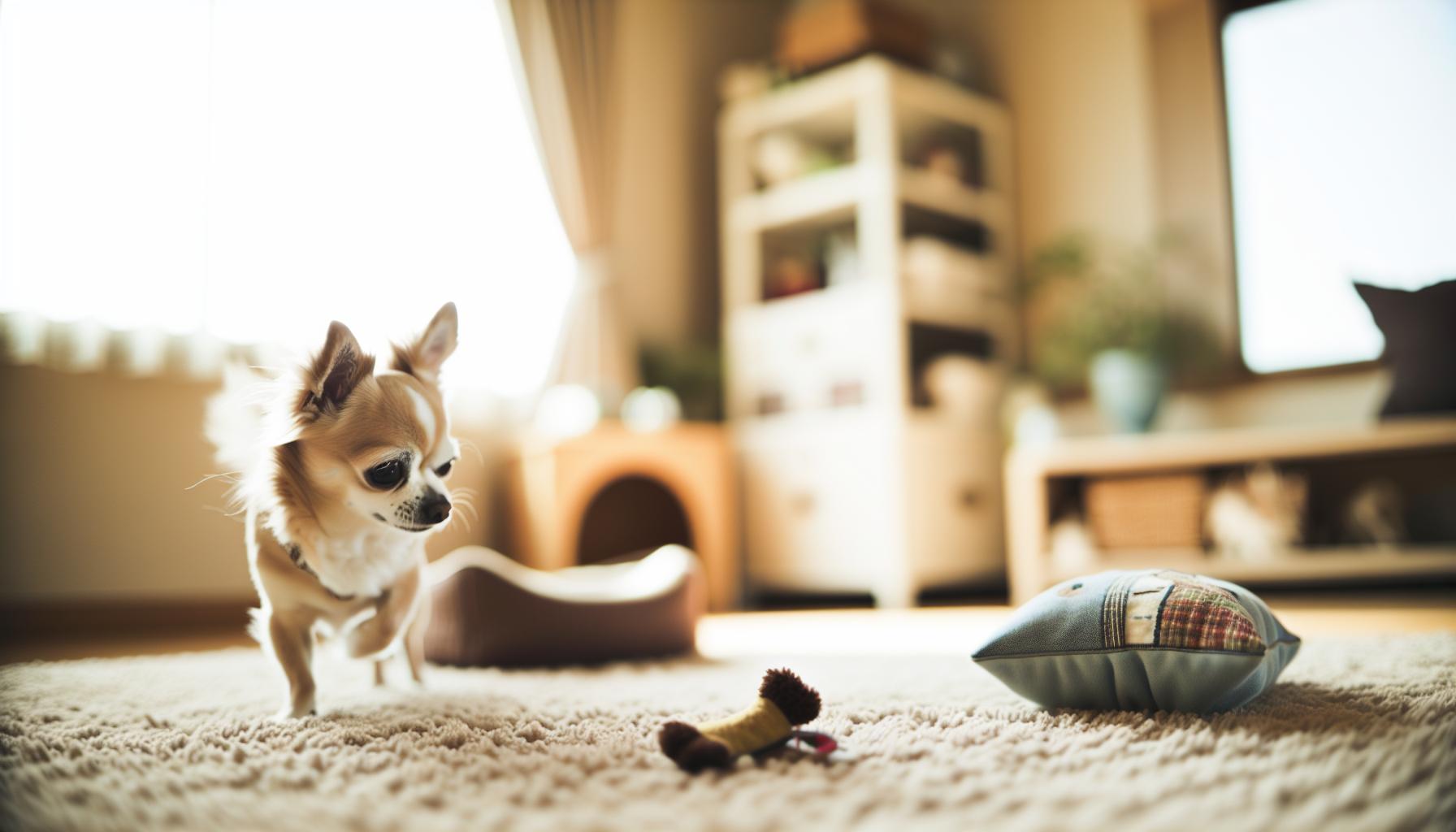
The Importance of Socialization for Your Chihuahua
Starting your journey with a Chihuahua opens a world of companionship that thrives on social interactions. These little dogs, often packed with personality, can be quite bold yet can also exhibit fearfulness, particularly if they are not properly socialized. Early socialization is not just beneficial-it’s essential for helping your Chihuahua grow into a well-adjusted member of your family.
To set your Chihuahua up for success, begin introducing her to a variety of environments, people, and other pets as soon as you bring her home. This exposure helps prevent behavioral issues and builds her confidence. Plan short, frequent outings to places where she can encounter different sights, sounds, and smells. For instance, you might take her to a park where she can meet friendly people and dogs, or invite friends over to create a welcoming atmosphere. Remember: small interactions can be far more effective than overwhelming her with larger social gatherings.
As you venture into these social experiences, observe her reactions closely. If she seems anxious or defensive, give her the space to approach on her own terms. Reinforce positive interactions with praise or treats. For example, if she meets another dog without barking or showing signs of fear, reward her for her bravery. This not only teaches her what behaviors are acceptable but also builds trust between you two.
Moreover, consider enrolling in a puppy kindergarten or basic training class. These environments provide controlled settings where she can socialize with other dogs and people under the guidance of a knowledgeable instructor. Such classes can also help instill good manners, making her interactions more enjoyable for both of you. By dedicating time to her social development, you’ll cultivate a happy and confident Chihuahua who knows how to navigate the world, enriching both her life and yours.
Training Techniques for a Well-Behaved Chihuahua
Training a Chihuahua can be an exciting adventure, especially for first-time dog owners. These pint-sized companions are known for their vibrant personalities, but their intelligence means they will require consistent training from an early age. A well-trained Chihuahua isn’t just a delight to have around; it can also help mitigate some of the breed’s common behavioral issues like excessive barking or small dog syndrome, where the dog believes it can act as the household enforcer.
To get started, positive reinforcement is key. This breed responds exceptionally well to treats, praise, and playtime as rewards. Start with basic commands like “sit,” “stay,” and “come.” For example, during treat time, show her a treat while saying the command, and reward her when she follows through. Use high-value treats-those that she doesn’t get for everyday activities-to make the learning experience more enticing. Keep training sessions short but frequent, around 5-10 minutes, as Chihuahuas can become bored or distracted easily.
Socialization Techniques
Socialization is an essential part of training. In its early months, introduce your Chihuahua to a variety of people, pets, and environments. This exposure helps her learn appropriate behaviors and builds her confidence. Take frequent trips to pet-friendly parks or invite friends over. Observe her reactions closely; if she seems hesitant, let her approach at her own pace. Pair new experiences with rewards to create positive associations.
You might also consider puppy classes tailored for small breeds. These classes provide a safe space for your Chihuahua to interact with other dogs and learn basic obedience. They can also help you connect with other Chihuahua owners, offering a community of support and shared experiences.
Addressing Behavioral Issues
Consistency in your home is crucial. Establish clear household rules, and ensure everyone in your family adheres to them. If you permit her to jump on the couch one day but scold her the next, she might become confused. Instead, redirect unwanted behaviors with commands or distractions.
For instance, if she starts barking at the mailman, teach her a “quiet” cue. When she barks, calm her down with a gentle voice, and encourage silence with the command. Once she stops barking, reward her. Over time, she’ll learn that silence brings positive outcomes, while unnecessary barking does not.
Chihuahuas thrive on routine, so integrating training into your daily activities-whether during walks, feeding, or playtime-will reinforce commands and behaviors more effectively. With patience and consistency, your Chihuahua will not only become a well-behaved companion but will also strengthen the bond you share. Enjoy the journey of training together-it’s as rewarding for you as it is for her!
Nutrition Guidelines for Your Chihuahua’s First Year
Feeding your Chihuahua the right diet during her first year is crucial for her health, growth, and development. These little dynamos have unique nutritional needs that can set the foundation for a happy, healthy life. Start by selecting a high-quality puppy food formulated specifically for small breeds. Look for options that list a protein source, such as chicken or fish, as the first ingredient. Chihuahuas need protein to support their rapid growth and energetic lifestyle, so prioritize a formula without fillers or artificial additives.
When it comes to portion sizes, remember that smaller is often better for your tiny companion. Generally, puppies should eat three to four small meals a day, gradually transitioning to two meals by 6 months. You can measure out portions based on the food packaging’s guidelines while keeping an eye on your puppy’s weight and adjusting as necessary. If you notice she’s gaining too much weight, reduce her portions slightly. Conversely, if she seems overly skinny or hungry, it’s okay to increase her portions a bit.
To keep her motivated and fully engaged in mealtime, incorporating some variety can be helpful. Consider adding a small amount of wet food or mixing in a bit of homemade, dog-friendly food like boiled chicken or vegetables. This can make her meals more enticing and encourage a healthy appetite. However, be cautious about feeding human food-many foods are harmful to dogs, such as chocolate, onions, and grapes. Always research before introducing new items into her diet.
Lastly, don’t forget about hydration! Ensure she has fresh water available at all times. Chihuahuas can sometimes be picky drinkers, so observe her habits and encourage her to hydrate, especially after meals or play sessions. Regular vet check-ups will help monitor her growth and nutritional needs, giving you peace of mind that you’re setting her up for a thriving life. Remember, a happy, well-fed Chihuahua is a playful, loving companion, ready to bring joy to your home!
Grooming Essentials for Long-Haired and Short-Haired Chihuahuas
Establishing a regular grooming routine for your Chihuahua not only enhances their appearance but also supports their overall well-being. Both long-haired and short-haired Chihuahuas come with distinct grooming needs, and understanding these can make caring for your little companion a joyful experience.
For long-haired Chihuahuas, daily brushing is essential to prevent mats and tangles. Use a slicker brush or a wide-toothed comb, focusing on areas behind the ears and under the legs where tangles commonly form. Bathing should be done every four to six weeks, using a gentle, dog-specific shampoo to keep their coat clean and shiny. Don’t forget about their ears; clean them weekly with a vet-recommended solution to prevent wax buildup and infections. Regular trimming of the coat around the paws and face can also give your long-haired Chihuahua a neat appearance.
On the other hand, short-haired Chihuahuas require less frequent grooming but still benefit from weekly brushing to minimize shedding. A rubber grooming mitt or bristle brush works well for their smooth coat. Baths for short-haired varieties can be less frequent, about once every two to three months, unless they get into something messy. Their nails should be trimmed every few weeks, and it’s essential to check their ears regularly for dirt or debris.
Key Grooming Tips
- Brushing Frequency: Long-haired daily; short-haired weekly.
- Bathing Schedule: Long-haired every 4-6 weeks; short-haired every 2-3 months.
- Ear Care: Weekly cleaning for both types.
- Nail Trimming: Every 3-4 weeks.
Pay attention to the specific quirks of your Chihuahua’s personality during grooming. Many Chihuahuas can be sensitive about their paws or ears. Start grooming when they are young to help them get accustomed to the process. Use treats and praises to make grooming a positive experience. Remember, your grooming time is also an opportunity to bond and check for any unusual lumps, bumps, or skin irritations that may need attention.
With patience and the right approach, grooming can be a delightful part of your routine, leading to not just a beautiful Chihuahua but a happier and healthier one as well. Embrace their bold, loving nature by making grooming a special time for just the two of you!
Creating a Safe Outdoor Space for Your Chihuahua
is essential to ensure their happiness and well-being. These tiny companions are naturally curious and energetic, and exposed areas can pose numerous risks such as escaping, injury, or encounters with larger animals. To make your yard or outdoor area a secure haven, begin by thoroughly inspecting the perimeter. Fencing should be solid, tall enough to prevent jumping, and buried a few inches underground to deter digging. Avoid fences with gaps that little paws can slip through; Chihuahuas are known for their determination!
Consider adding soft surfaces like grass or artificial turf for a comfy play zone. This prevents paw damage from hot pavement or rocky surfaces, which can be tough on their delicate pads. When designing your outdoor space, remember that shade is vital. Chihuahuas can overheat quickly, especially in warm weather, so provide shaded areas with umbrellas or doghouses for them to retreat to when the sun becomes too intense.
Ensure your outdoor environment is free of toxic plants, chemicals, and exposed wiring. Common plants like azaleas, rhododendrons, and certain types of lilies can be harmful if ingested. Using natural, pet-safe weed killers and fertilizers will help keep your Chihuahua safe while maintaining a lush yard. Additionally, secure trash cans with tight-fitting lids to prevent your curious pup from rummaging through and ingesting something harmful.
Finally, engage your Chihuahua’s playfulness with safe toys and chewables outside. This not only enriches their experience but also raises the stakes for keeping your little friend occupied and happy. If your Chihuahua enjoys digging, designate a specific area for them to dig freely. This can help protect your garden while allowing them to satisfy their instincts.
By taking these precautions, you’ll create a delightful outdoor space where your Chihuahua can enjoy the fresh air safely while showcasing their bold and loving personality!
Recognizing Common Health Issues in Chihuahuas
Chihuahuas, with their tiny stature and bold demeanor, are prone to specific health issues that every owner should be aware of. Recognizing these common concerns early can make a significant difference in the quality of life for your furry companion. Due to their small size, certain conditions might develop more readily, and understanding what to look for can help you keep your little friend healthy and happy.
One prevalent health issue in Chihuahuas is patellar luxation, where the kneecap dislocates from its normal position. This condition can cause pain and affect mobility, but its severity can vary widely. Some Chihuahuas may display signs like skipping while walking or holding a leg up. Regular vet check-ups are essential, as your veterinarian can provide insights into the best management practices or interventions if necessary.
Dental health is another critical consideration. Chihuahuas are particularly prone to periodontal disease due to their small mouths, which can lead to serious health problems if left untreated. Routine dental care, including brushing your Chihuahua’s teeth and providing dental chews, can help prevent tartar build-up. Keep an eye out for bad breath, swollen gums, or difficulty eating, and don’t hesitate to consult your vet for professional cleanings if needed.
Additionally, Chihuahuas may face issues related to their unique skull structure, particularly in the case of apple-head Chihuahuas. They can be at risk for certain neurological problems, including hydrocephalus, a condition where fluid accumulates in the skull, leading to pressure on the brain. Symptoms can include dilated pupils, lethargy, or seizures, so swift veterinary intervention is vital if you notice any of these warning signs.
Lastly, be mindful of your Chihuahua’s weight. Obesity is becoming a common issue among small breeds, including Chihuahuas. It can exacerbate other health problems, leading to shorter lifespans and decreased quality of life. Ensure that your Chihuahua maintains a healthy weight with a balanced diet and regular exercise. Incorporating playtime into your daily routine not only promotes physical activity but also strengthens your bond.
By staying vigilant and informed about these common health issues, you can ensure your Chihuahua leads a vibrant, healthy life filled with love and adventure. Regular vet visits, coupled with your attentiveness to changes in behavior or physical condition, will empower you to enjoy the many joyous moments that being a Chihuahua owner brings.
Bonding Activities for You and Your Chihuahua
Bringing a Chihuahua into your home means welcoming a tiny companion with a big personality. These little dogs thrive on connection and affection, making various bonding activities essential for a happy life together. Regularly spending quality time with your Chihuahua will not only strengthen your bond but also help your furry friend feel secure and loved. Here are some engaging activities to explore with your Chihuahua.
Interactive Playtime
Chihuahuas are known for their energetic and playful nature, so routine playtime is crucial. Opt for interactive toys, such as small balls or plush squeaky toys, that engage their natural instincts. Fetch is always a hit! Even in smaller spaces, tossing a toy short distances allows your Chihuahua to express their playful side without overwhelming them. For some Chihuahuas, especially those with a strong prey drive, games like hide-and-seek can also be fun. Just hide somewhere in the house and call your dog to find you. The thrill of searching will keep their little minds sharp and happy.
Cuddle Sessions
Don’t underestimate the power of cuddling. Chihuahuas are affectionate and often seek warmth and comfort, so snuggling on the couch while watching a movie or reading a book can be incredibly beneficial. Create a cozy space with a blanket or soft bed just for your Chihuahua, making it their special spot where they feel safe and loved. During these moments, give gentle pets and soft words-your voice carries comfort.
Training Time
Training isn’t just about teaching commands; it’s also a wonderful way to bond. Use positive reinforcement methods, incorporating treats and praise whenever your Chihuahua successfully follows a command. Short sessions, lasting around five to ten minutes, work best for this breed due to their slight attention span. Teaching tricks like paw shakes or even twirling not only entertains but also strengthens your communication with her. Plus, a well-trained Chihuahua is a happy Chihuahua!
Outdoor Adventures
Chihuahuas may be small, but they love the outdoors! Whether it’s a short walk around the neighborhood or a visit to a local park, fresh air and new stimuli are great for their mental and physical health. Be sure to use a secure harness with a leash since Chihuahuas can be quite bold and curious. Explore different walking paths or try taking her on a small hiking trail-it’s a fantastic way for both of you to explore and bond. Consider building a separate outdoor space or using a dog park where she can socialize with other dogs while you supervise.
By incorporating these bonding activities into your routine, you not only nurture a loving relationship with your Chihuahua but also help cultivate a sense of security and happiness for her. Remember, every moment spent together further deepens your unique bond, celebrating the quirks and charm that make your tiny companion extraordinary.
Preparing for Your Chihuahua’s Unique Quirks and Needs
Bringing a Chihuahua into your home is an adventure filled with unique quirks and endearing traits that make them some of the most beloved companions around. These little dogs, whether they’re the apple-head variety or sporting a more deer-like appearance, all share a boldness that can be both charming and challenging. Understanding your Chihuahua’s distinct personality traits and needs is key to a harmonious life together.
Start by recognizing that Chihuahuas are vocal little companions. They have a natural instinct to alert you to the presence of strangers, often barking at new sounds or sights. This behavior can be managed with proper training; early on, teach them when it’s appropriate to bark and when to be quiet. Use positive reinforcement when they respond correctly to commands. For instance, if they stop barking on command, reward them with a treat or praise-they’ll catch on quickly!
Additionally, these tiny dogs often develop strong attachments to their owners, exhibiting loyalty that can sometimes lead to separation anxiety. If you have to leave them for extended periods, consider crate training or providing them with safe toys that can occupy their time. Many owners find that leaving a piece of clothing with your scent can provide comfort. Be sure to gradually acclimate them to alone time to avoid distress.
Chihuahuas also come with a host of unique health considerations that demand your attention. Their small stature makes them vulnerable to injuries, so be mindful of rough play. Regular veterinarian check-ups are essential to catch potential health issues early. This breed is particularly prone to dental problems, so establishing a good dental hygiene routine is crucial. Dental treats designed for small dogs can make this task easier and more enjoyable for both of you.
Finally, don’t forget to embrace and celebrate their quirks! Chihuahuas love to burrow and may make a cozy spot in your blankets or under pillows-this is their way of feeling secure. Providing them with warm, cuddly spots around your home can cater to this instinct. By understanding and accommodating these unique behaviors, you’ll create a nurturing environment where your Chihuahua can thrive, bringing boundless joy and companionship to your life.
Q&A
Q: What are the best toys for a Chihuahua puppy?
A: The best toys for a Chihuahua puppy include soft chew toys, interactive puzzle toys, and small balls. Choose toys that are specifically designed for small breeds to prevent choking hazards. Additionally, engaging toys can help keep your pup mentally stimulated. For detailed recommendations, check the section on bonding activities.
Q: How can I tell if my Chihuahua is overweight?
A: To determine if your Chihuahua is overweight, check if you can feel their ribs easily without excess fat covering. They should have a defined waist when viewed from above. Monitor their energy levels and consult your vet for tailored advice on nutrition and exercise.
Q: Why is socialization important for my Chihuahua?
A: Socialization is crucial for Chihuahuas as it helps them become well-rounded and confident adults. Early exposure to various people, pets, and environments can reduce fearfulness and behavior issues. Begin socialization classes early to establish positive experiences. Refer to the Importance of Socialization section for practical tips.
Q: What vaccinations does my Chihuahua need in the first year?
A: Your Chihuahua needs several important vaccinations in the first year, including DHPP (Distemper, Hepatitis, Parvovirus, Parainfluenza) and Rabies vaccines. Consult your veterinarian to establish a vaccination schedule tailored for your pet’s health care needs.
Q: How often should I walk my Chihuahua?
A: Chihuahuas generally need about 20-30 minutes of exercise daily, which can be split into multiple short walks. Regular walks help maintain their weight, support mental health, and strengthen your bond. Always adapt exercise to their energy levels and consider outdoor safety.
Q: What is the best diet for a Chihuahua puppy?
A: The best diet for a Chihuahua puppy includes high-quality puppy food that meets their nutritional needs. Look for rich protein sources and appropriate fat levels. Feeding smaller, more frequent meals supports their metabolism. For more on nutrition guidelines, review the relevant section in your guide.
Q: How do I manage Chihuahua’s barking behavior?
A: To manage Chihuahua barking, identify triggers and establish control techniques such as positive reinforcement training. Encourage calm behavior with distractions or toys when they start barking. Consistency is key, so practice regularly and consult the training techniques section for more insights.
Q: What common health issues should I be aware of in Chihuahuas?
A: Common health issues in Chihuahuas include dental problems, patellar luxation, and heart disease. Regular vet visits for check-ups and vaccinations are essential. Keep an eye on your pet’s behavior and weight, and consult the Recognizing Common Health Issues section for early warning signs.
In Conclusion
Congratulations on embarking on your journey with your new Chihuahua! Remember, providing the right care-considering their health, socialization, and training-will set the foundation for a happy, confident companion. Embrace their tiny yet bold spirit; these little ones thrive on love and consistency. If you’re eager to dive deeper, check out our articles on Chihuahua health tips and effective training methods to ensure your pup grows into a well-mannered friend.
Don’t hesitate to share your experiences in the comments or ask questions; connecting with fellow Chihuahua enthusiasts can provide valuable insights. Whether you’re seeking to learn more about managing their energy or exploring the best toys for their playful nature, there’s plenty more to discover. For regular updates and expert tips, consider signing up for our newsletter-keep the joy and learning going! Remember, he’s not just a pet; he’s family, and every day is an opportunity for new adventures together.
Get our latest guides, news, and insights highlighted in your Google Search & AI Overviews.