
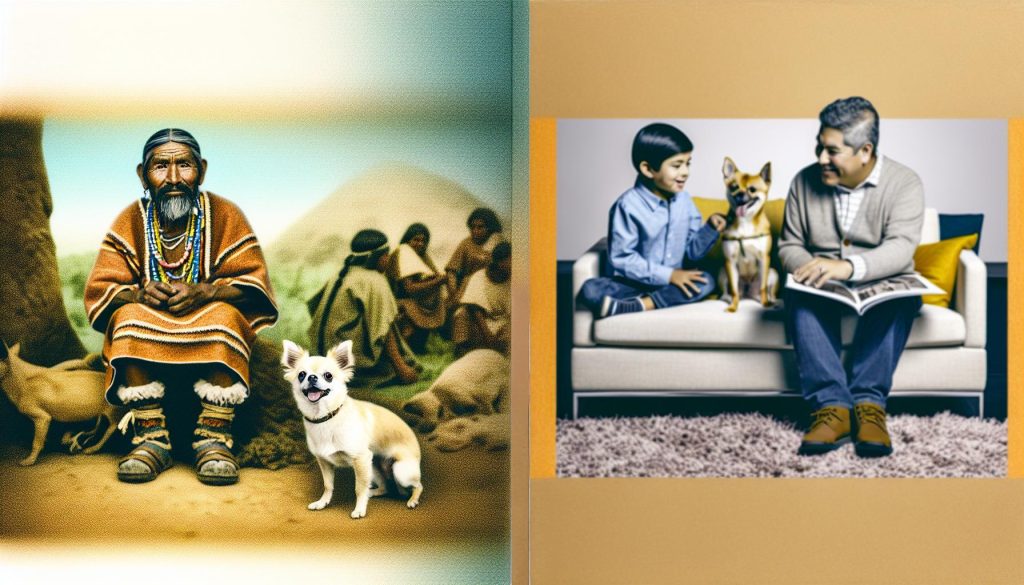
Did you know that the Chihuahua is not just the world’s smallest dog but also one of its oldest breeds? This lovable, feisty companion boasts a rich history that dates back centuries, connecting us to the ancient civilizations of Mexico. Knowing when the first Chihuahua was born is more than just a historical tidbit; it helps us appreciate their unique traits, such as their bold personality, loyalty, and distinct physical characteristics, like the apple-head shape. Whether you’re new to the breed or an experienced owner, understanding their origins can deepen your bond and enhance your care approach. Join us as we explore the fascinating evolution of this tiny but mighty dog, and discover what makes Chihuahuas such a cherished companion for many around the world.
The Origins of the Chihuahua: A Historical Perspective
The origins of the Chihuahua are as fascinating as the little dogs themselves. Revered as one of the smallest dog breeds, Chihuahuas boast a rich history that likely stretches back to ancient civilizations in Mexico. The breed is often linked to the ancient Toltec civilization, where small companion dogs known as Techichis were favored. These ancestors of the Chihuahua were believed to have spiritual significance, often accompanying their owners in life and death. That’s right-these tiny companions may have been revered for their role in religious rituals, showcasing just how integral they were to early Mesoamerican culture.
Archaeological discoveries in the region around the carrying capacity of modern Chihuahua, Mexico, suggest that these dogs existed as early as 300 A.D. The Chihuahua as we know it began to take shape in the late 19th century when travelers began importing them to the United States. This pivotal moment ushered in a new era for the breed, where they evolved into the endearing pets we cherish today. The 1920s saw a surge in popularity, driven by Hollywood’s fascination with tiny, spunky dogs; Chihuahuas captured hearts and appeared alongside glamorous stars, securing their status in popular culture.
This journey from ancient companion to modern icon illustrates the Chihuahua’s unique adaptability and enduring charm. They’ve not only survived but thrived, showcasing their loyalty, boldness, and, yes-even their penchant for a little vocal drama. As a proud Chihuahua owner, you’ll appreciate how these quirks add to their delightful persona, making them not just pets but true family members. Understanding their origins enriches the experience of having a Chihuahua, allowing you to appreciate the history and culture that has shaped this remarkable breed.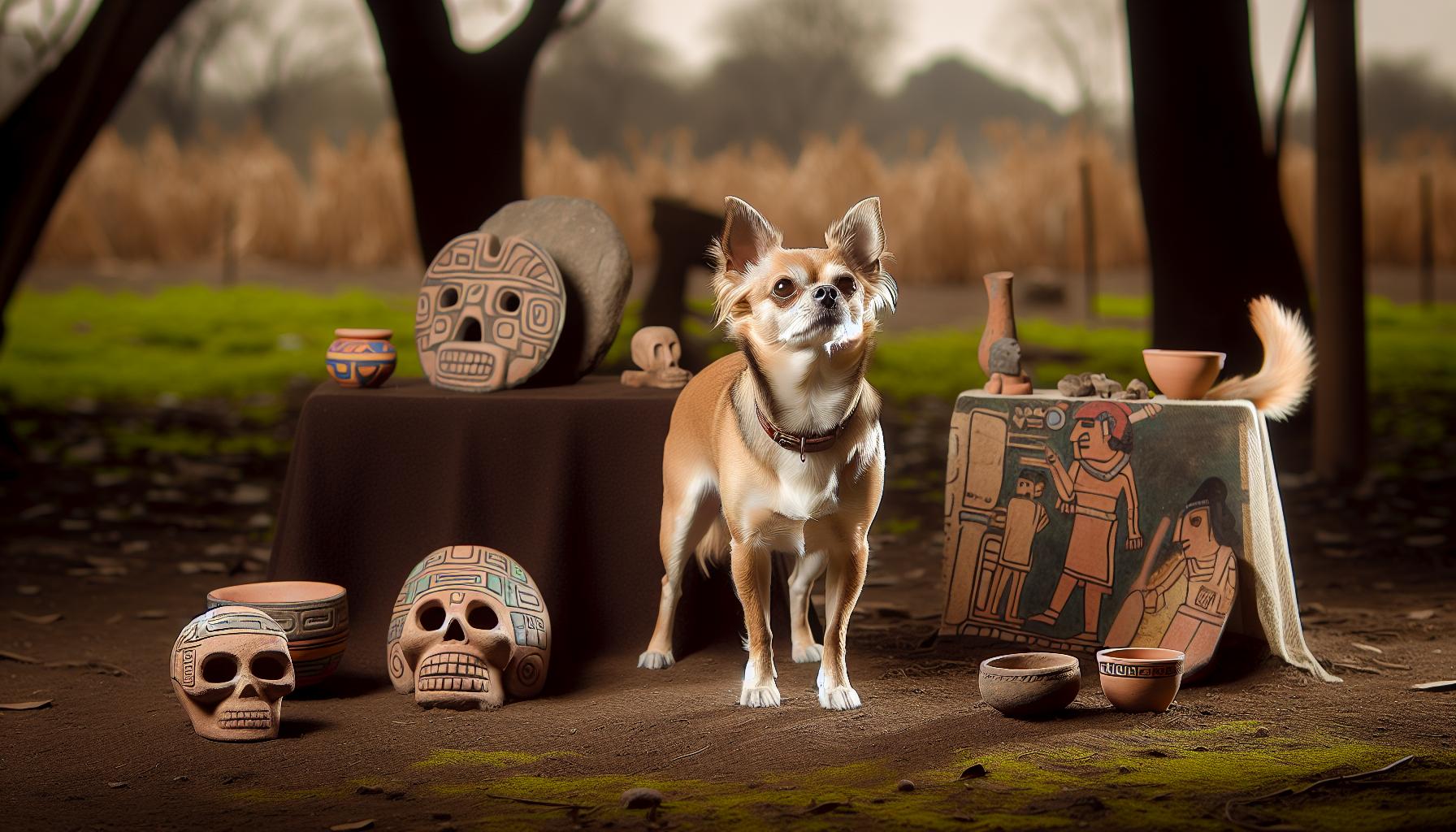
Understanding Chihuahua Ancestry: Where Did They Come From?
The Chihuahua, with its tiny stature and bold personality, has a fascinating ancestry that intertwines with the rich history of Mexico. These adorable dogs are believed to be descendants of the ancient Techichi, companion animals held in high regard by the Toltecs and other pre-Columbian cultures. The Techichi served not only as pets but also played a spiritual role, accompanying their owners in religious ceremonies and even in burials, symbolizing their significance in Mesoamerican civilizations.
Archaeological evidence suggests that the ancestral roots of Chihuahuas can be traced back to around 300 A.D. in the region now known as the state of Chihuahua in Mexico. As they evolved, these dogs became increasingly distinctive, gaining the traits we associate with Chihuahuas today. The breed gained recognition in the United States during the late 19th century, thanks to travelers who brought them across the border. This influx marked the beginning of the Chihuahua’s journey to becoming a cherished pet in households around the world.
In the early 20th century, Chihuahuas began to capture the public’s imagination, especially during the 1920s when Hollywood stars started showcasing them. Their presence in films further solidified their popularity and established them as icons of style and personality. It’s vital for owners to understand this unique history, as it can enhance the bond you share with your Chihuahua. Recognizing how they transitioned from sacred companions in ancient culture to beloved pets today can enrich your ownership experience, making your time together even more meaningful.
Understanding the various types of Chihuahuas, including the apple-head and deer-head variations, can also help you appreciate your pet’s individual traits. Each type can have slightly different characteristics in terms of behavior, health, and care. For instance, apple-head Chihuahuas are known for their round skulls and large eyes, while deer-head Chihuahuas have a more elongated face. As a proud owner, celebrating these distinctions is part of the joy that comes with having such a remarkable breed.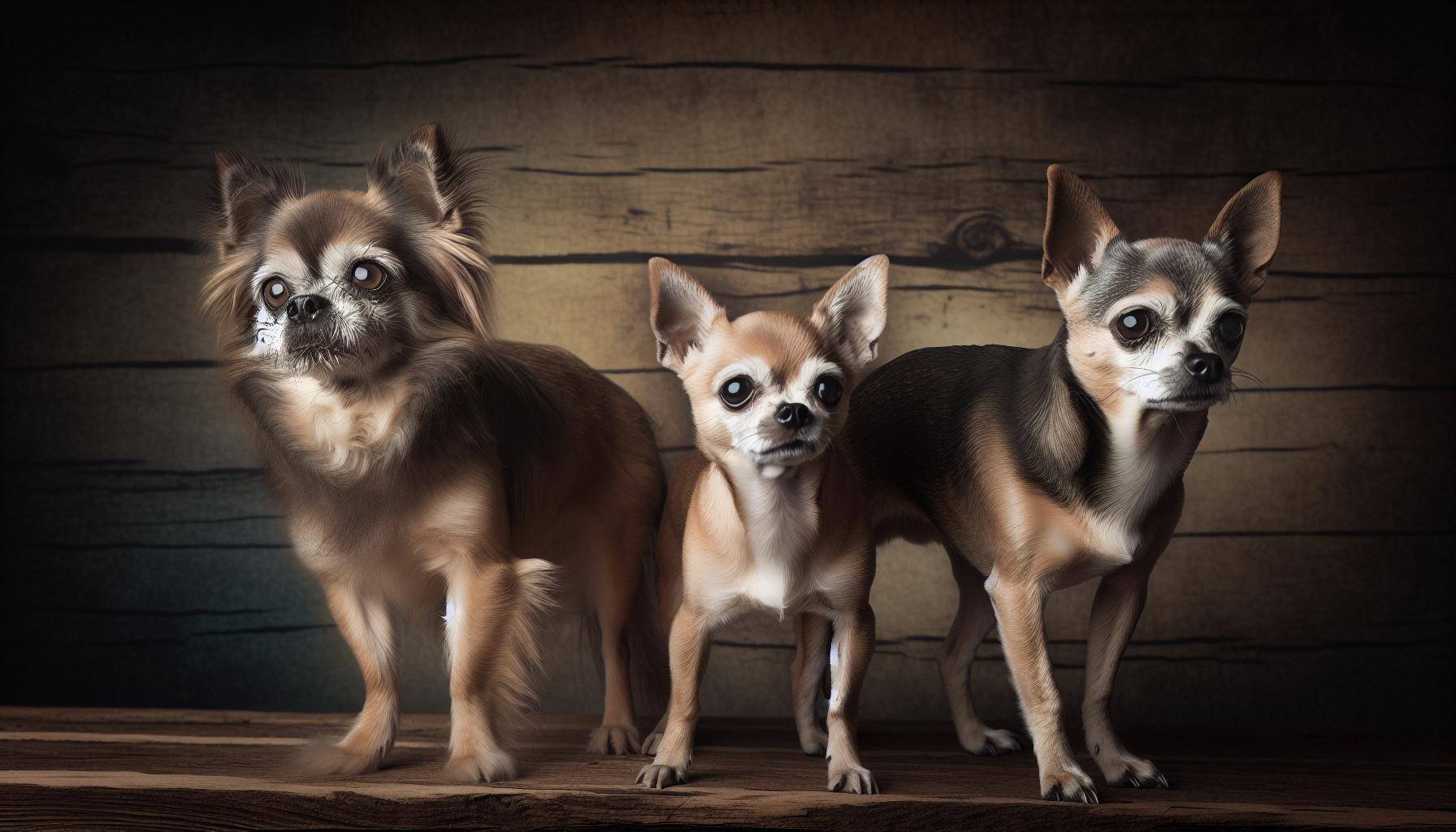
The Evolution of the Chihuahua Breed Over Time
The Chihuahua, a breed renowned for its tiny stature yet big personality, has a richly layered history that traces its roots back to ancient Mexico. The evolution of this charming companion reflects not just the changes in breeding practices but also the cultural shifts surrounding them. Initially believed to descend from the Techichi, a small companion dog of the pre-Columbian Toltec civilization, Chihuahuas have transformed significantly over the centuries, becoming a beloved breed across the globe.
As mentioned earlier, archaeological findings link the Chihuahua’s ancestry to around 300 A.D. in the Chihuahua region of Mexico. However, modern Chihuahuas-as we know them today-began to emerge around the 19th century. This period marked a significant transition as they were introduced to the United States, capturing the hearts of many due to their unique appearance and spirited demeanor. A pivotal moment in their evolution occurred in 1904 when the breed was officially recognized by the American Kennel Club (AKC), which laid the foundation for more structured breeding practices.
Over the years, two primary types of Chihuahuas have developed: the apple-head and the deer-head. Apple-head Chihuahuas, characterized by their round skulls and large expressive eyes, tend to have a more theatrical presence. In contrast, deer-head Chihuahuas possess a longer, more refined skull, giving them a distinct and elegant appearance. Understanding these variations is crucial for potential owners, as each type can exhibit different traits, including temperament and health predispositions.
With their growing recognition, Chihuahuas began appearing in popular culture, particularly in the 1920s and 1930s, cementing their status as fashionable pets. Hollywood was instrumental in this fame; stars like Audrey Hepburn and later celebrities have often sported Chihuahuas, introducing them to broader audiences. Owners today cherish these little dogs not just for their size but for their loyalty, boldness, and affectionate nature.
In summary, the journey of the Chihuahua from sacred companion to modern-day pet is a testament to the breed’s adaptability and enduring appeal. As an owner, appreciating this evolution enriches your experience, allowing you to celebrate not just your Chihuahua’s quirks but also the rich history they represent. Remember to provide them with the love, care, and attention they deserve, fostering a bond that reflects their unique personality and storied lineage.
Key Milestones in Chihuahua History You Should Know
The history of the Chihuahua is a fascinating journey filled with key milestones that have shaped this beloved breed. The first recorded mention of a Chihuahua-like dog can be traced back to the ancient civilizations of Mexico, particularly with the Techichi, a small companion dog of the Toltec people. Archaeological evidence suggests that these dogs existed as far back as 300 A.D. in the region that is now known as Chihuahua, Mexico, marking a significant point in the breed’s ancestry.
Fast forward to the mid-19th century when American tourists began to uncover these charming dogs during visits to Mexico. The breed’s popularity surged in the United States, particularly in the 1890s, as people were captivated by their tiny size and lively personalities. One of the most critical milestones occurred in 1904 when the American Kennel Club (AKC) officially recognized the Chihuahua as a distinct breed. This was a game-changer, providing a framework for breed standards and encouraging more structured breeding practices, which ultimately enhanced the breed’s recognition and desirability.
The introduction of Chihuahuas to popular culture further cemented their status as fashionable pets. Notable figures, including movie stars in the 1920s and 1930s, showcased Chihuahuas, significantly boosting their fame. The iconic image of Audrey Hepburn with a Chihuahua in “Breakfast at Tiffany’s” is a prime example of how these little dogs became synonymous with glamour and luxury, aligning them with lifestyle aspirations of dog lovers.
Today, we celebrate the Chihuahua not only for its adorable stature but also for its rich history and the milestones that made it a cherished companion worldwide. Understanding these pivotal moments can deepen your appreciation for your own Chihuahua, enriching your relationship with this spirited little friend. Whether you’re drawn to the apple-head variety with its distinctive round skull or the elegant deer-head type, every Chihuahua shares a legacy that speaks volumes about their resilience and charm as a breed.
Different Types of Chihuahuas: Apple-Head vs. Deer-Head
When considering the charming Chihuahua, understanding the differences between the two primary types-apple-head and deer-head-can greatly enrich your experience as a dog owner. Each type not only exhibits distinct physical characteristics but also brings unique personalities to the table, reflecting a rich heritage that dates back to ancient Mexico. Whether you’re a first-time owner or a seasoned enthusiast, recognizing these differences can help you choose the right companion for your lifestyle.
The apple-head Chihuahua is known for its well-defined rounded skull and short muzzle, creating a distinctive profile that has captured hearts worldwide. This type typically has a slightly larger head compared to its body, which can lend a sense of endearment and cuteness that’s hard to resist. In addition to their sweet appearance, apple-head Chihuahuas are often perceived as being particularly bold and confident. While they can be quite vocal, alerting you to anything that might seem out of place, they are also fiercely loyal to their families. Their size typically varies between 2 to 6 pounds, making them perfect for lap companionship or easy transport in a pet carrier.
On the other hand, the deer-head Chihuahua has a more elongated head and a longer muzzle, resembling the elegant features of a deer. This type tends to have a more delicate build, with a body shape that can appear somewhat taller and leaner than that of the apple-head variety. While they may not be as commonly sought after, deer-head Chihuahuas often possess a calm demeanor and can adapt well to various environments, making them excellent companions for both active and more laid-back lifestyles. Their slightly larger size, typically ranging from 4 to 8 pounds, also means they can be a bit sturdier, which might be a beneficial trait for families with children.
In terms of care, both types require similar attention to grooming, exercise, and diet. Regular vet check-ups are crucial, especially since Chihuahuas can be prone to dental issues and heart conditions. Socialization is vital too; involving your Chihuahua with various people, pets, and environments from an early age can promote a well-adjusted adult dog. The key to choosing between an apple-head and a deer-head often comes down to personal preference in aesthetics and temperament, as both types create lasting bonds with their owners and bring joy to any household.
For those captivated by the rich history and distinct types of Chihuahuas, understanding these differences enhances not only ownership but also fosters a deeper appreciation for these spirited little dogs and their remarkable lineage that has traversed centuries. Embrace their quirks, cherish their loyalty, and enjoy the warmth they bring into your life.
Significant Figures in Chihuahua History: Breeders and Influencers
The history of the Chihuahua is not just about its diminutive stature and charming personality; it’s also shaped by several influential figures who recognized the breed’s unique qualities and contributed to its popularity and refinement over the years. Understanding these key breeders and influencers provides a deeper appreciation of how the Chihuahua evolved into the beloved companion we know today.
One pivotal figure in Chihuahua history is Martha McCormick, an early breeder who played a significant role in popularizing the breed in the United States during the 20th century. McCormick’s dedication to the breed led her to start a breeding program focused on breeding for health and temperament, which helped to establish the standards seen in today’s Chihuahuas. Her work included not just breeding but also extensive efforts in promoting the breed through dog shows, which allowed many to see firsthand the charm and elegance of Chihuahuas, further cementing their status in American homes.
Another noteworthy name is Robert L. Lacy, known for his advocacy of the breed and his work with the Chihuahua Club of America, which he helped to establish in 1960. Lacy was instrumental in creating a lineage of Chihuahuas that adhered more closely to the breed standards and helped educate others about their unique needs. His contributions laid a solid framework for future breeders to follow, emphasizing that owners should prioritize health and temperament alongside conformation to breed standards.
In addition to breeders, notable celebrities have significantly influenced the breed’s popularity in pop culture. The late actress Rita Hayworth was an early fan of Chihuahuas, showcasing them in her films and personal life. Later, stars like Paris Hilton and Beverly Hills Chihuahua solidified the Chihuahua’s status as a fashionable companion. These cultural icons made the breed a desirable pet for many, sparking a surge in Chihuahua ownership and awareness.
Through the efforts of early breeders and celebrities alike, the Chihuahua has journeyed from its ancient roots in Mexico to become a cherished member of many families worldwide. Their contributions highlight not only the breed’s appeal but also the importance of responsible breeding practices in maintaining the Chihuahua’s health and unique personality traits. For Chihuahua owners today, understanding this rich history can enhance their connection with their furry friends, allowing them to appreciate not only their charming quirks but also the legacy that each individual dog carries with it.
The Chihuahua in Pop Culture: From Icons to Companions
From tiny companions to bold personalities, Chihuahuas have carved out a significant niche in pop culture, reflecting both their charm and the vibrant personalities they embody. Their rise as a trendy pet has woven them into the fabric of our society, with numerous celebrities adopting them and showcasing their adorable antics. Picture Paris Hilton strutting down the street with her fashionable Chihuahua, Tinkerbell, in a chic handbag-this image alone symbolizes the breed’s glamorous appeal.
Celebrities have played a pivotal role in elevating the Chihuahua’s status. The late actress Rita Hayworth introduced the breed to a wider audience in the mid-20th century, showcasing her Chihuahuas not only in her personal life but also on screen. Fast forward to the 2000s, where the movie Beverly Hills Chihuahua further propelled the breed into the limelight. This film captured the hearts of many viewers with its hilarious portrayal of the dogs’ adventures, making Chihuahuas the must-have accessory for aspiring fashionistas and pet lovers alike.
Additionally, television shows and advertisements have capitalized on the Chihuahua‘s quirky personality. Their vocal nature and spunky attitude make them perfect stars-they can outshine much larger dogs just by being themselves. As companions, Chihuahuas are fiercely loyal and often form deep bonds with their owners. This loyalty means they thrive on attention and love, often desiring to be by your side at all times, showcasing their affectionate nature.
As beloved companions, Chihuahuas require unique care tailored to their needs. It’s essential to ensure they get enough socialization, as they can be territorial and vocal. Regular check-ups to monitor their health, especially their dental health, is crucial, as small breeds are prone to certain health issues. Whether you’re a first-time owner or a seasoned enthusiast, understanding their quirks-like their tiny size leading to big personalities-can enhance your bond with your furry friend. Ultimately, celebrities may have brought Chihuahuas into the spotlight, but it’s their endearing traits and unique charm that ensure they remain treasured family members for generations to come.
Health and Care: Unique Needs of the Chihuahua Breed
Chihuahuas may be small in stature, but they require dedicated care to thrive. This tiny breed often faces unique health challenges that necessitate vigilant attention from their owners. Did you know that dental issues are particularly common in Chihuahuas? Regular dental care is crucial, as their small mouths can lead to overcrowding of teeth, resulting in plaque buildup and periodontal disease. Owners should consider incorporating dental treats and regular brushing into their routine to maintain their pup’s oral health.
Another essential aspect of caring for Chihuahuas involves their lightweight bodies, which make them susceptible to injuries. Create a safe environment by minimizing hazards around the home, such as sharp edges and high furniture they might fall from. Harnesses designed for small breeds are recommended over collars, as this can prevent potential throat injuries during walks.
Chihuahuas also thrive on social interaction and mental stimulation. Leaving them alone for long periods can lead to behavioral issues, such as excessive barking or destructive tendencies. Engage them with toys that challenge their intellect, and enjoy regular playtime to nurture their spirited personalities. Daily short walks and socialization with other dogs can also help them burn off their abundant energy, keeping both their minds and bodies active.
Lastly, it’s crucial to pay attention to their nutritional needs. Due to their small size, Chihuahuas generally require a high-quality, nutritionally dense diet tailored to their age and activity level. Monitor their weight closely, as this breed is prone to obesity, which can exacerbate other health issues. Always consult a veterinarian for dietary recommendations specific to your Chihuahua’s individual needs.
Remember, owning a Chihuahua is a delightful blend of challenges and joys. With the right care and understanding, your little companion can lead a happy, healthy life.
Understanding the Chihuahua’s Behavior and Temperament
Chihuahuas are truly remarkable companions, packed with personality despite their tiny size. Like many small breeds, they often exhibit a unique blend of qualities that can be both delightful and challenging. One fascinating aspect of this breed is their bold and confident demeanor, which can lead to some entertaining behaviors. For instance, it’s not uncommon for a Chihuahua to believe they are much larger than they actually are. Owners often share stories of their little ones standing their ground when confronted by much bigger dogs, showcasing a level of bravery that is both surprising and endearing.
When it comes to temperament, Chihuahuas can be as varied as their appearances. The breed is known for its loyalty and attachment to their owners, often forming strong bonds and displaying protective instincts. This can lead to affectionate behavior, where your Chihuahua follows you from room to room or snuggles close while you relax at home. However, the flip side to this devotion is that they can be prone to separation anxiety. It’s essential to help your furry friend feel secure, especially if they are left alone for longer periods. Gradual desensitization to your departures, along with providing interactive toys, can ease their anxiety and keep them comfortable.
Socialization is another crucial factor in understanding Chihuahua behavior. Early exposure to different environments, people, and other animals can significantly shape their interactions as adults. Without proper socialization, they might develop a tendency to be shy or overly cautious, which can lead to excessive barking or defensive behavior. Owners should prioritize social interactions in safe settings, allowing their Chihuahuas to engage at their own pace. Group puppy classes or playdates with other friendly dogs can foster confidence and help them learn appropriate behavior.
Moreover, it’s important to appreciate the breed’s vocal tendencies. Chihuahuas are known for their distinctive barks, which they use to communicate anxiety, excitement, or alertness. While their barking can be charming, training is essential to ensure it doesn’t become excessive. Establishing a command for quiet, rewarding them with treats or affection when they comply, can help manage their vocalizations.
In summary, while Chihuahuas come with their unique quirks, from their assertive nature to their need for companionship and activity, understanding these traits empowers owners to create a nurturing environment. By recognizing their needs for social interaction, consistent training, and gentle guidance, you can ensure that your little companion leads a happy, well-adjusted life.
Chihuahuas in Competitions: Past and Present
Chihuahuas have made quite a name for themselves in the world of dog competitions, reflecting their vibrant personalities and the unique characteristics that owners adore. These little dogs, often no bigger than a handbag, bring fierce competition to shows and performances across the globe. Their history in competitions dates back to their recognition as a distinct breed, which has only grown in the last century. While the exact year of the first Chihuahua’s birth is debated, the breed began to capture the hearts of fans and judges alike in the early 20th century, with official recognition by kennel clubs in the 1930s.
In various competitions, Chihuahuas can display their charm and skills in diverse events such as conformation shows, agility trials, and obedience competitions. The American Kennel Club (AKC) recognizes both the long-haired and short-haired varieties of Chihuahuas, allowing for a showcase of their breed-specific traits. This includes the well-known apple-head and deer-head types, each bringing its own flair and charming quirks to performances. During conformation shows, judges evaluate physical traits such as size, posture, and coat quality, making it crucial for Chihuahua owners to maintain their dogs’ health and grooming.
Competition can be a rewarding experience for you and your Chihuahua, not only for the thrill of the event but also for the bonding it fosters. Owners often report how training together enhances their relationship, strengthens trust, and encourages mental and physical activity. Just like little Maxine, a proud Chihuahua who won her first agility trial at just a year old. Her owner shared that the practice sessions not only improved her performance but also helped Maxine overcome her initial shyness.
For those considering entering their Chihuahua in competitions, it’s essential to ensure they are adequately prepared. Start with basic training and gradually introduce them to different environments. Socialization plays a vital role in helping your Chihuahua adjust to the competition atmosphere, where the sights and sounds can be overwhelming. Seeking guidance from professional trainers or joining local clubs can provide valuable insights and community support. Remember, patience and practice go a long way, and no matter the results, celebrating your little companion’s spirit is what truly matters.
The Journey of Chihuahua Becoming a Popular Pet
The Chihuahua’s rise to popularity as a beloved pet is rooted in its fascinating history and the undeniable charm that captivates dog lovers around the world. This tiny breed, which often fits comfortably in a handbag, is more than just a cute accessory; it boasts a rich heritage that speaks to its tenacity and loyalty. While the exact year the first Chihuahua was born remains a topic of debate, historical evidence suggests that these dogs can trace their lineage back to ancient civilizations in Mexico, specifically the Techichi dogs kept by the Toltec civilization.
Over the years, Chihuahuas gained recognition and affection, especially in the early 20th century when they started appearing in American households. The breed became popular among Hollywood stars and socialites, further boosting its appeal. Their small size makes them ideal companions for urban living, as they require less space and exercise than larger breeds. Chihuahuas exhibit distinct personality traits-vocal and bold with a fiercely loyal nature, they possess an unwavering watchfulness that endears them to their owners. Many first-time pet owners find that their Chihuahuas, whether they are the traditional apple-head or the taller deer-head variety, quickly become integral members of the family.
Caring for a Chihuahua involves understanding their unique needs. Due to their petite size, weight management is essential to avoid unnecessary strain on their little bodies. Regular vet check-ups are crucial for monitoring their health, and socialization is vital to help them adapt to new environments and experiences. Remember that Chihuahuas can be quite vocal; training them to control excessive barking can enhance their compatibility in multi-pet households or apartment living. Engaging activities, like agility training or obedience classes, not only improve their skills but also strengthen the bond between you and your little companion.
Real-life examples abound showcasing the Chihuahua’s endearment in households. Take, for instance, Daisy, an apple-head Chihuahua who has become the heart of her owner’s social life. She’s not just a pet; she’s a social ambassador, charming friends with her exuberance and playful spirit. Or there’s Rocky, a deer-head Chihuahua who loves to accompany his owner on hikes, showcasing that these small dogs can enjoy adventurous outings just as much as larger breeds. These stories of companionship underscore that Chihuahuas are not merely pets; they are loyal friends who thrive on love and attention. Their journey from ancient companions to present-day family members exemplifies the bond that has allowed them to claim their place in our hearts and homes.
Common Myths About Chihuahuas Debunked
Chihuahuas often face a slew of misconceptions that overshadow their true nature. One prevalent myth is that these tiny dogs are weak or overly fragile. In reality, Chihuahuas are remarkably resilient and possess a bold spirit that belies their size. They are quick to protect their families and homes, demonstrating impressive loyalty and courage. For example, many owners recount stories of their Chihuahuas standing their ground against much larger dogs, showcasing their fearless personalities.
Another common misunderstanding is that Chihuahuas are temperamental or unfriendly. While it’s true that they can be vocal and wary of strangers, this behavior stems from their natural instincts as watchful companions. Socialization is key; introducing your Chihuahua to various environments, people, and pets from a young age helps foster a friendly and well-adjusted temperament. Owners like Sarah, who brought her Chihuahua Luna into a bustling dog park for the first time, found that regular exposure to new situations significantly reduced Luna’s initial shyness, transforming her into a playful and sociable companion.
Many assume that all Chihuahuas are the same, but the breed actually showcases a fascinating diversity between the apple-head and deer-head types. Apple-head Chihuahuas have rounder skulls and shorter snouts, while deer-head varieties have longer, leaner profiles. Each type has its unique charm and personality traits, appealing to different types of dog lovers. The size variations also come into play, with some Chihuahuas being tiny enough to fit in a handbag while others are more robust and sturdy.
Lastly, there’s the myth that Chihuahuas need minimal care due to their small size. On the contrary, these little dogs require dedicated health care and attention. Regular vet visits, a balanced diet, and exercise are crucial for maintaining their vitality. They can be prone to dental issues, so incorporating dental health routines into their care is essential. Owners need to consider their Chihuahua’s energy levels and ensure they get enough physical and mental stimulation through play and social interaction, which are vital to keeping them healthy and vibrant.
By debunking these myths and understanding the unique needs and strengths of Chihuahuas, owners can better appreciate the incredible bond shared with their spirited little companions.
Faq
Q: When was the Chihuahua breed officially recognized?
A: The Chihuahua was officially recognized by the American Kennel Club (AKC) in 1904. This landmark event marked the breed’s entry into the world of competitive dog shows and helped popularize the breed further across the United States. For more about key milestones, see our section on *Key Milestones in Chihuahua History*.
Q: What influences the Chihuahua’s size and weight?
A: A Chihuahua typically weighs between 2 to 6 pounds, depending on genetics and diet. Factors such as *nutrition, exercise, and breed lineage* play crucial roles in determining their final size. For tips on maintaining a healthy weight, check our *Health and Care* section.
Q: How did the Chihuahua get its name?
A: The name “Chihuahua” comes from the Mexican state of the same name, where these small dogs were first discovered. The region’s cultural history suggests these dogs were cherished companions and held significant value among local tribes.
Q: What are the origins of Chihuahuas in ancient cultures?
A: Chihuahuas are believed to have descended from the *Techichi*, a companion dog of the ancient Toltec civilization in Mexico. They were honored in many cultural rituals, showcasing their deep historical significance to native peoples.
Q: Why are Chihuahuas considered a symbol of Mexico?
A: As one of the oldest dog breeds native to Mexico, Chihuahuas symbolize cultural heritage and traditions. Their presence in art, folklore, and modern media further reinforces their status as national icons.
Q: What notable figures have influenced Chihuahua breeding?
A: Renowned figures like *Elsie Dinsmore*, a leading breeder in the early 20th century, significantly shaped the breed’s standards and popularity. Understanding these influences is crucial for appreciating the breed’s evolution over time.
Q: How has pop culture affected the popularity of Chihuahuas?
A: Pop culture, especially movies like “Legally Blonde” and advertisements featuring celebrity Chihuahuas, has skyrocketed the breed’s popularity. This exposure has transformed them into a fashionable pet choice, appealing to a wide audience.
Q: What unique health concerns should Chihuahua owners be aware of?
A: Chihuahuas are prone to specific health issues such as *dental problems, patellar luxation, and heart disease*. Regular vet check-ups and a balanced diet can help mitigate these risks. For more tips, visit our *Health and Care* section.
Wrapping Up
Now that you know the fascinating history behind the Chihuahua, from its ancient origins to its undeniable charm today, it’s time to deepen your understanding of this beloved breed. Consider exploring our guides on Chihuahua health tips and training methods tailored for their unique personalities – they’re sure to help you nurture a happy and healthy companion.
If you’re pondering about caring for an apple-head or managing their vibrant and sometimes vocal nature, our resources are just a click away. Don’t miss out on our newsletter for the latest tips and insights! Join our community of passionate Chihuahua owners and share your experiences in the comments below.
Stay curious about their quirky behaviors and distinctive traits as you embark on more adventures together. Your Chihuahua’s little quirks make every moment memorable, and we’re here to support every step of your journey. Come back often for more tips, stories, and connect with fellow enthusiasts!
Get our latest guides, news, and insights highlighted in your Google Search & AI Overviews.