
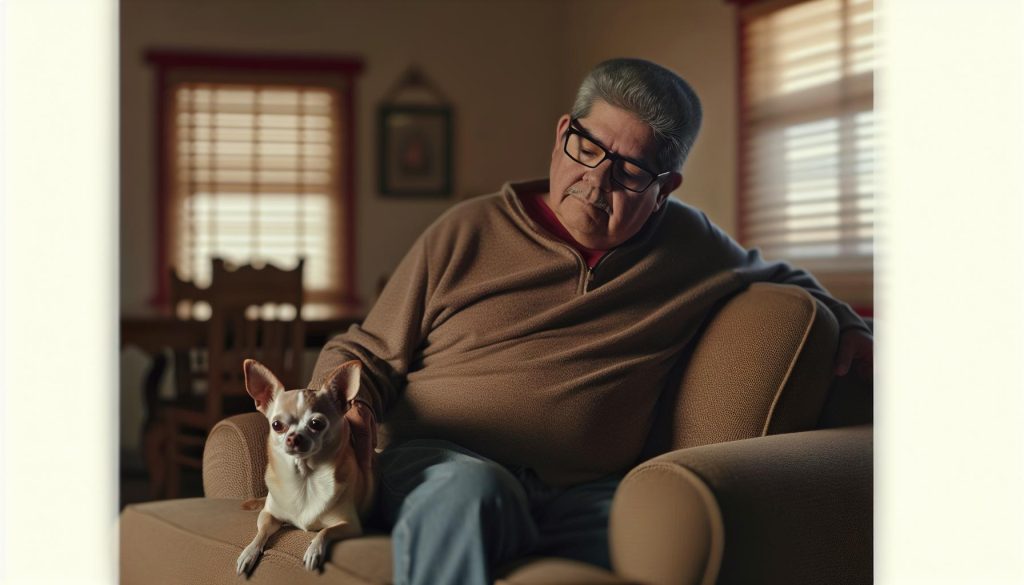
As a proud Chihuahua owner, you may have noticed that these little dynamos have unique health needs, including their vision. Chihuahuas can start to experience vision problems as early as six years of age, making it essential for you to understand the signs and implications of potential blindness. Early detection can significantly improve your furry friend’s quality of life, allowing you to adapt their environment and care accordingly. In this article, we’ll explore the common vision issues Chihuahuas face, including age-related conditions and practical tips to help you support your beloved companion. By recognizing the signs and learning about preventative strategies, you can ensure he remains the vibrant, loyal sidekick he’s always been. Join us as we delve into the vision health of your little buddy-because every Chihuahua deserves to see the world clearly!
What Causes Vision Problems in Chihuahuas?
Chihuahuas, those petite bundles of energy, are unfortunately prone to a variety of vision problems that can arise for several reasons. Understanding what causes these issues is vital for any owner who wishes to provide the best care for their furry companion. Among the most common culprits are genetic predispositions, age-related changes, and certain medical conditions.
Genetic disorders, such as progressive retinal atrophy (PRA), are particularly prevalent in Chihuahuas. This inherited condition leads to the gradual degeneration of the retina, causing significant vision loss that may not be apparent until your Chihuahua is middle-aged. Furthermore, lens luxation, a displacement of the eye’s lens, is more common among Chihuahuas, especially those with a more “apple-headed” appearance. This condition can lead to acute pain and vision impairment if not treated swiftly.
As your Chihuahua ages, the risk of developing cataracts increases, leading to cloudy vision. Chronic inflammation or diseases like diabetes can also contribute to cataract development. Owners should be vigilant about monitoring their pets for signs of diminished eyesight, such as bumping into objects, hesitance in navigating stairs, or changes in their response to familiar commands. Regular veterinary check-ups are essential in identifying these issues early, allowing for timely interventions that can improve your Chihuahua’s quality of life.
It’s important to cultivate an awareness of the potential causes of vision problems to effectively support your Chihuahua’s health journey. By being proactive and observant, you can ensure that your lively companion continues to thrive even when faced with vision challenges.
Recognizing Common Signs of Blindness in Your Chihuahua

Recognizing changes in your Chihuahua’s vision can be crucial for their overall well-being, especially since these little dogs are prone to various eye problems. As a proud Chihuahua owner, you might notice subtle shifts in behavior that hint at potential blindness, allowing you to seek timely veterinary advice. Keep in mind, early detection can lead to better outcomes.
Chihuahuas are known for their vibrant personalities, so changes in their behavior can be one of the first indicators of vision issues. Common signs to watch for include:
- Bumping into objects: If your Chihuahua suddenly seems clumsy or is frequently bumping into furniture or walls, it could be a sign that their sight is impaired.
- Hesitance to navigate: Pay attention if your dog becomes hesitant on stairs or is reluctant to jump off furniture they usually explore with confidence.
- Change in response to familiar commands: If your Chihuahua doesn’t seem to respond as quickly to your voice or familiar sounds, it might indicate a loss of visual cues.
- Increased vocalization: Some Chihuahuas, especially those with a strong bond to their owners, will vocalize more when they feel insecure or cannot see where they are going.
- Rubbing eyes: If your Chihuahua is frequently rubbing their eyes or squinting, this may indicate discomfort or an underlying eye condition.
Additionally, Chihuahuas might develop specific visual behaviors. For instance, they may start following sounds rather than sights, or they might become more clingy, seeking comfort and reassurance from their beloved humans. Being observant and gentle during these changes can maintain your pet’s confidence and quality of life.
By recognizing these common signs, you can take action to help your Chihuahua. Regular veterinary check-ups are essential; your veterinarian can perform comprehensive eye exams to assess vision and health. Don’t hesitate to reach out with your concerns-your keen observations can make a significant difference in your Chihuahua’s happiness and well-being.
How Age Affects Vision Loss in Chihuahuas
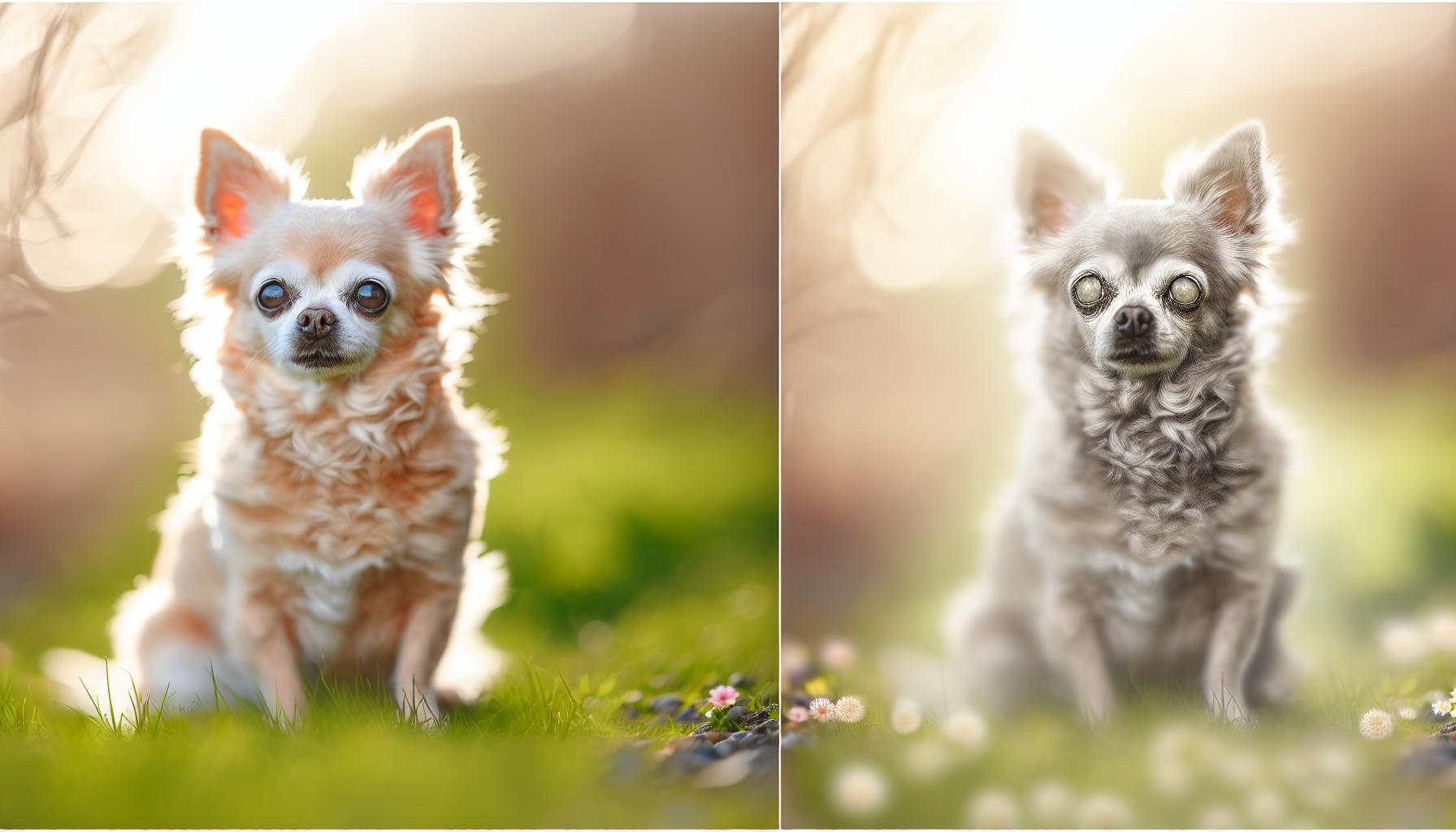
As your beloved Chihuahua ages, it’s not just the silver in their coat that reflects their senior status but also potential changes in their vision. Like many small breeds, Chihuahuas can experience a variety of eye problems as they grow older, leading to conditions that may affect their sight significantly. Understanding how age impacts their vision can help you take proactive steps to maintain your furry friend’s quality of life and address any issues head-on.
Vision problems in Chihuahuas can begin subtly as early as 6 to 8 years of age, often manifesting through gradual changes. For instance, cataracts-a common concern in senior dogs-can develop, leading to cloudiness in the lenses and affecting clarity of vision. It’s crucial to watch for signs such as difficulty seeing at night or an apparent lack of interest in activities that previously excited them, like chasing a toy. Early recognition can make a significant difference; regular veterinary check-ups become vital during this stage. A loving owner shared that noticing her 10-year-old Chihuahua struggling with stairs prompted her to consult with a vet, leading to a diagnosis of early-stage cataracts.
Seniors can also be prone to more specific conditions such as glaucoma and retinal degeneration. These are serious; glaucoma leads to increased pressure in the eyes, resulting in pain and blindness if left untreated. Signs to look for include excessive tearing, squinting, or frequent pawing at the eyes. Likewise, retinal degeneration can cause a progressive loss of vision, and although it’s not curable, understanding its onset can help you create a supportive environment. For example, using rugs to mark pathways in the home can help your visually impaired Chihuahua navigate safely.
In your efforts to adapt to your Chihuahua’s changing vision, consider the importance of their emotional well-being too. Senior dogs may become more anxious or clingy as their vision declines. Maintaining a routine, engaging with them through sound, and keeping a close connection can alleviate stress. These faithful companions thrive on your presence, and keeping their world familiar and comfortable is essential during this transitions. Celebrate their quirks, like that sassy bark when they want your attention, and remember, they remain your loyal friend regardless of the changes in their sight. Always consult your veterinarian about what you observe; they can offer tailored advice, treatments, and support, ensuring your Chihuahua continues to live their best life, no matter their age.
Preventative Care: Protecting Your Chihuahua’s Vision

To ensure your Chihuahua maintains good vision throughout their life, proactive care is essential. Like many small breeds, Chihuahuas are prone to eye issues, so understanding how to protect their precious peepers can help keep them healthy and happy. Regular veterinary check-ups are your first line of defense. Establish a routine-ideally, semi-annual visits-to monitor not only overall health but specifically eye health. Early detection of issues like cataracts or glaucoma can significantly improve the outcome and allow for timely intervention.
Another vital aspect of preventative care is maintaining proper nutrition. A well-balanced diet rich in antioxidants and omega fatty acids can support eye health and general wellness. Consider dog foods that list high-quality ingredients, including vegetables like carrots and blueberries, known for their beneficial properties. Our little companions love treats, so opting for healthy snacks can also contribute to their eye health while satisfying their taste buds.
Creating a safe environment in your home can minimize risks to your Chihuahua’s vision. Keep sharp objects and potential hazards like toxic plants out of reach, and be mindful of their play area to avoid accidental injuries. For example, while their adventurous spirit often leads them to explore, it’s best to supervise them closely in unfamiliar settings, especially outdoors, where branches or debris can pose a danger.
Emotional well-being directly relates to physical health, including vision. Chihuahuas thrive on routine and familiarity. By establishing consistent walking routes and keeping furniture in the same place, you help your furry friend navigate their environment with confidence, reducing the stress that can accompany vision changes. As an example, one owner found that by talking to her Chihuahua frequently while walking through the home, she cut down on her pet’s anxiety, allowing him to adapt more easily to changes.
Lastly, stay informed about Chihuahua-specific eye diseases by connecting with other Chihuahua owners. Sharing experiences and tips can provide insights and camaraderie, reassuring you that you’re not alone in this journey. Remember, fostering a loving, supportive environment while staying vigilant about their vision can help your Chihuahua lead a bright, joyful life.
Treatments for Chihuahuas Facing Vision Problems
For Chihuahuas facing vision problems, timely treatments can make a significant difference in preserving their well-being and quality of life. Many owners report that understanding the specific needs of their visually impaired companions not only helps them adapt but also fosters a deepened bond.
When your Chihuahua begins to show signs of vision loss, the first step is always to visit a veterinarian. The vet may recommend a comprehensive eye exam, possibly referring you to an ophthalmologist who specializes in canine eye health. Depending on the diagnosis, treatments may range from medicinal options to surgical interventions. For instance, if cataracts are the culprit, surgical removal may be recommended to restore their sight. Eye drops or medications might be prescribed for conditions like glaucoma or dry eye, aiding in pain relief and maintaining comfort.
Adapting at Home
Creating an accommodating environment is crucial when your little friend is adjusting to vision changes. Simple alterations can include:
- Minimizing clutter in your home to reduce the risk of injury.
- Keeping paths clear and consistent, so your Chihuahua can move confidently around familiar spaces.
- Using tactile cues-like textured mats or raised edges on stairs-to help guide them safely.
Notably, some owners have successfully utilized harnesses that provide gentle guidance during walks, offering reassurance to their Chihuahuas as they navigate the outdoors. Additionally, employing verbal cues can comfort and guide your pet as you navigate together, reinforcing their confidence in new areas.
Supporting Emotional Health
Remember, your Chihuahua’s emotional state is crucial during this adjustment. Many owners witness a shift in their pet’s anxiety levels after implementing routines and addressing their emotional needs. One owner shared how simple practices-like using a soft, soothing voice to reassure their blind Chihuahua-helped alleviate anxieties during daily activities.
By prioritizing both the medical and emotional aspects of visual impairment, you’ll not only help your Chihuahua cope but also enrich his life, turning every challenge into an opportunity for deeper connection between you both. With love, patience, and proactive care, your bond will flourish no matter the vision challenges ahead.
Living with a Visually Impaired Chihuahua
can be a rewarding experience that deepens the bond between you and your furry friend. Chihuahuas, known for their strong personalities and vocal nature, adapt remarkably well to changes around them, including vision loss. When adjusting to a new normal, it’s important to embrace their unique quirks and provide the right support for their needs.
As you navigate daily life with your visually impaired Chihuahua, creating a safe and familiar environment is essential. Here are some practical tips to help you get started:
- Establish a consistent layout: Keep furniture in the same place so your Chihuahua can memorize his surroundings. This familiarity will help him move around more confidently.
- Use scent and sound: Utilize scented markers or sound cues to guide him in specific areas, especially at doorways or when using stairs.
- Engage with tactile toys: Provide toys with different textures that encourage interaction and keep him mentally stimulated.
Patience is key; your Chihuahua may take some time to adjust. During this transition, consider incorporating training sessions that focus on verbal commands. Descriptive words like “step up” or “back” can help guide him safely in new or unfamiliar spaces, reinforcing his confidence. For example, one Chihuahua owner shared that using a “careful” command before encountering stairs helped her blind pup navigate them more safely.
Being attentive to his emotional needs is equally important. Monitor his reactions to new experiences or environments-if he seems anxious, don’t hesitate to slow down and reassure him with a gentle voice or soothing touch. Creating a routine can also bolster his sense of security. Regular feeding times, walks, and play sessions can significantly enhance his comfort level, helping to ease anxiety that often accompanies vision loss.
By implementing these strategies, you can create a nurturing environment that transforms the challenges of visual impairment into opportunities for connection and growth in your relationship with your Chihuahua. With your love, care, and supportive actions, he can lead a happy, fulfilling life despite his vision challenges.
Chihuahua-Specific Eye Diseases to Watch For
Chihuahuas, with their bold personalities and bright expressions, are prone to specific eye diseases that can impact their vision as they age. Being proactive and informed about these conditions is essential for any devoted Chihuahua owner. Regular veterinary check-ups and being attentive to your Chihuahua’s eye health can make a significant difference in their quality of life.
One common eye issue in Chihuahuas is patellar luxation, where the kneecap dislocates, often causing your pup to avoid certain movements which can stress their eyes. While not an eye disease per se, the stress on their body can lead to issues elsewhere, including ocular health over time. Another prevalent concern is cataracts, which often appear as a cloudy spot on the eye and can develop relatively early compared to other breeds. Early signs include increased sensitivity to light and difficulty in seeing in dim conditions.
Chihuahuas are also susceptible to progressive retinal atrophy (PRA), a hereditary condition where the retina gradually degenerates, leading to blindness. Owners might notice behaviors like increased hesitance in unfamiliar environments or difficulty with agility-related activities. Swift identification is crucial, as early veterinary care can help manage the condition and improve your pup’s quality of life.
Another condition to be aware of is glaucoma, characterized by increased pressure within the eye, which can be painful and lead to vision loss. Symptoms might include excessive tearing, squinting, or a swollen appearance of the eyelids. Keeping an eye out for these signs can ensure you seek treatment before the condition escalates.
Lastly, corneal issues, such as ulcers or scratches, can occur due to their curious nature and small eyes. Regularly checking for tears or discharges can alert you to problems before they worsen. Remember, whether you’re a first-time owner or a seasoned Chihuahua enthusiast, being vigilant about eye health not only shows your love but can also prevent long-term vision problems. Regular veterinary care plays a crucial role in early detection and successful management of these conditions, helping your spirited companion maintain the vibrant life they deserve.
How to Help Your Blind Chihuahua Navigate
Being a small breed, Chihuahuas often rely on their sharp senses to navigate their world. When vision loss occurs, your little companion may need a little help adjusting to their new reality. Understanding their unique behavior can enhance their confidence and security, allowing them to thrive even with impaired sight. Here are some effective strategies to support your blind Chihuahua in navigating their environment.
Establish a Safe Environment
Creating a safe, predictable space is crucial for your Chihuahua. Start by ensuring that the layout of your home remains consistent. Avoid moving furniture around frequently, as this can disorient her and make it difficult to navigate. Use soft barriers, like baby gates, to prevent access to stairs or hazardous areas. Cover sharp corners and remove small items from floor spaces to reduce the risk of injuries. Keeping a familiar scent, like a favorite blanket or toy, in strategic locations can also provide comfort in her surroundings.
Utilize Sound and Scent
Chihuahuas have exceptional hearing and a keen sense of smell, both of which can help them adapt to vision loss. Incorporate auditory cues, such as bells or wind chimes, around the house to signal different areas. You might consider training her to respond to sound commands-using a gentle voice to call her can guide her as she moves around. Additionally, placing her food bowls, water, and toys consistently in the same spots allows her to rely on her sense of smell to find these essentials.
Engage in Gentle Guidance
When introducing your Chihuahua to new areas, take it slow. Gently lead her with a leash or guide her physically by placing your hand on her back. Veterinarians and trainers recommend using a calm, reassuring voice to communicate as she navigates. Sometimes, a little encouragement goes a long way; if she hesitates, invite her forward with a treat or a toy to help her feel secure in moving forward.
Interactive Toys and Enrichment
Keeping your Chihuahua engaged mentally can significantly enhance her quality of life. Invest in toys that respond to touch or sound, stimulating her senses and encouraging play. Puzzle toys that dispense treats can provide motivation while keeping her sharp. Regular playtime and gentle exercise are essential too; walks should be familiar routes where she can use her remaining senses while enjoying their favorite routine.
Remember, every Chihuahua is unique, and some may adapt more quickly than others. With patience and love, you can empower your visually impaired companion to navigate her space confidently while continuing to enjoy life to the fullest.
Tips for Enhancing Quality of Life for Blind Chihuahuas
Chihuahuas are spirited little companions known for their bold personalities and unwavering loyalty. When vision problems arise, often due to age-related conditions like cataracts or progressive retinal atrophy, it can significantly alter their interactions with the world. However, with empathy, care, and a few thoughtful adjustments, you can greatly enhance the daily life of your visually impaired Chihuahua, ensuring they remain happy and feel secure in their environment.
One of the most effective ways to support your blind Chihuahua is by establishing a stable and predictable environment. Chihuahuas are naturally curious, and maintaining a consistent layout in your home can reduce anxiety and help her navigate comfortably. Avoid rearranging furniture frequently and ensure that her favorite spots, like her bed or food area, remain unchanged. You can also create soft barriers-such as rugs or small fences-to help her learn boundaries without feeling trapped.
Utilizing her strong sense of smell and hearing can also be beneficial. Consider placing scented markers around the house-like lavender or chamomile-but ensure they’re safe for dogs. Sonic toys or sound markers can guide her in the right direction. For example, you might place a small bell near her food bowl to assist her in locating it. Training her to respond to vocal cues will further empower her, enabling her to recognize your voice as a guide.
Involving her in interactive play is crucial, too. Puzzle toys and sound-emitting games can stimulate her mind and keep her engaged. These tools not only entertain but also encourage her to explore her environment confidently. Regular walks are great, provided you stick to familiar routes where she can rely on her remaining senses-her nose will appreciate the adventure!
Remember, every Chihuahua is distinct; some may adjust more readily than others, but patience is vital. Share your experiences with other Chihuahua owners-many have stories of adaptation and resilience. With love and understanding, your blind Chihuahua can continue to live a vibrant, fulfilling life despite the challenges of vision loss.
Resources for Chihuahua Eye Health and Support
Providing your Chihuahua with the right resources for eye health and support is crucial, especially as they age and may face vision challenges. As a devoted owner of this spirited breed, you understand how vital it is to keep their playful spirit alive, even when their eyesight begins to fade.
First, regular veterinary check-ups are essential. Keeping your vet informed about any changes in your Chihuahua’s vision can help catch potential problems early. Ask specifically about common conditions like cataracts or progressive retinal atrophy, which are prevalent among Chihuahuas. Many veterinarians also offer eye specialists or referrals to veterinary ophthalmologists for more in-depth examinations.
Incorporating supplements rich in antioxidants, like vitamins A and E, can also contribute to maintaining your Chihuahua’s eye health. Many pet owners have found success with supplements specifically formulated for canine wellness. These can support overall eye function and may prevent some age-related ailments. Always consult with your veterinarian before starting any new supplement regimen.
Another valuable resource is online communities and forums dedicated to Chihuahua care. Engaging with fellow owners can provide shared experiences, tips, and emotional support. You’ll find stories about navigating the challenges of blindness and creative ways other owners have enhanced their pets’ lives. Connecting with others who understand the unique traits of Chihuahuas can be incredibly enriching.
Helpful Resources:
- Veterinary Ophthalmologists: For specialized care, consider finding a local veterinary ophthalmologist who can provide insights into specific eye conditions.
- Chihuahua Health Forums: Websites and social media groups can be great places to share information and resources.
- Pet Supply Stores: Look for eye care products and supplements that cater specifically to dogs, especially those tailored for older pets.
- Books on Dog Care: Find literature focused on Chihuahua health to further educate yourself about potential eye problems and preventative care.
Maintaining your Chihuahua’s quality of life requires a proactive approach. By leveraging these resources, you can equip yourself with the knowledge and support necessary to navigate the complexities of vision care in Chihuahuas, ultimately ensuring they continue to thrive, even in their twilight years.
Owner Experiences: Stories of Blind Chihuahuas
As the years roll on, many devoted Chihuahua owners notice the signs of fading vision in their beloved companions. Stories from fellow owners reveal a heartwarming journey of adaptation and resilience. For instance, Sophie, a spirited apple-head Chihuahua, began to show signs of cataracts at the age of six. Initially, her owner, Lisa, was taken aback by the sudden changes in Sophie’s behavior. She started bumping into furniture and seemed hesitant during walks. However, instead of despair, Lisa chose to embrace the situation by making her home safe and more navigable for Sophie. She rearranged furniture, eliminated clutter, and utilized soft beddings so that her little friend could feel more secure.
Another touching experience comes from Tom, whose long-haired Chihuahua, Max, was diagnosed with progressive retinal atrophy at eight. Max became increasingly reliant on his acute sense of smell and hearing. Tom adapted by using sound cues around the house. He introduced toys that made noise and placed bells near frequently-used items. This not only helped Max navigate but also made playtime more engaging. “He’d chase after those squeaky toys just as enthusiastically as before,” Tom shared. This adaptation showcases the resilience of Chihuahuas and the deep love owners have for them, turning a difficult situation into an opportunity to bond even closer.
Owners have also shared how visual aids can greatly enhance the quality of life for Chihuahuas experiencing vision loss. A community member reported using brightly colored harnesses for her blind Chihuahua, Bella, which made her easier to spot during outdoor adventures. This simple change not only aided visibility but also encouraged more outings, which is essential for physical and mental health.
Connecting with other Chihuahua owners in online forums has proven invaluable, too. Many share tips on everything from training techniques to products that can assist visually impaired dogs. These shared experiences foster a sense of community and remind us that, despite the challenges, there are countless ways to enrich the lives of our beloved Chihuahuas, keeping their spirited personalities alive, even as their vision dims.
Questions to Ask Your Veterinarian About Vision Health
When it comes to ensuring your Chihuahua’s eye health, asking the right questions at the veterinarian can make all the difference. Vision problems can be common in Chihuahuas, especially as they age. Engaging with your vet about your furry friend’s eyesight not only shows your commitment to their health but can also help you detect issues early.
To start, consider asking how often should I have my Chihuahua’s eyes examined? Regular check-ups are crucial, particularly for seniors. Your vet will recommend an appropriate frequency based on your Chihuahua’s age and health status. Keep an eye out for questions regarding typical age-related changes in eyesight, such as cataracts, which can develop as early as six years in Chihuahuas, just as it did with Sophie, the apple-head Chi mentioned previously.
You might also inquire about specific signs of vision loss to monitor at home. Owners often overlook subtle changes, such as hesitation to jump or navigate new environments. Encouragingly, many Chihuahuas adapt remarkably well to vision changes, relying more on their other senses. Asking your vet about sensory stimulation activities can help keep your spirited companion engaged and happy despite any vision challenges.
Next, consider discussing chihuahua-specific eye diseases like progressive retinal atrophy (PRA). Ask your vet what tests are available to diagnose such conditions early. Knowledge is power, and understanding the possible vision-related issues your Chihuahua might face empowers you to take proactive steps.
Lastly, don’t hesitate to seek advice on preventative care techniques. For instance, ask about dietary supplements or specific foods that support eye health, as nutrition can play a role in maintaining vision.
Your veterinarian will appreciate your proactive approach and can tailor their recommendations to suit your Chihuahua’s specific needs. By having these discussions, you’ll be more equipped to support your furry friend through the ups and downs of their vision health.
Frequently asked questions
Q: What are the early signs of vision problems in Chihuahuas?
A: Early signs of vision problems in Chihuahuas include bumping into furniture, difficulty navigating stairs, and excessive squinting or tearing. If your Chihuahua appears disoriented or reluctant to explore new environments, it may be time to consult your veterinarian. For more on recognizing signs, see “Recognizing Common Signs of Blindness in Your Chihuahua.”
Q: At what age do Chihuahuas typically start experiencing vision loss?
A: Chihuahuas can start experiencing vision loss as early as 6 to 8 years old. However, some may show symptoms even earlier due to genetic predispositions. Regular veterinary check-ups can help monitor your dog’s vision health. Learn more in “How Age Affects Vision Loss in Chihuahuas.”
Q: Can diet affect my Chihuahua’s eye health?
A: Yes, a nutrient-rich diet can significantly influence your Chihuahua’s eye health. Foods high in antioxidants, Omega-3 fatty acids, and vitamins A and E can promote better vision and overall health. Consider discussing dietary options with your vet to ensure optimal eye health for your furry friend.
Q: Are certain Chihuahua breeds more prone to blindness?
A: Yes, specific Chihuahua types, like the apple-head Chihuahua, may be more prone to eye conditions such as cataracts and glaucoma. Understanding breed-specific risks is crucial for preventive care. Refer to our section on “Chihuahua-Specific Eye Diseases to Watch For” for more info.
Q: How can I help my blind Chihuahua adjust to vision loss?
A: To help your blind Chihuahua adjust, maintain a consistent environment, avoiding furniture rearrangement. Use auditory and tactile cues to assist them in navigating. Create a safe space with familiar scent markers. For more tips, check the section “How to Help Your Blind Chihuahua Navigate.”
Q: What should I do if I suspect my Chihuahua is going blind?
A: If you suspect your Chihuahua is going blind, schedule a visit with your veterinarian immediately. They can diagnose the problem and discuss treatment options, ensuring your furry friend maintains the best quality of life. For questions to ask your vet, refer to “Questions to Ask Your Veterinarian About Vision Health.”
Q: Are there any treatments available for vision problems in Chihuahuas?
A: Yes, treatment options for vision problems in Chihuahuas can include medications, surgery, or lifestyle adjustments. Early detection and treatment can lead to better outcomes, so consult your veterinarian as soon as you notice any signs. More treatment insights can be found in “Treatments for Chihuahuas Facing Vision Problems.”
Q: What are common vision diseases in Chihuahuas?
A: Common vision diseases in Chihuahuas include cataracts, glaucoma, and progressive retinal atrophy (PRA). Regular vet visits can help detect these issues early. Discover more in our section “Chihuahua-Specific Eye Diseases to Watch For” to better understand these conditions.
Future Outlook
As a devoted Chihuahua owner, understanding your furry friend’s vision is essential for their health and happiness. Remember, while many Chihuahuas may experience vision changes, early detection and timely veterinary care can make a world of difference. If you’re concerned about your Chihuahua’s eyesight or behavior, don’t hesitate to consult your veterinarian for personalized advice.
To further support your Chihuahua’s wellbeing, explore our articles on grooming tips for Chihuahuas or how to recognize signs of anxiety in your tiny companion. Stay informed and proactive in your care routine-your little one counts on you! For more insightful tips and community advice, consider signing up for our newsletter, where you can connect with fellow Chihuahua lovers and share your experiences. Together, let’s ensure your beloved pet continues to thrive in every aspect of life!
Get our latest guides, news, and insights highlighted in your Google Search & AI Overviews.