
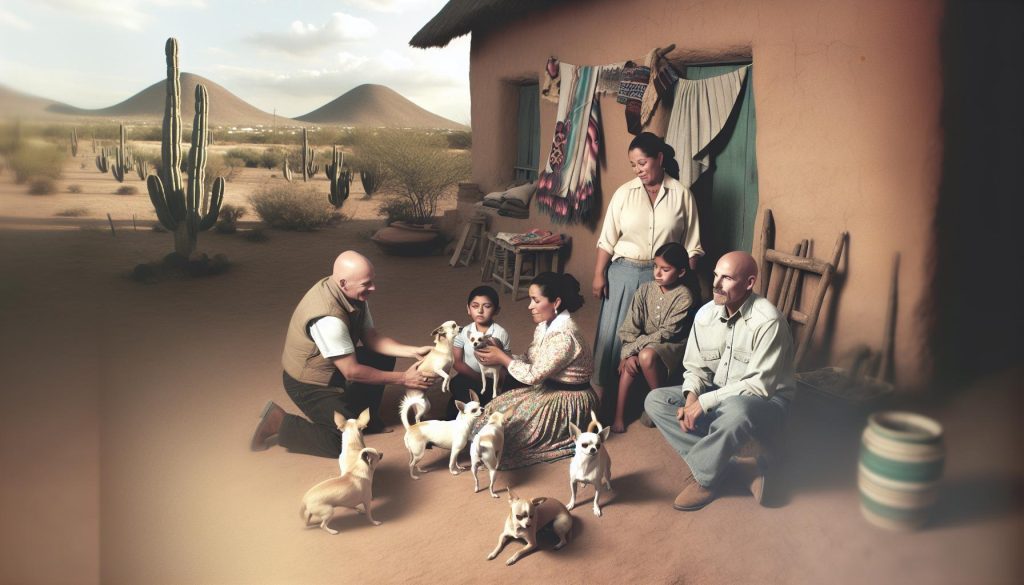
Did you know that Chihuahuas are one of the oldest dog breeds in the Americas? Originating from the highlands of Mexico, these tiny yet bold companions have captured the hearts of many with their vibrant personalities and unwavering loyalty. As a proud Chihuahua owner, you might be curious about the rich history and cultural significance behind this charming breed. Understanding their origins not only deepens your connection to your furry friend but also helps you appreciate their unique behaviors and care needs. Whether you’re a new owner or have loved Chihuahuas for years, learning about their roots can enhance your experience and enrich the bond you share. So, let’s explore where these spirited little dogs come from and what makes them truly special.
The Fascinating History of the Chihuahua Breed
The Chihuahua breed, renowned for its tiny stature yet bold personality, has origins steeped in rich cultural history. Thought to descend from the Techichi, an ancient companion dog of the Toltec civilization in Mexico, Chihuahuas were held in high esteem, believed to guide souls in the afterlife. Archaeological evidence suggests that these dogs have been companions for humans for over a thousand years, embodying both loyalty and the essence of Mexican heritage.
Interestingly, the modern Chihuahua as we know it began to gain recognition in the early 20th century, particularly following the discovery of these dogs in the Mexican state of Chihuahua. Their charm quickly captivated dog fanciers and they became popular not just in Mexico but globally. Today, the breed is cherished not only for its adorable size but also for its vibrant personality. Many owners love to showcase their Chihuahuas in local dog shows or community events, celebrating their regality in miniature form.
As you explore the characteristics of Chihuahuas, you’ll find that these dogs are more than just accessories or cute pets; they are spirited companions that require understanding and care. Their vocal nature and fierce loyalty can sometimes be misunderstood, leading to misconceptions about their temperament. When well-socialized, they thrive in various environments, displaying confidence and charm that can win over even the most reluctant dog lover.
In embracing a Chihuahua, you are welcoming a piece of living history into your home-a dog with a storied past that continues to warm hearts and create unforgettable connections. Whether you’re a first-time dog owner or a seasoned pet parent, understanding this breed’s legacy will enhance your experience and foster a deeper bond with your furry friend.
Key Traits of the Chihuahua: Size and Coat Variations
Chihuahuas embody a captivating combination of size and variety that enchants dog lovers around the globe. These diminutive canines typically weigh between 2 to 6 pounds and stand about 6 to 9 inches tall, making them one of the smallest dog breeds. Yet, don’t let their tiny stature fool you; Chihuahuas carry a bold personality that often outshines their size. From their confident stance to their lively nature, these dogs demonstrate that good things really do come in small packages.
When it comes to coat variations, Chihuahuas exhibit an impressive diversity. They can be classified mainly into two coat types: smooth (short-haired) and long-haired. The smooth coat is sleek and shiny, requiring minimal grooming, while the long-haired variety features a soft, flowing coat that may need more regular brushing to avoid tangles and mats. Additionally, Chihuahuas come in an array of colors and patterns, including fawn, chocolate, black, white, and a delightful mix of these shades, giving owners a fantastic selection to choose from.
Another key trait distinguishing Chihuahuas is their head shape-primarily falling into two categories: apple-head and deer-head. The apple-head Chihuahua boasts a rounded skull and a more pronounced stop, creating that classic “cute” appearance often associated with the breed. In contrast, the deer-head type features a more elongated face and a less pronounced stop, resembling a miniature deer. Both types exhibit the same spirited personality, but their unique looks cater to different aesthetic preferences among owners.
Ultimately, understanding the size and coat variations of Chihuahuas contributes greatly to your overall experience with this remarkable breed. Their varied appearances and vibrant characters make them cherished family members and iconic cultural symbols. Embrace your Chihuahua’s unique traits-both big and small-and you’ll discover an irreplaceable companion filled with love and quirks that keep life interesting.
Understanding Chihuahua Behavior: What Makes Them Unique?
Chihuahuas are remarkable little dogs, known for their big personalities and unique behaviors that often surprise first-time owners. With their roots tracing back to Mexico, these spirited companions exhibit a boldness that belies their small size. One of the defining traits of Chihuahuas is their loyalty; they are known to form strong bonds with their humans, often becoming fiercely protective. Many owners will tell you that their Chihuahuas are like shadows, following them from room to room, always eager to be part of the action.
These tiny canines also possess a surprisingly vocal nature. Don’t be alarmed if your Chihuahua seems to have a lot to say-barking is part of their charm! They are often quick to alert you to any perceived danger, whether it’s a passing car or a mail carrier, showcasing their protective instincts. While this can be endearing, it’s important for owners to guide their Chihuahuas on when it’s appropriate to bark. Establishing boundaries early on can help manage excessive vocalization.
Chihuahuas are known for their strong will, which can be both a challenge and a delight. Their independent streak means they often require training that emphasizes positive reinforcement. Socialization is crucial, as these dogs can be wary of strangers or larger dogs if not properly introduced. Regularly exposing your Chihuahua to new experiences-like meeting fellow dogs or visiting busy places-can help them develop a more balanced temperament. Owners frequently share stories of their Chihuahuas quickly adapting to new environments, exhibiting a resilience that speaks to their heritage.
Ultimately, understanding the behavior of Chihuahuas involves appreciating their spirited nature and unique quirks. They thrive in environments that offer mental stimulation and affection. Engaging in activities such as interactive games or training sessions can enhance their happiness while strengthening the bond you share. When embraced for who they are, Chihuahuas reveal themselves as loving companions full of character and joy.
Essential Care Tips for Your Chihuahua’s Health
Chihuahuas may be small in size, but they have big hearts and even bigger health needs. These affectionate companions require attentive care to thrive, especially given their unique characteristics and genetic predispositions. Understanding your Chihuahua’s health means not just addressing immediate needs, but also committing to a long-term wellness plan that includes regular vet visits, proper nutrition, and mental stimulation.
One fundamental aspect of caring for Chihuahuas is their diet. Due to their tiny stature, it’s crucial to provide high-quality dog food that is appropriately portioned. Many owners recommend feeding a balanced diet rich in protein, as Chihuahuas are prone to obesity if overfed. It’s often beneficial to offer a mix of wet and dry food, not only for nutrition but also to keep mealtimes interesting. Make sure to monitor their weight regularly; a few extra pounds can significantly impact their overall health.
Routine Veterinary Care
Routine check-ups with a veterinarian are essential. Chihuahuas are susceptible to specific health issues such as patellar luxation, dental problems, and heart conditions. Regular dental cleanings and check-ups can prevent serious issues down the line, as these small dogs often struggle with oral health due to their compact mouths. Additionally, keeping up with vaccinations and flea, tick, and heartworm prevention is crucial for their health, especially if you live in areas where these pests are prevalent.
Creating a Safe Environment
Safety is another critical component of health for Chihuahuas. Given their small size, they are more vulnerable to injuries. Create a safe home by removing hazards and ensuring that they have a secure space to play and roam. Consider using baby gates to limit their access to stairs or areas where they could easily get hurt. Providing them with a cozy bed and safe toys helps them feel secure and comfortable.
Mental and Physical Stimulation
Chihuahuas are intelligent and active, which means they need both mental and physical stimulation to stay healthy and happy. Engage your dog with puzzle toys, interactive games, and short training sessions. These activities not only aid in their mental development but also strengthen the bond between you and your pup. Daily walks are also essential, even though they may only need a brief stroll around the block. This helps keep them physically fit and allows them to explore their surroundings-a great way to satisfy their curiosity.
Taking these proactive measures ensures that your Chihuahua not only lives a longer life but also enjoys it fully, filled with wagging tails and happy moments together. Embrace their quirks, and remember that each small step you take in caring for their health can lead to a more vibrant, joyful life for both of you.
Training Your Chihuahua: Start Early for Best Results
Chihuahuas are not just cute companions; they’re intelligent little beings with big personalities. Unfortunately, their spirited nature can occasionally lead to challenges in training if not addressed early on. Starting training when your Chihuahua is a puppy, preferably between 8 to 16 weeks old, can set the foundation for good behavior that lasts a lifetime. Like many dog breeds, Chihuahuas respond best to positive reinforcement techniques. This means rewarding your pup with treats, praise, or play for good behavior rather than punishing them for misdeeds. The goal is to create a learning environment that is enjoyable for both of you.
As tiny as they are, Chihuahuas often have a fearless attitude. This boldness can make them prone to little dog syndrome if they’re not taught boundaries early. For example, socializing your Chihuahua with other dogs, animals, and a variety of people can help them become well-adjusted adults. Frequent exposure to new experiences also builds their confidence and helps diminish fears that could lead to behavior issues down the line. Remember, keeping training sessions brief and fun-around 5 to 10 minutes, several times a day-will keep your Chihuahua engaged and less likely to lose interest.
Consistency is crucial in training. Use the same commands for behaviors and ensure all family members are on the same page to avoid confusion. A fun trick to teach your Chihuahua is “sit” using a treat. Hold the treat close to her nose, then slowly move your hand upward. As her head follows the treat, her bottom will lower. Once she’s in a sitting position, say “sit,” give her the treat, and offer lots of positive reinforcement. This simple trick not only gives your Chihuahua a sense of accomplishment but also promotes good manners.
Lastly, always remember the unique traits of the breed when training. Chihuahuas can be vocal and may express their displeasure. Training should include teaching them when it’s appropriate to bark. Teaching commands like “quiet” can be particularly useful. With patience, love, and early training, your Chihuahua can become a happy, well-behaved member of your family, ready to flaunt their vibrant personality without the unwanted behaviors.
The Chihuahua’s Role in Mexican Culture and Folklore
The Chihuahua, a breed that often embodies the bold spirit of Mexico, holds a significant place in the country’s culture and folklore. Believed to be descendants of the ancient Techichi dogs revered by the Toltec civilization, Chihuahuas have long been associated with mystical beliefs and cultural symbolism. Historical accounts suggest that these tiny companions were not just pets; they were thought to possess spiritual connections and often accompanied their owners in life and in death, symbolizing loyalty and protection in the afterlife.
In contemporary Mexico, Chihuahuas have come to symbolize national pride, often illustrated in art and popular culture. They are recognized worldwide, not only because of their petite stature but also their vibrant personalities-loyal, vocal, and undoubtedly charming. This breed’s representation in media, from movies to social media, has further solidified its status as a cultural icon. For instance, you might find them adorning everything from souvenirs to street art, showcasing the breed’s integral role in the country’s identity.
Mexican folklore also celebrates the Chihuahua through various legends. One such tale suggests that the spirit of the dog is believed to guide the souls of the deceased. This connection to mythology emphasizes the breed’s deep roots in Mexican heritage, where Chihuahuas are more than just companions-they represent a link to ancestral traditions and values. Moreover, during cultural festivities, you might see Chihuahuas as part of traditional attire or even in parades, highlighting their importance as beloved family members.
For anyone considering a Chihuahua, understanding their rich background can deepen the bond with these lively little dogs. Whether you’re drawn to their cuteness or their spirited nature, remember that you’re welcoming a breed with a profound cultural legacy into your home. They carry tales of loyalty, companionship, and a vibrant heritage-a perfect fit for those who appreciate not just the pet but the history they represent. Embrace the quirks of your Chihuahua, and you’ll find yourself not only with a charming companion but also a slice of Mexican culture right by your side.
Comparing Different Chihuahua Types: Apple-Head vs. Deer-Head
When pondering the delightful little Chihuahua, many enthusiasts encounter a crucial distinction: the Apple-Head and the Deer-Head. Each type brings its unique charm, making the choice all the more exciting for potential owners. Both are loved for their bold personalities and compact size, but they differ considerably in appearance and temperament, which can influence the owner’s experience and lifestyle.
The Apple-Head Chihuahua is easily identified by its rounder skull and pronounced, apple-like shape. This head structure generally lends a more delicate and expressive face, often associated with a sweet demeanor. On average, Apple-Head Chihuahuas may exhibit more pronounced temperamental traits, such as being highly vocal and affectionate, craving close companionship. They may also be a bit more sensitive, making them particularly responsive to their owner’s emotions and environment. Given their gentle nature, they often thrive in quieter households where they can be the center of attention.
In contrast, Deer-Head Chihuahuas, named for their resemblance to a deer due to a longer muzzle and a more tapered skull, tend to be slightly larger and sturdier. They are typically known for their playful, outgoing personalities. Owners often find that Deer-Head Chihuahuas are a bit more adventurous and social, making them great companions in family settings or environments where they can interact with other pets and people. Their lively spirit can sometimes translate into a higher activity level, so regular play and socialization are key to their happiness.
Both types are equally loving and loyal, embodying the bold spirit of their lineage. Regardless of whether you choose an Apple-Head or a Deer-Head, understanding these subtle differences can enhance the bond you share. Each dog brings a slice of Chihuahua heritage and personality into your life, and knowing your preferences regarding activity levels and temperament will help ensure a perfect fit for your family dynamic. Embrace their quirks, and you’ll find not just a pet, but a vibrant character who enriches your daily adventures.
Common Health Issues in Chihuahuas and Prevention Strategies
Chihuahuas may be small, but their health needs are significant, reflecting their rich origins and unique traits. As a breed known for their vibrant personalities, Chihuahuas come with specific health considerations that every owner should keep in mind. For instance, their delicate bone structure makes them particularly susceptible to certain issues like patellar luxation, where the kneecap dislocates. This condition is more common in small breeds and can lead to mobility issues if not addressed promptly.
Another health concern is heart disease, especially in older Chihuahuas. They are prone to conditions such as mitral valve disease, so regular veterinary checkups are essential. This can include heart auscultation and possibly an echocardiogram to monitor their heart health. Early detection is key in managing any issues; many owners have successfully navigated health scares by maintaining routine vet visits and keeping a watchful eye on their pet’s behavior and energy levels.
Chihuahuas also face dental problems, often due to their small mouths and crowded teeth. A proper dental care regimen is vital-consider regular teeth brushing at home combined with professional cleanings. Many owners notice a marked improvement in their Chihuahua’s breath and overall health with diligent dental care. Additionally, keep an eye on their unique eye structure; Chihuahuas can suffer from patellar luxation and even eye diseases like corneal dystrophy.
To help keep your Chihuahua healthy, you can implement several practical prevention strategies:
- Regular Vet Visits: Schedule annual checkups to catch any early signs of health issues.
- Balanced Diet: Feed high-quality dog food appropriate for small breeds to maintain optimal weight and nutrition.
- Dental Hygiene: Incorporate tooth brushing and dental chews as part of their routine care.
- Exercise: Engage your Chihuahua in daily play and short walks to keep them fit and happy.
- Socialization: Encourage interaction with other dogs and people to foster emotional well-being.
Ultimately, understanding the common health issues that affect Chihuahuas and implementing preventative measures can significantly enhance your pet’s quality of life. Being proactive and informed ensures that your loyal companion will remain the spirited character you adore for many years to come.
Grooming Your Chihuahua: Maintaining Their Signature Look
Chihuahuas are known for their striking personalities and iconic looks, which can vary significantly based on their unique coat types and physical characteristics. Grooming your Chihuahua is an essential part of keeping her appearance sharp while also ensuring her overall health and happiness. Regular grooming helps eliminate loose hair, reduces the risk of skin infections, and allows you to bond with your furry friend during the process.
For Chihuahuas with short coats, a simple brushing once a week is usually sufficient. This helps remove loose fur and keeps their coat looking sleek. For those with long hair, more frequent grooming is necessary-ideally, a few times a week to prevent matting. A soft-bristle brush or a greyhound comb works well for most Chihuahuas, and be sure to pay extra attention to areas prone to tangles, such as behind the ears and the legs. During groomings, it’s also a good opportunity to check your pet for any skin irritations or abnormalities.
Bathing is another critical aspect of grooming, but it’s essential not to overdo it, as frequent baths can strip their coats of natural oils. Aim for a bath every month or as needed, especially if she gets into something dirty. Use a high-quality dog shampoo designed for sensitive skin to avoid any irritations. After bathing, dry her thoroughly, as Chihuahuas can get cold quickly, especially when their coats are wet.
Dental Care
Chihuahuas are particularly prone to dental issues, so regular dental care is important. Establish a routine of tooth brushing at least two to three times a week using a vet-recommended toothpaste. Additionally, providing dental chews can help keep her teeth clean and breath fresh.
Nail Trimming and Ear Care
Don’t forget about her nails-keep them trimmed to prevent discomfort and potential injury. Depending on her activity level, every three to four weeks should suffice. Reputable dog nail clippers or a grinder can be useful for this task. Finally, check her ears regularly; Chihuahuas can be prone to ear infections. If her ears appear dirty, a gentle wipe with a vet-approved ear cleaner can keep them healthy.
Incorporating these grooming practices into your routine not only maintains your Chihuahua’s signature look but also reinforces your bond. Regular grooming sessions can be a lovely time to connect, filled with affection, gentle handling, and the joy of keeping your Chihuahua healthy and happy.
The Chihuahua’s Diet: Nutrition for a Happy Life
A well-balanced diet is crucial for keeping your Chihuahua happy and healthy. These tiny members of the dog family may be small in stature, but they have big personalities and specific nutritional needs that must be met to thrive. Understanding what fuels your little friend is essential, particularly since Chihuahuas can be prone to certain health issues that diet can influence.
Chihuahuas typically need a diet that is rich in high-quality protein to support their active lifestyle. Look for dog foods where the first ingredient is a named meat, such as chicken, beef, or fish. This is especially important for the apple-head variety, who may have a tendency toward dental problems; a protein-rich diet helps keep their energy levels up without putting excess strain on their small bodies. You might consider feeding a mix of both dry kibble and wet food to enhance flavor and moisture.
Portion Control
Chihuahuas are notorious for their petite size, but they often don’t realize their limitations. It’s vital to manage portion sizes carefully to prevent obesity, which can exacerbate any underlying health issues. Generally, your Chihuahua may only need about a third to half a cup of high-quality dog food daily, divided into two meals. Always consult your veterinarian for tailored advice, especially if your furry friend has specific health considerations.
Fresh Fruits and Vegetables
Including fresh fruits and veggies in your Chihuahua’s diet can provide additional nutrients and help keep mealtime exciting. Safe options include carrots, blueberries, and apple slices (just be sure to remove the seeds). These can serve as healthy treats or meal toppers that are not only tasty but also beneficial for his overall health.
Hydration is Key
Don’t forget the importance of hydration. Always provide fresh water, as Chihuahuas can be prone to urinary issues. If you notice your pet is less interested in drinking, consider adding a bit of low-sodium chicken broth to his water or even mixing in some wet food to increase his water intake.
By prioritizing these dietary needs, you’ll be setting the foundation for a happy and vibrant life for your Chihuahua. Remember to watch for any signs of food allergies or intolerances, such as vomiting or skin irritations, and adjust their diet accordingly. Every little baby is unique, and finding what works best for your Chihuahua can be a rewarding journey. A well-fed Chihuahua is a happy Chihuahua, so invest the time to nourish him right!
Socializing Chihuahuas: Making Friends and Learning Skills
Socializing your Chihuahua is a rewarding journey that enriches both your dog’s life and your relationship with them. These spirited little companions, known for their bold personalities and fierce loyalty, thrive on social interactions. In fact, proper socialization is crucial for ensuring they grow into well-adjusted adult dogs. Chihuahuas, with their small stature and big attitude, can easily become overwhelmed in unfamiliar environments. To help them flourish socially, start by exposing them to various people, pets, and settings in a controlled manner.
Begin the socialization process early. Puppies, particularly those from the apple-head variety, are naturally more receptive to new experiences during their early months. Enroll them in puppy kindergarten classes where they can learn essential skills while interacting with other dogs. These classes are great places for Chihuahuas to practice their social skills in a positive and structured environment. For example, one owner discovered that their typically shy apple-head Chihuahua blossomed into a confident little greeter at the local dog park after several weeks of lessons.
Varying the types of interactions your Chihuahua experiences is key. Take walks in different neighborhoods, visit pet-friendly cafés, or attend local pet events. Always supervise these interactions, as Chihuahuas can be vocal and fiercely protective of their beloved humans. It’s important to encourage positive behaviors with treats and praise when your Chihuahua responds well to new experiences or meets new friends. For instance, if your Chihuahua approaches another dog without barking or showing signs of anxiety, reward him immediately with a small treat or some affectionate praise.
Fostering social skills at home can also be effective. Invite friends over to meet your Chihuahua, ensuring everyone knows to approach gently. You can also practice playdates with other small dogs, which can provide a safe space for your Chihuahua to learn and play without feeling intimidated by larger breeds. Keep in mind that patience is vital; each Chihuahua has a unique personality, and some may take longer to warm up than others. Celebrate small victories along the way, as these milestones lay the groundwork for a happy and sociable canine companion who can confidently navigate the world around them.
Finding the Right Home for Your Chihuahua’s Needs
Finding the perfect environment for your Chihuahua can make all the difference in ensuring their happiness and well-being. These little pups, known for their bold personalities and unwavering loyalty, thrive in spaces that cater to their unique needs. When considering the right home for your Chihuahua, think about both physical space and social aspects-both are crucial for enriching your dog’s life.
Chihuahuas are small but mighty, which means your living arrangement should accommodate their lively spirit. Ideally, they flourish in apartments or homes without too much vastness. A cozy nook with safe areas for exploration will keep them snug and secure. Ensure your home is free from hazards like small objects they might swallow, sharp edges, and toxic plants. Additionally, a small yard or a nearby park for regular walks and playtime is a fantastic bonus, as it allows them to engage with their surroundings safely.
Chihuahuas, especially those with an apple-head, can be territorial and may require a proper introduction to new environments and people. If you’re in a bustling neighborhood, consider how your dog will adjust to noises and strangers. A quieter setting might suit a timid Chihuahua better. Parents have noted that their shy apple-head Chihuahua transformed into a confident little greeter after a few weeks in a calm, loving home environment that prioritized slow introductions.
Another factor to assess is companionship. Chihuahuas are known for their strong bonds with their humans and can develop separation anxiety if left alone for too long. If you work long hours, think about adopting another pet or ensuring your Chihuahua has plenty of stimulation through toys, puzzle games, and interactive play. Engaging with them often fosters their emotional well-being and reduces anxiety. Training them alongside a sibling can also create a harmonious existence, as they learn from one another while building social skills.
In summary, creating an ideal living situation for your Chihuahua involves addressing their need for safety, social interaction, and companionship. By considering these key factors, you ensure that your bold little friend has a happy and fulfilling life in your home.
Frequently asked questions
Q: What are the origins of the Chihuahua breed?
A: The Chihuahua breed originates from Mexico, where it was discovered in the state of Chihuahua. They are believed to descend from the Techichi, a small companion dog kept by the ancient Toltec civilization. This rich history contributes to their unique personality and cultural significance in Mexican folklore.
Q: Why are Chihuahuas considered a symbol of Mexican culture?
A: Chihuahuas are considered a symbol of Mexican culture because of their historical ties to ancient civilizations and their prevalence in Mexican art and folklore. Their small size and bold personality embody the spirit of Mexico, making them cherished in the lives of many locals.
Q: How did the Chihuahua breed get its name?
A: The Chihuahua breed got its name from the Mexican state of Chihuahua, where they were first recognized as a distinct breed. The name reflects both their geographical roots and their unique identity as beloved companions.
Q: What role do Chihuahuas play in Mexican folklore?
A: In Mexican folklore, Chihuahuas are often depicted as guardians of the spirit world. They are believed to accompany their owners in the afterlife, making them revered animals in both cultural tales and traditions, which adds to their uniqueness.
Q: Are there different types of Chihuahuas based on their origins?
A: Yes, there are two main types of Chihuahuas: Apple-Head and Deer-Head, which vary in head shape and size. Despite their differences, both types share the same Mexican heritage and exhibit similar traits, though preferences for each variety often vary among owners.
Q: What are some common misconceptions about Chihuahuas’ origins?
A: A common misconception is that Chihuahuas are a newly bred dog. In reality, they have a long history dating back to ancient Mexico. Additionally, some believe they are purely lap dogs, whereas they were originally bred for companionship and as working dogs.
Q: What are key cultural myths surrounding the Chihuahua?
A: Key cultural myths include the belief that Chihuahuas bring bad luck or are aggressive. In truth, these small dogs can be affectionate and loyal companions. Their behavior largely depends on socialization and training, highlighting the importance of understanding the breed’s true nature.
Q: How can one celebrate the Chihuahua’s Mexican heritage?
A: You can celebrate the Chihuahua’s heritage by participating in local events such as Chihuahua races or festivals. Additionally, incorporating traditional Mexican customs into your pet’s care can enhance their connection to their cultural roots, including special foods or honoring their historical significance.
Wrapping Up
Understanding where Chihuahuas come from enriches your bond with these bold and beautiful companions. As you explore their unique traits-like their distinct apple-head shape and lively personalities-remember that their health, behavior, and care are paramount. If you’re eager to dive deeper into the world of Chihuahuas, check out our guides on nutrition and training tips to ensure your little one thrives.
Don’t wait to enhance your Chihuahua’s life-subscribe to our newsletter for the latest insights and connect with fellow enthusiasts. Share your thoughts in the comments below or browse our other articles about Chihuahua grooming and socialization techniques. Your journey with this remarkable breed deserves all the knowledge and support available. Let’s keep celebrating their quirks together!
Get our latest guides, news, and insights highlighted in your Google Search & AI Overviews.