
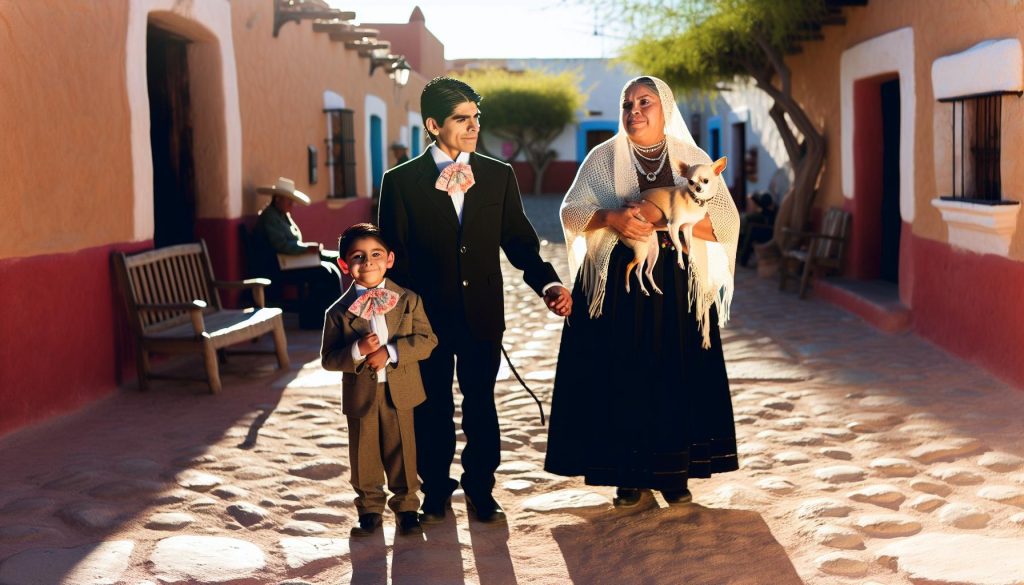
Did you know that the Chihuahua is one of the oldest dog breeds in the Americas, tracing its roots back to ancient civilizations? These tiny, bold companions not only bring joy into our lives but also carry a rich cultural history encapsulated in their geographical origins. Understanding where Chihuahuas come from is essential for appreciating their unique traits and needs. Whether you’re a first-time owner or a seasoned Chihuahua enthusiast, delving into the history of these vocal, loyal dogs will deepen your connection to them. In this article, we’ll explore the geographical origins of Chihuahuas, revealing how their past influences their behavior, health, and care requirements today. Join us on this journey to discover not just where your little friend comes from, but how that heritage shapes the vibrant personality you adore. Your Chihuahua is not just a pet; he is a living link to a fascinating lineage that deserves recognition and understanding.
The Rich History of the Chihuahua Breed
The Chihuahua breed boasts a fascinating and rich history that connects deeply with the heart of Mexico. Originating from a lineage that dates back thousands of years, these tiny dogs are believed to be descendants of the Techichi, a companion dog cherished by ancient Mesoamerican civilizations such as the Toltecs and the Aztecs. Interestingly, these dogs were not just household pets; they held spiritual significance, often accompanying their owners in life and even in death, as they were buried with them to guide their spirits in the afterlife.
Today’s Chihuahuas are a vibrant reflection of this heritage, celebrated not only for their diminutive size but also for their bold personalities. As one proud Chihuahua owner shared, “He may be small, but he has the heart of a lion!” This blend of size and spirit is what makes Chihuahuas endearing companions. Their loyalty, intelligence, and vivid expressions of affection further emphasize the longstanding bond between the breed and its human counterparts.
The modern Chihuahua has found its way into homes across the globe, but it remains a symbol of Mexican culture. Their presence in art, festivals, and even cuisine showcases the breed’s importance in the cultural tapestry of Mexico. As you delve into the world of Chihuahuas, it’s essential to recognize not just their charming quirks and characteristics but also the rich historical background that has shaped them into the beloved breed they are today. Embracing this knowledge enriches the experience of owning a Chihuahua, allowing you to appreciate the depth of their lineage and the joy they bring into our lives.
Exploring the Geographic Origins of Chihuahuas
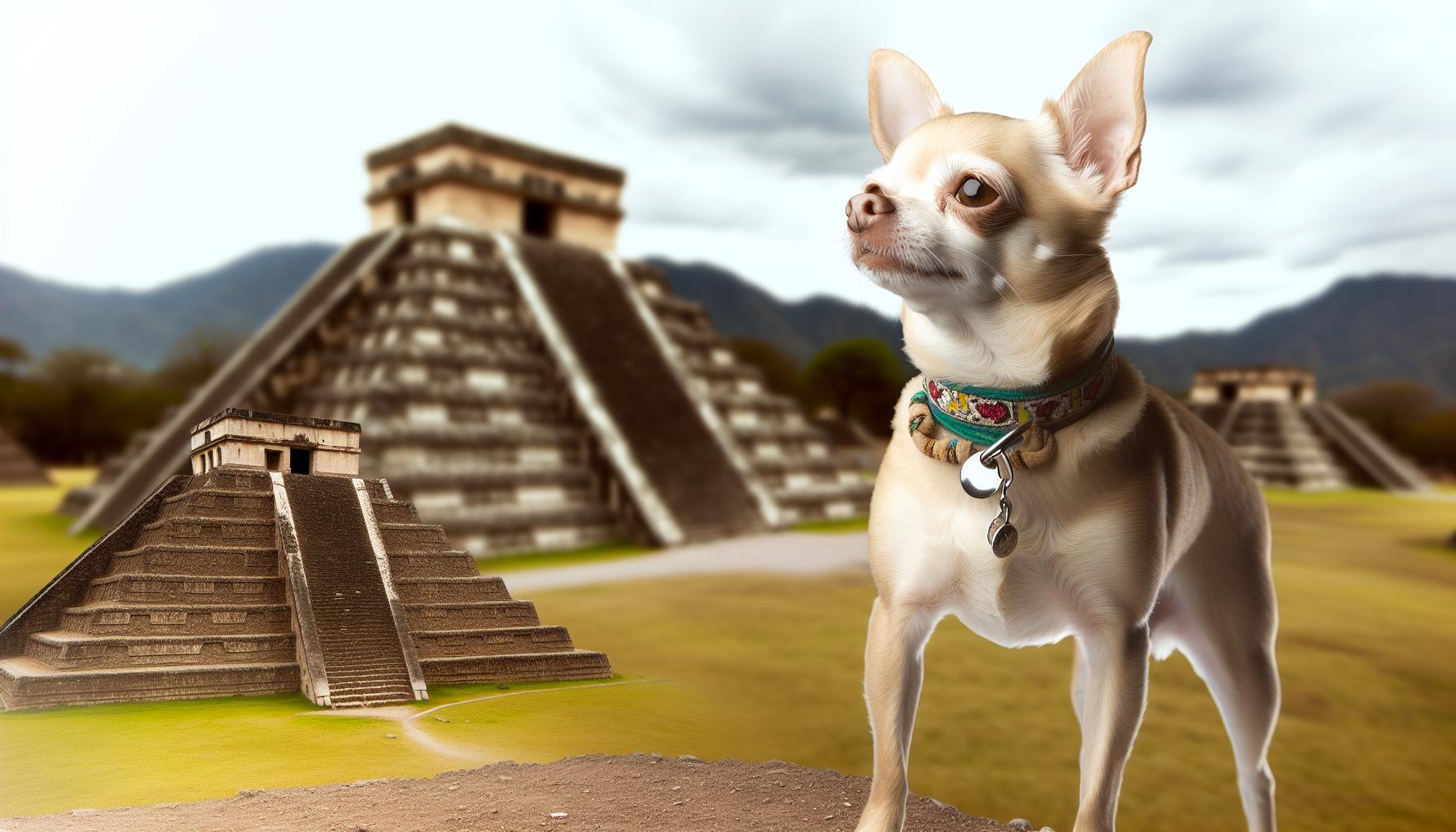
The origins of Chihuahuas are as colorful and intriguing as the breed itself. Thought to have been developed from the ancient Techichi dogs by the civilizations of Mesoamerica, these little companions have a lineage deeply intertwined with Mexican history. While the exact geographical pinpointing can be elusive, the Chihuahua state in Mexico, where the breed takes its name, is considered the heartland of their development. This region’s rich culture and history shaped what we now recognize as the vibrant personality of the Chihuahua.
In ancient times, the Techichi were more than just pets; they served as prized companions to the Toltecs and Aztecs, believed to possess spiritual significance. These dogs were often included in burial rites, a testament to their loyalty and the deep bond they shared with their human counterparts. Today, Chihuahuas retain this legacy of companionship, exuding strong personalities that seem to fill every room they enter. They may be small, but their presence is undeniably profound.
As you explore the breed’s geographic origins, it’s fascinating to note how different regions within Mexico influenced the Chihuahua’s characteristics. For instance, the apple-head variety, known for its distinctive round head and big eyes, often hails from areas in Mexico’s highlands, whereas the deer-head Chihuahua, with its longer snout and slim physique, may be found elsewhere. This diversity adds richness to the breed’s legacy, making every Chihuahua a unique blend of history and personality.
When welcoming a Chihuahua into your home, consider the cultural significance that surrounds them. By embracing their historical roots, you not only celebrate their unique traits but also forge a deeper connection with your companion. Whether he’s barking at the mailman or curling up on your lap, your Chihuahua embodies an extraordinary heritage, one that reflects centuries of companionship and affection. Enjoy your journey with this lively breed, as every moment spent together is a nod to their fascinating origins.
Understanding the Different Chihuahua Varieties
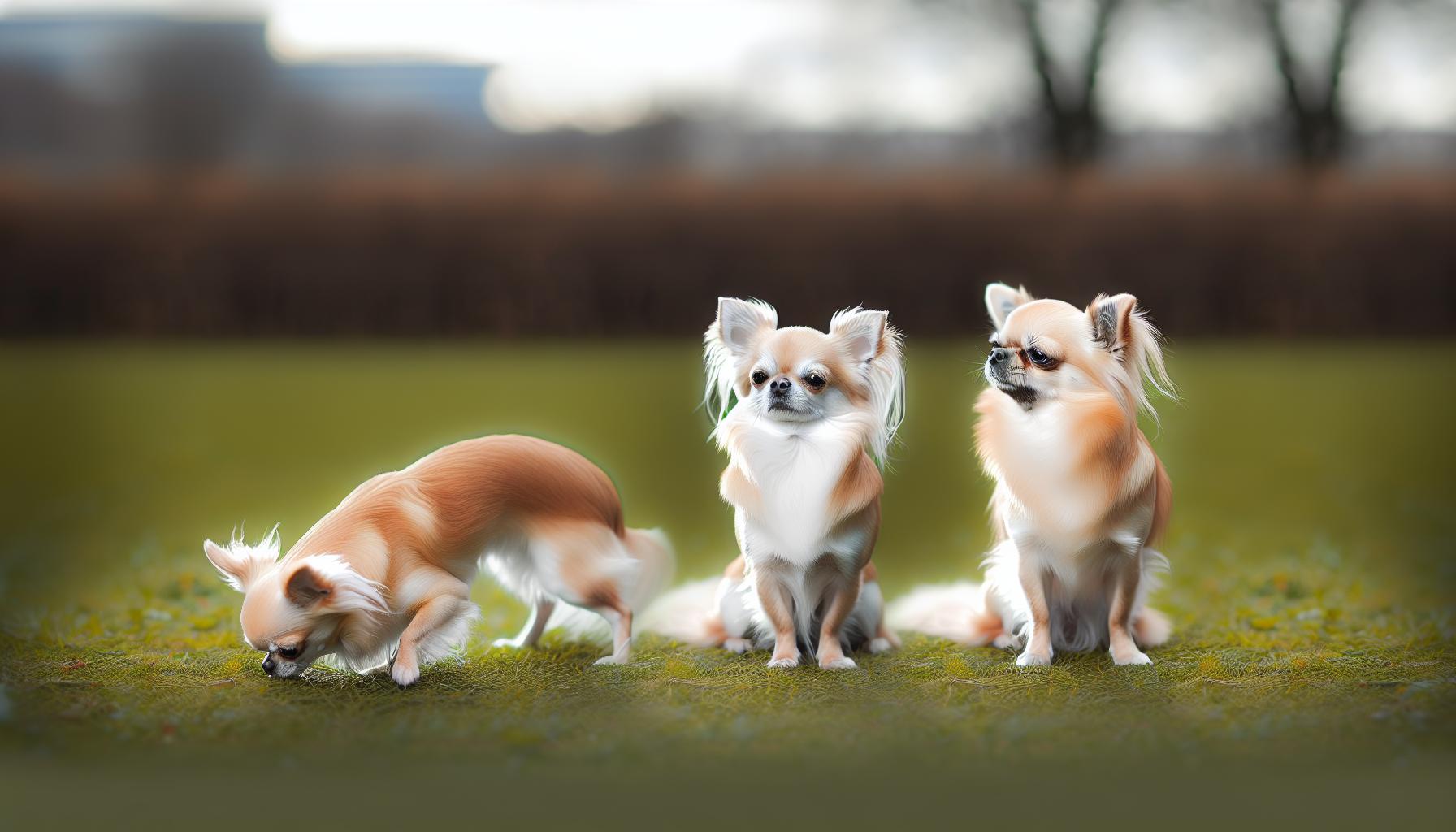
Chihuahuas are delightful companions, and understanding the different varieties of this breed can enrich your journey as a proud owner. Chihuahuas mainly fall into two categories based on their head shape: apple-head and deer-head. Each type possesses distinct traits that not only contribute to their physical appearance but also reflect their individual personalities.
Apple-Head Chihuahuas
The apple-head Chihuahua is often the most recognized type, exemplified by its rounded skull and large, expressive eyes. This variety typically has a stockier build and shorter nose. Their charming appearance adds to their bold and spirited nature. For instance, an apple-head often showcases a certain feistiness that shines through in their vocal personality. An owner might share that their apple-head is not shy about expressing her opinions, whether it’s a greeting bark or a protest to being left alone.
Deer-Head Chihuahuas
In contrast, deer-head Chihuahuas feature a longer snout and a leaner body, resembling a miniature deer. Their heads are more elongated, giving them a distinct profile that some find endearing. These Chihuahuas are known for their calmer demeanor, often described as more laid-back compared to their apple-headed counterparts. A real-world example could be a deer-head Chihuahua who enjoys lounging quietly by his owner’s feet rather than chasing after a toy, showcasing his gentle disposition.
Coat Types and Colors
Beyond their head shapes, Chihuahuas also vary widely in coat types, which can be short or long. Short-haired Chihuahuas require minimal grooming, making them easier to care for, while long-haired Chihuahuas often need more regular brushing to prevent matting. In terms of color, they come in a spectrum ranging from fawn to chocolate, brindle to black, and even spotted patterns. This diversity in appearance can lead to exciting discussions among Chihuahua owners regarding their unique beauties.
- Apple-Head: Round head, big eyes, stockier build, lively demeanor.
- Deer-Head: Elongated head, slimmer physique, calmer personality.
- Coat Types: Short and long hair, requiring different grooming levels.
- Color Variations: Wide range from fawn to chocolate and spotted.
Appreciating the differences among Chihuahuas not only helps in choosing the right companion but also allows you to celebrate their individual quirks. Understanding these varieties can also guide you in providing tailored care suited to your Chihuahua’s unique needs. Whether you’re enchanted by the boldness of an apple-head or the grace of a deer-head, each Chihuahua undoubtedly brings a distinct charm to your home.
The Unique Traits of the Apple-Head Chihuahua
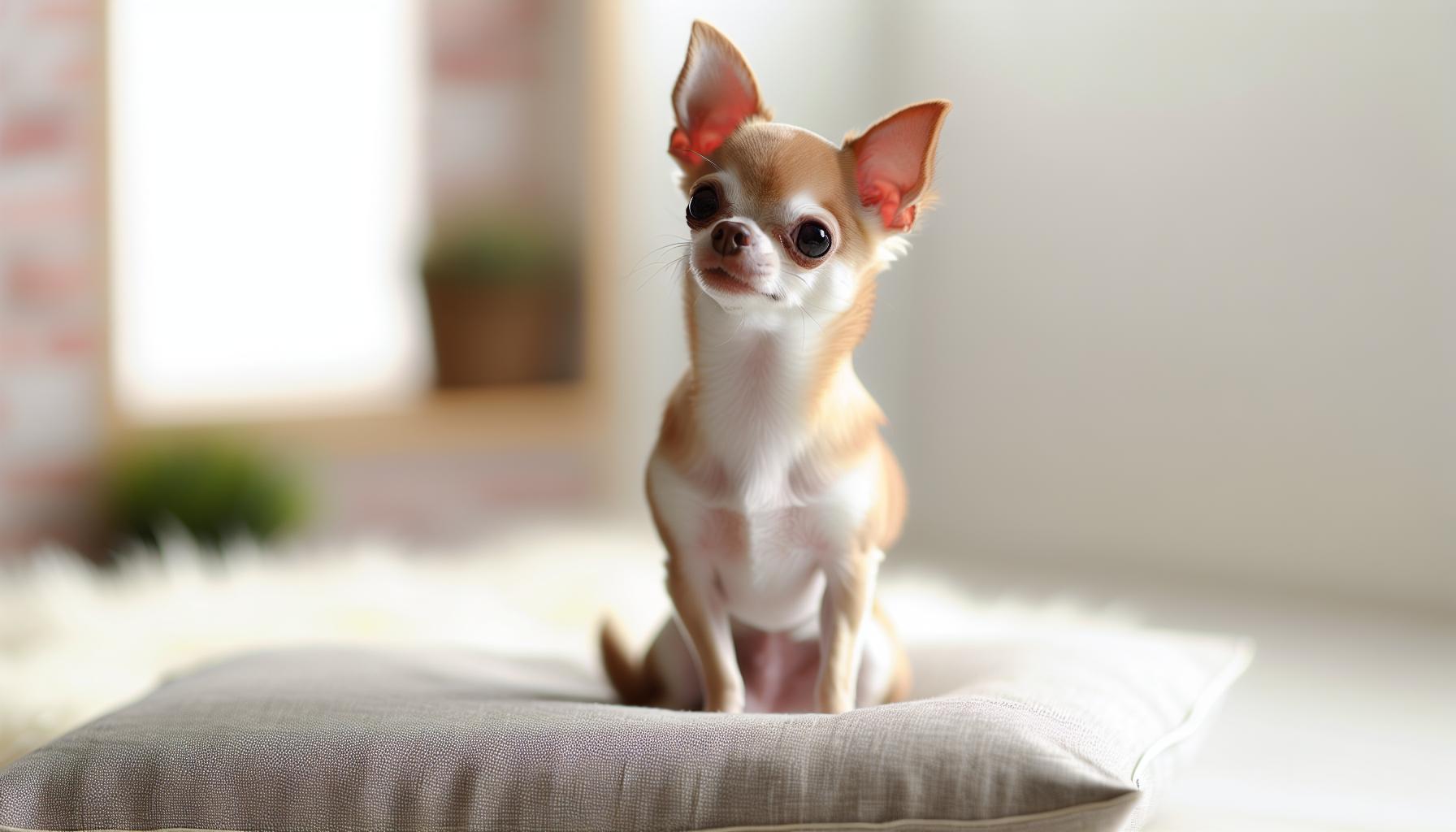
The apple-head Chihuahua, with its distinct rounded skull and large, expressive eyes, is often the quintessential representation of the breed. This particular type is not only captivating in appearance but also in personality, showcasing a vibrant mix of bark and spirit that many owners find endearing. Their small stature, generally weighing between 2 to 6 pounds, belies a bold character that often makes them the center of attention. For example, an owner might describe her apple-head Chihuahua as a little diva, strutting around the house with an air of confidence, demanding cuddles and showing off that adorable face.
The apple-head Chihuahua’s sociable nature often translates into a vocal personality. They are known for their spirited barks, whether greeting guests or voicing their opinions on everyday happenings. This vocal trend is not merely for show; it represents their strong attachment to their owners and their desire to communicate. For instance, a proud owner may recount how his apple-head bursts into joyful yaps at the sight of him after a long day, showcasing their deep bond.
In terms of care, apple-head Chihuahuas can be relatively low-maintenance regarding grooming. Their coat, which can be short or long, generally requires regular brushing if long-haired to prevent matting, while short-haired individuals only need minimal upkeep. However, their overall health requires more attention. Since they can be prone to dental issues and heart problems, regular vet check-ups and a proper diet tailored to their size and energy levels are crucial. As an example, a savvy owner feeds her apple-head a balanced diet supplemented with dental chews to help maintain oral hygiene.
Ultimately, the apple-head Chihuahua is more than just a pretty face. Their loyalty, playfulness, and spirited nature make them beloved companions, providing joy and companionship in every small package. Embracing their unique traits helps owners appreciate the distinct charm apple-head Chihuahuas bring into their lives.
Common Misconceptions About Chihuahua Heritage
The Chihuahua is often misunderstood, leading to several common misconceptions about their heritage and background. One prevalent myth is that Chihuahuas were bred as mere lap dogs in modern times, ignoring their rich history that intertwines with ancient cultures. In fact, Chihuahuas are believed to have descended from the Techichi, a small companion dog kept by the ancient Toltec civilization of Mexico as far back as 300 AD. This connection to Mexico positions Chihuahuas not just as adorable companions but as a breed deeply rooted in cultural significance.
Another common misconception is the belief that all Chihuahuas are aggressive or yappy. While they certainly have a reputation for being vocal, their personalities vary widely based on individual upbringing and socialization. A well-socialized Chihuahua, for instance, may greet guests with excitement rather than aggression. Consider the experience of an owner whose Chihuahua, despite her small size, befriends larger dogs at the park, showcasing that with the right training, Chihuahuas can embody a variety of temperaments, from bold and spirited to calm and loving.
Chihuahuas come in diverse sizes and coat types, which can also blur perceptions about their breeding. Some people mistakenly think that all Chihuahuas are tiny, while they can vary significantly. For example, the apple-head variety tends to be petite and round-headed, but other types might not conform to this size norm. Owners should keep in mind that health concerns-like heart problems and dental issues-are common across the breed. Thus, understanding these variances helps in providing appropriate care tailored to the specific needs of each Chihuahua.
Additionally, cultural stereotypes may misrepresent the breed. Some may view Chihuahuas solely as fashion accessories, influenced by their presence in pop culture. However, these fearless little dogs possess a loyal and protective nature, often forming strong bonds with their owners. Recognizing them as more than just a trendy pet leads to a deeper appreciation for their complex personalities and the joy they bring into our lives. By embracing the true heritage and nature of Chihuahuas, owners can foster a loving, well-rounded environment that allows these vibrant companions to thrive.
Health Considerations for Chihuahuas Through the Ages
Understanding the health considerations for Chihuahuas is essential for ensuring a long, happy life for these vibrant companions. Chihuahuas, with their spirited personalities and compact size, can be prone to specific health issues that owners should be aware of from the very start. Regular veterinary visits, tailored nutrition, and attention to early signs of common problems can make a significant difference in their well-being.
One notable concern is dental health. Chihuahuas are particularly susceptible to dental issues due to their small mouths, which can lead to overcrowding and subsequent tooth decay. To combat this, daily dental care is ideal; consider brushing your Chihuahua’s teeth regularly or providing dental chews specifically designed for small breeds. Owners often share how maintaining their Chihuahua’s dental health has improved overall vitality, helping to prevent more serious health issues down the road.
Additionally, Chihuahuas are prone to certain genetic health problems like patellar luxation, which is the dislocation of the kneecap, and heart conditions such as mitral valve disease. Symptoms can include a noticeable limp or cough, so staying vigilant for these signs is crucial. Many seasoned Chihuahua owners recommend routine check-ups to catch any potential issues early. Providing your little friend with a cozy, supportive bed can also alleviate joint stress, especially for older Chihuahuas.
Another health aspect to consider is their sensitivity to temperature extremes. Chihuahuas, being naturally small, can easily become too cold or overheated. It’s important to dress them in sweaters during cold weather, particularly if they have a short coat. Conversely, during hot weather, make sure they have plenty of water and shade to keep cool, as overheating can be life-threatening.
Incorporating enrichment activities and appropriate exercise into your Chihuahua’s daily routine can significantly enhance their health and happiness. Regular walks, gentle play, and mental stimulation through toys can cater to their instincts and keep them physically fit.
By being proactive about health considerations, you create a nurturing environment tailored to your Chihuahua’s unique needs. Each small step you take ensures a richer life filled with playful moments, making all the love and attention well worth it.
How Climate Affects Chihuahua Well-Being
Chihuahuas are wonderfully adaptable little dogs, but their well-being can be significantly influenced by climate conditions. Originally hailing from the warm regions of Mexico, Chihuahuas thrive in moderate temperatures, and extreme weather can pose challenges for our tiny companions. It’s crucial for every owner to understand how to help their Chihuahua navigate different climates to ensure they remain happy and healthy.
In cold weather, the small size and low body fat of Chihuahuas make them particularly vulnerable to the chill. Owners often share anecdotes about how their furry friends shiver when exposed to cold air for even short periods. To combat this, dressing your Chihuahua in warm sweaters or jackets is highly recommended. A snug little coat not only keeps them warm but also provides a comforting layer that helps them feel secure. For Chihuahuas with short coats, like the smooth-coated variety, a warm sweater is essential when taking them outdoors during winter months.
Conversely, during hotter months, Chihuahuas can easily overheat. Their small size means they can reach elevated body temperatures quickly, which can be dangerous. Owners should ensure their small friends have access to plenty of fresh water and shaded areas to retreat to when the sun is too intense. Frequent breaks during playtime in the heat can help prevent overheating. It’s often beneficial to keep an eye on their breathing and energy levels-noticeable signs of distress can include excessive panting or lethargy. Remember, some Chihuahuas love to sunbathe, but moderation is key to avoid health risks.
Moreover, Chihuahuas are prone to certain health concerns affected by climate, such as respiratory issues. The heat can exacerbate these problems; thus, creating a cool indoor environment during peak summer heat is vital. Keeping fans or air conditioning running can help maintain a comfortable temperature inside your home. For example, many Chihuahua owners set up cozy spots with cool surfaces or mats for their pups to lie on during hot days-these little adjustments go a long way in keeping your pup content.
In short, being mindful of how climate impacts your Chihuahua’s well-being is essential for any owner. Simple measures, from proper clothing during winter to ensuring a cool environment in summer, can help your cherished companion thrive regardless of the weather. By actively adapting your care routine to align with seasonal changes, you provide your Chihuahua a supportive and loving environment, enriching their lives and further strengthening the bond you share.
Cultural Significance of Chihuahuas in Mexico
The Chihuahua is not just a beloved pet but also an emblem of Mexican culture, celebrated for its vibrant personality and historical significance. Originating from the warm regions of Mexico, these small dogs have become a symbol of national pride, often representing the spirit of the country’s rich heritage and folklore. There’s a fascinating connection between Chihuahuas and ancient civilizations, as they are believed to be descendants of the Techichi, a small dog revered by the Toltec civilization.
In Mexican culture, Chihuahuas are frequently depicted in art and media, resonating with themes of loyalty, boldness, and companionship. They are prominently featured in traditional crafts, such as pottery and textiles, serving as a nod to their roots and cultural prominence. Mexican festivals often highlight these mini canines, showcasing their playful nature and intelligence. Local artisans craft vibrant toys, garments, and even jewelry inspired by Chihuahuas, further embedding them in the cultural fabric of the region.
Moreover, the breed has found its way into pop culture, often portrayed as fashionable companions in media and film, amplifying its popularity outside of Mexico. These portrayals have contributed to the breed’s global presence, but it’s essential for owners to appreciate their Mexican heritage fully. Understanding the Chihuahua’s background enriches the owner-pet bond, allowing owners to celebrate and honor the breed’s history in their daily lives.
Whether you’re preparing for a puppy parade or simply taking your cherished companion for a walk, embracing the cultural significance of Chihuahuas allows you to engage deeper with their unique traits and spirited personalities. By sharing stories of their heritage with friends, or dressing them in traditional Mexican attire during festivities, you honor not only your pup but also the lively traditions of Mexico itself.
Famous Chihuahuas: Icons of Popular Culture
When thinking about famous Chihuahuas, one cannot overlook how this tiny breed has left a massive paw print in popular culture. With their often larger-than-life personalities, Chihuahuas have graced the screens of movies and television, appearing as the favorite companions of celebrities or as lovable characters with memorable roles. From the clever antics of a Chihuahua in a movie to the personal pets of famous figures, these little dogs have captured hearts far beyond their geographical origins.
One of the most iconic representations of Chihuahuas in pop culture is Gidget, the original Taco Bell Chihuahua. This adorable character, which became famous in the late 1990s, played a pivotal role in popularizing the breed in the United States, showcasing their bold and vibrant personality. Beyond commercials, she became a cultural symbol, representing fun and connection with the brand. Gidget’s success highlights how a single Chihuahua can influence perceptions of the breed nationwide.
Another notable mention is Bruiser Woods from the Legally Blonde movies. Bruiser, the loyal companion to Elle Woods, embodies the Chihuahua’s spirited charm and loyalty, appealing not only to dog lovers but also to fans of the franchise. This film contributed to Chihuahuas being viewed as fashionable pets, adored not just for their loyalty but for their stylish presence in socialite settings.
For Chihuahua owners, these icons serve as reminders of the breed’s unique qualities. Many owners will share stories of their pets mimicking these beloved characters-whether it’s wrapping them in cute outfits for a walk or capturing their feisty attitudes in playful photos. Engaging with the popular culture that features Chihuahuas can deepen your appreciation for your own companion’s quirks, allowing for a fun bond that celebrates their heritage.
Whether it’s through films, commercials, or stories from fellow Chihuahua enthusiasts, these cultural representations showcase the breed’s roots while also emphasizing that every Chihuahua has its own personality waiting to be cherished. Embracing these cultural references not only enhances your connection with your own furry friend but also pays homage to the rich tapestry of their history.
Grooming and Care Tips for Chihuahuas
When caring for your Chihuahua, it’s essential to consider their unique physical traits and temperament. Chihuahuas, whether they’re the smooth-coated or long-coated variety, require regular grooming to maintain their coat and skin health. Due to their small size, you might think grooming is minimal, but their larger-than-life personalities often come with specific grooming needs.
Brushing and Coat Care
Regular brushing is crucial, especially for long-haired Chihuahuas, who can develop mats and tangles. A slicker brush is fantastic for detangling, while a bristle brush can help distribute natural oils for a healthy coat. Aim to brush them at least once a week, increasing to every other day during shedding season. For short-haired Chihuahuas, brushing once a month can help keep loose hair at bay and support skin health.
Bathing Needs
Bathing your Chihuahua is also a part of their grooming routine, but it should be done sparingly-usually every two to three months unless they get particularly dirty. Use a gentle, dog-specific shampoo to avoid irritation. After bathing, ensure to dry them thoroughly, as Chihuahuas can easily get cold due to their small size. A soft towel or a low-heat blow dryer can work wonders.
Nail Care and Dental Health
Chihuahuas tend to have rapid nail growth due to their active lifestyles, so regular nail trimming is necessary to prevent discomfort. Aim to trim their nails every 3-4 weeks. In addition, dental health is crucial; brushing their teeth several times a week can help prevent dental disease, which is common in small breeds. Special dental chews can also be beneficial for maintaining oral hygiene.
Ear and Eye Care
Check your Chihuahua’s ears weekly for dirt or wax buildup, gently cleaning them with a dog-safe ear cleaner if needed. Their large eyes, while adorable, can be prone to issues. Look for signs of irritation or discharge, and consult your vet if anything seems off.
Chihuahuas are both vocal and loyal, with an innate boldness that means they may express themselves quite freely. Their grooming routine not only allows you to bond but also strengthens the care you provide, catering to their specific needs while celebrating their delightful quirks. By dedicating time to their grooming and care, you enhance their well-being and nurture your unique companionship.
Training Your Chihuahua: Tips for Success
To train a Chihuahua effectively, it’s vital to recognize their unique temperament and boundless personality. These tiny dogs, often carrying the heart of a lion, respond best to a mix of positive reinforcement and consistent guidelines. Keep in mind that Chihuahuas are exceptionally intelligent and eager to please, but their boldness can sometimes manifest as defiance or stubbornness. Establishing a strong bond with your Chihuahua from the get-go will make training more enjoyable and effective for both of you.
Start training with basic commands like “sit,” “stay,” and “come.” Use high-value treats that your Chihuahua loves, such as small pieces of chicken or cheese, to encourage them. The key to success lies in frequent and short training sessions-around five to ten minutes is ideal for their attention span. Make these sessions fun and infused with praise. For instance, if your Chihuahua sits on command, celebrate their success with enthusiastic verbal praise and a treat. Remember, your attitude is infectious; if you are excited, they will be too!
Chihuahuas thrive on routine, so establishing a consistent training schedule will help them feel secure and understand what is expected of them. Incorporate training into daily activities-like reinforcing “sit” before mealtime or “stay” before a walk. This integration not only makes training practical but also sets clear boundaries on their behavior, reinforcing good manners.
Another vital aspect is socialization. Introduce your Chihuahua to various environments, people, and other animals to foster their confidence. A well-socialized Chihuahua is less likely to develop anxiety or aggressive tendencies. Positive interactions pave the way for a more balanced canine companion. Hosting playdates with other small dogs can be particularly beneficial; let your little one explore and engage while under your supervision.
Lastly, patience is your best ally. Chihuahuas, with their spunky and sometimes headstrong nature, may require extra time to grasp certain commands. If your Chihuahua isn’t responding as expected, it’s crucial to remain calm and avoid frustration. Instead, reassess your approach-try a different command, change your treats, or even shift to a new environment. Every dog is unique, and learning to communicate effectively with your Chihuahua will lead to a fulfilling partnership filled with loyalty and love.
Why Chihuahuas Make Loyal Companions
The Chihuahua’s unwavering loyalty is one of the breed’s most endearing qualities, setting them apart as cherished companions. Originating in Mexico, Chihuahuas have a rich history intertwined with human companionship. Their small stature might mislead some into thinking they lack the robust spirit of larger breeds, but these pint-sized pooches often showcase a fierce devotion that rivals any dog. They thrive on close relationships with their owners and often form deep bonds that can last a lifetime.
What truly differentiates Chihuahuas is their unique ability to adapt to their owners’ moods and lifestyles. For example, they can be lively and playful during the day and then cuddle up next to you at night, always attuned to your needs. Their vocal nature is another facet of their loyalty; they are not just watchdogs but also alert you to anything abnormal in the environment, making them feel like an integral part of the family dynamic. Many owners describe instances where their Chihuahua sensed their mood or health-offering comfort during tough times by simply snuggling close or providing companionship in moments of solitude.
The breed’s quintessential traits-boldness and spirited nature-make them particularly dedicated. Chihuahuas thrive on routine and crave attention. Establishing strong bonds early on through training and socialization can foster this loyalty. They enjoy being involved in daily activities and family outings, reinforcing their connection to you. A well-cared-for Chihuahua will not only demonstrate loyalty but also a desire to please, responding positively to your affection and guidance.
Moreover, Chihuahuas have a remarkable way of making their presence felt, even in small packages. Whether it’s through their playful antics or their protective instinct, they each possess a personality that shines brightly. Owners find that the relationships built with these spirited companions are filled with love, laughter, and mutual understanding. In essence, the Chihuahua’s loyalty is unwavering, making them more than just pets; they become cherished members of the family, ready to offer love and companionship in equal measure.
Frequently asked questions
Q: What is the historical significance of the Chihuahua breed?
A: The Chihuahua has deep historical roots, believed to descend from ancient Techichi dogs kept by the indigenous Toltec civilization. These small companions were thought to hold spiritual significance, marking their place in history as companions and ceremonial pets.
Q: Where are Chihuahuas primarily found today?
A: Today, Chihuahuas are popular worldwide, especially in the United States and Mexico. They thrive in urban environments, making them ideal for city living due to their small size. Their popularity also ensures they are often found in homes across many different cultures.
Q: How does geography affect the Chihuahua’s living conditions?
A: Chihuahuas adapt well to various climates, but they prefer temperate environments. Due to their small size, they are sensitive to extreme temperatures, so owners should ensure their Chihuahuas are kept warm in cold weather and cool during heatwaves.
Q: What are the common health issues in Chihuahuas related to their origin?
A: Chihuahuas may face health issues such as patellar luxation and dental problems, common in toy breeds. Understanding their lineage can help anticipate these concerns, allowing for proactive veterinary care and healthier living.
Q: Are there specific care tips based on the Chihuahua’s geographical origins?
A: Yes, given their Mexican heritage, Chihuahuas may require less grooming than other breeds due to their short coat variants. Regular dental care is crucial, as dental issues are prevalent in the breed.
Q: What role do Chihuahuas play in Mexican culture?
A: Chihuahuas are more than pets; they are cultural symbols in Mexico. Often featured in art and folklore, they represent loyalty and companionship, highlighting their significance beyond mere companionship.
Q: Why are Chihuahuas considered a symbol of loyalty?
A: Known for their fierce loyalty, Chihuahuas often form strong bonds with their owners, exhibiting protective behaviors. This loyalty has endeared them to many, enhancing their reputation as devoted companions.
Q: How do climate conditions impact a Chihuahua’s behavior?
A: Climate can greatly affect a Chihuahua’s temperament. In warmer weather, they may become more lethargic, while colder temperatures can lead to increased vocalization as they seek warmth. Understanding these patterns aids in better care for your pet.
The Conclusion
Understanding the rich heritage of the Chihuahua, from its geographical roots to its unique characteristics, can greatly enhance your bond with these vibrant little companions. As you embrace their bold personalities-whether they’re the apple-head or the deer-head variety-consistent care and engagement are key to their health and happiness. Ready to dive deeper? Don’t miss our articles on Chihuahua behavior and health tips that can help you become the best owner for your spirited friend.
If you found this exploration of Chihuahuas engaging, consider subscribing to our newsletter for more insights. Have any questions or stories about your Chihuahua? Share them in the comments below-we’d love to hear from you! Your passion for these tiny guardians is what keeps our community thriving, so let’s celebrate their quirks together and reinforce the joy they bring into our lives. Remember, caring for a Chihuahua is not just a job; it’s a loving journey!
Get our latest guides, news, and insights highlighted in your Google Search & AI Overviews.