
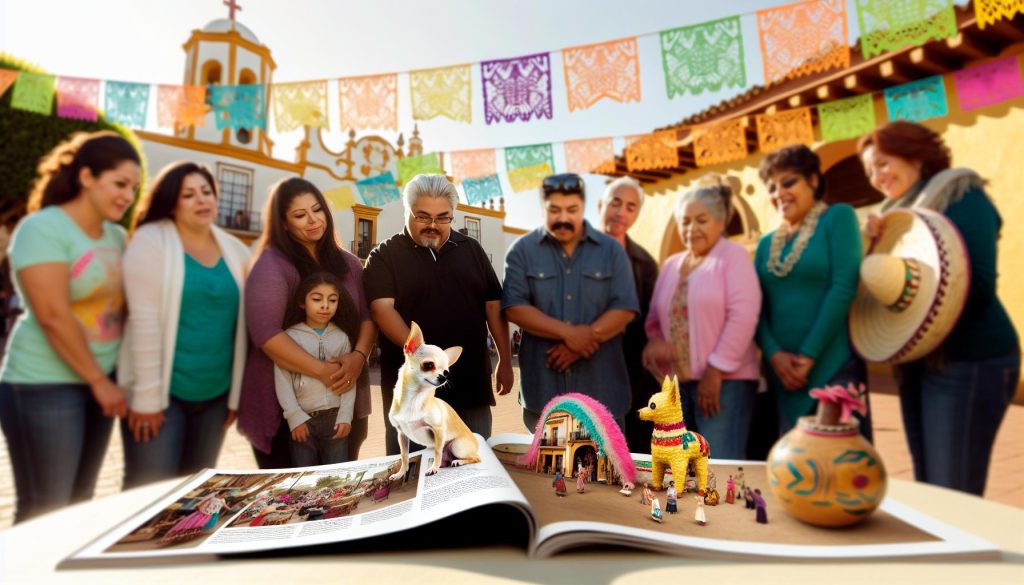
Did you know that the Chihuahua is not only one of the world’s smallest dog breeds but also deeply rooted in Mexican culture? Originating from ancient civilizations, these spirited little companions have a vibrant heritage that extends far beyond their charming antics. Understanding where Chihuahuas come from enhances our appreciation for their unique personalities and needs. Whether you’re a proud owner navigating the quirks of your feisty friend or someone considering adding a Chihuahua to your family, knowing their background can help you provide the best environment for their development. From their vocal tendencies to their unwavering loyalty, Chihuahuas embody a rich history that deserves to be celebrated. Join us as we dive into the captivating story of their origins and what makes these pint-sized pooches such treasured companions. Exploring their heritage will not only satisfy your curiosity but also deepen your bond with your furry friend.
Origins of the Chihuahua: A Journey Through Time
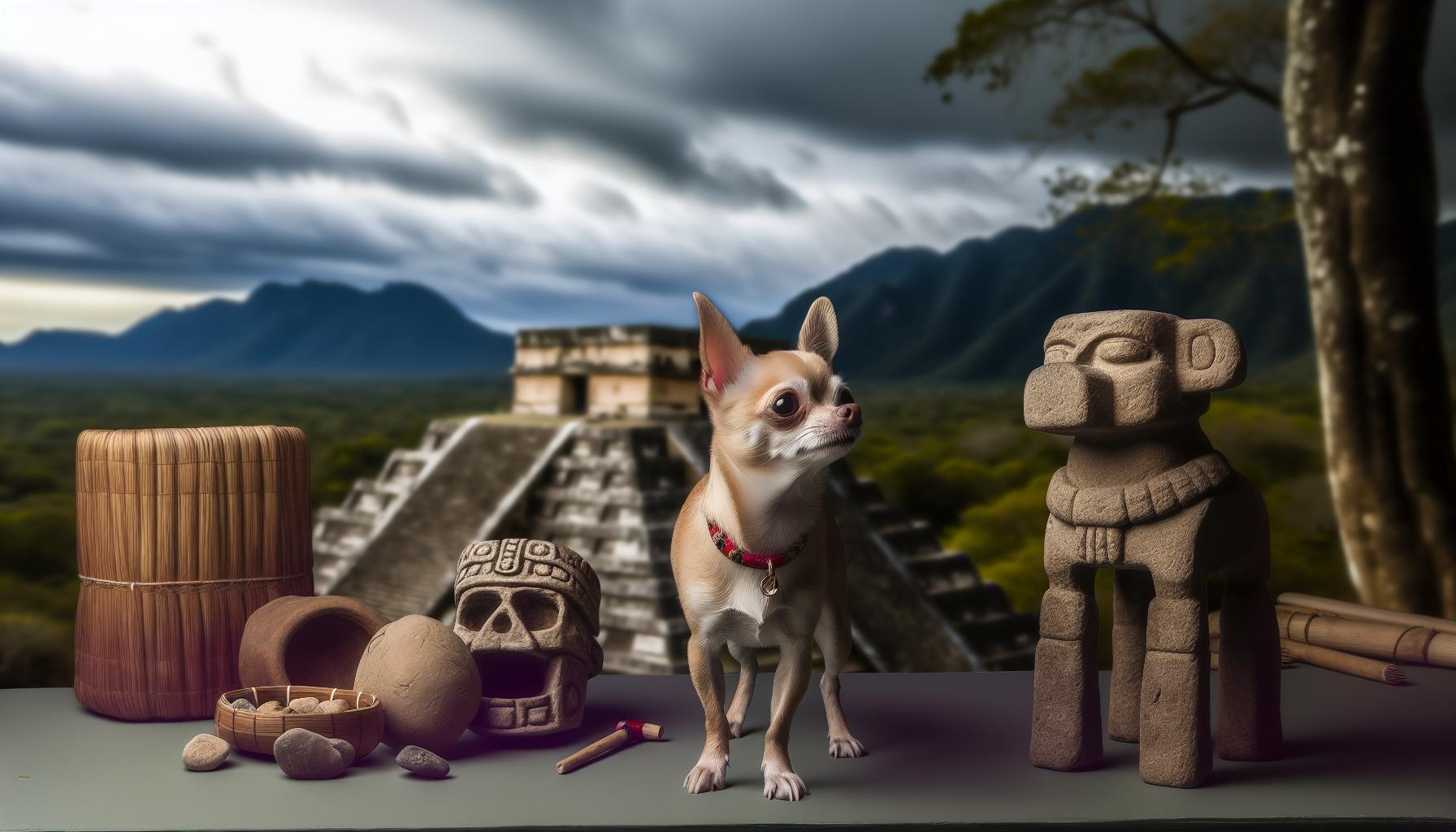
The Chihuahua, with its tiny stature and bold personality, boasts a rich heritage rooted deep in the heart of Mexico. This breed’s origins can be traced back to ancient civilizations, where its ancestors were cherished companions to the Toltec people. Evidence suggests that these small dogs, likely descendants of the Techichi, were revered not only as pets but also held a significant place in the spiritual life of the Toltecs, often believed to guide souls to the afterlife.
As history unfolded, the Chihuahua made its way through the ages, adapting and evolving alongside the Mexican culture. By the 19th century, these dogs gained popularity among tourists, particularly in the state of Chihuahua, which ultimately lent the breed its name. Their small size made them ideal lap dogs for travelers, and their fierce loyalty and spirited temperament endeared them to countless owners. In modern times, this breed continues to captivate hearts worldwide, symbolizing not just the companionship but also the vibrant heritage of Mexico.
Chihuahuas come in various shapes and sizes, with two distinct types commonly recognized: the Apple Head, characterized by its rounded skull, and the Deer Head, known for its elongated snout. Both types share an array of beautiful coat colors and patterns, from solid blacks and whites to dazzling spotted variations, adding to their allure. Understanding these variations enriches the experience of owning a Chihuahua and aids in appreciating the breed’s diverse heritage.
Owning a Chihuahua is not just about enjoying their cuteness; it involves understanding their unique needs. This breed, while small, requires regular socialization and mental stimulation to thrive. Their spirited nature means they’re often bold and vocal, making training essential for harmonious living. Engaging in activities that stimulate their intellect and fulfill their instinctual behaviors can help mitigate common challenges associated with their vivacious personality. Through nurturing and attentive care, owners can celebrate the quirks that make each Chihuahua a beloved and unmistakable part of the family.
The Cultural Significance of Chihuahuas in Mexico
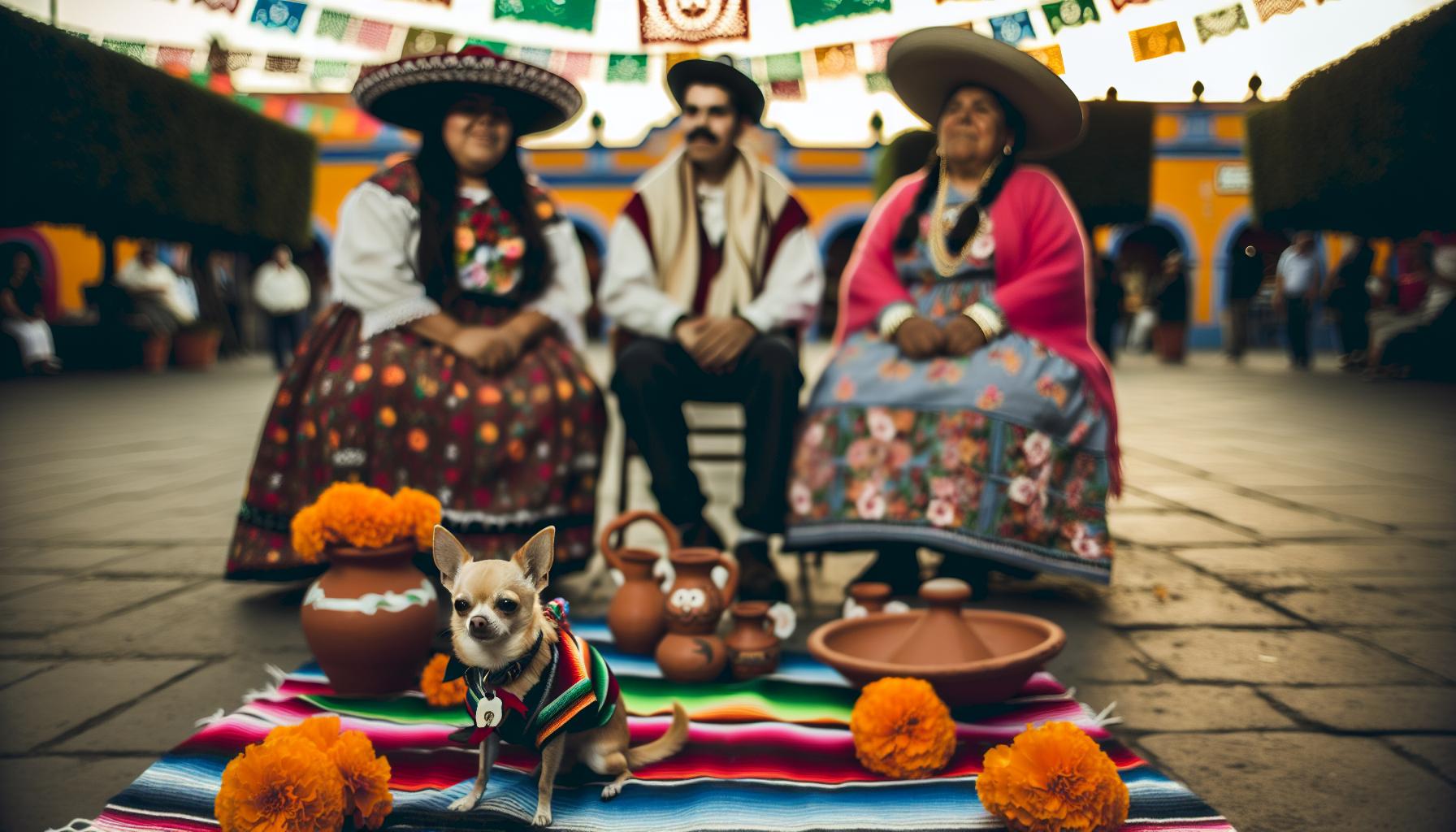
The bonds between Chihuahuas and their Mexican heritage run deep, woven into the fabric of the country’s culture and history. These adorable, tiny companions are more than just pets; they embody a rich cultural significance that reflects the spirit and lifestyle of the Mexican people. In regions like Chihuahua, where they were first recognized, these spirited dogs have become not just a breed but a beloved symbol of national pride.
Chihuahuas played an integral role in the lives of the ancient Toltec civilization, where they were seen as more than mere companions. Often associated with the spiritual realm, they were believed to guide souls to the afterlife. As respected members of households, these dogs were thought to offer protection and companionship in a world that was often harsh and uncertain. This belief system contributed significantly to their reverence in Mexican culture, elevating them beyond simple pet status.
Today, Chihuahuas continue to hold a prominent place in Mexican society, appearing in art, popular culture, and even media. From the iconic Taco Bell dog to vibrant portrayals in artwork and crafts, their image is ubiquitous and celebrated. In many Mexican households, a Chihuahua is seen as part of the family, with its lively personality capturing the hearts of owners and delighting visitors.
Caring for a Chihuahua involves understanding not only their unique needs but also their cultural significance. Whether you’re a first-time owner or an experienced one, recognizing the heritage behind this breed can deepen your connection with your furry friend. Engaging with others who appreciate the Chihuahua’s charm during cultural festivals or community events can also enrich your experience. Activities such as organizing playdates or participating in local Chihuahua meet-ups not only socialize your dog but also embrace the communal spirit that these little companions inspire.
Understanding the Different Types of Chihuahuas
Understanding the diverse types of Chihuahuas is essential for anyone considering welcoming one into their life. This breed, which embodies a unique blend of charm and personality, comes in several distinct varieties, each with its own characteristics and quirks. Knowing these differences can help you connect more deeply with your Chihuahua and ensure you’re providing the best possible care.
Chihuahuas are primarily categorized based on their physical traits, specifically head shape and coat type. The two most commonly recognized head shapes are apple-head and deer-head. The apple-head Chihuahua features a rounded skull and a more pronounced stop, creating an adorable, compact look. Many owners find their expressive faces especially endearing. On the other hand, the deer-head variety has a flatter skull with a longer, more elegant structure resembling that of a small deer. Deer-head Chihuahuas tend to have a more elongated muzzle, giving them a distinct appearance that appeals to many enthusiasts.
In addition to head shapes, coat types play a significant role in defining Chihuahuas. They come in two main coat varieties: short-haired and long-haired. Short-haired Chihuahuas have a sleek, glossy coat that requires minimal grooming, making them an ideal choice for first-time owners. Their coats typically come in various colors, including fawn, black, white, and chocolate. Long-haired Chihuahuas, however, boast a soft, flowing coat that may require more dedicated grooming to keep it looking beautiful and free of tangles. These dogs often exhibit a vibrant array of colors and patterns, which can add to their charm.
Another interesting aspect to note is size. While the breed is generally small, Chihuahuas can vary in size, typically weighing anywhere from 2 to 6 pounds. This size range is essential to consider for health and care, as smaller Chihuahuas may need extra precautions to ensure their safety. Regardless of their type, these dogs share common traits: they are typically energetic, loyal, and bold, often exhibiting big personalities despite their tiny stature.
Choosing the right type of Chihuahua can involve considering your lifestyle and preferences. For instance, if you have a busy schedule and prefer a low-maintenance pet, a short-haired apple-head might be a wonderful fit. Conversely, if you enjoy spending time grooming and pampering your dog, a long-haired Chihuahua can be a delightful companion. Ultimately, understanding the different types not only enriches your knowledge but also enhances the bond you will share with your future furry friend. Embrace the unique charm of your Chihuahua, and you’ll discover a loyal companion who will undoubtedly become an integral part of your life.
Health Care Essentials for Your Chihuahua
The health of your Chihuahua is paramount to ensuring a happy and vibrant life together. Given their small size and unique characteristics, these little dogs require special attention to their health needs. Regular veterinary check-ups are essential to monitor their overall well-being, weight, and any breed-specific health concerns. This proactive approach can help you catch issues early, which is crucial given that Chihuahuas can be prone to various conditions.
A balanced diet tailored to your Chihuahua’s age, size, and activity level is key. High-quality dog food formulated specifically for small breeds is often the best choice, as it contains the right ratios of protein, fats, and carbohydrates essential for their health. Be cautious with treats; those tiny tummies can easily overfill, leading to obesity-a common issue in Chihuahuas. Keep an eye on their weight and adjust their diet as needed, ensuring they maintain a healthy body condition.
Regular dental care is also critical for Chihuahuas. Due to their small mouths, they can be prone to dental problems. Incorporating dental chews and regular brushing into their routine can help prevent plaque buildup. Additionally, scheduling regular teeth cleanings with your veterinarian will go a long way in keeping dental disease at bay. It’s a good habit to start early, especially with apple-head Chihuahuas, who might have more pronounced dental issues.
Exercise is just as important as nutrition. Daily walks and playtime not only help keep your Chihuahua fit but also stimulate their minds and satisfy their spirited nature. Engage in interactive play-like fetch or puzzle toys tailored for small dogs-keeping them entertained and mentally sharp. Just remember, despite their bold personalities, Chihuahuas can tire easily, so monitor their energy levels and adjust activities accordingly to keep them safe and happy.
In summary, attentive care, from nutrition to dental health, and regular exercise are essential to nurturing your Chihuahua’s well-being. By creating a comprehensive health care routine tailored to his needs, you ensure that your tiny friend not only thrives but radiates happiness for years to come.
The Unique Personality Traits of Chihuahuas
Chihuahuas are more than just small dogs; they embody a vibrant personality that captivates all who encounter them. Known for their big hearts and bold spirits, these little companions carry with them a rich heritage that traces back to ancient Mexico. Their affectionate nature and unique quirks make each Chihuahua a delightful and dynamic addition to any family. Understanding the common personality traits of Chihuahuas can help you foster a loving and supportive environment for your spirited friend.
One of the most endearing traits of Chihuahuas is their vocal nature. They may be small in size, but their voices are anything but! Whether alerting you to an intruder or demanding attention, Chihuahuas are known for their barks, yips, and playful growls. This vocalization is not just a quirk; it’s a significant part of their personality. Many owners report that their Chihuahuas are surprisingly communicative, often expressing their likes, dislikes, and desires through a variety of sounds. If you have a Chihuahua, expect lively conversations!
Another defining characteristic of this breed is their loyalty. Chihuahuas tend to form incredibly strong bonds with their owners, often following them from room to room and seeking constant companionship. This loyalty can sometimes manifest as protectiveness; Chihuahuas have a fierce disposition and are not shy about standing their ground, even against much larger dogs. It’s not uncommon for a Chihuahua to act as if they are the guardian of the household, showcasing their remarkable bravery.
Despite their diminutive stature, Chihuahuas possess a bold and confident demeanor. This fearless attitude often leads them to engage in playful mischief-an endearing trait for many owners. They are known to be curious explorers, tackling new environments with enthusiasm. Engaging them in daily activities, such as walks or playtime, can help channel their energy productively. Moreover, many Chihuahuas thrive on social interactions, both with other dogs and people, proving that size is no measure of personality.
Finally, understanding that every Chihuahua brings a unique set of quirks and individual preferences is essential for any owner. For instance, some may prefer snuggling under a blanket, while others delight in basking in the sun. Recognizing and celebrating these differences fosters a deeper bond and ensures that your Chihuahua feels cherished.
Embracing these traits will not only enhance your understanding of your Chihuahua but also enrich your life with the joy and companionship they bring. Whether you’re a first-time owner or a seasoned Chihuahua enthusiast, embracing their bold personalities will help you create a fulfilling and harmonious relationship.
Training Tips for Your Spirited Chihuahua
Training a spirited Chihuahua can be a delightful adventure, but it requires understanding their distinctive personality and innate tendencies. Chihuahuas are known for their boldness and independence, which can sometimes resemble stubbornness. However, with the right approach and practices, you can harness their energy and intelligence to foster an obedient and well-adjusted companion.
To start, remember that positive reinforcement is key. Chihuahuas respond best to training methods that include rewards and praise, rather than punishment. Use treats, affection, and verbal encouragement to motivate your furry friend. For example, when your Chihuahua sits on command, reward him immediately with a small treat and plenty of enthusiastic praise. This builds a positive association with the action and encourages him to repeat it.
Consistency is another crucial aspect. Establishing a routine helps your little one understand what’s expected. Use the same commands for actions, such as “sit,” “stay,” and “come,” and practice them regularly in short, engaging sessions. Given their short attention spans, keep training sessions brief-aim for about 5 to 10 minutes, two to three times a day. This ensures your Chihuahua remains focused and eager to learn without feeling overwhelmed.
- Socialization: Early socialization is essential for Chihuahuas. Introduce them to various people, environments, and other animals to help them develop confidence and reduce anxiety. Weekend outings, dog parks, or puppy classes are fantastic opportunities for exposure.
- Start with Basic Commands: Teaching basic commands lays the groundwork for all training. Begin with essential commands like “sit,” “stay,” and “down.” These not only help with obedience but also enhance safety in public settings.
- Leash Training: Given Chihuahuas’ smaller stature, leash training is vital. Start indoors or in a secure yard, allowing him to get used to the leash before venturing into more stimulating environments.
Chihuahuas are naturally inquisitive and often display playful behavior; use this to your advantage! Incorporate games into training. For instance, hiding treats around the house or yard encourages him to explore and utilize his natural hunting instincts, fostering both physical and mental stimulation.
Lastly, while training, be patient and understanding of your Chihuahua’s unique quirks. It’s natural for him to be vocal-barking at distractions or for attention. Instead of discouraging this behavior, focus on training quiet commands, rewarding silence, and teaching them when it’s time to be vocal and when it’s time to settle down.
By embracing their spirited nature and using engaging, consistent training methods, you’ll not only teach your Chihuahua valuable skills, but also deepen the bond you share. Remember, the goal is to enjoy the journey together, acknowledging that each little triumph is a step toward a well-behaved companion.
Grooming Needs for Long-Haired vs. Short-Haired Chihuahuas
Grooming your Chihuahua is an essential part of keeping them happy and healthy, especially considering the distinct needs of long-haired versus short-haired varieties. Chihuahuas boast a rich heritage that ties back to ancient Mexico, and caring for their coats is a reflection of the love and reverence owners have for this vibrant breed.
Short-haired Chihuahuas benefit from relatively low maintenance. Their coats are sleek and require minimal grooming-typically just a weekly brush to remove loose hairs and minimize shedding. A rubber curry brush is excellent for this, as it helps capture dead fur while giving your little companion a light massage, which he will likely enjoy. Bathing them can be done every few months or as needed, particularly if they get into something messy, and a gentle dog shampoo should do the trick.
In contrast, long-haired Chihuahuas require a bit more diligence in grooming. Their beautiful flowing coats can easily tangle or mat, particularly around the ears, legs, and tail. Regular brushing, ideally every couple of days, is necessary to prevent these issues. A slicker brush or a pin brush can help detangle their hair and keep it looking pristine. Additionally, long-haired Chihuahuas might require more frequent baths to keep their coats clean and free from debris due to their propensity to collect dirt in their fur.
Aside from basic grooming, both types of Chihuahuas benefit from occasional trims, especially around the paw pads and ears to maintain cleanliness and comfort. Regularly inspecting their coats can also help you catch any signs of skin irritation or parasites early on. Remember, grooming is a wonderful opportunity for bonding; your Chihuahua will appreciate your attention and care, and it can help reinforce trust between you two.
Lastly, don’t forget that beyond brushing, nurturing your Chihuahua’s skin and coat requires good nutrition, so ensure you are feeding her a balanced diet rich in essential fatty acids. This not only supports coat health but also plays a significant role in her overall well-being, reflecting her proud Mexican lineage with each joyful wag of her tail.
Common Health Issues in Chihuahuas and Prevention
Chihuahuas, with their spirited personalities and rich heritage from ancient Mexico, are generally healthy dogs, but they are prone to specific health issues that owners should be aware of. One prominent concern is patellar luxation, a condition where the kneecap dislocates. This is common in small breeds like Chihuahuas due to their petite frames. Regular vet check-ups can help identify this condition early, and weight management can alleviate pressure on their tiny joints.
Another issue that frequently arises is dental disease. Chihuahuas have a predisposition to dental problems because of their small mouths, which means teeth can become crowded or misaligned. Establishing a robust dental care routine, including regular tooth brushing and dental check-ups, is essential in preventing tartar buildup and gum disease. If you notice any bad breath or changes in eating habits, it’s crucial to consult your veterinarian.
Chihuahuas are also susceptible to heart problems, particularly mitral valve disease, which can affect their lifespan significantly. Signs to watch for include coughing, difficulty breathing, and lethargy. Regular vet examinations that include listening to your dog’s heart can help catch issues early. Keeping your Chihuahua active and at a healthy weight can also help reduce the risk of heart disease.
Lastly, hypoglycemia (low blood sugar) can affect these tiny dogs, especially puppies and older Chihuahuas. Symptoms include weakness, tremors, and disorientation. Feeding small, frequent meals and always having a source of sugar (like honey or corn syrup) on hand can be lifesavers in an emergency.
By being proactive about your Chihuahua’s health and maintaining regular veterinary visits, you can catch potential issues early and ensure a happy, healthy life for your little friend. Their vibrant, bold nature deserves to be celebrated with as much care and attention as their fascinating Mexican heritage provides.
Nurturing the Bond: Socializing Your Chihuahua
Many Chihuahua owners will tell you that the bond with their tiny companion is unlike any other. These spirited little dogs, often known for their bold personalities and unwavering loyalty, thrive on social interaction. Socializing your Chihuahua is not just beneficial; it’s essential for nurturing a strong bond and ensuring they grow into well-rounded, confident companions. After all, Chihuahuas are descendants of the ancient Techichi dogs, revered in Mexican culture, and they carry that proud lineage with them.
Creating a solid foundation for socialization can begin as early as puppyhood. Including your Chihuahua in various activities helps them adapt and feel secure in different environments. Try setting up playdates with other dogs, exposing her to new people, and even visiting dog-friendly locations. Remember, Chihuahuas can be vocal and protective, so it’s crucial to expose them to diverse situations that challenge and enrich their experiences. Gradually introducing your pup to new stimuli, from the sights and sounds of a busy park to the quiet of a friend’s home, helps her become more adaptable and less fearful of the unknown.
To make socialization a positive experience, consider doing the following:
- Start Slow: Don’t overwhelm her with too many new experiences at once. Allow her to approach new situations at her own pace.
- Use Treats: Positive reinforcement works wonders. Reward her with treats and praise during social encounters to create positive associations.
- Keep it Short: Limit the duration of social outings initially and gradually increase as she becomes more comfortable.
- Observe Behavior: Pay attention to her reactions. If she seems uneasy, give her some space and let her approach when she feels ready.
Chihuahuas can display a wide range of personalities, from the shy apple-head to the more extroverted deer-head variety. Knowing her unique traits will guide you in tailoring her social experiences. For example, if she’s particularly shy, you might start by inviting calm friends over or choosing quieter parks for her first outings. On the other hand, if she’s more outgoing, you can schedule playdates with other dogs or take her to bustling events.
Socialization is crucial not just for confidence but also for health. Well-socialized Chihuahuas tend to cope better with all life stages, including vet visits and travel. Ultimately, a well-bonded, socialized Chihuahua is a happier and healthier companion, embodying the rich heritage she represents. Embracing her personality and fostering those connections will ensure your little friend enjoys a vibrant life, full of adventures and cherished memories.
Nutrition: Best Diet Practices for Chihuahuas
Eating habits play a pivotal role in a Chihuahua’s health and longevity. Given their petite size and unique energy needs, it’s essential to provide a balanced diet tailored specifically to this breed. Chihuahuas have a fast metabolism, and they tend to be more sensitive to dietary changes than larger breeds, making it vital for owners to choose their food carefully.
High-quality dog food formulated for small breeds is ideal, as it caters to their energy levels and nutritional requirements. Look for ingredients rich in protein, such as chicken, beef, or fish, and make sure the food contains healthy fats for energy. Carbohydrates should come from wholesome sources like brown rice or sweet potatoes. Always check the ingredient list to avoid fillers, artificial preservatives, and too much grain, which can lead to weight gain and digestive issues.
Chihuahuas love to snack, but portion control is crucial. Given their small stature, even a few extra calories can lead to obesity, which is a common health concern. To keep your Chihuahua at a healthy weight, consider the following tips:
- Measure Meals: Use a measuring cup to ensure you’re providing the right portion based on your dog’s weight and activity level.
- Healthy Treats: Opt for fruits and vegetables like carrot sticks or apple slices as treats, rather than store-bought biscuits laden with sugar.
- Regular Feeding Schedule: Stick to a consistent feeding time-most Chihuahuas do well with two meals per day.
Hydration is equally important; always ensure your Chihuahua has access to fresh water. Small dogs can be prone to dental issues, so incorporating dental chews into their routine can help maintain their oral health.
Keep in mind that every Chihuahua is unique. Factors like age, energy level, and health status can influence dietary needs. Continuous monitoring of your furry friend’s body condition will help you adjust their diet accordingly, fostering a stronger bond and promoting their overall well-being. A well-balanced diet is a cornerstone of a joyful, vibrant life for your little companion, ensuring she is ready to explore the world with her spirited personality.
Fun Activities and Tricks to Engage Your Chihuahua
Engaging your Chihuahua in fun activities and tricks isn’t just a way to entertain them; it’s also a wonderful opportunity to strengthen the bond you share. These little dogs, with their bold and spirited personalities, thrive on interaction and mental stimulation. Given their rich heritage from Mexico-where they were historically kept as companions-you’ll find that Chihuahuas are not just pets but also show a unique desire to be involved in daily activities.
Playtime Ideas:
One of the best ways to engage your Chihuahua is through interactive play. These tiny furballs love chasing soft toys or balls. Consider introducing them to a game of fetch in a safe, enclosed area. Their size can sometimes give an impression of fragility, but don’t underestimate their ability to run and leap. Be sure to use toys that are small enough for his mouth but well-constructed to withstand his enthusiastic play.
Training Tricks:
Chihuahuas are intelligent and eager to please, making them excellent candidates for learning tricks. Start with simple commands such as “sit” or “stay,” gradually building up to more complex tricks like rolling over or playing dead. Use positive reinforcement-like treats or praise-whenever your Chihuahua masters a new trick. Not only does this stimulate his mind, but it also elevates his confidence, turning him into a happy and well-adjusted little companion.
Walking Adventures:
Daily walks are crucial, not just for physical exercise but for socialization. Chihuahuas love to see the world around them, so why not take them on adventures through different neighborhoods or dog parks? This exposure helps curb any anxiety they may feel in new environments and gives them a chance to meet other dogs and people, reinforcing their social skills.
Mental Stimulation Games:
Incorporate mental challenges with puzzle toys or treat-dispensing balls that require problem-solving skills. You might hide treats around the house and encourage your Chihuahua to find them. This taps into their natural instincts and keeps them engaged.
Unique Chihuahua Traits:
Remember, each Chihuahua has distinctive traits-like the playful apple-head or the more serious deer-head. Tailoring activities to suit their personalities will ensure that playtime remains enjoyable for both of you. While they may be small, their spirits are anything but; celebrate their feisty nature and watch how it enriches your interactions. By engaging in these fun activities and teaching tricks, you nurture a lifetime of joy, loyalty, and cherished moments together.
Traveling with Your Chihuahua: Tips and Considerations
Traveling with your Chihuahua can be an exciting adventure, especially considering their rich Mexican heritage as devoted companions. These spirited little dogs are known for their vocal personalities and bold nature, making them wonderful travel buddies. However, certain considerations are essential to ensure a seamless experience for both you and your furry friend.
Before embarking on any journey, it’s crucial to prepare your Chihuahua. Start by ensuring his health is in tip-top shape. A vet visit before travel can check for any issues and provide necessary vaccinations, especially if you’re heading to areas where diseases like canine parvovirus are a concern. Don’t forget to bring a copy of his health records, just in case. Additionally, consider a safety harness for car travel or a secure, comfortable crate. Chihuahuas can easily be distracted or anxious, so keeping him safe will put your mind at ease.
When it comes to the actual travel, make sure to keep his comfort in mind. Chihuahuas can be sensitive to temperature changes, so dress him appropriately for the weather, perhaps with a cozy sweater if it’s chilly. Plan for frequent breaks during long drives, allowing him to stretch his legs, hydrate, and relieve himself. If using public transportation or flying, check specific regulations regarding pet travel to ensure you meet all requirements.
Additionally, maintaining a routine can help reduce stress for your Chihuahua. Bring along his favorite blanket or toy to create a sense of familiarity. At your destination, look for dog-friendly accommodations that welcome your Chihuahua. This way, you can explore new environments together, allowing him to experience different sights, sounds, and smells-all wonderful for his social development.
Lastly, consider his feeding schedule. Chihuahuas have small appetites, but routine is key. Keep his food handy, and try to stick to his usual diet to avoid tummy troubles. Take short meals on the road to avoid motion sickness, and always have fresh water available.
Traveling with your Chihuahua can deepen your bond and create cherished memories. By taking these steps, you ensure that he feels secure and happy, allowing you both to enjoy your journey to the fullest.
Frequently Asked Questions
Q: What is the historical background of Chihuahuas in Mexico?
A: Chihuahuas have a rich history that dates back to ancient Mesoamerican cultures. They are believed to have descended from the Techichi, a small dog kept by the Toltec civilization. This breed has been a companion to various Mexican indigenous peoples, evolving over centuries into the Chihuahua we know today.
Q: How has the Chihuahua become a symbol of Mexican culture?
A: The Chihuahua is often seen as a national symbol, representing loyalty and companionship. Its popularity in Mexican art, films, and literature highlights the breed’s cultural significance, making it an emblem of Mexican heritage both locally and internationally.
Q: What are some unique traits of Chihuahuas related to their Mexican origins?
A: Chihuahuas are known for their distinctive personality traits, including bravery and loyalty. Their warm disposition reflects the Mexican spirit, often displayed through their close bonds with family members, making them not just pets but cherished companions.
Q: Are there any famous Chihuahuas in Mexican history or pop culture?
A: Yes, famous Chihuahuas like Taco Bell’s mascot and the character Gidget in the film “Legally Blonde” have helped popularize the breed. These representations have solidified the Chihuahua’s status as a recognizable figure in both Mexican culture and global pop culture.
Q: What traditional roles have Chihuahuas played in Mexican households?
A: Historically, Chihuahuas were not just companions but also thought to have protective qualities against evil spirits. Many families in Mexico still regard them as family protectors, highlighting their cultural significance and deep-rooted traditions.
Q: How does the environment of Mexico influence Chihuahua care?
A: Living in warm climates, Chihuahuas require specific care such as hydration and protection from heat. Owners should adapt their care routines to ensure a comfortable living environment, reflecting how traditionally they thrived in similar Mexican settings.
Q: What types of Chihuahuas are most commonly found in Mexico?
A: The most common types include the apple-head and deer-head Chihuahuas, varying in head shape and body structure. These variations often reflect cultural preferences and heritage traits that are celebrated within Mexican society.
Q: How do Chihuahuas contribute to the modern Mexican economy?
A: Chihuahuas play a role in Mexico’s economy through pet tourism and local breeding practices. Their charm encourages various businesses, from pet services to merchandise, contributing to the lively Mexican pet industry while showcasing the breed’s unique appeal.
In Retrospect
Thank you for exploring the fascinating origins of Chihuahuas and their rich connection to Mexican heritage! As you nurture your little companion, remember that their vibrant personality-be it playful, loyal, or sometimes a bit vocal-adds a unique joy to your life. If you want to learn more about ensuring your Chihuahua’s health and happiness, don’t miss our insights on Chihuahua care essentials and common behavior quirks that every owner should know.
Your journey doesn’t have to end here! Join our community of Chihuahua enthusiasts by signing up for our newsletter, where you can receive tips and resources tailored just for you and your furry friend. Whether you’re a seasoned owner or just beginning your adventure with a tiny dog, we’re here to support you every step of the way. Share your thoughts, stories, or questions in the comments below-your engagement makes our community vibrant and informative! Embrace the joy of having a Chihuahua, and let their charming quirks enrich your life.
Get our latest guides, news, and insights highlighted in your Google Search & AI Overviews.