
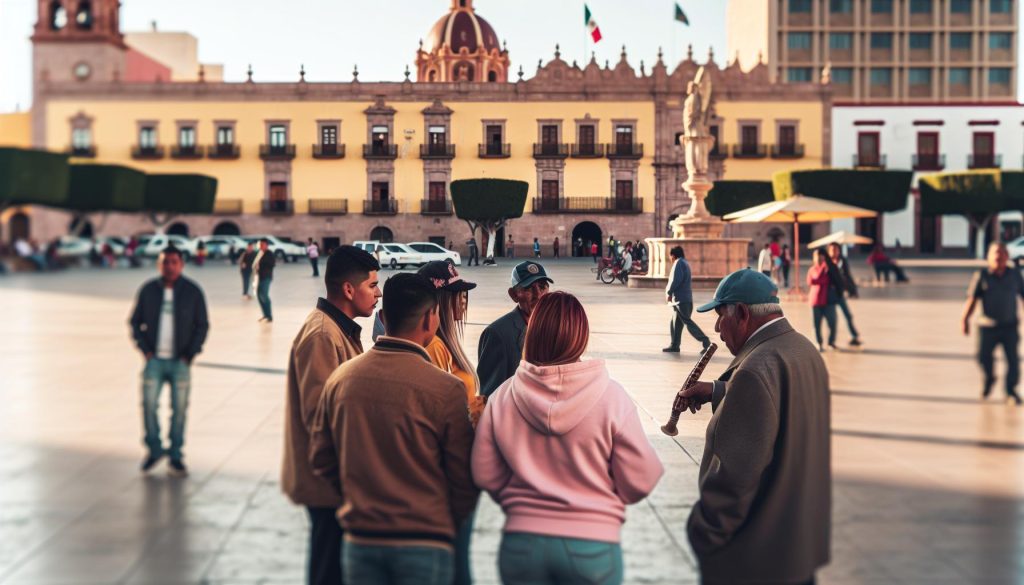
Did you know that Chihuahua is not only the name of a breed of dog but also the largest state in Mexico, home to rich culture and stunning landscapes? The capital of Chihuahua State, a city sharing the same name, plays a pivotal role in this vibrant region. Understanding its significance can enhance your appreciation for Mexican heritage and history. Located in the northwest part of the country, the city is a hub for commerce and tourism, offering a glimpse into the past with its colonial architecture and modern amenities. Whether you’re planning a visit or simply curious about this fascinating place, exploring its capital will reveal stories of resilience and community. Join us as we delve deeper into what makes Chihuahua the heart of its state!
What Is the Capital of Chihuahua State?
Chihuahua State, located in northern Mexico, proudly claims its capital as Chihuahua City. Renowned for its rich history and cultural significance, this capital not only holds administrative importance but also roots its identity in the complex tapestry of Mexican heritage. The city’s founding dates back to the early 18th century, making it a key player in the region’s development and history.
Visitors to Chihuahua City can explore a wide range of significant landmarks that speak to its past. The majestic Chihuahua Cathedral, with its stunning baroque architecture, serves as a central point of interest. History enthusiasts can delve into the past at the Museo Casa Chihuahua, located in the former home of the governor, which presents an engaging narrative of the city’s evolution. Furthermore, the Palacio de Gobierno, the state government building, showcases vibrant murals depicting the state’s history, enriching your understanding of this dynamic city.
Chihuahua City also serves as a cultural hub, hosting various events and festivals throughout the year that celebrate its unique heritage. The vibrant arts scene, characterized by local crafts and traditional music, reflects the lively spirit of its inhabitants. As you navigate this bustling city, you’ll easily see why so many visitors are captivated by Chihuahua’s charm, history, and cultural offerings.
Historical Significance of Chihuahua City
Chihuahua City stands as a testament to Mexico’s rich historical tapestry, blending indigenous heritage with colonial influences. Founded in the early 18th century, this capital city played a pivotal role in various historical contexts, notably during the Mexican War of Independence and the Mexican Revolution. Its strategic location and cultural significance made it a hub of political and social activity, drawing numerous prominent figures and events that shaped the nation’s course.
One of the most remarkable aspects of Chihuahua City’s history is its role in the revolutionary narrative, notably as a base for notable leaders like Pancho Villa. The Casa de Pancho Villa, now a museum, offers a window into the life of this iconic figure and serves to remind visitors of the city’s integral place in Mexico’s revolutionary history. Beyond its revolutionary roots, the city’s historic architecture, such as the Chihuahua Cathedral and the Palacio de Gobierno, reflects a blend of Baroque and neoclassical styles, showcasing the artistic influences that have graced the region over the centuries.
Culturally, the city has been a vibrant melting pot, where various cultural traditions meet, making it a focal point for art and music in northern Mexico. Local festivals not only celebrate historical events but also highlight the indigenous and colonial heritage that defines the region. By exploring the bustling markets and attending cultural events, visitors can gain deeper insights into the customs and stories that continue to inform Chihuahua City’s identity today.
Chihuahua City’s historical significance is not just a narrative of the past; it is an ongoing story that resonates through its architecture, its people, and its celebrations. This dynamic city invites both history enthusiasts and casual visitors to discover the layers of history that are ever-present in its streets, ensuring a captivating experience for all who venture into its vibrant past.
Cultural Attractions to Explore in Chihuahua
Chihuahua City is brimming with cultural attractions that beautifully showcase its history and vibrant community. One of the must-visit spots is the Casa de Pancho Villa, a museum dedicated to the life of the iconic revolutionary leader. Here, visitors can explore artifacts, photographs, and personal items that provide insight into Pancho Villa’s life and the revolutionary era. The museum’s well-curated exhibitions invite you to delve deep into the stories behind one of Mexico’s most legendary figures.
Another highlight is the Chihuahua Cathedral, a stunning piece of architecture that represents the Baroque style intertwined with neoclassical elements. Its impressive façade and intricate interiors, complete with detailed paintings and sculptures, make it a spiritual and artistic oasis in the city. Additionally, the Palacio de Gobierno, or Government Palace, located right in the city center, offers rich historical narratives through its well-preserved murals that depict notable events in Mexican history.
Local Markets and Arts
Exploring Chihuahua City’s local markets is a sensory adventure. The Mercado Hidalgo is an ideal place for those seeking authentic local goods, crafts, and delicious street food. This bustling market offers a glimpse into daily life, where you can find everything from handcrafted souvenirs to regional delicacies such as quesadillas and tamales. Engaging with local vendors not only enhances the shopping experience but also provides opportunities to learn about Chihuahua’s rich culinary traditions.
Chihuahua’s cultural scene isn’t complete without the Museo de Arte de Chihuahua. This museum showcases local and national artists, reflecting both contemporary and traditional Mexican art. The changing exhibits ensure that there’s always something new to explore. For art enthusiasts and curious visitors alike, this venue serves as a bridge connecting the past with modern artistic expressions.
Festivals and Celebrations
Don’t miss the city’s lively festivals, which are a profound display of local culture and tradition. Events such as the Festival Internacional Chihuahua celebrate music, theater, and dance, attracting performances from both local and international artists. Such celebrations not only highlight the eclectic cultural landscape of Chihuahua but also foster a sense of community and shared heritage among residents and visitors.
With so much to discover, Chihuahua City offers a rich tapestry of cultural experiences that captivate and engage every traveler. Whether exploring historical landmarks or diving into bustling markets, the city’s vibrant culture is sure to leave a lasting impression.
Understanding Chihuahua’s Geography and Climate
Chihuahua City is nestled in the heart of one of Mexico’s largest states, boasting a unique geography that straddles arid desert landscapes and dramatic mountain ranges. This fascinating location is characterized by its high elevation, sitting at approximately 1,400 meters (4,600 feet) above sea level, which contributes to its distinct climate and breathtaking views of the Sierra Madre Occidental mountain range. This elevation not only sets the stage for stunning landscapes but also means that residents experience cooler temperatures compared to other regions in Mexico.
The geography around Chihuahua is predominantly flat with some mountainous areas, which influences local climate patterns significantly. It experiences a semi-arid climate, characterized by hot summers and mild winters. Average summer temperatures can soar above 30°C (86°F), while winter nights may drop to around 0°C (32°F). Rainfall is scarce, averaging about 300 mm (approximately 12 inches) per year, mostly occurring during the summer months. These conditions create a fantastic environment for outdoor activities, such as hiking and exploring the dramatic landscapes, though it’s essential for visitors to stay hydrated and protected from the sun.
Microclimates of Chihuahua
Chihuahua’s varied topography leads to the development of microclimates, especially within its borders. For instance, areas near the Sierra Madre might experience more precipitation and cooler temperatures, whereas the lowlands see hotter and drier conditions. Understanding these microclimates is crucial for planning visits or activities, particularly for those looking to explore the diverse flora and fauna or enjoy seasonal events that are influenced by the weather.
For anyone considering a journey to this historic city, packing layers is advisable to adapt to the temperature fluctuations throughout the day. Early mornings and evenings can be quite cool, making a light jacket or sweater handy, while the middle of the day can become quite warm. This climate also supports a variety of outdoor festivals and culinary gatherings throughout the year, showcasing the rich agricultural offerings of regions surrounding the city. As such, understanding the geography and climate of Chihuahua not only enriches your visit but also informs how to best enjoy this vibrant location.
Economy and Industry: Chihuahua’s Backbone
Chihuahua City stands as a crucial economic hub in northern Mexico, largely thanks to its strategic location and diverse industrial base. The region’s economy thrives on a combination of agricultural production, manufacturing, and commerce, supported by a workforce that reflects the city’s industrious spirit. With a cultivated environment for business, Chihuahua has become a magnet for foreign investment and domestic enterprises alike.
The agricultural sector plays a significant role in Chihuahua’s economy, contributing not only to local food supplies but also to major exports. The state is known for producing a variety of crops, including apples, cherries, and pecans. In fact, it is one of the leading states in pecan production in Mexico. This agricultural output is bolstered by vast irrigated areas, allowing for high yields even in the challenging semi-arid climate.
Moreover, Chihuahua’s manufacturing sector is robust and diverse. It includes automobile assembly plants, electronics, and aerospace industries, drawing many multinational companies to set up operations in the area. The establishment of the Juárez-El Paso trade corridor emphasizes the importance of logistics and transport in enhancing industrial capacity. This corridor facilitates trade with the United States, promoting ongoing economic growth and job creation.
Chihuahua City also hosts several industrial parks that cater to manufacturing and assembly operations, which has been pivotal in reducing unemployment rates and improving living standards in the region. These parks benefit from the availability of skilled labor and infrastructure that supports heavy transport and distribution.
In summary, the economy of Chihuahua City is a well-rounded entity that blends agriculture and manufacturing, driven by strategic geographical advantages. This synergy not only propels economic development but also enhances the quality of life for its residents, making it a vital contributor to the overall wealth of the state.
Events and Festivals Celebrated in Chihuahua
Chihuahua City buzzes with life, especially when its vibrant festivals take center stage. Celebrated for its rich cultural heritage and warm community spirit, the events here are a true reflection of the city’s character. One of the most awaited occasions is the Feria de Chihuahua, a grand fair that unfolds in late summer, showcasing everything from thrilling rides to local crafts. This festival also features traditional music and dance performances, creating an immersive experience for visitors and residents alike.
Another significant event is the Chihuahua International Festival (Festival Internacional Chihuahua), which takes place annually in September. It celebrates art, music, and culture, attracting artists and performers from across Mexico and beyond. Expect to see theatrical performances, art exhibitions, and concerts that highlight both traditional and contemporary artistic expressions. This festival not only entertains but also fosters cultural exchange and appreciation in the region.
During Día de los Muertos (Day of the Dead), the city transforms into a colorful homage to life and memory. Locals create beautiful altars adorned with marigolds, sugar skulls, and photographs of loved ones who have passed away. Events include parades and workshops, offering you a chance to experience this deeply meaningful tradition that emphasizes family bonds and remembrance.
These festivals are just a glimpse into the lively atmosphere of Chihuahua. Whether you are a first-time visitor or a seasoned traveler, participating in these events will immerse you in the local culture and community. With diverse activities catering to various interests, there’s something for everyone to enjoy, making your trip to Chihuahua not just a visit but an unforgettable experience.
Transportation Options for Visiting Chihuahua
Traveling to Chihuahua City opens up a world of excitement, and navigating the city is easier than one might think. With a range of transportation options available, visitors can explore the beauty and culture of this vibrant capital without a hitch. Whether you prefer the independence of driving or the convenience of public transport, Chihuahua has something for everyone.
Public transportation in Chihuahua is both efficient and affordable. The city’s bus system covers most areas, with routes that connect key neighborhoods, attractions, and the downtown area. Buses are frequent, and fares are inexpensive, making it a practical option for tourists looking to save on travel costs. For those who enjoy a more personalized travel experience, taxis are readily available. They offer a straightforward way to reach specific destinations without the worry of navigating public transport schedules. Be sure to confirm the fare beforehand or ask for a taxi that uses a meter.
For visitors arriving from afar, General Roberto Fierro Villalobos International Airport serves as the main gateway to the city. Located just a short drive from downtown, the airport offers various domestic flights and some international routes. Upon landing, travelers can easily arrange airport transfers through taxi services or pre-booked shuttles, ensuring a smooth start to their adventure in Chihuahua.
Connecting to the Surrounding Region
If you’re planning on exploring beyond the city limits, renting a car is an excellent option. Major car rental services operate out of the airport and within the city, providing flexibility to venture into the stunning natural landscapes of the Sierra Madre Occidental. The scenic drives through this region offer breathtaking views and access to outdoor activities.
In summary, whether you opt for public transit, a taxi, or the freedom of a rental car, getting around Chihuahua City is straightforward. Exploring this beautiful capital is an exhilarating experience, and with the right transportation in place, visitors can focus on enjoying all that it has to offer.
Local Cuisine and Dining in Chihuahua
Chihuahua City boasts a rich culinary scene that reflects both its historical roots and diverse influences from across Mexico and the American Southwest. One of the standout features of the local cuisine is its focus on traditional ingredients and hearty dishes that have been perfected over generations. When visiting, be sure to indulge in local specialties that capture the essence of this vibrant city.
Among the must-try dishes is the discada, a flavorful stir-fry typically made with a variety of meats such as beef, pork, and chicken, alongside vegetables like bell peppers and tomatoes, all cooked together in a large plow disc. This dish, originating from ranches throughout the region, is not only a culinary staple but also reflects the communal spirit of Chihuahua’s culinary traditions. Another local favorite is tamales, often filled with meats, cheeses, or sweet options, and served with a side of salsa for added flavor.
For those who enjoy sampling different flavors, visit the local street markets where vendors sell tacos de carne asada – grilled beef tacos garnished with fresh onions, cilantro, and a squeeze of lime. Don’t forget to try chile con carne, a spicy stew that showcases the region’s love for bold flavors. If you have a sweet tooth, local desserts like buñuelos, crispy fritters dusted with sugar and sometimes served with syrup or honey, are a delightful treat that rounds off any meal beautifully.
Dining in Chihuahua is often a communal experience. Many restaurants emphasize the importance of gatherings, making eating out an occasion to celebrate. Local eateries can range from casual taquerías to more upscale dining establishments offering innovative twists on traditional dishes. Be sure to ask locals for their recommendations; they often have hidden gems that showcase the best of Chihuahua‘s culinary scene. Enjoy your gastronomic journey through this charming city and savor the flavors that tell the story of its culture and community.
Top Educational Institutions in Chihuahua
Chihuahua City is home to several distinguished educational institutions that cater to a range of academic interests and professional aspirations. These institutions not only provide quality education but also contribute significantly to the cultural and intellectual vibrancy of the region. Among the notable universities, the Universidad Autónoma de Chihuahua (UACH) stands out. Established in 1954, it is one of the largest universities in the state, offering a wide array of undergraduate and graduate programs across various fields such as engineering, social sciences, and health sciences.
Another prominent institution is the Instituto Tecnológico de Chihuahua, which is known for its strong emphasis on engineering and technology courses. This technical institute has been instrumental in shaping the careers of many professionals in the region, particularly in manufacturing and industrial sectors. The focus on practical application and innovation makes it an attractive choice for students looking to enter the workforce with hands-on experience.
Chihuahua City’s commitment to higher education also includes specialized institutions like the Universidad Pedagógica Nacional, which focuses on training educators and enhancing teaching methodologies. This university plays a critical role in advancing education standards in the state, preparing dedicated educators who are well-equipped to meet the challenges of modern classrooms.
For those interested in art and design, the Centro de Estudios de Diseño de Chihuahua offers unique programs that combine traditional techniques with contemporary practices, nurturing creativity among aspiring artists and designers.
Whether you’re considering a new academic journey or looking to enhance your professional skills, Chihuahua City’s educational landscape is rich with opportunities. The diversity of institutions, from large universities to specialized schools, ensures that students can find programs that fit their interests and career goals, fostering a new generation of professionals ready to contribute to the community and beyond.
Residential Areas: Where to Live in Chihuahua
Chihuahua City, the capital of the state, boasts a variety of residential neighborhoods, each offering unique qualities that cater to different lifestyles and preferences. Whether you are a young professional, a family, or a retiree, there’s an area in Chihuahua that will meet your needs and provide a pleasant environment to call home.
For those seeking a vibrant urban life, the downtown area is ideal. It’s bustling with activity, featuring numerous cafes, shops, and cultural sites, allowing residents to immerse themselves in the city’s rich history and lively atmosphere. Living downtown means you’re always close to local events and entertainment, making it a great choice for social butterflies.
Families may find the residential suburbs appealing. Areas like colonia Pradera Dorada and colonia San Felipe are known for their spacious homes, green parks, and friendly communities. These neighborhoods often provide easy access to schools and playgrounds, ensuring a family-friendly environment. Many homes in these areas have yards, perfect for children to play or pets to roam.
For those who appreciate serenity and a touch of nature, neighborhoods such as zona del valle offer a blend of modern amenities and natural landscapes. These areas often feature larger homes with gardens and are quieter, providing a peaceful retreat from the hustle and bustle of city life. Residents here often enjoy activities like hiking and weekend picnics in nearby parks.
When choosing where to live in Chihuahua, consider accessibility to public transportation, local markets, and essential services. Each neighborhood has its charm and benefits, ensuring every resident can find their perfect spot. Embrace the unique character of Chihuahua City while enjoying a welcoming community that reflects the warmth and spirit of its residents.
Essential Travel Tips for Visitors to Chihuahua
To fully enjoy your visit to Chihuahua City, it’s essential to be prepared with some handy tips that can enhance your experience. Start with the basics: safety is paramount. Chihuahua, like any city, has areas where caution is advised, particularly after dark. Stick to well-lit, populated places and keep your belongings secure. It’s also wise to learn a few basic Spanish phrases; while many locals speak English, showing a willingness to communicate in Spanish can enrich your interactions.
When planning your itinerary, be sure to take advantage of the local culture and history. Explore the historic downtown area, where you can visit the stunning Cathedral and the Government Palace. The weekends often feature local markets where artisans showcase their work, so don’t miss the opportunity to pick up unique souvenirs.
Chihuahua’s weather can vary significantly depending on the season. Summers can be quite hot, averaging around 30°C (86°F), while winters may dip to near freezing temperatures, especially at night. Dressing in layers can help you adapt to temperature changes throughout the day.
For your transportation needs, public buses are available, but visitors often find taxis or ride-sharing services like Uber to be more convenient and safer for navigating the city, especially if you are unfamiliar with the public transit system. If you’re planning to visit the surrounding areas, consider renting a car to explore the breathtaking landscapes of the Sierra Madre mountains.
Food lovers will be delighted by the local cuisine, which includes traditional dishes such as birria (a savory meat stew) and fresh tortas. Don’t hesitate to try street food; just ensure you choose vendors that look busy and have high turnover to ensure freshness.
Lastly, be mindful of local customs and etiquette, particularly when it comes to greetings. A warm smile and a friendly “hola” can open many doors. Engaging with the locals not only enriches your experience but also helps you feel the distinct heartbeat of Chihuahua City as you explore all it has to offer.
FAQ
Q: What is the capital of Chihuahua state in Mexico?
A: The capital of Chihuahua state is Chihuahua City, which is not only the largest city in the state but also serves as its economic and cultural center.
Q: How far is Chihuahua City from the U.S. border?
A: Chihuahua City is approximately 220 miles (354 kilometers) south of the U.S. border, specifically near El Paso, Texas, making it accessible for international visitors.
Q: What language is primarily spoken in Chihuahua City?
A: The primary language spoken in Chihuahua City is Spanish, although some English is spoken in tourist areas. Learning basic Spanish phrases can enhance your travel experience.
Q: What is the population of Chihuahua City?
A: As of the latest estimates, the population of Chihuahua City is around 900,000 people, making it one of the most populous cities in Mexico.
Q: What are the main industries in Chihuahua City?
A: Chihuahua City’s economy is driven by manufacturing, agriculture, and trade, with many industries located in the region, including automotive and electronics manufacturing.
Q: When is the best time to visit Chihuahua City?
A: The best time to visit Chihuahua City is during the spring (March to May) and autumn (September to November) months, when weather conditions are mild and ideal for exploring outdoor attractions.
Q: What are some historical sites to see in Chihuahua?
A: Notable historical sites in Chihuahua include the Chihuahua City Historical Museum and the Pancho Villa Museum, both offering insights into the region’s rich history and culture.
Q: Is there public transportation in Chihuahua City?
A: Yes, public transportation in Chihuahua City includes buses and taxis, providing an affordable way to explore the city and its surrounding areas efficiently.
In Summary
Now that you know the capital of Chihuahua State in Mexico, why not dive deeper into its rich culture and history? Discover local attractions, important landmarks, and travel tips to enhance your visit. Don’t miss out on learning about the incredible natural beauty surrounding the region, from majestic mountains to stunning national parks.
For more insights, check out our articles on “Top Tourist Attractions in Chihuahua” and “Cultural Festivals in Mexico,” which will guide your exploration. Join our newsletter for the latest updates and resources to make your travels unforgettable.
Your journey about Chihuahua’s capital doesn’t end here-engage with us, share your experiences, or drop your questions in the comments below. Every detail you uncover adds to the richness of your adventure!
Get our latest guides, news, and insights highlighted in your Google Search & AI Overviews.