
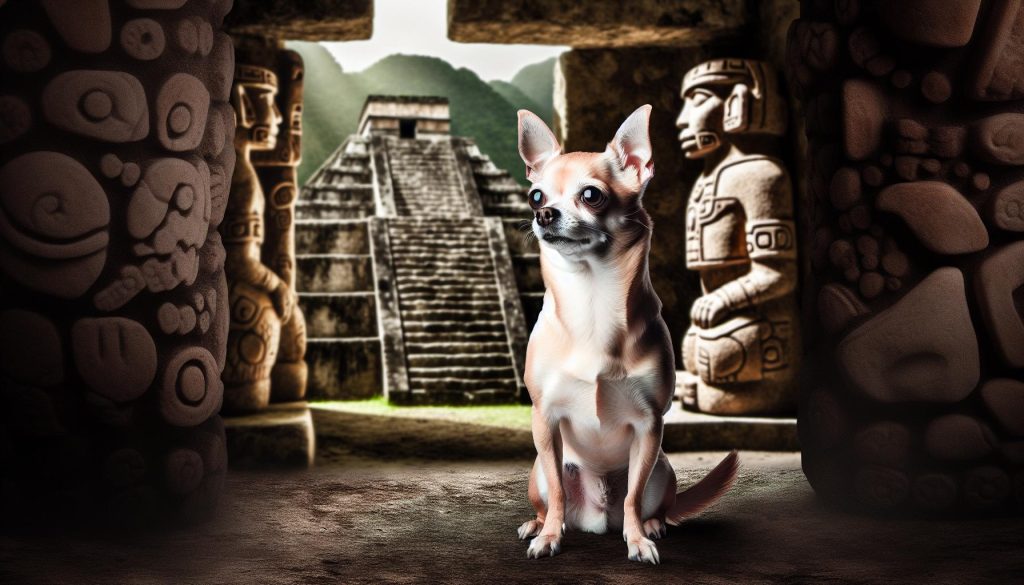
The Chihuahua is more than just a tiny dog; it’s a breed steeped in history and tradition that dates back to ancient civilizations. Known for their bold personality and fierce loyalty, Chihuahuas have captured the hearts of dog lovers worldwide. Understanding their origins not only enriches your appreciation for this quirky breed but also sheds light on their unique behaviors and health needs. Did you know that their ancestors were believed to accompany ancient civilizations, serving both as companions and sacred animals? As you dive deeper into the fascinating journey of the Chihuahua, you’ll discover how their remarkable past influences their traits today-from their vocal nature to their distinctive apple-head shape. Whether you’re a first-time owner or a seasoned Chihuahua enthusiast, exploring their ancient roots will enhance your connection with these spirited little companions and help you provide the best care for them. Join us as we uncover the captivating ancestry of your beloved furry friend!
What Are the Ancient Ancestors of the Chihuahua?
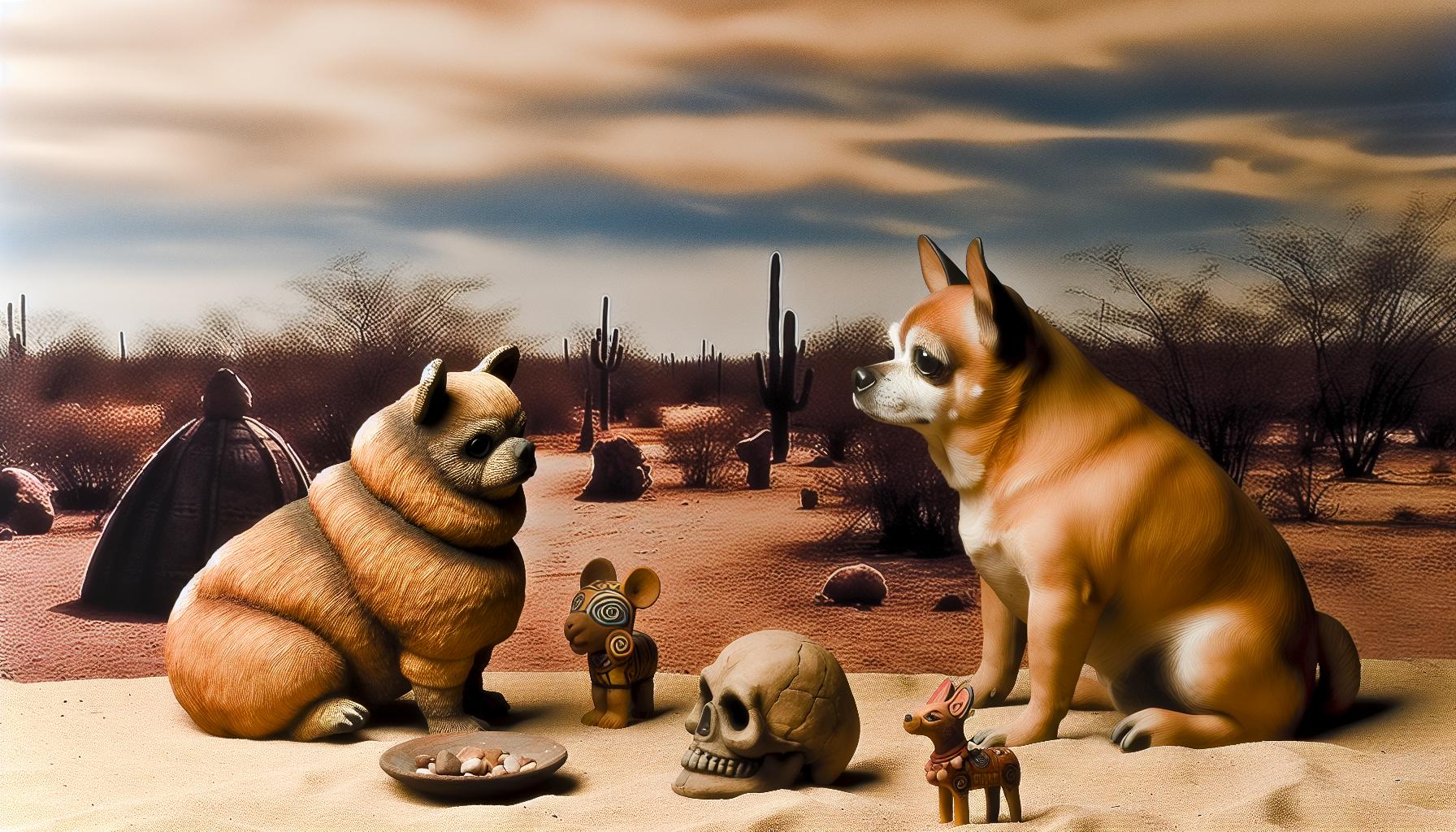
The Chihuahua, a beloved breed known for its vibrant personality and tiny stature, has fascinating ancient roots that trace back thousands of years. Archaeological evidence suggests that small dogs resembling the Chihuahua existed in ancient Mesoamerica. These dogs are believed to have descended from the Techichi, a small companion dog revered by the ancient civilizations of the region, including the Toltecs and the Aztecs. The Techichi was valued not just for its companionship but also held spiritual significance, often accompanying their owners in both life and death.
These early Chihuahuas were not the same as the varieties we see today but rather served a multitude of purposes, from guardians to spiritual symbol. Many contemporary Chihuahuas retain characteristics that echo those ancient ancestors, such as their lively demeanor and strong bond with humans. Today, you may find yourself captivated by a Chihuahua’s bold nature-a quality that hearkens back to his ancestors who fearlessly protected their families.
Moreover, the transformation from the Techichi to the modern Chihuahua involved a mix of selective breeding, particularly during the 19th century when American tourists brought them back to the United States and popularized the breed. This evolution has shaped the diverse appearances we see today, from the apple-head to the deer-head styles, further enhancing their charm and appeal.
Loving these tiny companions means appreciating their rich heritage. Understanding where your Chihuahua comes from can deepen your bond, as they carry a piece of history in those tiny frames. Whether it’s their energetic antics or their fierce loyalty, each Chihuahua embodies a legacy of companionship that continues to thrive through generations.
Understanding the Chihuahua’s Unique Characteristics
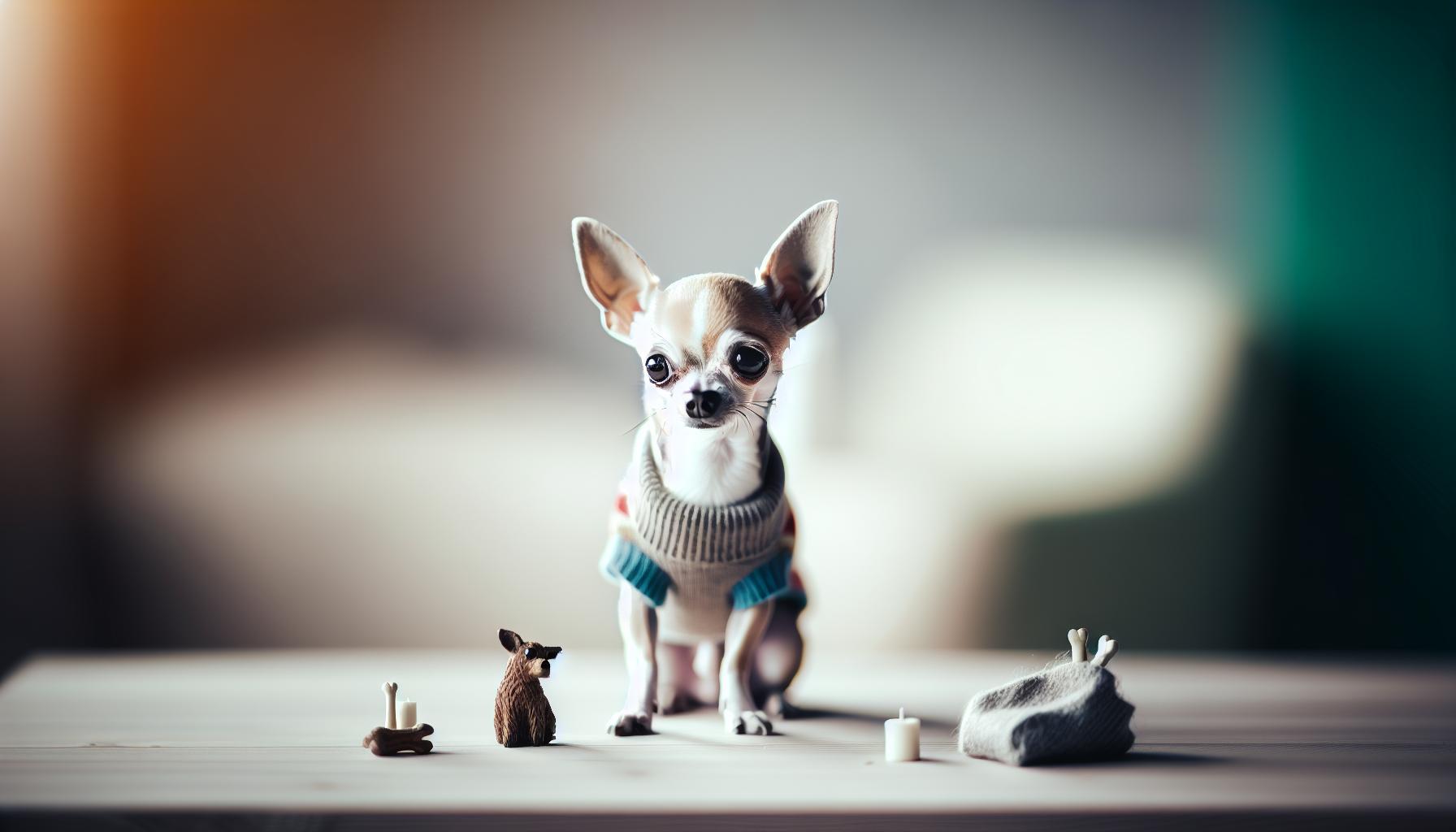
Chihuahuas are small dogs with a big personality, often described as fearless and charismatic. These delightful companions, typically weighing between 2 to 6 pounds, come in two primary coat types: smooth and long. This variety in coats, along with their distinctive head shapes-apple-head and deer-head-sets them apart from many other breeds. Their tiny stature belies a bold and spirited attitude, which is certainly one of their most endearing characteristics.
Known for their loyalty, many Chihuahuas form strong bonds with their owners, often choosing a favorite person to whom they exhibit unwavering devotion. They may follow you room to room, keeping a close eye on your every move, or even attempt to “protect” you from perceived threats, like the neighbor’s cat. This sense of loyalty often shines through in their vocalizations; many Chihuahuas are quite talkative, using a range of barks and yips to express themselves.
Despite their small size, Chihuahuas can have a larger-than-life presence. Training and socialization from a young age can help channel their energy and assertiveness into positive behaviors. Early exposure to various environments, people, and pets is crucial, as it instills confidence and encourages good manners. However, remember that some Chihuahuas can be wary of strangers, a behavior rooted in their history as loyal guardians.
When it comes to care, keeping your Chihuahua well-groomed is essential, especially for those with long coats. Regular brushing helps prevent matting and reduces shedding. Additionally, considering their delicate size, it’s vital to be cautious during playtime and ensure they don’t engage in overly rough activities. With proper love, attention, and care, your Chihuahua will thrive, showcasing not only their unique characteristics but also the rich legacy they carry from their ancient ancestors.
The Evolution of Chihuahua Breeds Over Time
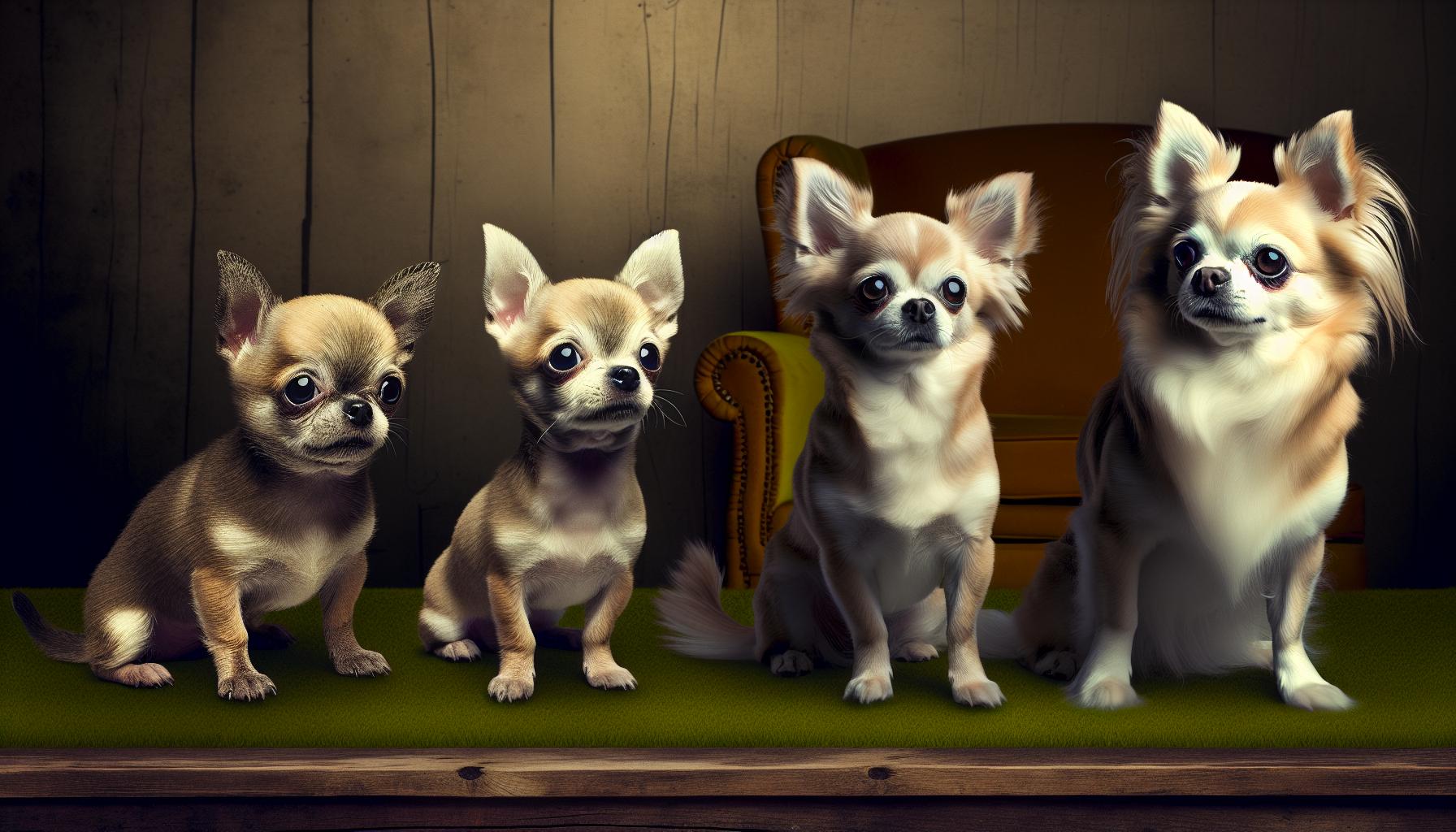
The Chihuahua’s lineage reveals a fascinating tapestry woven from the ancient threads of dog breeding, believed to have roots tracing back thousands of years to the ancient civilizations of Mexico. The modern Chihuahua may be small, but her ancestors were revered companions and sacred pets, deeply embedded in the cultures of the Toltecs and the Aztecs. These civilizations cherished a small dog known as the Techichi, which is considered a crucial precursor to today’s Chihuahua. Artifacts and pottery have depicted these diminutive dogs alongside their human counterparts, indicating their significant role in daily life and spiritual practices.
As natural selection and human intervention shaped this lineage, the Chihuahua began to evolve into the breed we know and love today. The Spanish colonization in the 16th century introduced new breeds and influenced the Techichi’s development. Over time, the mingling of local short-haired dogs with European breeds brought forth variations, leading to the distinct apple-head and deer-head Chihuahuas that enthusiasts admire. This variety in head shape and size reflects the breed’s unique adaptations geared towards companionship, loyalty, and temperament.
Chihuahuas have remained remarkably unchanged for decades, thanks to their appealing personality traits. Their boldness, loyalty, and standoffish behavior towards strangers echo the qualities that were once valued by ancient Mesoamerican cultures. Today’s owners will find that Chihuahuas often embody a fierce loyalty, protective of their loved ones despite their minute size. Training and socialization are key components in shaping their behavior, as these playful pooches can surprise you with their spirited demeanor.
In terms of care and health, understanding the evolution of the Chihuahua can inform best practices for ownership. Given their tiny stature, particular health concerns, such as dental issues and patellar luxation, can arise. Hence, routine veterinary visits and attentive care are essential in ensuring they thrive. The commitment to maintaining their physical and emotional wellbeing fosters not only a lifelong bond but elevates the loving spirit that has characterized this breed through the ages.
Cultural Significance of the Chihuahua Throughout History
The Chihuahua’s rich cultural significance can be traced back through centuries of history, showcasing its prominent role in ancient Mesoamerican civilizations. Much more than just a companion animal, these small dogs were revered by the Toltecs and Aztecs, intertwining their lives and rituals with that of the Techichi, the small dog believed to be an ancestor of the modern Chihuahua. In those times, the Techichi was not only a household pet but a sacred creature, often buried alongside their owners, indicating their deep spiritual connection and importance in daily life.
Artifacts and ancient art frequently depict these diminutive dogs, affirming their valued status. Pottery and stone carvings illustrating the Techichi reveal its role in Mesoamerican culture-embodying companionship and being present in both everyday life and spiritual practices. Such representations reflect the belief that Chihuahuas acted as spiritual guides for their owners, accompanying them in both life and the afterlife. As we observe in contemporary ownership, this spiritual bond exists today; Chihuahuas are still seen as beloved companions who offer unwavering loyalty and emotional support.
In modern culture, Chihuahuas maintain their iconic status, not only as pets but as symbols of personal expression. Their bold personality and striking appearance make them favorites for celebrities and everyday individuals alike, often appearing prominently in popular media as a reflection of their unique charm and lively demeanor. Strong advocates for the breed emphasize their historical importance while celebrating their place in today’s society. Chihuahuas, regardless of their size, have proven to be resilient, adapting seamlessly to various lifestyles yet retaining the distinctive characteristics that make them truly special.
Ultimately, understanding the Chihuahua’s remarkable history enhances our appreciation of this ancient breed. For Chihuahua owners, being custodians of such a storied legacy carries a unique sense of pride. Observing and nurturing the bold, vibrant spirit of these dogs allows us to honor the cultural heritage they represent-one that spans from ancient temples to cozy homes today. Your commitment as an owner not only fosters a lifelong bond but also connects you to a lineage steeped in history and heartfelt devotion.
The Impact of Climate on Chihuahua Development
The Chihuahua, with its petite stature and vibrant personality, has a fascinating history shaped significantly by the climatic conditions of its ancestral home. Originating in the warm, arid regions of Mexico, this breed evolved not only to thrive in such environments, but also to adapt to the cultural and functional roles it was assigned by ancient civilizations. The climate played a crucial role in determining not just the personality attributes of Chihuahuas but also aspects of their physical development.
In the hotter climates, Chihuahuas developed a body that is compact yet agile, allowing them to maneuver adeptly even in challenging terrains. Their short coats help them regulate body temperature, making them comfortable in warm weather while being susceptible to cold. Understanding this is essential for modern owners, as Chihuahuas often require special care in extreme temperatures. For instance, during the winter months, owners should consider sweaters or jackets for their pets to ensure warmth, especially if their Chihuahua has a short coat or is particularly sensitive to cold.
Moreover, the Chihuahua’s characteristics-such as its bold, vocal nature-can also be attributed to the social dynamics within small packs that formed in ancient Mexican societies. They were often used as guardians against pests and intruders, a trait that has been ingrained through generations. Owners might notice that their Chihuahua’s territorial behavior can be traced back to these early functions, making proper training essential for maintaining good behavior. This breed’s spirited personality not only makes them excellent companions but also allows them to adapt to various lifestyles, whether it’s living in an urban apartment or a country home.
Ultimately, recognizing how climate influenced the development of the Chihuahua offers invaluable insight into their care. Knowing that these small dogs thrive in moderate temperatures helps owners create a nurturing environment. Embrace your Chihuahua’s quirks and celebrate their history; by understanding their past, you can ensure they enjoy a happy and healthy life in your home.
How Size and Morphology Shaped the Breed
The Chihuahua’s size and morphology are not just cute traits but fundamental aspects of its history and purpose. This beloved breed, often characterized by its diminutive stature and big personality, has roots that echo through the ages. Interestingly, the Chihuahua’s small size was advantageous for survival and social roles in ancient civilizations. These tiny companions were not just lap dogs; they performed vital functions in their communities, including being used as guardians and even as spiritual companions.
Chihuahuas typically weigh between 2 to 6 pounds, yet their personalities are as robust as any larger breed. This small size allowed them to thrive in tight living quarters and navigate the enclosed spaces often found in early Mesoamerican homes. Owners may notice how fitting their Chihuahua’s anatomy is for agility and alertness, perfectly tailored for protective instincts. The breed’s compact frame allows for quick movements, which is often observed when a Chihuahua scurries to alert its owner of a visitor. Thanks to this morphology, they maintain their instinctual role as vigilant watchdogs.
Furthermore, the Chihuahua’s varying head shapes-ranging from the apple head to the deer head-reflect not only aesthetic preferences but also age-old breeding practices. The apple head is characterized by a rounded skull, large eyes, and a short snout, making for a particularly endearing profile that many owners adore. The deer head, with its longer, narrower skull and snout, contributes to an overall elegant look but still retains the breed’s spirited nature. These variations can influence personality traits as well; for instance, apple-headed Chihuahuas are often considered more playful and less reserved.
In addition to size and shape, the Chihuahua’s coat length-either short or long-has implications for care and health. Short-coated Chihuahuas may be easier to groom, while long-haired Chihuahuas require regular brushing to prevent matting. This grooming also affects their adaptability to different climates. Owners of short-haired Chihuahuas should be vigilant about keeping them warm during colder months, making sure he/she has comfy jackets or sweaters.
Ultimately, understanding how size and morphology have shaped the Chihuahua not only celebrates its unique heritage but also informs how we care for these spirited companions. By recognizing the traits and needs associated with your Chihuahua’s size and structure, you can provide a supportive and nurturing environment that respects their ancient origins while fostering a happy, healthy life in your home.
Chihuahua Coat Types: From Short to Long
Every Chihuahua owner knows that these pint-sized pooches come with a delightful array of coat types that add to their charm and personality. The two primary types-short-haired and long-haired-each possess distinct characteristics that influence not only their appearance but also their care requirements. Understanding these coat types is essential to ensure your beloved companion stays happy, healthy, and well-groomed.
Short-haired Chihuahuas, often displaying a sleek and shiny coat, are generally easier to maintain. Their fur lies flat against the body, making grooming a breeze as they require minimal brushing-usually no more than a quick wipe with a soft cloth to remove loose hairs and keep their coat looking glossy. However, their short coats mean they can be more sensitive to temperature changes. It’s important to keep him/her warm during colder months, which might involve getting a cozy sweater or jacket to protect against the chill.
On the other hand, long-haired Chihuahuas, with their flowing manes, certainly steal the spotlight. Their beautiful coats come in a variety of colors and patterns, and while they are undeniably stunning, they do require more diligent care. Regular brushing-ideally every few days-is crucial to prevent tangling and matting. During the shedding season, which typically occurs in spring and fall, you may find yourself spending more time grooming to keep his/her coat manageable. It’s also wise to check for debris or tangles frequently as their longer fur can attract dirt or trap allergens.
Interestingly, coat type can also reflect an individual Chihuahua’s personality. Owners often report that long-haired Chihuahuas are more affectionate and calmer, while short-haired ones, with their sleek appearance, tend to exhibit a bit more energy and playfulness. Each Chihuahua’s unique coat offers insight into its heritage, hinting at the breed’s ancient roots and connection to Mesoamerican cultures where various dog types had specific roles and appearances.
In addition to grooming and personality traits, coat type can affect health considerations. Long-haired Chihuahuas may need extra attention for skin conditions, particularly if they reside in humid climates, while short-haired ones are sometimes more prone to sunburn on exposed skin. Regardless of coat type, ensuring your Chihuahua receives a balanced diet, regular vet check-ups, and appropriate grooming will contribute to a long, healthy life full of joy and companionship.
Behavioral Traits: What Makes Chihuahuas Special?
Chihuahuas are not just pint-sized pooches; they are dynamic bundles of personality that can captivate the hearts of anyone who has the fortune to share their lives with them. One striking aspect of their behavioral traits is their unwavering loyalty. Often described as “one-person dogs,” Chihuahuas form deep bonds with their owners and can be quite protective. This loyalty often manifests in their vigilant nature-they may bark at unfamiliar sounds or sights, serving as surprisingly effective watchdogs despite their diminutive size.
Another fascinating aspect of Chihuahuas is their remarkable confidence. Surprisingly bold for their size, many Chihuahuas embody the saying, “big dog in a small body.” You’ll often see them strutting their stuff on walks, holding their heads high, and believing they can take on anything that crosses their path. This self-assuredness can sometimes lead to feisty behavior, especially if they feel threatened-many owners affectionately refer to their Chihuahua as the “little tyrant” when he/she exhibits this spirited attitude.
Additionally, Chihuahuas boast a charmingly quirky social side. While they can be reserved around strangers, many Chihuahuas thrive on social interaction with their trusted humans and well-known companions. They often display unique play styles, showcasing their intelligence and curiosity. Regular engagement through games and mental exercises is vital to harnessing this energy, helping to prevent any unwanted behavioral issues that may arise from boredom.
Chihuahuas also communicate in their distinct ways-from playful barks to quiet yips-each sound can convey a different emotion. This vocal nature not only enhances their interactions with their owners but also allows them to express their feelings, ensuring that their personalities shine through. It’s essential for owners to understand their Chihuahua’s vocalizations to foster a deeper bond and respond appropriately to their needs. Whether he’s showcasing his loyalty, confidence, or whimsical nature, a Chihuahua’s personality is a delightful tapestry woven from threads of love, playfulness, and boldness, making them a truly unique breed that warms the hearts of many.
Health Considerations Unique to Chihuahuas
Chihuahuas, with their petite stature and vibrant personalities, are often considered the pocket-sized guardians of our hearts. However, their small size also makes them susceptible to a range of health considerations that every owner should be aware of. From dental issues to heart health and temperature sensitivity, understanding these aspects can help ensure your little companion lives a long and vibrant life.
One of the most common health issues in Chihuahuas is dental disease. Due to their small mouths, Chihuahuas often have overcrowded teeth, which can lead to plaque buildup and gum disease. It’s essential for owners to maintain a regular dental hygiene routine. This could include brushing their teeth several times a week and providing dental chews designed to promote oral health. Regular vet checkups will also help catch any dental issues early on.
Heart health is another significant concern. Many Chihuahuas are prone to heart disease, particularly mitral valve disease. Signs of this condition can be subtle, including coughing or lethargy. Regular veterinary exams that include heart assessments can catch these issues before they become serious. Additionally, maintaining a healthy weight through proper diet and exercise can significantly reduce the risk of heart problems, allowing your Chihuahua to enjoy more active playtime.
Temperature sensitivity is particularly relevant for this breed. Chihuahuas can easily be affected by extreme temperatures due to their small size and low body fat. In colder climates, it’s wise to keep them warm with sweaters or jackets, while in the heat, ensure they have plenty of shaded areas and fresh water to prevent overheating. Paying attention to temperature changes can help keep your Chihuahua comfortable and safe.
Lastly, be aware of patellar luxation, a condition where the kneecap dislocates. This can lead to limping and arthritis if not treated properly. Regular check-ins with the vet can help manage this condition, ensuring you catch it early and keep your Chihuahua happy and active.
In summary, being informed and proactive about these health considerations will not only fortify the bond with your Chihuahua but also pave the way for a healthier and happier life together. Regular health checkups, proper dental care, attention to their unique temperature needs, and monitoring their vital signs are crucial steps in being a responsible and loving owner. After all, as much personality as he possesses, your Chihuahua’s health is the key to him strutting his stuff and stealing your heart every day.
Training and Socialization for Chihuahuas
Training a Chihuahua can be a rewarding experience filled with unique challenges. These tiny dynamos, known for their bold personalities and confidence, require dedicated socialization and training from an early age. Their ancestry traces back to ancient civilizations, where they were cherished companions, and this legacy remains true today. Understanding their cultural background and individual traits is essential for fostering a well-adjusted and happy pet.
Effective training starts with early socialization. Expose your Chihuahua to a variety of people, pets, and environments to help him grow into a well-mannered adult. Reward-based training techniques work best for Chihuahuas, as they respond positively to praise and treats. For example, if your Chihuahua shows curiosity towards a new person, rewarding him with a treat for calm behavior reinforces positive social skills. Consistency is key-set aside time each day for training sessions that are short yet engaging.
Understanding Their Unique Needs
Due to their small size, Chihuahuas can sometimes develop big-dog attitudes, leading to behaviors like excessive barking or possessiveness. It’s crucial to address these tendencies early on. For instance, if your pup displays aggressive barking at new visitors, calmly redirect his attention with a toy or command. Teach him to focus on you rather than the perceived threat. Practicing commands like “sit” or “stay” can help instill discipline, turning small moments into teaching opportunities.
Moreover, remember that Chihuahuas are intelligent and can become bored quickly. Keeping training sessions fun and varied will help maintain his interest. Utilize interactive toys that challenge his brain or engage him in simple agility exercises. This not only strengthens your bond but also expends that energetic spirit which might lead to mischief if left unchecked.
Creating a Safe Environment
Home is where your Chihuahua learns how to behave. Ensure his environment is safe and encourages good habits. Use baby gates if necessary to limit access to areas that may pose dangers, especially in multi-level homes. Setting a routine for feeding, walks, and playtime creates structure, which helps reduce anxiety.
Socialization doesn’t end when he reaches adulthood; continue to seek out new experiences throughout his life. Introduce him to different places, such as dog-friendly parks or pet boutiques, and consider enrolling in training classes. Not only does this enhance his skills, but it also provides an enriching environment for him to meet new friends.
Through patience and love, you’ll cultivate a well-behaved Chihuahua who thrives socially and mentally, echoing the loyalty and companionship that his ancient ancestors once offered.
Common Myths About Chihuahuas Debunked
Chihuahuas, despite their small stature, are often mischaracterized in a variety of ways, leading to misconceptions that can hinder understanding and appreciation of this unique breed. One prevalent myth is that Chihuahuas are fragile and not suitable for active households. In reality, while they do require careful handling due to their size, they are spirited and energetic dogs that thrive in bustling environments, as long as their owners are attentive to their needs. Many owners find that their Chihuahuas love to join them on walks, play fetch, or even engage in agility training. For instance, a Chihuahua named Bella recently won her local pet agility competition, proving that these little companions can be just as active and capable as larger breeds.
Another common misconception is that Chihuahuas are overly aggressive or yappy. This stereotype often arises from a lack of proper socialization and training. Like any dog, Chihuahuas can develop behavioral issues if not properly socialized; however, with early and ongoing exposure to various stimuli and consistent positive reinforcement, they can be calm, loyal, and friendly companions. For example, a Chihuahua named Max was initially fearful and reactive to strangers, but after his owner enrolled him in socialization classes, he transformed into a well-mannered little gentleman who loves meeting new friends.
Health is another area rife with myths; many believe that Chihuahuas are frail and prone to numerous health problems. While it’s true they can be predisposed to certain conditions, such as dental issues and patellar luxation, many Chihuahuas live long, healthy lives with proper care. Regular veterinary check-ups, a balanced diet, and proper dental hygiene can significantly enhance their well-being. One owner shared how her Chihuahua, Daisy, thrived by following a routine that included regular exercise and a specialized diet, leading to a healthy lifestyle well into her senior years.
Lastly, there’s a belief that owning a Chihuahua is easy due to their size. Yet, they can be just as challenging as any larger breed. From training and socialization to exercise requirements, Chihuahuas need engaged, knowledgeable owners who understand and appreciate their unique traits. Adopting a Chihuahua means committing to nurturing their vibrant personality and ensuring they thrive both physically and emotionally. Embracing these little quirks and challenges is part of what makes owning a Chihuahua such a rewarding experience.
Caring for Your Ancient Companion: Tips and Insights
The Chihuahua’s lineage traces back thousands of years, making them one of the oldest dog breeds. This tiny companion, known for its bold personality and loving nature, requires dedicated care that honors its heritage and enhances its well-being. Understanding the unique needs of your Chihuahua is essential to fostering a strong bond and ensuring a vibrant, healthy life.
Health and Wellness
Chihuahuas, while small, face specific health challenges that owners should be mindful of. Regular veterinary visits are vital for early detection of potential issues, such as dental disease-which they are prone to due to their small mouths-or heart problems like mitral valve disease. One owner shared the story of her Chihuahua, Coco, who thrived on a balanced diet and dental care routine, highlighting the importance of attention to dental health. Regular brushing and vet-checks keep their pearly whites in check and help prevent discomfort. Additionally, keeping your Chihuahua at a healthy weight is crucial; many can easily gain pounds due to their small size, which can lead to obesity-related health issues.
Behavioral Insights
Your Chihuahua’s rich ancient roots contribute to its spirited and sometimes quirky behavior. To nurture these traits, focus on socialization and training. Start early, exposing your Chihuahua to different environments, people, and pets. For example, introducing your Chihuahua, Bella, to various social situations helped her develop into a confident and friendly companion. Positive reinforcement techniques work wonders; reward good behavior with treats or praise. Remember, Chihuahuas thrive on love and attention, so engaging them through playtime or cuddles can boost their happiness and behavioral stability.
Coat Care and Comfort
Chihuahuas come in a variety of coat types, including smooth and long-haired variations. Each type requires different grooming levels. Smooth-coated Chihuahuas are relatively low maintenance, needing occasional brushing to remove loose hair. In contrast, long-haired Chihuahuas benefit from regular grooming to prevent matting. A content owner of a long-haired Chihuahua, Luna, emphasized that routine grooming not only maintained Luna’s coat but also strengthened their bond as she enjoyed the extra attention. Always ensure your pup’s coat is clean and free of tangles, and consider seasonal grooming strategies to help them stay comfortable year-round.
Creating the Right Environment
Considering their small size, Chihuahuas require a safe and enriching environment. Designate space in your home that is secure yet stimulating. They enjoy adventuring in small areas, so consider providing a variety of toys, climbing structures, or even cozy beds where they can feel secure. Additionally, keep their environment steady and calm to prevent anxiety. During storms or loud events, having a designated safe spot with familiar toys can help them feel at ease.
In summary, the joy of having a Chihuahua lies in understanding and meeting their unique needs. By ensuring their health, nurturing their spirit, and providing a loving environment, you’re not just caring for a pet-you’re embracing a remarkable companion rooted in an ancient legacy. Whether you’re a new owner or a seasoned enthusiast, the journey with your Chihuahua will undoubtedly be filled with love, loyalty, and wonderful memories.
FAQ
Q: What are the ancient breeds related to the Chihuahua?
A: The Chihuahua is believed to be descended from the Techichi, a small companion dog of the ancient Toltec civilization. This lineage highlights the breed’s deep historical roots, reflecting its long-standing role as a companion. For more on its ancestors, refer to the section on *ancient ancestors of the Chihuahua*.
Q: Why is the Chihuahua considered a symbol of Mexican culture?
A: The Chihuahua holds significant cultural importance in Mexico, often symbolizing loyalty and companionship. It is featured in various folklore and is celebrated in Mexican festivals, underscoring its role in both history and contemporary culture. Explore more in the *cultural significance of the Chihuahua* section.
Q: How has the Chihuahua breed changed over time?
A: Over the decades, Chihuahuas have evolved in size, shape, and temperament, influenced by breeding practices and societal trends. These changes have led to a variety of Chihuahua types, including the well-known apple-head and deer-head varieties. For details, refer to the section on *the evolution of Chihuahua breeds*.
Q: What environmental factors influenced the development of the Chihuahua?
A: The Chihuahua’s development was significantly shaped by its native environment, particularly the warm climates of Mexico, which made it well-suited for life as a small, resilient companion. More insights can be found in the *impact of climate on Chihuahua development* section.
Q: What health issues are unique to Chihuahuas?
A: Chihuahuas are prone to certain health issues, such as dental problems, patellar luxation, and heart disease. Regular veterinary check-ups and proper care can help mitigate these risks. Learn more about health considerations in the *health considerations unique to Chihuahuas* section.
Q: How can I effectively train my Chihuahua?
A: Effective training for Chihuahuas involves positive reinforcement techniques, consistency, and early socialization. Short, engaging training sessions can help build strong bonds and good behavior. For tips on training, see the section on *training and socialization for Chihuahuas*.
Q: What myths about Chihuahuas should I be aware of?
A: Many myths surround Chihuahuas, including misconceptions about their temperament and care needs. For instance, they are not just “yappy” dogs; they can be calm and affectionate. Debunk these myths in the *common myths about Chihuahuas debunked* section.
Q: What are some common behavioral traits of Chihuahuas?
A: Chihuahuas are known for their bold and confident nature, often forming strong attachments to their owners. They can be territorial and may display protective behaviors. Discover more in the *behavioral traits* section of the article.
The Way Forward
As you explore the fascinating history and characteristics of the Chihuahua dog, remember that understanding their ancient roots enhances your bond with your feisty little friend. From their vocal, bold nature to their affectionate loyalty, Chihuahuas are truly special companions. Whether you’re considering adopting or already own one, knowledge is key to providing the best care for these charming pups.
Don’t miss our guides on Chihuahua health and training tips to ensure your little one thrives. If you loved learning about their origin, check out our articles on different Chihuahua varieties or how to manage their unique behavior. For further updates and insights, sign up for our newsletter-join a community of passionate Chihuahua enthusiasts just like you! Your journey with your Chihuahua starts here, so feel free to share your experiences in the comments below. Let’s celebrate this incredible breed together!
Get our latest guides, news, and insights highlighted in your Google Search & AI Overviews.