
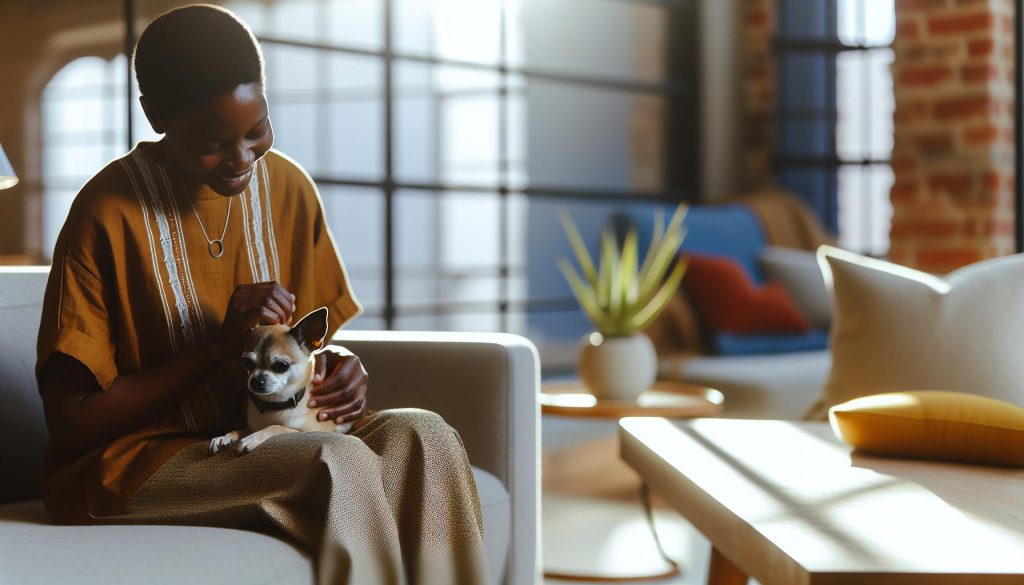
Did you know that Chihuahuas are often referred to as “Velcro dogs” for their clingy nature? This incredible loyalty can leave many owners wondering why their pint-sized companions seem to follow them everywhere. Understanding this behavior is crucial for fostering a loving and supportive environment for your Chihuahua, whether you’re a seasoned owner or a first-time friend to the breed. These tiny guardians thrive on close bonds with their humans, leading to behaviors that can be both adorable and challenging. From their deep-seated loyalty to their bold personalities, Chihuahuas come with a unique set of traits that make them truly special. In this article, we’ll explore the reasons behind their clinginess, offering insights and practical tips to help you nurture that strong connection while respecting their needs for independence and security. Stay with us as we dive into the fascinating world of Chihuahuas and discover how to celebrate the quirks that make them so beloved.
Are Chihuahuas Naturally Velcro Dogs?
Chihuahuas are known for their big personalities packed into small bodies, and one trait that stands out among them is their tendency to form incredibly strong bonds with their humans. This characteristic has earned the breed the affectionate title of “Velcro dogs.” It’s not uncommon for a Chihuahua to follow you around the house, snuggle up during movie nights, or insist on sitting in your lap whenever possible. Their loyalty is famed, but what drives this clinginess?
The social nature of Chihuahuas plays a crucial role in their attachment style. Being a breed that historically thrived in close-knit family environments, Chihuahuas are wired to seek companionship and security. When a Chihuahua chooses you as their favorite person, it is often because they feel a deep sense of safety and warmth in your presence. The bond can be so strong that many Chihuahuas have been known to experience anxiety when separated from their owners, demonstrating just how deeply they connect.
Moreover, early experiences significantly influence a Chihuahua’s personality and attachment patterns. Puppies that are well-socialized with a variety of people and environments tend to grow into confident adults who are less reliant on one person. On the other hand, those that lack such exposure may cling more tightly to their primary caregiver. It’s essential for owners to provide a balanced approach to socialization, helping their furry friend feel secure while also nurturing independence. This ensures that while your Chihuahua may enjoy close companionship, he can also handle time alone without stress.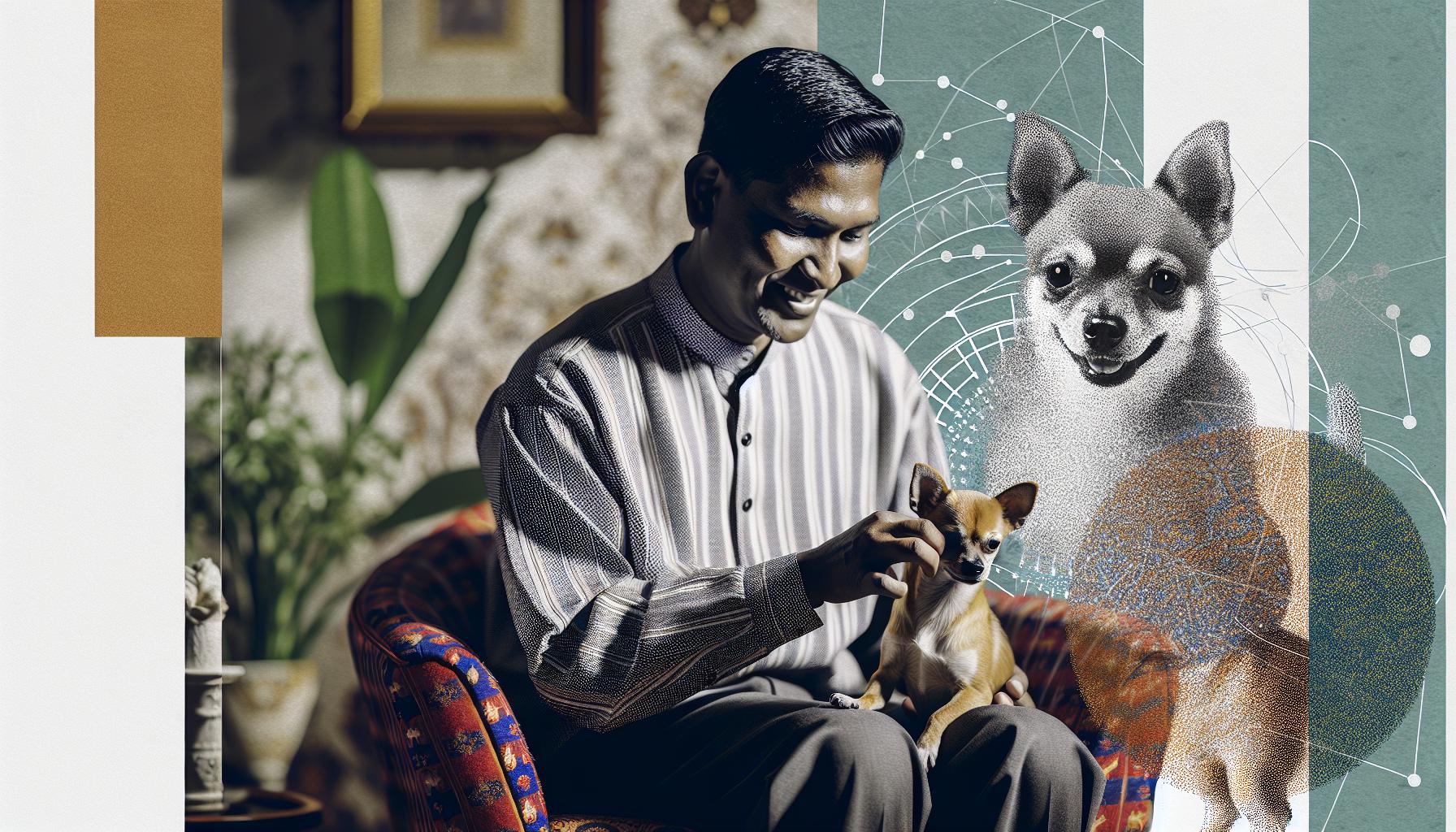
Understanding Chihuahuas’ Attachment Styles
Chihuahuas are a breed like no other, known for their affectionate nature, undeniable loyalty, and a tendency to form tight bonds with their humans, often leading to their reputation as “Velcro dogs.” This attachment goes beyond mere companionship; it’s built on a deep-seated need for security and comfort that Chihuahuas naturally seek in their relationships. They thrive when they feel connected to their owner, often following them from room to room, eagerly waiting for every opportunity to be close.
Understanding a Chihuahua’s attachment style involves recognizing that their personality is influenced by several factors, including their breed characteristics and life experiences. Chihuahuas, whether they are the petite Apple-head or the sturdier Deer-head variety, share a common trait of being fiercely loyal and somewhat protective of their chosen human. This can manifest as a desire to remain close, making them appear clingier than other breeds. A Chihuahua may become particularly attached if they feel neglected or have had a history of instability; in contrast, those who have been socialized properly as puppies often maintain a healthy balance between independence and closeness.
To foster a positive attachment style in your Chihuahua, it’s essential to create an environment that promotes both security and exploration. Incorporate socialization into your routine by exposing your Chihuahua to different situations, people, and other dogs. Positive experiences can help decrease clinginess and anxiety, reinforcing their confidence. It’s equally important to allow moments of independence, encouraging your Chihuahua to play and explore without you. This balance not only aids in maintaining a strong bond but also contributes to your dog’s overall well-being.
Ultimately, nurturing the unique personality of your Chihuahua means embracing their quirks and affection. Celebrate their boldness, whether they bark at strangers with defiance or snuggle under your chin during a movie. The richness of your relationship with your Chihuahua lies in understanding how their attachment style enhances both your lives. By providing love, stability, and social interaction, you set the foundation for a happy, well-adjusted companion.
The Role of Socialization in Clinginess
Chihuahuas are not just adorable companions; they also have a complex emotional landscape shaped significantly by their socialization experiences. A well-socialized Chihuahua is more likely to strike a balance between affection and independence, reducing the all-too-common clinginess that the breed is known for. Socialization equips your Chihuahua with the tools to navigate the world confidently, allowing them to form strong but healthy attachments with you and others.
Engaging your Chihuahua in various social situations is crucial. This can include exposing her to different environments, meeting new people, and interacting with other dogs. For instance, consider taking her to a dog park or arranging playdates with friendly canines. These experiences help her learn that the world outside the home isn’t a threat, fostering her confidence and, in turn, her independence. As she begins to feel secure in her surroundings, you may notice a decrease in clinginess, as she won’t feel the need to stick to you constantly.
It’s also important to remember that Chihuahuas, whether they are the dainty Apple-heads or the sturdier Deer-heads, are particularly attuned to their owner’s emotions. They gauge your reactions, and if your behavior suggests anxiety or apprehension in unfamiliar situations, they may mirror those feelings. Therefore, maintaining a calm demeanor during social interactions can promote a sense of security for your Chihuahua.
While socialization is vital, so is the practice of allowing moments of independence. Encourage your Chihuahua to explore her environment on her own. Simple practices, such as providing her with toys to engage with while you’re nearby, can help foster a sense of autonomy. This balance of interaction and independence can lead to a more relaxed, confident Chihuahua who doesn’t feel the need to constantly cling to you for reassurance. Through thoughtful socialization practices, you can help your beloved companion thrive in her unique, bold way, all while solidifying the strong bond you share.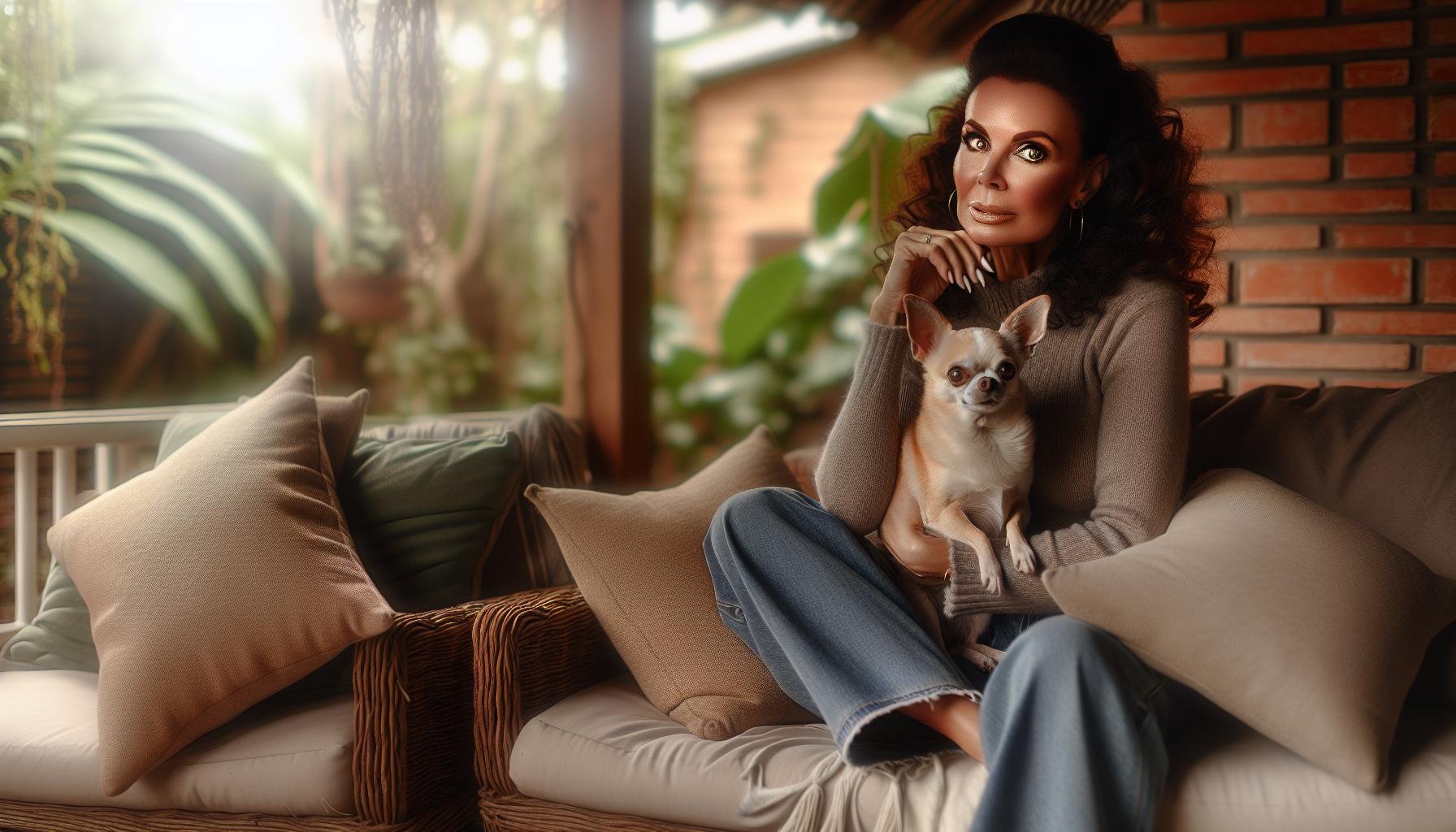
Why Your Chihuahua Chooses You as His Person
It’s no surprise that many Chihuahua owners experience a deep bond with their tiny companions; these dogs often choose one person they connect with most deeply, and that person becomes their whole world. This intense attachment is a hallmark of the breed, stemming from their affectionate nature, loyalty, and instinctive desire for companionship. Understanding why your Chihuahua has chosen you as their “person” is essential not only to nurture that bond but also to support their overall well-being.
Chihuahuas are known for their big personalities packed into small bodies. They thrive on emotional connections and are incredibly receptive to their owner’s feelings. This breed’s inherent sensitivity means that they often bond closely with the person who provides them with consistent love and care. Whether it’s the way you respond to their barks, the treats you offer, or the warmth of your lap, your Chihuahua picks up on the nuances of your interactions, strengthening their attachment to you.
Moreover, the history of Chihuahuas as companion animals has shaped their attachment styles. Originally bred to be a faithful companion alongside their human families, they’ve evolved to exhibit behaviors that reflect this purpose. A Chihuahua that feels secure in its environment is more likely to choose a person to cling to. This choice is often influenced by the energy you bring into your interactions. For example, if you calmly embrace your Chihuahua’s quirks-like their penchant for burrowing under blankets or their boldness with larger dogs-you’ll foster a safe space for them to express themselves, further solidifying your bond.
Finally, your role in socializing and caring for them cannot be understated. When you engage in activities like training, play, or social outings, it not only enhances your Chihuahua’s confidence but also deepens their reliance on you. These shared experiences are key to building a lifelong companionship, as your Chihuahua learns to trust you as their protector and partner. Keep in mind that this attachment can manifest in behaviors, such as following you from room to room or seeking out your presence when they feel uncertain. By recognizing and nurturing the bond, you ensure a fulfilling relationship that celebrates the unique traits of your Chihuahua.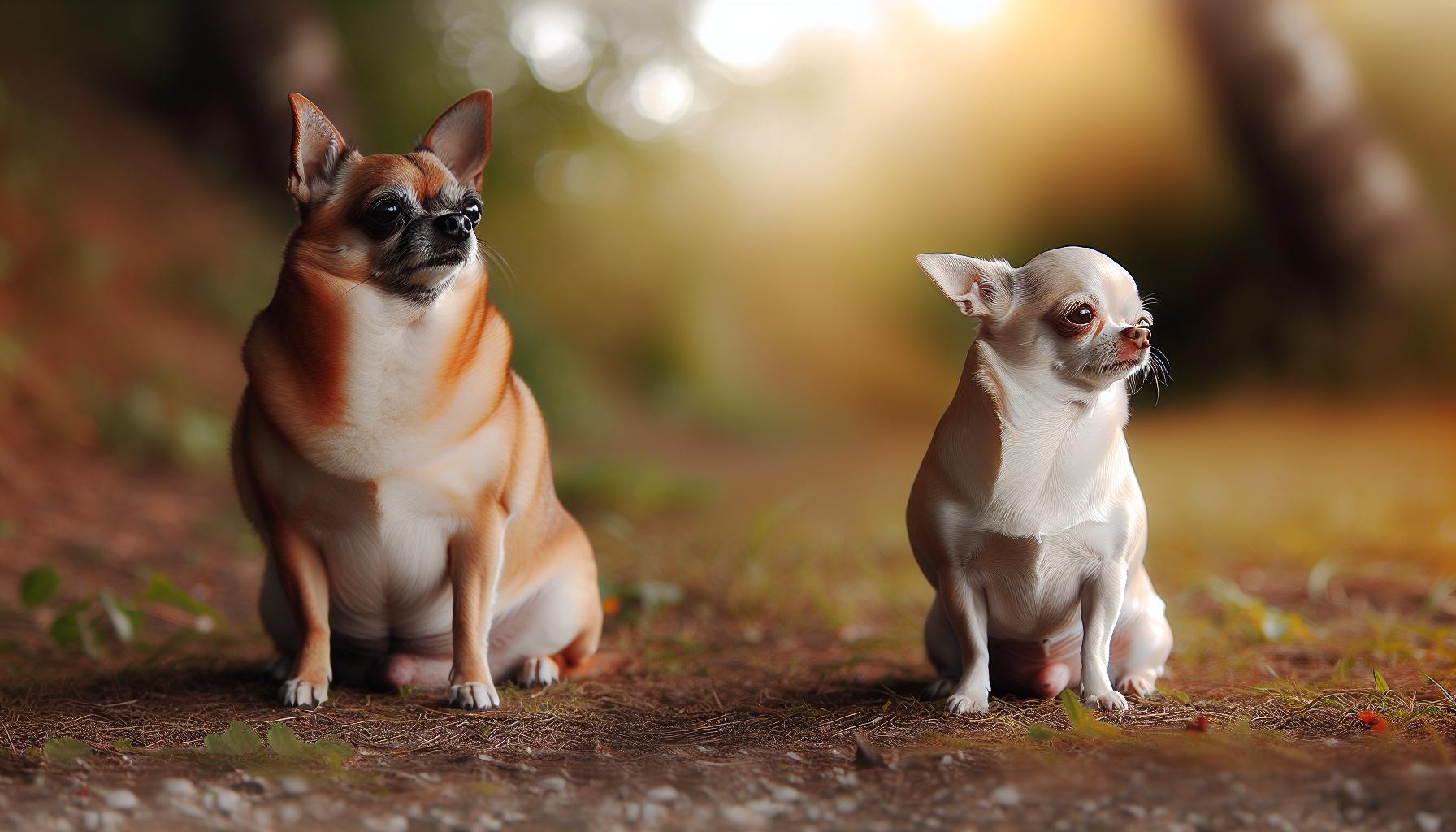
Differences Between Apple-Head and Deer-Head Chihuahuas
When it comes to the fascinating world of Chihuahuas, one of the most delightful aspects is the wide array of appearances and behaviors shaped by their physical characteristics. Among the most recognized are the Apple-Head and Deer-Head Chihuahuas, two distinct types that not only differ in their looks but can also influence how they bond with their chosen humans.
Apple-Head Chihuahuas are often characterized by their round skulls, large eyes, and compact bodies. These traits contribute to an adorable, almost “toy-like” appearance. Owners frequently remark on their Apple-Head Chihuahua’s affectionate nature and tendency to form a strong attachment with one specific person. This clinginess, or “Velcro dog” behavior, may stem from their sensitive disposition, where they thrive on human interaction. As they seek closeness, they might follow you around the house, curl up on your lap, and even express their feelings vocally, often communicating with high-pitched barks or whines, especially when they sense you’re leaving the room.
In contrast, Deer-Head Chihuahuas present a more elongated head and a slightly taller stature. Their physique resembles that of a small deer, contributing to a more alert and confident demeanor. Many Deer-Head owners describe their pets as more independent, though still loyal. While they may choose a particular person to bond with, their attachment may manifest differently. They often display a playful, energetic personality and might require a bit more encouragement to engage closely than their Apple-Head counterparts. For example, a Deer-Head Chihuahua may enjoy accompanying you on outdoor adventures or playtime, showcasing loyalty while still embracing moments of independence.
Understanding these differences can be crucial in meeting your Chihuahua’s emotional needs. Fostering a strong bond with either type revolves around recognizing their unique personalities and adjusting your approach. For Apple-Heads, spending quality time petting and cuddling can enhance their sense of security. Meanwhile, Deer-Heads may benefit from structured play activities that allow them to explore and express their energetic nature while still having those cozy moments together. This balanced interaction can help nourish both their need for companionship and their individual quirks, ensuring a fulfilling relationship with your beloved Chihuahua.
How Breed Traits Influence Behavior and Attachment
Chihuahuas are fascinating creatures, known for their big personalities packed into tiny bodies. Their breed traits play a significant role in shaping their behavior and attachment styles, leading to their reputation as “Velcro dogs.” Each Chihuahua’s unique characteristics, from physical traits to temperament, influence how they bond with their humans, often creating that irresistible urge to stay close.
For Apple-Head Chihuahuas, their endearing physical features-round skulls and expressive eyes-often come paired with a need for closeness. These Chihuahuas are not just named for their looks; they’re often noted for their sweet and sensitive personalities. Many owners report that their Apple-Heads can be quite clingy, craving the security that proximity to their favorite person provides. Daily moments of affectionate interaction, such as cuddling on the couch or sharing bedtime, help satisfy their emotional needs. An excellent example of this bond is seen when an Apple-Head owner describes how her pup waits by the door, tail wagging furiously, as she returns from a short outing, eager to re-establish that physical connection.
On the other hand, Deer-Head Chihuahuas, characterized by their longer, leaner faces and more independent demeanor, may not display the same level of clinginess. While they are still incredibly loyal, their attachment can be marked by a playful spirit and a desire for adventure. Owners often find that fostering independence is just as crucial for these dogs. Engaging them in active play or outdoor exploration can help strike a balance between bonding time and encouraging confidence. An owner of a Deer-Head Chihuahua shared how her pup loves to dash around the yard but still returns for quick snuggles, highlighting that their need for connection can coexist with their independent streak.
Understanding how these breed traits affect behavior and attachment is vital for any Chihuahua owner. Providing an environment that caters to their specific quirks not only nurtures their dependence on you but also builds a resilient and trusting relationship. Whether you have an Apple-Head or a Deer-Head, recognizing these traits and tailoring your interactions will ultimately lead to a happier, healthier bond. Embrace their vibrant personalities, and remember that whether they are curling up in your lap or retaining a playful distance, every moment spent together deepens the connection you share.
Impact of Early Experiences on Your Chihuahua’s Loyalty
The formative experiences of a Chihuahua, especially in the early weeks of its life, play a critical role in shaping its loyalty and attachment to its owner. Like all puppies, Chihuahuas are impressionable, and their interactions during this vital period can influence their behavior for years to come. Puppies that are socialized early and handle various stimuli are likely to develop into confident adults who might seek out companionship but are less prone to extreme clinginess. Conversely, those who miss out on positive experiences or face neglect may cling to their owner as a means of self-soothing due to anxiety or insecurity.
Socialization is key during the early stages of a Chihuahua’s life. Exposing your puppy to different environments, people, and even other pets can significantly impact how securely they bond with you. For instance, one owner shares how taking her Apple-Head Chihuahua to puppy playdates helped her pup become more independent while still valuing her companionship. This balance can foster a healthy sense of security in your Chihuahua, enabling him or her to feel comfortable exploring while knowing that their favorite person is always nearby.
Additionally, the nurturing attitude of the owner plays a pivotal role. Chihuahuas are naturally sensitive creatures, and a gentle, consistent approach helps build trust. For example, an owner who adopts a Deer-Head Chihuahua may find that his playful spirit flourishes when confidence is encouraged through positive reinforcement and shared adventures. Early bonding moments, like snuggling after a training session or enjoying quiet time together, can create a lasting impression on your Chihuahua, cementing the idea that you are a safe haven.
Recognizing the enables you to create a nurturing environment that encourages a balanced relationship. Helping them feel secure fosters a strong connection while promoting the independence that these spirited little dogs deserve. Whether through playful interactions or quiet moments, celebrating their unique personalities will deepen the bond you share, allowing both you and your Chihuahua to thrive together.
Signs Your Chihuahua is a Velcro Dog
The attachment style of Chihuahuas often leads them to earn the affectionate nickname “Velcro dogs.” If you find that your Chihuahua seems to have a magnetic pull toward you, there are several signs that highlight this bond. Chihuahuas are known for their fierce loyalty and often prefer to stay close to their favorite person, making them feel secure and loved.
One of the most obvious signs is when your Chihuahua follows you around the house, no matter what you are doing. Be it fetching a snack from the kitchen or getting ready for bed, if he accompanies you every step of the way, he’s definitely aiming to be your sidekick. Additionally, watch for those intense, adoring gazes that say, “You’re my favorite!”-a clear indication of his endearing attachment.
Another behavior to note is if your Chihuahua insists on snuggling up with you at every opportunity. Whether he seeks out your lap or curls up next to you on the couch, this closeness is a strong signal of his need for companionship. Keep an eye on how he reacts when you’re not around. A Velcro Chihuahua might bark or whine when you leave the room briefly or if he sees you preparing to leave. This reaction can stem from his deep-seated desire to remain connected to his beloved human.
Social situations might also reveal your Chihuahua’s clinginess; if he frequently opts to stay by your side in new environments, it shows that he may rely on you for reassurance. While some dogs are more adventurous and disinterested in their owners’ whereabouts, your Chihuahua’s behavior speaks to his need for comfort in unfamiliar territory.
Ultimately, recognizing these signs helps you cherish that unique bond you share with your little companion. Embracing his clinginess, while also encouraging independence, will ensure a happy and balanced relationship where both of you thrive together.
Tips for Balancing Affection and Independence
Establishing a healthy balance of affection and independence with your Chihuahua is essential for a harmonious relationship. While these little companions often cling to their favorite person, it’s important for both your well-being and their development to nurture their independence. One effective strategy is incorporating structured alone time into their routine. Start with short intervals-perhaps just a few minutes-in a safe, comfortable space where they can play with toys or chew on treats. Gradually increase the duration as they become accustomed to spending time alone, which helps reduce anxiety and encourages self-sufficiency.
Additionally, enriching your Chihuahua’s environment can significantly boost their confidence. Dogs thrive on mental stimulation, so consider introducing puzzle toys or engaging activities like scent games. This not only distracts them from your absence but also provides an opportunity for independent playtime. For instance, hiding treats around the house encourages exploration and builds a sense of autonomy while you’re nearby.
Socialization is another key factor in balancing attachment. Regularly expose your Chihuahua to different people, environments, and other dogs. This builds their comfort level with new situations and promotes a sense of security when you’re not together. You might notice that your Chihuahua, whether an apple-head with that bold personality or a more laid-back deer-head, will learn to feel more at ease and less reliant solely on you for comfort.
Finally, setting clear boundaries during cuddle time can promote a healthy dynamic. While snuggling is important for bonding, ensure there are moments when your Chihuahua sleeps in their own space or plays independently. Encourage them with praise when they choose to engage with toys rather than following you around constantly. This fosters a sense of independence while reinforcing that your affection remains strong, no matter the distance.
By implementing these strategies, you can nurture both an affectionate bond and a healthy level of independence, allowing your Chihuahua to thrive as a confident, happy companion.
Managing Separation Anxiety in Chihuahuas
When you’re living with a Chihuahua, you might notice that they often follow you everywhere. This clinginess can sometimes evolve into separation anxiety, a common issue in our tiny, loyal companions. Known for their deep bonds with their owners, Chihuahuas are naturally prone to anxiety when left alone, leading them to exhibit distressing behaviors like barking, whining, or even destructive tendencies. Understanding how to manage this anxiety effectively is essential for both your well-being and that of your furry friend.
To start addressing separation anxiety, it’s crucial to establish a consistent routine. Chihuahuas thrive on predictability; knowing when to expect walks, meals, and cuddle time can significantly ease their anxiety. Gradual departures are also helpful. Begin by leaving your Chihuahua alone for short intervals-just a few minutes at first. As they become accustomed to your absences, gradually increase the time apart. Use positive reinforcement when you return, rewarding them with treats or affection to create a positive association with your departures.
Another effective strategy is to create a safe space for your Chihuahua. Designate a cozy area filled with their favorite toys and a comforting blanket. This could be a small room or even a crate, which should be introduced as a safe haven rather than a form of punishment. Encourage them to spend time there when you’re home, using treat puzzles or chew toys to keep them engaged. A familiar scent, like a piece of your clothing, can further comfort them in your absence.
Socialization plays a pivotal role in alleviating anxiety. Regularly expose your Chihuahua to different environments, people, and even other dogs. This builds their confidence and reduces their reliance solely on you for security. It’s not uncommon for Chihuahuas, particularly apple-heads with their bold personalities or the more laid-back deer-heads, to learn from their experiences and adapt positively to new situations.
Incorporating interactive toys that challenge your dog mentally can also be a great distractor during your absences. Puzzle feeders or treat-dispensing toys help to keep your Chihuahua occupied and entertained while you’re away. Lastly, consult with a veterinarian if your Chihuahua’s anxiety seems severe; they might recommend strategies like calming supplements or, in some cases, behavioral therapy, to help your little buddy feel more secure when alone.
By proactively managing separation anxiety, you can cultivate a more balanced, happy home for both you and your cherished Chihuahua. With patience and the right techniques, you can help your velcro dog feel secure and content, even when you’re not there.
Benefits of a Strong Bond with Your Chihuahua
Chihuahuas are renowned for their affectionate nature and intense loyalty to their humans, which can lead to a deeply rewarding bond. This connection not only enriches your life but also enhances your Chihuahua’s emotional well-being. A secure attachment reduces stress and anxiety and fosters a sense of safety, making your furry friend feel valued and acknowledged.
- Enhanced Communication: A strong bond enables better communication. You will become attuned to your Chihuahua’s vocalizations and body language, quickly recognizing when he needs something or is feeling unwell.
- Improved Training: Chihuahuas who share a close bond with their owners are generally easier to train. They respond better to commands when they trust their humans and feel motivated by the relationship.
- Increased Confidence: Your companionship instills confidence in your Chihuahua. Whether he’s an apple-head with a feisty personality or a more reserved deer-head, knowing that you’re there to support him encourages exploration and social interaction.
Building this bond involves spending quality time together, whether it’s through walks, playtime, or simply cuddling on the couch. Regular routines, like mealtime and exercise, create stability, while interactive games and training sessions strengthen your connection. Many Chihuahua owners share experiences of their dogs seeking comfort during thunderstorms or fireworks, showcasing how a strong bond often means their Chihuahua turns to them for reassurance.
In essence, nurturing this bond transforms your relationship into a partnership filled with affection and understanding. As your Chihuahua thrives in this nurturing environment, you’ll find joy in his companionship, making the challenges of ownership worth every moment. With diligence and love, you will both enjoy the benefits of your strong connection, turning ordinary days into heartfelt adventures.
Adopting a Second Dog: Adjusting to Change
Introducing a second dog into your home can be a rewarding experience, especially when considering the unique personalities of Chihuahuas. These little companions are known for their strong bonds with their humans, often appearing quite attached, or “Velcro-like.” This affectionate trait can create challenges when you add another dog to the mix, as Chihuahuas may feel threatened or insecure about sharing your attention.
When bringing home a new dog, it’s crucial to understand your Chihuahua’s attachment style. This breed, whether it be the bold apple-head or the more gentle deer-head, thrives on security and tends to develop strong connections with one person. To facilitate a smooth transition, create opportunities for your original companion to feel included. Allow them to explore each other’s scents through exchanged blankets or toys before the new arrival comes home. This initial exposure can foster familiarity and ease apprehensions.
Another effective strategy is to introduce the dogs in a neutral space, outside of the home environment. This could be a local park or an outdoor area where your Chihuahua doesn’t claim ownership. Keeping the initial meeting short and sweet can lead to a more positive interaction. Always supervise their first few meetings closely, rewarding both dogs with treats and praise for calm behavior. This not only builds trust between the two dogs but also reassures your Chihuahua that love and attention aren’t being taken away.
Be prepared for some potential clinginess. Your Chihuahua, used to being your main focus, might exhibit signs of jealousy or anxiety post-introduction. In this case, continue routine interactions – set aside time for individual play and cuddle sessions with your original dog to reinforce their important place in your life. Remember, it may take time for your Chihuahua to adjust to the presence of a new companion, but with patience and consistent love, you can create a harmonious environment where both dogs thrive.
Incorporating a second dog can enhance the social dynamics in your home, promoting play and companionship for your Chihuahua while still honoring their need for closeness and affection. With the right approach, you can nurture a loving bond that makes room for both personalities to shine.
Faq
Q: Why do Chihuahuas prefer one person over others?
A: Chihuahuas often declare a *favorite human* based on early bonding experiences, consistent interactions, and shared affection. This attachment is deeply rooted in their need for security and loyalty, making them truly *Velcro dogs*. To strengthen this bond, spend quality time and establish routines together.
Q: How can I help my Chihuahua become less clingy?
A: To reduce clinginess, gradually encourage your Chihuahua to explore independently. *Introduce short separations* to teach them that it’s okay to be apart. Provide interactive toys and engage them in *new activities* when you’re busy, helping to build their confidence over time.
Q: Are all Chihuahuas Velcro dogs by nature?
A: While many Chihuahuas are known for their clingy behavior, not all exhibit this trait. Their attachment style can vary based on genetics, early socialization, and individual personality. Understanding your Chihuahua’s specific needs can help you foster a *healthier parent-child relationship*.
Q: How does my Chihuahua’s breed type affect its clinginess?
A: The *Apple-head* and *Deer-head* variations can show different attachment behaviors. Apple-head Chihuahuas may be more prone to clinginess due to their typically more affectionate nature, while Deer-heads might be slightly more independent. Each dog’s individual personality plays a substantial role in its behavior.
Q: What signs indicate that my Chihuahua is a Velcro dog?
A: Signs include following you around the house, displaying anxious behavior when you’re away, or seeking constant physical contact. If your Chihuahua is *always by your side* and reacts strongly to your absence, it’s a clear indicator of their Velcro personality.
Q: Can separation anxiety influence a Chihuahua’s clinginess?
A: Yes, separation anxiety can significantly amplify clinginess in Chihuahuas. When they feel insecure about being alone, they tend to become more attached to their owners. Implementing gradual desensitization techniques can help alleviate these feelings, promoting a *more balanced emotional state*.
Q: How can I manage my Chihuahua’s attachment to me?
A: To manage your Chihuahua’s attachment, establish a *consistent routine* while incorporating structured alone time. Use positive reinforcement to encourage independence. Activities like short interactive play sessions can keep them engaged, reducing their overall dependency on you.
Q: Why is it beneficial for my Chihuahua to have a strong bond with me?
A: A strong bond fosters *trust and security*, leading to improved behavior and social skills. This connection enhances their overall well-being and can make training more effective. Encouraging this bond while balancing their independence helps create a fulfilling relationship for both of you.
To Wrap It Up
Chihuahuas are undeniably dedicated companions, often forming strong bonds with a single person-those cherished connections are what make them such special Velcro dogs. Remember, embracing their loyalty means acknowledging their unique personalities and needs, from health considerations for apple-head Chihuahuas to keeping them mentally stimulated. If you’re eager to understand more about their quirks, check out our articles on managing their vocal tendencies and finding the right training techniques for this bold breed.
Don’t miss out on deepening your relationship with your furry friend! Join our newsletter for expert tips and updates, or explore our resources on Chihuahua care to ensure your little one’s happiness and health. Your journey with your unique Velcro dog is just beginning-share your experiences in the comments below, and let’s celebrate the delightful challenges of owning a Chihuahua together. Your loyal companion deserves your best, and we’re here to help every step of the way!
Get our latest guides, news, and insights highlighted in your Google Search & AI Overviews.