
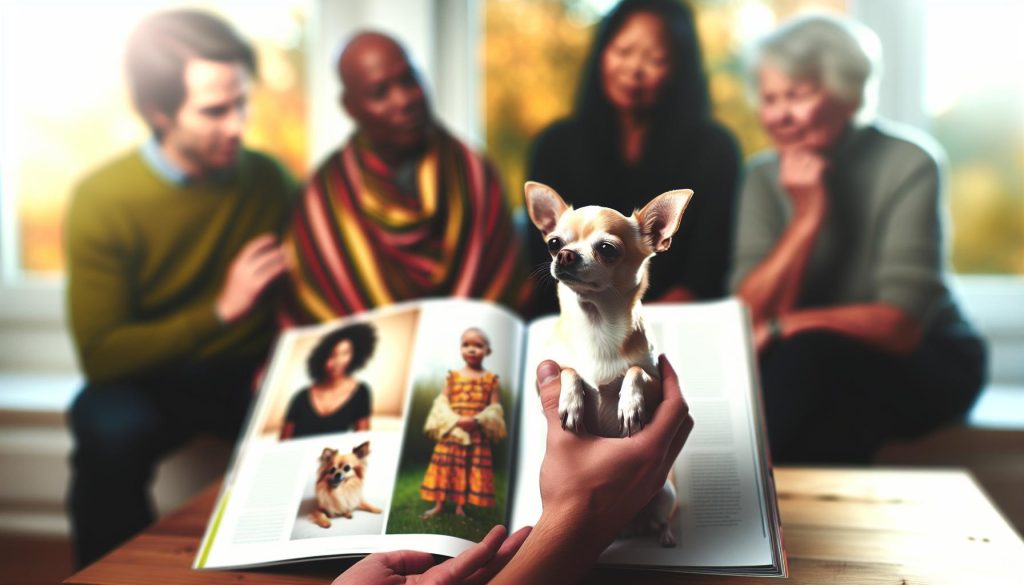
Are you curious about the captivating world of Chihuahuas? Known for their bold personalities and adorable sizes, these tiny dogs pack a punch! In “Are Chihuahuas: Essential Breed Characteristics Revealed,” we explore key traits such as their unique health needs, behavior quirks, and proper care, making this guide invaluable whether you’re a first-time owner or a seasoned Chihuahua enthusiast.
Understanding your Chihuahua’s essential characteristics not only helps you provide optimal care but also nurtures a loving bond. These spirited little companions thrive on affection and attention, and knowing more about their specific needs can enhance their happiness and health. From their vocal nature to their affectionate loyalty, Chihuahuas are full of surprises! Dive into this insightful exploration and discover the wonderful intricacies behind their charming demeanor, ensuring you and your Chihuahua can enjoy a fulfilling relationship.
Essential Chihuahua Traits You Need to Know
Chihuahuas may be small in stature, but they possess a larger-than-life personality that endears them to many. Known for their deep loyalty and unapologetic boldness, these tiny dogs often see themselves as center stage in any situation. One of the most striking traits of Chihuahuas is their vibrant vocalization; they tend to bark fiercely at perceived threats despite their size, making them excellent watchdogs. This vocal nature is coupled with an undeniable charm that can turn even the toughest bark into a heartwarming conversation.
Strong personalities are a hallmark of the breed, and Chihuahuas can often be divided into two categories: the apple-head and the deer-head. The apple-head Chihuahua is characterized by a rounded skull and larger eyes, while the deer-head features a longer, more elegant face. Regardless of their type, Chihuahuas are known for their unwavering loyalty to their owners. They thrive on human companionship and often develop a deep bond with their families, making them dynamic members of any household.
When it comes to health, understanding a Chihuahua’s unique needs is essential. They can be prone to certain conditions, such as dental issues and patellar luxation, which makes regular veterinary check-ups vital. As a Chihuahua owner, you should also prioritize a balanced diet to prevent obesity, which can exacerbate health problems.
Caring for your Chihuahua means providing not only physical health but also mental stimulation. These dogs are intelligent and require both playtime and training to keep them engaged. Their small size makes them suitable for compact living spaces, yet they still need daily walks and playtime to expend their energy. Whether playing with toys or going for a stroll, ensuring they have an outlet for their vibrant energy will help nurture their spirit and strengthen your bond.
Understanding Chihuahua Behavior and Personality
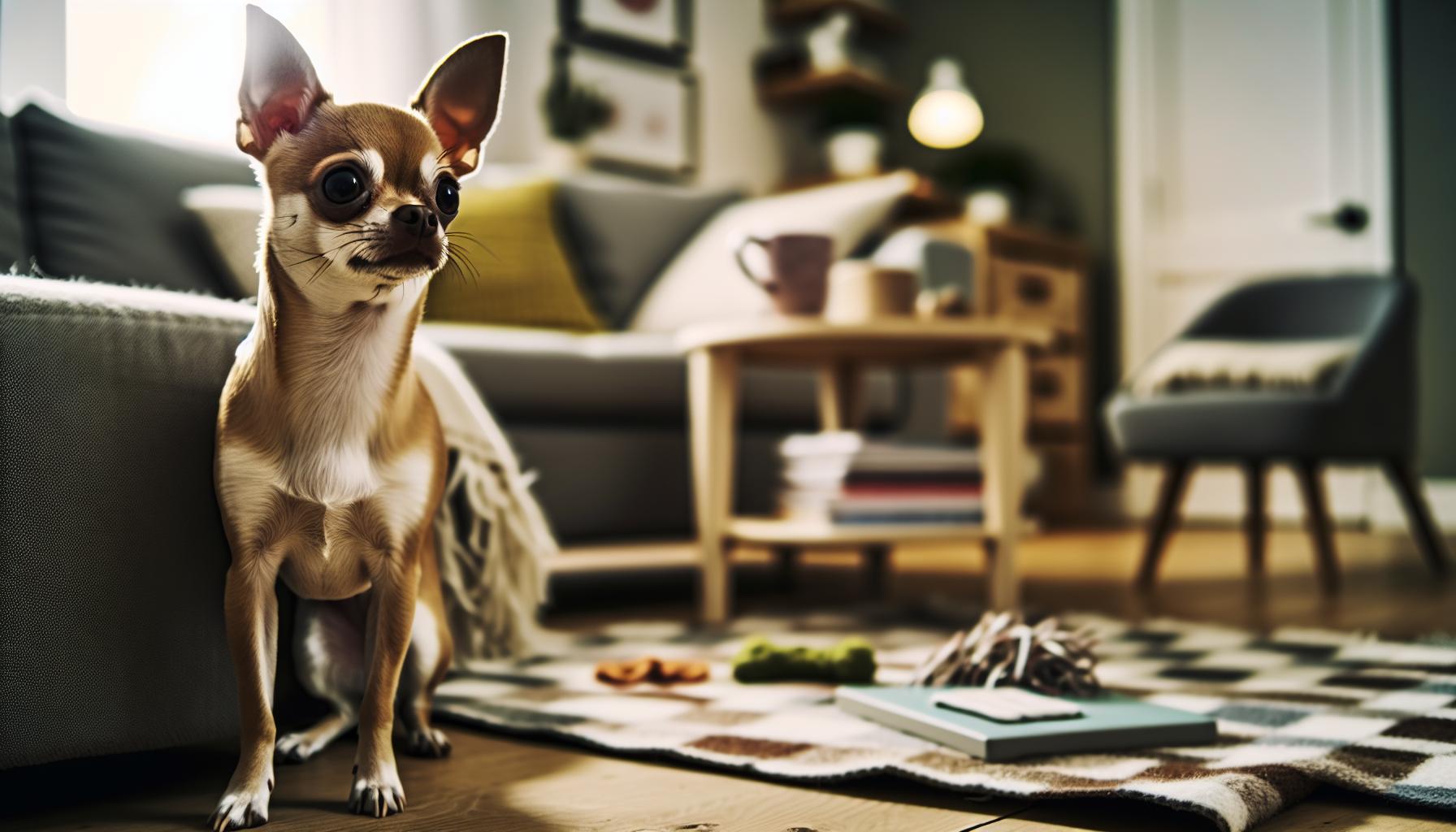
Chihuahuas are a fascinating breed, renowned for their bold personalities and undying loyalty. They may be small, but their presence is anything but diminutive. This breed is characterized by an impressive confidence that often belies their size, making a Chihuahua feel like the guardian of the household. Owners frequently remark on how these little dogs carry themselves with a sense of pride and authority, always ready to protect their loved ones with fierce bark and vigilant eyes.
The personality of a Chihuahua can vary significantly based on their type-apple-head or deer-head. Apple-head Chihuahuas tend to be slightly more playful and affectionate, often bonding closely with their owners and family. In contrast, deer-head Chihuahuas might display a more laid-back demeanor, giving them an air of elegance while still being loving companions. Despite these differences, both varieties share a love for companionship and can be extremely social with proper training and socialization. For instance, one owner shared how her apple-head Chihuahua, Bella, would jump into the lap of anyone who visited, always eager to make new friends, while her deer-head companion, Max, preferred to observe from a distance until he felt comfortable.
Chihuahuas are known for their vocal behaviors. Their barking serves as both a warning system and a way to communicate. They will bark not just when they perceive a threat but also when they want attention or feel excited. Teaching your Chihuahua the appropriate times to bark, and when to quiet down, is crucial for early training. This can help curb excessive vocalization, a common concern among first-time Chihuahua owners. Positive reinforcement techniques, such as rewards for calm behavior, can go a long way in managing their vocal tendencies.
Understanding a Chihuahua’s behavior also means recognizing their need for mental stimulation. These intelligent dogs thrive when engaged, whether it’s through training sessions, puzzle toys, or interactive playtime. Regular socialization is key to helping your Chihuahua develop confidence, enabling him to interact comfortably with other dogs and people. For example, a owner recounted how attending puppy classes helped his Chihuahua, Coco, transition from a shy pup to a confident little companion who loves meeting new friends.
In summary, the bold and lively nature of Chihuahuas makes them delightful companions. By embracing their quirks and unique personality traits, owners can foster a rewarding relationship filled with affection and joy. Understanding their behavioral needs, along with consistent training and socialization, will help ensure a happy and well-adjusted Chihuahua, thriving in a loving environment.
Health Considerations Every Chihuahua Owner Should Address

Chihuahuas are small yet mighty companions, but their unique physiology makes them prone to certain health considerations that every owner should prioritize. Awareness and preventative measures can enhance your pup’s quality of life and longevity. It’s essential to know what to watch for when it comes to your Chihuahua’s health, particularly those adorable apple-heads and dignified deer-heads.
Dental Health
Chihuahuas are especially susceptible to dental issues. Their small mouths can lead to crowded teeth, which can cause decay and gum disease. Incorporating regular dental care into your pup’s routine is vital. This includes daily teeth brushing, dental chews, and professional cleanings as needed. An owner shared how establishing a brushing routine early on with her apple-head, Luna, has kept her dental health in check, resulting in fewer vet visits and a cheerful pup.
Weight Management
Maintaining a healthy weight is crucial for Chihuahuas, as obesity can exacerbate many health issues, including joint problems and heart disease. Portion control is key; consult your veterinarian about the right diet and serving size for your dog’s age and activity level. For example, one owner found success in using measured meals rather than free-feeding, which not only regulated her deer-head’s weight but also improved her overall energy levels.
Eye Health
Chihuahuas are prone to various eye conditions due to their prominent eyes. Regular check-ups can help identify issues like luxating patella or cataracts early. If you notice excessive tearing, redness, or difficulty seeing, consult your vet immediately. A Chihuahua owner recounted how quick action upon noticing her dog squinting led to successful treatment of dry eye, ensuring her furry friend remained comfortable and playful.
Heart and Patellar Health
Heart disease is another concern, particularly in older Chihuahuas. Regular veterinary check-ups can enable early detection and management options. Additionally, patellar luxation is commonly found in Chihuahuas, where the kneecap dislocates. Keeping your pup at a healthy weight and avoiding excessive jumping can help manage these risks. Owners have seen positive results by using ramps instead of stairs, providing a safer living environment.
In summary, while owning a Chihuahua comes with certain health considerations, being proactive in their care ensures a happy, healthy life together. Regular vet visits, proper dental care, weight management, and vigilance towards potential eye and heart issues all contribute to your Chihuahua’s well-being. Embracing these responsibilities not only keeps them healthy but also strengthens the bond you share with your playful little companion.
Caring for Your Chihuahua: Daily Needs and Best Practices
Caring for a Chihuahua is a rewarding journey filled with joyful moments and some unique challenges. This charming breed thrives on companionship and attention, making it essential for owners to stay attentive to their needs while appreciating their vibrant personalities. Chihuahuas may be petite, but their robust spirits require loving care that caters to their health, emotional well-being, and physical activity.
One of the most important aspects of Chihuahua care is providing a balanced diet. Due to their small size, it’s vital to focus on high-quality, nutritious food that meets their specific needs. Portion control and regular feeding times are essential to prevent obesity, a common issue among the breed. For example, a devoted owner shared how measuring out her apple-head’s food not only improved his weight but also excited him during mealtime. Remember to avoid human food, especially those that are toxic to dogs, such as chocolate and onions.
Regular exercise is crucial, even for a breed that’s known for its size. Daily walks, interactive play sessions, or even short games of fetch can satisfy their energetic nature. Chihuahuas often enjoy lounging, but they also benefit greatly from stimulating activities that challenge their minds and bodies. Owners have found that incorporating agility training or tricks can be an enjoyable way to bond while keeping their furry friends engaged. Moreover, socialization with other pets and people helps build a confident character in Chihuahuas, which is particularly important given their sometimes bold and feisty demeanor.
Maintaining proper hygiene is another key element of care. Regular grooming is important, especially for long-haired Chihuahuas, to prevent matting and keep their coats shiny. Weekly brushing and occasional baths will help, as well as routine checks for dental health. As mentioned previously, their tiny teeth are prone to problems, so daily brushing and dental treats can make a significant difference in their oral health.
Lastly, Chihuahuas are known for their loyal and affectionate nature, often becoming closely bonded with their owners. Ensuring they feel secure and loved is vital. Provide them with a cozy bed, interactive toys, and, most importantly, plenty of quality time. Whether it’s cuddling on the couch or exploring nearby parks, creating a loving environment will nurture the happiness of your little companion.
By being mindful of these daily needs and best practices, you can ensure that your Chihuahua not only thrives but also fills your life with immense joy and companionship.
Training Your Chihuahua: Tips for Success
Training your Chihuahua can be both a delightful and challenging experience, primarily due to their spirited personality and keen intelligence. Understanding their unique traits will set you up for success. Chihuahuas are not only tiny but also exuberant, often carrying the heart of a lion. These little dogs can be stubborn, but with patience and the right techniques, they can thrive in a training environment that respects their individuality.
Start with positive reinforcement. Chihuahuas respond best to methods that reward good behavior. This could be in the form of treats, praise, or playtime. For instance, if your Chihuahua sits on command, shower him with affection and a small treat immediately. Consistency is key; the more you practice, the better he will understand what you expect. Keep training sessions short-around 5 to 10 minutes-to match their attention span. You’d be surprised how quickly they can learn basic commands like “sit,” “stay,” or “come” with just a few short sessions each day.
Socialization is vital for your Chihuahua. Exposing her to different environments, people, and other dogs will build her confidence and reduce anxiety in new situations. Supportive owner experiences reveal that introducing Chihuahuas to a puppy class or a friendly playgroup can create well-adjusted companions who enjoy interacting rather than retreating in fear. Remember, a well-socialized Chihuahua is a happy Chihuahua!
It’s essential to consider the different varieties of Chihuahuas as well, such as apple-heads and deer-heads, as they may respond slightly differently to training based on their physical traits. For example, apple-head Chihuahuas are often more toy-like in behavior, while deer-head types may exhibit a more confident demeanor. Tailoring your approach to their specific characteristics can enhance the training experience.
Lastly, keep in mind that Chihuahuas thrive on routine. Establish a training schedule that fits both your lifestyle and your Chihuahua’s needs. If she knows that training happens at a specific time (like right before her dinner), she’ll be more motivated to participate. By doing this, you’re creating a fun, interactive space that encourages learning. Celebrate small victories together, and don’t forget to enjoy the journey-her quirky personality and boundless affection will surely make the effort worthwhile!
Popular Chihuahua Varieties: Apple-Head vs. Deer-Head
Chihuahuas come in a variety of shapes and sizes, with two of the most recognized being the apple-head and the deer-head Chihuahua. Each type showcases distinct traits and characteristics that can influence their behavior and interaction with families and their environment. Understanding the differences between these two varieties can help you choose the right companion for your lifestyle and enhance your bond with your furry friend.
The apple-head Chihuahua is the more common type and is characterized by its round skull, large expressive eyes, and short muzzle, which gives them a somewhat “toy-like” appearance. They typically weigh around 2 to 6 pounds and stand about 6 to 9 inches tall. This variety is known for its dramatic personality and strong attachment to their owners. Apple-heads can often be a bit more timid, requiring a gentle hand in training and socialization. They thrive in calm environments where they feel secure, making them perfect companions for individuals and families who provide a predictable routine and gentle interactions.
In contrast, the deer-head Chihuahua features a more elongated face, a narrower skull, and a body structure that resembles a miniature deer. These Chihuahuas can weigh slightly more, typically between 4 to 10 pounds, and may reach heights of 8 to 12 inches. Many owners find the deer-head variety to be more confident and outgoing, often showcasing a bold demeanor from a young age. They tend to be more adaptable to new situations and enjoy being part of the action, whether it’s at a family gathering or a day out at the park.
When selecting between these two types, consider your lifestyle and the environment you can provide. Apple-head Chihuahuas might prefer a quieter home, while deer-head Chihuahuas often enjoy social settings. Regardless of the variety, both types require socialization and consistent training to help them navigate the world confidently. Understanding their unique traits will not only aid in your training methods but also help you appreciate the delightful quirks that define each Chihuahua, from their spirited barks to their loyal natures. Embrace their differences, and you’ll find that both apple-head and deer-head Chihuahuas make for loving and devoted companions.
The Chihuahua’s Unique Coat Types and Grooming Tips
Chihuahuas are not just known for their big personalities; they come with a variety of coat types that require specific grooming practices. Understanding your Chihuahua’s coat is essential to keeping her healthy and looking her best. There are two primary coat types in Chihuahuas: short-haired (or smooth coat) and long-haired.
Short-Haired Chihuahuas
Short-haired Chihuahuas have a sleek, glossy coat that is easy to maintain. They usually require minimal grooming, which is perfect for first-time owners or those with busy schedules. A simple brush once a week with a soft bristle brush will help remove loose hair and distribute natural oils for a healthy sheen. During shedding seasons-typically spring and fall-brushing more frequently will help manage the extra fur. Additionally, regular baths using a gentle dog shampoo can keep their skin healthy and their coat shiny.
Long-Haired Chihuahuas
Long-haired Chihuahuas, on the other hand, need a bit more attention. Their lush, flowing coats can mat if not properly cared for. A few grooming tips include:
- Daily Brushing: Use a pin brush to prevent tangles and mats. This daily ritual not only keeps her coat looking fabulous but also serves as a bonding time.
- Bathing: Bathe your long-haired Chihuahua every 3-4 weeks to avoid oil build-up, using a high-quality dog shampoo.
- Trimming: Regularly trim the fur around the paws and eyes to maintain a neat appearance and promote comfort.
When grooming either type, it’s important to check for skin irritations or parasites, as Chihuahuas can be prone to skin allergies. The added bonus of maintaining your Chihuahua’s coat is that it allows you to monitor her skin health closely.
Being aware of your Chihuahua’s coat type not only helps you keep her looking adorable, but it also plays a significant role in her overall well-being. Embrace the grooming routine and celebrate those unique traits-your loyal companion will thank you with love and cuddles!
Common Health Issues in Chihuahuas and Prevention Strategies
Chihuahuas are small dogs with big personalities, but they are also known for some health challenges that every owner should be aware of. Being proactive about these common health issues can make a significant difference in your Chihuahua’s quality of life. Regular check-ups with the vet and being observant of any changes in behavior or health are key steps every responsible owner should take.
One prevalent issue in Chihuahuas is dental disease. Due to their small mouths, Chihuahuas can suffer from crowded teeth, which can lead to plaque build-up and gum disease. To combat this, establish a regular dental care routine that includes brushing her teeth several times a week with a pet-safe toothpaste. Dental chews can also help reduce tartar. As a dog owner, you might notice your Chihuahua being more sensitive about her mouth or having bad breath, which are warning signs that dental health needs attention.
Another concern is patellar luxation, commonly known as “slipping kneecaps.” This condition occurs when the kneecap dislocates or moves out of its normal position. It’s more common in smaller breeds, including Chihuahuas. Keeping your Chihuahua at a healthy weight can minimize strain on her joints, and avoiding high-impact activities can help. If you observe sudden limping or reluctance to play, it might be time for a vet visit to assess her knees.
Additionally, Chihuahuas can be prone to heart issues, particularly mitral valve disease, which affects heart function over time. Regular veterinary check-ups that include listening to the heart can catch early signs of this condition. It’s vital for owners to monitor their dog’s weight and ensure a balanced diet to help reduce the risk of heart problems.
Finally, Chihuahuas often experience issues with their eyes, including patellar droop or tear duct problems. Pay attention to any discharge, excessive tearing, or squinting, as these may indicate health issues requiring professional assessment. Regular veterinary visits can help catch these problems early, ensuring that your tiny companion remains healthy and vibrant.
In conclusion, being informed and attentive can significantly improve your Chihuahua’s health. With proper care, monitoring, and a bit of extra attention, you can help your little one thrive, ensuring she remains the lively companion you adore. Whether you’re a first-time owner or a seasoned Chihuahua enthusiast, keeping on top of these common health issues will support her well-being and keep those playful spirits high.
Socialization Tips for Your Chihuahua: Building Confidence
A well-socialized Chihuahua is often a happy and confident companion, but bringing this tiny dynamo out into the world can be a bit of a journey. These dogs, while bold and sometimes feisty, can also exhibit shyness or fear in new environments or when meeting new people and animals. This means it’s crucial to start socialization early and to do so in a positive, supportive manner.
Begin by slowly introducing her to various environments. Take your Chihuahua on different outings, from busy parks to quiet shops. Carefully observe her reactions and let her explore at her own pace. If she seems nervous, that’s perfectly normal-simply reassure her with gentle words and patience. Engaging with little distractions, like bringing along her favorite toy, can create a more calming experience.
It’s also beneficial to set up playdates with other dogs, particularly those that are calm and friendly. This helps her learn appropriate social cues and builds her confidence around different dog breeds, whether it’s a low-energy Golden Retriever or a playful Beagle. When she interacts positively, reinforce her behavior with praise or treats. For example, if she sniffs a new dog and wags her tail, shower her with affection and a tasty reward.
Moreover, don’t underestimate the power of positive exposure to people. Invite friendly neighbors or friends over, especially those who are gentle and understanding toward small dogs. Use situations like this to reward her when she approaches or interacts with new people. Keep sessions short to prevent her from becoming overwhelmed, and gradually increase the duration as she becomes more accustomed to different interactions.
Above all, consistency is key. Regularly incorporating socialization into her routine will help establish her comfort with the world around her. Whether it’s frequent visits to dog parks, trips to dog-friendly cafes, or brief walks in varied neighborhoods, these experiences build her confidence over time. Remember, it’s not just about exposing her to other dogs but creating a positive atmosphere that reinforces good behavior and minimizes stress. Celebrate the little victories along the way, and your Chihuahua will blossom into the confident, loving companion you cherish.
Nurturing the Chihuahua Spirit: Play and Activity Suggestions
To truly nurture the spirited essence of your Chihuahua, engaging in regular play and activity is vital. These little dogs are known for their bold personalities and high energy levels, which can sometimes surprise owners new to the breed. Whether she’s a lively puppy or a more reserved adult, playtime is an excellent opportunity to strengthen your bond and keep her physically fit. Chihuahuas thrive on interaction, and incorporating diverse activities can help satisfy her playful spirit.
One of the simplest yet most enjoyable activities is interactive play. Use toys that she can chase, such as feather wands or small balls. Chihuahuas love to pounce and will delight in showcasing their agility. Set up an obstacle course in your living room using pillows and cushions; this not only stimulates her mind but also provides her with a safe space to explore and expend energy. Remember to praise her progress along the way to encourage her confidence and willingness to try new challenges.
Short Walks and Socialization
Chihuahuas are particularly social creatures, so taking short, varied walks is essential. Regular walks not only provide physical exercise but also expose her to different sights, sounds, and smells, enriching her experience of the world. Consider visiting parks or pet-friendly areas where she can interact with other dogs and people. This can significantly contribute to her overall happiness and behavioral development. When she meets new friends, be sure to shower her with praise and gentle encouragement, reinforcing her positive interactions.
Mind-Stimulating Activities
Mental stimulation is just as crucial as physical exercise for your Chihuahua. Engage her with puzzle toys that dispense treats or utilize basic commands like “sit” and “stay” to create fun games at home. For example, hide treats around the house and encourage her to find them-this taps into her natural hunting instincts and keeps her engaged. Regular mental challenges can help prevent boredom and curb any potential behavioral issues that may arise from it.
Chihuahuas thrive on routine but also relish the occasional surprise in their daily activities. Establish a rotation of playtimes, including active games, brain teasers, and social outings, to keep her engaged and curious. With the right blend of play and stimulation, your Chihuahua will flourish as a happy, confident, and loving companion.
Exploring the Chihuahua’s Role in Different Lifestyles
In a world that varies from urban high-rises to rural locales, Chihuahuas adapt remarkably to their surroundings, making them an excellent choice for diverse lifestyles. These spirited little companions thrive in both bustling city environments and tranquil country settings, showcasing their versatility. However, understanding their specific needs is key to ensuring they flourish, regardless of where you live.
For urban dwellers, Chihuahuas fit seamlessly into apartments or smaller living spaces. Their minimal exercise requirements mean you can meet their daily needs with short, frequent walks or even indoor play. Many city owners find that their Chihuahuas enjoy regular trips to dog parks, where socialization with other pets can enhance their confidence and well-being. Ensure your pet has access to varied stimuli, such as interactive toys, to keep their agile minds engaged. Living in a lively area, especially one filled with sounds and scents, can actually help Chihuahuas become more adaptable and well-behaved.
In contrast, those living in suburban or rural areas can offer their Chihuahuas more space to roam, while still accommodating their small size and safety. A securely fenced yard allows for greater freedom, enabling them to explore safely. Still, it’s vital to supervise outdoor playtimes; despite their bold demeanor, Chihuahuas are susceptible to injury from larger animals or even falls. Incorporating a mix of short walks and supervised outdoor play helps keep them physically fit and mentally alert.
Furthermore, Chihuahuas easily transition into families with children or other pets, provided introductions are handled carefully. Owners often share heartwarming stories of their Chihuahuas forming incredible bonds with kids or forging friendships with larger dogs. When managing these interactions, always supervise the initial meetings and create a safe space for your Chihuahua, allowing them to retreat if feeling overwhelmed.
Ultimately, understanding the personality traits and needs of a Chihuahua can be your greatest asset in enhancing their role in your lifestyle, fostering a rewarding companionship, and allowing them to be the engaging, loyal partners they are meant to be. Embrace their quirks and celebrate their individuality-after all, a Chihuahua isn’t just a pet; they become a cherished member of the family.
Chihuahuas and Their Families: Adapting to Life Together
Chihuahuas are more than just tiny dogs; they are passionate companions that adapt beautifully to family life. Regardless of whether your family includes children, older adults, or other pets, these spirited little beings often weave themselves into the fabric of your home. Their loyalty and vocal nature make them standout members of the family, bringing joy and often plenty of laughter.
Creating a harmonious environment for your Chihuahua and your family is vital. Start by establishing a consistent routine that addresses your Chihuahua’s daily needs. This includes regular feeding times, structured play, and opportunities for exercise. Short, playful walks combined with indoor fetch can help manage their energy levels, keeping them from getting overly excited or anxious. Remember, Chihuahuas may be small, but they have big personalities that thrive on attention and interaction. Engaging with them daily will reinforce trust and bond beautifully with your family.
When introducing your Chihuahua to children or other pets, patience is key. Use gradual introductions to allow everyone to acclimate to one another’s presence. For instance, initial meetings should be supervised and can occur in neutral spaces to minimize territorial disputes. Children should be educated on how to interact gently and respectfully with their new furry friend, allowing your Chihuahua to feel safe and secure. Creating a positive environment for these interactions helps foster lasting relationships. Many owners find that their Chihuahuas develop affectionate relationships with their children, showcasing their innate ability to love despite their size.
Additionally, consider the unique personality traits of your Chihuahua, whether it’s an apple-head or a deer-head. Some may be more bold and assertive, while others might display a gentle disposition. Tailoring your approach based on his or her personality helps ensure that your Chihuahua feels comfortable and valued in your home. Playtime and socialization are crucial; engaging in toy play or introducing your Chihuahua to local dog-friendly events can bolster their confidence. For example, a Chihuahua who enjoys being the center of attention might thrive in a busy park setting, while a more reserved one might prefer quieter experiences at home.
Ultimately, by nurturing your Chihuahua in an environment filled with love, patience, and understanding, you can adapt seamlessly to a life together where both he/she and your family flourish. Embrace the vibrant eccentricities of your Chihuahua, as these unique traits are what make them exceptional family members.
Q&A
Q: What are common behavioral traits of Chihuahuas?
A: Chihuahuas are known for their confidence and alertness. They often exhibit strong loyalty to their owners, making them excellent companions. Their vocal nature may lead them to bark at strangers, while their playfulness and curiosity require regular engagement. Understanding their behavior helps in effective training and socialization.
Q: How do I socialize my Chihuahua effectively?
A: To socialize your Chihuahua, introduce him to various environments, people, and other pets gradually. Start with short interactions and positive reinforcement to ensure a comfortable experience. Regular outings and training classes can also enhance their confidence and reduce anxiety in new situations.
Q: Why is health monitoring important for Chihuahuas?
A: Regular health monitoring is crucial for Chihuahuas due to their predisposition to specific health issues like dental disease and heart problems. Frequent vet visits allow for early detection and management of potential health concerns, ensuring a longer, healthier life for your furry friend.
Q: What grooming needs do Chihuahuas have?
A: Chihuahuas have unique grooming needs based on their coat type. Short-haired Chihuahuas require regular brushing to remove loose hair, while long-haired varieties need more frequent grooming to prevent tangles. Additionally, keep their nails trimmed and ears clean for overall health.
Q: What are ideal living conditions for Chihuahuas?
A: Chihuahuas thrive in environments where they feel secure and loved. They prefer indoor living due to their small size, making them suited for apartments. Ensure they have a cozy bed, safe spaces to explore, and regular social interactions to keep them happy and healthy.
Q: How can I help my Chihuahua adjust to a new home?
A: To help your Chihuahua adjust to a new home, provide a safe and quiet space where he can explore at his own pace. Establish a routine for feeding, walks, and playtime. Patience is key-allow him to acclimate gradually while providing lots of affection and encouragement.
Q: What are the differences between apple-head and deer-head Chihuahuas?
A: Apple-head Chihuahuas have a rounded skull and a more pronounced muzzle, while deer-head Chihuahuas feature a longer, more tapered skull. These physical traits also influence their personalities, with apple-heads typically being more playful and deer-heads showing a calm demeanor.
Q: How much exercise do Chihuahuas need daily?
A: Chihuahuas require 30 minutes to an hour of exercise daily, which can include walks, playtime, and interactive games. Tailor the activity level to match your dog’s age and energy, as consistent exercise helps maintain his physical health and mental stimulation.
Concluding Remarks
Your journey with the charming Chihuahua doesn’t stop here! With their lively personalities and unique breed traits, these little companions bring joy and loyalty like no other. Remember, whether you’re a first-time owner or a seasoned Chihuahua enthusiast, understanding their health, behavior, and care necessities is vital. For further insights, check out our guides on “Chihuahua Training Tips” and “Best Health Practices for Small Breeds.”
Don’t wait to enhance your Chihuahua experience-subscribe to our newsletter for expert tips and community stories that celebrate this bold breed. If you have questions, feel free to comment below; your thoughts matter to us! Explore, engage, and let your Chihuahua’s personality shine as you discover all that comes with being a proud owner of this delightful breed.
Get our latest guides, news, and insights highlighted in your Google Search & AI Overviews.