
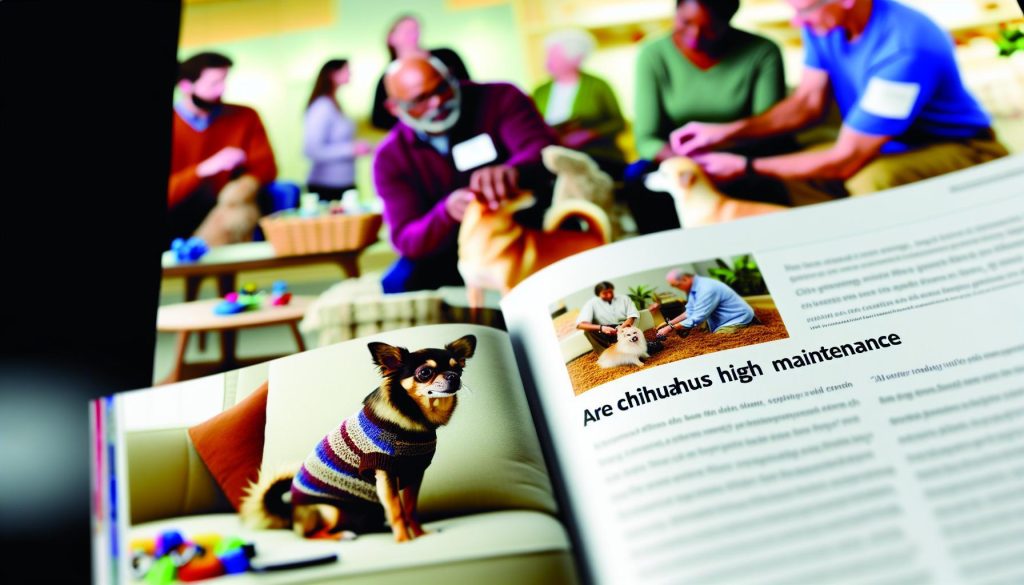
Did you know that Chihuahuas, despite their tiny size, have personalities that can fill a room? Often hailed as one of the most vibrant and loyal breeds, these little companions come with their unique care requirements that potential and current owners should understand. In this article, we’ll explore the question, “Are Chihuahuas high maintenance?” as we delve into their health, behavior, and everyday needs. Whether you’re a first-time owner or a seasoned Chihuahua enthusiast, it’s essential to know how to cater to their specific quirks and behaviors. With insights and practical tips, you’ll discover how to create a happy, healthy, and fulfilling life for your little friend. So, let’s uncover the essential care elements and find out just what it takes to keep Chihuahuas thriving!
Are Chihuahuas Difficult to Care For?
Caring for a Chihuahua is often a delightful yet sometimes challenging endeavor, and understanding their unique needs can help you provide the best possible environment for your tiny companion. These beautiful little dogs, full of personality and energy, do require a certain level of commitment, but they have so much love to offer in return. While they might be small, their care requirements shouldn’t be underestimated.
One of the primary aspects to consider is their health. Chihuahuas can be prone to certain health issues, such as dental problems and patellar luxation. Regular vet check-ups and proper dental care are vital to maintain their health. It’s also important to be aware of their sensitive nature regarding temperature; they can easily become cold and stressed, so a cozy sweater on chilly days is a must.
Daily exercise is essential, even for such a small breed. A short walk combined with playtime indoors can satisfy their energy needs. These dogs are known for being vocal and assertive, traits that can spice up your daily routine but may also require some behavioral training and socialization. Engaging them in early socialization with other pets and people can help mitigate any territorial tendencies.
Feeding them a balanced diet tailored to their size and energy level is equally important. Due to their small stomachs and predisposition to obesity, portion control and high-quality dog food are crucial. Owners often find joy in the unique personalities of their Chihuahuas; whether your pup is a bold apple-head or a long-haired sweetheart, understanding and celebrating these differences will enrich your companionship.
In summary, Chihuahuas are not inherently difficult to care for, but they do have specific needs that, when met, lead to a joyous relationship filled with loyalty and affection. With the right approach, the challenges often transform into rewarding experiences that highlight the vibrant character of your peculiar little friend.
Understanding Chihuahua Health Needs
Chihuahuas, with their big personalities packed into such a tiny body, have specific health needs that every owner should be aware of to ensure their furry friend leads a long and happy life. Understanding these needs is not just about meeting basic care standards; it’s about being proactive and responsive to the unique traits that come with this cherished breed.
Common Health Issues
Chihuahuas are prone to several health concerns, most notably dental problems and patellar luxation. Their small mouths can crowd teeth, leading to a higher risk of cavities and gum disease. Regular dental check-ups and at-home brushing with dog-safe toothpaste can make a significant difference. Additionally, patellar luxation, a condition where the kneecap slips out of place, can affect mobility. Keeping your Chihuahua at a healthy weight will help reduce stress on their joints, so it’s crucial to monitor their diet and exercise.
Temperature Sensitivity
Another important aspect of their health is their sensitivity to temperature. Chihuahuas are particularly vulnerable to the cold due to their short coats and small size. As an owner, you might find that a stylish little sweater or jacket becomes essential during colder months. In warmer weather, however, it’s equally vital to ensure that they do not overheat. Keeping them hydrated and avoiding prolonged exposure to high temperatures is key.
Regular Vet Visits
Routine veterinary visits are fundamental to keeping your Chihuahua healthy. These check-ups allow for early detection of potential health issues and provide an opportunity for vaccinations. Many owners find that establishing a strong relationship with a vet who understands the breed can make a world of difference in managing and preventing health problems.
In essence, while caring for a Chihuahua involves attention to their specialized health needs, the rewards far outweigh the challenges. With the right care, these little companions will shower you with endless love and loyalty, making every effort worth the joy they bring into your life.
Daily Exercise Requirements for Your Chihuahua
Chihuahuas may be small, but they certainly have big energy! Understanding their daily exercise requirements is key to ensuring they are happy and healthy companions. Contrary to what some might think, these little dogs need adequate physical activity to stay fit and prevent behavior issues. A well-exercised Chihuahua is typically a well-behaved Chihuahua, making exercise essential for a harmonious home.
For your tiny friend, daily walks are a fantastic way to provide both exercise and mental stimulation. A 20 to 30-minute walk each day can do wonders. This introduces new sights and smells, which thrill Chihuahuas‘ curious natures. You can also get creative with activities like playing fetch in a secure yard or engaging in short play sessions around the house. Remember, their little legs might tire faster than you think, so be attentive to how your Chihuahua reacts to exertion.
Another enjoyable way to get your Chihuahua moving is through interactive toys that encourage them to chase or hunt. Puzzle feeders can also provide both mental and physical exercise, making mealtime a little more exciting. Some Chihuahuas enjoy more vigorous activities, like agility training or enrolling in canine sports, especially since they thrive on being the center of attention and showing off their skills.
Ultimately, the key is variety and moderation. Chihuahuas appreciate short bursts of activity followed by cuddle time. With your attention to their exercise needs, they’ll not only maintain a healthy weight but will also exhibit the well-mannered behavior that every owner desires. By incorporating exercise into your daily routine, you nourish that vibrant personality unique to Chihuahuas, reinforcing the bond you share with your delightful companion.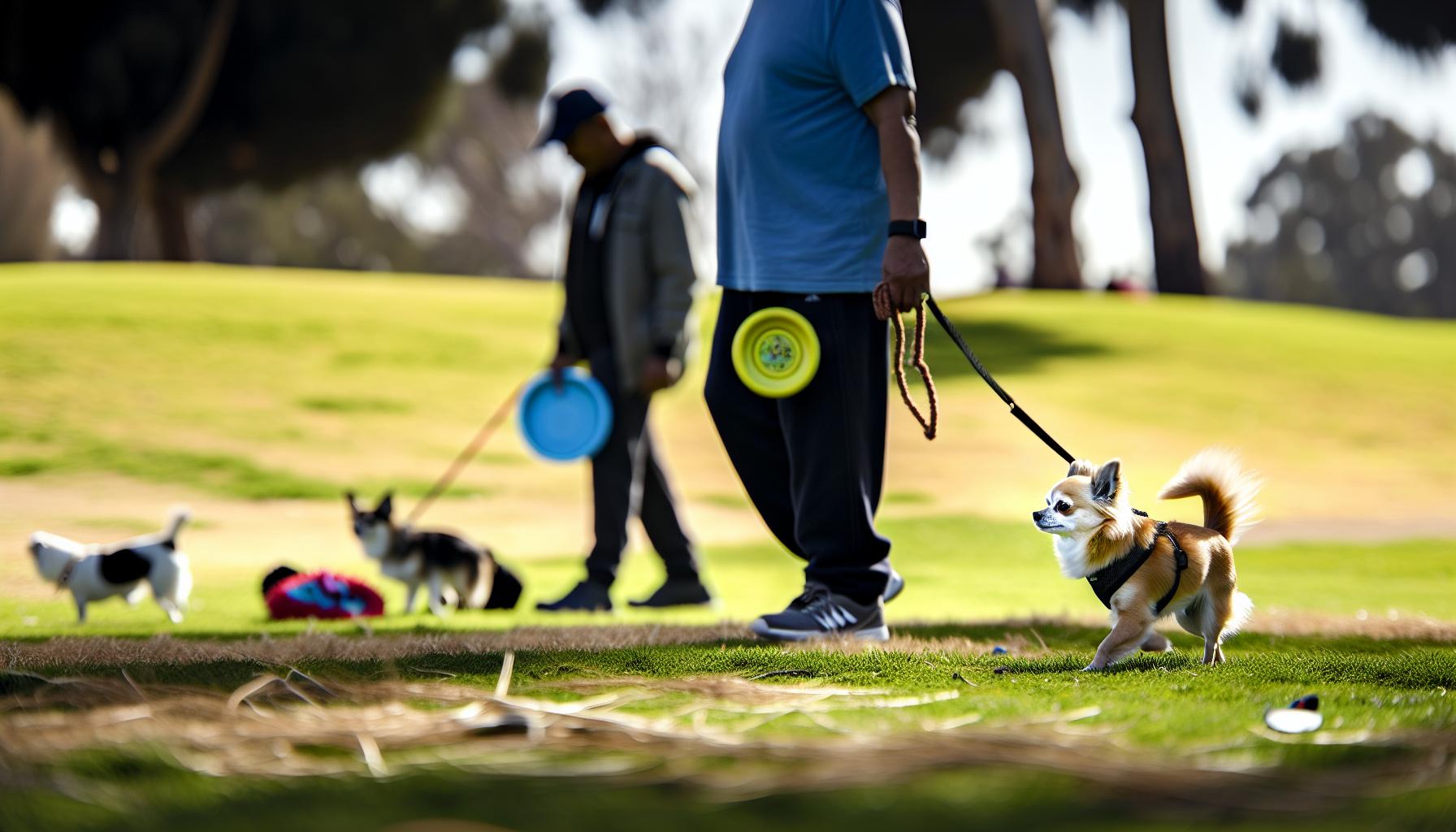
Diet Essentials for a Happy Chihuahua
Choosing the right diet for your Chihuahua is essential, as it directly affects their health, energy levels, and overall happiness. These tiny companions may have small stomachs, but their nutritional needs are significant due to their vibrant personalities and active lifestyles. Proper nutrition helps maintain their playful spirit, promotes good health, and can even extend their lifespan.
A high-quality, balanced diet tailored to your Chihuahua’s specific needs is crucial. Look for premium dog food with real meat as the first ingredient, as protein is essential for muscle development and energy. Since Chihuahuas are prone to obesity, it’s vital to monitor their calorie intake. Generally, adult Chihuahuas need about ½ to 1 cup of food each day, divided into two meals. If you have a puppy, they typically require more frequent feedings-about three to four meals a day, but in smaller portions.
Hydration is equally important. Ensure your Chihuahua has constant access to fresh, clean water. Dehydration can lead to serious health issues, particularly in smaller breeds where every ounce counts. If your Chihuahua seems less interested in drinking, consider adding a bit of low-sodium broth to their water to entice them.
Additionally, consider their unique preferences-some Chihuahuas are picky eaters. If your little one turns their nose up at kibble, you might try incorporating wet food or home-cooked options, but consult with your vet to ensure all meals are balanced. Focus on small, frequent treats that are healthy and suited to their size. Avoid giving human food, especially high-fat or sugary snacks, which can lead to health problems over time.
Supplementing their diet with vitamins and minerals may also be beneficial, particularly for older Chihuahuas who may face age-related health concerns. Always consult your vet before introducing any supplements or making significant changes to their diet.
With a thoughtful approach to nutrition, you’ll ensure that your Chihuahua stays as lively and loving as ever, embracing every moment of joy that comes with being your devoted companion.
Grooming Tips for Smooth and Long-Haired Chihuahuas
Grooming your Chihuahua can be a delightful bonding experience that not only keeps her looking fabulous but also contributes to her overall health. Whether she sports a smooth coat or flowing long locks, a consistent grooming routine is essential in maintaining her stunning appearance and preventing health issues. Regular brushing not only removes loose hair but also helps distribute natural oils, promoting a shiny coat. Plus, grooming sessions give you a chance to check for any unusual bumps or skin irritations.
For smooth-coated Chihuahuas, a weekly brushing with a soft-bristle brush or a grooming glove is usually sufficient. This simple routine helps minimize shedding and keeps her coat looking sleek. During the shedding seasons, which typically occur in spring and fall, you may want to increase brushing frequency to keep loose hair under control. Don’t forget to include a bath approximately every three months, or as needed. A gentle dog shampoo will keep her skin healthy without stripping her coat’s natural oils.
Long-haired Chihuahuas require a bit more attention. These little beauties benefit from daily brushing, as it helps prevent tangles and mats from forming. Use a wide-toothed comb and follow with a slicker brush to smooth out her gorgeous fur. When brushing, pay extra attention to under her ears and in between her paws, as these areas can easily develop knots. Since long-haired varieties can also be prone to ear infections, regularly check and clean her ears with vet-approved solutions to keep them healthy.
Lastly, nail trimming is a crucial aspect of grooming that shouldn’t be overlooked. Depending on her activity level, your Chihuahua may need her nails trimmed every 3-4 weeks. Keeping her nails short not only prevents painful breaks but also helps her maintain better posture and balance while walking. Use a quality dog nail clipper or grinder, and if you’re uncertain, consult your vet or a professional groomer for guidance.
By establishing a regular grooming routine, you’ll not only ensure that your Chihuahua looks and feels her best but also strengthen your bond through this engaging activity. Embrace the quirks of her personality during these sessions-her playful nature and sometimes stubborn attitude may make grooming an adventure in itself! Remember, a well-groomed Chihuahua is a happy Chihuahua, making for a wonderfully loving companion.
Common Behavioral Traits of Chihuahuas
Chihuahuas are brimming with personality, often exceeding their tiny stature in both charm and character. Known for their vocal tendencies, these little companions will fill your home with a symphony of barks and yips, seemingly intent on alerting you to every passing squirrel or friendly visitor. This boldness stems from their protective instincts; Chihuahuas are fiercely loyal to their families and can form strong bonds with their owners. This loyalty makes them excellent companions, but it can also lead to a tendency to become overly attached, which can result in separation anxiety when left alone for extended periods.
Understanding their social needs is also crucial. Chihuahuas thrive on interaction-not only with their humans but also with other pets and dogs. Early socialization is key to ensuring they develop appropriate behavior around strangers and larger animals. Puppies should be exposed to a variety of people, environments, and sounds to help them grow into well-adjusted adults. For example, a Chihuahua who has regularly met new people while young is more likely to behave calmly around guests rather than be timid or aggressive.
Additionally, Chihuahuas often exhibit strong personalities that come off as sassy or stubborn. They are quick learners, but their independent streak can make training a bit of a challenge. Many owners find success using positive reinforcement techniques-offering treats and praise can go a long way in motivating your Chihuahua to listen. It’s not uncommon for Chihuahuas to think of themselves as much larger than they are, leading to bold (and sometimes brash) behavior, especially towards larger dogs. Keep in mind that consistent training and boundaries will help manage these tendencies while still allowing their unique spirit to shine.
In summary, while Chihuahuas may have their quirks-whether it’s their loud barking, need for constant companionship, or feisty attitudes-they are delightful companions with boundless affection. Embrace their individuality, and with the right care and training, you’ll find that your Chihuahua can be as adaptable as they are lovable.
Socialization Strategies for Your Tiny Companion
Chihuahuas might only weigh a few pounds, but their big personalities require carefully crafted socialization strategies to help them navigate the world around them. Socialization is critical for your tiny companion because it equips her to face a variety of experiences, people, and other animals. A well-socialized Chihuahua typically exhibits greater confidence, reducing the likelihood of fearful or aggressive behaviors, making her a more enjoyable companion in various environments.
Start Early and Maintain Continuity
Begin socializing your Chihuahua when she’s a puppy if possible. Expose her to different people, ranging from children to seniors, and other pets, ensuring positive interactions. Enrolling her in puppy socialization classes can create a safe environment for meeting new friends. For instance, a structured class might help her interact with both small dogs and bigger breeds, learning appropriate play styles without feeling overwhelmed. Don’t stop at puppyhood; continue these efforts as she grows. Expose her regularly to novel situations-car rides, busy parks, or bustling streets are great for building her tolerance.
Positive Experiences Are Key
When introducing your dog to new experiences, always aim for positive outcomes. Carry treats with you; rewarding her for calm behavior in new situations reinforces a good experience. For example, if you encounter a large dog during a walk, calmly distract your Chihuahua with a treat. If she reacts negatively (barking, whining), maintain a safe distance and try again later. Over time, she’ll associate these situations with positive experiences rather than fear.
Incorporate Daily Social Activities
Use everyday moments to build social skills. Take her for daily walks where she can meet new people and dogs. Visiting dog-friendly cafes or pet stores provides informal opportunities for socialization while being fun for both of you. Ensure that your Chihuahua’s interactions with larger dogs are supervised to prevent overwhelming her. A meetup with other Chihuahua owners can also be beneficial, as she’ll feel more at ease among her peers.
Mind the Small Stuff
Pay attention to your Chihuahua’s body language; those little tails and ears speak volumes. Be observant; if she seems anxious or too excited, step back and reassess the situation. Some Chihuahuas thrive in chaos; others don’t. Modify your approach based on her unique needs; you want to tailor experiences that align with her personality, helping her flourish in social settings.
With these strategies, you’ll help your Chihuahua transform into a confident, well-adjusted dog that can tackle daily life with enthusiasm. Through patient and positive socialization, you provide her not just opportunities to meet others but also a richer, more fulfilled life. Embrace the journey together-each new experience deepens the bond you share and enhances her quality of life.
Training Challenges and Solutions for Chihuahuas
It’s a surprising reality that Chihuahuas, despite their tiny stature, can present substantial training challenges that require patience and creativity. While their bold personalities make them charming companions, these traits can sometimes lead to stubbornness. Understanding the nuances of training a Chihuahua is vital to fostering a positive relationship and ensuring good behavior, which can vastly improve both your and your dog’s quality of life.
One of the primary challenges is managing their intense energy and vocal nature. Chihuahuas are known for being alert and protective, often barking at any perceived threat or unfamiliar noise. To address this, consistent training routines are essential. Implement techniques such as desensitization where you expose your Chihuahua to various sounds and sights gradually. For example, play recordings of doorbells or phone rings at a low volume, gradually increasing the loudness while rewarding calm behavior. This can help them learn that not every sound requires an intense reaction.
Use Positive Reinforcement
Training should always center on positive reinforcement. This method not only makes the experience enjoyable for your Chihuahua but also strengthens your bond. Use treats, praise, or playtime as rewards for desired behaviors. For instance, if your Chihuahua sits quietly while you have guests over, reward her with a favorite treat. This encourages her to repeat the behavior in similar situations. Chihuahuas thrive on routine and rewards, so establishing a consistent training schedule can lead to more successful outcomes.
Address Potty Training with Patience
Potty training can be another hurdle for Chihuahua owners, given their small bladders and sometimes stubborn attitudes. Many owners find success with frequent trips outdoors, particularly after meals or playtime. Use a designated potty spot in your yard and always reward your Chihuahua for doing her business outside. If accidents happen indoors, avoid scolding her; instead, focus on prevention and reinforcing good habits. Keeping a consistent feeding schedule significantly helps regulate her bathroom needs.
Embrace Their Unique Personality
Lastly, celebrate the quirks that come with owning a Chihuahua. Their strong-willed nature can sometimes veer into the realm of sassiness. Incorporate their playful and often dramatic personality into training by introducing fun commands or tricks that make training sessions engaging. Teaching them to play fetch with a favorite toy, for instance, not only encourages exercise but also harnesses their eager-to-please nature when praised.
Training a Chihuahua is all about understanding and appreciating their unique personality. With patience, creativity, and consistent positive reinforcement, you’ll navigate the challenges and enhance your communication with your lively little companion. The effort you invest in their training will ultimately reward you both with a deeper bond and a well-adjusted dog ready to tackle the world alongside you.
Financial Considerations of Owning a Chihuahua
Owning a Chihuahua can be one of the most fulfilling experiences, but it’s essential to be aware of the financial implications that come with this charming breed. While their small size may lead some to believe that they are less costly than larger breeds, the truth is that Chihuahuas require a range of ongoing expenses that can add up quickly.
Initial Costs
When bringing home a Chihuahua, you’ll encounter various initial expenses, including adoption fees or purchase costs, which can range significantly based on the dog’s pedigree. Additionally, you’ll need to budget for essential items such as a quality collar, leash, food and water bowls, a comfortable bed, and toys. Don’t forget about initial veterinary costs, such as vaccinations, spaying or neutering, and possibly microchipping, which are critical for their health and safety.
Ongoing Expenses
Once settled in, there are several ongoing costs to consider. Regular vet visits for annual check-ups and vaccines are essential, especially as Chihuahuas can be prone to specific health issues such as dental problems and heart disease. Here’s a breakdown of potential recurring expenses:
- Food: High-quality dog food tailored to your Chihuahua’s specific dietary needs can range from $30 to $60 a month.
- Grooming: If your Chihuahua has long hair, professional grooming may be necessary every few months, costing around $30 to $50 each visit.
- Healthcare: Routine dental care, flea and tick prevention, and regular medications can add another $20 to $50 monthly.
- Pet Insurance: Investing in pet insurance can be a proactive way to manage future health costs, typically ranging from $20 to $60 per month.
Additional Considerations
Moreover, consider costs associated with training and socialization. Enrolling in obedience classes or hiring a trainer to handle specific challenges can be a valuable investment in your Chihuahua’s behavior. Expect to spend anywhere from $100 to $300 for group classes. Additionally, if you plan to travel or need pet-sitting services, these expenses should be factored in as well.
In summary, while financial considerations might seem daunting, planning and budgeting can help manage these costs effectively. The love and joy that a Chihuahua brings into your life far outweigh these expenses. Like any breed, investing time and resources into their well-being will ensure a rewarding companionship and a happy, healthy life for your vivacious little friend.
Preparing Your Home for a Chihuahua
When welcoming a Chihuahua into your home, preparing your space is crucial to ensure she feels safe, comfortable, and happy. These little companions thrive in environments that cater to their unique needs and personalities, so take the time to make the necessary adjustments. Believe it or not, a well-prepared home can significantly impact her behavior and overall well-being, helping to curb common Chihuahua quirks-like excessive barking due to anxiety or nervousness.
Start with a designated area where your Chihuahua can retreat to feel safe. This could be a cozy dog bed placed in a quiet corner or a crate that she can call her den. Ensure this space is stocked with soft blankets and maybe even a few favorite toys. Chihuahuas, especially those with apple-head shapes, can be sensitive to drafts and cold; promoting a warm and sheltered environment helps them feel more secure.
Next, consider your home’s layout and potential hazards. Chihuahuas are naturally curious, which means they might explore places that aren’t ideal for their tiny size. Secure loose wires, remove small items they could swallow, and ensure windows and balconies are safely screened. Also, see if you need baby gates to keep her away from stairs or certain rooms where she could get into trouble.
An often-overlooked aspect of preparation is ensuring that your Chihuahua has access to outdoor spaces that are safe and enclosed. If you have a yard, consider using fencing to keep her from escaping. For those who don’t, explore options for leads or harnesses that will help her enjoy the joys of the outdoors without any risk.
Lastly, remember that Chihuahuas love to be part of the family dynamic. Settle her down where the action is while also providing a quiet space – this balance will help her stay sociable while respecting her more reserved moments. As a final touch, try to include things like toys that engage her mind (puzzle toys work wonders) and consistent spots for water and food. With thoughtful preparation, she’ll adjust seamlessly and become a cherished member of your family, showcasing her delightful personality in no time!
Traveling with Your Chihuahua: Tips for Success
When it’s time to hit the road with your beloved Chihuahua, preparation is key to ensuring a smooth and enjoyable trip for both of you. Chihuahuas thrive on companionship and do best when they are included in family adventures. Their tiny size and bold personalities may make them seem easy-going, but they do have specific needs that must be addressed to keep them happy and healthy while traveling.
Start with her safety and comfort. A secure, well-ventilated carrier is a must-have for travel, whether you’re heading by car, train, or plane. Look for one that allows her to stand, turn around, and lie down comfortably. If you’re traveling by car, consider using a pet seatbelt or harness designed for dogs; it keeps her safe while allowing her to enjoy the views out the window. Additionally, always keep her hydrated, especially during longer trips. Bring along a portable water bottle and collapsible bowl for quick refreshment breaks.
When planning your itinerary, choose pet-friendly accommodations and activities. Many places now welcome dogs, and some even offer amenities specifically for pets. Think ahead about how she will interact with new environments: Chihuahuas can be vocal and may feel overwhelmed in loud or unfamiliar situations. A familiar blanket or toy can help her feel more secure in new settings. Create breaks in your travel schedule to allow her time to stretch, relieve herself, and explore the area safely while on a leash.
Be mindful of the weather, too. Chihuahuas, particularly those with short coats or apple-head shapes, can easily get chilled or overheated. Dress her in a light sweater if it’s chilly or provide shade and fresh water during hot weather. Your little companion might also need some time to adjust to the different sights and sounds of new places, so be patient and understanding as she explores her surroundings.
Traveling can be a delightful adventure with your Chihuahua by your side, celebrating her playful quirks and loyal nature. With proper planning and attention to her needs, every trip can become a cherished memory for both of you.
Chihuahua Lifespan: What to Expect in Care Needs
Understanding the lifespan and care needs of your Chihuahua can greatly enhance her quality of life and strengthen your bond. Generally, Chihuahuas enjoy long lives, often reaching 12 to 20 years, depending on their genetics, diet, and overall care. Their small size may make them seem low maintenance, but they do have specific health and care requirements that all owners should be aware of to ensure a happy and healthy life.
Health Needs Throughout Their Life
Regular veterinary check-ups are crucial for detecting potential health issues early. Common health concerns in Chihuahuas include dental problems, patellar luxation, and heart disease. Keeping up with vaccinations, dental care, and parasite control can help mitigate these risks. It’s essential to provide proper nutrition tailored to her age and health status, as overfeeding can lead to obesity, which further complicates health problems. Feeding high-quality dog food rich in nutrients suited for small breeds can make a significant difference.
Routine Care and Maintenance
While Chihuahuas are relatively small and their exercise requirements are modest, they still need daily activity to maintain a healthy weight and mental stimulation. Short walks, playtime, or even indoor activities can help satisfy their needs. Additionally, grooming should not be overlooked. Long-haired Chihuahuas require regular brushing to prevent matting, while smooth-coated variants need less grooming but still benefit from occasional brushing to remove loose fur.
Owners also need to be mindful of their Chihuahuas’ behavioral traits, as their vocal nature can lead to barking if not properly addressed through training and socialization. Early socialization with various people and environments can alleviate anxiety and promote a well-adjusted adult dog.
In summary, caring for a Chihuahua requires commitment and understanding of their specific needs over their lengthy lifespan. By addressing their health, exercise, grooming, and social behaviors, you set the stage for a joyful, fulfilling companionship, celebrating all the delightful quirks that make Chihuahuas the remarkable little friends they are.
Frequently Asked Questions
Q: Are Chihuahuas good for first-time dog owners?
A: Yes, Chihuahuas can be great for first-time dog owners. They are small, adaptable, and typically require less space. However, new owners should be prepared for their strong personalities and training needs. Engaging with them through positive reinforcement can foster a strong bond and aid in obedience.
Q: How often should I take my Chihuahua to the vet?
A: Regular vet visits are essential for Chihuahuas, ideally once a year for routine checkups. They may require more frequent appointments if they have specific health issues. Staying on top of vaccinations and wellness exams ensures your Chihuahua remains healthy and happy.
Q: What are the common health issues in Chihuahuas?
A: Chihuahuas may face several health issues, including heart problems, dental issues, and patellar luxation. Regular veterinary check-ups can help detect problems early, ensuring your Chihuahua receives prompt care. Always consult your vet for specific health concerns related to the breed.
Q: How do I socialize my Chihuahua with other pets?
A: To socialize your Chihuahua effectively, introduce them gradually to other pets in a controlled environment. Use treats to create positive associations and keep interactions short at first. Gradually increase exposure as your Chihuahua becomes more comfortable. This process enhances their confidence and reduces anxiety.
Q: Are Chihuahuas prone to anxiety or stress?
A: Yes, Chihuahuas can be prone to anxiety and stress, especially due to their small size and sensitivity to their environment. To mitigate this, provide a consistent routine, safe spaces, and consider using calming techniques such as desensitization or calming products. Understanding their needs is crucial to their emotional health.
Q: What is the best way to exercise a Chihuahua?
A: Chihuahuas require short, frequent walks and play sessions to stay healthy. Engaging them in interactive play, like fetch or tug-of-war, can keep them mentally stimulated. Tailoring the exercise to their energy level ensures they remain active without becoming overwhelmed.
Q: Can Chihuahuas be trained easily?
A: With consistent training sessions and positive reinforcement, Chihuahuas can be trained effectively. They respond well to treats and praise. Start with basic commands and gradually introduce new tricks, ensuring training is fun and engaging to maintain their interest.
Q: How can I prevent my Chihuahua from becoming overweight?
A: To prevent your Chihuahua from becoming overweight, monitor their diet and exercise closely. Provide high-quality, portion-controlled meals and ensure regular physical activity. Avoid overfeeding and limit treats; this helps maintain a healthy weight and reduces health risks.
The Way Forward
Chihuahuas can be both loving companions and unique little challenges, requiring understanding, patience, and proper care. By now, you should have a clearer picture of their health, behavioral traits, and specific needs-from their vibrant personalities to the importance of regular vet check-ups. Remember, every Chihuahua is different; whether he’s an apple-head or has a long coat, catering to his individual quirks will enhance your bond and his happiness.
For more in-depth insights on keeping your Chihuahua thriving, check out our guides on “Essential Chihuahua Care Tips” and “Understanding Chihuahua Behavior.” Don’t forget to sign up for our newsletter to connect with a community of fellow Chihuahua enthusiasts-and to receive the latest tips and resources straight to your inbox! Share your experiences in the comments below; we love hearing from you! Together, let’s celebrate the joy and joys of owning a Chihuahua, one wag at a time.
Get our latest guides, news, and insights highlighted in your Google Search & AI Overviews.