

If you’re curious about one of the most charming and spirited dog breeds, you’ve come to the right place! Chihuahuas, with their bold personalities and impressive loyalty, pack a lot of character into a tiny frame. Whether you’re a first-time dog owner or a seasoned enthusiast, understanding the unique traits and needs of this breed is crucial for fostering a happy, healthy relationship with your furry companion. From their varying sizes-like the beloved apple-heads-to distinct coat types and temperaments, Chihuahuas can be as diverse as they are delightful. As we delve into their behavior, health tips, and care essentials, you’ll discover why these little dogs make such captivating companions. Join us as we explore what makes Chihuahuas so special and how to best support their vibrant lives!
What Makes Chihuahuas Unique: Key Characteristics
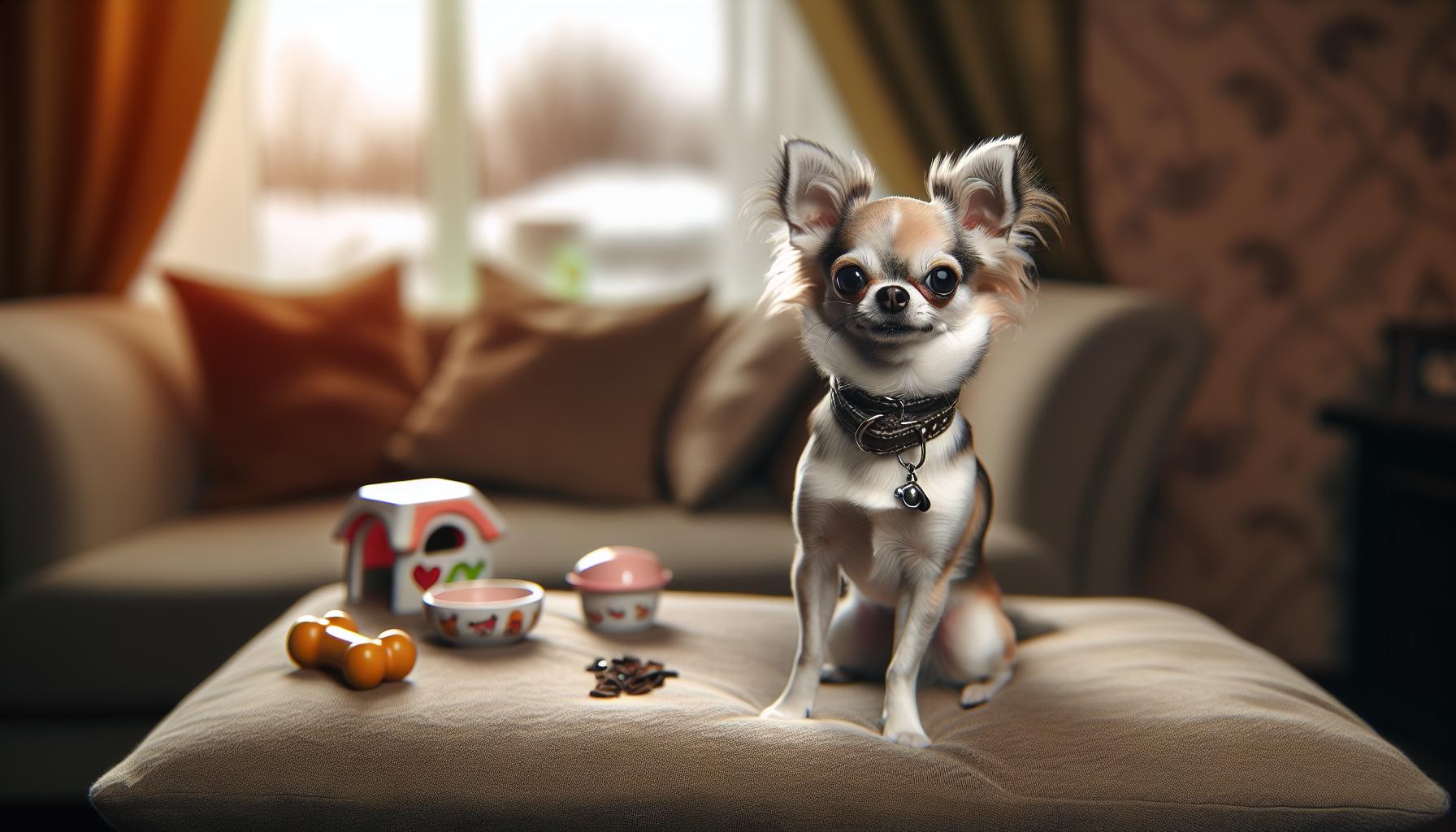
Chihuahuas are a breed that defies their small stature with a personality that is larger than life. Known for their vocal nature, these little dogs often express themselves through a series of barks, yips, and even growls, leaving no doubt about their feelings or territorial instincts. Their loyalty is boundless-they form deep bonds with their owners and can quickly become protective of their loved ones. This combination of traits makes them not just pets, but true companions who thrive on affection and attention.
In terms of physical characteristics, Chihuahuas come in two distinct coat types: long-haired and short-haired. Each type has its own unique charm. Long-haired Chihuahuas often have a softer, more luxurious appearance, while short-haired versions show off their sleek, compact silhouette. Regardless of coat type, their size-typically weighing between 2 to 6 pounds-makes them suitable for both urban apartments and cozy homes. You’ll often find apple-head Chihuahuas, distinguishable by their rounded skull, and the deer-head variety with a more elongated shape. These differences can influence personalities as well, with apple-heads often being the quintessential “lap dogs”, eagerly seeking warmth and comfort with their human counterparts.
When it comes to care, understanding their unique health needs is crucial. Chihuahuas are prone to certain health issues, including heart problems and dental diseases due to their small mouths. Regular vet check-ups, proper dental care, and a balanced diet can go a long way in keeping your Chihuahua happy and healthy. Moreover, their boldness can manifest in overly assertive behavior, so early socialization and training are essential to help them develop into well-adjusted companions. The charm of a Chihuahua lies in its unique quirks-celebrate every tiny bark, every affectionate cuddle, and every bold leap. They’re not just small dogs; they’re vibrant little personalities wrapped in fur!
Understanding Chihuahua Temperament: The Bold Companion
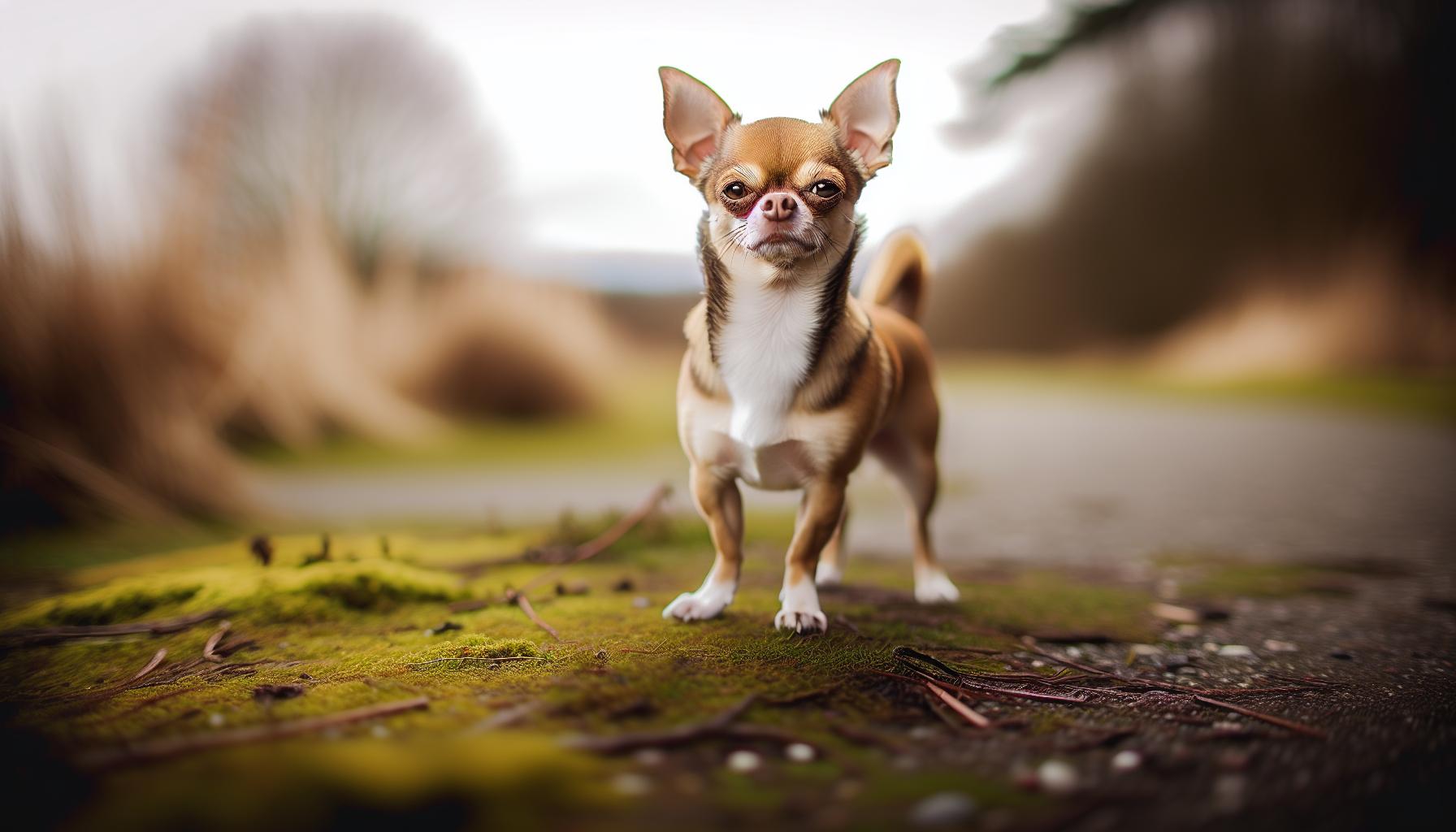
Chihuahuas are nothing short of remarkable; their vibrant personalities often take center stage, overshadowing their petite size. One of the most captivating aspects of a Chihuahua’s temperament is their remarkable boldness. These little dogs, despite weighing as little as two pounds, possess an undeniable fearlessness that can leave owners both amused and astounded. Imagine a tiny canine bravely confronting a much larger dog or declaring their territory with an enthusiastic bark-this is the essence of the Chihuahua spirit. Their assertive nature makes them excellent watchdogs, always alert and ready to protect their home and family, often believing they are far grander than they truly are.
Chihuahuas thrive on companionship and are known for their deep loyalty to their owners. This bond can sometimes lead to a possessive behavior, especially with the apple-head variety, who often delight in being close to their humans. They’ll curl up in your lap, seeking warmth, but in a moment, they can spring into action, bravely facing potential “threats,” whether that’s a passing dog or even a noisy vacuum cleaner. Their vocal tendencies allow them to communicate their thoughts clearly, whether they are expressing joy, alerting you to visitors, or simply demanding your attention. This constant need for interaction requires owners to be patient and understanding, as Chihuahuas may resort to stubbornness if they feel ignored or underappreciated.
Socialization and training are crucial in shaping a well-adjusted Chihuahua. Early exposure to different environments, people, and other animals will help mitigate the breed’s tendency towards over-assertiveness and nervous behaviors. Owners can enhance their Chihuahua’s confidence through positive reinforcement techniques, turning training sessions into fun bonding experiences. For example, teaching them commands or tricks not only keeps a Chihuahua mentally stimulated but also strengthens the owner-dog bond. Engage your Chihuahua with toys and interactive games that encourage them to think and play, as this mental stimulation can help channel their energy positively.
In terms of care, providing a secure and affectionate environment is essential for nurturing a Chihuahua’s bold personality. These tiny pooches truly thrive when they feel safe and loved. Regular vet check-ups, a balanced diet, and consistent exercise contribute to their overall well-being, allowing them to remain spirited companions for years to come. Understanding their unique character traits and behavior as a Chihuahua owner will not only enhance your relationship but also make for joyful, memorable experiences as you navigate life together.
Essential Care Tips for Chihuahua Owners
Chihuahuas may be tiny, but their care needs are substantial. These spirited little companions require a unique approach to keep them happy and healthy. First and foremost, it’s vital to create an environment where your Chihuahua feels safe and secure. Due to their small size, they can be more prone to injuries or stress from rough handling, so gentle care is essential. Always supervise them around larger dogs and young children, as their bold personalities do not always understand their physical limitations.
Regular Veterinary Care
Routine check-ups are a cornerstone of your Chihuahua’s health care routine. Schedule regular visits to the veterinarian for vaccinations, dental care, and check-ups. Chihuahuas are particularly susceptible to dental issues, so investing in regular cleanings and appropriate chew toys can help maintain their oral health. Moreover, keep an eye out for signs of common breed-related conditions, such as patellar luxation or heart disease, to catch any health issues early.
Nutrition and Feeding
A balanced diet is crucial for the vitality of your little friend. Opt for high-quality dog food that meets their specific nutritional needs, typically labeled for small breeds. Since Chihuahuas have a high metabolism, they may require meals more frequently than larger breeds. Some owners find success with feeding smaller portions throughout the day rather than one or two larger meals. Encourage healthy weight management by keeping an eye on their calorie intake, as obesity can lead to serious health issues.
Grooming Essentials
Depending on whether your Chihuahua is long-haired or short-haired, their grooming needs will differ. Long-haired Chihuahuas will require regular brushing to prevent matting and reduce shedding, while short-haired Chihuahuas need less grooming but still benefit from occasional brushing. Bathing should be done as needed to keep their coat clean and their skin healthy. Keep their nails trimmed to avoid discomfort, and routinely check their ears and teeth for signs of dirt or infection.
Socialization and Interaction
Given their social nature, early and ongoing socialization is vital. Introduce your Chihuahua to various environments, people, and other pets in a positive manner to cultivate their confidence. They thrive on companionship, so engaging in play and training exercises not only stimulates their minds but also strengthens your bond. Positive reinforcement is key-use treats and praise to encourage desired behaviors, turning training sessions into joyful experiences.
Caring for a Chihuahua is a rewarding experience, but it comes with its responsibilities. By understanding their specific needs and quirks, you can ensure that your little companion enjoys a long, happy, and healthy life by your side.
Chihuahua Health Concerns: What to Watch For
Chihuahuas, despite their petite size, can face a variety of health challenges that require vigilance from their owners. One of the primary concerns is their predisposition to dental issues. It’s not uncommon for Chihuahuas to develop periodontal disease, especially due to their small mouths. Regular dental cleanings and the provision of appropriate chew toys can make a world of difference in keeping their teeth and gums healthy. As an owner, a simple routine of brushing their teeth a few times a week can significantly impact their overall health and comfort.
Another common health issue among Chihuahuas is patellar luxation, where the kneecap dislocates from its normal position. This condition is more prominent in smaller breeds and can lead to limping or difficulty in movement. Owners should be observant of any signs of discomfort in their Chihuahua, such as reluctance to jump or play. Early intervention by a veterinarian can help manage or even correct this condition, ensuring that your vibrant little companion remains active.
Chihuahuas are also susceptible to heart disease, particularly mitral valve disease, which can develop with age. Regular vet check-ups that include heart health assessments are essential. Be on the lookout for symptoms like coughing, difficulty breathing, or fatigue. Maintaining a healthy weight and providing them with a balanced diet can help reduce the risk of heart-related issues.
Lastly, be mindful of hypoglycemia, a common concern in small breeds. Chihuahuas have fast metabolisms and can experience low blood sugar, especially when stressed or if they miss a meal. Monitoring their eating habits and providing them with small, frequent meals can help keep their energy levels stable. If you notice signs such as lethargy or confusion, it’s important to act quickly and consult your veterinarian.
By staying informed about these health concerns and maintaining consistent veterinary care, you can enhance your Chihuahua’s quality of life, allowing him or her to thrive well into their golden years. Remember, your little buddy’s health is not just about preventing problems; it’s about ensuring that he or she can live a joyous, active life full of the bold spirit that defines Chihuahuas.
Choosing Between Long-Haired and Short-Haired Chihuahuas
When it comes to Chihuahuas, one of the delightful choices prospective owners face is selecting between long-haired and short-haired varieties. Each coat type has its charm and appeal, reflecting the unique personality traits of these feisty little companions. Interestingly, both types share the same spirited demeanor and loyalty, but their grooming needs and potential health concerns can differ significantly.
Long-haired Chihuahuas possess a luxurious, flowing coat that adds to their overall cuteness. Their hair is typically soft and can vary in length, often requiring more intensive grooming. Regular brushing is essential to prevent matting and tangles, particularly around their ears and underbellies. Owners of long-haired Chihuahuas should be prepared for seasonal shedding, which can be managed with routine grooming sessions. The long fur also offers additional warmth during colder months, making them ideal companions for chilly climates.
On the other hand, short-haired Chihuahuas have a sleek, smooth coat that often requires less maintenance. A quick weekly brushing is usually sufficient to keep their coat in top condition. However, the short coat does mean less insulation from cold weather, so it’s crucial to consider appropriate clothing for outings in lower temperatures. Owners might find that short-haired Chihuahuas are less prone to certain skin issues related to coat length, but they might have heightened exposure to the elements, making sun protection particularly important.
Additionally, personality can play a role in the decision. While individual temperament varies, many enthusiasts report that long-haired Chihuahuas sometimes exhibit a slightly more laid-back demeanor, possibly due to their fluffier appearance making them seem more cuddly. Short-haired Chihuahuas, meanwhile, often seem to exude a spunky, energetic vibe-perfect for active owners. Regardless of the choice, both coat types offer the opportunity to bond with a playful and loyal furry friend.
In essence, often hinges on your lifestyle, grooming preferences, and climate. Potential owners should weigh these factors carefully, ensuring they can meet their new companion’s needs and enjoy the distinct joys that either type brings to their lives. Your tiny partner is waiting, and together, you’ll create a lasting, joyful companionship no matter which coat style you choose!
Training Your Chihuahua: Best Practices for Success
Training a Chihuahua can be an incredibly rewarding experience, both for you and your feisty little companion. Known for their vibrant personalities, Chihuahuas are often misunderstood as aloof or stubborn, but with the right approach, they can become incredibly well-trained and well-mannered. Their intelligence and eagerness to please make them excellent candidates for training-especially when you incorporate positive reinforcement techniques.
One key to success with Chihuahuas is to start training early, ideally when they are puppies. However, older dogs can also learn new tricks! Use short, consistent training sessions-around 5 to 10 minutes-up to several times a day. This keeps them engaged without overwhelming them. Keep your training environment calm and free of distractions; this helps maintain your Chihuahua’s focus. For example, teaching basic commands like “sit” and “stay” can be initiated in a quiet room and gradually progressed to more stimulating environments as they become adept at the commands.
Utilizing treats and praise as rewards can make all the difference. Chihuahuas respond exceptionally well to positive reinforcement, which solidifies their craving for approval. Use small, tasty treats and enthusiastic verbal praise to acknowledge their successes. For instance, when your Chihuahua successfully follows a command, offer a treat and immediately express your joy. This method not only encourages them to repeat the behavior but also strengthens the bond between you and your dog.
Socialization is equally important in helping your Chihuahua become a well-rounded member of your family. Exposing them to a variety of people, environments, and other animals can reduce fearful behaviors. Organize playdates with other dogs or take leisurely walks in your neighborhood. A well-socialized Chihuahua is often more confident and less likely to exhibit unwanted behaviors, such as excessive barking or shyness. This step is crucial, especially since Chihuahuas can sometimes develop a bold or territorial nature.
Above all, patience is key when training your Chihuahua. Some may take a little longer to grasp commands due to their sometimes playful and stubborn nature. Remember to keep your expectations realistic and approach training as a fun activity rather than a chore. Celebrate small victories and relish the joy of training together-after all, every successful command brings you closer to having a happy, well-adjusted companion. Whether you’re a first-time owner or a seasoned Chihuahua enthusiast, embracing their unique training journey is what makes this breed so special.
Nutritional Needs of Chihuahuas: Feeding Guidelines
Feeding your little companion the right diet is crucial to their health and happiness. Chihuahuas, while small in size, have distinct nutritional needs that must be met to ensure they thrive. Their metabolic rate is faster than that of larger dogs, meaning they need to consume a diet rich in high-quality nutrients to fuel their active lifestyles. Avoid feeding them low-quality dog food filled with fillers that won’t support their energetic nature or delicate health.
When selecting dog food, look for brands that list real meat as the first ingredient, as it provides essential protein for muscle development and energy. Chihuahuas typically benefit from high-protein diets, so consider options that focus on chicken, turkey, or fish as primary meat sources. Additionally, incorporating healthy fats, like those from fish oil or flaxseed, can help maintain their coat’s shine and overall skin health.
Portion control is immensely important, given their small frames. Depending on their weight and activity levels, most adult Chihuahuas require anywhere from ½ to 1 cup of food each day, divided into two meals. It’s advisable to monitor their weight regularly and adjust food intake as necessary. Obesity can pose serious health risks for Chihuahuas, leading to joint issues and other complications. Always consult your veterinarian for personalized feeding guidelines tailored to your dog’s specific needs.
Special Considerations
Chihuahuas can be quite particular about their foods, so it’s a good idea to introduce new diets gradually. Mix the new food with the old over a week to help their digestive system adjust. Keep in mind that some Chihuahuas may have allergies or sensitivities to specific ingredients, such as grains or certain proteins, so watching for signs of gastrointestinal distress or skin irritations when trying new foods is essential.
It’s also vital to stay hydrated. Fresh, clean water should always be accessible, especially since some Chihuahuas can be prone to urinary issues. When it comes to treats, opt for healthy options in moderation. Fresh fruits like apples and carrots can make excellent training rewards and are often favorites among these little dogs-just be sure to avoid any toxic foods like grapes and chocolate.
By prioritizing a balanced diet filled with high-quality ingredients and maintaining consistency in their feeding routine, you’ll have a happy, vibrant Chihuahua by your side ready for every adventure.
Socializing Your Chihuahua: Building Confidence and Comfort
Socializing your Chihuahua is essential to fostering a confident and well-adjusted companion. Despite their tiny stature, Chihuahuas possess a bold personality that can sometimes lead them to be wary of new experiences or people. Early and consistent socialization can help enhance their social skills, turning nervous behavior into joyful curiosity.
Take advantage of your Chihuahua’s natural curiosity. Start socialization at home by introducing her to different sounds, scents, and sights. Gradually expose her to new environments-like local parks or pet-friendly stores-where she can experience various smells, see strangers, and perhaps meet other dogs. Aim for positive interactions in calm settings to build her confidence. Use playful tones and offer treats as rewards when she interacts positively with new people or animals.
Consider setting up playdates with other well-mannered dogs. This can be especially helpful if you have a shy Chihuahua. Observing other dogs engaging and having fun can encourage her to join in. Normalize the presence of diverse people and environments by choosing a variety of locations for these outings, from bustling streets to quiet backyards.
Learning from real experiences is also valuable. For instance, one owner found that consistently attending a puppy class not only helped socialize her Chihuahua but also created a bond through shared learning. Over time, her pup transitioned from being hesitant about new friends to eagerly greeting them with a wagging tail. Remember, patience is key; every little encounter is a step toward helping your Chihuahua feel secure in her world.
Ultimately, socialization is not just about exposure but making these experiences positive and enriching. With the right approach, you’ll help your Chihuahua develop a robust sense of confidence, making her not just a loyal companion but a joyful participant in your life together.
Exercise Requirements for Chihuahuas: Keeping Active
Chihuahuas may be small, but their energy levels can rival that of larger breeds. These little companions need regular bursts of exercise to stay healthy and happy. Engaging in activities not only helps maintain their physical health, but also supports their mental well-being. For Chihuahuas, a combination of short walks and playtime can work wonders.
Taking your Chihuahua out for daily walks is essential. Aim for at least 20-30 minutes each day. Given their petite size, you can easily adapt the length and pace of your walks, making them more frequent if your dog enjoys them. Remember, Chihuahuas are not built for endurance runs, so moderate exercise that suits their energetic bursts is ideal. On your walks, let her explore her surroundings; Chihuahuas love to sniff new smells, and mental stimulation is just as important as physical activity.
Playtime is Key
In addition to walks, integrate playtime into your Chihuahua’s routine. This could include interactive games like fetch or tug-of-war. Many Chihuahuas love chasing after toys, so investing in a few plush or squeaky toys is a great idea. You can even create a small obstacle course at home with household items to challenge her agility and keep things exciting.
Consider scheduling playdates with other small dogs. Social interactions not only provide exercise but help develop core social skills. One Chihuahua owner noted that their shy pup blossomed during playdates, growing more confident and active while learning from canine friends.
Recognizing Exercise Limits
While exercise is crucial, it’s equally important to recognize when your Chihuahua needs a break. Being small and vocal, they can easily show signs of tiredness-watch for excessive panting, slowing down, or disinterest. Remember, keeping an eye on your dog’s energy and adjusting her activity level accordingly ensures she remains joyful and engaged.
By prioritizing structured exercise and play, you ensure your Chihuahua remains healthy and lively, ready to share her bold personality with the world.
Chihuahua Grooming: Tips for Maintaining Coat and Hygiene
Taking care of your Chihuahua’s grooming needs is not just about aesthetics; it significantly contributes to their overall health and happiness. Chihuahuas come in two main coat types: short-haired and long-haired, and each requires a unique approach to grooming. Regardless of the type, regular grooming strengthens the bond between you and your Chihuahua and helps keep her coat shiny and free of tangles.
Chihuahuas are prone to developing specific skin issues and mats that can irritate their skin if not addressed. For long-haired Chihuahuas, brushing should occur at least two to three times a week using a soft-bristled brush or a slicker brush to prevent tangles and remove loose hair. One Chihuahua owner shared how their long-haired pup loved the gentle brushing sessions, often settling down and enjoying the attention. Short-haired Chihuahuas, on the other hand, benefit from a weekly rub with a grooming glove to remove dead hair and distribute natural oils throughout their fur, giving it a healthy glow.
Regular bathing is essential but should be approached with caution. Too frequent baths can strip natural oils from their skin. Aim for a bath every 4 to 6 weeks or as needed if your Chihuahua gets particularly dirty. Use a dog-specific shampoo that is gentle and formulated for sensitive skin, as Chihuahuas can be susceptible to allergies.
Dental Care is Key
Grooming isn’t only about fur; oral hygiene is crucial for Chihuahuas. They are prone to dental issues, so regular brushing of their teeth is advisable. Aim to brush your Chihuahua’s teeth several times a week with toothpaste formulated for dogs. Additionally, dental chews or treats can provide an excellent supplement to daily brushing.
Nail Trimming and Ear Cleaning
Don’t overlook your Chihuahua’s nails, which should be trimmed every 3-4 weeks to prevent discomfort and overgrowth. Use a suitable dog nail clipper and be cautious not to cut into the quick. Also, regularly check her ears for dirt or wax buildup. You can clean the outer parts with a damp cloth, but consult your vet for deeper cleaning techniques to ensure you don’t harm her sensitive ears.
By incorporating these grooming practices regularly into your routine, you’ll ensure your Chihuahua stays healthy, happy, and ready to showcase her vibrant personality. Embracing these grooming sessions can turn into a delightful bonding experience, providing both comfort and care for your tiny companion.
Chihuahua Adaptability: Best Living Environments
Chihuahuas are surprisingly adaptable little companions, thriving in various living situations. Whether you reside in a cozy apartment or a bustling family home, your tiny friend can comfortably adjust to your lifestyle as long as you meet their needs. They are often perfect for city dwellers due to their small size and low exercise requirements, making them ideal for indoor living. However, don’t let their petite stature fool you; these spirited little beings have big personalities and require environments that cater to their unique nature.
Creating a safe space for your Chihuahua is critical. They are somewhat prone to anxiety, particularly when exposed to loud noises or large crowds. Ensure your home has quiet areas where your pup can retreat when they need a break from stimulation. Providing a soft bed or a cozy crate can help them feel secure. Chihuahua owners often share stories of their dogs finding comfort in spaces they feel are “theirs,” such as under a side table or in a dedicated dog bed in a sunny corner.
While Chihuahuas are content with shorter walks, they still need their daily dose of exercise. Even small indoor play sessions can satisfy their activity needs. Think about incorporating games like hide-and-seek or fetch using soft toys, which can be played in confined spaces. Furthermore, leash training is essential, especially in urban areas, to keep them safe from potential dangers. It’s also worth noting that they can overheat easily due to their small size, so make sure to keep them in a temperature-regulated environment, especially during the hot months.
In the long run, the key to a thriving Chihuahua lies in your relationship with them. Regular interaction, socialization, and consistent routines help instill confidence in your furry friend, regardless of your dwelling. They might be small in size, but with love, care, and attention, your Chihuahua will flourish in your home, bringing joy and companionship that makes every day a little brighter.
Understanding Chihuahua Lifespan: Caring for Your Senior Dog
As Chihuahuas age, they often carry the same vibrant spirit but may require a bit more attention to their health and well-being. On average, Chihuahuas can live between 12 to 20 years, which means many owners will experience the joys and challenges of nurturing a senior Chihuahua. Understanding their needs during these golden years is crucial for extending their quality of life and ensuring their happiness.
Older Chihuahuas may develop specific health issues including dental problems, joint discomfort, and heart disease. Regular veterinary check-ups become essential, allowing you to catch and address issues early. Maintaining a keen eye on their dietary needs is equally important; as they age, their metabolism may slow down, prompting a shift to a senior-specific diet that is lower in calories but still rich in essential nutrients. Consider consulting with your vet about transitioning to food that supports joint health, such as those enriched with omega fatty acids.
Creating an environment that is both safe and comfortable can make a world of difference for your aging companion. Providing a soft bed with ample support is vital, as older Chihuahuas may experience arthritis or joint pain. Incorporating ramps or steps can help them navigate furniture without risking injury. Additionally, maintaining a consistent routine can help reduce anxiety, which is common in older dogs as their senses decline.
Socializing your senior Chihuahua is just as important as it was in their youth. Engaging in gentle play and short walks will keep them stimulated both mentally and physically. Even at an older age, many Chihuahuas enjoy activities that encourage their playful and bold nature. Keeping their minds active with simple toys or puzzle feeders can also prevent boredom and promote cognitive health. Remember, your bond with your Chihuahua enriches both your lives-celebrate their quirks and cherish every moment spent together as they navigate their senior years.
Frequently asked questions
Q: What is the average lifespan of a Chihuahua?
A: The average lifespan of a Chihuahua is approximately 12 to 20 years. With proper care, regular vet check-ups, and a balanced diet, many Chihuahuas can live well into their senior years. For more care tips, check our section on Understanding Chihuahua Lifespan.
Q: How do I train my Chihuahua to stop barking?
A: To train your Chihuahua to stop barking, acknowledge their triggers and address them with consistent commands. Use positive reinforcement, such as treats and praise, when they remain quiet. Consistency is key, so practice regularly for the best results. Explore our training section for more detailed strategies.
Q: Are Chihuahuas good with children?
A: Chihuahuas can be good with children if socialized properly at a young age. Supervise their interactions to ensure safety, as their small size makes them vulnerable. Teaching children gentle handling is also crucial. For more on socializing, see our section on Socializing Your Chihuahua.
Q: What are common health issues in Chihuahuas?
A: Common health issues in Chihuahuas include dental problems, heart disease, and patellar luxation. Regular veterinary check-ups are vital for early detection and treatment. Learn more about what to watch for in our Chihuahua Health Concerns section.
Q: How can I tell if my Chihuahua is overweight?
A: To determine if your Chihuahua is overweight, feel for their ribs. You should be able to feel them without excessive pressure. If you cannot, they may need a diet adjustment. Regular exercise is also important. Check our Essential Care Tips for healthy feeding practices.
Q: What is the difference between a long-haired and short-haired Chihuahua?
A: The main difference is their coat type. Long-haired Chihuahuas have soft, flowing fur and require more grooming, while short-haired Chihuahuas have a sleek look and are easier to maintain. Each type has unique charm and requires specific care. Refer to our section on Choosing Between Long-Haired and Short-Haired Chihuahuas to learn more.
Q: Why do Chihuahuas shiver?
A: Chihuahuas may shiver due to excitement, anxiety, or cold temperatures. If your Chihuahua frequently shivers, check their environment for comfort and ensure they are adequately warmed. For tips on keeping them comfortable, see our Chihuahua Grooming guidelines.
Q: What is a typical diet for a Chihuahua?
A: A typical diet for a Chihuahua should include high-quality, small-breed dog food rich in protein and nutrients. Portion control is crucial due to their small size and tendency to overeat. For specific feeding guidelines, visit our section on Nutritional Needs of Chihuahuas.
The Way Forward
Now that you’ve explored the enchanting world of Chihuahuas, you’re well-equipped to embrace the joy these tiny companions bring to your life. Whether it’s their bold personality, loyalty, or unique health needs, understanding your Chihuahua’s quirks is the first step in providing a loving home. If you’re ready to dive deeper into care tips or training strategies, don’t miss our articles on Chihuahua health essentials and effective training techniques.
Remember, your journey doesn’t end here! Join our community of Chihuahua lovers by signing up for our newsletter, where you can share your experiences and ask questions. Let’s celebrate the charm of these foxy little dogs together-explore, engage, and help others discover what makes Chihuahuas so special. Your voice matters, so comment below on your favorite Chihuahua trait or share a memorable story!
Get our latest guides, news, and insights highlighted in your Google Search & AI Overviews.