

Is your beloved Chihuahua turning up his nose at meal times? You’re not alone-many owners of these tiny, bold companions face the challenge of a picky eater. Understanding why your Chihuahua won’t eat is crucial not only for his health but also for your peace of mind. Chihuahuas can be notoriously fussy, influenced by factors ranging from their unique personalities to potential health issues.
In this article, we’ll explore critical solutions to help you address your furry friend’s eating habits. By recognizing the specific needs and quirks of Chihuahuas-like their varying coat types and health concerns-you’ll be equipped to tackle this issue effectively. Let’s dive into some practical tips that can help restore your Chihuahua’s appetite and enhance his overall well-being, ensuring he stays happy and healthy. Stick around to discover insights that can make mealtime more enjoyable for both of you!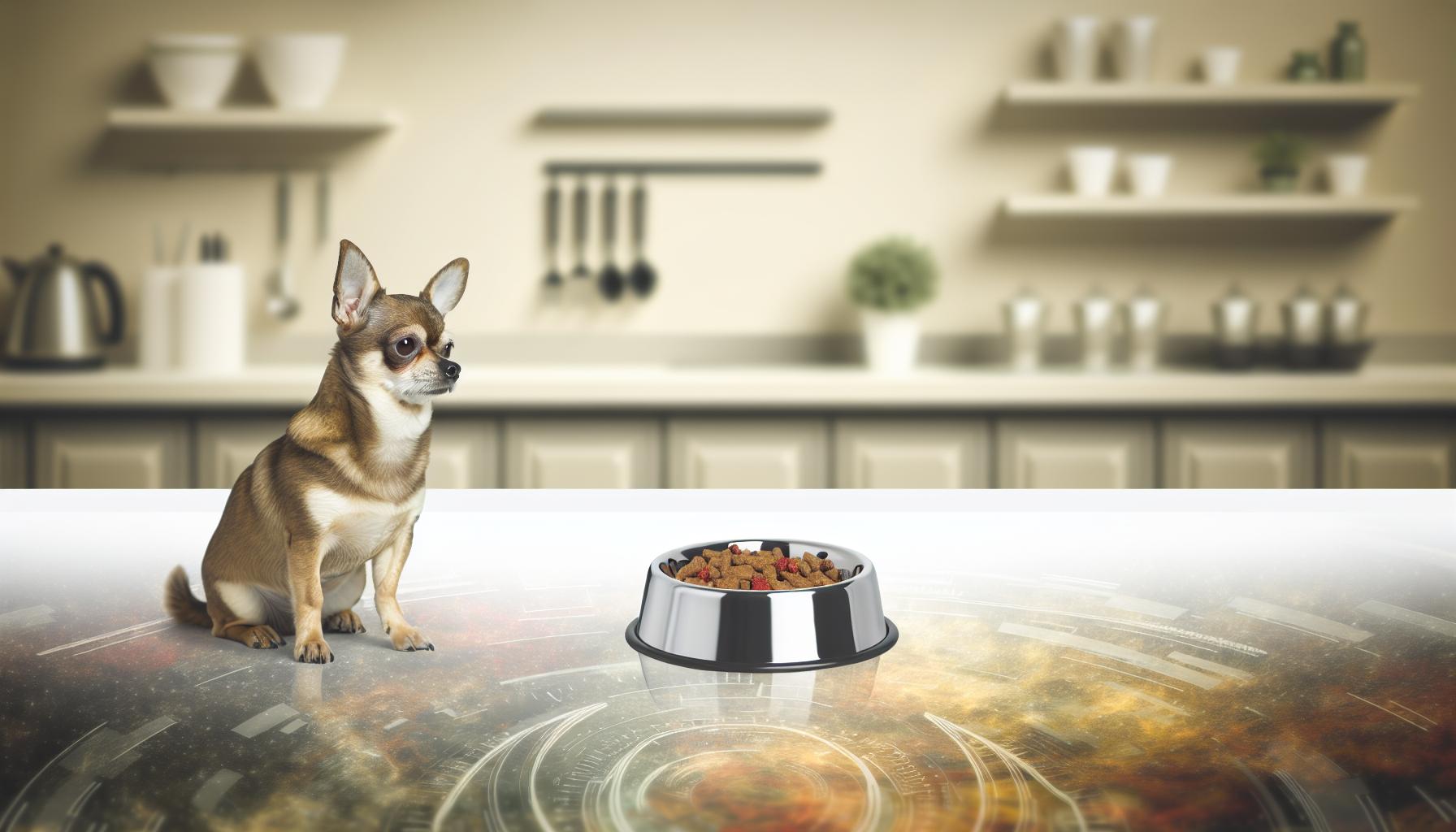
Understanding Your Chihuahua’s Eating Habits
is key to ensuring her health and happiness. These little companions, often bursting with personality, can be picky eaters, and it’s essential to decipher their behavior to help shape a mealtime routine that works. Chihuahuas are sensitive to their environment, and changes in routine, food types, or even their surroundings can affect their appetite. For instance, if your Chihuahua is transitioning to a new home or experiencing a shift in your schedule, she might refuse to eat due to anxiety or insecurity.
One unique aspect of Chihuahuas is their tendency to become attached to specific flavors and types of food. This breed often prefers high-quality ingredients that are more palatable and can turn their noses up at lower-quality options or overly processed foods. If your furry friend has been fed the same kibble for an extended period, her reluctance to eat might stem from boredom. Variety in her diet can be crucial-try mixing in some wet food or adding a sprinkle of chicken broth to entice her.
Additionally, when considering your Chihuahua’s eating behavior, it’s vital to recognize that small sizes can be deceiving. Just because she’s tiny doesn’t mean her eating habits are negligible. It’s essential to monitor her weight and eating patterns closely, as Chihuahuas are prone to dental issues that can make eating uncomfortable. Regularly check for signs of dental discomfort, like reluctance to chew or excessive drooling, as these could be indicators that it’s time for a vet visit.
In summary, requires a bit of patience and observation. By being attentive to her preferences and environmental influences, you can create a mealtime experience that caters to her unique needs-ensuring she remains healthy, happy, and excited about her food.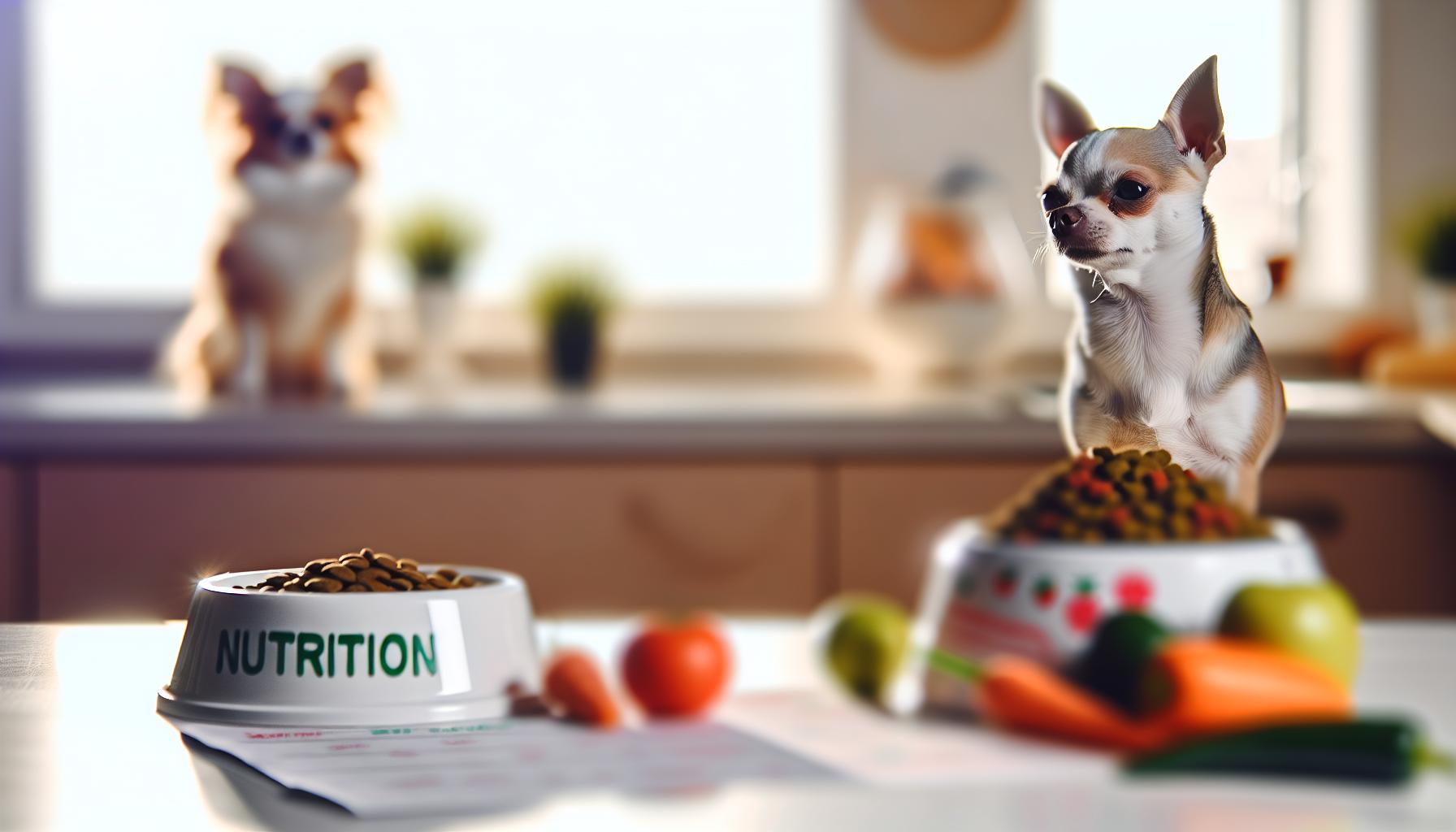
Common Reasons Chihuahuas Refuse to Eat
Chihuahuas are known for their vibrant personalities, but when your tiny companion suddenly refuses to eat, it can be a cause for concern. Understanding the common reasons behind this behavior is essential in helping her return to her usual feisty self at mealtimes. It’s important to remember that these beloved little dogs can be quite particular about their food and environment, making their eating habits susceptible to a variety of factors.
One of the primary reasons your Chihuahua might turn her nose up at her food is her sensitivity to change. Chihuahuas typically thrive on routine, so any disruptions-like moving to a new home or differences in your daily schedule-can lead to increased stress and uncertainty. This anxiety might manifest as a refusal to eat. Additionally, if your pup has recently had a change in diet or is being fed a new type of food, her palate could simply not be on board with the switch. Chihuahuas are often creatures of habit and might reject foods they aren’t used to.
Furthermore, dental problems are common in Chihuahuas due to their small mouths and closely packed teeth. If your little one seems hesitant to eat or only picks at her food, it could indicate discomfort. Regular check-ups are crucial to ensure her teeth are healthy. Look out for subtle signs like excessive drooling or difficulty chewing-these could mean it’s time for a vet visit.
Lastly, remember that Chihuahuas can develop strong preferences for certain flavors and textures. If she’s been on a consistent diet for too long, she might become bored and decide to protest her meals. This breed enjoys variety, so don’t hesitate to mix in wet food, add a splash of low-sodium broth, or even treat her with homemade delights that cater to her discriminating taste buds. Creating an appealing mealtime can help spark her interest and make her excited to eat again, ensuring she remains happy and healthy.
By keeping these points in mind and observing your Chihuahua’s behavior closely, you can tackle her mealtime challenges with confidence and creativity, making her dining experience as enjoyable as possible.
How Health Issues Impact Your Chihuahua’s Appetite
When your playful Chihuahua suddenly loses interest in food, it can be an unsettling experience. Health problems often play a significant role in shaping your pup’s appetite. Small in size but vibrant in personality, Chihuahuas can face various health concerns that might affect their eating behavior, making it crucial to stay vigilant and informed.
A common issue is dental disease, especially for our little friends with delicate teeth and gums. These small dogs often suffer from plaque buildup, gum disease, or other dental problems that can make eating painful. If you notice your Chihuahua hesitating to chew or preferring softer foods, a dental check-up may be in order. Regular vet visits and maintaining good dental hygiene can help keep her mouth healthy, ensuring mealtime remains a pleasant experience.
Moreover, gastrointestinal issues are another main contender impacting your Chihuahua’s appetite. Conditions such as pancreatitis or even simple dietary indiscretions can lead to nausea or discomfort. Watching for symptoms like vomiting, diarrhea, or lethargy will alert you to potential health issues that require veterinary attention. If your pup seems unusually sensitive or has an upset stomach after eating, these could be signs that something isn’t right internally.
Lastly, age can significantly affect your Chihuahua’s appetite. As they grow older, changes in metabolism and dental health can influence eating habits. For example, a senior Chihuahua might prefer meals that are easier to chew or might need a different nutritional balance. Tailoring their diet to accommodate these changes not only helps maintain their health but can rekindle their interest in food. Paying close attention to her eating habits and being proactive about her health will ensure your Chihuahua stays happy and healthy, ready to enjoy every meal with you.
Making Mealtime More Appealing for Your Chihuahua
Finding the right way to entice your Chihuahua to eat can often feel like solving a puzzle. With their unique personalities and sometimes picky preferences, making mealtime appealing is essential not only for their physical health but also for building positive associations around eating. Start by considering the sensory experience-Chihuahuas are particularly attuned to sight and smell, so presenting their food in an engaging way can make a big difference.
Variety is the Spice of Life
Chihuahuas, with their bold and curious nature, often respond well to variety. Instead of serving the same dry kibble daily, try mixing in different textures and flavors. Wet foods or homemade meals can often entice them with their aroma. You might also consider adding a sprinkle of treats such as chopped veggies or a drizzle of low-sodium broth on top. Rotating different foods weekly can keep their meals interesting and help prevent them from getting bored.
Food Temperature Matters
Did you know that food temperature can significantly influence your Chihuahua’s interest in eating? Many dogs prefer their meals slightly warmed up, as this enhances the smell and makes it more appealing. Try heating their food in the microwave for just a few seconds and mix it to ensure even warmth before serving. This simple trick can transform a lackluster meal into a feast that your little one can’t resist!
Interactive Feeding
Engagement is key. Consider investing in interactive feeding bowls or puzzle feeders that stimulate your Chihuahua mentally. These types of feeding options not only make mealtime more fun but also align with their natural instincts to forage and hunt. Chihuahuas are energetic little dynamos, and using a bowl that encourages them to work for their food can help cater to their playful demeanor.
Routine and Environment
Little details in their eating environment can also make a difference. Establish a consistent feeding schedule, as Chihuahuas thrive on routine. Ensure the feeding area is quiet and free from distractions-loud noises and a bustling environment can make them anxious or reluctant to eat. Additionally, try providing meals in a cozy spot, perhaps near their favorite resting place, where they feel safe and secure.
Embracing these strategies not only entices your Chihuahua to eat but also nurtures their uniqueness, celebrating their bold yet affectionate nature. Remember, making mealtime enjoyable can go a long way in ensuring your Chihuahua remains happy, healthy, and connected to their food.
Essential Nutritional Needs for Chihuahuas
Every Chihuahua is a unique little soul, and understanding their nutritional needs is key to keeping them happy and healthy. Given their tiny size, Chihuahuas have a higher metabolic rate than larger breeds, which means they require a nutrient-dense diet to support their energy levels and overall health. A well-rounded diet ensures that your little friend receives the right balance of proteins, fats, vitamins, and minerals.
Protein Power
Protein is fundamental for your Chihuahua’s health, playing a vital role in muscle development, immune function, and more. Look for high-quality protein sources like chicken, turkey, beef, or fish in their food. As a general guideline, protein should make up about 20-30% of their diet. This percentage can vary based on age, activity level, and specific health needs.
Healthy Fats
Don’t shy away from fats; they are essential for energy and a shiny coat. Healthy fats provide twice the energy of protein or carbohydrates. Look for foods containing omega-3 and omega-6 fatty acids. These can help with skin and coat health as well as joint function, particularly important in our little friends who may be prone to patellar luxation.
Fiber and Digestive Health
Chihuahuas, especially those prone to obesity, benefit from a diet incorporating fiber. It aids in digestion and can help keep them feeling full. Look for sources like sweet potatoes, peas, or pumpkin. Aiming for about 2-5% fiber in their diet can help maintain a healthy digestive system.
Vitamins and Minerals
A wide variety of vitamins and minerals is crucial for your Chihuahua’s health. Vitamin A supports good vision, while Vitamin D is vital for calcium absorption. Calcium and phosphorus are necessary for strong bones. Pet foods that meet AAFCO (Association of American Feed Control Officials) standards should provide the balanced nutrition necessary for your Chihuahua. If considering homemade diets, consulting with a veterinarian or a pet nutritionist is advisable to ensure all dietary needs are met.
As devoted owners, it’s our job to ensure our Chihuahuas eat a balanced diet that supports their unique needs. Take the time to read labels, opt for high-quality foods, and don’t hesitate to experiment with occasional healthy treats. Offering variety within the scope of healthy options not only appeals to their taste buds but also nourishes their vibrant spirits!
The Role of Stress and Anxiety in Eating
Understanding the emotional landscape of your Chihuahua is essential for nurturing a happy, healthy eater. Stress and anxiety can dramatically affect your little one’s appetite, leading to missed meals or reluctance to eat. Like us, Chihuahuas are sensitive creatures who can experience anxiety due to changes in their environment, routine, or even from loud noises. These tiny pups often wear their hearts on their sleeves, reflecting their feelings in their behavior. If she’s feeling anxious, she may seek comfort in cuddles but show little interest in her food bowl.
One common scenario is moving to a new home. The new sights, smells, and sounds can overwhelm her. Instead of diving into her kibble, she might curl up in her favorite blanket for reassurance. Similarly, disruptions such as visitors, loud celebrations, or even construction noise can shake her sense of security and impact her eating habits. As a devoted owner, you can help mitigate these stressors by creating a calm and safe feeding environment. Consider a quiet corner where she can eat undisturbed, away from the clamor of family activities.
Identifying Stress Triggers
Recognizing what stresses your Chihuahua can help you manage her appetite more effectively. Some signs of anxiety include:
- Hiding or seeking shelter
- Excessive barking or whining
- Shaking or trembling
- Loss of interest in toys or interaction
- Changes in bathroom habits
Addressing these triggers is vital for restoring her appetite. Establishing a routine can provide predictability, which is comforting. Regular feeding times and a consistent mealtime ritual can reassure her during quieter moments, letting her know it’s safe to eat.
Promoting a Calm Eating Environment
To enhance mealtime, consider incorporating calming techniques. Gentle music or white noise can mask jarring sounds that might set her off. You might also try interactive feeding toys that engage her mentally and can distract her from external stressors. If anxiety is severe, discussing behavioral techniques with a veterinarian or professional trainer can also provide guidance tailored to her needs.
Building a trusting relationship with your Chihuahua, filled with patience and gentle reassurance, will go a long way in transforming her meals from tense challenges into delightful experiences. After all, keeping your loyal little friend happy and healthy is ultimately what every owner dreams of!
When to Consult a Veterinarian About Your Chihuahua’s Diet
If your Chihuahua is showing a sudden disinterest in food, it’s essential to tune into his needs-after all, these little companions can be vocal, loyal, and quite sensitive. A refusal to eat can sometimes signal underlying health issues that you, as a devoted owner, should take seriously. Being proactive is key; therefore, knowing when to make that call to the veterinarian can make a world of difference in ensuring your furry friend stays happy and healthy.
One of the first signs that it might be time for a vet visit is if your Chihuahua hasn’t eaten for more than 24 hours. This can be particularly concerning for smaller breeds like Chihuahuas, as they are more prone to rapid changes in health. Additionally, if he is displaying other troubling symptoms-like vomiting, diarrhea, lethargy, or noticeable weight loss-these may indicate a more serious condition. Being alert to changes in his behavior, such as excessive hiding or an unwillingness to engage in play, may also warrant a consultation.
Many Chihuahuas are creatures of habit who thrive on routine. If your pup suddenly refuses to eat his favorite food or shows signs of distress during mealtimes, it might be indicative of physical discomfort, dental issues, or even stress-related problems. Dental health is particularly crucial in Chihuahuas due to their small mouths and high susceptibility to dental disease. If you notice any swelling in the gums, bad breath, or if he seems to struggle while chewing, it’s worth having his dental health evaluated.
Lastly, if you’ve recently changed his diet or introduced new treats but his interest in food has plummeted, consult your vet. Food allergies or sensitivities can develop, and it’s best to get expert guidance on how to transition his diet safely. Consulting with professionals not only helps in addressing immediate appetite concerns but also sets up the groundwork for your Chihuahua’s long-term health-including understanding his unique nutritional needs, ensuring he gets the right balance of vitamins, minerals, and other essential nutrients.
In summary, stay attuned to your Chihuahua’s cues and don’t hesitate to reach out to a vet if his eating habits change dramatically or persistently. Your little buddy relies on you, and swift action can ensure that he continues to thrive in your loving care.
Homemade Treats to Tempt Your Picky Eater
Creating homemade treats can be a game-changer for coaxing your Chihuahua back to the bowl, especially when they’re feeling picky. These tiny dogs have big personalities, and sometimes their discerning palates require a little coaxing. By whipping up some simple, delicious treats, you not only entice your lovable companion but also ensure what they’re eating is healthy and nutritious.
One of the standout options is a banana and peanut butter treat. Chihuahuas, with their small mouths and love for strong flavors, often find this combo irresistible. Simply mash a ripe banana and mix it with a tablespoon of unsweetened peanut butter (be sure it’s xylitol-free!). Add a bit of whole wheat flour until you reach a doughy consistency. Roll it out, cut into small shapes, and bake at 350°F (about 175°C) for around 15 minutes. Allow them to cool, and you’ll have a treat that not only pleases the palate but also brings a wag to their tail!
For those Chihuahuas who prefer meaty flavors, consider chicken jerky bites. Lightly boil some chicken breast until cooked through, then slice it into thin strips. Dehydrate in the oven at a low temperature or use a dehydrator until they are firm but chewy. These jerky treats can be stored easily and provide a protein-packed snack that can make even the most skeptical eater perk up.
When introducing new treats, monitoring your Chihuahua’s reaction is crucial. Some pups might have sensitivities or allergies, so start with small amounts and watch for any signs of distress or gastrointestinal discomfort. The joy of seeing her devour a homemade treat can turn mealtime into a bonding experience, reinforcing the special connection you share. Plus, crafting these treats allows you to control the ingredients, ensuring she gets the best-because as a loving owner, you want nothing but the healthiest options for your little diva.
In the case of your picky eater, don’t underestimate the impact of appealing presentations as well. Sometimes, gently warming the food or treats makes them more aromatic and inviting. Pairing the delectable flavors of your homemade goodies with warm meals can create a mealtime masterpiece that even the most stubborn Chihuahuas won’t resist. Embrace the trial and error process, keep it fun, and your culinary efforts could become a beloved part of your pet’s routine!
Transitioning to New Foods: Step-by-Step Guide
Transitioning your Chihuahua to new foods can be a delicate process, especially with their distinct personalities and occasionally finicky taste buds. These little companions, with their bold yet sensitive natures, can respond to change in food with skepticism or outright refusal. But with the right approach, you can make this transition smoother and enjoyable for both of you.
Start by mixing a small portion of the new food with your Chihuahua’s current diet. You might begin with a ratio of about 80% old food to 20% new food. This gradual introduction allows her to become familiar with the new flavors and textures without overwhelming her sensitive palate. Over the course of 7-10 days, gradually increase the proportion of the new food, decreasing the old food accordingly. Remember, patience is key; rushing the process can lead to more rejection or even digestive upset.
Consider also the timing of your transitions. Pick a time when your Chihuahua is typically hungry and less prone to distractions. For many, that means before their usual mealtime. Present the food in a clean, comfortable environment where she feels secure. If your Chihuahua is particularly skeptical, try warming the new food slightly to enhance its aroma-an inviting scent can often entice even the pickiest eater to take that first bite.
Monitoring your Chihuahua’s reactions throughout this process is crucial. Pay attention to her body language and eating habits. Is she sniffing but not eating? Or does she seem enthusiastic? If she shows signs of discomfort, like vomiting or a lack of interest altogether after a few days of gradual introduction, consult your veterinarian. They can help rule out any underlying health issues or allergies that might be impacting her appetite.
Checking in with your Chihuahua and understanding her unique preferences, whether she’s an apple-head or has a sleek, short coat, can make all the difference. Each dog has its quirks; maybe she prefers softer food over kibble or loves a particular flavor. Celebrate these discoveries as part of your bonding experience, ensuring that your little diva not only gets the nutrition she needs but also enjoys mealtime.
Recognizing Behavioral Changes in Your Chihuahua
Recognizing changes in your Chihuahua’s behavior can be vital to understanding why she may be reluctant to eat. These tiny, expressive companions often communicate their feelings not just through barks but also through their overall demeanor. A shift in eating habits can be accompanied by other behavioral signals that indicate something might be amiss. For example, if your Chihuahua, usually full of energy, seems lethargic or withdrawn, this could be a sign that she’s feeling unwell or stressed.
Your observant nature as a Chihuahua owner can help unravel these mysteries. Look for changes such as:
- Increased vocalizations: If your vocal little friend starts barking or whining more than usual, it may indicate anxiety or discomfort.
- Altered social interaction: A Chihuahua that typically seeks out companionship but becomes distant might be feeling under the weather or overwhelmed.
- Changes in playfulness: Notice if she’s less interested in her favorite toys or games. A decline in play can be indicative of various issues, health-related or emotional.
- Body language: Be mindful of her posture. If she appears tense, avoids food, or exhibits signs of guarding her space, these could signal anxiety or pain.
When it comes to Chihuahuas, understanding the full spectrum of their behavior is crucial to pinpointing dietary problems. For instance, a Chihuahua who suddenly refuses to eat her usual kibble might be expressing her dislike for recent changes in texture or flavor, or perhaps she has encountered a health issue that is making her disinterested in food. Real-life scenarios abound-many Chihuahua owners have reported that when their furry friends experienced dental issues, subtle behavioral changes preceded their reluctance to eat.
Keeping a diary of these behaviors can prove immensely helpful. Document changes in your Chihuahua’s habits, appetite, and overall demeanor; this log can provide insightful clues when consulting your veterinarian. By being attuned to the unique character and needs of your Chihuahua, you can foster a nurturing environment that prioritizes her health and happiness, ensuring she remains the lively companion you cherish.
Age-Related Appetite Changes in Chihuahuas
As your beloved Chihuahua matures, you may notice subtle shifts in her eating habits, often reflecting the natural changes that come with age. Senior Chihuahuas can experience a variety of appetite changes, influenced by factors such as metabolic slowdowns, dental health, and overall vitality. Staying informed about these age-related nuances can help you better cater to her nutritional needs.
Older Chihuahuas might become more selective with their food, sometimes turning their noses up at meals they once relished. This could be due to a decrease in sense of smell or taste, which often diminishes with age. For example, a Chihuahua that once eagerly awaited dinner may start to show signs of disinterest. It’s essential to pay attention and consider revitalizing her diet with warming, aromatic options that make meals more enticing. Try adding a small amount of warm water or low-sodium broth to dry kibble to enhance flavor and aroma.
Moreover, dental issues such as periodontal disease can play a significant role in appetite changes among older dogs. If your Chihuahua is experiencing discomfort while chewing, she may avoid food altogether. Regular dental check-ups are crucial as she ages, and switching to softer food or even incorporating wet food can make mealtime more manageable. Always be vigilant for signs of discomfort, such as slobbering, reluctance to chew, or pawing at her mouth.
Lastly, behavioral changes related to her health and environment can influence her willingness to eat. Aging Chihuahuas may also become more anxious or less active, impacting their overall appetite. Offering a consistent feeding schedule and creating a calm dining atmosphere can help alleviate stress around mealtime, making her more comfortable as she enjoys her food. By embracing these changes with understanding and adapting her diet accordingly, you’ll ensure that your senior Chihuahua maintains a healthy appetite and continues to thrive in her golden years.
Expert Tips for Keeping Your Chihuahua Healthy and Happy
Chihuahuas might be tiny, but their unique personalities and health needs are anything but small. One fun fact: these little bundles of joy can be quite picky eaters-it’s not uncommon for a Chihuahua to refuse food that doesn’t meet her high standards. Understanding how to keep her healthy and happy, particularly when it comes to mealtime, is essential. Here are some expert tips to ensure your Chihuahua remains in tip-top shape while meeting her dining preferences.
Start by establishing a consistent feeding schedule. Chihuahuas thrive on routine, and regular meal times help them feel secure. Offer her food at the same time each day and remove any uneaten food after 20 minutes. This practice encourages her to eat when it’s time rather than nibble throughout the day. Pair this with a calm feeding environment. Make sure her dining area is quiet and free from disturbances. Some Chihuahuas become anxious in noisy conditions, which can interfere with their appetite.
Another vital aspect is diet variety. If she’s turning her nose up at kibble, consider rotating different flavors or brands to keep mealtime exciting. Many owners find success with a mix of dry and wet food-wet food is particularly enticing for those that struggle with dry kibble. For a touch of personalization, try adding a sprinkle of her favorite treat or a bit of shredded chicken to her bowl; many Chihuahuas can’t resist the aroma of freshly cooked meat!
Don’t overlook the importance of regular vet check-ups. Oral health is a major factor in a Chihuahua’s eating habits. Periodontal disease is common in small breeds and can make eating painful. Keeping up with dental cleanings can prevent these problems. If you notice her experiencing discomfort, such as excessive drooling or reluctance to chew, it’s crucial to consult your veterinarian.
Lastly, remember to shower her with love and attention. Chihuahuas are known for their loyalty and adoration for their owners. Use positive reinforcement-like praise when she does eat-to create a joyful association with mealtime. Your support and understanding can make all the difference in her eating habits; after all, a happy Chihuahua is a hungry Chihuahua!
Frequently asked questions
“`markdown
Q: Why is my Chihuahua suddenly refusing to eat?
A: A sudden refusal to eat in your Chihuahua may signal stress, illness, or changes in the environment. It’s essential to observe if there are any behavioral changes or if you’ve recently altered their diet or routine. If the behavior persists for more than 24 hours, consult your veterinarian to rule out health issues.
Q: What can I do to entice my Chihuahua to eat?
A: To entice your Chihuahua, try warming up their food or adding broth to enhance flavor. Also, consider offering low-fat treats or mixing in small amounts of wet food. Creating a calm mealtime environment can also encourage your Chihuahua to eat more readily.
Q: Are there specific foods that Chihuahuas love?
A: Chihuahuas often enjoy small, soft foods like chicken, turkey, and some vegetables. Look for high-quality, breed-specific dog foods designed for small appetites. Experimenting with homemade treats like boiled chicken or pumpkin can also be appealing to your picky eater.
Q: How does my Chihuahua’s age affect their eating habits?
A: As Chihuahuas age, their activity levels and metabolism change, which can decrease their appetite. Older Chihuahuas might need higher-quality food with more nutrients in smaller portions. Monitor their eating habits closely and adjust their diet accordingly to maintain their health.
Q: When should I be concerned about my Chihuahua not eating?
A: Be concerned if your Chihuahua refuses to eat for more than 24 hours, shows signs of vomiting, diarrhea, or lethargy. These symptoms could indicate serious health issues that require immediate veterinary attention to ensure your pet’s well-being.
Q: How can stress impact my Chihuahua’s appetite?
A: Stressful situations, such as moving to a new home or changes in the household, can lead to a temporary loss of appetite in Chihuahuas. Providing a quiet, safe space and maintaining a consistent routine can help reduce anxiety and encourage eating.
Q: Can I use treats to get my Chihuahua to eat more?
A: Yes, using treats can stimulate your Chihuahua’s appetite. However, opt for healthy, low-calorie treats to avoid overfeeding. Incorporating treats into meal times, such as mixing them with regular food, can also make meals more appealing and encourage better eating habits.
Q: How important is hydration for my Chihuahua’s appetite?
A: Hydration is crucial for your Chihuahua’s health and can directly affect their appetite. Ensure they have access to fresh water at all times. If they avoid drinking, consider offering wet food or adding water to dry kibble to increase their fluid intake and possibly stimulate their appetite.
“`
Closing Remarks
If your Chihuahua is refusing to eat, remember that addressing their unique needs is vital for their health and happiness. Whether it’s a change in diet or stressors in their environment, understanding these factors can make all the difference. Don’t wait too long-take action today by evaluating their food and surroundings.
Curious about how to handle other common Chihuahua issues, such as grooming or training tips? Check out our articles on “Effective Training Techniques for Chihuahuas” and “Grooming Secrets for Your Chihuahua’s Coat.” Engaging with these topics will enhance your knowledge and care of your furry friend.
We invite you to leave a comment sharing your experiences or tips for first-time Chihuahua owners-your insights can help others! For more expert advice and updates, consider signing up for our newsletter. Together, let’s ensure our beloved Chihuahuas lead happy and healthy lives!
Get our latest guides, news, and insights highlighted in your Google Search & AI Overviews.