
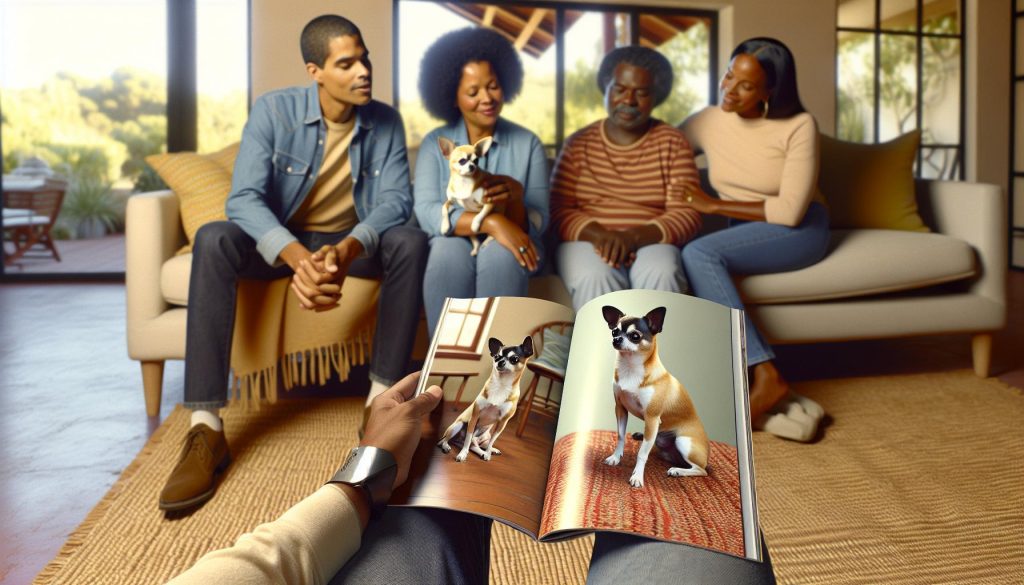
Chihuahuas, with their bold personalities and tiny stature, are more than just cute companions; they have a fascinating history rooted in ancient civilizations. Originally bred by the Tarahumara people in Mexico, these little dogs served as both companions and guardians. Understanding the Chihuahua’s original purpose enriches our appreciation for their loyalty and unique traits. As devoted owners, knowing why your Chihuahua was bred can enhance your bond and guide you in meeting their emotional and physical needs. Curious about what these adorable dogs were originally meant to do? Join us as we uncover the origins of this beloved breed and explore how their history impacts their behavior and health today.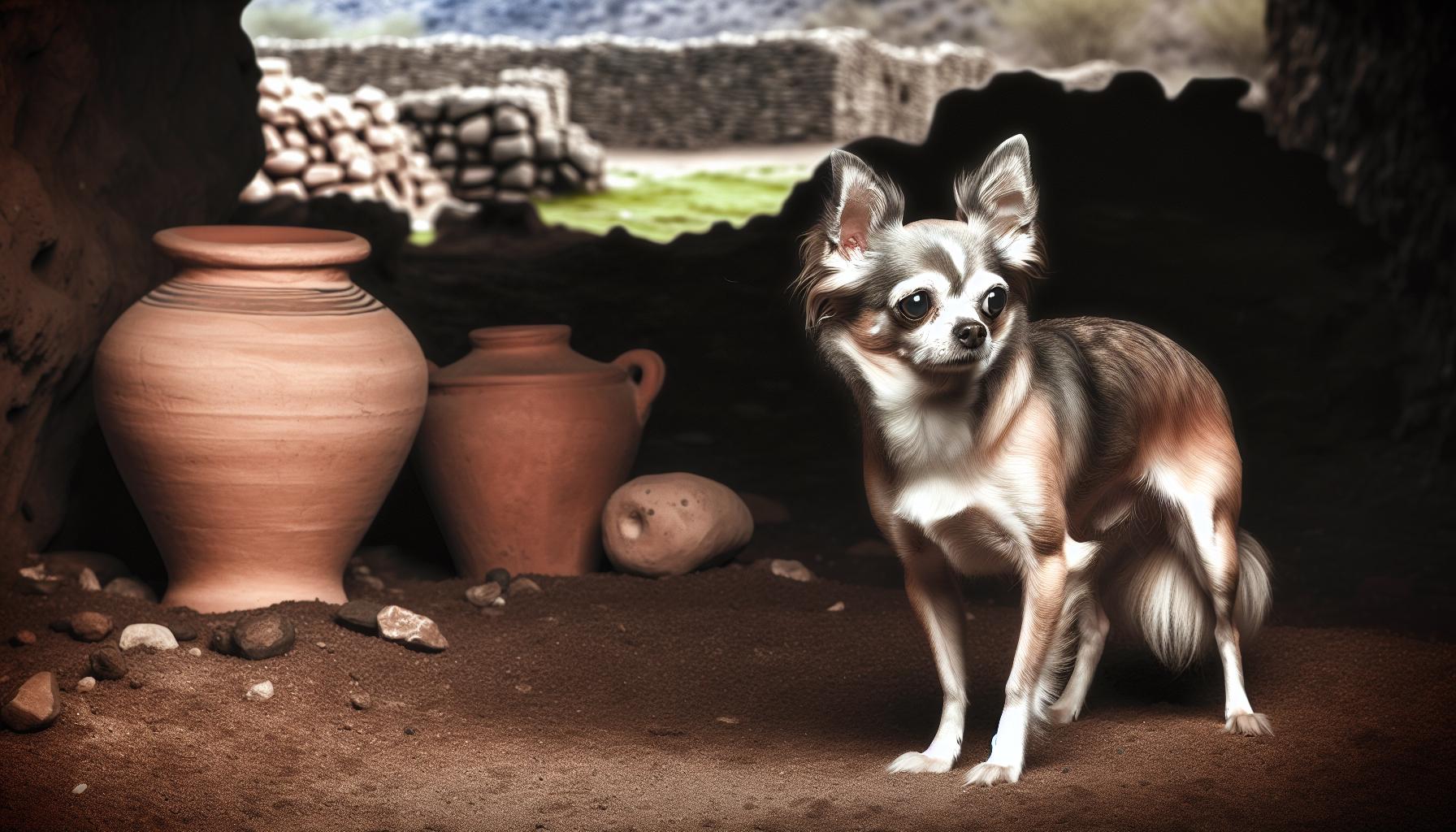
The Origins of the Chihuahua: A Deep Dive into History
The Chihuahua, a breed that packs a lot of personality into a tiny frame, has a history steeped in cultural significance and mystery. Its origins can be traced back to ancient civilizations in Mexico, particularly the Toltec civilization, which flourished in the region around the 10th century. It is believed that they were originally bred from a dog known as the Techichi, a companion of the ancient people who worshipped it as a spiritual guide. The Techichi was larger than the modern Chihuahua but shared many similar traits, making it a fitting ancestor for today’s beloved companion.
As time progressed, the Chihuahua gained significance in various ancient cultures, particularly among the Aztecs who revered the breed not only for companionship but also for its perceived protective qualities. Chihuahuas were thought to help guide souls to the afterlife, which solidified their role as spiritual companions. This dual purpose-both as a cherished pet and a guardian in the afterlife-contributed to the breed’s deep cultural roots and established a bond with humans that continues today.
Chihuahuas are characterized by their distinct physical traits, primarily their large, expressive eyes and ears. Their size and demeanor make them excellent companions for city dwellers, as they can easily adapt to apartment living. This adaptability is not just a modern development; even in ancient times, their small size allowed them to flourish as pets within the confines of human homes. They were cherished by families and included in many daily activities, embodying a loyal and protective spirit that remains a hallmark of the breed.
Understanding the rich history of Chihuahuas not only adds depth to your appreciation for the breed but also highlights the responsibilities that come with being a Chihuahua owner today. By embracing their unique personality and historical significance, you can create a nurturing environment that respects their legacy while meeting their modern needs.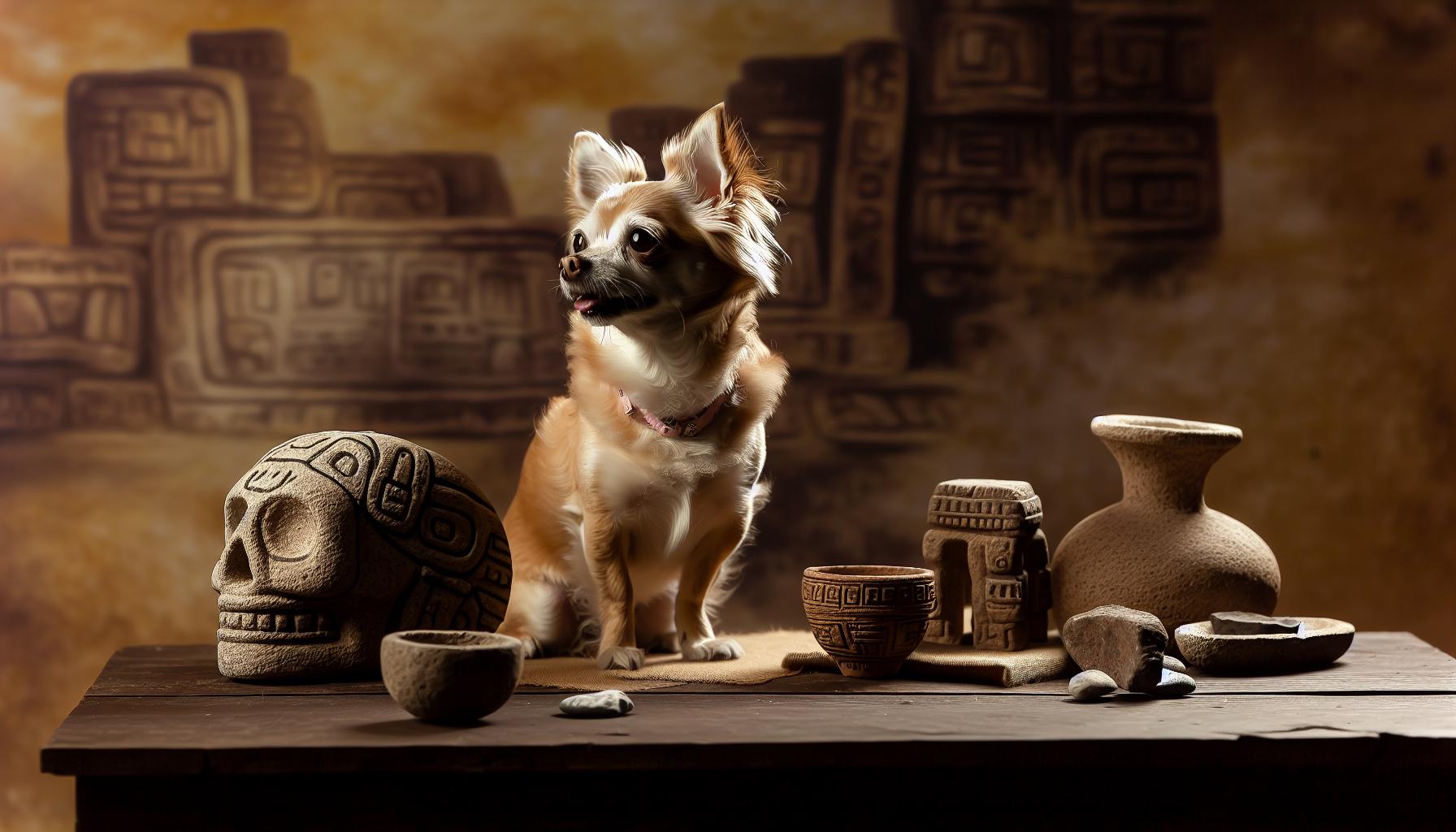
Understanding the Role of Chihuahuas in Ancient Cultures
The Chihuahua’s deep-rooted significance in ancient cultures is a testament to its enduring companionship and revered status among humans. These little dogs were much more than mere pets; they served crucial roles in the lives of the Toltec and Aztec civilizations. The Techichi, often regarded as the ancestor of the modern Chihuahua, was more than just a companion animal; it was also a sacred creature believed to connect the earthly realm to the spiritual world. Historians suggest that these small dogs were used in rituals and were often buried alongside their owners, reflecting a profound belief in their spiritual importance.
Spiritual Guardians
In Aztec culture, Chihuahuas were considered protectors, both in life and after death. They were believed to help guide souls on their journey to the afterlife, showcasing their role as spiritual companions. This sacred bond not only fostered an emotional attachment but also positioned them as essential players in the spiritual practices of ancient Mesoamerican societies. Modern Chihuahua owners can appreciate this role by understanding their pet’s instincts to be loyal and protective, traits that have been passed down through generations.
Familial Bonds
Throughout history, Chihuahuas have been cherished members of the family unit. Their small size made them ideal for indoor living, allowing them to integrate seamlessly into the daily lives of families. In the past, as today, Chihuahuas thrived alongside their human companions, participating in daily activities and providing comfort. They were cherished not only for their companionship but also for their ability to provide warmth and emotional support, a trait that is particularly rewarding for current owners. For instance, many Chihuahua owners share stories of how their dogs become the heart of the home, curling up on laps or engaging in playful antics that brighten up even the dullest days.
By exploring the historical significance of Chihuahuas, you can nurture a deeper appreciation for your furry friend. Understanding their ancient roles fosters respect for their needs and behaviors today. As you embark on your journey with your Chihuahua, consider how you can honor this rich heritage-whether through dedicated care, training, or simply by providing love and companionship. Embracing your Chihuahua’s vibrant personality, from their bold demeanor to their affectionate nature, contributes to a fulfilling relationship that mirrors the strong bonds formed in ancient times.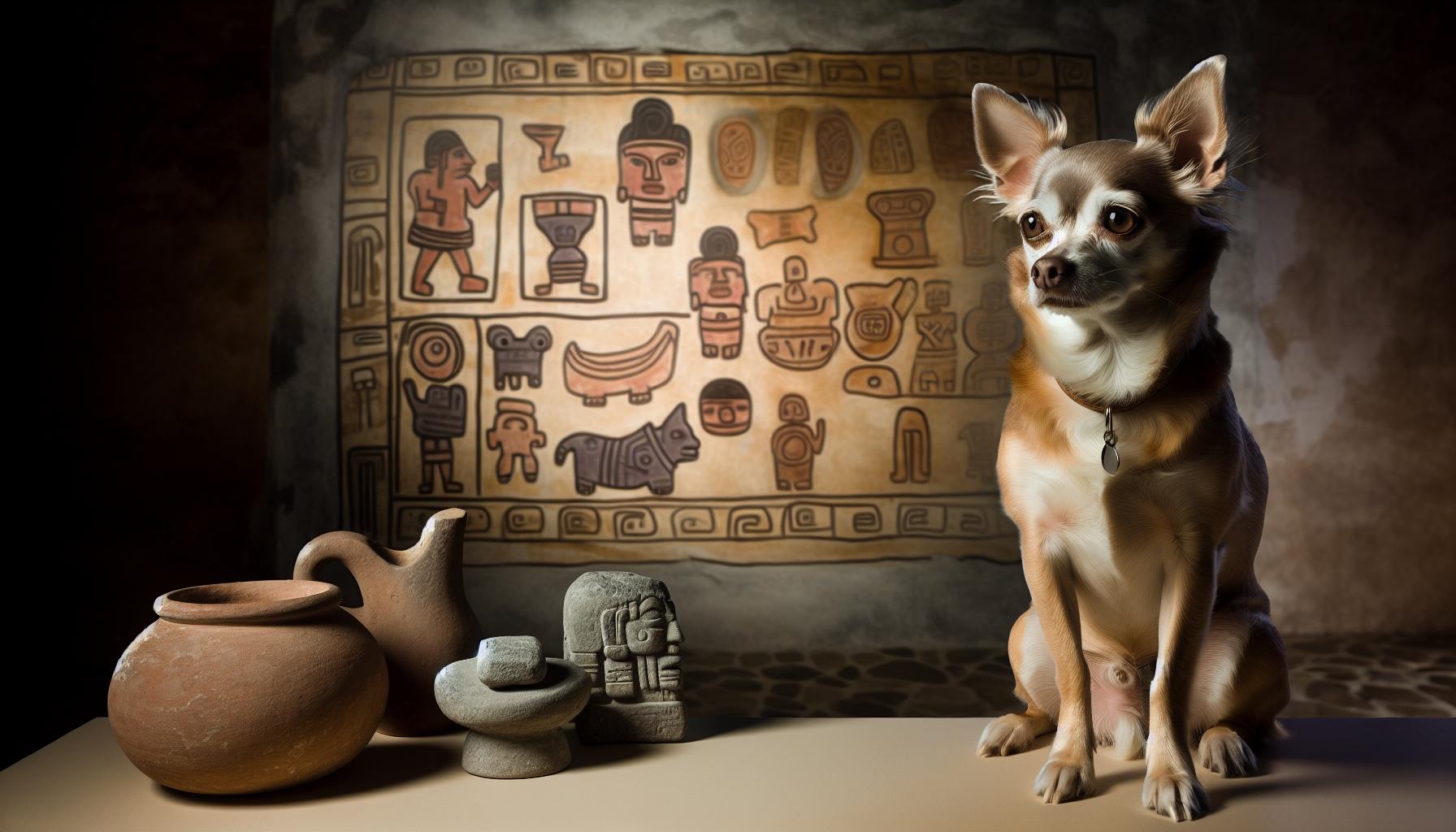
Key Characteristics That Define the Chihuahua Breed
Chihuahuas are a fascinating breed, beloved for their unique characteristics and vibrant personalities. One standout feature is their compact size, which typically ranges from 5 to 8 pounds, making them one of the smallest dog breeds in the world. This diminutive stature has historical roots; these tiny pups were bred for companionship and comfort, fitting snugly into the lives of their owners and often being carried easily, much like modern lap dogs.
Another key characteristic is their striking appearance, which can vary significantly between individuals. There are two main types of Chihuahuas: the apple-head and the deer-head. The apple-head Chihuahua boasts a rounded skull and significantly larger eyes, giving them a distinctive, endearing look. In contrast, the deer-head variety has a longer, more slender snout and a flatter forehead, resembling a miniature deer. These differing traits can affect their health and temperament, so understanding these distinctions is crucial for any potential owner.
Chihuahuas come in a variety of coat types and colors, ranging from short-haired to long-haired, and their colors span the spectrum from black, white, and brown to fawn and cream. Each coat type has its grooming needs-long-haired Chihuahuas may need more frequent brushing to avoid matting, while short-haired ones require less maintenance. As a proud owner, you’ll also come to appreciate their innate vocality; they are known for their bold and sometimes dramatic barks, often alerting their families to perceived dangers or simply signaling their excitement.
Loyalty is perhaps the defining personality trait of Chihuahuas. They tend to form incredibly strong bonds with their owners, often following them from room to room. This loyalty can manifest as protectiveness, making them spirited watchdogs despite their small size. For example, a Chihuahua named Bella once alerted her owner to a stranger at the door, showcasing the breed’s fearless nature. Understanding these traits can help you better train and socialize your Chihuahua, setting the stage for a fulfilling companionship that honors their historic roots as devoted companions.
With their unique attributes, it’s no wonder Chihuahuas have captured the hearts of so many. Whether you’re a first-time owner or an experienced one, embracing their quirks and celebrating their characteristics will deepen your bond and enrich your life together.
The Chihuahua’s Unique Temperament and Behavior Traits
Chihuahuas are often described as having “big dog” personalities packed into a tiny frame, and this is perfectly true. The breed’s temperament is one of its most defining characteristics, shaped by their history as devoted companions. These small dogs possess an incredible sense of loyalty, forming tight bonds with their owners and often becoming deeply attached to their human families. This loyalty leads them to become both loving pets and effective watchdogs. They may be diminutive in size, but their boldness and confidence make them remarkable protectors of their home.
One of the most notable traits of Chihuahuas is their vocal nature. These energetic pups tend to express their feelings freely, whether it’s excitement over playtime, barking to alert you of an approaching stranger, or simply voicing their displeasure if they’re overlooked. It’s this vocality that can sometimes be challenging for new owners, but understanding that barking is part of their personality can aid in effective training strategies. For instance, teaching your Chihuahua to associate certain cues with quiet time can help manage excessive barking without discouraging their spirited expression entirely.
Chihuahuas also exhibit a range of sociability traits. While some are naturally outgoing and friendly towards strangers, others may be more reserved or even standoffish. This variability can depend on early socialization experiences. Exposing your Chihuahua to a variety of people, pets, and environments during their formative months can foster a well-rounded temperament and help mitigate any fearfulness they may exhibit. Consistent positive experiences breed confidence, encouraging your little one to engage with the world around them without hesitation.
Moreover, their unique size influences their behavior: they love to be held and carried, often enjoying the comfort of being close to their human companions. Many owners find that their Chihuahuas thrive on affection and attention, responding positively when they are treated as beloved members of the family. Regular interactive play, combined with training sessions, not only strengthens your bond but also provides essential mental stimulation, keeping your Chihuahua happy and engaged.
Overall, understanding the nuanced temperament of Chihuahuas can make all the difference in creating a harmonious home environment. By embracing their loyalty, vocal nature, and sociability while providing attentive care and training, you can ensure your Chihuahua not only thrives but also continues to capture the hearts of everyone around them.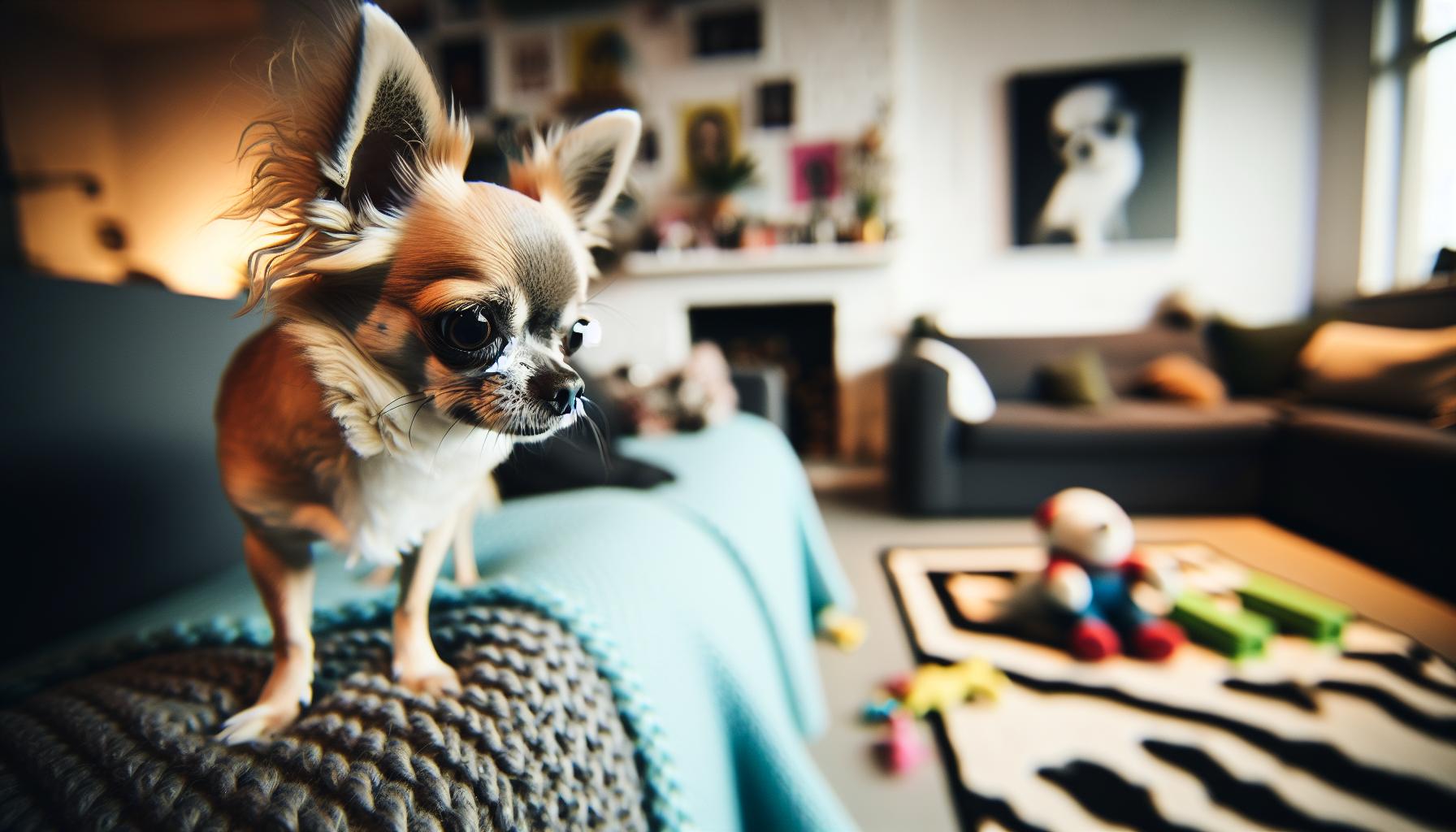
How the Chihuahua’s Size Influenced Its Purpose
The Chihuahua’s size has profoundly shaped its purpose and function throughout history. Originating from small, energetic dogs that were revered by ancient cultures, Chihuahuas were primarily bred for companionship, serving as loyal friends rather than working or hunting dogs. Their petite stature makes them uniquely suited for living in close quarters with humans, a trait that has only gained importance as urban settings continue to grow.
Many owners find that Chihuahuas thrive in environments where they can easily interact with their families. At around 6 to 9 inches tall and weighing just 2 to 6 pounds, these pint-sized pups fit comfortably in bags, on laps, and in cozy corners of the home. Their diminutive size means that they don’t require extensive physical space, making them perfect companions for those living in apartments or smaller homes. The ability to carry a Chihuahua around has also fostered a deep bond between dog and owner. They relish being at their human’s side, which enhances their role as devoted companions.
Behavioral Adaptations to Size
Chihuahuas have adapted their behaviors to complement their small size. For instance, they often exhibit a bold and confident demeanor, desiring to guard their turf despite being outmatched in size. Their vocal nature adds to their protective instincts, as they will bark to alert owners of any perceived threats, showcasing their remarkable guardianship capabilities. This mix of size and personality ensures that while Chihuahuas may be small, they possess an attitude that can fill a room.
Additionally, owners often notice that the Chihuahua’s size influences their care requirements. Their petite frame can make them more susceptible to certain health issues, such as patellar luxation and dental problems. Being proactive with a balanced diet, regular vet check-ups, and appropriate exercise are crucial in maintaining your Chihuahua’s health. Regular, short walks suffice for their exercise needs, as Chihuahuas often prefer to engage in spirited play indoors or in small yards, reinforcing their adaptability to any living situation.
In summary, the Chihuahua’s size not only defines their physical presence but also shapes their purpose as loving companions. Acknowledge and celebrate their individuality-be it their spirited yaps, cuddly nature, or quirky behaviors. By understanding how their size influences their role in our lives, you can create an enriching environment that nurtures the strong bond between you and your tiny companion.
Chihuahuas as Companions: From Ancient Times to Today
Chihuahuas have been cherished companions for centuries, with their origins tracing back to ancient civilizations that understood the unique connection between humans and these tiny dogs. Bred primarily for companionship, they initially served vital roles in the lives of their owners-offering warmth and reliability in both physical and emotional contexts. In fact, these little dogs were often seen as spiritual guides, representing loyalty not just as pets, but also as partners in life.
Their captivating personalities and sizes make Chihuahuas exceptionally suited for modern living, where space can often be a constraint. Owners appreciate that he can curl up in a cozy lap, fit into stylish bags, and even accompany you on errands. His bold nature, despite his small stature, gives him an undeniable presence, often leading to amusing encounters-like when he barks fiercely at larger dogs or strangers, showcasing his fierce loyalty and protective instincts. This blend of spirited bravery and affection molded the Chihuahua into the ideal city companion, thriving in apartments and bustling urban environments.
Active engagement through play helps maintain a Chihuahua’s well-being, fostering a strong bond between owner and dog. Whether it’s a spirited game of chase with a toy or cuddles on the couch, these moments are essential. Moreover, recognizing their health needs is critical. Chihuahuas often require special attention to dental care and joint health due to their petite frames. By ensuring regular vet visits and proper nutrition, you can ensure that he remains the vibrant companion he’s meant to be.
Though Chihuahuas may have started as spiritual companions, their role has evolved to become beloved pets in households worldwide. From ancient times to the present, the bond between Chihuahuas and their owners continues to thrive, showcasing the enduring love and loyalty this tiny breed offers. Celebrate each quirk-his adorable antics, protective barks, and loyal gaze-and embrace the joy he brings to your life. Whether you’re a first-time owner or a seasoned enthusiast, nurturing this relationship means creating an enriching environment where your little companion can continue to thrive as he has for centuries.
The Health Needs of Chihuahuas: What Owners Should Know
Chihuahuas, despite their small size, have a big personality, and understanding their health needs is crucial for any owner wanting to ensure their vibrant spirit shines through. These tiny companions can face unique health challenges primarily due to their petite stature, so it’s essential for you as a proud owner to stay informed and proactive.
Dental Care
One of the most common health issues in Chihuahuas is dental problems. Their small mouths can lead to overcrowded teeth, increasing the risk of periodontal disease. Regular dental care is vital. Brush your Chihuahua’s teeth several times a week, ideally daily, to prevent plaque buildup. Look for dental chews designed for small breeds to help keep their teeth clean while satisfying their natural chewing instinct.
Weight Management
Weight control is another important aspect of Chihuahua health. It’s easy for these little furballs to gain weight if overfed or provided with too many treats. Obesity can lead to numerous health issues, including joint problems, heart disease, and reduced life expectancy. To keep your Chihuahua in top shape, measure their food and stick to a consistent feeding schedule. Incorporate healthy fruits and veggies, like carrots, in moderation. Special dietary needs may arise due to their size, so consult your vet for the best nutritional plan tailored to your pup.
Joint Health
Despite their small size, Chihuahuas can be susceptible to joint problems, particularly patellar luxation, where the kneecap dislocates. Regular moderate exercise is essential for maintaining healthy joints and preventing weight gain. Engage your lively companion in daily walks and playtime to keep him active. Observe how he moves; if you spot limping or hesitance when jumping, don’t hesitate to consult your veterinarian.
Regular Vet Visits
Routine veterinary check-ups are fundamental in catching any health concerns early. Your vet will monitor his dental health, weight, and overall physical condition. Depending on your Chihuahua’s age, routine blood work and vaccinations are also essential to his long-term health outlook.
By being proactive about these key health needs, you ensure your Chihuahua remains a lively, loving presence in your life. These little dogs bring unparalleled joy with their quirky antics and bold personalities, and a healthy diet, proper dental care, and regular vet visits help them thrive as cherished companions. Remember, the bond you share with your Chihuahua is as much about mutual care as it is about affection; nurturing his well-being allows those playful, protective traits to shine.
Caring for Your Chihuahua: Essential Tips and Tricks
Chihuahuas are renowned for their spirited and bold personalities packed into such a tiny frame, but caring for them goes beyond just admiring their cuteness. Knowing how to provide proper care is essential in ensuring your little companion thrives in every aspect of life. Originally bred to be companions, Chihuahuas excel in fostering deep bonds with their owners, needing love, attention, and a few essential care tips to truly flourish.
Daily Exercise
Despite their small size, Chihuahuas require regular exercise to maintain health and behavior balance. Daily walks, even if they’re short, can help burn off excess energy while keeping their hearts healthy. Think of playful indoor games or interactive toys that engage their curious minds. For example, using treat-dispensing puzzles can turn playtime into a brain workout, which is particularly beneficial, especially for more spirited apple-heads known for their high energy levels.
Nutrition Matters
Feeding your Chihuahua a balanced diet is crucial, given their predisposition to weight gain. Measure portions based on their size and consult your veterinarian for specific dietary recommendations. A mix of premium, small-breed dog food combined with healthy treats such as tiny carrot sticks or blueberries can provide variety without the risk of obesity. Remember, every treat adds up, so go easy on the extras!
Grooming Essentials
Chihuahuas come in both long and short-haired varieties, but all need regular grooming to keep their coats healthy. For long-haired Chihuahuas, daily brushing helps prevent mats and tangles, while short-haired ones can get by with weekly grooming. Regular baths using gentle dog shampoo will keep their skin and coat fresh. Don’t forget to check and clean their ears weekly for any wax buildup, especially since Chihuahuas can be prone to ear infections.
Socialization and Training
Early socialization is vital for these tiny dogs to become well-rounded companions. Introduce your Chihuahua to various people, animals, and environments to lessen anxiety and encourage confidence. Positive reinforcement training methods work wonders-for instance, teaching basic commands with treats can strengthen your bond while instilling good behavior habits. Patience is key; each Chihuahua has its own pace, so keep training sessions short and enjoyable.
By keeping these care tips in mind, you’ll not only support your Chihuahua’s health but also enhance that vibrant spirit that makes these dogs so special. Whether it’s through play, training, or just quiet moments together, nurturing your relationship brings out the best in your little friend.
The Role of Chihuahuas in Popular Culture and Media
Chihuahuas have clawed their way into the hearts of many through their appearances in popular culture and media. These charming little dogs have inspired a slew of films, television shows, and even social media personalities that showcase their unique personalities. While they were originally bred as companions, their rise to fame can be attributed to their vibrant and expressive nature, which often steals the spotlight.
From the animated adventures of Disney’s Beverly Hills Chihuahua to the on-screen antics of characters like Gidget in The Secret Life of Pets, Chihuahuas have proven to be delightful on-screen companions. Their larger-than-life personalities shine through, captivating audiences and making them symbols of loyalty and boldness. It’s no surprise that famous figures, from fashion icons to pop stars, have chosen Chihuahuas as their pet of choice, effectively turning them into style statements. For instance, Paris Hilton brought significant attention to the breed by often carrying her Chihuahua, Tinkerbell, in her designer bags.
Chihuahuas’ media presence extends further into the realm of advertising, where they often represent small, feisty characters. The Taco Bell Chihuahua, with his iconic voice and catchphrase, showcased the breed’s potential to connect with audiences through humor and charm, ultimately contributing to the breed’s popularity. This type of representation not only endears them to the public but also elevates their status as trendy pets.
As a Chihuahua owner, you might have experienced firsthand how these tiny dogs love to be the center of attention, whether it’s during a family gathering or a walk around the neighborhood. Their confident nature is infectious, often prompting smiles and conversations with strangers. Understanding the impact of Chihuahuas in popular media can enhance your appreciation for their breed and the joy they bring to people’s lives. Whether they are portrayed as pampered pets or loyal guardians, Chihuahuas remind us that big personalities often come in small packages.
Differentiating Between Chihuahua Varieties: Apple-Head vs. Deer-Head
When considering the Chihuahua breed, it’s fascinating how its two primary varieties-the Apple-Head and Deer-Head-each tell a unique story that underscores the historical purpose for which these adorable little dogs were bred. Originally serving as both companions and guardians in ancient cultures, the distinctive characteristics of each variety highlight their personality traits and roles within families today.
The Apple-Head Chihuahua is perhaps the most recognizable type due to its rounded skull, which resembles an apple, along with a short snout and large, expressive eyes. This variety is generally considered to epitomize the Chihuahua breed standard and is often sought after for the fashion-forward aesthetic that many celebrities have popularized. Owners of Apple-Head Chihuahuas often praise their spirited nature and loyalty. Many describe their dogs as vocal and protective, traits that may stem from their ancestral roles as small guardians. It’s not uncommon for an Apple-Head to take charge, barking at passersby to defend their territory despite their diminutive size.
Conversely, the Deer-Head Chihuahua is more understated in appearance, with a longer muzzle, larger body, and a flatter head shape reminiscent of a deer. This variation is often praised for its gentle demeanor and adaptability, making Deer-Heads particularly well-suited for families with children. Owners often find that Deer-Head Chihuahuas tend to have a calming presence, making them excellent therapy dogs and companions who can effortlessly morph from playful energy to snuggly cuddle-buddies. Their slightly larger stature may also lend a sense of sturdiness that eases concerns for first-time Chihuahua owners.
Understanding these varieties not only enriches your appreciation for how these dogs were bred to fulfill roles as companions and protectors but also guides you in choosing the right Chihuahua for your lifestyle. Whether you prefer the spirited, vivacious nature of the Apple-Head or the gentle, adaptable personality of the Deer-Head, knowing these distinctions enhances the bond between you and your future furry friend.
When considering health and care for your Chihuahua, be mindful of how these characteristics can impact their needs. Both varieties can face similar health issues, such as dental problems and patellar luxation, so regular veterinary check-ups and a nutritious diet are vital. Tailoring their training to their respective temperaments-like using positive reinforcement for the strong-willed Apple-Head or gentle methods for the sensitive Deer-Head-will also contribute to a harmonious relationship.
In your journey as a Chihuahua owner, embracing the uniqueness of each variety enhances the experience of companionship, as both types possess the boldness and loyalty that Chihuahuas are known for.
Behavioral Challenges: Understanding and Training Your Chihuahua
Chihuahuas are more than just adorable companions; they are spirited little dogs packed with personality. Understanding their behavioral challenges is key to nurturing a well-adjusted Chihuahua. As both the Apple-Head and Deer-Head varieties have unique traits and temperaments, their training and behavior management can differ. Chihuahuas were originally bred for companionship and protection, which informs their often vocal and assertive nature.
One common challenge many owners face is the vocalization of their Chihuahuas. This breed is known for being quite chatty, often barking at anything that moves. While some barking is normal-stemming from their instinct to be alert and protective-excessive barking can become a nuisance. To manage this, positive reinforcement techniques work wonders. For instance, rewarding your dog with treats and praise when they remain quiet can reinforce calm behavior. Additionally, creating a designated quiet time or space can help them learn when it’s suitable to be vocal and when to be quiet.
Another behavioral challenge is the tendency toward small dog syndrome, where a Chihuahua may act aggressively or feel entitled due to their size. This behavior can be nurtured by owners unintentionally allowing their tiny companions to dictate interactions. Ensuring your Chihuahua understands boundaries and social etiquette is crucial. Use consistent commands and rewarding gentle behavior with treats during interactions with other dogs or people can help curb aggressive instincts. A well-socialized Chihuahua learns to navigate the world confidently without resorting to aggressive measures.
Fearfulness can also be an issue, especially in Chihuahuas who are not well-socialized or exposed to various environments. Many owners report their Chihuahuas exhibiting signs of anxiety, including trembling or hiding. To combat this, expose your dog gradually to different sounds, sights, and experiences while offering reassurance. Use treats to encourage exploration, and reinforce brave behavior with praise. Gradually, your Chihuahua will learn to trust their surroundings, becoming more confident and less fearful.
Having patience as you train your Chihuahua is paramount. Every dog is unique, with different thresholds for learning and social interaction. For first-time owners, remember that training can take time, especially with a breed that has such a strong personality. A well-adjusted Chihuahua is not just a joy to own; he’ll be an engaged and loving companion reflecting the time and effort you’ve invested in understanding his needs and addressing behavioral challenges.
Debunking Myths: Common Misconceptions About Chihuahuas
The Chihuahua has often been misunderstood, leading to an array of myths that can misinform potential and current owners about this spirited breed. One of the most common misconceptions is that Chihuahuas are inherently aggressive. While it’s true that they can be vocal and protective, this behavior often stems from their original purpose as companions and guardians. Their protective nature can be tempered with proper socialization and training. When Chihuahuas are raised in a loving environment and exposed to various situations, they become confident and well-adjusted, shedding the stereotype of being aggressive.
Another prevalent myth is that Chihuahuas are not suitable as family pets, primarily due to their small size. This overlooks their remarkable loyalty and adaptability. Chihuahuas can thrive in various living situations-from apartments to larger homes-making them excellent companions for families of all sizes. However, it’s essential for families to teach children the proper way to interact with them, as even the most bold Chihuahua has its limits. Supervision during play is crucial to ensure that both the dog and the children respect each other’s space.
Moreover, many believe that Chihuahuas don’t require much exercise due to their size. In reality, these little dogs have plenty of energy and need regular physical activity and mental stimulation. A daily walk, playtime, and engaging activities can help keep them healthy and happy. Regular exercise also helps curb any behavioral issues stemming from boredom, painting a complete picture of the Chihuahua’s needs as a spirited and active breed.
Finally, a common misconception involves the belief that Chihuahuas can’t be trained due to their bold personalities. On the contrary, with consistent and positive reinforcement training methods, Chihuahuas can be taught an array of commands and tricks. Engaging them with fun training sessions not only builds a bond between owner and pet but also showcases the intelligence and capability of this remarkable breed. By understanding and respecting their unique characteristics, owners can foster a loving and harmonious relationship with their Chihuahua.
FAQ
Q: What were the original uses of Chihuahuas in ancient cultures?
A: Chihuahuas were originally bred as companions and were believed to have spiritual significance in ancient Mexican cultures. They served as warmth providers for their owners and were thought to guide souls in the afterlife. For more details, visit the section on Understanding the Role of Chihuahuas in Ancient Cultures.
Q: How did the Chihuahua’s small size contribute to its purpose?
A: The Chihuahua’s small size made them ideal lap dogs and companions for wealthy families. Their portability also allowed them to be easily cared for in various living conditions, from homes to traveling with owners. Learn more in the section How the Chihuahua’s Size Influenced Its Purpose.
Q: Why are Chihuahuas considered good companions today?
A: Chihuahuas offer companionship through their loyalty and affectionate nature, making them ideal pets for individuals and families. Their unique personalities contribute greatly to their role as loving companions. Explore this further in the article’s Chihuahuas as Companions: From Ancient Times to Today.
Q: What health issues should Chihuahua owners be aware of?
A: Common health issues in Chihuahuas include dental problems, patellar luxation, and heart conditions. Regular vet check-ups and a proper diet can help manage these risks. For comprehensive care tips, check the section on The Health Needs of Chihuahuas: What Owners Should Know.
Q: How can I train my Chihuahua effectively?
A: Training a Chihuahua requires patience and consistency. Socialization from a young age and positive reinforcement techniques are effective methods for teaching commands and behaviors. For guidance, see the section on Behavioral Challenges: Understanding and Training Your Chihuahua.
Q: What are some common misconceptions about Chihuahuas?
A: Many people mistakenly believe Chihuahuas are aggressive or poor companions. In reality, their behavior often stems from insecurity or lack of training. Proper socialization can improve their temperament significantly. Address misconceptions in the article’s section on Debunking Myths: Common Misconceptions About Chihuahuas.
Q: Why might someone choose to adopt a Chihuahua over other breeds?
A: Chihuahuas are perfect for people seeking a small, affectionate pet that requires less exercise than larger breeds. Their vibrant personalities and loyalty make them wonderful companions in various living situations. Explore more benefits of the breed in the article’s sections related to care and companionship.
Q: What are the differences between Apple-Head and Deer-Head Chihuahuas?
A: The main differences lie in their head shape and body structure. Apple-Head Chihuahuas have a rounded skull and shorter snouts, while Deer-Head Chihuahuas have longer snouts and a more elongated face. Both types have unique attributes that appeal to different owners. Refer to the section on Differentiating Between Chihuahua Varieties: Apple-Head vs. Deer-Head for more details.
Closing Remarks
Understanding the Chihuahua’s original purpose reveals much about his vibrant personality and unique needs. These little dogs, originally bred for companionship, are known for their loyalty, boldness, and vocal nature, making them exceptional companions in many households. If you’re considering adding a Chihuahua to your family or want to enhance your care techniques, the insights shared here are just the beginning!
Dive deeper into health tips and behavioral insights to ensure your furry friend thrives. Check out our articles on “Chihuahua Care Essentials” and “Understanding Chihuahua Behaviors” for more valuable information. Don’t forget to subscribe to our newsletter for expert advice delivered straight to your inbox, keeping you informed on all things Chihuahua. Your journey into the heartwarming world of Chihuahuas is just starting-share your thoughts or experiences in the comments below; we love hearing from fellow Chihuahua enthusiasts!
Get our latest guides, news, and insights highlighted in your Google Search & AI Overviews.