
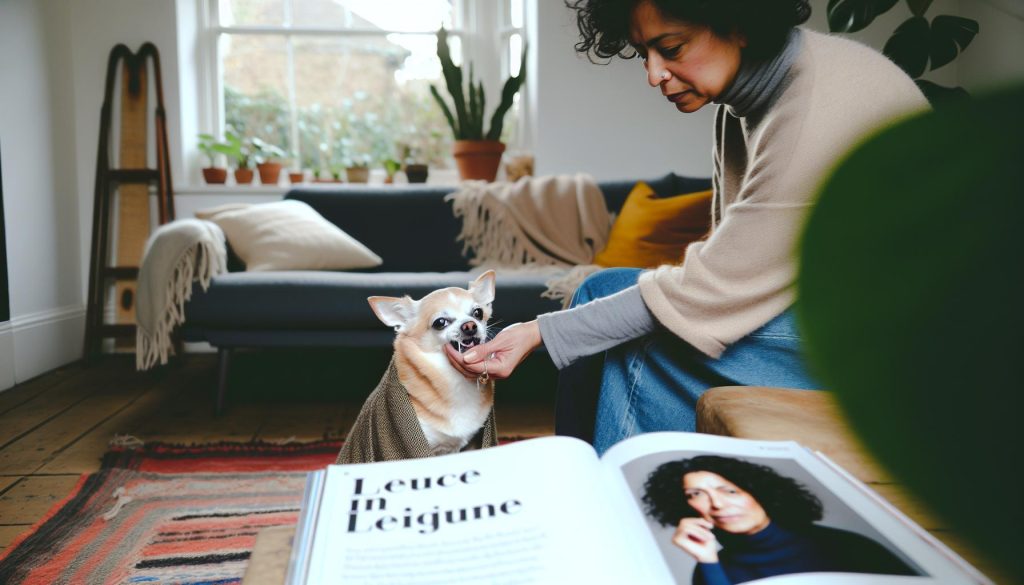
If you’re a proud Chihuahua owner, you may have noticed your little friend drooling more than usual. While a few drops here and there can be perfectly normal for many dogs, excessive drooling might signal an underlying issue that deserves attention. Chihuahuas, whether they are the tiny apple-head variety or the more rugged deer-head type, have unique health considerations that can contribute to drooling. Understanding the reasons behind this behavior is crucial-not only to alleviate your dog’s discomfort but also to ensure a happy, healthy life together. In this article, we’ll explore seven potential causes for excessive drooling in Chihuahuas, helping you identify when it’s just a quirk of the breed and when it might require veterinary attention. Let’s dive in!
Recognizing Excessive Drooling in Chihuahuas
Excessive drooling in Chihuahuas can be quite alarming for owners, especially since their tiny frames and bold personalities tend to make them feel like family. When your little friend begins to drool more than usual, it’s essential to pay attention to the signs and understand the potential causes behind it. Chihuahuas, known for their affection and vocal nature, may drool for various reasons ranging from simple excitement to more serious health-related issues.
Recognizing excessive drooling starts with observation. If her mouth seems more watery than typical, and you notice it appears thicker or stringy, you might be witnessing an issue. Pay attention if she is constantly licking her lips or if her saliva drips more than you would expect. Factors that might trigger drooling include hot weather, overexertion during playtime, or even dental problems. Chihuahuas can suffer from dental issues such as gum disease or tooth decay, which can lead to discomfort and excessive salivation.
To understand your Chihuahua better, take note of the circumstances surrounding the drooling. Does it increase when she encounters new experiences, like seeing other dogs or meeting strangers? This could indicate anxiety or stress, which is common in Chihuahuas due to their sensitive nature. Tracking these patterns can help you and your veterinarian pinpoint the cause, ensuring she receives the care she needs. Keep a diary of her drooling occurrences, noting times, situations, and any accompanying behaviors-this will be invaluable during your vet visit.
In any case, being proactive is key. Early intervention and understanding your Chihuahua’s unique needs can make a significant difference in maintaining her health and happiness. Don’t hesitate to reach out for veterinary advice if you have concerns about her drooling; after all, her well-being is paramount. With attentive care and love, you’ll ensure that your little companion thrives.
Understanding the Unique Health Needs of Chihuahuas
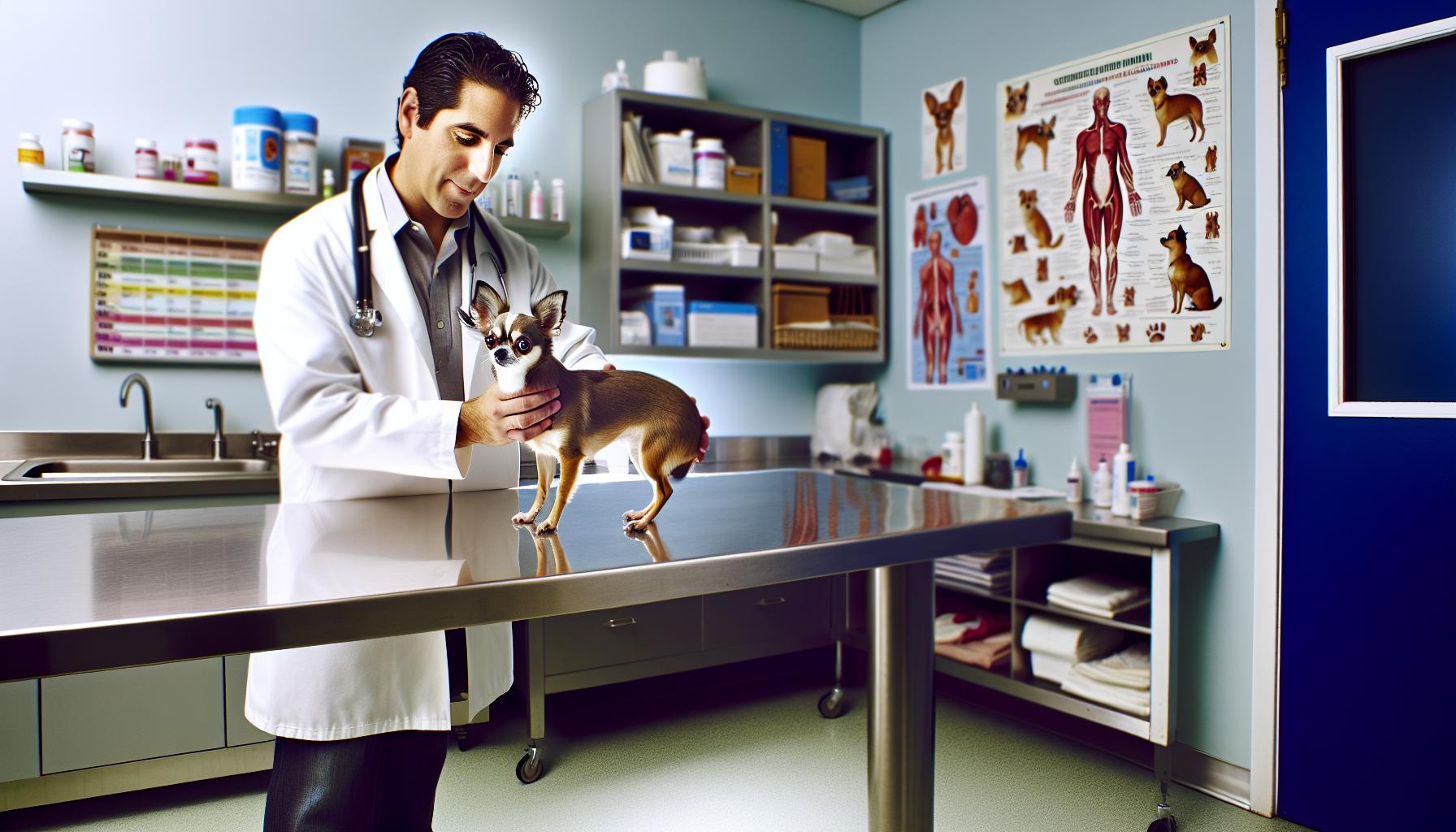
Chihuahuas, with their vibrant personalities and unwavering loyalty, are more than just adorable companions; they have distinct health needs that require attentive care. Known for their small size, with adults typically weighing between 2 to 6 pounds, Chihuahuas might seem tough, but their delicate frames make them susceptible to various health issues. Understanding these unique health needs is essential, especially when it comes to monitoring changes like excessive drooling.
One of the primary health concerns for Chihuahuas is dental health. Given their small mouths, overcrowded teeth and dental disease are common in this breed. Regular dental check-ups and cleanings are crucial to prevent problems that could lead to excessive drooling. Additionally, their sensitive stomachs often require a diet tailored specifically for small breeds, rich in high-quality proteins and easily digestible ingredients. This dietary attention can prevent gastrointestinal upset, which may also contribute to drooling.
Chihuahuas are also prone to certain genetic conditions such as patellar luxation and heart murmurs, which can impact their overall health and well-being. For instance, a heart issue may manifest in various ways, including changes in drooling patterns. Owners should remain vigilant about their pet’s overall health and behavior, noting any unusual symptoms such as lethargy or changes in appetite, as these could signal underlying health issues requiring veterinary attention.
In terms of environmental considerations, Chihuahuas are sensitive to extreme temperatures. They thrive in moderate climates and can suffer from heat exhaustion, which can lead to increased salivation. Providing a comfortable living environment that protects them from temperature extremes is vital. Understanding these aspects of Chihuahua care not only helps prevent issues like excessive drooling but also ensures a happy, healthy life for your little companion.
Common Medical Conditions That Cause Drooling

Chihuahuas are remarkably expressive little dogs, but when excessive drooling becomes a frequent occurrence, it can be concerning for any owner. Excessive salivation can be a symptom of several underlying medical conditions. Understanding these conditions is essential for maintaining the health and happiness of your playful companion.
One common culprit of excessive drooling in Chihuahuas is dental disease. The breed is particularly prone to dental problems due to overcrowded teeth and poor dental hygiene. This not only impacts their ability to eat comfortably but can also lead to painful infections that trigger drooling. Regular veterinary dental cleanings and at-home dental care, like brushing your Chihuahua’s teeth or providing dental chews, can help mitigate this risk.
Another condition to be wary of is gastrointestinal issues. Chihuahuas may suffer from an upset stomach or other digestive problems, causing them to drool more than usual. Symptoms such as vomiting, diarrhea, or a loss of appetite may accompany this. Keeping to a consistent feeding schedule and choosing high-quality, easily digestible food can help prevent these stomach issues. Additionally, certain foods that are toxic to dogs, like chocolate or grapes, can lead to drooling and should be strictly avoided.
Chihuahuas are also vulnerable to infectious diseases such as rabies or distemper, which can lead to increased salivation. Vaccination and regular vet check-ups are crucial to protect against these serious illnesses. If your Chihuahua starts drooling excessively and shows signs of lethargy, fever, or loss of appetite, it’s vital to consult your veterinarian promptly.
Furthermore, oral tumors or growths in the mouth can lead to drooling as they can cause discomfort or pain during eating or drinking. While less common, being aware of symptoms like bad breath, difficulty eating, or visible bumps in the mouth can aid in early detection. A veterinarian can provide assessments and recommend the best treatment options if needed.
Lastly, keep in mind that certain allergies can also trigger excess drooling. Just like people, dogs can be allergic to everything from pollen to certain food ingredients. Observing any pattern of drooling after specific exposures can inform you about potential allergies. Seasonal allergies might require different management strategies than food allergies, ranging from antihistamines to dietary adjustments.
By staying attuned to your Chihuahua’s unique health needs and recognizing these conditions, you can ensure that your little companion remains healthy and happy. Regular check-ups with the vet and attentive home care will help keep drooling in check and allow for prompt intervention when issues arise. Always trust your instincts: if something feels off, don’t hesitate to seek professional advice.
When Anxiety and Stress Lead to Drooling

When your tiny Chihuahua starts drooling excessively, it can be surprising, especially if there doesn’t seem to be a medical reason at first glance. One common but often overlooked cause is anxiety or stress. Chihuahuas are known for their vibrant personalities, but their sensitivity means they can easily become overwhelmed by environmental changes, loud noises, or even separation from their owners. This emotional distress can manifest in various ways, including an increase in saliva production as a physical response to stress.
Understanding the triggers for your Chihuahua’s anxiety is crucial. For instance, many Chihuahuas may drool more during thunderstorms, fireworks, or when they’re left alone for extended periods. Their natural instinct is to seek comfort and safety, and when they feel threatened or anxious, drooling can be one of the ways they express their discomfort. It’s essential to observe your Chihuahua’s body language; signs of stress can include pacing, whining, barking, or hiding.
To help manage anxiety-induced drooling, consider creating a calming environment for your furry friend. You can provide a safe space equipped with their favorite blanket and toys, allowing them to retreat during stressful moments. Additionally, establishing a consistent routine can provide your Chihuahua with a sense of security and predictability. For example, regular playtimes, meals, and walk schedules can help alleviate their anxiety, making them feel more stable and comfortable.
Furthermore, consider incorporating relaxation techniques into your Chihuahua’s daily life. Techniques such as gentle massage, soft music, or even calming pheromone diffusers can significantly help reduce stress levels. Also, engaging in interactive training sessions can distract and mentally stimulate your Chihuahua, redirecting their focus away from stressful situations. Just remember, patience is key; it may take some time for your little one to feel secure and for the drooling to subside.
Ultimately, being attentive to your Chihuahua’s emotional needs is just as important as addressing their physical health. By understanding the link between anxiety and drooling, you can create a comforting atmosphere that supports your beloved companion’s overall well-being. Always consult your veterinarian if drooling persists, as they can offer tailored advice and check for any underlying health concerns that may also contribute to your Chihuahua’s excessive drooling.
The Role of Diet in Your Chihuahua’s Drooling
A well-balanced diet plays a crucial role in your Chihuahua’s overall health, and it can significantly influence their drooling habits. If you’ve noticed an uptick in your little one’s drool, examining their food and feeding schedule might be the first step to understanding the cause. Just like us, Chihuahuas can experience gastrointestinal discomfort or allergies that could lead to excessive salivation.
Identifying Potential Dietary Triggers
Certain ingredients in your Chihuahua’s diet might not sit well with their sensitive stomachs. Common allergens include grains, beef, chicken, and dairy products. If your Chihuahua is struggling with drooling, consider keeping a food diary to track their diet along with their drooling patterns. This record can help identify any potential food-related triggers. For example, a Chihuahua named Bella developed drooling issues after her owner switched to a grain-heavy kibble. Once they transitioned her to grain-free food, the problem was resolved.
Portion Control and Feeding Habits
Feeding frequency and portion size can also affect salivation. Some Chihuahuas may drool more if they are fed too much at once or if meals are irregular. It’s advisable to feed your Chihuahua smaller portions more frequently throughout the day-typically, three to four meals are ideal. This not only helps prevent excessive hunger-induced drooling but also maintains steady energy levels.
Quality of Food Matters
The quality of the food you choose for your Chihuahua is paramount. Opt for high-quality, breed-specific kibble that contains real meat as the main ingredient, along with fruits and vegetables. Avoid foods with artificial additives, which can lead to digestive issues and subsequently increase drooling. For instance, one owner found that transitioning her apple-headed Chihuahua to a high-quality, grain-free diet led to a noticeable decrease in drooling and improved her overall vitality.
Hydration and Saliva Production
Don’t forget that hydration influences drooling too. Ensure your Chihuahua has constant access to fresh water. Dehydration can cause dry mouth and excessive drooling as the body attempts to compensate for lack of moisture. If your Chihuahua sluggishly drinks or seems uninterested in water, it might be time to explore kibble designed to maintain hydration or even consider adding a splash of low-sodium broth to entice them.
Taking the time to evaluate and adjust your Chihuahua’s diet could alleviate excess drooling and improve their overall comfort. Always remember, any drastic dietary changes should be made gradually, and consulting with your veterinarian can help ensure that your little companion’s unique needs are met.
Grooming Practices to Reduce Drooling
While Chihuahuas are often known for their big personalities packed into tiny bodies, they can be prone to certain peculiarities, including drooling. Grooming is not only essential for keeping your pup looking radiant but also plays a crucial role in managing excessive drooling. With the right practices, you can help reduce the amount of saliva your Chihuahua produces, enhancing both their comfort and your own peace of mind.
Regular grooming sessions can significantly impact your Chihuahua’s drooling habits. For Chihuahuas, especially those with apple-heads and short coats, maintaining a clean and healthy mouth is vital. Regularly brushing your Chihuahua’s teeth helps manage dental hygiene and can prevent mouth infections that might cause excess salivation. Aim to brush their teeth at least two to three times a week with dog-specific toothpaste. Additionally, consider incorporating dental chews into their routine, as these can help control plaque buildup, contributing to better oral health and potentially reducing drooling.
Another crucial aspect of grooming that can help manage drooling is maintaining proper coat care. For longer-haired Chihuahuas, matting can occur, leading to discomfort and skin irritation, which might contribute to stress-induced drooling. Regular brushing not only keeps their coat tangle-free but also promotes better airflow and skin health. During grooming, take the time to check for any signs of skin irritation or infection, as these can lead to heightened drooling.
Moreover, bathing your Chihuahua can aid in cleanliness, which in turn can reduce drool accumulation in their fur. Be sure to use a mild dog shampoo, as Chihuahuas have sensitive skin. Taking care to regularly clean the area around their mouth after meals can also prevent food particles from causing irritation, which might lead to excessive licking and drooling. After each meal, use a damp cloth to wipe their face clean-this small routine can make a big difference.
Finally, an important grooming tip is to keep your Chihuahua’s environment clean. Regularly wash their bedding and any toys they use, ensuring that they stay free from bacteria or odors that may be stimulating unnecessary salivation. By investing time into these grooming practices, you can create a more comfortable and healthier experience for your Chihuahua, reducing excessive drooling and ensuring your little companion feels at their best.
Situational Factors That Increase Salivation
When you notice your Chihuahua drooling more than usual, it can sometimes be tied to specific situations rather than an underlying health issue. Chihuahuas are known for their vibrant personalities and sensitive natures, making them more susceptible to certain situations that trigger increased salivation. For instance, these little pups can have a strong response to excitement-whether it’s the arrival of a favorite family member or the sight of a delicious treat. During these moments of heightened emotion, you might notice a few extra drops of drool forming.
Another situational factor that may lead to increased salivation is exposure to strong smells. Chihuahuas have an acute sense of smell, and delightful scents can trigger a drooling reaction. If you’ve ever cooked something particularly aromatic or brought home a new dog food with enticing ingredients, there’s a good chance your furry friend could be more than ready for a taste! In such scenarios, you could try distracting your Chihuahua with a favorite toy or engaging them in play, redirecting that excitement while managing the drooling.
Environmental changes can also play a significant role. For example, during travel or visits to new places, the unfamiliar sights, sounds, and smells can overwhelm your tiny companion, leading to anxiety-induced drooling. To help your Chihuahua feel secure, consider using a cozy blanket or a familiar toy from home. Creating a comfortable environment can help ease their stress, reducing the likelihood of excessive drooling in those situations.
Lastly, keep an eye out for temperature shifts. Chihuahuas, particularly those with short coats, can struggle in both extreme heat and cold. Hot weather might induce drooling as they try to cool off, while cold snaps can create discomfort that leads to increased salivation. Ensure your Chihuahua has access to shade and fresh water while outdoors and consider doggy sweaters during chilly outings. By being aware of these situational triggers, you can better manage your Chihuahua’s drooling and keep your bond strong and joyful.
When to Consult a Veterinarian for Drooling
Excessive drooling in your Chihuahua can be concerning, especially when it seems out of the ordinary. While some drooling is perfectly normal-like when he’s anticipating a tasty treat or feeling particularly excited-there are times when you should definitely reach out to a veterinarian. Chihuahuas, with their bold personalities and unique physical traits, can be sensitive creatures, and changes in their drooling patterns can signal health issues that require attention.
If you notice persistent drooling that lasts longer than a few days or is accompanied by other symptoms, it’s time to consult your vet. Look out for signs like swelling in the mouth, difficulty swallowing, vomiting, lack of appetite, or noticeable discomfort when eating or drinking. These could indicate conditions such as dental disease, oral ulcers, or even gastrointestinal issues. One owner shared an experience where her Chihuahua, Bella, developed an oral infection that caused sudden, excessive drooling. A quick trip to the vet revealed significant dental disease that needed immediate treatment, underscoring the importance of addressing these symptoms swiftly.
Additionally, pay attention if the drooling is accompanied by unusual behavior. For example, if your usually playful Chihuahua seems lethargic, avoids social interaction, or shows signs of pain (like whining or whining when touched), this is a red flag. Another critical factor is sudden changes in the environment-such as new foods, temperature extremes, or stressful situations-that might cause anxiety. Sometimes, these can trigger a drooling episode that requires a vet’s perspective to rule out underlying medical conditions.
In summary, take a proactive approach when it comes to your Chihuahua’s health. If his drooling appears excessive or different than what you’ve seen before, don’t hesitate to reach out to your veterinarian. Early intervention can make all the difference. Remember, your little companion depends on you to catch these changes and ensure his happiness and well-being!
Home Remedies for Managing Drooling
Excessive drooling can be a frustrating issue for both Chihuahuas and their owners, but there are several home remedies that can help manage this condition. Understanding the underlying cause is essential, but in many cases, simple adjustments in your Chihuahua’s diet, environment, and care routine can make a real difference.
One helpful approach is to ensure your Chihuahua stays hydrated but not overhydrated. Offering fresh, clean water frequently can reduce the discomfort that sometimes leads to drooling. Additionally, consider incorporating crunchy foods, like fresh carrots or specially designed dental chews, into your pup’s diet. These not only help with dental hygiene by reducing plaque buildup but also encourage chewing, which can naturally decrease saliva production over time.
Grooming and Hygiene Practices
Regular grooming can significantly affect your Chihuahua’s health and comfort levels. Chihuahuas with longer fur might need more frequent brushing to prevent mats that can irritate the skin, potentially leading to excessive drooling. Keep your Chihuahua’s teeth clean through regular brushing with dog-safe toothpaste. Good oral hygiene helps prevent dental diseases that can cause increased salivation. Many owners have found that routine vet check-ups to monitor dental health have significantly reduced issues related to drooling.
Equally important is to create a calm environment. If your Chihuahua tends to drool due to anxiety or stress-common traits in this small but bold breed-consider using soothing music or anxiety wraps. Provide a quiet space where your Chihuahua can retreat when feeling overwhelmed. Many owners report that providing a safe and peaceful area helps reduce anxiety-related drooling.
In summary, managing excessive drooling involves a combination of proper hydration, a balanced diet, regular grooming, and a calming environment. By paying attention to these aspects of care, you can help ensure that your Chihuahua remains happy and healthy while minimizing drooling. Always keep in mind that if drooling persists or worsens, consulting your veterinarian is imperative to rule out any serious underlying conditions.
Preventive Care Tips for a Healthy Chihuahua
Chihuahuas, with their charming personalities and undeniable cuteness, are a beloved breed among dog lovers. However, their propensity for excessive drooling can be a concern for many owners. To ensure your little companion stays happy and healthy, incorporating preventive care into their routine is essential.
One crucial aspect of preventive care is maintaining your Chihuahua’s dental health. Regular brushing of her teeth with dog-safe toothpaste can significantly reduce the risk of periodontal disease, which is a common cause of drooling. A well-kept mouth not only helps her feel better but also promotes overall wellness. Many owners have found success using dental chews or treats designed to keep teeth clean while satisfying their pup’s natural urge to chew. Just like us, Chihuahuas need their oral hygiene taken seriously!
Alongside dental care, keeping your Chihuahua’s weight in check is important. Obesity can exacerbate health issues, which may lead to increased drooling. Regular exercise, even if it’s just a short walk or playtime in the yard, helps maintain a healthy weight. Being active also reduces stress and anxiety, which are often triggers for excessive salivation. For example, a little Chihuahua named Bella loves her daily walks around the neighborhood, which not only keeps her fit but also curbs her anxiety.
Another preventive measure is ensuring a stable environment. Chihuahuas are sensitive to temperature changes, and extreme heat can lead to discomfort and excessive drooling. Provide a cool, shaded area on warm days and make sure your home is well-ventilated. Conversely, during colder months, consider a cozy sweater to keep her warm. Owners have reported that these adjustments can make a world of difference in managing their Chihuahua’s wellbeing and behavior.
Lastly, regular vet check-ups are invaluable. Routine visits allow for the early detection of any underlying health issues that might contribute to drooling. Whether it’s a skin condition, dental problem, or even food allergies, catching these concerns early ensures your Chihuahua can enjoy a longer, happier life. For example, a friend of mine realized during a vet visit that his Chihuahua had an allergy to certain food additives, leading to less drooling and a much happier pup with just a simple diet change.
By embracing these preventive care tips, you can help reduce the chances of excessive drooling while ensuring your Chihuahua continues to thrive in her daily adventures. Emphasizing routine dental care, weight management through exercise, creating a comfortable environment, and maintaining regular veterinary visits are all part of keeping your tiny companion healthy and happy!
Understanding the Impact of Temperature on Drooling
Chihuahuas are notoriously sensitive to temperature fluctuations, making it crucial for owners to understand how extreme heat or cold can affect their little companions and their tendency to drool. On hot days, these pint-sized pups can easily become overheated, leading to discomfort and excessive salivation as their bodies try to cool down. Unlike larger breeds, Chihuahuas don’t handle heat well due to their small size and quicker metabolism. Owners should be vigilant during warm weather, providing ample shade and cool water to help keep their pets comfortable.
To manage drooling due to heat, consider these steps:
- Keep them cool: Ensure your Chihuahua has access to shaded areas, and never leave them in a car, even for a short time, as the temperature can rise rapidly.
- Hydration is key: Always provide fresh, cool water. Chihuahuas can be picky drinkers, so consider adding ice cubes to their bowl for extra appeal.
- Limit outdoor activities: Schedule walks during the cooler parts of the day-early mornings or late evenings are perfect for their little paws.
Conversely, when the temperatures drop, many Chihuahuas-especially those with shorter coats-may be more prone to drooling due to discomfort from the cold. Keeping your Chihuahua warm with sweaters or cozy blankets not only prevents excessive salivation but also promotes overall well-being. Cold weather can lead to anxiety for some dogs, which can also trigger drooling as a response.
It’s essential to watch for signs of stress or discomfort related to temperature. For instance, if your Chihuahua seems restless, paces, or is excessively licking their lips, it might be time to check the environment. A friend shared a story about her Chihuahua, Max, who always snuggled up on her heated blanket during winter nights, seeking warmth and comfort, which significantly reduced his drooling.
In summary, being acutely aware of your Chihuahua’s reactions to temperature changes can help control excessive drooling. Adjusting their environment according to the weather and paying attention to their comfort needs are critical for maintaining their happiness and health. By doing so, you’ll not only reduce drooling episodes but also enhance your bond with your delightful little companion.
Signs of Serious Illness Related to Drooling
Excessive drooling in Chihuahuas can sometimes be a benign issue related to temperature, excitement, or even dietary choices. However, it’s crucial to recognize when drooling may signal a more serious health concern. As a devoted Chihuahua owner, your keen observation can make all the difference in your pup’s wellbeing.
One of the first indicators that excessive drooling might be linked to a serious illness is a sudden change in his normal behavior. If your Chihuahua, typically lively and playful, becomes lethargic and shows signs of disinterest in activities he once enjoyed, this could be a red flag. Alongside increased salivation, watch for other symptoms like vomiting, diarrhea, difficulty swallowing, or signs of pain such as whining or guarding of his mouth. For example, a friend of mine noticed her Chihuahua, Bella, constantly licking her lips and hiding when normally adventurous. A trip to the vet revealed that Bella had dental problems causing her pain and discomfort.
Another significant concern to watch for is drooling combined with noticeable oral issues, like swelling or bleeding in the mouth. Dental disease, which is quite common in Chihuahuas due to their small mouths and sensitive teeth, can lead to excessive salivation. If your dog is struggling to eat or shows reluctance to chew, these could be signs of oral pain or infections. Regular dental check-ups are crucial, as early detection of dental issues can spare your Chihuahua from serious discomfort and additional health complications.
It’s also essential to be alert to symptoms that suggest gastrointestinal problems, such as drooling paired with abdominal bloating or pain. Conditions like pancreatitis or liver disease can manifest this way, often bringing with them a slew of other health challenges that require immediate veterinary attention. Early intervention is vital; for instance, if your Chihuahua starts acting unusually anxious or restless along with excessive drooling, don’t hesitate to schedule a vet visit to rule out serious underlying conditions.
In short, while some drooling in Chihuahuas can be quite normal, when it escalates or accompanies other worrisome symptoms, it should never be ignored. Your careful observation and quick action can help ensure that your beloved companion maintains its health and happiness. If you ever feel uncertain about your pup’s health, trust your instincts and seek professional guidance. Your little buddy counts on you to be his advocate for a long, happy life!
FAQ
Q: What are the signs of dehydration in a Chihuahua that may cause drooling?
A: Signs of dehydration in Chihuahuas include excessive drooling, dry gums, lethargy, and skin that does not quickly return to shape when pinched. Ensure your Chihuahua stays hydrated, especially in warm weather, to avoid drooling related to dehydration. For more details, check the section on Recognizing Excessive Drooling.
Q: Can certain medications lead to excessive drooling in Chihuahuas?
A: Yes, certain medications can cause excessive drooling in Chihuahuas as a side effect. If you suspect this, consult your veterinarian to discuss alternatives or dosage adjustments. This is important for maintaining your dog’s health and comfort.
Q: How can stress trigger drooling in my Chihuahua?
A: Stress and anxiety can lead to increased saliva production in Chihuahuas. Common stressors include loud noises, changes in surroundings, or separation anxiety. Addressing these factors can help manage and reduce drooling episodes. Explore the When Anxiety and Stress Lead to Drooling section for strategies.
Q: Is excessive drooling in Chihuahuas always a sign of illness?
A: No, while excessive drooling can indicate health issues, it may also occur due to other factors like excitement or temperature changes. It’s crucial to evaluate the context and other symptoms to determine the cause. Regular check-ups can help monitor your Chihuahua’s overall health.
Q: Are there specific foods that may cause my Chihuahua to drool excessively?
A: Yes, certain foods can trigger drooling in Chihuahuas, especially if they are unwell or allergic to an ingredient. Avoiding high-fat treats and ensuring a balanced diet can help manage drooling. Refer to the The Role of Diet in Your Chihuahua’s Drooling section for tips.
Q: How can I tell if my Chihuahua is drooling due to dental issues?
A: If your Chihuahua shows excessive drooling along with bad breath, difficulty eating, or sore gums, it might have dental issues. Regular dental check-ups can prevent serious problems and help maintain your Chihuahua’s oral health.
Q: What should I do if my Chihuahua is drooling but seems otherwise healthy?
A: If your Chihuahua is drooling without other symptoms, monitor them for changes. Keep them cool and hydrated, and check for common triggers. If the drooling persists or increases, consult your veterinarian for further evaluation.
Q: Can environmental factors cause excessive drooling in Chihuahuas?
A: Yes, environmental factors such as extreme heat or humidity can increase drooling in Chihuahuas. Ensuring a comfortable, climate-controlled space can help minimize drooling. Learn more in the section Understanding the Impact of Temperature on Drooling.
Final Thoughts
Understanding why your Chihuahua is drooling excessively can provide peace of mind and help you take appropriate action. Remember, while minor drooling can be normal in this bold and vocal breed, persistent drooling may indicate underlying health issues or stress. Don’t hesitate to consult your veterinarian if you have concerns. For more tips on Chihuahua care, check out our articles on common behavioral quirks and health concerns for your tiny companion.
Ready to dive deeper? Explore our guide on “Chihuahua Diet Essentials” to ensure your furry friend stays happy and healthy, or read about “10 Fun Activities for Your Chihuahua” to keep her engaged and active. Your Chihuahua’s well-being is our priority, so join our community by signing up for our newsletter to stay updated on the best care practices for your loyal little friend. Share your experiences in the comments below-let’s celebrate the joys and challenges of Chihuahua ownership together!
Get our latest guides, news, and insights highlighted in your Google Search & AI Overviews.