

Is your beloved Chihuahua suddenly coughing? This can be a common concern for dog owners, especially since Chihuahuas are known for their bold, vocal personalities. Whether it’s just a harmless habit or a sign of something more serious, understanding the potential causes is essential for ensuring your furry friend stays healthy. From seasonal allergies to kennel cough, the reasons behind a Chihuahua’s cough can vary greatly. As a dedicated owner, it’s natural to worry about your little companion’s well-being, and staying informed can help you tackle health issues before they escalate. Join us as we explore the causes of coughing in Chihuahuas and when to seek veterinary help, empowering you to provide the best care for your spirited little buddy.
Why Does My Chihuahua Cough? Understanding Symptoms
Chihuahuas are known for their vibrant personalities, but when they start coughing, it can be concerning for any devoted owner. Understanding what this behavior means is crucial, as it signals how their tiny bodies are coping with various stressors. Coughing in Chihuahuas can range from a harmless reflex to a sign of underlying health problems, making it essential to pay attention to the details surrounding each episode.
When your Chihuahua coughs, consider the context. Is she excited or playful? Sometimes, a bout of coughing arises from exuberance, particularly if she’s barking at a passing squirrel or welcoming you home. This type of coughing is usually transient and not a cause for concern. However, if her cough is persistent, sounds more like a honk or produces phlegm, it may stem from health issues such as tracheal collapse, common in our little friends. Chihuahuas, particularly those with the distinctive apple-headed shape, can experience this due to their anatomical structure; they often have narrow tracheas that are more susceptible to pressure.
In addition to the sound of the cough, pay attention to any accompanying symptoms. Is your Chihuahua lethargic, experiencing nasal discharge, or showing a reduced appetite? These signs, combined with coughing, may indicate conditions like bronchitis or even heart disease. For instance, if you notice her coughing worsens at night or after exercise, it could signal issues with her trachea or heart. Noting these patterns can help your veterinarian provide a well-informed diagnosis and treatment plan.
Being attentive to your Chihuahua’s health not only ensures her well-being but also strengthens the bond you share. Regular check-ups with your veterinarian are essential, as they can monitor for breed-specific issues and help catch any potential problems early. Remember, your vigilant observation can make all the difference when it comes to keeping your little companion happy and healthy.
Common Causes of Coughing in Chihuahuas
Coughing in Chihuahuas can be perplexing for any devoted owner, often leading to questions about their health and well-being. Chihuahuas, being the tiny but spirited breed they are, have unique anatomical traits that can contribute to various coughing causes. Understanding these potential reasons is important for ensuring your little companion remains happy and healthy.
One common cause of coughing in Chihuahuas is tracheal collapse, especially prevalent in the apple-headed variety. This condition occurs when the trachea-essentially the windpipe-starts to narrow or collapse, making it difficult for her to breathe properly. You might notice a honking cough or a coughing spell that seems triggered by excitement or stress. These triggers often arise when your Chihuahua is playing vigorously or barking-both typical behaviors for this feisty breed. Keeping an eye on how often she coughs during these activities can provide helpful context for her veterinarian.
Another factor to consider is allergies or irritants in the environment. Chihuahuas have sensitive respiratory systems, and exposure to smoke, dust, or strong scents can elicit coughs. For example, if you’ve recently had a party and used air fresheners or scented candles, you might notice an uptick in her coughing. Monitoring her environment for potential allergens and making adjustments, like using air purifiers or limiting exposure to certain chemicals, can help manage this symptom.
Infections can also play a role in your Chihuahua’s coughing. Canine infections such as kennel cough, a highly contagious respiratory illness, can cause persistent coughing, along with other signs like sneezing and nasal discharge. If your little one has recently been around other dogs, particularly in places like parks or daycare, it’s worth discussing with your vet. Vaccination is essential in preventing such infections, but it’s equally important to remain vigilant for symptoms.
Overall, if you observe your Chihuahua coughing frequently or with other concerning symptoms, it’s wise to schedule a veterinary check-up. Recognizing the root cause early can lead to the most effective treatment plan, ensuring your spirited companion stays healthy and vigorous. Remember, your attentive care is key to their happiness!
Recognizing Serious Health Issues Promptly
Coughing is not just a trivial annoyance for our little Chihuahuas; it can signify more serious health issues that demand prompt attention. These tiny dynamos, known for their vocal personalities and bold spirits, can face respiratory challenges that may escalate quickly. It’s essential to develop an eye for the signs that something may be wrong. If your Chihuahua starts coughing unusually often or exhibits any of the following symptoms, don’t hesitate to consult your veterinarian.
One of the most concerning signs is a persistent cough that does not improve over time. This could indicate more severe conditions like bronchitis or pneumonia. Another red flag is if your Chihuahua coughs up blood or produces a foul-smelling discharge, which can suggest infections or even a ruptured blood vessel in severe cases. Additionally, if your furry friend shows signs of distress while coughing-such as difficulty breathing, lethargy, or decreased appetite-these are serious indicators that warrant immediate veterinary intervention.
Understanding the nuances of your Chihuahua’s cough can aid in identifying serious health issues early. For instance, a honking sound is typically associated with tracheal collapse, especially in apple-headed Chihuahuas. On the other hand, a wet, productive cough may indicate liquid in the lungs or a respiratory infection. Keeping detailed notes on the frequency, duration, and type of cough, along with any accompanying symptoms, can provide your vet with crucial information to diagnose the problem more efficiently.
While many causes of coughing may be benign, staying vigilant is crucial. Regular check-ups with your veterinarian can help in assessing your Chihuahua’s overall respiratory health. In the case of any sudden changes or troubling symptoms, trusting your instincts and advocating for your pet’s health is vital. After all, your attentive care not only keeps your little companion safe but also nurtures the loving bond you share.
When to Contact Your Veterinarian
Persistent coughing in Chihuahuas is more than just a little quirk; it’s often your dog’s way of telling you something isn’t quite right. Chihuahuas are known for their spirited and playful personalities, but they are also susceptible to respiratory issues that require attention. If your tiny companion starts coughing frequently or demonstrates any unusual signs, it’s important to know when to reach out to your veterinarian for guidance.
Recognizing critical symptoms is essential. If your Chihuahua has a cough that lasts longer than a couple of days, or if it becomes progressively worse, it’s time to make a veterinary appointment. Pay special attention to signs like difficulty breathing, blue-tinged gums, lethargy, or any coughing accompanied by a loss of appetite. These can indicate serious problems like pneumonia or heart disease, common health concerns in this breed. Another alarming sign is the presence of blood in the cough or unusual discharges; both warrant immediate veterinary attention.
In addition to physical symptoms, consider the context of your Chihuahua’s behavior. For instance, if he typically has a playful disposition but suddenly becomes withdrawn or resistant to play, this change in personality could signal a health issue that’s brewing. Owners often report that their Chihuahuas become unusually quiet or seem hesitant to engage in their favorite activities when they’re not feeling well. Document any changes you observe, including the type of cough (dry, wet, honking) and any patterns related to certain activities or times of day, as this information can be invaluable to your vet.
Lastly, regular check-ups with your veterinarian are crucial in managing your Chihuahua’s health and preventing potential illnesses. These visits provide a timely opportunity for you to discuss any changes you’ve noticed, even if they seem minor. Remember, staying proactive about your pup’s health not only fosters a strong bond between you but also ensures that your beloved Chihuahua remains the vibrant, vocal companion you cherish.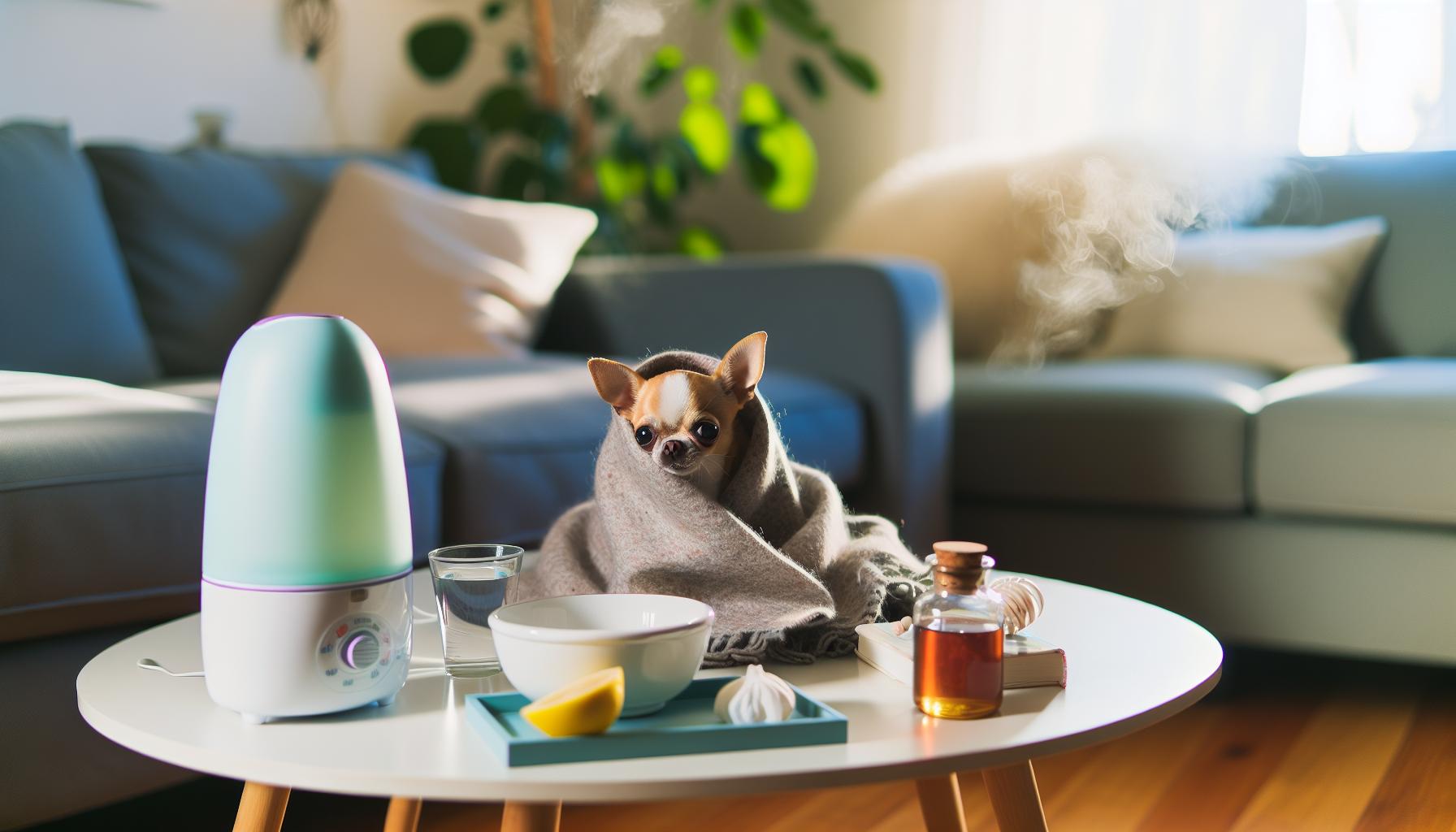
Home Remedies for a Coughing Chihuahua
Persistent coughing in your Chihuahua can be a source of concern, but there are several home remedies you can explore to help soothe your little companion. First, consider the impact of the environment. Maintaining a smoke-free home and keeping irritants like dust and strong odors at bay can significantly improve your dog’s respiratory comfort. To create a healthier atmosphere, use air purifiers and regular cleaning routines.
Another effective remedy is to harness the power of steam. Chihuahuas can benefit from steam inhalation, much like humans. Run a hot shower to create steam in the bathroom and sit with your Chihuahua in the room for about 10-15 minutes. This can help loosen mucus and alleviate coughing, making it a calming experience for both of you. Just be sure to monitor the temperature to keep your furry friend safe.
You can also offer plenty of hydration. Ensuring your Chihuahua drinks enough water supports overall health and can help thin mucus. Adding a small amount of honey to their water might soothe a sore throat. However, it’s crucial to use honey in moderation and only if your dog is older than one year to avoid any risk of botulinum spores.
Finally, consider dietary adjustments. Adding a spoonful of coconut oil or flaxseed oil to their food can provide essential fatty acids that may reduce inflammation. Always introduce new foods slowly and consult your veterinarian if you’re unsure about dietary changes.
Taking these steps can provide comfort to your Chihuahua and help ease coughing at home, but remember, persistent or worsening symptoms always warrant a call to your vet. Your vigilance and love can make all the difference in keeping your spirited little companion healthy and happy.
Preventative Care for Respiratory Health
Maintaining your Chihuahua’s respiratory health is critical, especially given their unique anatomy and inclination toward certain respiratory issues. Did you know that Chihuahuas are more prone to respiratory problems partly due to their small size and brachycephalic characteristics? This means that as a responsible owner, understanding how to prevent issues before they arise can make a significant difference in your pup’s quality of life.
One of the essential steps in preventative care is to create a smoke-free environment. Secondhand smoke can irritate your Chihuahua’s delicate airways. Likewise, avoid exposing her to strong scents from candles or cleaning products, as these can trigger coughing or other respiratory issues. Regular cleaning can help keep dust and allergens at bay, making your home a healthier space for your small companion. Using air purifiers can significantly enhance air quality, especially in homes with multiple pets or during seasons when allergens are more prevalent.
Along with environmental adjustments, keeping your Chihuahua’s weight in check is vital. Obesity can worsen breathing problems. Ensure she maintains a balanced diet and engages in daily activities, like short walks or playtime, which are not only enjoyable but also essential for her well-being. It’s crucial to watch for signs of discomfort while exercising, as Chihuahuas can overheat quickly.
Regular veterinary check-ups cannot be stressed enough; they provide an opportunity for early detection of any respiratory issues. During these visits, your vet can give valuable advice tailored to your dog’s specific needs based on her size, age, and lifestyle. You might find that keeping a record of any unusual coughing or breathing patterns to share during these visits can be beneficial, helping your veterinarian provide the best care possible.
Incorporating these preventative measures into your routine will not only support your Chihuahua’s respiratory health but also contribute to her overall happiness. Remember, a proactive approach is always better than a reactive one-your vigilance is the best gift you can give your tiny, spirited companion!
Understanding Chihuahua Anatomy and Coughing
Chihuahuas, with their vibrant personalities and tiny frames, are not just adorable companions; they also have unique anatomical features that can impact their health, especially when it comes to respiratory issues. Their small size means their airways are proportionately narrower than those of larger dogs. This can lead to a variety of coughing-related problems, particularly in stressful situations or when they are excited. For instance, during a particularly boisterous play session, a Chihuahua may begin to cough as a response to the overexertion or excitement, which, while often harmless, may signal the need for monitoring.
Understanding your Chihuahua’s anatomy can help you recognize when coughing might be a cause for concern. The breed’s brachycephalic traits, including a short muzzle, can lead to elongated soft palates and stunted nasal passages. These structural characteristics may predispose them to respiratory distress, particularly in hotter weather or environments with allergens present. Such anatomical quirks can manifest in different ways, with coughing being a common symptom of irritation or distress in their delicate respiratory systems.
It’s essential for Chihuahua owners to be attuned to their pet’s unique sounds and behaviors. For example, if your Chihuahua suddenly develops a dry cough that is persistent or shows any signs of distress such as wheezing or difficulty breathing, this warrants a closer look. If she exhibits a productive cough that brings up phlegm, it could indicate an infection or other issues that need prompt veterinary attention.
Another factor in managing your Chihuahua’s respiratory health lies in their living environment. Because Chihuahuas are sensitive to temperature fluctuations, ensuring they have a comfortable and stable environment can mitigate stress-related coughing. Examples include providing a cozy blanket for warmth in cooler seasons and avoiding overly stimulating situations that might lead to excessive barking or coughing. By paying attention to these aspects, you can significantly enhance your little companion’s quality of life while keeping an eye on her respiratory health.
Regular check-ups with your veterinarian are crucial for addressing any concerns early on. During these visits, your vet can examine your Chihuahua’s respiratory system more closely and offer tailored advice on managing her specific risks based on her health, age, and lifestyle. Remember, a proactive approach to her health will help ensure that her lively spirit remains undiminished!
The Importance of Regular Veterinary Check-ups
Regular veterinary check-ups play a pivotal role in ensuring the health and well-being of your Chihuahua, especially when it comes to monitoring respiratory issues that may arise. These little dogs, with their delicate bone structure and unique anatomy, are particularly susceptible to a range of health problems, including those affecting their lungs and airways. A routine visit to your veterinarian can reveal early signs of distress or disease, allowing for timely intervention and treatment.
During these check-ups, your vet will conduct a thorough examination of your Chihuahua’s respiratory system. This includes listening to her heart and lungs, checking for any unusual sounds, and assessing her overall health. Your veterinarian is also an excellent resource for understanding your dog’s specific health risks based on her age, weight, and even lifestyle. For example, if your Chihuahua is prone to excitement-induced coughing, your vet can provide strategies to help you manage this behavior effectively.
Another advantage of regular visits is the opportunity to discuss any changes you may have noticed in your Chihuahua’s behavior or health. Perhaps she’s coughing more frequently after playing, or you’re concerned about her breathing during a hot spell. Open communication with your vet can help identify whether these are normal quirks or signs of something more serious that needs addressing. Many owners find that their questions can be answered through these routine visits, fostering a deeper understanding of their Chihuahua’s health.
In addition, wellness checks allow for preventive measures, such as vaccinations and parasite control, further safeguarding your furry friend from health complications. Taking a proactive approach through regular veterinary appointments helps ensure that your Chihuahua retains her vibrant spirit and joyful personality. Her health is your priority, and keeping up with these check-ups will provide peace of mind, allowing you both to enjoy many wonderful adventures together.
Environmental Factors Affecting Coughing
Chihuahuas, those tiny bundles of energy, are prone to a variety of health issues, especially when it comes to their respiratory systems. One interesting factor that can trigger a cough in your Chihuahua is the environment she inhabits. Air quality plays a crucial role in her overall health, and it’s vital to be mindful of the potential irritants that can affect her breathing.
Common Environmental Triggers
Chihuahuas are sensitive, and common household items can contribute to respiratory distress. Consider the following:
- Smoke: Whether from cigarettes, burning candles, or even kitchen smoke, any form of smoke can irritate your Chihuahua’s delicate lungs. If you notice her coughing frequently, check for smoke sources in your home.
- Dust and Dander: These little dogs have a tendency to attract allergens. Regular cleaning and using air purifiers can significantly reduce dust and pet dander in your living space.
- Strong Odors: Perfumes, cleaning agents, and potent air fresheners may be pleasant for you, but they can overwhelm your dog’s sensitive nose, leading to coughing.
- Weather Changes: Sudden shifts in temperature or humidity can cause breathing issues. If your Chihuahua seems to cough more during rainy days or after a hot spell, this could be the reason.
Adapting Your Home Environment
To create a healthy living space for your furry friend, consider making a few adjustments. Start by minimizing exposure to common irritants. Opt for pet-friendly and non-toxic cleaning supplies. As an additional measure, try using hypoallergenic bedding to provide her with a clean, allergen-free resting area.
For owners who live in areas with changing seasons, pay attention to pollen counts and limit outdoor time during high pollen days. This proactive approach can help prevent seasonal coughing caused by allergens. Keep in mind, Chihuahuas are also sensitive to temperature fluctuations; ensure her environment remains comfortable.
Lastly, if you suspect that your Chihuahua’s cough is linked to her surroundings, keep an eye on her behavior. A change in her normal cough pattern after cleaning or a weather change might indicate that adjustments are needed. By being observant and modifying her environment, you can help reduce her coughing episodes and keep her happy and healthy.
Chihuahua-Specific Breathing Problems Explained
Chihuahuas, with their bold personalities and tiny frames, can encounter unique breathing challenges, especially due to their anatomical structure. Understanding these Chihuahua-specific breathing problems is crucial for every owner to ensure their little companion’s health and happiness. One common issue is tracheal collapse, which typically affects smaller breeds like Chihuahuas. This condition occurs when the cartilage rings that support the trachea weaken, causing the airway to narrow and leading to a characteristic honking cough. Symptoms often worsen when the dog is excited, exercising, or exposed to irritants, making it essential to recognize and manage these triggers.
Apart from tracheal collapse, Chihuahuas may also experience reverse sneezing. This alarming yet often harmless phenomenon can sound like wheezing or choking. It occurs when your dog inhales rapidly through the nose, potentially triggered by something as simple as excitement, a sudden change in temperature, or even allergies. Although it can be startling, reverse sneezing typically resolves on its own. Nevertheless, frequent occurrences may warrant a vet visit to rule out any underlying issues.
In addition to these conditions, some Chihuahuas may suffer from bronchitis, commonly seen in older dogs or those exposed to environmental irritants like smoke and dust. Symptoms include a persistent cough and wheezing. As an owner, it’s vital to track your Chihuahua’s coughing patterns to spot any changes over time. Monitoring her breathing and noting when she coughs-whether during playtime or while at rest-can provide your veterinarian with valuable insights for diagnosis and treatment.
Lastly, maintaining a healthy lifestyle is paramount for your Chihuahua’s respiratory health. Regular vet check-ups, a balanced diet, and limited exposure to harmful allergens can help keep her respiratory system in check. Ensuring your pup remains at a healthy weight is particularly important, as excess weight can further strain her breathing. By being proactive and informed about these Chihuahua-specific issues, you can help your furry friend live a comfortable, vibrant life while navigating the quirky challenges of their charming little breed.
Monitoring Your Chihuahua’s Cough: What to Track
Monitoring your Chihuahua’s cough can provide valuable insights into her health and well-being. By paying close attention to her symptoms, you can help identify potential problems early and ensure she gets the care she needs. It’s essential to track not just the frequency of her cough, but also its characteristics and associated behaviors.
Start by keeping a detailed log of when and how often your Chihuahua coughs. Note the following:
- Timing: Does she cough more during playtime, after eating, or when going for walks? This can help pinpoint triggers.
- Type of Cough: Is it a dry cough, a wet cough, or a honking sound? Each type can suggest different underlying issues.
- Duration: How long does the coughing episode last? Short bouts may not be as concerning as prolonged coughing.
- Associated Symptoms: Is she showing any other signs? Look for indicators like lethargy, nasal discharge, or changes in appetite.
Keeping an eye on these details can make a significant difference in your conversations with the veterinarian. For instance, if your little buddy starts coughing after playing with a new toy, it might indicate an allergic reaction to the material. Alternatively, a persistent honking cough can suggest conditions like tracheal collapse.
It’s also helpful to note any environmental changes that might coincide with her coughing. Did you recently start using a new household cleaner or experience a change in weather? Allergies and irritants can play a significant role in respiratory issues for Chihuahuas due to their sensitive little lungs. By keeping this comprehensive record, you’re not just being a responsible owner; you’re also becoming a proactive advocate for your pup’s health.
Regularly monitoring these details will empower you to make informed decisions about when to seek veterinary care and what information will be most helpful for your vet. A clear understanding of your Chihuahua’s coughing patterns can lead to quicker diagnoses and the best possible outcomes for her health.
Tips for Managing Chronic Coughing in Chihuahuas
Managing chronic coughing in Chihuahuas can feel overwhelming, especially when you’re watching your little companion struggle with something that seems so simple yet can be so complex. First things first, it’s vital to consult with your veterinarian to rule out serious health issues if your Chihuahua has a persistent cough. Once you’ve done that, there are several strategies you can employ to help manage her symptoms and keep her as comfortable as possible.
Start by creating a calm and clean environment. Chihuahuas are sensitive to dust, strong odors, and allergens, so make sure her space is free from irritants. Consider investing in an air purifier to clear out potential allergens. Regularly wash her bedding and vacuum frequently to minimize dust and dander. Often, simple changes can make a world of difference in her respiratory health.
Monitor and Modify Activities
Keep a close eye on your Chihuahua’s activities. If you notice coughing after specific activities or during particular weather conditions, adjust her routine accordingly. For example, limit vigorous play during cold or damp weather, as this can exacerbate coughing. If she tends to cough after eatings, such as with excitement or if she eats too fast, try using a slow feeder to give her time to eat without inhaling her food.
Consider Natural Remedies
There are also a variety of natural remedies and supplements that may help soothe your Chihuahua’s cough, but it’s essential to consult your vet before introducing anything new to her routine. Honey can be a great natural cough suppressant for dogs, just make sure to give it in moderation. Additionally, herbal supplements formulated for respiratory health can support her overall well-being and may alleviate some of her symptoms.
Lastly, encourage a healthy lifestyle through regular exercise and a balanced diet tailored to her needs. Keeping her immune system strong can help reduce the frequency and severity of her coughing spells. Your Chihuahua’s unique personality – her energy, playfulness, and even her stubbornness – can be leveraged to motivate her during gentle playtime or walks, keeping her happy and healthy. As you learn more about her coughing and find strategies that work, you not only improve her quality of life but also deepen your bond with this spirited little companion.
Frequently Asked Questions
Q: What should I do if my Chihuahua starts coughing suddenly?
A: If your Chihuahua starts coughing suddenly, monitor the frequency and severity of the cough. This could indicate a respiratory issue or other health concern. Keep a log and consider contacting your veterinarian for guidance, especially if the cough persists or is accompanied by other symptoms.
Q: Can allergies cause coughing in Chihuahuas?
A: Yes, allergies can trigger coughing in Chihuahuas. Common allergens include pollen, dust, and certain foods. Identifying and mitigating exposure to allergens can help alleviate coughing. Refer to the “Environmental Factors Affecting Coughing” section of your article for more tips.
Q: How can I tell if my Chihuahua’s cough is serious?
A: To determine if your Chihuahua’s cough is serious, look for accompanying symptoms like labored breathing, lethargy, or loss of appetite. If these are present or if the cough worsens, contact your veterinarian immediately. The “Recognizing Serious Health Issues Promptly” section offers more insight.
Q: Are there common household items that can irritate my Chihuahua’s throat?
A: Yes, common household items such as smoke, strong fragrances, and cleaning products can irritate a Chihuahua’s throat and lead to coughing. Ensure good ventilation and avoid exposing your pet to these irritants to promote healthier breathing indoors.
Q: When is it essential to visit the vet for my coughing Chihuahua?
A: You should visit the vet if your Chihuahua’s cough persists for more than a few days, if he/she is experiencing difficulty breathing, or if there are additional concerning symptoms. Early intervention can lead to better outcomes, which is emphasized in the “When to Contact Your Veterinarian” section.
Q: Can a cough indicate heart problems in Chihuahuas?
A: Yes, a persistent cough can be a sign of heart problems in Chihuahuas, particularly congestive heart failure, which is common in older dogs. If your Chihuahua’s cough is chronic, consult your veterinarian to rule out heart disease and discuss appropriate diagnostic tests.
Q: Is it safe to use a humidifier for my coughing Chihuahua?
A: Yes, using a humidifier can benefit a coughing Chihuahua by adding moisture to the air, which helps soothe irritated airways. However, ensure regular cleaning of the humidifier to prevent mold or bacteria buildup that could worsen respiratory issues.
Q: What breeds are more prone to coughing and respiratory issues?
A: Chihuahuas, along with other brachycephalic breeds, are more prone to coughing and respiratory issues due to their anatomical structure. Keeping them at a healthy weight and avoiding strenuous activities can help manage their respiratory health effectively.
Insights and Conclusions
If your Chihuahua is coughing, remember that while it can be a common issue, it’s essential to stay attentive to his health. We’ve explored the primary causes and when it’s crucial to seek veterinary care, so trust your instincts if something feels off. Don’t hesitate to check out our related articles on Chihuahua health myths and how to maintain your Chihuahua’s respiratory health-these resources can empower you to provide the best care.
If you’re concerned or uncertain, consider signing up for our newsletter to receive tips tailored for Chihuahua owners like you, or schedule a consultation with a trusted veterinarian to address any lingering worries. Your vibrant little friend deserves all the right support, and by learning more, you can ensure he thrives. Share your experiences in the comments below; we love hearing from fellow Chihuahua enthusiasts! Keep exploring our site for more insights, and don’t forget to discuss those adorable quirks that make owning a Chihuahua such a joy.
Get our latest guides, news, and insights highlighted in your Google Search & AI Overviews.