

Did you know that Chihuahuas have 42 teeth, just like most other dog breeds? However, their tiny mouths and unique jaw structures can lead to dental issues that are crucial for all owners to understand. As a devoted Chihuahua enthusiast, it’s essential to prioritize your furry friend’s dental health to ensure a long, happy life. Caring for those little pearly whites goes beyond a bright smile-it affects their overall health and well-being. Whether you’re a first-time owner or a seasoned pro, navigating dental care can feel overwhelming. In this article, we’ll uncover everything you need to know about your Chihuahua’s teeth, including how to keep them clean and the common dental problems to watch for. Knowing these dental facts will empower you to give your Chihuahua the best care possible. So, let’s dive into the fascinating world of Chihuahua dental health and learn how to keep their teeth in tip-top shape!
How Many Teeth Do Chihuahuas Have? Understanding Their Dental Count
Chihuahuas, those bold little companions, typically have a full set of 42 teeth when they reach adulthood. This includes incisors, canines, premolars, and molars, all designed to help them eat, chew, and, yes, even defend their territory. When they’re puppies, like all dogs, Chihuahuas start with a set of baby teeth that eventually fall out to make way for their adult teeth. Understanding this dental development not only highlights the normal changes in your Chihuahua’s mouth, but also emphasizes the importance of dental care throughout their life.
When your Chihuahua is around six months old, the transition from puppy to adult teeth generally occurs. Puppy teeth amount to 28, including smaller, sharper incisors perfect for nibbling and playing. As an owner, observing this transition can be exciting, yet it brings a responsibility to monitor their dental health closely. A well-maintained mouth helps prevent many common issues down the road, such as periodontal disease, which is especially prevalent in smaller breeds like Chihuahuas.
Regular dental care should include brushing, professional cleanings when necessary, and providing your Chihuahua with the right diet and chew toys to naturally assist in keeping their teeth clean. Many Chihuahua owners share that their pets enjoy specific chew toys that aid in reducing plaque while also giving them a safe outlet to satisfy their natural chewing instincts. By prioritizing dental health and understanding your Chihuahua’s unique needs, you not only promote his overall health but also contribute to his longevity and happiness.
The Importance of Dental Health in Chihuahuas
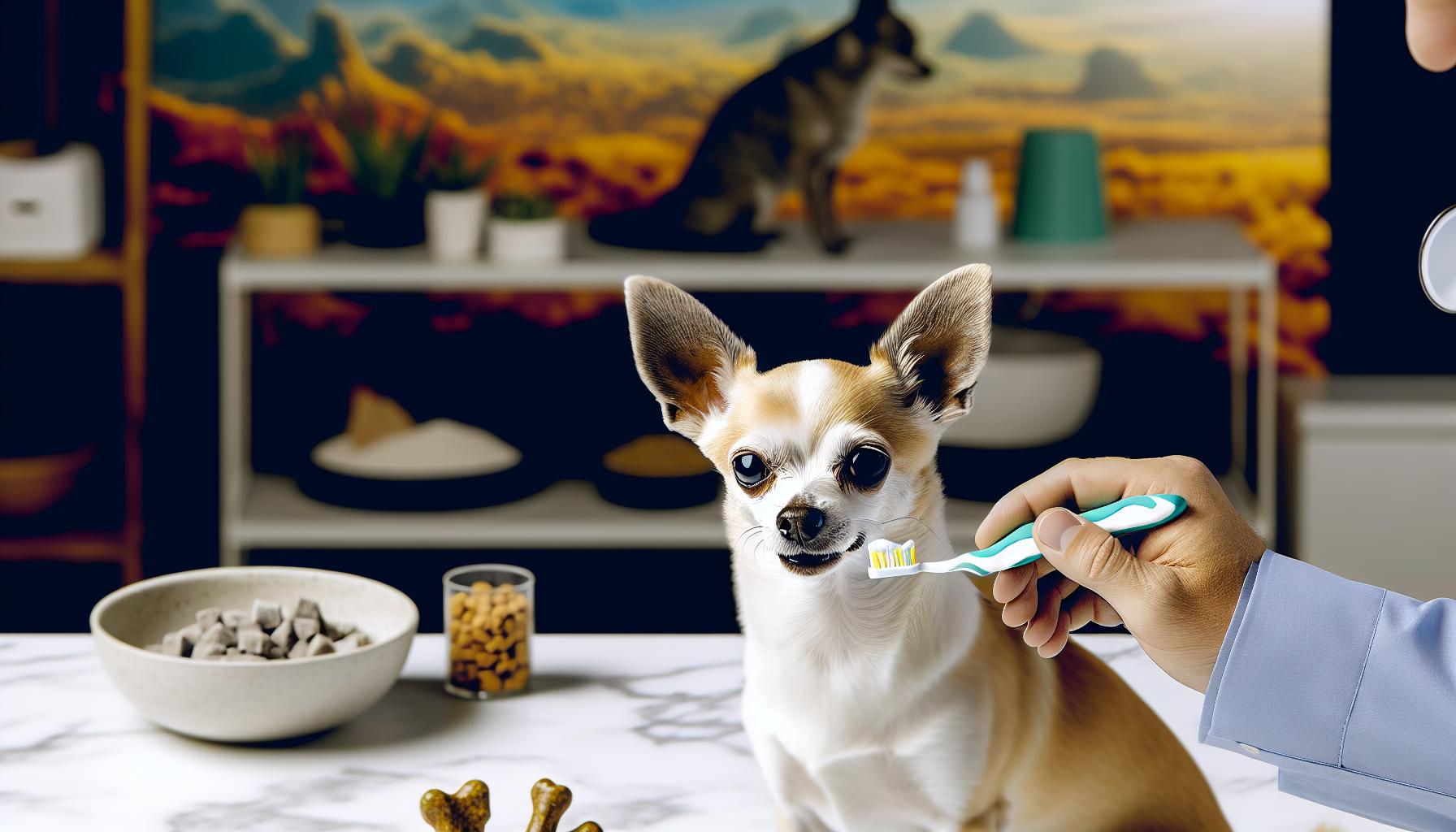
Dental health is vital for Chihuahuas, a breed known for its vivacious personality and tiny stature. These little dogs, often weighing only a few pounds, can be particularly susceptible to dental issues. It’s a common concern for Chihuahua owners, as the breed frequently faces challenges related to their unique mouth structure. This makes it essential to prioritize their dental care from a young age.
A Chihuahua’s dental health affects more than just their teeth; it impacts their overall well-being. Regular dental issues like tartar buildup, gum disease, and tooth decay can lead to pain, eating difficulties, and potentially serious health problems if bacteria from the mouth enter the bloodstream. This is especially crucial given that Chihuahuas can develop periodontal disease earlier than larger breeds. Owners often note that maintaining a routine dental care regimen not only improves their dog’s comfort but also enhances their longevity.
Incorporating dental hygiene into your Chihuahua’s routine can be straightforward but requires commitment. Regular teeth brushing, at least a few times a week, is beneficial. Many owners find success with flavorful toothpaste designed for dogs, which makes the brushing experience enjoyable for their small companions. Providing dental treats or chews approved by veterinarians can also help keep teeth clean while satisfying their natural chewing instincts. Additionally, regular vet check-ups should include dental evaluations-proactive measures can help catch issues before they become more serious.
Chihuahuas are beloved for their bold and vibrant personalities, and ensuring their dental health allows them to shine brightly. Embrace the journey of caring for your Chihuahua’s teeth, and you’ll witness a happy, healthy companion ready to share his enthusiasm for life. Remember, early and consistent dental care bolsters their health, ensuring that your special friend remains by your side for years to come.
What to Expect: Puppy Teeth vs. Adult Teeth
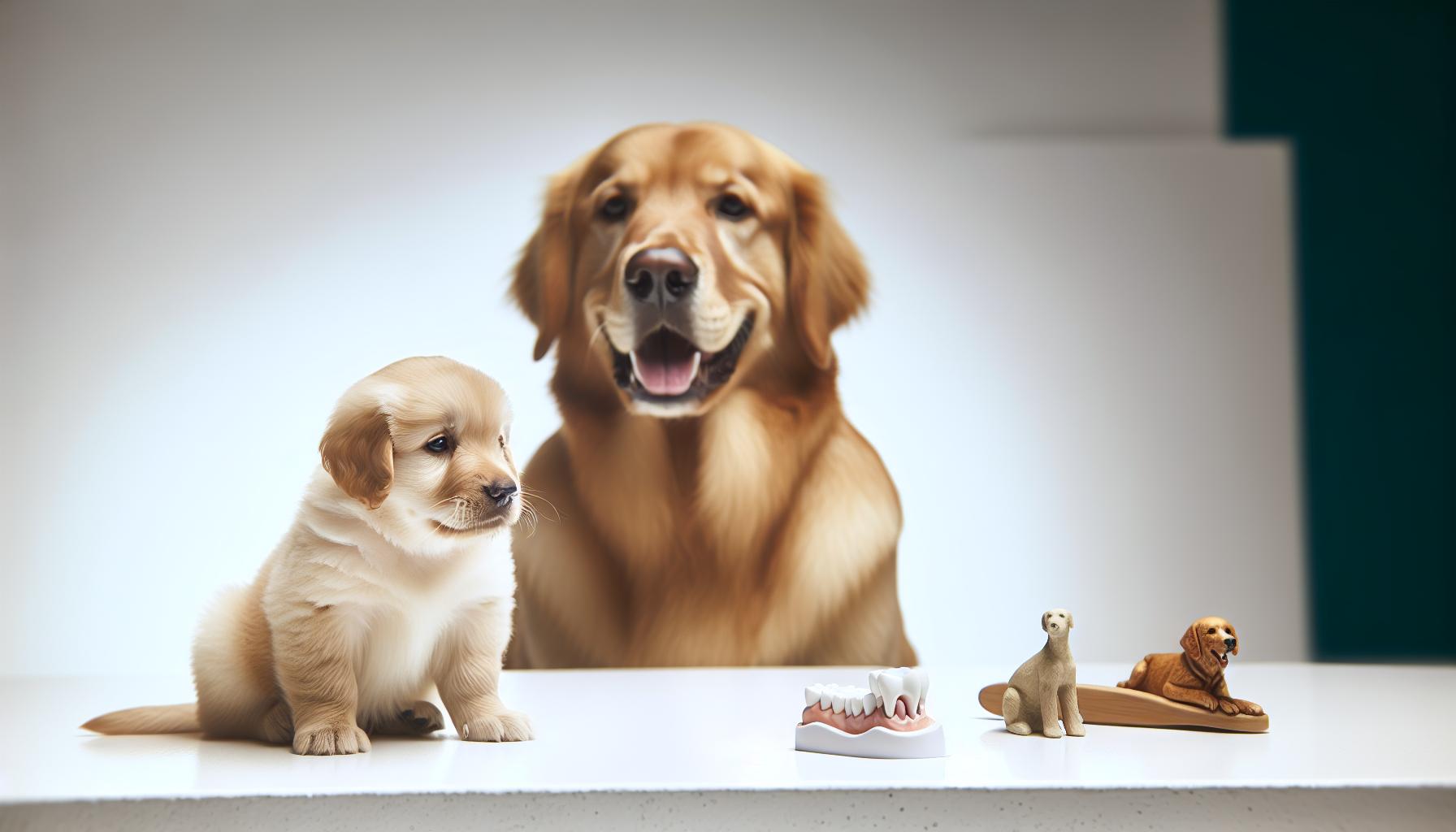
When your tiny Chihuahua is born, he has a complete set of puppy teeth hidden underneath his gums, ready to break through in the weeks following birth. Chihuahuas typically have 28 puppy teeth that start emerging around three weeks of age. These little pearly whites make their debut in a noticeable manner, and you may see your puppy exploring his surroundings with a cheerful attitude, testing out his new chompers by chewing anything he can find-be it toys or, occasionally, your furniture!
As he approaches six months, your Chihuahua will begin to lose those puppy teeth, making way for a permanent set consisting of 42 adult teeth. This transition usually occurs between four to six months of age and is often accompanied by some discomfort or teething phases where your little friend may seem a bit more irritable or prone to chewing-an entirely normal part of maturing. During this stage, it’s important to provide appropriate chew toys that not only help soothe his gums but also promote healthy adult teeth as they emerge.
As he transitions to adult teeth, you might notice that the shape and size of the teeth can vary. The adult teeth of a Chihuahua are generally larger and more robust compared to the delicate puppy teeth. This is vital for his health; proper alignment and cleanliness of adult teeth can help prevent future dental issues, especially considering Chihuahuas are predisposed to dental problems. Regular brushing and veterinary check-ups can go a long way in ensuring those adult teeth remain strong and healthy.
Be sure to keep a close eye on your Chihuahua during this transition, as some puppies may experience retained teeth, where some puppy teeth do not fall out as they should. This can lead to overcrowding and other dental complications. If you ever notice any issues or have concerns, don’t hesitate to consult your veterinarian. Enjoy this rewarding stage of your Chihuahua’s life, as each milestone-like losing a tooth or proudly displaying his growing adult teeth-can be a fun moment to cherish together!
Common Dental Issues in Chihuahuas and How to Spot Them
Dental health is a crucial aspect of your Chihuahua’s overall wellbeing, yet many owners are unaware of the common issues these tiny dogs face. Due to their small jaw structure and breed-specific characteristics, Chihuahuas are particularly vulnerable to a range of dental problems that can affect their quality of life. Understanding these issues and knowing how to spot them early can help you maintain your furry friend’s dental health longer.
One prevalent issue in Chihuahuas is periodontal disease, which results from the accumulation of plaque and tartar. This bacteria are not just harmful to the teeth, but can lead to more severe health problems, including heart or kidney disease if they enter the bloodstream. Typical signs of periodontal disease include bad breath (halitosis), swollen gums, and even bleeding during chewing. Regular brushing and dental check-ups are essential to prevent these problems from becoming serious.
Another concern is retained puppy teeth, which can occur when adult teeth start emerging while some puppy teeth remain in place. This can cause overcrowding and misalignment, leading to discomfort and difficulty in chewing. If you notice that your Chihuahua’s baby teeth seem to linger past the six-month mark, it’s advisable to consult your veterinarian. They may need to be removed to allow adult teeth to grow in properly.
Chihuahuas are also susceptible to tooth fractures due to their habit of chewing on hard objects and toys. If your Chihuahua suddenly displays reluctance to eat, favoring one side while chewing, or shows signs of pain (such as whimpering or excessive drooling), a broken tooth might be the culprit. Regularly inspecting your dog’s mouth can help you identify any broken or worn-down teeth early on, allowing for timely veterinary intervention.
Finally, look out for signs of oral tumors, which, although less common, can occur in older Chihuahuas. Symptoms may include swelling around the gums or mouth, difficulty eating, or unusual behavior. Regular veterinary dental checks can help spot these issues early, ensuring the best outcome for your loyal companion.
By staying proactive about your Chihuahua’s dental health and being vigilant about changes in their mouth, you can significantly reduce the risk of painful and expensive dental problems down the road. Remember, healthy teeth lead to a happy, playful, and loyal companion!
Essential Dental Care Tips for Your Chihuahua
Taking care of your Chihuahua’s teeth may seem daunting, but implementing a few simple practices can lead to a lifetime of healthy smiles for your furry friend. Chihuahuas typically have 28 puppy teeth and 42 adult teeth, meaning dental care is essential, especially since this breed is prone to dental issues. Establishing a regular oral hygiene routine can help prevent serious problems later in life.
Daily Brushing
One of the best ways to maintain dental health is through daily brushing. Use a dog-friendly toothpaste (never human toothpaste) and a toothbrush designed for small dogs. Start by allowing your Chihuahua to taste the toothpaste so they associate it with something positive. Gradually introduce the toothbrush, starting with short sessions focusing on a few teeth at a time. Over time, aim for a thorough brushing of all teeth, especially the back molars where plaque tends to accumulate.
Dental Chews and Toys
Incorporate dental chews into your Chihuahua’s routine. Products specifically designed to promote dental health can help reduce plaque and tartar buildup while satisfying your little one’s natural urge to chew. You can also use softer chew toys that massage gums without damaging their petite teeth. For example, rubber or fabric toys designed for small breeds can serve dual purposes-entertainment and dental care. Observe how she plays; if she seems to be chewing harder than usual, it may be time to rotate in some gentler options.
Routine Veterinary Check-Ups
Regular vet visits are key. Many owners overlook dental problems until they become serious, but most veterinarians recommend annual dental check-ups. During these visits, the vet can perform professional cleanings and check for issues like gum disease or retained puppy teeth-a common concern in Chihuahuas. If your Chihuahua exhibits signs of discomfort, like reluctance to eat or excessive drooling, don’t hesitate to schedule an earlier appointment.
Watch Their Diet
Just like humans, what your Chihuahua eats affects their dental health. Opt for high-quality dog food that contains ingredients that promote oral health. Avoid sugary treats, which can contribute to tooth decay, and consider adding raw carrots or apples as special snacks-these crunchy fruits and vegetables can help naturally clean their teeth and freshen breath. However, make sure to avoid any foods that are toxic to dogs, such as grapes and onions.
Consistent care and attention to your Chihuahua’s dental needs can not only prevent painful conditions but will also ensure she can enjoy her favorite activities, from chewing that toy to eating her beloved treats. By making dental care a regular part of your routine, you’ll contribute to a happier, healthier life for your bold little companion.
Nutritional Impact on Your Chihuahua’s Teeth
Maintaining your Chihuahua’s dental health starts with understanding how nutrition plays a vital role. Did you know that a poorly balanced diet can exacerbate dental problems and even lead to tooth loss? Chihuahuas are particularly susceptible to dental issues, so providing them with the right foods is essential for keeping their pearly whites in top shape.
A diet rich in high-quality ingredients not only fuels your feisty little companion but also promotes better oral health. Look for dog foods that contain natural preservatives, vitamins, and minerals that support dental hygiene. Ingredients like chicken meal and fish oil can help reduce plaque build-up. Many quality dog foods also include natural fibers, which help scrub your Chihuahua’s teeth as they chew. This can be particularly beneficial because, unlike larger breeds, Chihuahuas have smaller mouths and teeth, making them more prone to overcrowding and dental complications.
Incorporating fresh, crunchy vegetables and fruits into their diet can also work wonders. Consider offering raw carrots or apple slices as treats. These not only serve as a healthy snack but also help mechanically clean your pup’s teeth and freshen their breath. Just be cautious with portion sizes and always avoid toxic foods like grapes and onions, which can harm your Chihuahua.
Additionally, reducing sugars in your Chihuahua’s diet is crucial. Sugary treats can pave the way for dental decay and gum disease. Instead, look for dental-specific chews that are designed to support oral health. These chews can help prevent plaque and tartar build-up while satisfying your Chihuahua’s natural chewing instincts. Just as importantly, always provide fresh water to help wash away food particles that could stick to their tiny teeth.
In summary, a well-balanced diet is not just about weight control but is fundamental in safeguarding your Chihuahua’s dental health. By choosing high-quality foods and incorporating dental-friendly snacks, you set the foundation for a lifetime of bright smiles and happy barks. Your loyal companion deserves the best, and so does their dental hygiene!
The Role of Chew Toys in Dental Health
Chew toys play an essential role in maintaining your Chihuahua’s dental health. Given their small size and unique dental structure, these little warriors-often full of spunk and personality-benefit immensely from the right chew toys that cater specifically to their needs. Chewing helps remove plaque and tartar, keeping those tiny teeth cleaner and maintaining healthy gums. Chew toys can also satisfy your Chihuahua’s natural urge to chew, providing them with mental stimulation while promoting a healthy mouth.
When selecting chew toys for your Chihuahua, consider the following characteristics:
- Size and Softness: Ensure the chew toys are appropriately sized for your Chihuahua’s small jaws. They should be soft enough to prevent potential damage to their delicate teeth, yet sturdy enough to withstand enthusiastic chewing.
- Material: Look for toys made from durable, non-toxic materials. Rubber and nylon are often good choices, while fabric toys should have reinforced stitching to prevent tearing.
- Texture: Textured chew toys can help with plaque removal, as the grooves and bumps work to scrub their teeth while they chew.
Incorporating chew toys into your Chihuahua’s daily routine is simple. Try offering a new toy regularly to keep things interesting, which not only prevents boredom but also encourages prolonged chewing sessions. For instance, many owners find that interactive toys-those that dispense treats-are not only fun but also motivate their Chihuahuas to chew longer.
Furthermore, be attentive to how your pup interacts with their toys. If you notice signs of excessive wear or pieces breaking off, it might be time to replace the toy to avoid any choking hazards. Regularly supervising your Chihuahua during play is vital to ensure their safety as they enjoy their new dental health tools.
In summary, choosing the right chew toys can greatly benefit your Chihuahua’s oral health while satisfying their natural instincts to chew. This simple yet effective addition to their routine can lead to healthier teeth, fresher breath, and happier playtime-a win-win for both you and your beloved companion.
Professional Dental Cleanings: Are They Necessary?
Regular dental care is crucial for Chihuahuas, who are prone to dental issues due to their small mouths and crowded teeth. Professional dental cleanings can play an important role in maintaining your dog’s oral health. Unlike humans, dogs can’t brush their own teeth, and they don’t always benefit from at-home care alone. Bacteria and tartar can build up quickly, leading to periodontal disease, which can affect not just the teeth but their overall health as well.
Many Chihuahua owners find that professional cleanings help prevent serious dental issues that might develop over time. A vet will clean not only the visible parts of your Chihuahua’s teeth but also below the gum line where tartar can accumulate unnoticed. This thorough cleaning can help prevent painful infections and lost teeth, keeping your pup happy and healthy. It’s often recommended to schedule professional cleanings at least once a year, or more frequently if your vet advises based on your dog’s specific dental health needs.
It’s natural to worry about the anesthesia used during a professional cleaning, especially for a small breed like a Chihuahua. However, many veterinarians perform pre-anesthetic evaluations to ensure your pet is a good candidate for the procedure. Discuss your concerns with your vet and ask about their protocols to make sure your Chihuahua is safe and comfortable throughout the process.
In addition to professional cleanings, reinforcing your Chihuahua’s at-home oral hygiene routine is essential. Regular brushing, dental treats, and chew toys can help maintain the health of those tiny teeth. The bond between you and your Chihuahua can grow even stronger through these shared experiences, as you work together to keep her mouth clean and healthy. Ultimately, investing in your dog’s dental health is an investment in her happiness and longevity.
Signs Your Chihuahua Might Need Dental Attention
Recognizing when your Chihuahua might need dental attention is critical for ensuring her overall health and comfort. Given their penchant for dental problems, even minor signs should not be overlooked. If you notice your pup avoiding her favorite crunchy treats or favoring soft food, it’s a clear signal that her teeth might be bothering her. Chihuahuas typically have 22 teeth as puppies and 42 as adults, but crowded mouths can lead to rapid plaque buildup and cavities.
Look Out for These Signs:
- Bad Breath: If your Chihuahua has persistently foul breath, despite regular dental care, it could indicate an underlying issue like periodontal disease.
- Swollen Gums: Red or swollen gums are a sign of gingivitis, which could escalate if not treated.
- Excessive Drooling: While some drooling is normal, increased saliva could indicate pain or discomfort.
- Difficulty Eating: Watch for signs of pain while chewing or reluctance to eat that may suggest dental distress.
- Loose or Missing Teeth: If you notice any loose teeth or your Chihuahua losing teeth at an unusual rate, this is a major red flag.
- Behavior Changes: Chihuahuas are known for their vocal personalities; if she seems more withdrawn or irritable, it could be due to dental pain.
When you notice any of these signs, it’s time for a trip to the vet. Regular check-ups can help catch issues early, especially for small breeds like Chihuahuas that are prone to dental problems. Just as you would for yourself, maintaining your dog’s dental health is foundational to her overall well-being. As a passionate Chihuahua owner, you’ll find that staying attentive to these signs can contribute immensely to her quality of life. Remember, a healthy mouth means a happier pup!
How to Brush Your Chihuahua’s Teeth Effectively
Brushing your Chihuahua’s teeth may not be the most thrilling task, but maintaining her dental health is essential to her overall well-being. With Chihuahuas being prone to dental issues like periodontal disease due to their small mouths and crowded teeth, regular brushing can make a significant difference. Many owners express concerns about how to get their little ones to cooperate, but with the right approach, this can become a bonding experience rather than a chore.
Begin by choosing the right tools. A small, soft-bristled toothbrush designed for dogs is ideal. Some owners prefer finger brushes, which offer more control and a gentler touch. It’s crucial to use toothpaste made specifically for dogs, as human toothpaste can be harmful to them. Introduce your Chihuahua to the toothbrush slowly. Let her sniff it and lick the toothpaste to create positive associations. Once she’s comfortable, try brushing at a time when she’s relaxed, such as after a play session or a short walk.
When you start brushing, hold her head gently but firmly. Start by brushing the outer surfaces of her teeth, as being too invasive initially may lead to her feeling uncomfortable. Focus on a few teeth at a time and use a circular motion to help remove plaque. Remember, Chihuahuas have a unique set of teeth-42 adult teeth compacted in that tiny mouth, making it essential to pay special attention to the back teeth, where tartar tends to build up more rapidly.
Consider making it a fun routine! Some owners find that rewarding their pup with praise or a small treat after each session encourages cooperation. You might also incorporate flavored dental chews into her routine, which can help reduce plaque in between brushings. Just remember, the goal here is to create a positive experience, so take your time and be patient. With consistent practice, brushing will become second nature, and you’ll greatly improve her dental health, ensuring that your lively companion stays happy and healthy for years to come.
Understanding Chihuahua Teeth: Size and Arrangement
Chihuahuas are remarkable little dogs, not just for their big personalities but also for their unique dental structure. With a total of 42 adult teeth, these tiny canines face unique challenges regarding dental health due to the compact arrangement of their teeth in a small mouth. Understanding the size and arrangement of your Chihuahua’s teeth is essential in providing effective care and ensuring their overall well-being.
The dental formula for Chihuahuas is similar to that of other dog breeds, with incisors, canines, premolars, and molars. However, the real difference lies in how tightly packed these teeth are, which makes them more susceptible to overcrowding issues. In Chihuahuas, the jaw structure can lead to overlaps, creating spaces where food particles can get trapped, ultimately leading to plaque buildup and dental disease if not addressed.
It’s also crucial to recognize the differences between adult and puppy teeth. Chihuahua puppies generally have 28 baby teeth that start to emerge around three weeks of age. These teeth will eventually be replaced by their adult set by around six months. The transition phase can be a little chaotic for your puppy, who may experience some discomfort as their teeth begin to loosen. Providing appropriate chew toys during this time can help soothe gums and promote healthy dental development.
Chihuahuas’ teeth require special attention due to their size and arrangement. Regular brushing and dental check-ups are vital to keep their teeth clean and healthy. Owners should be proactive about dental care, as neglect can lead to serious health issues beyond the mouth. Use tools designed for small dogs, and make dental hygiene a fun and engaging routine. Always remember to be gentle and patient; your Chihuahua will appreciate your efforts in keeping their mouth healthy!
Comparing Chihuahua Dental Health to Other Breeds
Chihuahuas, with their tiny mouths and larger-than-life personalities, face unique dental health challenges compared to other breeds. While most dogs have a dental formula that includes 42 adult teeth, the compact size of a Chihuahua’s mouth can lead to overcrowding and misalignment issues. This petite breed’s teeth often sit closely together, making them more prone to plaque accumulation and dental problems. For example, while a Golden Retriever might have the same number of teeth, he enjoys a more spacious jaw that allows for better airflow and less trapping of food particles.
Dental Health Comparisons
When contrasting Chihuahua dental health with other small breeds, it’s evident that size isn’t the only factor at play. Breeds like the Dachshund or Pomeranian may also have similar-sized mouths but can experience different dental health outcomes due to their unique jaw structures and differing tendencies toward dental issues. For instance, a Chihuahua’s dental compactness can lead to conditions like periodontal disease much earlier than in many larger breeds, which often have fewer crowding problems.
Understanding these distinctions is vital. Owners of Chihuahuas need to be especially diligent with routine dental care. Unlike larger breeds where dental diseases might develop slower due to better spacing, Chihuahuas can suffer from more rapid deterioration of dental health. As one proud Chihuahua owner noted, “I didn’t realize how important regular dental cleanings were until I saw my little guy struggling with plaque and tartar buildup by just age three.”
Proactive Care and Prevention
Maintaining your Chihuahua’s dental health requires proactive measures. For instance:
- Regular Brushing: This should be part of your daily routine, using a toothbrush and toothpaste designed for dogs.
- Healthy Chewing: Offer dental chews specifically made for small breeds, which can help keep their teeth clean.
- Professional Vet Check-ups: Schedule dental check-ups at least once a year, or more frequently if needed.
In summary, while Chihuahuas share a similar dental count with many breeds, their dental health often requires more vigilant care due to their unique structural challenges. With consistent attention and care, you can help ensure your Chihuahua maintains a healthy, happy smile throughout her life. Celebrating their quirks and personalities alongside their needs makes the journey even more rewarding!
Q&A
Q: How many baby teeth do Chihuahuas have before they get adult teeth?
A: Chihuahuas have 28 baby teeth that typically start to emerge around three weeks of age. These puppy teeth begin to fall out at about four months, making way for the 42 adult teeth they will have by six months. Understanding this transition is crucial for managing dental care effectively.
Q: What dental problems are common in Chihuahuas?
A: Chihuahuas are prone to dental issues such as periodontal disease and overcrowding, due to their small jaw size. Regular dental check-ups are essential to catch these problems early. Keep an eye on their gums and teeth to ensure they stay healthy.
Q: How often should I brush my Chihuahua’s teeth?
A: Aim to brush your Chihuahua’s teeth at least two to three times a week. Daily brushing is even better to prevent tartar buildup and gum disease. Use dog-specific toothpaste and a soft-bristled toothbrush for the best results.
Q: Are dental treats effective for Chihuahuas?
A: Yes, dental treats can be effective in maintaining your Chihuahua’s dental health. They help reduce plaque and freshen breath. However, ensure these treats are specifically designed for dental care and are appropriate for your dog’s size.
Q: When do Chihuahuas lose their baby teeth?
A: Chihuahuas typically start losing their baby teeth at around four months of age, completing the process by six months. During this transition, you may notice them chewing more as they seek relief from discomfort.
Q: Why is dental health important for Chihuahuas?
A: Dental health is vital for Chihuahuas to prevent oral diseases that can lead to pain and infection. Poor dental hygiene can also lead to more severe health issues affecting the heart and kidneys, making routine care crucial.
Q: Can I use human toothpaste for my Chihuahua?
A: No, you should never use human toothpaste for your Chihuahua, as it contains ingredients that can be harmful to dogs. Always use dog-specific toothpaste, which is safe for them to swallow and often comes in appealing flavors.
Q: How can I tell if my Chihuahua has dental pain?
A: Signs of dental pain in Chihuahuas include excessive drooling, pawing at the mouth, bad breath, and reluctance to eat. If you notice any of these symptoms, consult your veterinarian for a thorough dental examination.
The Way Forward
As a proud Chihuahua owner, understanding your furry friend’s dental health is vital for their overall well-being. Remember, Chihuahuas typically have 42 teeth, and keeping that tiny mouth healthy is key to avoiding potential problems later on. For tips on enhancing your pup’s dental hygiene or the best dental treats, check out our article on maintaining your Chihuahua’s oral health. Don’t overlook the unique quirks of your little companion-celebrate their boldness and loyalty with the right care and regular check-ups.
We love hearing from fellow Chihuahua enthusiasts, so share your experiences or questions in the comments below! If you’re curious about more breed-related topics, visit our guides on Chihuahua behavior and training. Join our newsletter for expert tips and resources that will enrich your life with your Chihuahua. Your devoted companion deserves it, and together, we can ensure they lead a happy, healthy life!
Get our latest guides, news, and insights highlighted in your Google Search & AI Overviews.