

Did you know that snoring isn’t just a human issue? Many Chihuahua owners have encountered the adorable quirk of their tiny companions snoring during a peaceful snooze. While it may seem amusing, snoring can sometimes be a sign of underlying sleep breathing issues, which warrants our attention. Understanding why Chihuahuas snore is essential for their health and well-being. As a devoted Chihuahua enthusiast, I know how deeply we care for our vibrant little friends. By exploring common causes-like their unique skull structure and possible obesity-we can ensure they live comfortably and healthily. Join me as we delve into the fascinating reasons behind this behavior, offering insights and actionable advice to help you support your beloved Chihuahua’s sleep and overall health. Let’s keep those little snores a cherished part of your home while ensuring they don’t signal something more serious.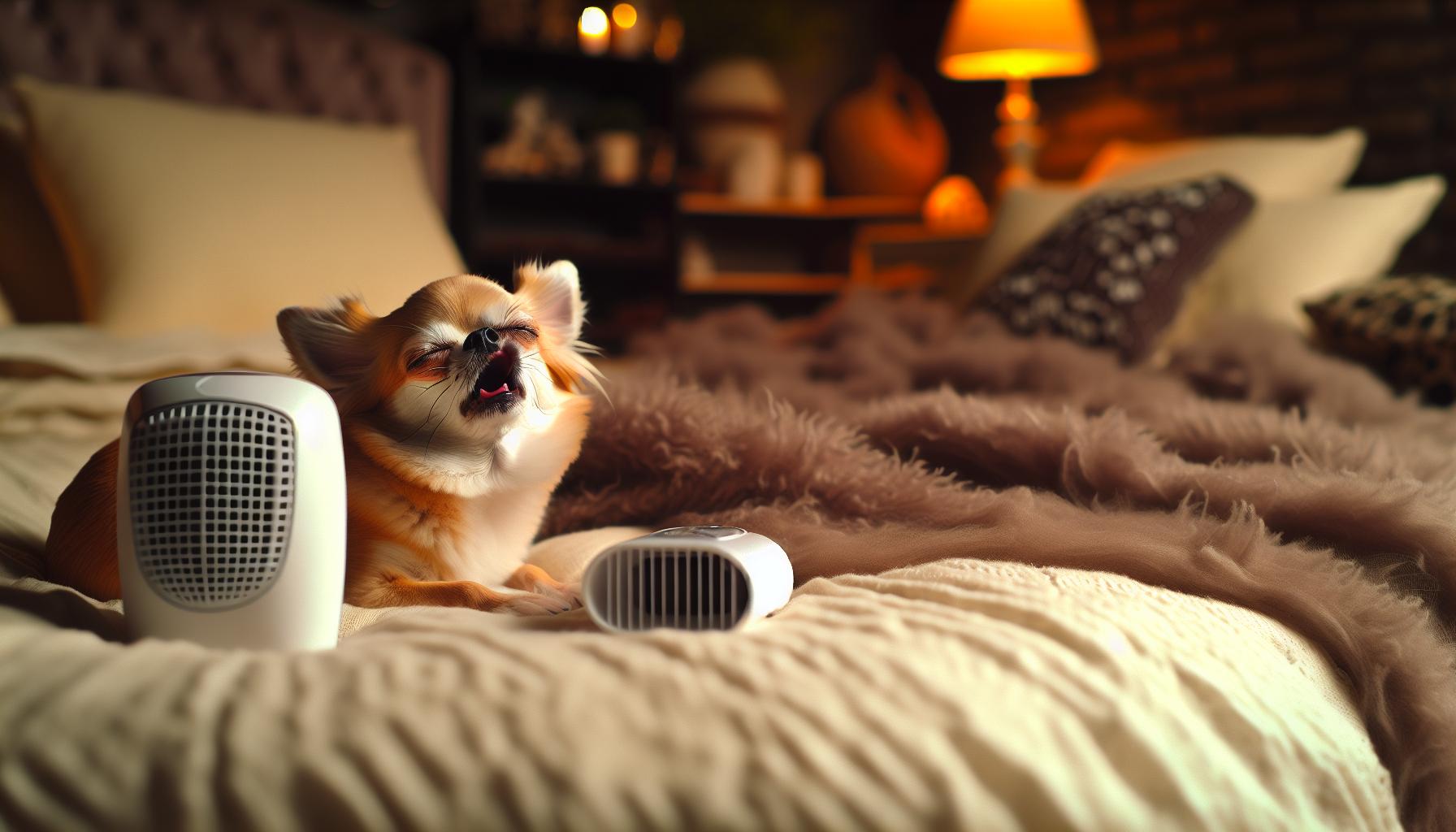
Common Reasons Chihuahuas Snore at Night
Did you know that snoring is surprisingly common among Chihuahuas? These tiny companions often showcase quirky behaviors and vocalizations, and snoring is just one of their many charming traits. But why exactly do these adorable pups snore at night?
Chihuahuas, especially those with shorter muzzles, can be prone to snoring due to their physical anatomy. Their compact skull structure means that their airways can be narrower than in other breeds, leading to vibrations that produce the snoring sound. Moreover, as your Chihuahua sleeps, their muscles relax, which can further affect airflow. This is particularly true for apple-head Chihuahuas, whose distinct head shape can influence breathing patterns.
Another significant factor contributing to snoring is body weight. Overweight Chihuahuas may have excess fat around their necks, which can press on their airways during sleep, resulting in louder snores. Ensuring your Chihuahua maintains a healthy weight can help mitigate this issue. Additionally, allergies or respiratory infections can also lead to snoring, as they may cause congestion and make it harder for them to breathe comfortably.
To support your furry friend’s restful sleep, it’s beneficial to monitor their sleeping environment. Make sure they have a cozy, unobstructed place to sleep, free from allergens like dust or pollen. A humidifier can also help alleviate dryness in the air, potentially reducing snoring. Remember, every snore tells a story of your Chihuahua’s unique personality-embrace it while keeping an eye on their health!
Understanding Sleep Breathing Issues in Chihuahuas
Chihuahuas are known for their bold personalities and unmistakable charm, but their snores can sometimes sound more like a freight train than a tiny dog nestled in your lap. Understanding why these little companions snore requires a closer look at their unique anatomical and physiological structures. Unlike many larger breeds, Chihuahuas often have shorter muzzles, leading to a more compact skull shape that naturally constricts their airway. As a result, the passage of air can create vibrations that are audible during sleep, giving rise to that familiar snoring sound.
One of the most common contributors to sleep breathing issues in Chihuahuas is their body weight. Overweight Chihuahuas, particularly those with excess neck fat, may find that their airways become further compressed while they sleep, exacerbating their snoring. In fact, studies show that maintaining a healthy weight not only contributes to the general health of your furry friend but can also reduce the likelihood of noisy breathing at night. This makes it essential for owners to keep an eye on their pup’s diet and exercise levels.
Another critical factor affecting a Chihuahua’s ability to breathe comfortably during sleep is the potential presence of allergies or respiratory conditions. Allergies can lead to nasal congestion, making it difficult for them to inhale comfortably, which may result in snoring or even snorting sounds. As an owner, it’s vital to observe your Chihuahua for any signs of discomfort, such as restlessness or excessive panting while sleeping, indicating that there might be an underlying issue that requires attention.
To help your Chihuahua achieve peaceful, quiet slumber, consider creating a calm sleeping environment. Ensuring that their sleeping area is free from dust, pollen, or other allergens can make a significant difference. Additionally, keeping an eye on your Chihuahua’s weight and engaging in regular playtime can alleviate some breathing issues. With a little attention to these factors, you can help your beloved companion not only sleep soundly but also enjoy the energetic, lively days that every Chihuahua deserves!
The Anatomy of a Chihuahua’s Snoring
Chihuahuas, with their lively personalities and zest for life, can often sound like little engines chugging away as they snore during sleep. The unique anatomy of this delightful breed plays a significant role in their nighttime symphony. The typical Chihuahua has a shorter muzzle and a compact skull structure, characteristics that can naturally constrict their airway. This anatomical feature limits the airflow, creating the vibrations that result in that distinctive snoring noise we often hear.
Additionally, Chihuahuas can have various facial and body shapes, from apple-heads to deer-heads, which further influence their breathing patterns. An apple-headed Chihuahua tends to have a more rounded skull, potentially leading to increased airway constriction compared to their deer-headed counterparts, who have a longer muzzle. Each unique structure can change how comfortably air moves through their systems, contributing to sleep breathing issues.
Weight also plays a critical role; excess body fat, especially around the neck, can put additional pressure on the airway when your little friend is resting. When choosing what to feed your Chihuahua, it’s crucial to focus on maintaining a healthy weight to help mitigate these difficulties. Consider incorporating regular exercise into his routine to keep him fit and support his overall health.
In conclusion, understanding the anatomical quirks of Chihuahuas provides insight into their snoring habits. By paying attention to their physical structure and maintaining proper weight, you can help reduce snoring and promote better sleep quality for your cherished companion.
Identifying Signs of Breathing Problems
Chihuahuas are known for their bold personalities and charming quirks, but their snoring can sometimes raise concerns for their owners. is essential for keeping your little companion healthy and happy. While snoring is common among Chihuahuas, especially those with shorter muzzles, it’s important to know when those adorable nighttime sounds might indicate something more serious.
One of the first signs to watch for is a change in your Chihuahua’s snoring pattern. If the snoring suddenly becomes louder or more frequent, this could suggest that there’s an obstruction or restriction in the airway. Additionally, if your pup starts to exhibit labored breathing, such as wheezing or gasping for air, it’s crucial to take notice. These symptoms may indicate a more severe respiratory issue that deserves prompt attention.
Other warning signs include coughing, lethargy, or a decreased appetite. For instance, Carlotta, a spunky apple-head Chihuahua, used to enjoy her playtime but suddenly became less active and started coughing after their afternoon naps. Her owner discovered that her snoring was coupled with an unusual rapid breathing rate. A visit to the vet revealed mild bronchitis, which was treatable and allowed Carlotta to return to her playful self.
It’s also vital to monitor your Chihuahua during and after exercise. If he seems excessively tired or struggles to catch his breath, this may be a symptom of a deeper breathing issue. Pay attention to how your Chihuahua behaves in different situations, especially during physical activity or when he’s resting comfortably. If breathing problems persist, consulting a veterinarian will help you ensure your furry friend gets the care he needs to lead a vibrant and healthy life.
How Breed Traits Affect Breathing and Snoring
Chihuahuas are adored for their spunky personalities and loyalty, but their distinct physical traits can significantly influence their breathing patterns. As a breed, they often exhibit what is known as brachycephalic features, particularly in the case of apple-head Chihuahuas. This trait, characterized by a short snout and compact face, can lead to various respiratory challenges. When it comes to snoring, these anatomical variations play a crucial role.
The shortened airways of Chihuahuas can create resistance when they breathe, especially during the relaxed state of sleep. The soft tissues in and around their throats are often more prone to collapse, which can lead to snoring sounds. In addition, their thin necks and delicate tracheas can contribute to a narrow airway, making it more likely for them to experience obstructed breathing. It’s a common concern among Chihuahua owners, and understanding these traits can help you manage and monitor your pet’s health, especially if you notice changes in their snoring habits.
Beyond the physical characteristics, other factors such as age and weight can further complicate breathing issues. Older Chihuahuas may develop additional health problems that exacerbate snoring, while those that are overweight may find it harder to breathe due to excess weight compressing the chest and abdomen. For example, Bella, a once-active Chihuahua with a penchant for treats, started to snore more loudly as she packed on a few extra pounds. With some dietary adjustments and increased activity, her owner helped her slim down, which improved her breathing drastically.
To foster healthy breathing in your Chihuahua, it’s essential to recognize the impact of their breed traits. Regular vet check-ups can help catch potential issues early. Ensuring that your Chihuahua maintains a healthy weight through proper diet and exercise is equally important. By being proactive about these breed-specific challenges, you can help ensure your petite companion lives a long, happy, and snore-free life.
Tips for Reducing Snoring in Chihuahuas
Chihuahuas often steal our hearts with their vibrant personalities but can sometimes snore as loudly as they bark! Fortunately, there are several effective strategies to help your little companion breathe easier at night. By making a few adjustments to their environment and routine, you can minimize their snoring and enhance their overall comfort.
Ensuring a restful sleeping position is crucial. Chihuahuas, especially those with brachycephalic features, may benefit from slightly elevating their heads while they sleep. Consider using a bed with a contoured shape or placing a small pillow beneath their head. This simple change can make a significant difference in how air flows through their airways.
Maintaining a healthy weight is another important factor in reducing snoring. Chihuahuas are prone to obesity, which can exacerbate breathing difficulties. Monitor your Chihuahua’s diet closely, providing high-quality food in appropriate portions and minimizing table scraps. Regular exercise is also essential; make daily walks or playtime a fun part of both your routines! For instance, a Chihuahua named Coco transformed from a snorer into a sound sleeper after her owner committed to daily walks and a healthier diet.
Lastly, keep an eye on allergens or irritants in your home environment. Dust, smoke, and strong odors can trigger snoring by irritating your dog’s airways. Regular cleaning, using air purifiers, and avoiding smoking indoors can lessen these triggers. Some owners have found that using gentle, hypoallergenic products for cleaning and grooming helps reduce their Chihuahuas’ snoring significantly.
By implementing these tips-adjusting sleep positions, keeping an eye on weight, and ensuring a clean home-you can foster better breathing for your snoring Chihuahua. Your furry friend will thank you with more peaceful nights and, of course, plenty of happy barks during the day!
When to Consult a Veterinarian About Snoring
If your Chihuahua is snoring like a tiny freight train, it can be both amusing and concerning. Snoring isn’t unusual for our little companions, especially given their unique facial structures and sometimes flat snouts. However, as their devoted caregiver, knowing when to consult a veterinarian is vital to ensure your pup’s health and comfort.
First and foremost, if your Chihuahua’s snoring suddenly becomes louder or more frequent, it’s worth a trip to the vet. Changes in snoring patterns can indicate underlying issues, such as allergies, sinus infections, or more serious conditions like brachycephalic obstructive airway syndrome (BOAS). This is particularly relevant for apple-headed Chihuahuas, who may have more pronounced breathing problems due to their shape.
You should also take note of any accompanying symptoms. If your snoring pup exhibits signs such as coughing, wheezing, labored breathing, lethargy, or a decreased appetite, it’s time to reach out to your veterinarian. These signs can point to respiratory conditions that may require immediate intervention. For instance, a Chihuahua named Bella started snoring increasingly loudly and began coughing intermittently. After a vet visit, her owners discovered she had a mild respiratory infection that was easily treated.
Lastly, if your Chihuahua seems to be struggling for breath or has episodes where he stops breathing during sleep, do not hesitate to seek professional help. These episodes could signal serious health issues that need prompt attention. Your veterinarian can conduct an examination, recommend further tests, and guide you in creating a management plan tailored to your furry friend’s needs. Remember, early intervention often leads to better health outcomes, helping your Chihuahua enjoy peaceful sleep and an active day by your side.
Home Remedies for Your Snoring Chihuahua
If your Chihuahua’s nighttime symphony of snores keeps you up, don’t worry-there are several home remedies you can try to help reduce those noisy episodes. Chihuahuas, especially those with flat faces, may be prone to snoring due to their unique anatomy and small airways. From simple changes in their environment to dietary adjustments, these tips can create a peaceful sleeping space for both you and your pup.
One effective strategy is to ensure your Chihuahua has a comfortable sleeping position. Sometimes rearranging her bedding can make a big difference. Elevating her head with a small pillow designed for pets can help open up her airways. If she enjoys sleeping in a cozy nook, consider a pet bed that allows her to nest in properly while ensuring her head is elevated slightly.
Another key factor is weight management. Extra weight can exacerbate breathing issues, leading to more intense snoring. Regular exercise and a balanced diet are crucial for keeping your Chihuahua in shape. Measure her food portions carefully and consult your vet for specific dietary recommendations tailored to her size and activity level. You might notice significant changes in her snoring patterns once she sheds a few pounds.
Additionally, humidity levels in your home can greatly affect your Chihuahua’s breathing. A humidifier in her sleeping area can help keep her airways moist, reducing snoring caused by dry air. This is particularly helpful during the colder months when indoor heating can dry out the air. Make sure she has access to fresh, clean water at all times to keep her hydrated.
It’s also important to keep her sleeping environment free from allergens. Regularly clean her bedding and vacuum the areas where she sleeps to minimize dust and dander. If possible, avoid strong fragrances around her, like air fresheners or scented candles, as these can irritate her respiratory system.
By implementing these home remedies, you’re not only improving her quality of sleep but also showing how much you care about her well-being. Each little adjustment adds up to a more peaceful nighttime routine, which means more restful nights for both you and your adorable companion.
The Role of Weight in Breathing Issues
Extra weight can significantly impact a Chihuahua’s ability to breathe comfortably, often exacerbating snoring during sleep. This small breed is particularly sensitive to weight gain due to their compact structure and unique respiratory traits. Chihuahuas are prone to certain physical characteristics, such as a narrowed trachea and a smaller airway, which can become easily obstructed. When weight accumulates around their throats, it can compress these airways, making snoring more likely and potentially leading to more serious breathing issues.
Managing your Chihuahua’s weight through a combination of diet and exercise is crucial. Start by ensuring that you provide a balanced diet. This means selecting high-quality dog food that aligns with her specific health needs, including her age, size, and activity levels. Portion control is essential; consider measuring her food accurately to avoid overfeeding. Aim for a feeding schedule that establishes routine while preventing those adorable puppy-dog eyes from convincing you to give extra treats.
Alongside diet, regular exercise plays an equally important role. Chihuahuas are energetic little dogs who thrive on daily physical activity. Activities can range from short walks around the neighborhood to engaging play sessions in a safe area. Some owners enjoy incorporating agility training or puzzle toys to stimulate both the body and mind, keeping their fur babies fit and healthy.
Don’t underestimate the impact of your Chihuahua’s weight on her overall health. Many owners report noticeable improvements in their dog’s snoring patterns and energy levels once they initiate a healthier lifestyle. For example, Kelly, a dedicated Chihuahua owner, found that after reducing her dog Bella’s weight by just a pound, Bella snored significantly less and also showed increased enthusiasm during walks.
In summary, understanding the role weight plays in breathing issues is key for any Chihuahua owner. By keeping them lean and fit, you contribute not only to their sleep quality but also to their overall well-being, ensuring they remain the bright and lively companions you adore.
Chihuahua Sleep Patterns: What Owners Should Know
Chihuahuas are known for their bold personalities, but their sleep habits can be just as intriguing. Did you know that Chihuahuas spend nearly half of their day sleeping? This is perfectly normal for the breed, given their small size and high energy levels. Understanding your Chihuahua’s sleep patterns is crucial not just for their health but also for managing any potential snoring issues that may arise.
Chihuahuas typically move through several stages of sleep, including light and deep sleep, with periods of REM sleep when they might dream. During the light sleep phase, they can be easily disturbed, which may lead to snoring if their breathing is interrupted. Additionally, the compact nature of their bodies-especially for apple-head Chihuahuas-can predispose them to different breathing patterns. Owners often notice fluctuations in their snoring; some nights can be relatively quiet, while others might involve some more pronounced sounds. This variability is often influenced by their positioning, weight, and overall health.
To foster healthy sleep for your Chihuahua, consider creating a cozy and secure sleeping environment. A dedicated bed that’s the right size can help them feel safe and promote restful sleep. Many owners find that their Chihuahuas prefer a warm spot-perhaps near a heater or snuggled up under a blanket. Monitor their sleeping positions; if they often sleep on their back, they might be more prone to snoring. Adjusting their position during sleep can sometimes reduce the intensity of snoring.
It’s also important to recognize that sleep disturbances in Chihuahuas can be a sign of underlying health issues. If you notice excessive or sudden changes in their sleeping habits or breathing, it may be worth consulting your veterinarian. Keeping a close eye on their overall behavior-like changes in energy levels or appetite-can provide valuable insights into their health.
Ensuring your Chihuahua has a calming bedtime routine and maintaining a balanced diet can go a long way in promoting better sleep. Just like humans, a well-rested Chihuahua is happier and healthier, allowing them to enjoy their vibrant, playful lives. Celebrate their quirks and charm by being attentive to their needs, and you’ll both benefit from the sweet bond that develops during those peaceful, sleepy moments together.
Preventive Care for Healthy Breathing in Chihuahuas
To keep your Chihuahua’s breathing healthy, it’s essential to establish a preventive care routine that addresses their unique needs. Chihuahuas, especially the apple-head variety, can be prone to breathing issues due to their facial structure, so understanding how to support their respiratory health is crucial. Regular veterinary check-ups are the first step. During these visits, your vet can monitor your dog’s overall health, recommend vaccinations, and check for any signs of respiratory distress or other health concerns.
Maintaining a healthy weight is another critical aspect of preventive care. Excess weight can exacerbate snoring and increase the risk of more significant breathing problems. An active lifestyle complemented by a balanced diet tailored to your Chihuahua’s needs helps keep her in shape. For many owners, interactive play sessions and short, engaging walks are a perfect way to bond with their dog while promoting physical fitness.
Creating a healthy living environment also plays a vital role. Chihuahuas are sensitive to extreme temperatures, so providing a comfortable, climate-controlled space is essential. Avoid exposure to cigarette smoke or other pollutants, as these can irritate her delicate respiratory system. Additionally, using a humidifier during dry seasons can help alleviate nasal congestion, making it easier for her to breathe comfortably at night.
Don’t underestimate the power of routine. Establishing a calming bedtime regimen can contribute to better sleep quality and, subsequently, healthier breathing patterns. Whether it’s a short cuddle session, a gentle massage, or a consistent bedtime, these rituals can help soothe her before sleep. Moreover, offering a dedicated sleeping area that feels secure and warm will encourage her to settle down and stay relaxed throughout the night.
By keeping a close eye on your Chihuahua’s health, engaging her in regular physical activity, and ensuring her environment is tailored to support her needs, you can foster a lifestyle that encourages healthy breathing and reduces the likelihood of snoring. Always remember, small changes can make a big difference in the well-being of your tiny, loyal companion.
Real Owner Experiences: Managing Snoring Issues
The adorable quirks of Chihuahuas often include their unique sleeping habits, and for many owners, this means sharing space with a snorer. Chihuahuas, particularly the apple-head variety known for their compact skull shapes, can snore for a range of reasons, and understanding how to manage this issue can enhance both your and your furry friend’s sleep experience.
Many owners have found that making simple adjustments can significantly reduce their Chihuahua’s snoring. For instance, regular weight management is essential. A Chihuahua named Bella, who once struggled with snoring, thrived after her owner introduced a balanced diet along with more playtime. They noticed that as Bella shed a few extra pounds, her snoring diminished considerably. Keeping your Chihuahua active and limiting treats can lead to a healthier, happier pooch.
Another effective strategy is optimizing their sleeping environment. A common technique shared among Chihuahua owners is to create a cozy, elevated sleeping area. For example, one owner, Mike, crafted a snug bed specifically for his Chihuahua, Luna, that promotes a more comfortable position for her to rest. By raising her bed slightly and surrounding it with soft blankets, he noticed a dramatic decrease in her snoring. This simple change ensured that Luna remained comfortable and supported throughout the night, minimizing nasal constriction that often leads to those distinctive snores.
Utilizing tools like humidifiers has also proven beneficial. Olivia, who owns a long-haired Chihuahua named Max, began using a humidifier in her home during the dry winter months. She found that the added moisture in the air helped clear Max’s nasal passages, resulting in less snoring. Alongside these measures, regular veterinary check-ups remain crucial. Observing changes in snoring patterns can sometimes indicate underlying health issues, so staying proactive with vet visits provides peace of mind for every devoted owner.
By sharing these experiences and insights, it’s clear that while Chihuahuas may have their idiosyncratic traits, there are effective strategies for managing snoring that can lead to a more peaceful night for both you and your tiny companion. Whether it’s through weight management, improving sleeping conditions, or using helpful tools like humidifiers, fostering a nurturing environment for your Chihuahua can make all the difference.
FAQ
Q: Why does my Chihuahua snore loudly while sleeping?
A: A loud snore in Chihuahuas is often due to their flat face, which can lead to narrowed airways. This breed is predisposed to respiratory issues. Ensuring a comfortable sleeping position and maintaining a healthy weight can help reduce the noise. For persistent snoring, consult your vet to rule out more serious conditions.
Q: What can I do to help my Chihuahua’s snoring at night?
A: To reduce your Chihuahua’s snoring, ensure they sleep on their side or in a comfortable position. Maintaining a healthy weight, keeping their sleeping area free of allergens, and regular veterinary check-ups can also contribute to less snoring. Explore home remedies in our article for additional tips.
Q: Is snoring a sign of a serious health issue in Chihuahuas?
A: While snoring can be normal, it might indicate underlying health issues such as nasal blockages or respiratory conditions. If you notice changes in your Chihuahua’s breathing patterns or if they display distress, it’s important to consult a veterinarian for a thorough evaluation.
Q: Can allergies cause my Chihuahua to snore?
A: Yes, allergies can contribute to snoring by causing nasal congestion in Chihuahuas. Dust, pollen, or food allergies may lead to inflamed airways, making snoring more likely. Identifying and minimizing exposure to allergens can help alleviate this problem. Check our section on identifying signs of breathing problems for more details.
Q: Do certain sleeping positions affect Chihuahua snoring?
A: Absolutely! Chihuahuas tend to snore more when lying on their backs due to gravity affecting their airway. Encouraging them to sleep on their sides can help improve airflow and reduce snoring. For tips on encouraging better sleep habits, refer to our guidelines on Chihuahua sleep patterns.
Q: When should I worry about my Chihuahua’s snoring?
A: Pay attention if your Chihuahua’s snoring is accompanied by coughing, difficulty breathing, or lethargy. These could signal serious health concerns. Regular vet check-ups can help monitor your dog’s respiratory health. For more information, see our section on when to consult a veterinarian.
Q: Are there specific breeds that snore more than others?
A: Yes, Chihuahuas, along with other brachycephalic breeds, are more prone to snoring due to their short snouts. Understanding your breed’s unique characteristics is crucial. Refer to our article on how breed traits affect breathing and snoring for a deeper insight into this issue.
Final Thoughts
If you’ve learned why your Chihuahua snores and are now more in tune with their sleep breathing issues, you’re already on the right path to better health for your little companion. Remember, maintaining a healthy weight and regular vet check-ups can significantly impact your Chihuahua’s breathing. If you want to explore more about caring for your Chihuahua, check out our articles on “Chihuahua Health Essentials” and “Understanding Chihuahua Behavior.”
Don’t hesitate to share your experiences or questions in the comments below-we’re here to help! And if you’re looking for even more tips on keeping your furry friend happy and healthy, subscribe to our newsletter for ongoing insights. Your engagement makes our community stronger, and together, we can ensure our Chihuahuas thrive in every way. Keep celebrating their quirks and charm!
Get our latest guides, news, and insights highlighted in your Google Search & AI Overviews.