
Did you know that Chihuahuas, despite their tiny stature, can experience significant anxiety? As one of the most vocal and loyal breeds, their bold personalities often mask underlying stress triggers. In this article, we’ll explore why your little companion might be feeling anxious, from environmental changes to social interactions, and how you can create a more calming space for him. Understanding these stressors is crucial not only for his well-being but also for fostering a deeper bond with your cherished friend. Whether you’re a first-time owner or a seasoned Chihuahua enthusiast, recognizing and addressing your dog’s anxiety can lead to a happier, more confident pup. Let’s dive into the world of Chihuahuas and uncover the roots of their anxious behavior.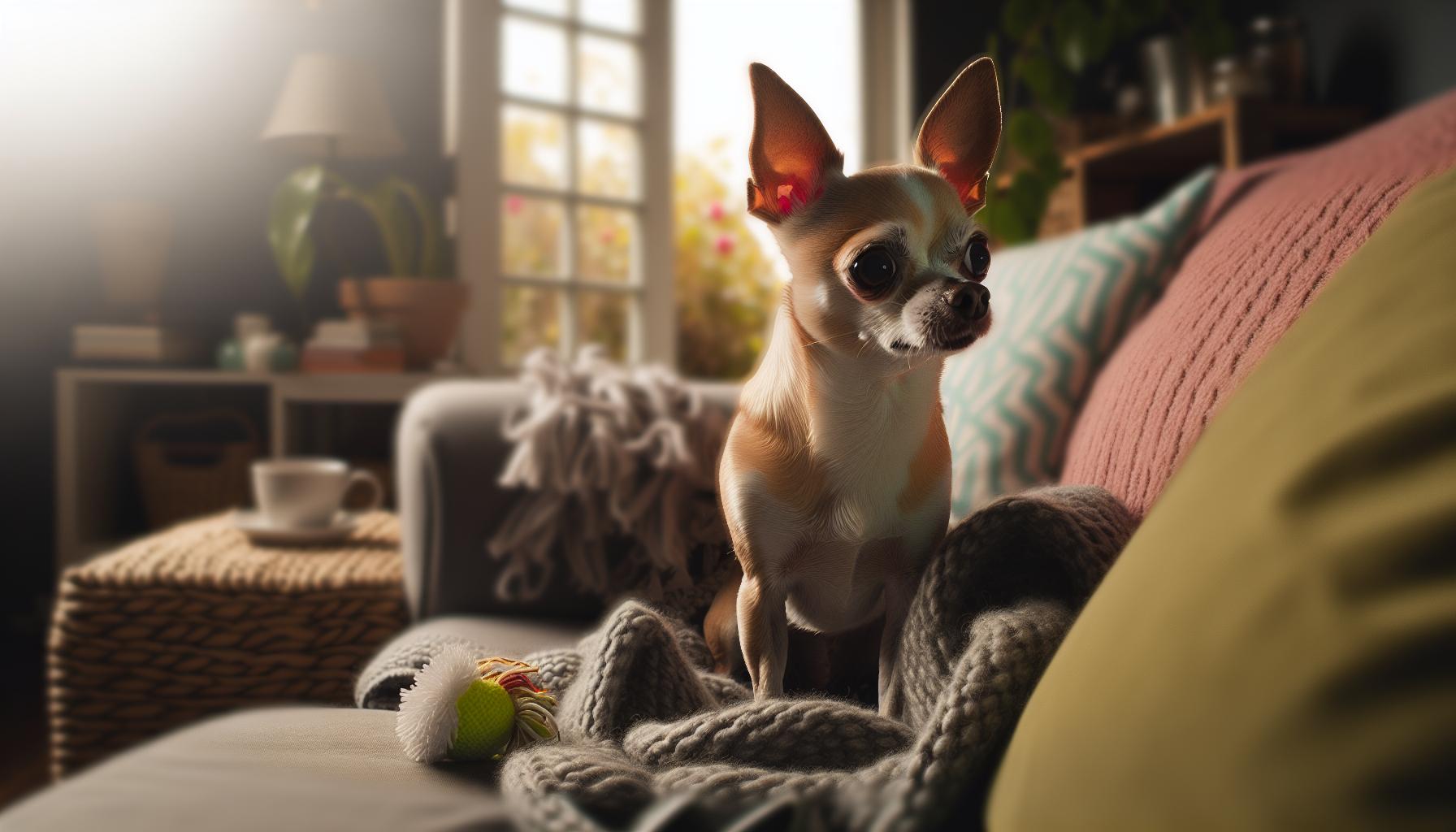
Understanding Chihuahua Anxiety: Key Factors Explained
Chihuahuas, with their feisty personalities and charming demeanor, often wear their hearts on their sleeves-making them particularly sensitive and prone to anxiety. This breed, known for its loyalty and bold behavior, can experience stress from a variety of factors, most notably their environment and lifestyle. Understanding the key factors that contribute to anxiety in Chihuahuas is essential for every owner, whether you’re a seasoned Chihuahua enthusiast or a first-time adopter.
Several elements can trigger anxiety in these pint-sized pups. Separation anxiety is one of the most common concerns; Chihuahuas thrive on their owner’s companionship and can struggle when left alone. Additionally, their keen sensitivity to sounds and commotion means that loud noises-like thunderstorms or fireworks-can induce panic. Your Chihuahua’s early experiences also play a crucial role; improper socialization during critical developmental periods may leave him more vulnerable to stress.
The breed’s physical characteristics can also influence their emotional state. For instance, Apple-headed Chihuahuas might display different anxiety symptoms than their deer-headed counterparts, given their varying temperaments. Health issues, such as dental problems or heart conditions, can compound their anxiety, as discomfort may cause distress. Therefore, maintaining regular veterinary check-ups is vital not only for their physical well-being but for managing stress levels.
As a dedicated Chihuahua owner, how you interact and respond to his needs significantly affects his emotional resilience. A deeper understanding of your Chihuahua’s anxieties not only helps him feel more secure but also strengthens the bond between you two, allowing your spirited little friend to shine with confidence and joy.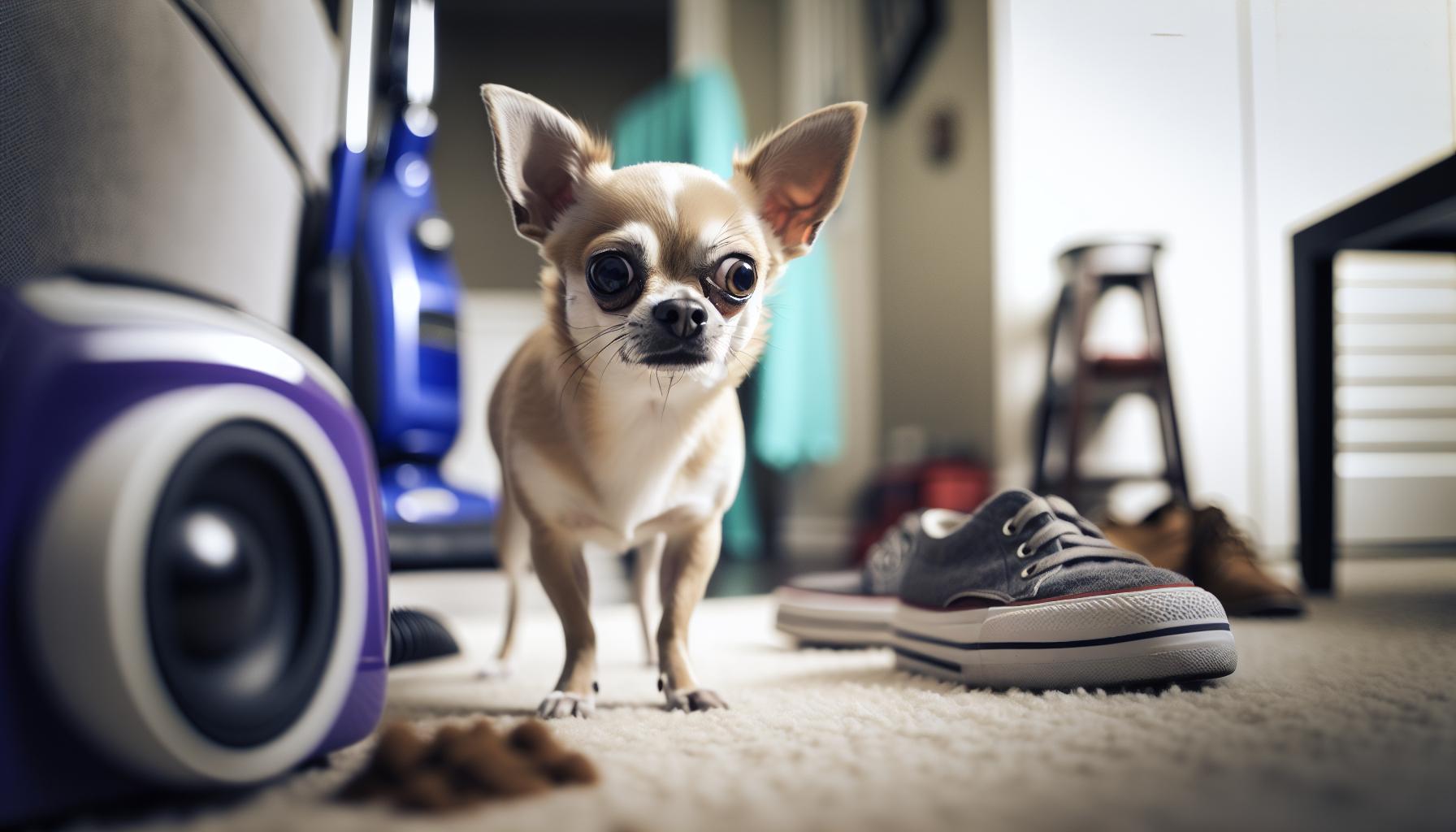
Common Stress Triggers for Chihuahuas
Chihuahuas are often viewed as the tiny titans of the dog world, yet their small size belies their sensitivity. These spirited little companions wear their hearts on their sleeves, and the world around them can be a source of great anxiety. Understanding the common stress triggers for your Chihuahua is crucial to ensuring his happiness and well-being.
One significant stressor for Chihuahuas is separation anxiety. This breed thrives on companionship and often feels intense stress when left alone, leading them to bark excessively or even engage in destructive behavior. If you notice your Chihuahua becoming increasingly anxious when you prepare to leave the house, he may be expressing his discomfort with your absence.
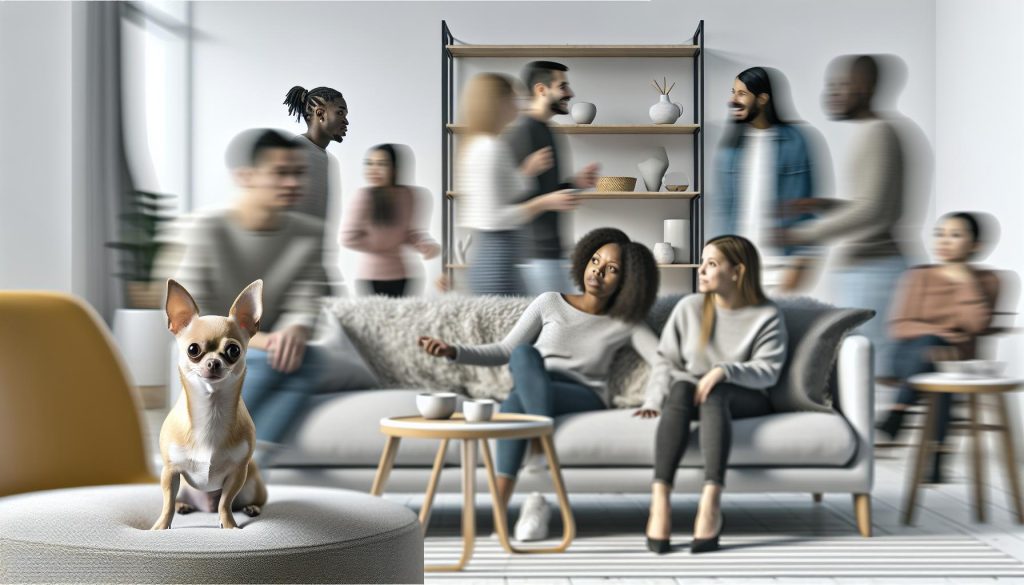
Another common cause of anxiety lies in their environmental sensitivities. Chihuahuas can be particularly affected by loud noises such as thunderstorms, fireworks, or even the sounds of traffic. Their acute hearing means that they perceive these noises at a different intensity than humans do, which can trigger fear responses. It’s also essential to consider your home’s atmosphere; a hectic environment with many visitors or fast-paced activity can overwhelm your little buddy.
Inadequate socialization during the critical developmental stages can lead to heightened anxiety in adult Chihuahuas. Proper exposure to various people, pets, and experiences can help mitigate this stress. If your Chihuahua wasn’t adequately socialized as a puppy, he may be more susceptible to new situations, resulting in fear or stress in unfamiliar settings.
Lastly, physical health issues can exacerbate emotional distress. Common problems such as dental disease or heart conditions can affect your Chihuahua’s comfort level, leading to increased anxiety. Regular vet check-ups are essential not only for identifying health concerns but also for managing any anxiety that might stem from physical discomfort.
By recognizing these stress triggers, you can provide a more secure and calming environment for your beloved Chihuahua. Remember, your attentive care and understanding are key to helping him thrive.
How Environment Impacts Your Chihuahua’s Stress Levels
Chihuahuas are known for their big personalities packed into tiny bodies, and their acute sensitivities extend right into their environments. Did you know that even the smallest changes in your home can lead to significant stress for your little companion? As an owner, understanding how your Chihuahua’s surroundings can affect her emotional well-being is essential for fostering a calming atmosphere that keeps her happy and secure.
One major factor to consider is noise levels. Chihuahuas have exceptionally sharp hearing, meaning they can pick up sounds that you might not even notice. Consequently, loud noises such as thunder, fireworks, or even the vacuum cleaner can provoke anxiety. For instance, if you notice your Chihuahua trembling or hiding during storms, it may be time to create a safe nook for her where she can retreat when she feels overwhelmed. This could be a cozy bed in a quieter part of the house, far from the chaos.
Another critical aspect is the general hustle and bustle of your household. Rapid movements, frequent visitors, or chaos from active children can create an environment that feels unsafe for a Chihuahua. She may find such dynamics disorienting and stressful. Designating quiet times, or using white noise machines to buffer outside sounds, can help establish a peaceful atmosphere. Additionally, teaching family members how to interact gently and calmly with your little one can further reduce her stress.
Furthermore, the layout of your home plays a role in how secure your Chihuahua feels. Open spaces may be intimidating, especially if they lead to big, unfamiliar areas like backyards. Creating defined spaces where she feels safe and can control her surroundings-like dog gates or cozy pet corners-can significantly reduce anxiety. Remember that Chihuahuas thrive on routine, so keeping her environment stable and familiar is key.
Overall, fostering a comforting environment tailored to your Chihuahua’s needs is not just about reducing stress; it can enhance your bond and improve her overall quality of life. Take time to observe her reactions to different spaces and sounds, and make adjustments accordingly. Your keen awareness and thoughtful changes will show her that her comfort is your priority, ensuring she feels secure and cherished in her home.
Behavioral Signs of Anxiety in Chihuahuas
When it comes to our beloved Chihuahuas, it’s essential to recognize the behavioral signs that indicate anxiety. These little furballs are not just tiny companions; they are sensitive beings with unique emotional needs. Because they are so attuned to their environment, even subtle shifts can trigger stress. Therefore, being aware of their anxiety signs isn’t just helpful; it’s vital for their well-being.
Common behaviors that may signal anxiety include excessive barking, especially in response to unfamiliar sounds or people. If your Chihuahua is constantly yapping at every noise, it might indicate she is feeling vulnerable or threatened. Additionally, signs like pacing, shivering, or hiding can suggest she is overwhelmed. For example, if she retreats to her favorite corner or under a piece of furniture when guests arrive or during loud sounds, this is her way of coping with stress.
Another behavior to watch for is destructive tendencies. An anxious Chihuahua may chew on furniture or dig at their bedding as a way to release built-up tension. You might notice changes in her eating habits as well; some Chihuahuas may eat less, while others might crave food more than usual when feeling insecure. A common sign of anxiety is also clinginess, where she might become overly attached and follow you everywhere, seeking reassurance.
To help manage these anxiety behaviors, creating a calm and stable environment is crucial. Establish a designated safe space where she can retreat and feel secure. Using calming aids, such as anxiety wraps or pheromone diffusers, might provide additional comfort. Providing consistent routines can also significantly alleviate anxiety, giving her the predictability she craves. Remember, the goal is to enhance her emotional health while you celebrate her unique, vibrant personality!
The Role of Socialization in Reducing Anxiety
Chihuahuas thrive on connection, not only with their human companions but also with other dogs and diverse environments. Proper socialization plays a crucial role in reducing anxiety in these little canines. When you expose your Chihuahua to various people, animals, and settings from an early age, it helps build their confidence and eases their fear of the unknown. For instance, a Chihuahua that regularly mingles with friendly dogs at a park is less likely to feel anxious or threatened by new encounters compared to one who is kept isolated.
To enhance your furball’s social skills, consider setting up playdates with other dogs. This doesn’t mean throwing your Chihuahua into the deep end with large breeds, but rather beginning with calm, gentle companions. Remember, Chihuahuas can be quite vocal and assertive despite their size, so selecting friends who can match their energy is essential. Encourage positive interactions by rewarding your pup for calm behavior with treats and praise. This reinforcement builds a positive association with social situations, helping to mitigate anxiety.
Another effective approach is to enroll your Chihuahua in puppy classes or group training sessions. These structured environments offer supervised exposure to other dogs and people, which can introduce your Chihuahua to social situations gradually and positively. Interactive sessions provide not only socialization opportunities but also mental stimulation, which is vital for keeping your Chihuahua happy and engaged.
While socialization is important, be mindful of your Chihuahua’s temperament. Some may prefer small gatherings over larger ones. Pay attention to her comfort level and gradually increase exposure to new experiences, ensuring she feels safe and secure at all times. Ultimately, creating a balanced social environment will enrich your Chihuahua’s life, enhancing her resilience to stress and making her a well-rounded companion.
Nutrition and Its Effect on Chihuahua Stress
Chihuahuas are known for their bold personalities, but their tiny bodies can make them particularly sensitive to stress. One significant factor that often goes unnoticed is the role of nutrition in the overall well-being of these lively companions. What your Chihuahua eats directly affects not only their physical health but also their mental state and ability to cope with anxiety.
Nutrition impacts various aspects of your dog’s health, including their energy levels, mood, and susceptibility to stress. A well-balanced diet rich in the right nutrients can significantly enhance your Chihuahua’s resilience against anxiety triggers. For instance, foods high in omega-3 fatty acids, such as salmon or flaxseed oil, can help reduce inflammatory responses and may contribute to a more balanced mood. Including a variety of high-quality proteins and whole grains can also support overall health and stability, allowing your Chihuahua to tackle the world with confidence.
When choosing food for your Chihuahua, be aware of any specific dietary needs or sensitivities they might have. Some Chihuahuas may react negatively to certain ingredients, leading to digestive issues or discomfort that can exacerbate their anxiety. Look for dog foods that are free from common allergens like wheat, corn, and soy. Always consult with your veterinarian when transitioning to a new diet, as they can provide insights tailored to your dog’s unique needs.
Additionally, routine plays a crucial role in how diet affects stress levels. Chihuahuas thrive on predictability, and feeding them at the same times each day can create a sense of stability. Beyond meals, incorporating treats with calming ingredients, like chamomile or L-theanine, can serve as a soothing supplement during stressful times. These small adjustments in nutrition and feeding habits can make a significant difference in your Chihuahua’s ability to manage anxiety, allowing them to enjoy their vibrant lives fully.
Effective Training Techniques for Anxious Chihuahuas
Training an anxious Chihuahua can be a fulfilling journey that strengthens your bond while helping her gain confidence. These little dogs often display their insecurities through barking, hiding, or even aggressive behavior when stressed. With a thoughtful approach and the right techniques, you can create a calm environment that fosters her well-being.
One effective method is positive reinforcement training. This technique encourages desired behaviors via rewards rather than punishment, which can exacerbate anxiety. Utilize treats, praise, or play as rewards when your Chihuahua exhibits calm behavior in situations that typically stress her. For example, if loud noises frighten her, provide treats and affectionate praise when she remains relaxed during thunder or fireworks. This association can help reshape her response to stressors over time.
Equally important is desensitization. Gradually expose your Chihuahua to her stress triggers in a controlled manner. If she’s nervous around strangers, start by letting her observe people from a distance while rewarding her for staying calm. Over time, you can reduce that distance as she becomes more comfortable. Remember to move at her pace; forcing her too quickly into a situation could overwhelm her further.
Additionally, establishing a structured routine can help anxious Chihuahuas. Daily schedules for meals, walks, and play can provide a sense of security. Unpredictable environments can lead to more stress, so knowing what to expect can ease her worries. A typical day helps counteract anxiety, giving her something predictable to anchor her.
Don’t forget the benefits of calm training environments. Create a safe space in your home where your Chihuahua can retreat when she feels overwhelmed. This could be a cozy bed in a quiet corner or a designated crate if she has been crate-trained. Coupling this safe space with calming music or a comforting blanket can enhance her relaxation.
Real-life examples spotlight the power of patience and consistency in the training process. Many Chihuahua owners have witnessed transformations in their pets through gentle encouragement and unwavering support. With time and dedication, your efforts will not only help her manage anxiety but also allow her bold personality to shine through, turning those nervous moments into confident, happy experiences.
The Importance of Routine for Your Chihuahua’s Well-Being
Establishing a consistent routine is crucial for ensuring your Chihuahua feels secure and content. These little pups thrive on predictability, and knowing what to expect throughout the day greatly reduces their anxiety. Think of it this way: when you follow a routine, you not only provide structure but also create a comforting environment where your Chihuahua can relax and feel safe.
Start by regularizing your daily activities, including meal times, walks, and play sessions. For example, feeding your Chihuahua at the same time each day fosters trust and reduces uncertainty about when their next meal will come. A rigid schedule makes your dog feel more secure and allows them to anticipate what comes next. This security can be particularly beneficial for Chihuahuas, who can easily become anxious in chaotic or unpredictable situations.
To illustrate, consider the experience of many Chihuahua owners who have implemented structured routines. One owner noticed that her Chihuahua, a slightly timid apple-head named Bella, became markedly more relaxed after they began a daily schedule. Bella’s owner started by establishing fixed times for walks and play, which helped Bella adjust to her environment with less fear. Another owner found that introducing a pre-bedtime ritual – a short snuggle time followed by a calming treat – dramatically improved her dog’s sleep and reduced nighttime anxiety. These real-life scenarios highlight how important routines can be for your Chihuahua’s mental well-being.
In addition to providing structure, integrating positive experiences into your routine can further diminish stress. Regular training sessions accompanied by treats can reinforce good behavior while giving your Chihuahua a chance to engage and bond with you. When your Chihuahua knows they can consistently expect playtime and rewards, their confidence grows, helping to alleviate anxiety over time. Overall, a thoughtfully crafted routine isn’t just beneficial-it’s foundational for nurturing your Chihuahua’s happiness and well-being.
Home Modifications to Ease Your Chihuahua’s Stress
Creating a calm and comforting environment for your Chihuahua is essential for reducing anxiety and helping her feel safe. These tiny companions are often sensitive to their surroundings, and even minor changes can trigger stress. By making thoughtful home modifications, you can create a sanctuary for your pup that fosters tranquility and security.
One of the most impactful changes you can make is to designate a cozy, quiet space just for your Chihuahua. This could be a cushy bed nestled in a corner of your living room or a snug crate lined with her favorite blankets. Ensure the area is away from high traffic zones and loud noises, offering her a retreat where she can escape to unwind. Many Chihuahuas, like my friend’s apple-head Bella, flourish when they have a special spot that’s all their own. Bella prefers her little cave covered with a blanket, which helps her feel tucked away and safe when the environment feels overwhelming.
Another effective strategy involves soundproofing your home to minimize anxiety-inducing noises. Consider using rugs or carpets to muffle sounds and placing white noise machines or soft music in areas where your Chihuahua spends time. Sound can easily trigger anxiety in these small dogs, especially during thunderstorms or fireworks. I remember how another owner calmed her Chihuahua, Coco, by playing soothing music during stressful times, which helped her relax and drift off to sleep.
Finally, you might also consider safe zones around your house. Gates can be installed to keep her away from busy areas of your home or to limit her exposure to too many visitors at once. Introducing calming elements, like pet-safe plants or gentle lighting, can also create a peaceful atmosphere. Remember, each Chihuahua is unique, so it might take some experimentation to discover what modifications work best for your furry friend. By prioritizing her comfort and security, you’ll cultivate a home that truly nurtures her well-being.
Natural Remedies for Reducing Anxiety in Chihuahuas
When it comes to addressing anxiety in Chihuahuas, natural remedies can offer a gentle and supportive approach. These small dogs, known for their vibrant personalities, often experience stress due to their heightened sensitivity to their environments. Thankfully, there are various natural methods you can explore to help soothe your little companion.
One popular choice among Chihuahua owners is herbal supplements. Herbs such as chamomile, valerian root, and passionflower have calming properties. Many dogs enjoy the taste of these supplements when added to their food or given as treats. For instance, a fellow Chihuahua owner shared that her apple-head, Max, became noticeably calmer after she introduced chamomile tea diluted with water during particularly stressful times like fireworks or thunderstorms. Always consult with your veterinarian before starting any herbal regimen to ensure it’s safe and appropriate for your pup.
Another effective remedy is aromatherapy. Essential oils, when used responsibly, can significantly impact your Chihuahua’s mood. Oils like lavender and chamomile are known for their calming effects. To use aromatherapy, consider a diffuser in a quiet room where your dog likes to relax, ensuring that the oils are pet-safe and used in moderation. Just be cautious with the amounts, as Chihuahuas are tiny and more susceptible to strong scents. An owner I know places a few drops of lavender oil on a cotton ball and tucks it in Bella’s bed, creating a soothing space for her rest.
Additionally, incorporating rescue remedies into your dog’s routine can provide a boost of calm. These are homeopathic blends designed to help relieve stress in pets. Products like Rescue Remedy for Pets are formulated specifically for dogs and can be applied directly to their gums or added to their water. Many Chihuahua owners have reported positive outcomes with these remedies during anxiety-inducing situations, such as vet visits or changes in routine.
Finally, don’t underestimate the power of positive reinforcement training. Teaching your Chihuahua new tricks or commands not only helps distract them from their fears but also builds their confidence. Regular practice of these skills can divert attention from stressors and create a solid bond between you and your pup. A friend’s Chi, Coco, tackled her anxiety by mastering basic commands and receiving praise for her efforts-what a great way to take her mind off things!
By integrating these natural remedies into your Chihuahua’s care routine, you’ll create a multifaceted approach to reducing anxiety. Remember, every dog is unique, so it may take some experimentation to find what works best for your furry friend. Listen to her needs and observe how she responds to different techniques, and, above all, provide love and reassurance along the way. Your connection will be the most effective antidote to her stress.
When to Seek Professional Help for Your Anxious Chihuahua
When our beloved Chihuahuas exhibit signs of anxiety, it’s natural to want to help them feel more secure and comfortable. However, there are times when professional intervention is necessary to ensure their well-being. A simple rule of thumb is to pay attention to the severity and duration of their anxiety symptoms. If your Chihuahua’s stress seems to be escalating or persists despite your best efforts at home, it’s time to seek help.
Be vigilant for specific signs that indicate a higher level of distress. For instance, if your Chihuahua is constantly vocalizing or if the behavior extends beyond typical barking, it might suggest deeper issues at play. Other concerning signs include excessive trembling, hiding, refusal to eat, or destructive behavior-especially in younger Chihuahuas who might express anxiety by chewing or digging. If these behaviors are frequent and intense, consulting a professional can provide invaluable insight.
Moreover, the particular circumstances surrounding your Chihuahua’s anxiety can also guide your decision. For example, if your Chi becomes excessively anxious during particular events, such as loud noises or new people in the home, it may be beneficial to enlist the expertise of a dog behaviorist who specializes in anxiety. They can offer tailored techniques that account for your dog’s unique personality, such as desensitization training for specific triggers. Additionally, if your dog has experienced any trauma-like a move, a change in family situation, or even the loss of a companion-it’s crucial to get support to help her navigate her feelings.
Ultimately, trusting your instincts as a loving owner is key. While many stress-relief strategies can be effective at home, there are instances when a professional’s guidance, which might include behavioral training or even medication, could lead to a happier, healthier life for your Chihuahua. Remember, seeking help is not a sign of failure; it’s a testament to your commitment to providing the best care for your tiny, vocal, and loyal friend. Your attention to her needs will help you both forge a stronger bond filled with understanding and love.
Q&A
Q: Why are Chihuahuas more anxious than other breeds?
A: Chihuahuas are often more anxious due to their small size and sensitivity. Their heightened awareness of surroundings, combined with a naturally bold personality, can lead to stress in unfamiliar environments or situations. It’s essential to create a safe and secure space for them to reduce anxiety levels.
Q: What environmental factors cause stress in Chihuahuas?
A: Loud noises, sudden movements, and changes in routine can significantly stress Chihuahuas. Their sensitivity to sounds makes them prone to anxiety during thunderstorms or fireworks. Creating a quiet, consistent environment can help mitigate these stressors.
Q: How can I tell if my Chihuahua is experiencing anxiety?
A: Signs of anxiety in Chihuahuas include excessive barking, hiding, and destructive behavior. Look for physical signs, like trembling or pacing, especially during stressful situations. Regularly observing your dog’s behavior aids in identifying triggers and mitigating stress.
Q: Can socialization help reduce anxiety in Chihuahuas?
A: Yes, proper socialization is crucial for reducing anxiety in Chihuahuas. Gradual exposure to various people, pets, and environments helps them build confidence. Start socializing your Chihuahua early with controlled experiences to enhance their adaptability and reduce fearful reactions.
Q: What training methods are effective for anxious Chihuahuas?
A: Positive reinforcement training is highly effective for anxious Chihuahuas. Using treats and praise to reward calm behavior can help them associate new experiences with pleasant outcomes. Consider clicker training to reinforce good behavior effectively.
Q: Are there specific activities to calm my anxious Chihuahua?
A: Engaging in regular, calm activities like short walks and gentle play can help soothe an anxious Chihuahua. Additionally, mental stimulation through puzzle toys or training exercises with a focus on relaxation can significantly reduce stress levels.
Q: How important is routine for an anxious Chihuahua?
A: Routine is incredibly important for Chihuahuas, as it provides a sense of security and predictability. Keeping feeding, walking, and play schedules consistent helps them feel more at ease and can lessen anxiety over time.
Q: What natural remedies can help with my Chihuahua’s anxiety?
A: Natural remedies include calming supplements with ingredients like chamomile and valerian root. Always consult with your veterinarian before introducing new treatments, and consider incorporating calming music or pheromone diffusers to create a tranquil environment for your Chihuahua.
Insights and Conclusions
Understanding why Chihuahuas can be anxious is just the first step in providing them with the loving, secure environment they need. Remember, each little nuance-from their vocal nature to their bold personalities-plays a role in their emotional health. To help your Chihuahua thrive, explore tips on “Creating a Calm Space for Your Chihuahua” and “Positive Reinforcement Techniques for Anxious Dogs” linked here.
Don’t wait; implement these strategies today to ease your furry friend’s stress! Your unique Chihuahua, whether apple-head or fluffy-coated, can truly flourish with your support. Have questions or tips to share? We invite you to comment below and connect with our vibrant community. By nurturing their quirks and offering consistent care, you’re on the path to a happier, more confident companion. Sign up for our newsletter to stay updated with more insights tailored especially for Chihuahua enthusiasts like yourself!
Get our latest guides, news, and insights highlighted in your Google Search & AI Overviews.