

Chihuahuas are known for their vibrant personalities, but when your little companion starts to tremble, it can be concerning. Understanding the reasons behind this shaking is crucial for any Chihuahua owner. Whether it’s due to excitement, anxiety, or a health issue, recognizing the triggers can help you provide the best care. This article explores the common causes of trembling in Chihuahuas, offering insights into their unique behaviors and needs. By the end, you’ll feel empowered to address your Chihuahua’s quirks with confidence and compassion. Dive in as we unravel the mysteries of why your beloved friend shakes and how to support them through it.
Reasons Why Your Chihuahua Might Be Shaking
Your Chihuahua shaking can be concerning, and understanding the reasons behind this behavior is crucial for any loving owner. Often, Chihuahuas shake because they are experiencing a range of emotions or physical sensations. For instance, due to their small size, they are particularly sensitive to the cold. Unlike larger breeds, they have a higher surface area-to-volume ratio, which can make them feel chilled easily. So, if you’re outside in cooler weather, your Chihuahua might be shivering not just from fear but also from the chilly air.
Aside from the cold, anxiety is a significant factor contributing to trembling in our brave little companions. Chihuahuas are known for their big personalities, yet they can be quite sensitive. Changes in their environment-such as a new home, loud noises, or unfamiliar visitors-can trigger anxiety, leading to trembling. Many owners notice that their Chihuahuas shake during thunderstorms or fireworks, indicating heightened stress and fear.
Health issues can also manifest through shaking. Conditions like hypoglycemia, particularly prevalent in these tiny dogs, can cause tremors. It’s important for owners to be aware of low blood sugar symptoms such as weakness or lethargy. Moreover, other health problems like neurological disorders or pain from injuries could be at play. A comprehensive understanding of your dog’s health history and routine vet check-ups can help you identify and address these concerns early.
In summary, a shaking Chihuahua might be cold, anxious, or dealing with health issues. Observing his behavior in context and consulting with a veterinarian if the shaking persists or is accompanied by other concerning signs is essential for ensuring his well-being. Remember, your little companion relies on you to interpret these signals and provide the comfort he needs.
Understanding Anxiety in Chihuahuas
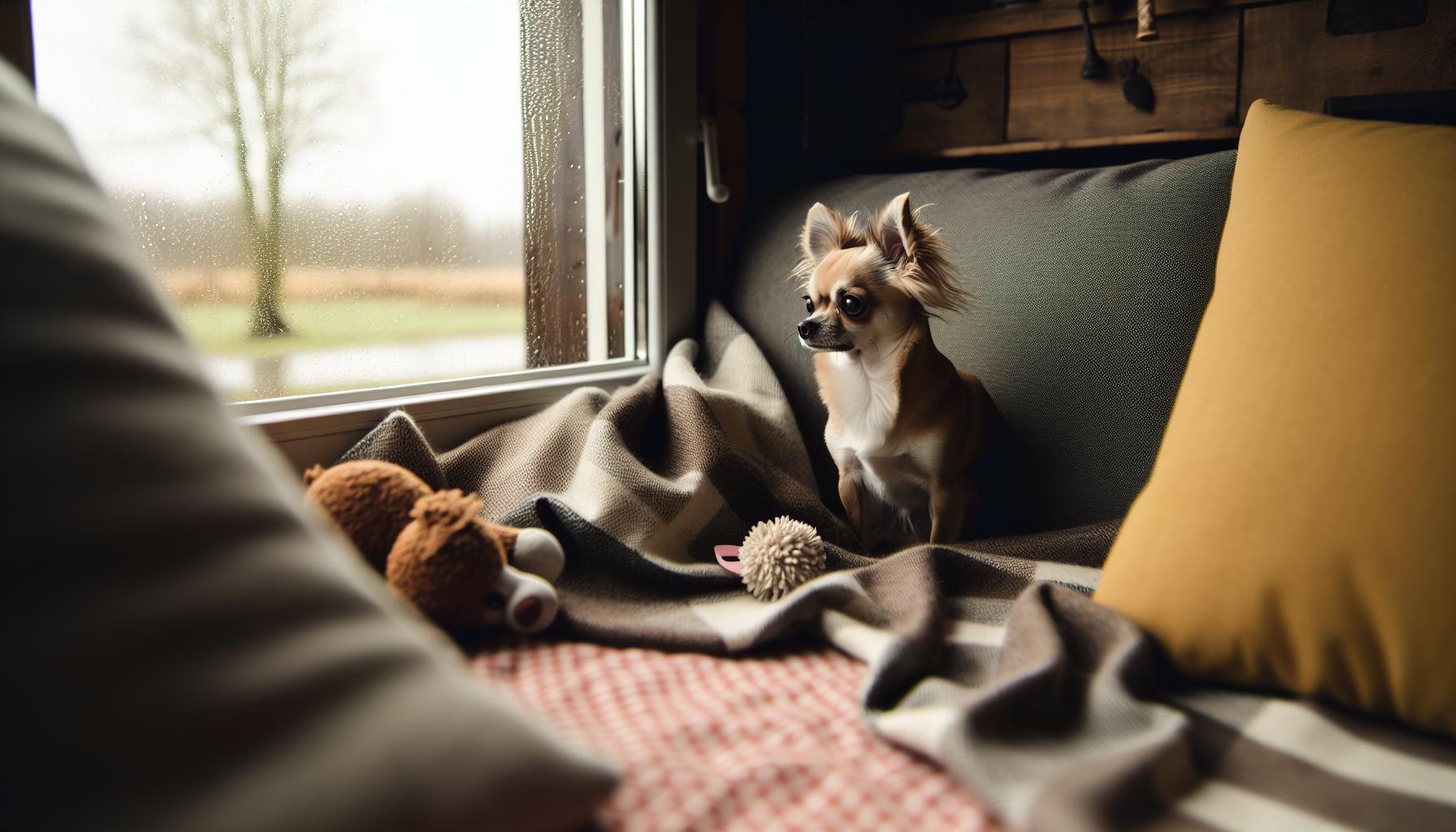
Experiencing anxiety is not uncommon for Chihuahuas, especially given their sensitive and bold nature. These little dogs, often bursting with personality, can also be prone to stress and nervousness, which frequently manifests through shaking. Often, their small stature exacerbates their anxiety levels; they can feel vulnerable in larger environments or around bigger dogs. This innate sensitivity can be especially pronounced during changes in their routine or environment, such as moving to a new home or being introduced to new people.
To better understand why your Chihuahua may be anxious, consider the stimuli that could lead to his shaking. Common triggers include:
- Noise: Loud sounds like thunderstorms, fireworks, or traffic can heighten fear.
- Change: New situations, such as traveling or having guests, can be overwhelming for your little friend.
- Social Interactions: Some Chihuahuas are naturally more anxious around unfamiliar dogs or people, leading to nervous behaviors.
Each Chihuahua may respond differently based on their personality and experiences. For example, a brave apple-head, accustomed to adventures, might shake out of excitement rather than fear, while another may tremble in the same situation, feeling overwhelmed. Observing your dog’s unique responses to different scenarios can help you tailor your approach to manage any anxiety.
To ease anxiety in your Chihuahua, consider strategies like creating a safe space at home, using calming products, and reinforcing positive experiences with treats or toys. Consistent routines are especially soothing; knowing what to expect from day to day can significantly reduce their stress levels. For those first-time Chihuahua owners, remember that being patient and observant will go a long way in understanding your furry companion’s emotional needs. The more you learn about your dog’s triggers and comfort zones, the better equipped you’ll be to help him feel safe and secure.
Common Health Issues Leading to Tremors

Tremors in Chihuahuas can often be attributed to various health issues that deserve attention and understanding. As a devoted Chihuahua owner, it’s essential to recognize that while shaking can be a common behavioral response to anxiety or environmental factors, it may also signal an underlying medical condition. By being vigilant about your little one’s health, you can ensure that any serious issues are addressed promptly.
One significant health concern that can lead to tremors is hypoglycemia, or low blood sugar. This is particularly common in small breeds like Chihuahuas, especially puppies or dogs that are underweight. Symptoms may include shaking, weakness, and lethargy. If you detect these signs, offering your Chihuahua a small, carbohydrate-rich treat can help restore energy levels. Maintaining a consistent feeding schedule is crucial to prevent drops in blood sugar.
Another potential cause for shaking is neurological disorders, such as seizures or tremor syndromes. Seizures might present as sudden shaking or loss of control, while specific tremor syndromes, like cerebellar tremors, can cause persistent shaking. If your Chihuahua exhibits unusual movement patterns or seems disoriented, it’s critical to consult your veterinarian for a thorough examination and potential diagnostic tests.
Chihuahuas are also prone to various musculoskeletal issues that can lead to discomfort and trembling. Conditions like patellar luxation or arthritis can cause pain, resulting in shaking or reluctance to move. Keeping an eye on your dog’s mobility and behavior, especially as they age, can help you catch these issues early. Regular vet check-ups are essential to monitor your Chihuahua’s joint health.
Lastly, some health problems, including infections or metabolic disorders, can manifest through tremors. If your Chihuahua shows signs of shaking along with other symptoms like vomiting, diarrhea, or changes in appetite, a veterinary visit is warranted.
By staying informed about these health-related causes of tremors, you can provide better care for your cherished Chihuahua. A proactive approach, combined with regular veterinary visits, will ensure your little companion stays healthy and happy.
Environmental Factors Affecting Your Chihuahua’s Behavior
Chihuahuas, with their bold personalities and keen senses, can be particularly sensitive to their surroundings. Environmental factors play a crucial role in their behavior, affecting everything from stress levels to comfort and well-being. Owners might notice their little companions shaking in response to situations that might seem inconsequential to us, but to a Chihuahua, these can be major stressors.
One common factor is temperature. Chihuahuas, especially those with short coats or smaller body sizes, are prone to feeling cold more acutely than larger breeds. Owners often dress their Chihuahuas in sweaters or jackets during chilly weather, but even a slight drop in temperature can provoke shivering or shaking. This isn’t just about comfort; it can be a genuine response to being too cold. Ensure your Chihuahua’s sleeping area is warm and cozy, using blankets to provide a sense of security and warmth.
Another element to consider is noise sensitivity. Chihuahuas are known to have heightened hearing, making them particularly reactive to loud sounds such as thunder, fireworks, or even the vacuum cleaner. These sudden noises can trigger anxiety, manifesting as trembling. If you notice your Chihuahua shaking during storms, creating a safe space with blankets, treats, and their favorite toys can help them feel more secure. Some owners have found success using calming music or white noise machines to drown out distressing sounds.
Lastly, change in routine or environment can also lead to shaking. Whether it’s a new home, different people in the household, or even a change in their daily schedule, Chihuahuas thrive on consistency. A disruption in their familiar environment can lead to anxiety and trembling. To ease their discomfort, try to maintain a regular schedule for feeding, walks, and playtime, and be patient as they adjust to any changes.
By understanding these environmental influences, you can create a more comforting and nurturing environment for your cherished Chihuahua, helping to minimize their shaking and enhancing their overall happiness.
Managing Cold Sensitivity in Small Dogs
When it comes to keeping your Chihuahua comfortable, managing their cold sensitivity is a crucial aspect of their care. These little dogs, especially the petite apple-head Chihuahuas, have a higher tendency to feel chilly than larger breeds. With their short hair and slender body types, even a mild drop in temperature can lead to shivering, which is often misunderstood as a sign of anxiety or distress. Understanding this can help you create a more supportive environment for your furry friend.
One effective way to combat cold sensitivity is to invest in well-fitted sweaters or jackets. Choose items made from warm and breathable materials that won’t restrict their movement. Many Chihuahuas love the extra layer, allowing them to explore the outdoors without feeling the chill. Remember to take along a blanket or two when you’re heading out, whether to the park or for a family visit, as having a familiar, warm item can work wonders in keeping them cozy.
Additionally, ensure your Chihuahua’s living space is warm and inviting, particularly if they spend time indoors during colder months. Use soft bedding and consider placing their bed in a draft-free corner. Many owners have found success placing blankets in their dog’s sleeping area, creating a little nest that is not only warm but also offers a sense of security. This simple gesture can significantly reduce their shivering and help them relax.
Moreover, be mindful of temperature changes when transitioning from outdoors to indoors. If your Chihuahua has been outside in the cold, allow them to warm up gradually. Sudden shifts can lead to stress and physical reactions, including shaking. Offer them a warm drink or light treats at room temperature to comfort them as they adjust back inside.
By being proactive about your Chihuahua’s cold sensitivity, you can help ensure that their little body stays warm and content, allowing them to showcase their lively and bold personalities without the discomfort of the cold. With the right approaches, your loyal companion can thrive, enjoying all life has to offer regardless of the weather outside.
How to Comfort Your Shaking Chihuahua
When your Chihuahua starts to shake, it can be concerning as a devoted owner. From excitement to anxiety, or perhaps feeling a bit cold, understanding the reasons behind your dog’s trembling is key to providing the right comfort. Remember, Chihuahuas are known for their bold personalities but also for their sensitivity, making them prone to various reactions including shivering.
One of the first things you can do to comfort your shaking friend is to create a safe and secure environment. This could be as simple as gathering blankets to create a cozy space where your Chihuahua can relax. Consider investing in a calming bed that is soft and surrounded by walls to help her feel more contained and secure. Many owners have found that a designated spot filled with familiar scents-like a piece of your clothing-can offer comfort and ease anxiety.
Another effective way to soothe your Chihuahua is through gentle physical interaction. Your warm lap or a gentle cuddle can work wonders. Wrapping him in a soft blanket and holding him close not only warms him up but also reassures him that he’s safe. Chihuahuas thrive on affection and your touch can help calm their nerves significantly. If she enjoys being carried, try snuggling her close to your chest-she can feel your heartbeat, which is soothing.
Additionally, keep in mind that some Chihuahuas benefit from calming aids like anxiety wraps or pheromone diffusers. These provide comforting pressure or scents that can relax him during stressful situations. Always monitor how your Chihuahua reacts to new products, as each dog has their own preferences. If trembling persists or worsens, it’s crucial to consult your veterinarian; they can help rule out any underlying health conditions.
Overall, the key is to stay observant and responsive to your Chihuahua’s needs. Whether it’s adjusting their environment, giving them extra love, or seeking professional help, every effort counts in ensuring your little companion feels secure and loved.
Behavioral Signs to Watch For Beyond Shaking
When your Chihuahua shakes, it can signal more than just the classic cold or excitement. As a breed known for their boldness and quirky personality, Chihuahuas often express their feelings in unique ways. Observing your small companion closely can help uncover underlying issues that are not always as apparent as the shaking itself. There are several behavioral signs to keep an eye on that can provide valuable insights into your Chihuahua’s emotional and physical state.
A common sign to watch for is increased vocalization. If your Chihuahua begins to bark or whine more than usual, it might indicate anxiety or discomfort. Often, this vocalization comes in response to environmental stressors or changes in routine. For instance, if your little one barks at unfamiliar noises or visitors, it could be a sign of anxiety rather than just protective behavior. Additionally, watch for a change in their appetite. A lack of interest in food or treats can point toward stress or health issues that may require attention.
Another critical behavior to note is hiding or seeking excessive attention. Some Chihuahuas will hide away in their favorite spots when feeling overwhelmed, while others may cling more closely to you, attempting to find safety in your presence. It’s essential to respect their needs during these times; provide comfort without forcing interaction. Additionally, pay attention to their body language. Signs like raised hackles, a tucked tail, or wide eyes can indicate fear and warrant a closer look at their surroundings.
Lastly, changes in their play behavior can also be telling. If your Chihuahua usually loves engaging with toys or other pets but suddenly becomes disinterested, it may reflect underlying anxiety or discomfort. Engaging in gentle play, offering familiar toys, and observing how they react can help restore their confidence.
Understanding these signs not only shows your dedication as a Chihuahua parent but also ensures you’re tuned in to their emotional health. Every little quirk is part of what makes your canine companion unique, and addressing these behaviors proactively ensures your Chihuahua feels safe, secure, and loved.
When to Consult a Veterinarian About Tremors
When your Chihuahua begins to tremble, it can be concerning, especially if the shaking occurs frequently or seems out of character for your little friend. While Chihuahuas are known for their bold personalities and can shake due to excitement or cold, it’s vital to differentiate these benign causes from potential health issues that could warrant a visit to the veterinarian. Never ignore persistent tremors, as they may be indicative of underlying health problems that require attention.
In particular, you should consider taking your Chihuahua to the vet if the shaking is accompanied by other symptoms such as vomiting, lethargy, difficulty walking, or changes in appetite. These signs can point to more serious conditions, such as metabolic disorders, toxicities, or neurological issues. For instance, conditions like hypoglycemia-a low blood sugar level-can cause trembling, especially in smaller breeds like Chihuahuas, who might not have sufficient fat reserves. If your Chihuahua seems unusually weak or disoriented along with shaking, it’s time to consult your vet to rule out serious health concerns.
Another red flag is the duration and frequency of the shaking. If your Chihuahua shakes for longer than a few minutes or does so frequently throughout the day, it’s essential to seek veterinary advice. They may conduct a thorough examination, including blood tests and imaging if necessary, to uncover any underlying issues. Furthermore, Chihuahuas are prone to certain health problems, such as patellar luxation or heart disease, which could also cause trembling.
Taking proactive steps can make a big difference in your Chihuahua’s health. Routine check-ups are essential, as they allow for early detection of potential health issues. Keeping a journal of your Chihuahua’s behaviors can also provide valuable insights for your veterinarian, helping to pinpoint when and why the shaking occurs. The key is to remain observant and responsive, ensuring that your cherished companion receives the care they need to thrive.
Tips for Reducing Anxiety in Your Chihuahua
When it comes to our little Chihuahuas, their anxiety can manifest in various ways, including those famous shakes. Understanding how to help your furry friend feel more relaxed is crucial not only for their happiness but also for their overall health. Here are some practical tips that can significantly reduce anxiety in your Chihuahua, allowing them to thrive in a calm environment.
One effective method is to create a safe and cozy space where your Chihuahua can retreat when feeling overwhelmed. Caves or dog beds lined with soft blankets can provide a sense of security. Many Chihuahuas feel more at ease when they have a place to snuggle into, especially during noisy situations like thunderstorms or fireworks.
Routine plays a vital role in reducing anxiety. Establish a consistent daily schedule for feeding, walks, and playtime. Chihuahuas thrive on predictability, and knowing what to expect can alleviate stress. For example, a regular bedtime routine can help signal to your Chihuahua that it’s time to wind down, making them feel more secure.
Training is another essential aspect. Basic commands not only enhance your Chihuahua’s confidence but also reinforce your role as the reliable leader of the pack. Utilize positive reinforcement techniques to reward good behavior, whether through treats or praise. Socialization is equally important; gently exposing your Chihuahua to different environments, people, and other pets can help them become more adaptable and less anxious.
Consider also that some Chihuahuas may benefit from additional support. If you notice signs of extreme anxiety, consult your veterinarian about natural remedies or calming products specifically designed for dogs, such as calming collars or anxiety wraps. These can provide extra comfort during particularly stressful situations.
By creating a nurturing environment and implementing these strategies, you are paving the way for a happier, more relaxed Chihuahua. Remember, patience is key, as each dog is unique and may respond differently to these techniques. Recognize their progress, celebrate their quirks, and continue to provide the love and support that only a devoted owner can offer.
The Importance of Routine for Your Chihuahua’s Well-Being
Establishing a routine is essential for the overall well-being of your Chihuahua. These small companions thrive in environments where they can predict their daily activities, which in turn reduces anxiety and promotes better behavior. A structured routine provides a sense of security, helping your Chihuahua understand what to expect throughout the day, from mealtime to playtime. This predictability can significantly diminish feelings of uncertainty that sometimes lead to shaking or excess nervousness.
One effective approach is to create a consistent schedule that includes regular intervals for feeding, walks, and play sessions. For example, if you feed your Chihuahua at the same time every day, he will learn to anticipate meals, which can reduce anxiety around meal times. Similarly, timing daily walks at the same hour can help him feel more comfortable, knowing when to expect exercise and outdoor exploration. The comfort of routine allows your Chihuahua to relax, fostering a stronger bond between you and your furry friend.
Additionally, involving rituals or activities that make your Chihuahua feel secure can reinforce this routine. For instance, consider adding a short training session or a cuddle time after walks. Not only does this provide additional exercise and social interaction, but it also helps your dog wind down and associate specific actions with positive experiences. For example, after your evening walk, you might take five minutes to practice basic commands, rewarding her with treats and affection.
Remember, each Chihuahua is unique, and some may take longer to adapt to a new routine. Be patient and observant; adjust the routine as needed based on her responses. If your little apple-headed companion seems particularly rattled by new environments or situations, a consistent routine can be a calming anchor amidst the chaos of life. Always celebrate progress, no matter how small-whether it’s mastering a new trick or simply becoming more relaxed at home. By committing to a routine, you are not only providing security but also enriching your Chihuahua’s life, contributing to her happiness and overall health.
Grooming Tips for Your Chihuahua’s Health and Comfort
Grooming your Chihuahua isn’t just about aesthetics; it plays a vital role in their overall health and comfort. These tiny dogs, with their unique coats and temperaments, require specific grooming routines to keep them happy and healthy. Regular grooming not only helps in managing shedding and allergens but also provides you with an opportunity to bond with your furry friend.
To start, consider the coat type of your Chihuahua. Chihuahuas come in two varieties: smooth coat and long coat. Each has distinct grooming needs. Smooth-coated Chihuahuas need less frequent grooming-brushing them once a week with a soft bristle brush will suffice. This helps to remove dead hair and distribute natural oils for a shiny coat. On the other hand, long-coated Chihuahuas benefit from more regular grooming, ideally several times a week, to prevent tangles and mats. A slicker brush is great for reaching the undercoat and smoothing out any rough patches.
Bathing
Bathing is another essential aspect of the grooming routine. However, it’s crucial not to overdo it. Ideally, you should bathe your Chihuahua every 2-3 months or as needed if they get particularly dirty. Use a gentle, dog-specific shampoo that won’t irritate their delicate skin. After baths, ensure to dry them thoroughly, especially in cooler months, as their small size makes them susceptible to feeling cold quickly. A soft towel or a dog dryer set to cool air will work perfectly.
Dental Care and Nail Trimming
Don’t forget about dental hygiene! Chihuahuas are prone to dental issues, so daily brushing or at least a few times a week with a dog-safe toothpaste is ideal. Dental chews can also help reduce plaque buildup and keep their teeth clean. Nail trimming is another critical component. Ideally, their nails should be trimmed every 3-4 weeks. If you can hear their nails clicking on the floor, it’s time for a trim. Use dog-specific clippers and be cautious around the quick to avoid causing pain.
Lastly, regular grooming sessions can help you spot any skin issues, lumps, or other health problems early on. Pay attention to unusual behaviors during grooming, such as flinching or excessive biting at a certain area, which could indicate discomfort or health issues worth discussing with your veterinarian.
By establishing a regular grooming routine, you can ensure your Chihuahua remains comfortable, healthy, and happy, all while strengthening the bond between the two of you. Remember, grooming should be a loving and enjoyable experience, so take your time and reward your pup with praise and treats!
Understanding your Chihuahua’s Unique Body Language
Understanding your Chihuahua’s body language is essential for recognizing their feelings and needs, which can help you address any anxiety or discomfort that may lead to shaking. Chihuahuas are petite yet surprisingly expressive dogs, often using their entire bodies to communicate. For instance, a Chihuahua that is relaxed might wag his tail and keep his ears up, signaling that he feels safe and happy. Conversely, when a Chihuahua is frightened or anxious, you may notice him trembling, tucking his tail between his legs, or avoiding eye contact.
Body posture plays a crucial role in your Chihuahua’s communication. A confident Chihuahua will stand tall, while one who feels threatened may display a hunched back or try to make himself appear smaller. Additionally, pay close attention to their ears: upright ears may indicate curiosity or alertness, while flattened ears typically signify fear or submission. Understanding these nuances can greatly enhance your bond with your little companion and help you create a safe environment for him.
Another aspect to consider is vocalization; Chihuahuas are known for their bold barks and expressive sounds. A soft whimper might indicate discomfort or a desire for attention, while a high-pitched bark often relays excitement or alarm. As a responsible owner, recognize that different sounds accompany various contexts, helping you to respond appropriately to your Chihuahua’s needs.
Moreover, remember that every Chihuahua has his unique personality. Some may exhibit more overt signs of affection and comfort, while others may be more shy and reserved. By observing and learning from your pup’s body language, you can effectively address issues like shaking or anxiety, nurturing the relationship you share and ensuring that he feels secure and loved.
FAQ
Q: Why is my Chihuahua trembling at night?
A: Your Chihuahua may tremble at night due to anxiety or fear of darkness. Offering a comforting environment, like a nightlight or cozy bedding, can help ease their stress. If the trembling persists, consult your veterinarian to rule out any underlying health issues.
Q: Can cold weather make my Chihuahua shake?
A: Yes, Chihuahuas are sensitive to cold weather due to their small size and thin coats. If your Chihuahua shakes when it’s cold, ensure they are kept warm with sweaters or blankets. Protect them from extreme temperatures to prevent discomfort.
Q: How can I tell if my Chihuahua’s shaking is due to illness?
A: Check for other symptoms such as lethargy, loss of appetite, or unusual behavior. If shaking is accompanied by these signs, it might indicate an underlying health problem. It’s best to consult your veterinarian for a thorough examination.
Q: What are some signs of anxiety in Chihuahuas besides shaking?
A: Other signs of anxiety include excessive barking, hiding, pacing, or destructive behavior. Recognizing these behaviors can help you address your Chihuahua’s anxiety effectively. Creating a secure environment and implementing routines can help reduce stress.
Q: Is trembling in Chihuahuas a sign of old age?
A: Trembling can be common in older Chihuahuas due to muscle weakness or neurological issues. If your elderly Chihuahua is shaking frequently, consult your veterinarian to determine whether it’s part of the aging process or something more serious.
Q: Should I be concerned if my Chihuahua’s shaking is sporadic?
A: If your Chihuahua trembles sporadically without other alarming symptoms, it might not be a cause for concern. However, monitoring their behavior for any changes and consulting your vet can provide peace of mind and ensure their wellbeing.
Q: Can excitement cause my Chihuahua to shake?
A: Yes, Chihuahuas can shake when excited, nervous, or overstimulated. This behavior often resolves as they calm down. Providing consistent training and calming practices can help manage their excitement levels during stimulating situations.
Q: What is the best way to comfort a shaking Chihuahua?
A: Comfort your Chihuahua by speaking softly, providing a warm blanket, or gently holding them. Creating a calm environment with minimal distractions can also help soothe their nerves. For chronic issues, consider consulting your veterinarian for further strategies.
Key Takeaways
Understanding why your Chihuahua shakes is crucial for both his comfort and your peace of mind. Remember, Chihuahuas are sensitive creatures, often affected by their environment, anxiety, or health issues. If you’re noticing persistent shaking, consider consulting with a veterinarian to rule out any underlying health concerns. Meanwhile, check out our additional resources on Chihuahua health and behavior below to enhance your understanding of this delightful breed.
We invite you to explore related articles such as “Healthy Diet Tips for Chihuahuas” and “Understanding Chihuahua Behavior,” which will provide you with deeper insights. Don’t forget to subscribe to our newsletter for the latest updates and tips tailored just for Chihuahua owners like you. Share your experiences in the comments! Your love and dedication to your little companion make all the difference. Keep celebrating their unique quirks and let’s nurture their vibrant spirit together!
Get our latest guides, news, and insights highlighted in your Google Search & AI Overviews.