

Chihuahuas are famously vocal little companions, but their snorting sounds can leave many owners puzzled. Understanding why your Chihuahua snorts is crucial to ensuring his health and comfort. These unique breathing noises can stem from anything from natural anatomy to allergies, and recognizing the cause can help you differentiate between harmless quirks and potential health issues. If you’ve ever found yourself wondering about those adorable snorts, you’re not alone. Many Chihuahua owners share the same concerns, and this guide will delve into the reasons behind this common behavior. You’ll gain insights not just to ease your worries, but to appreciate yet another endearing aspect of your beloved furry friend.
Understanding the Chihuahua’s Unique Breathing Sounds

Chihuahuas are known for their bold personalities and unique vocalizations, which can often leave owners curious about the various sounds their little companions make. One sound that frequently raises questions is snorting. This behavior can be quite common among Chihuahuas due to their distinct anatomy and temperament. Understanding why your Chihuahua snorts can enhance your bond with her and ensure she remains healthy and happy.
The unique structure of a Chihuahua’s face contributes to their signature sounds. With a brachycephalic shape (flat face) in some varieties, these tiny dogs can develop breathing patterns that sound different from longer-nosed breeds. Additionally, their excitable nature often leads to quick changes in breathing caused by increased energy during play or even anxiety. Owners often describe the sound as similar to a pig-like snort, particularly when their furry friend is excited or trying to clear their airways.
Some potential factors that exacerbate snorting include allergies, nasal congestion, or even a minor case of reverse sneezing-a common occurrence in many small breeds, which should not typically cause concern. However, it’s important to observe the frequency and circumstances surrounding these sounds. If snorting appears to be accompanied by distress, coughing, or changes in appetite, these could be signs of underlying health issues.
Ultimately, while the quirky sounds your Chihuahua makes can be amusing, they are also a reflection of her unique physiology and personality. Recognizing the normal range of these sounds allows you to provide better care and addresses any concerns proactively, ensuring your affectionate companion thrives both physically and emotionally.
Common Causes of Snorting in Chihuahuas
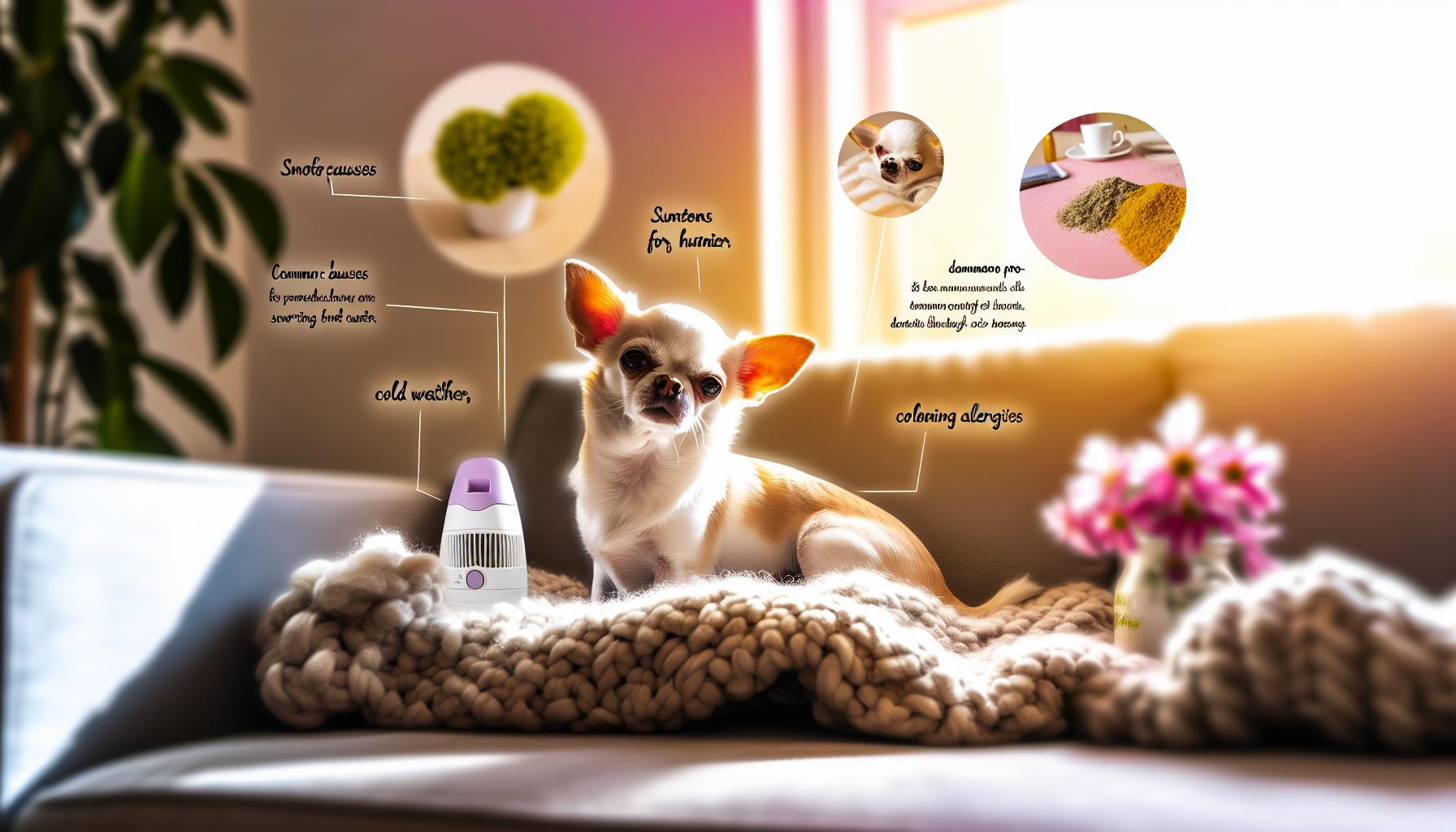
Chihuahuas, with their spunky personalities and delicate frames, often express themselves through an array of vocalizations, including that adorable snorting sound. But why do these little companions snort? Understanding the common causes can help you better manage their health and well-being while celebrating their quirky nature.
One of the primary reasons your Chihuahua might snort is their unique anatomical structure. Many Chihuahuas have a brachycephalic shape, which means their short snouts can lead to restricted airflow, making certain sounds more pronounced. During heightened excitement, like when it’s playtime, or even during bouts of anxiety, their breathing can become more labored, resulting in those characteristic snorts. Owners often remark that their Chihuahuas can sound like miniature pigs when they’re in full play mode!
Another common cause is allergies or nasal congestion. Just like humans, Chihuahuas can be sensitive to pollen, dust, or food allergens. If your Chihuahua is snorting frequently, keep a watchful eye for signs of allergic reactions, such as excessive itchiness, sneezing, or watery eyes. Additionally, reverse sneezing-where the dog rapidly inhales air-can cause brief snorting sounds. Although somewhat alarming to hear, this occurrence is generally harmless and commonly seen in small breeds.
In addition to environmental factors, certain behaviors can contribute to snorting as well. Chihuahuas may snort when they’re trying to clear their airways, especially if they have a little too much to say (or bark!). The excitement of exploring a new environment or meeting new friends can trigger these vocal expressions. Managing your Chihuahua’s environment by keeping it calm during anxious situations can help reduce snorting episodes.
Being attentive and proactive is crucial. If you find that your Chihuahua’s snorting becomes more frequent or is accompanied by other symptoms, it may be time to consult with your veterinarian. They can check for underlying health conditions that might be affecting your tiny friend’s ability to breathe comfortably. Remember, each snort, while charming, is a signal to understand your pup better and keep them thriving.
Is Snoring Normal for Chihuahuas?
Chihuahuas, with their spirited energy and small size, often bring joy to our lives, but their sleeping sounds can sometimes raise eyebrows. Snoring among Chihuahuas is quite common and, in most cases, is perfectly normal. Many owners notice their little companions emitting soft snores, especially when they’re in deep sleep-often adorably sprawled out on their favorite cozy blanket. This light snoring is typically a harmless quirk of their anatomy and habits.
Chihuahuas, like other small breeds, can be prone to snoring due to their physical structure. Their short noses and compact airways can contribute to the production of those charming (yet sometimes loud!) sounds as they breathe. Factors such as sleeping position can also play a significant role. For instance, if your Chihuahua sleeps on his back with his head tilted, it might provide an opening for snoring sounds to resonate more than usual. Owners of apple-head Chihuahuas often share stories of how their pups manage to sound like tiny freight trains when they drift off!
Regarding hygiene and health, it’s essential to monitor your Chihuahua’s snoring closely. If the snoring becomes excessively loud or is accompanied by other concerning symptoms-such as coughing, difficulty breathing, or changes in activity level-it’s wise to consult your veterinarian. They can evaluate your Chihuahua for potential respiratory issues or allergies that could be affecting his sleep quality. Regular check-ups ensure that any health concerns are addressed promptly, keeping your beloved companion happy and healthy.
In conclusion, while snoring is usually a benign part of your Chihuahua’s charm, being attentive to changes in your pup’s breathing patterns can go a long way in ensuring his well-being. Just like other delightful quirks inherent to the breed, snoring enhances the unique personality of your little friend, and embracing these traits can make for a more nurturing environment. So, the next time your Chihuahua fills the room with a symphony of adorable snores, know that it’s just part of what makes him uniquely him!
When to Worry: Signs of Breathing Issues

Chihuahuas are known for their bold personalities and charming quirks, but sometimes those adorable little sounds they make can lead to worry. While snorting and light snoring are typically nothing to fret about, there are certain signs that indicate your Chihuahua might be having trouble with their breathing. Being aware of these signals will help you ensure that your furry companion stays healthy and comfortable.
One key indication of potential breathing issues is if your Chihuahua exhibits signs of distress while breathing. This may include labored breathing, where you notice your pup struggling to inhale or exhale, or if he seems to breathe faster than usual (tachypnea). Additionally, listen for any unusual sounds beyond the typical snorts and snores, such as wheezing or a persistent cough. These noises can point to underlying respiratory problems, so it’s essential to take them seriously.
Another critical aspect to observe is your Chihuahua’s activity level and appetite. If your normally energetic pup becomes lethargic, unwilling to play, or loses interest in favorite treats, it could be a sign that something is off. Look for changes in behavior such as excessive panting, especially if it’s hot outside or after light activity, as this might indicate respiratory distress. It’s also worth monitoring for gums that appear pale or bluish, which can signal insufficient oxygen intake and warrants an immediate veterinary visit.
In addition to behavioral cues, keep an eye out for nasal discharge or a persistent runny nose. If your Chihuahua has a stuffy nose that doesn’t improve after a few days of home care, it could indicate an infection or allergies, which may require veterinary attention. Regular veterinary check-ups become essential as they can catch subtle changes before they escalate into serious health issues. Remember, staying vigilant about your Chihuahua’s health helps keep him happy and thriving in your home.
Breathing Anatomy: What Makes Chihuahuas Unique

Chihuahuas are remarkable little companions, but their unique anatomy can sometimes lead to a range of entertaining sounds, including snorts and snores. Understanding what makes their breathing patterns distinct is essential for any Chihuahua owner. One of the primary reasons Chihuahuas snort is due to their short noses and flat facial structure, which can create an air passage that is less than efficient. Like many brachycephalic breeds, this can result in snorting, especially when they are excited or are trying to catch their breath after a vigorous play session.
The size of a Chihuahua’s trachea, or windpipe, is also a contributing factor. Being one of the smallest breeds, they have a very narrow trachea that can make it more difficult for air to flow smoothly. When they snort, it can be a way of dislodging any minor obstructions in their nasal passages. Furthermore, the soft palate in Chihuahuas can be elongated, contributing to turbulence as air flows through their airway. This is why you might sometimes notice your pup snorting, especially when they’re puppy-dog excited or have been engaging in playful antics.
Humidity and temperature can exacerbate these breathing sounds as well. Chihuahuas can be sensitive to their environments; for instance, heat or dry air can irritate their throats and nasal passages, leading to more frequent snorting. Regularly observing your Chihuahua in different environments can help you pinpoint triggers so you can create a more comfortable living situation, especially during seasonal changes.
Ultimately, knowing what makes your Chihuahua unique anatomically allows you to better manage their health and comfort. Emphasizing proper care, including maintaining a moderate environment and being attentive to their breathing patterns, will keep your little friend happy and thriving. By fostering a deeper understanding of their breed-specific traits, you can appreciate the delightful quirks that make Chihuahuas such beloved companions.
Differences Between Snorting and Coughing
While it’s common for Chihuahuas to express themselves through an array of amusing sounds, understanding the distinction between snorting and coughing can help you monitor their health and comfort more effectively. Snorting, which often resembles a sound similar to a pig’s grunt, typically results from their unique brachycephalic anatomy. Chihuahuas possess short snouts, which can lead to sensitive airways. They may snort when excited, trying to clear an obstruction, or merely because they’re getting overly stimulated during play. This kind of sound is generally benign and often happens in quick bursts.
On the other hand, coughing has a different undertone and tends to be more rhythmic and harsh. It can indicate respiratory issues or conditions such as kennel cough, allergies, or heart problems. If your Chihuahua frequently coughs, especially if it appears to be painful or is accompanied by symptoms like lethargy, loss of appetite, or nasal discharge, it’s essential to seek veterinary advice. Coughing can signal underlying health concerns that need addressing, and while Chihuahuas can be playful and bold, their small size makes them more vulnerable to respiratory ailments.
H3: Quick Tips to Differentiate Snorting from Coughing
- Sound Quality: Snorts are quick and often playful, while coughs have a forceful release and can last longer.
- Situational Context: Pay attention to your Chihuahua’s activity. If they are excited and snorting, it’s likely just a playful expression. However, if they start coughing while resting or not playing, it might warrant a check-up.
- Accompanying Symptoms: Monitor for simultaneous signs like sneezing, nasal discharge, or wheezing. Snorting typically lacks these indicators, whereas coughing might accompany lethargy or changes in appetite.
By maintaining awareness of these differences, you’ll be better equipped to care for your little companion and ensure they stay healthy and happy. Remember, knowing your Chihuahua’s normal sounds and behaviors is key to being a responsible and loving owner.
Managing Snorting Through Care and Environment
Understanding how to manage your Chihuahua’s snorting can significantly enhance her comfort and reduce any anxiety you might feel as an owner. These little dogs, with their bold personalities and charming quirks, often express themselves through unique sounds, including those adorable snorts. However, the sound can sometimes signal a need for care or adjustment in their environment to promote better breathing.
Creating a calm and safe environment is crucial. Minimize stressors that can trigger snorting, such as loud noises or too much excitement, which often lead to hyperactivity and result in those cute but alarming sounds. Designate a quiet space where your Chihuahua can retreat when things get too lively, helping her to relax and catch her breath. Use soft bedding and familiar toys in this space to make it a comforting retreat.
Additionally, consider the air quality in your home. Dust, smoke, and strong fragrances can irritate your Chihuahua’s sensitive airways. Regular cleaning and using an air purifier can make a significant difference. Be mindful of products used around the house; opting for pet-safe and hypoallergenic options can greatly enhance her breathing comfort.
Another effective approach is to adjust her daily routine. Limit vigorous playtimes that might lead to excessive snorting and instead incorporate calm, short walks and low-key play sessions. A Chihuahua like yours thrives on interaction but benefits from intervals of peace. If snorting becomes frequent during certain activities, like playdates with larger dogs, it may be wise to adjust those interactions or monitor them more closely.
Nutrition also plays an essential role in managing her snorting. Ensuring she maintains a healthy weight can prevent additional pressure on her respiratory system. Consult with your veterinarian about the best diet for her specific needs, especially if she’s on the heavier side. Quality kibble designed for small breeds can support her overall health and, in turn, her breathing.
By being proactive in managing your Chihuahua’s environment, reducing stimuli that lead to snorting, and paying attention to her health and well-being, you can help her breathe easier and enjoy a happier, healthier life. Embrace her feisty spirit while ensuring she gets the comfort she deserves!
Diet and Its Impact on Chihuahua Breathing
Chihuahuas, with their bold personalities and adorable quirks, often come with unique health considerations-especially when it comes to their delicate respiratory systems. One important aspect that can significantly affect your little one’s breathing is her diet. The right nutrition not only supports her overall health but can also reduce occurrences of snorting and other breathing sounds.
Maintaining a proper weight is crucial for any Chihuahua, especially considering their small size. Carrying extra pounds can add pressure on her ribcage, potentially constricting her airways and making each breath a little more laborious. High-quality kibble, preferably specially formulated for small breeds, is essential. Look for options that are rich in protein and include essential fatty acids, as these nutrients help maintain a healthy weight and strong muscle development. For instance, a friend of mine swears by a specific brand of grain-free kibble that helped curb her Chihuahua’s snorting episodes, attributing it to the balanced nutrients that supported her pet’s ideal weight.
In addition, it’s wise to consider the ingredients in her food. Some Chihuahuas thrive on a diet that’s low in fillers and artificial additives, which can sometimes lead to allergic reactions or sensitivities that might exacerbate breathing issues. Pay attention to any changes in her breathing that coincide with meals-if you notice increased snorting or discomfort after feeding, it might be time to consult your vet about switching to a single-protein or hypoallergenic diet.
Lastly, keeping an eye on meal frequency and portions can also play a part in her overall health. Smaller, more frequent meals can help prevent bloating, which might compress her diaphragm and hinder proper airflow. A schedule that factors in multiple small meals throughout the day instead of one or two larger ones can greatly improve her comfort levels and promote healthier eating habits.
In summary, the right diet is paramount to keeping your Chihuahua comfortable and her breathing as clear as possible. By focusing on maintaining her ideal weight, selecting high-quality ingredients, and managing portion sizes, you can help her breathe easier and enjoy a happier, healthier life filled with those endearing vocal expressions we all adore!
Tips for Improving Your Chihuahua’s Airflow
Chihuahuas, with their distinctive and sometimes noisy breathing, can leave owners puzzled at times. To help your little companion breathe easier, you can make a few simple adjustments to her environment and care routine. Improving airflow can alleviate snorting episodes, allowing her to enjoy her vibrant personality without the interruptions of discomfort.
Start by ensuring your home is well-ventilated. Stuffy environments can exacerbate breathing issues, so open windows whenever possible to allow fresh air to circulate. Consider investing in an air purifier to reduce allergens and irritants that may aggravate her sensitive respiratory system. Regular cleaning helps, too; dust and dander can accumulate quickly, so routine vacuuming and dusting can create a cleaner, healthier space for her to thrive.
Another effective way to enhance her airflow is to keep her weight in check. As mentioned, excess weight can compress her ribcage and restrict breathing. Engage her in regular, gentle exercise-short walks and playtime can make a significant difference in her overall health. Remember to keep an eye on her during physical activities; Chihuahuas can tire easily, so frequent breaks are essential to avoid overexertion.
Environmental factors, such as humidity and temperature, should also be monitored. Chihuahuas are sensitive to extreme heat and cold. During hot weather, provide plenty of shade and fresh water, ensuring she doesn’t overheat. Using a fan or air conditioning can improve comfort levels and promote easier breathing. In colder months, a cozy blanket or a heated dog bed will help her stay warm without stressing her respiratory system.
It’s worth noting that behavioral triggers can also play a role in snorting. Some Chihuahuas may snort when excited or anxious. Identifying these triggers can help you manage her environment better. If you notice that certain situations lead to more frequent snorting, consider creating a calming space where she can retreat to when feeling overwhelmed. Using pheromone diffusers or calming treats designed for dogs can further assist in reducing anxiety, ultimately leading to smoother, quieter breathing.
By addressing these factors, you can significantly improve your Chihuahua’s airflow and overall comfort. A few minor changes in her daily routine and environment can lead to noticeable improvements in her quality of life, allowing her bold and loving personality to shine brightly, without the complications of unnecessary snorting.
Chihuahua Breeds and Their Breathing Traits
Chihuahuas are a unique breed known for their bold personalities and vocalizations, which often include various breathing sounds like snorting. Understanding the breathing traits across different Chihuahua types can help owners anticipate and manage these sounds. Primarily, Chihuahuas are categorized into two main types based on head shape: apple-headed and deer-headed. Each type has its own characteristics influencing their breathing and overall health.
The apple-headed Chihuahua, which features a rounded skull and short muzzle, is notably prone to respiratory issues due to its compact structure. This anatomical characteristic can make them more susceptible to brachycephalic airway syndrome, which may lead to snorting or labored breathing, especially during exercise or excitement. On the other hand, the deer-headed Chihuahua, with a longer snout and a more elongated head, generally experiences fewer complications related to their breathing. While they may still snort, their traits often allow for a more manageable airflow compared to their apple-headed counterparts.
Aside from head shapes, coat types also play a role. Smooth-coated Chihuahuas might experience less interference from their fur during breathing, while long-haired Chihuahuas could be more prone to allergens that may contribute to snorting or sneezing. Regular grooming and maintaining a clean living environment help mitigate these concerns, ensuring that both types of Chihuahuas can breathe comfortably.
It’s essential for owners to monitor their Chihuahua’s breathing patterns, as excessive snorting can indicate discomfort or health issues. For example, if your apple-headed Chihuahua begins to snort frequently, it might be a sign to evaluate their weight or consider a veterinary check-up to rule out any respiratory conditions. By appreciating the nuanced differences among Chihuahua breeds and their unique breathing traits, you can provide tailored care that keeps your furry friend healthy and comfortable.
Engaging with your Chihuahua’s individual quirks not only enhances your bond but also equips you to manage their breathing effectively, celebrating their vibrant personalities while ensuring they remain happy and healthy.
Behavioral Triggers for Snorting in Chihuahuas
Chihuahuas are well-known for their bold and vibrant personalities, which can often manifest in various vocalizations, including snorting. Understanding the behavioral triggers behind your Chihuahua’s snorting can help you manage this characteristic effectively and improve your pet’s overall comfort. Snorting in Chihuahuas can be influenced by several factors, including excitement, anxiety, and physical stimulation.
One of the primary triggers for snorting is exuberance during playtime or when greeting their favorite humans. Imagine your little apple-headed buddy bouncing around in sheer joy; the excitement might lead to brief, intense snorts-an adorable manifestation of their happiness. This is quite common in Chihuahuas, who are naturally vocal and expressive. Similarly, stress or anxiety can cause snorting, as your Chihuahua might use sound to express discomfort in overwhelming situations, such as meeting new dogs or encountering unfamiliar environments.
Another behavioral driver of snorting can be tied to their unique personalities. Chihuahuas are spirited little companions who often feel compelled to assert themselves, even when they are far outmatched by larger dogs. During these moments, snorting might come up as a way to communicate their presence or confidence. For example, a small deer-headed Chihuahua facing a bigger dog at the park might let out a series of snorts to assert their boldness.
To help manage snorting related to specific behaviors, consider a few practical tips:
- Comfort Zones: Create safe spaces in your home where your Chihuahua can retreat when feeling anxious. A cozy bed or covered crate can help reduce stress levels.
- Controlled Exposure: Gradually expose your Chihuahua to new environments and situations, allowing time to adjust to curb anxiety-related snorting.
- Engagement Activities: Provide ample physical and mental stimulation through playtime or puzzle toys to reduce pent-up energy that may lead to excessive vocalizations.
- Calm Commands: Teach commands that help soothe your Chihuahua during excitement or anxiety, such as “settle” or “quiet,’ which can help redirect their focus.
Every Chihuahua is an individual, and understanding the nuances of their behavior can enhance your bond and help you respond appropriately to their snorting. By observing the context in which these sounds arise, you can tailor your approach to each scenario, ensuring that your spirited companion feels secure and cherished.
Home Remedies for Reducing Snorting Sounds
Chihuahuas can be as expressive as they are tiny, and their snorting can be both endearing and puzzling for owners. If your little companion is prone to this quirky vocalization, there are several home remedies you can try to help reduce those snorting sounds and improve their overall comfort.
First, enhancing your Chihuahua’s environment is crucial. Keeping the home free from allergens can significantly help. Use air purifiers, maintain cleanliness, and consider non-toxic cleaning supplies to reduce dust, pollen, and scents that may irritate your pup’s sensitive nose. Additionally, ensure your Chihuahua’s sleeping area is comfortable and snug. A cozy bed with plush blankets can help them relax, which may decrease anxiety-related snorting.
Next, hydration plays a key role in respiratory health. Offer fresh water throughout the day to prevent dehydration, which can contribute to respiratory irritations. If your Chihuahua is open to it, adding a few drops of chicken or beef broth to their water can encourage them to drink more. Steaming is another effective method; consider running a hot shower and letting your Chihuahua sit in the bathroom for a few minutes to inhale the warm, moist air. This can help soothe their airways.
Gentle massages can also be a comforting approach. Rub your Chihuahua’s chest and throat area softly during moments of snorting; this can help ease any tension and may promote better airflow. Moreover, if your Chihuahua experiences snorting due to excitement, training them to respond to calming cues can be a game-changer. Teaching commands like “relax” during playtime can help them find their calm more easily.
Lastly, monitor their diet; some foods may cause sensitivity that leads to increased vocalizations. Consult your veterinarian about introducing a high-quality dog food that meets their nutritional needs while supporting good respiratory health. Being proactive about your Chihuahua’s health can make a significant difference in their comfort and happiness. By creating a supportive environment and addressing their needs holistically, you can minimize snorting and enhance your bond with your spirited little companion.
Faq
Q: Why is my Chihuahua making weird breathing noises?
A: If your Chihuahua is making weird breathing noises, it may be due to their unique nasal structure or respiratory issues. Common reasons include excitement, allergies, or underlying health problems. Monitor for signs of distress, and consult your veterinarian if the sounds persist or worsen.
Q: How can I tell if my Chihuahua’s snorting is serious?
A: To determine if your Chihuahua’s snorting is serious, look for additional symptoms like lethargy, coughing, or difficulty breathing. If your pup shows any of these signs, especially while snorting, seek veterinary advice to rule out conditions like respiratory infections or brachycephalic airway syndrome.
Q: What should I do if my Chihuahua snorts loudly?
A: If your Chihuahua snorts loudly, ensure they are in a calm environment. Reducing stress can sometimes alleviate snorting. However, if loud snorting occurs frequently, check for allergens and consider consulting your vet for further evaluation to address any possible health concerns.
Q: Are certain Chihuahua types more prone to breathing issues?
A: Yes, Chihuahuas with certain traits, particularly brachycephalic (flat-faced) types, are more prone to breathing issues. If you have an apple-head Chihuahua, be particularly watchful of respiratory sounds and seek advice from your vet on managing their health and environment.
Q: Can obesity cause snorting in Chihuahuas?
A: Yes, obesity can lead to snorting in Chihuahuas as excess weight increases pressure on their airways. To help mitigate this, maintain a healthy diet and ensure regular exercise for your Chihuahua, which can improve their overall breathing and well-being.
Q: What home remedies can I use to reduce my Chihuahua’s snorting?
A: To reduce snorting in your Chihuahua, try humidifying the air, keeping allergies in check, or using natural supplements that promote respiratory health. Always consult your vet before starting any new treatments to ensure they are safe for your pet.
Q: Is it normal for Chihuahuas to have nasal congestion?
A: Yes, Chihuahuas can experience nasal congestion due to allergies, infections, or environmental irritants. If your Chihuahua is showing signs of persistent nasal congestion, it’s important to consult your veterinarian for proper diagnosis and treatment options.
Q: How can I help my Chihuahua breathe better during exercise?
A: To help your Chihuahua breathe better during exercise, engage in short sessions with frequent breaks, and avoid high temperatures. Monitor their breathing closely, especially if snorting appears during play, and adjust activity levels accordingly to keep them comfortable.
Key Takeaways
If your Chihuahua is snorting, remember it often reflects their unique, vibrant personality rather than a cause for alarm. Understanding why these little vocalizations happen can enhance your bond with your furry friend and improve their overall well-being. If you’re curious about other Chihuahua behaviors, check out our guides on common Chihuahua health issues and tips for managing their vocal tendencies.
Don’t forget to subscribe to our newsletter for the latest tips and resources tailored for Chihuahua owners! You won’t want to miss expert advice on everything from nutrition to training techniques. And if you ever feel unsure about your Chihuahua’s health or behavior, consulting with a veterinarian or a dog behaviorist can provide peace of mind.
Join the conversation in the comments below-share your experiences and connect with other passionate Chihuahua owners. Your furry buddy deserves all the love and attention, and we’re here to support you every step of the way! Embrace their quirks, and continue celebrating all the joy they bring into your life.
Get our latest guides, news, and insights highlighted in your Google Search & AI Overviews.