

Did you know that Chihuahuas are renowned for their adorably large eyes? This distinctive feature is not just charming; it plays a significant role in their health and behavior. Understanding why Chihuahuas have such prominent peepers is essential for any owner who wants to provide the best care for their furry companion. These big eyes are linked to various factors, including breed-specific characteristics and potential health considerations. As a proud Chihuahua owner, you’re likely curious about how eye size affects your pup’s well-being and what you can do to ensure their vision stays sharp. Delving into this topic will not only satisfy your curiosity but also help you appreciate the unique traits that make Chihuahuas such lovable and spirited companions. Let’s explore the science and charm behind those captivating eyes!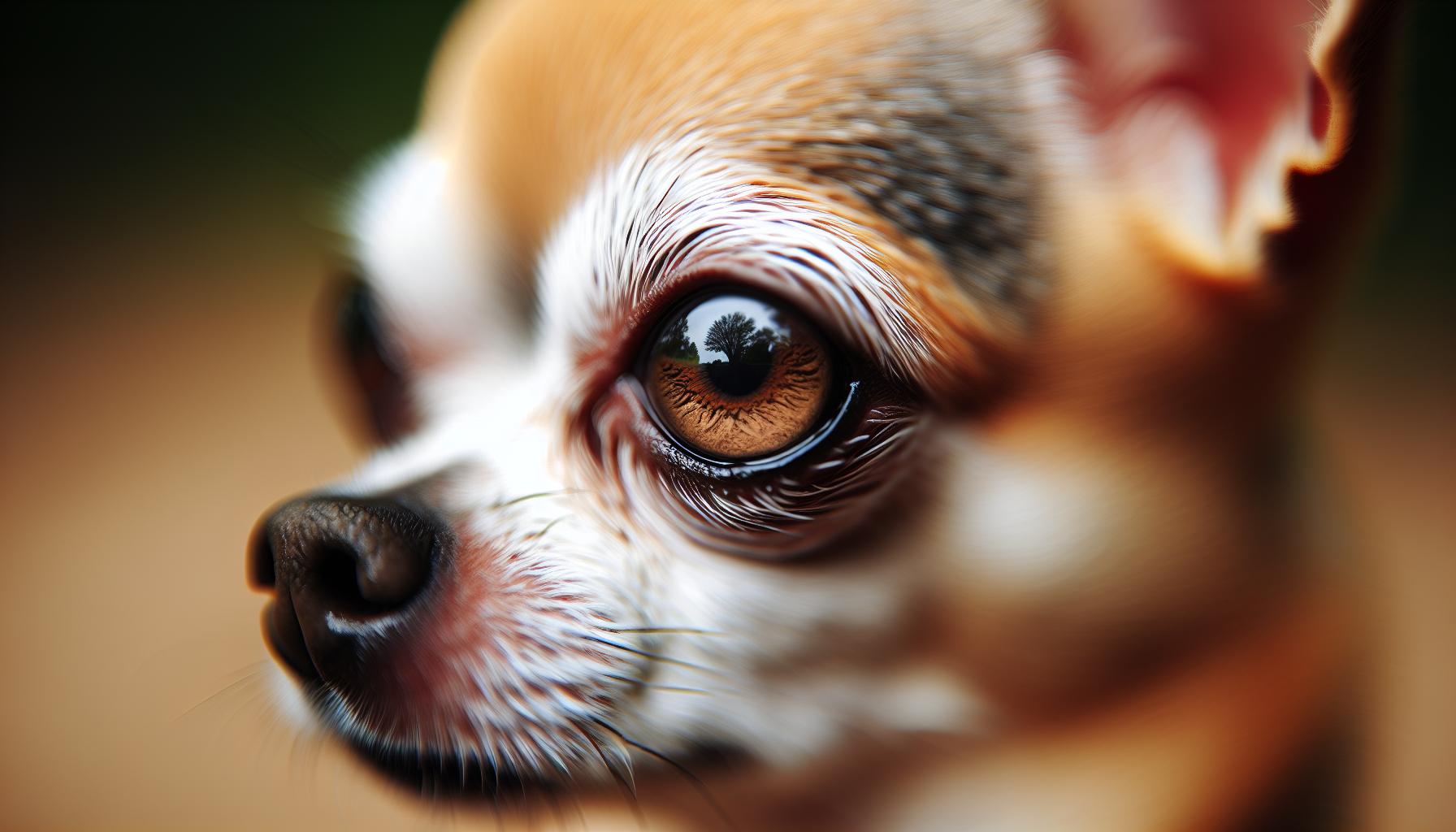
Understanding Chihuahua Eye Anatomy and Features
Chihuahuas are celebrated not just for their tiny stature but also for those large, expressive eyes that can melt anyone’s heart. Understanding the unique anatomy and features of a Chihuahua’s eyes is essential for effectively caring for and appreciating these little companions. Unlike many other breeds, Chihuahuas often have prominent eyes that contribute significantly to their personality. This distinctive feature can make them look inquisitive and eager, reflecting their playful and lively nature.
The anatomy of a Chihuahua‘s eye is designed to accommodate their wide field of vision, allowing them to be alert and aware of their surroundings despite their small size. Their eyes are typically round and may come in a variety of colors, including brown and blue, with some even exhibiting striking multi-colored irises. However, the prominence of their eyes also makes them susceptible to certain conditions. Understanding the structure-such as the cornea, lens, and retina-is crucial. For instance, a Chihuahua’s cornea is more exposed due to their bulging eyes, making it more vulnerable to trauma and foreign objects.
Caring for those big eyes involves regular attention to their health. Owners should watch for signs of discomfort or changes in appearance, such as excessive tearing, redness, or cloudiness, which can indicate underlying issues. Regular veterinary check-ups are essential, especially since early detection can prevent more serious health problems, such as cataracts or progressive retinal atrophy. Moreover, maintaining a clean environment and providing a balanced diet rich in nutrients that support eye health can further enhance your Chihuahua’s vision.
By understanding the intricacies of Chihuahua eye anatomy and taking proactive steps for their care, you enhance not just their health but also the bond you share. It’s these beautiful, expressive eyes that connect you and your little friend, providing insights into their emotions and well-being, making every gaze an important part of your relationship.
The Link Between Eye Size and Health in Chihuahuas
Chihuahuas are known for their endearing physical features, and their large eyes are a defining characteristic that adds to their charm. The size of a Chihuahua’s eyes is not just for show; it plays a crucial role in their health and well-being. These prominent peepers enhance their field of vision, allowing them to be keenly aware of their surroundings, which is part of what makes them such vibrant and curious companions. However, this beautiful feature also comes with potential health implications that every owner should be aware of.
One of the primary concerns related to eye size in Chihuahuas is the increased vulnerability to eye injuries. Their bulging eyes can easily become scratched or traumatized, especially if they engage in rough play or encounter foreign objects. As a result, monitoring for signs of discomfort is essential. Owners should keep an eye out for excessive tearing, squinting, or any noticeable changes in the clarity of their Chihuahua’s eyes. For instance, if you notice that your little one seems hesitant to jump around or appears more sensitive to light, it could be a sign that a trip to the vet is warranted.
Moreover, the relationship between eye size and genetic predispositions plays a significant role in a Chihuahua’s health. Certain varieties, such as the apple-headed Chihuahua, tend to have larger eyes, which correlates with a higher risk for conditions like dry eye or glaucoma. This means that understanding your Chihuahua’s lineage can help you anticipate potential issues and take proactive measures to maintain their eye health. Comprehensive vet check-ups and tailored care routines can prevent severe complications down the line.
Furthermore, diet also impacts the health of these expressive eyes. Providing a nutrition-rich diet that includes essential fatty acids, vitamins A and E, and antioxidants can promote better eye health. Regular feeding of high-quality dog food, supplemented with vet-recommended treats, not only supports overall health but can also keep those adorable eyes sparkling and clear. Remember, happy, healthy eyes are essential for your Chihuahua’s well-being and can make all the difference in their playful demeanor. Through attentive care and an understanding of their special needs, you can ensure your Chihuahua enjoys vibrant health, characterized by their enchanting gaze.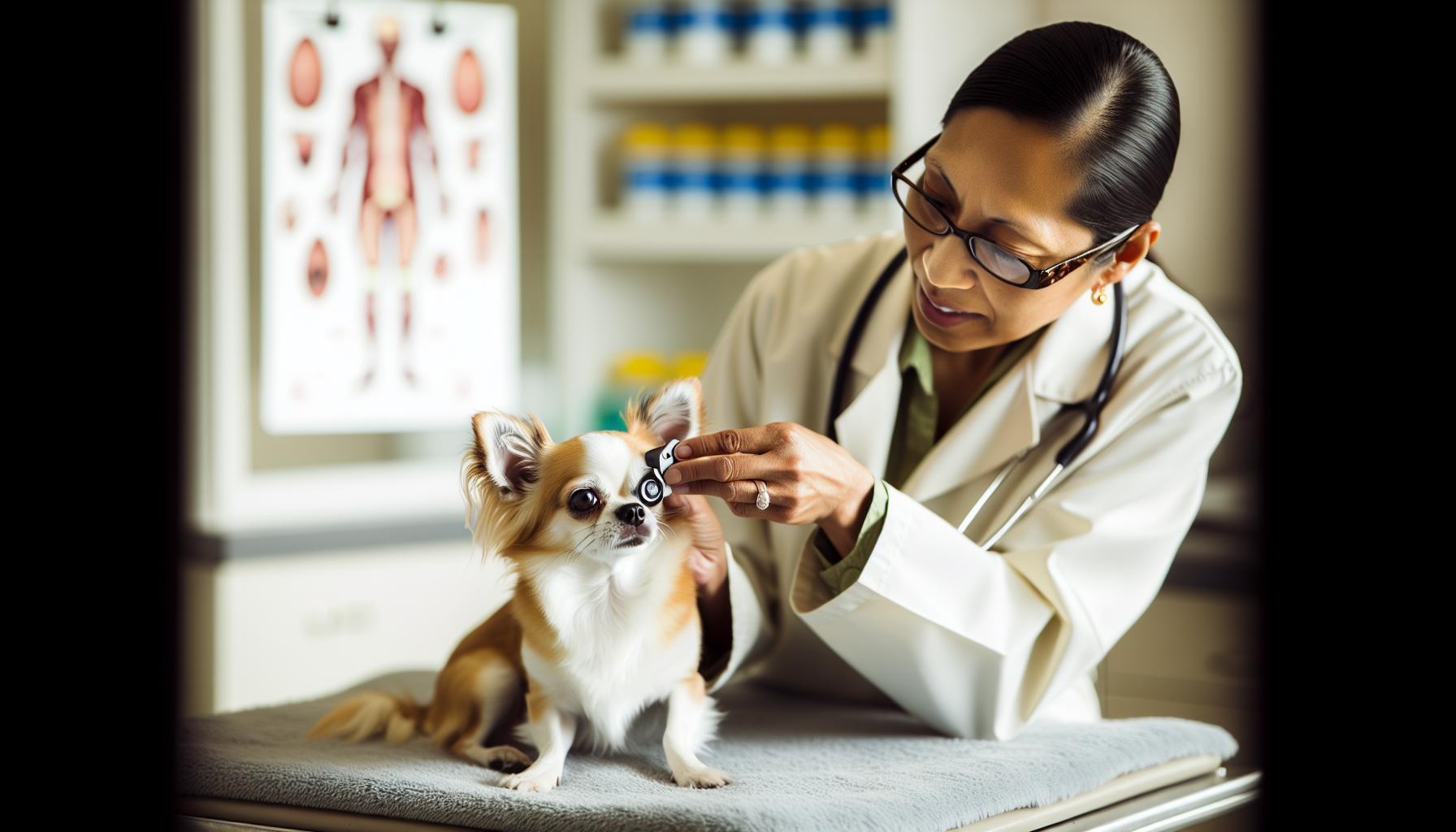
Common Eye Conditions in Chihuahuas: What to Watch For
Chihuahuas, with their sparkling eyes, often catch the attention of dog lovers everywhere. However, those striking peepers come with their share of potential health issues that every owner should be vigilant about. Understanding these common eye conditions is crucial for maintaining your furry friend’s health and ensuring those big eyes sparkle for years to come.
One prevalent issue is dry eye, also known as keratoconjunctivitis sicca. This condition occurs when the tear glands do not produce enough moisture, leading to discomfort, inflammation, and an increased risk of infection. If you notice your Chihuahua frequently squinting, rubbing her eyes, or exhibiting increased redness, it’s time to consult your veterinarian. Effective treatments, such as tear-stimulating medications or artificial tears, can help keep her eyes comfortable.
Another condition to watch for is epiphora, characterized by excessive tearing. While a little teariness can be normal, constant watering can indicate deeper issues such as blocked tear ducts or incipient eye infections. A discerning owner should pay attention to changes in the amount and consistency of tears. Clear, watery tears might not be alarming, but tear staining or thick, discolored discharge can indicate a visit to the vet is necessary.
You should also be cautious about glaucoma, a serious condition where increased pressure within the eye can lead to vision loss. Symptoms may include a bulging eyeball, redness, and excessive tearing. Regular veterinary check-ups that include eye health assessments can help catch this condition early, which is vital since prompt treatment is essential to preserving vision.
Lastly, be aware of cataracts, which can develop due to genetics or age, manifesting as a cloudy appearance in the eye. Though more common in senior Chihuahuas, early intervention can often minimize the impact on her eyesight. If you observe any signs of cloudy eyes or changes in vision-like your little one bumping into objects-make that appointment with your vet.
In summary, loving Chihuahua owners need to be attuned to their companion’s eye health. Through routine check-ups, prompt attention to symptoms, and a deep understanding of the complexities of Chihuahua eye conditions, you can ensure her eyes stay as vibrant and healthy as her spirited personality. Your vigilance not only protects her vision but also helps maintain the joyous bond you share.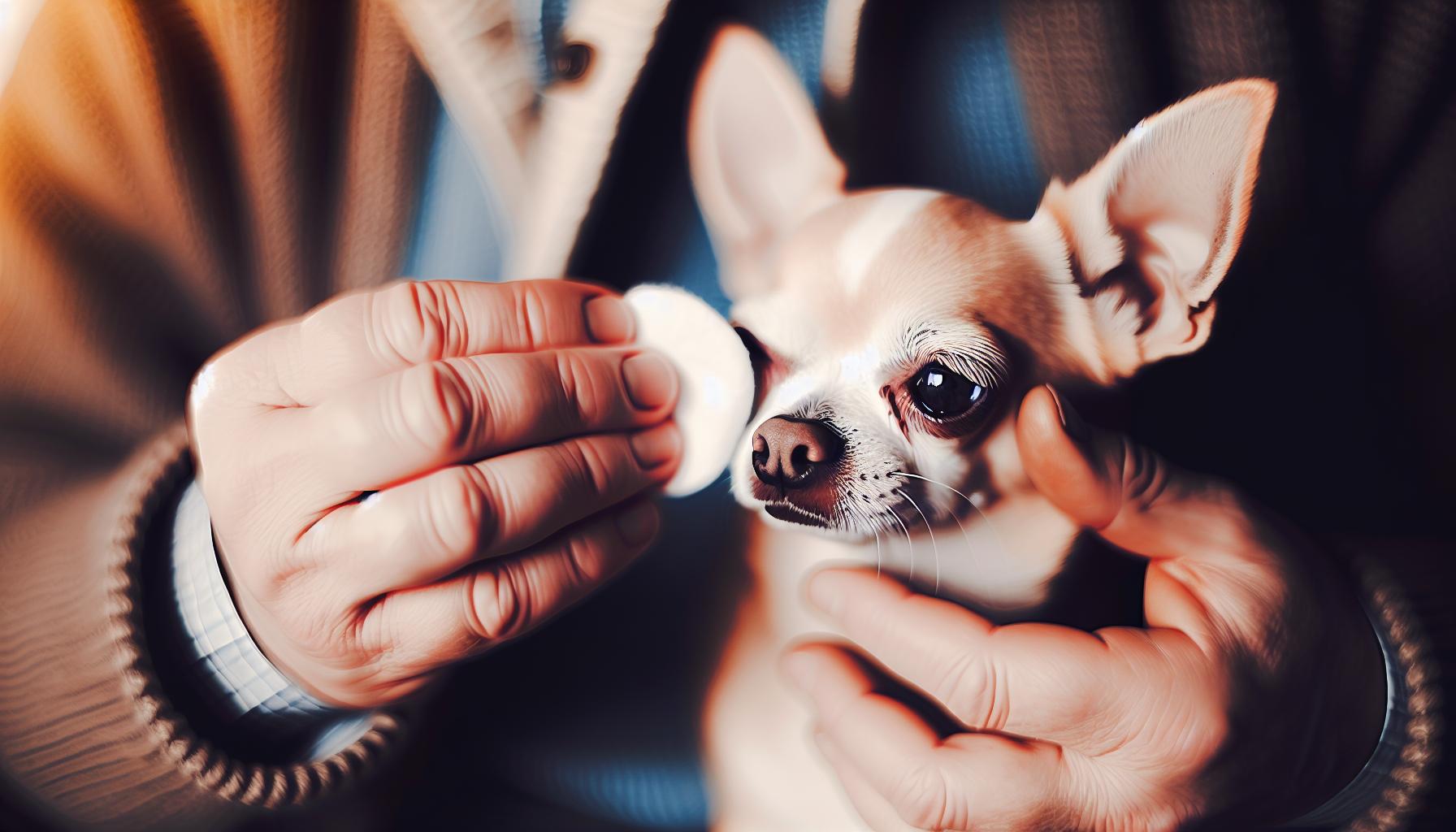
How to Care for Your Chihuahua’s Eyes
Chihuahuas are known for their large, expressive eyes that can melt hearts at first glance. However, caring for those beautiful peepers goes beyond admiration; it requires some proactive measures to ensure their health and comfort. A few simple, yet effective routines can make a world of difference in maintaining your Chihuahua’s eye health over the years.
Regular cleaning is essential, especially for Chihuahuas prone to tear staining. Gently wipe the corner of your Chihuahua’s eyes with a soft, damp cloth daily to remove any debris, tear buildup, or crustiness. Make sure to use warm water-avoid soaps or harsh chemicals that can irritate delicate skin. Many owners swear by using pre-moistened pet wipes specifically designed for eye and ear cleaning, as they can offer convenience and effectiveness in one go.
Moreover, routine veterinary check-ups are critical in monitoring eye health. During these visits, your vet will perform thorough examinations, checking for signs of common issues such as dry eye or early-stage cataracts. Watch for changes in behavior, too; if your Chihuahua is squinting, rubbing her eyes excessively, or seems sensitive to light, don’t hesitate to bring her in for a check-up. Early intervention is vital-your swift action can be the difference between a simple treatment and more complex issues down the road.
Nutritional support also plays a crucial role in maintaining eye health. Providing a diet rich in antioxidants, omega fatty acids, and vitamins A and E can help protect your Chihuahua’s eyesight. Include foods like carrots, spinach, and fish in their meals. Some owners incorporate specific supplements tailored for eye health, but always consult your veterinarian before introducing anything new to your pup’s diet.
Lastly, keeping your Chihuahua’s environment clean can significantly falter potential eye irritants. Ensure that your home is free from dust, smoke, and allergens that may affect your Chihuahua’s eyes. If you live in an area with a lot of pollen or dust, consider using air purifiers to keep the air quality high.
By incorporating these simple practices, you’ll not only help preserve the health of your Chihuahua’s eyes but also enhance their overall well-being. Celebrate those big, beautiful eyes with love, care, and a little bit of diligence!
The Role of Genetics in Eye Size Variation
Chihuahuas are often celebrated for their strikingly large eyes, which not only give them a unique appearance but also contribute to their expressive demeanor. The size of your Chihuahua’s eyes is significantly influenced by genetics, a fascinating aspect that varies within the breed. Understanding how genetics plays a role can help owners appreciate their pet’s unique characteristics and anticipates potential health concerns related to eye size.
In Chihuahuas, two main head types emerge: the apple head and the deer head. The apple head features a round, domed skull and tends to have larger, more prominent eyes. This eye structure is not merely a physical trait; it can also affect vision and susceptibility to certain eye conditions. Conversely, the deer head Chihuahua has a more elongated skull and a slightly different eye shape, which can lead to variations in eye health and sight capabilities. As a devoted Chihuahua owner, you might notice that your apple-head companion’s large eyes can be prone to issues like tear staining or corneal problems, partly due to their prominence.
Genetics also governs a Chihuahua’s eye health through hereditary influences. For example, if a parent has a history of conditions like patellar luxation or eye disease, there’s a chance these issues can pass down to their offspring. Regular veterinary check-ups for early detection are vital. For instance, an owner of a Chihuahua with a family history of cataracts noted a noticeable change in her dog’s behavior, prompting her to seek early intervention, which ultimately improved her dog’s quality of life.
To support your Chihuahua’s eye health, it’s essential to consider the genetic factors at play when selecting a breeding program or adopting a new puppy. Look for breeders who prioritize health testing and breed standard adherence. This diligence can contribute to a healthier lineage. Additionally, maintaining a balanced diet rich in nutrients can help mitigate some hereditary risks. Providing foods containing omega fatty acids and antioxidants can support eye health and overall well-being.
By embracing the genetic diversity of Chihuahuas and understanding the implications for eye size and health, you’re not only enhancing your knowledge as an owner but also ensuring that your beloved pet thrives with vibrant eyes that shine with vitality. Celebrate their unique genetic traits while being proactive about their health!
Signs of Eye Problems in Chihuahuas: When to Seek Help
As a devoted Chihuahua owner, it’s essential to be attuned to the signs that your little companion may be experiencing eye problems. Chihuahuas, with their captivating large eyes, are particularly susceptible to various eye conditions due to their unique anatomy. Being proactive in recognizing potential issues can vastly improve their quality of life. Here are some key signs to watch for that may indicate your Chihuahua needs veterinary attention.
First and foremost, changes in your dog’s behavior can be significant red flags. If your Chihuahua suddenly becomes hesitant to jump onto furniture or appears reluctant to engage with toys, it might be a sign of vision impairment. Additionally, if you notice excessive squinting, tearing, or even redness around the eyes, these symptoms often indicate discomfort or an underlying condition that requires professional assessment.
Another critical aspect to observe is any discharge from the eyes. A healthy Chihuahua should have clear, bright eyes without noticeable drainage. If you see cloudy or thick mucous discharge, it may indicate problems such as conjunctivitis, corneal ulcers, or other infections. Pay attention to whether your dog is rubbing her face or pawing at her eyes, as this can suggest irritation or pain.
Lastly, occasional changes in pupil size, particularly if one pupil appears larger or smaller than the other, may warrant immediate veterinary care. This condition, known as anisocoria, can be associated with neurological issues or severe eye problems that need prompt attention.
In conclusion, maintaining a watchful eye (pun intended!) on your Chihuahua’s behaviors and physical signs can help you catch any potential eye issues early. Regular check-ups with a vet specialized in small breeds ensure that your beloved companion stays vibrant and healthy, ready to share her bold personality with the world. Your attention to detail can make all the difference in her overall well-being and happiness!
Chihuahua Eye Care: Tips for Healthy Vision
Chihuahuas are known for their adorable, oversized eyes, which contribute to their unique charm and personality. However, these beautiful features also require special attention to ensure your little companion maintains optimal eye health throughout their life. Fostering good eye care habits not only preserves your Chihuahua’s vision but also enhances their overall quality of life.
One vital tip for maintaining your Chihuahua’s eye health is to keep their living environment clean. Regularly disinfecting areas where they play can help prevent eye infections. Consider using safe, pet-friendly products that won’t irritate their sensitive eyes. Also, be mindful of allergens that can lead to ocular discomfort, such as dust, pollen, and certain cleaning supplies.
Routine veterinary check-ups are essential. During these appointments, your vet can perform thorough eye exams to catch any potential issues early. Discuss specific concerns with your veterinarian, especially if you notice any behavioral changes, like excessive squinting or rubbing at her eyes. Don’t hesitate to voice questions about proper care techniques, as your vet can provide personalized recommendations based on your Chihuahua’s breed type and individual health needs.
Additionally, maintain a balanced diet rich in antioxidants and omega fatty acids, which can promote overall eye health. Foods like carrots and leafy greens can be excellent for enhancing vision. Hydration is equally important; ensure your Chihuahua always has access to fresh water, as dehydration can lead to numerous health issues, including dry eyes.
Lastly, remember that Chihuahuas are toy-sized companions with big personalities. Their feisty nature means they might be less inclined to show they are in discomfort. By adopting a proactive approach toward eye health, you can help prevent problems before they escalate, allowing your beloved pet to enjoy her adventures with confidence and clarity.
How Diet Affects Eye Health in Chihuahuas
While many Chihuahua owners may focus on their little one’s exuberant personalities and unique charm, the impact of nutrition on eye health is critical and often overlooked. Just like humans, Chihuahuas can benefit immensely from a diet that supports their ocular health. The right foods can help maintain clarity in those big, expressive eyes and prevent common issues.
To enhance eye health, consider incorporating a variety of nutrient-rich foods into your Chihuahua’s diet. Foods high in omega-3 fatty acids, like salmon and flaxseed, are known for reducing inflammation, which can help protect against eye conditions. Antioxidant-rich vegetables such as carrots, sweet potatoes, and leafy greens not only promote good vision but also combat oxidative stress that can damage eye cells.
Hydration Matters
Don’t underestimate the importance of hydration. Ensuring your Chihuahua has access to fresh water at all times is paramount for maintaining eye moisture and overall health. Dehydration can lead to dry eyes, which can be particularly troublesome for a breed known for its sensitive eyes.
Another important factor is the role of vitamins. For instance, Vitamin A is essential for vision, and deficiency can lead to night blindness or more serious issues. Incorporating liver or supplements specifically formulated for small breeds can boost their intake of this vital nutrient, keeping those big eyes sparkling and healthy.
As an example, one proud Chihuahua owner noticed that after switching to a diet rich in vegetables and omega-3s, her dog’s eye brightness improved significantly, along with reduced tearing. This kind of transformation showcases the substantial influence of diet on their overall eye health.
Ultimately, by prioritizing a well-rounded diet that includes eye-specific nutrients, you contribute positively to your Chihuahua’s health and joie de vivre, allowing them to thrive with all the vibrancy that their unique personalities deserve.
Understanding the Behavioral Traits of Big-Eyed Chihuahuas
Big-eyed Chihuahuas are not just adorable companions; their unique eye size can influence their personalities and behaviors significantly. The large, expressive eyes typical of the breed allow them to exhibit a wide range of emotions, making them incredibly engaging pets. These striking features contribute to their charm but can also hint at certain behavioral traits.
One fascinating aspect of Chihuahuas with prominent eyes is their heightened sensitivity. They are often more alert and aware of their surroundings, which can be a double-edged sword. On one hand, this alertness makes them excellent watchdogs, quick to sound the alarm at the slightest noise. On the other, it can lead to anxiety or overexcitement. For example, a Chihuahua named Bella became notorious in her neighborhood for barking fiercely at passing cars and even squirrels, a behavior that owners attributed to her big eyes and keen observation skills.
Furthermore, the eye size contributes to their vocal nature. Chihuahuas are known for their bold personalities, and those big eyes sometimes reflect their spirited views of the world. They often “talk” with their eyes, displaying excitement or displeasure with just a glance. A friend of mine has a Chihuahua named Max who seems to communicate his feelings solely through eye contact and vocalizations. When Max’s eyes widen, it’s usually a sign of impending playtime or an interesting visitor, while a narrow gaze might indicate he’s not too pleased about being dressed up.
However, it’s essential to be aware that the behavioral traits associated with big-eyed Chihuahuas also require responsible ownership. Their delicate eyes are prone to conditions like dry eye and cataracts, which can sometimes affect their behavior. Observing changes in their eye appearance or behavior is crucial; if you notice squinting or excessive tearing in your little companion, it’s best to consult a veterinarian.
In summary, understanding your Chihuahua’s eye features gives insight into their behavior. Their large, expressive eyes can indicate a vibrant personality and a companion who thrives on interaction and engagement. With proper care and attention to their unique traits, your big-eyed Chihuahua can be everything from a loyal companion to an adventurous partner, brightening your life with their unique charm.
Comparing Eye Size in Different Chihuahua Types
It’s fascinating to observe that not all Chihuahuas are created equal when it comes to their eye sizes, and this variation can often be a reflection of their specific type-particularly the well-known apple-headed and deer-headed varieties. The apple-head Chihuahua is notable for its round, oversized eyes that give it a distinctive, sweet expression. These big eyes add to their adorability but can also contribute to certain health challenges. For example, the larger surface area of their eyes may make them more susceptible to dryness or irritation, requiring attentive care from their owners.
In contrast, the deer-headed Chihuahua, which often has a longer muzzle and a slightly narrower eye shape, tends to have smaller, more elongated eyes. This variation can affect not just appearance but also health and behavior. While both types are equally charming, the eye health issues may differ-an apple-head might be prone to conditions like corneal ulcers due to its bulbous eyes, while a deer-head could be less susceptible in that area but might face other health considerations.
It’s essential to recognize that eye size doesn’t only correlate with physical characteristics but can also influence behavioral traits. Chihuahuas with larger eyes often have more expressive facial cues, which can enhance their communication with us. For instance, they might be more engaged and reactive, making them seem more vibrant and energetic. An owner, Sarah, shared how her apple-head Chihuahua, Daisy, has an uncanny ability to convey her emotions, whether she’s excited about playtime or displeased with being left alone for too long. This interplay between eye size and behavior not only adds to the breed’s charm but also reminds us to be attentive to their feelings and needs.
When considering a Chihuahua, it’s always wise to think about the potential health issues related to their eye type and size. Regular veterinary check-ups that focus on eye health can help mitigate risks associated with larger or smaller eye sizes. Whether you’re a first-time owner or someone who has had Chihuahuas before, understanding these differences can greatly enhance your relationship with your furry friend. Celebrate their uniqueness while staying proactive about their eye care, and your Chihuahua will reward you with years of companionship and joy.
Chihuahua Eye Issues: Myths vs. Facts
Chihuahuas, particularly those with big, expressive eyes, often bring a wave of admiration along with a set of misconceptions about their eye health. One common myth is that larger eyes automatically mean more serious eye problems. While it’s true that apple-headed Chihuahuas, known for their prominent eyes, can be predisposed to conditions like corneal ulcers and dry eye, not every big-eyed pup will face these issues. Regular veterinary care and vigilant observation can help catch potential concerns early, allowing for timely intervention.
Another prevalent belief is that small-eyed Chihuahuas are less likely to experience eye problems. In reality, all Chihuahuas can develop health issues regardless of their eye size. While smaller eyes may not suffer as much from surface exposure, they can be equally vulnerable to ailments like cataracts or retinopathy. For instance, a deer-headed Chihuahua named Max was diagnosed with a cataract at just five years old, surprising his owner who had always perceived him as less prone to eye conditions due to his smaller eyes. This highlights the importance of understanding that breed characteristics do not guarantee safety from health issues.
Caring for your Chihuahua’s eyes effectively requires more than just knowing about their potential issues; it involves maintaining a proactive health regimen. Providing a balanced diet rich in essential fatty acids can support eye health, and regular eye cleaning helps prevent irritation. Observing your Chihuahua’s behavior can also offer crucial insights. If she starts squinting or avoids bright lights, these may be subtle signs of discomfort that warrant a vet visit. By debunking these myths and focusing on facts, you can foster a healthier environment for your beloved friend, allowing her to shine with those big, beautiful eyes for years to come.
Maintaining Overall Health for Better Eye Care
Chihuahuas, with their striking personalities and big, expressive eyes, are often the center of attention. However, their eye health can be directly influenced by their overall well-being. To ensure that your little friend maintains clear vision and a happy demeanor, it’s essential to adopt a holistic approach to their health. From nutrition to regular check-ups, every aspect of their care plays a crucial role in eye health.
A balanced diet is fundamental. Opt for high-quality dog food containing essential vitamins and fatty acids, such as Omega-3 and Omega-6. These nutrients not only improve coat health but also support eye function. Adding foods rich in antioxidants, such as carrots and blueberries, can further enhance their eye health-a delicious treat they’ll appreciate! For instance, a Chihuahua named Bella thrived on a diet rich in these nutrients, showcasing bright, clear eyes and a playful spirit.
Regular veterinary visits are another pillar of health maintenance. Annual check-ups allow your vet to monitor changes in your Chihuahua’s eyes and overall condition. It’s particularly important for breeds like Chihuahuas, who may be prone to hereditary eye conditions. Observing your pup for any noticeable changes-like increased squinting or redness-can provide early warnings for potential issues. Many owners have discovered early-stage problems during routine exams, highlighting the value of proactive care.
Keeping your Chihuahua’s environment safe is equally important. Reducing exposure to potential irritants, such as dust and smoke, can help prevent eye-related issues. Providing soft, clean bedding and regular cleaning can help minimize allergens. Training your pup to avoid risky areas-like busy streets or tall grass where they might get something in their eyes-can also aid in keeping those big peepers healthy.
With the right combination of a nutritious diet, routine veterinary care, and a safe living environment, you can ensure your Chihuahua can flash those gorgeous eyes for years to come. Their health and happiness are intertwined, and by prioritizing a comprehensive care approach, you give your playful companion the best possible chance at a vibrant, joy-filled life.
Frequently asked questions
Q: Why do Chihuahuas have disproportionately large eyes?
A: Chihuahuas often have large eyes due to genetic factors and the breed’s unique skull structure. Their mild brachycephalic traits contribute to eye prominence. This eye size can enhance their expressive features, making them appear even cuter to many owners.
Q: What health issues are associated with large eyes in Chihuahuas?
A: Large eyes in Chihuahuas can increase the risk of conditions such as corneal ulcers, dry eye, and glaucoma. It’s essential to regularly monitor their eye health and consult a veterinarian if you notice signs of discomfort or changes in vision.
Q: How can diet influence the eye health of Chihuahuas?
A: A balanced diet rich in omega fatty acids and antioxidants can positively impact a Chihuahua’s eye health. Foods that support overall health help maintain moisture and nutrition for their eyes, potentially reducing issues related to size and structure.
Q: Are there specific breeds of Chihuahuas with bigger eyes?
A: Yes, variations such as apple-head vs. deer-head Chihuahuas differ in eye size. Apple-head Chihuahuas typically feature larger eyes, attributable to their rounded skull shape, while deer-head Chihuahuas have slightly smaller eyes due to their elongated head structure.
Q: What precautions should I take for my Chihuahua’s eye care?
A: To ensure proper eye care, clean their eyes regularly, provide a balanced diet, and schedule routine veterinary check-ups. Monitor for signs of discomfort, and consider using dog-specific eyewash if necessary.
Q: Can my Chihuahua’s behavior be influenced by their big eyes?
A: Absolutely! The size of a Chihuahua’s eyes can impact their social behavior and interactions. Larger eyes may enhance their expressiveness, which can make them appear cuter and result in more attention and affection from their owners.
Q: What signs indicate that my Chihuahua may have eye problems?
A: Look for symptoms like excessive tearing, squinting, redness, or discharge. If your Chihuahua is rubbing or pawing at their eyes, it may signal discomfort or an underlying issue. Seek veterinary help if you see these signs.
Q: How often should I have my Chihuahua’s eyes checked by a vet?
A: A thorough veterinary eye examination is recommended at least once a year, or more frequently if your Chihuahua shows symptoms. Regular checks help catch potential health issues early, ensuring your furry friend’s optimal eye health.
For more tips on maintaining your Chihuahua’s eye health, check out the section on how to care for your Chihuahua’s eyes. Engaging with your veterinarian about any concerns can promote long-term wellness for your beloved companion.
Wrapping Up
Understanding why Chihuahuas have those adorable big eyes is just the beginning of a wonderful journey with your furry friend. These eyes not only add to their charm but also indicate a need for proper care and attention. Remember, addressing health concerns like eye conditions is crucial for your pup’s overall well-being. If you found this information helpful, consider diving deeper into our articles about Chihuahua health tips and common behavioral quirks.
Don’t miss out on becoming the best Chihuahua parent you can be! Explore our resources on training techniques and diet tips tailored specifically for chihuahuas. Join our community by signing up for our newsletter, where fellow enthusiasts share their experiences, ensuring you feel supported every step of the way. Let’s celebrate the quirky, bold nature of your little companion together! What fascinating traits have you noticed in your Chihuahua? Share your stories in the comments below, and keep the conversation going!
Get our latest guides, news, and insights highlighted in your Google Search & AI Overviews.