

Chihuahuas are fascinating little companions, known for their big personalities and unwavering loyalty. However, many owners notice unexpected anger issues, often stemming from their bold and protective nature. Understanding the reasons behind this behavior is vital for fostering a harmonious relationship with your tiny friend. This article unpacks the common triggers of aggression in Chihuahuas and offers practical tips for managing their emotions. By learning how to decode their behavior, you can better address their needs, ensuring both you and your Chihuahua feel secure and happy. So, let’s dive in and uncover the mysteries behind those little temperamental quirks!
Why Chihuahuas Can Snap: Understanding Triggers
Understanding why Chihuahuas can snap involves recognizing their unique personalities and the environmental and situational triggers that can provoke such reactions. These little dogs, despite their bold demeanor, can feel threatened or overwhelmed quite easily. A sudden loud noise, an unfamiliar person approaching too quickly, or even the presence of larger dogs can lead to startling outbursts. This behavior often isn’t aggression in the traditional sense, but rather a manifestation of their innate fight-or-flight response.
It’s essential to note that Chihuahuas are known for their loyalty and protectiveness, traits that can sometimes tip into anxiety or fear. Owners should be observant about specific scenarios: does your Chihuahua snap when meeting new people, or does he become anxious around children? Providing a safe space during these encounters can help minimize fear. Socializing your dog gradually in controlled situations can also play a pivotal role in helping him learn to navigate his world more confidently.
Here are some common triggers for snapping:
- Unfamiliar Environments: Any new place can cause anxiety, leading to defensive behavior.
- Strange Noises: Sudden sounds can startle a Chihuahua, causing them to react impulsively.
- Overstimulation: Too much excitement or activity can overwhelm them.
- Feeling Threatened: Encounters with larger dogs or aggressive behavior from others can lead to snapping.
Managing these triggers starts with awareness and understanding. Create a predictable home environment where he can feel safe, and use positive reinforcement for calm behavior during potentially triggering situations. For instance, if your Chihuahua starts to show signs of distress in a busy park, redirect his focus to you with treats or commands he enjoys. This not only helps him associate potentially frightening experiences with positive outcomes but also strengthens your bond. Engaging with your Chihuahua in regular, positive social activities will help him develop resilience and a more stable temperament over time.
The Role of Genetics in Chihuahua Behavior
The tiny Chihuahua, with its bold attitude and charming demeanor, often surprises owners with sudden bursts of behavior that can be misconstrued as aggression. While personal experiences and environmental factors play a significant role in their reactions, genetics also significantly shape their behavior. Understanding the hereditary traits of Chihuahuas can illuminate why some may exhibit what seems to be anger or defensiveness, helping owners foster a more harmonious relationship with their furry companions.
Genetics influence not only physical characteristics like size and coat type-whether your Chihuahua is a smooth or long-haired variety-but also temperament, behavior patterns, and stress responses. For instance, certain genetic lines may predispose Chihuahuas to be more anxious or fearful, which can manifest as snapping or growling in uncomfortable situations. In a very small breed where physical stature is so diminutive, such genetic traits can compound, leading to heightened alertness and a tendency to defend themselves aggressively when they sense a threat, whether real or perceived.
Moreover, traits such as loyalty and protectiveness, which can tilt toward anxiety or aggression, are often passed down through breeding practices. An owner of a particularly vocal and protective Chihuahua may note that her pet becomes more reactive to newcomers in her home. This instinctual response is not merely a learned behavior from negative past experiences but often a deeply rooted genetic predisposition to guard her territory and loved ones. Therefore, it is crucial to recognize these inherited behavior patterns when training and socializing your Chihuahua.
To create a happy, well-adjusted Chihuahua, focus on understanding these hereditary traits. Here are some practical tips to address genetic influences on behavior:
- Know Your Lineage: Understanding your Chihuahua’s background can guide your expectations. Are they more inclined to be nervous or bold?
- Gradual Exposure: If you know your dog is genetically predisposed to anxiety, introduce new environments and people slowly to build their confidence.
- Positive Reinforcement: Use treats and praise to reward calm behavior, reinforcing a positive association with experiences that might otherwise scare them.
- Consult Professionals: If behavior issues escalate, seek the guidance of a trainer experienced in small breed temperaments.
By recognizing the role genetics plays in your Chihuahua’s behavior, you can better tailor your training and socialization efforts, ensuring a loving and supportive environment that caters to their unique needs. Embrace their quirks and provide understanding-you’ll help nurture a confident and happy little companion.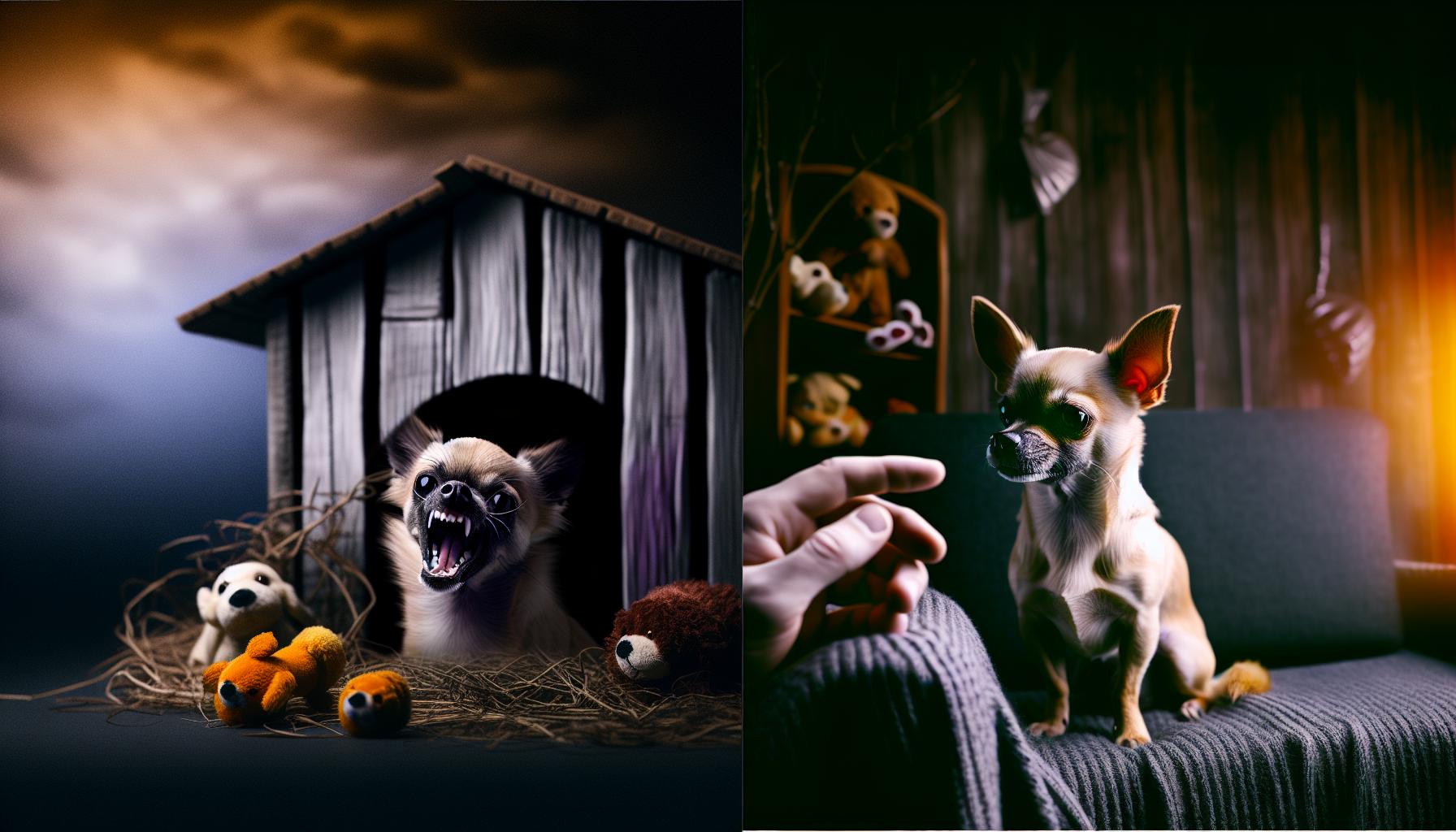
Common Misconceptions About Chihuahua Aggression
The tiny Chihuahua is often perceived as a pint-sized powerhouse, yet many misconceptions about their aggressive tendencies can cloud our understanding of their behavior. One prevalent myth is that Chihuahuas are naturally aggressive. In reality, what might be perceived as aggression is frequently a manifestation of fear, anxiety, or territorial instincts. These instincts are deeply rooted in their genetic makeup and can be heightened by their small size, which often leads them to feel the need to assert themselves more than larger breeds.
Another common belief is that Chihuahuas only act aggressively when provoked. While they can be sensitive to their environment, their reactions may not always relate to immediate threats. A new sound or an unfamiliar person can trigger their protective instincts, leading them to bark, growl, or even snap-behaviors often misinterpreted as aggression. It’s essential to recognize that these responses might stem from insecurity or stress rather than a malicious intent to harm.
Owners often widen the misunderstanding when they unintentionally encourage aggressive behavior through reactions. For example, a Chihuahua may bark at strangers, and instead of correcting this, the owner might laugh or allow it to continue, misunderstanding it as cute. This reinforces the behavior, leading the Chihuahua to think they’re successfully defending their territory. Instead, consistent, positive reinforcement training techniques should be applied to teach calmness and appropriate responses.
To create a positive environment for your furry friend, it’s crucial to appreciate their unique personality and build your training strategies around it. Acknowledging their smaller stature and inherent instincts can guide you to manage situations better. Here are some tips to counteract these misconceptions:
- Understand Body Language: Pay attention to signs of stress or fear, such as growling or a tucked tail, as these indicate discomfort rather than aggression.
- Avoid Overprotectiveness: While you want to protect your Chihuahua, don’t excessively shield them from new experiences, as this can lead to increased anxiety.
- Engage in Gradual Socialization: Introduce your Chihuahua to new people, pets, and environments gradually to build their confidence.
- Use Positive Reinforcement: Reward calm behavior in various situations, reinforcing their ability to cope with challenges.
By dispelling these misconceptions and adopting a deeper understanding of your Chihuahua’s behavior, you can foster a more harmonious relationship, ensuring they thrive in your home while embracing their charming quirks.
Socialization Techniques for a Happy Chihuahua
Creating a well-socialized Chihuahua is one of the most rewarding aspects of ownership, especially for a breed known for its bold personality and vocal nature. While many owners can be taken aback by their tiny companion’s feisty demeanor, effective socialization can help transform anxious or aggressive behaviors into confidence and calm.
To start, expose your Chihuahua to a variety of environments, sounds, and people. Introduce her to the gentle howl of the wind or the distant bark of another dog. This gradual exposure not only helps her become accustomed to different stimuli but also reinforces her trust in you as her protector. For example, one owner described how she introduced her apple-head Chihuahua, Bella, to new friends at a local park. Bella initially reacted with excitement and barking, but with consistent, positive reinforcement, she learned to greet visitors with calm curiosity instead.
Another essential technique is to ensure that social interactions are positive and stress-free. Encourage controlled playdates with friendly, well-mannered dogs or pets, as this allows your Chihuahua to learn proper dog etiquette. Monitor their interactions and step in if play gets too rough. During these encounters, bring along some treats to reward her for good behavior, reinforcing the idea that meeting new friends is a positive experience.
Additionally, enrolling her in a puppy kindergarten class can vastly improve her socialization skills while providing some much-needed mental stimulation. These classes often expose your Chihuahua to other dogs and new people in a structured environment, building her confidence one playful bark at a time. Remember to advocate for her comfort-if she seems overwhelmed, it’s perfectly fine to take a step back and let her observe from a distance.
Finally, remain patient and vigilant. Socialization isn’t a one-time task but a continuous journey. Celebrate each small victory, like an eager tail wag or a relaxed posture around strangers. By investing time and effort into socialization, you’ll not only help prevent aggression but also foster a happy, confident Chihuahua ready to explore the world by your side.
Identifying Signs of Stress in Your Chihuahua
Understanding the emotions of your Chihuahua is key to building a lasting bond and ensuring her well-being. These small dogs are notorious for their big personalities, and it’s essential to recognize when they are feeling stressed. Stress in Chihuahuas can manifest in various ways, so being attuned to your companion’s unique signs is crucial.
One of the first indicators of stress in a Chihuahua is her body language. Look for signs such as tensed muscles, a lowered tail, or ears that are pinned back against her head. When a Chihuahua feels stressed, she may also exhibit a low growl or whine to express her discomfort. For instance, if your apple-head Chihuahua suddenly becomes quiet and retreats to a corner, it could be her way of telling you that she’s overwhelmed-perhaps by loud noises or unfamiliar faces.
It’s also important to monitor her behavior in social situations. If you notice that she’s excessively barking, snapping, or showing signs of aggression, these can be red flags of stress rather than just typical stubbornness. An owner named Sarah shared her experience with her long-haired Chihuahua, Lola. During a family gathering, Lola became agitated and started to bark incessantly at the guests. After observing her closely, Sarah realized that Lola needed a quiet space away from the hustle and bustle to calm down.
Additionally, changes in your Chihuahua’s everyday habits, such as eating less, excessive barking, or avoiding playtime, can also signal that she is stressed. When a normally playful and interactive Chihuahua suddenly loses interest in her favorite toys or treats, it’s time to investigate what might be causing her unease. Providing a safe, cozy retreat where she can relax can make a significant difference in managing her stress levels.
In conclusion, recognizing and addressing the signs of stress early on can lead to improved behavior and a happier Chihuahua. By observing your furry friend’s body language and changes in routine, you can create a comforting environment that promotes her well-being. Remember, a confident and relaxed Chihuahua is not only more enjoyable to be around but also better equipped to handle life’s challenges.
Training Methods to Manage Aggression
Understanding how to manage aggression in Chihuahuas is vital for fostering a happy and healthy relationship with your tiny companion. Despite their small stature, Chihuahuas possess big personalities, often exhibiting challenging behaviors that leave owners puzzled. Recognizing the underlying reasons for aggression can significantly influence your training methods. Many times, it isn’t just a case of ‘anger issues’ but rather a response to fear, insecurity, or overstimulation.
One effective way to manage aggression is through positive reinforcement training. This method encourages desired behaviors by rewarding good actions, rather than punishing negative ones. For example, if your Chihuahua is barking at a visitor, instead of scolding her, try redirecting her attention with a treat or toy when she remains calm. This not only reinforces the calm behavior but also helps her associate guests with positive experiences. It’s like being her cheerleader for good behavior; everyone benefits from a gentle, supportive approach!
Additionally, establishing a consistent routine can minimize anxiety and help your Chihuahua feel secure in her environment. For instance, regular feeding times and daily walks can bring predictability to her day, reducing triggers that may lead to aggression. Another practical step is to gradually expose her to various situations and environments where she may encounter potential triggers. Start slow, moving from more familiar settings to more challenging ones, all while maintaining a calm demeanor. For example, Emily, a Chihuahua owner, found that her pup, Bella, became less reactive to strangers when she practiced short trips to the park during less crowded times. Each small success built Bella’s confidence and reduced her fearfulness.
Socialization is another cornerstone in managing aggression. Early interactions with other dogs and people can shape how your Chihuahua perceives the world around her. Arrange playdates with friendly pups or invite calm friends over for brief visits. Remember to reward her for calm behavior during these encounters. Using desensitization techniques, whereby you introduce her to a trigger at a manageable level (like seeing other dogs from a distance), gradually decreases her fear response.
In summary, managing aggression in your Chihuahua involves understanding her triggers, utilizing positive reinforcement, creating a consistent environment, and fostering social skills. Through patience and consistency, you can turn those moments of anger into opportunities for connection, ensuring both you and your furry friend lead a more harmonious life together.
The Impact of Size on Chihuahua Behavior
The petite size of Chihuahuas can significantly influence their behavior, sometimes leading to misunderstandings about their temperament. Their small stature often breeds a big attitude, which can lead to perceived aggressive behaviors. Chihuahuas, weighing between 2-6 pounds, tend to feel more vulnerable to their environment, triggering responses that may include snapping or barking. This behavior is frequently mischaracterized as aggression which, more often than not, stems from fear or insecurity rather than malice.
When your Chihuahua encounters larger dogs or unfamiliar people, their initial reaction might not be fight but flight. However, due to their size, they can’t escape as easily, and this can lead to defensive behaviors. For example, Gina’s Chihuahua, Coco, would bark aggressively at larger dogs even if they were just playing. With consistent training, Gina learned that Coco was more scared than aggressive. By providing supportive environments and gradual exposure to larger dogs, Coco became less reactive over time.
The psychological impact of being small means that Chihuahuas often feel the need to assert themselves to compensate for their size. This boldness can manifest as barking or snapping when they feel threatened or overwhelmed. Socialization plays a crucial role here; introducing your Chihuahua to different people and environments early on can help her build confidence and reduce fear-related responses. A well-socialized Chihuahua is more likely to handle encounters with larger pets or new situations calmly, which can lessen the instances of aggressive behavior.
In training, it’s vital to remember that their size should do nothing to diminish your expectations. Establishing routines and boundaries helps create a sense of security for your Chihuahua. Positive reinforcement methods can empower your tiny companion to face challenges without resorting to aggression. Celebrate her quirky personality-her vocal nature can actually be redirected through distraction techniques, guiding her towards desired behaviors without the need for punitive measures. By understanding how size impacts your Chihuahua’s behavior, you can forge a stronger bond with her and foster a more harmonious environment where she feels safe and secure.
Understanding the Chihuahua’s Vocal Nature
Chihuahuas are renowned for their big personalities, and their vocal nature is a defining trait that owners often find both amusing and challenging. Did you know that these little dogs can bark just as enthusiastically as a much larger breed? Their vocalizations often reflect a complex mix of excitement, protection, and alertness, driven by their instinct to communicate their feelings and assert their presence in the world around them.
One of the primary reasons Chihuahuas tend to be vocal is their deep-seated protective instinct. Their small size leaves them feeling vulnerable, and barking is a way to express concerns about potential threats. For instance, if your Chihuahua barks at the doorbell, it’s not just noise-it’s an alert! This instinctual behavior can be intensified if they haven’t been properly socialized. When exposed to new experiences, sounds, and environments early on, Chihuahuas can learn to distinguish between safe and potentially threatening situations, leading to reduced barking over time.
However, it’s important to distinguish between vocalization that signifies a problem and that which is simply a characteristic of the breed. Many Chihuahuas love to express themselves-just ask any owner about their Chihuahua’s “conversations”! Implementing training techniques that utilize positive reinforcement can redirect excessive barking. For example, rewarding your Chihuahua’s quiet moments with treats or affection teaches them that calm behavior receives praise, thereby reducing barking incidents.
Another common issue arises from frustration. Chihuahuas, like all dogs, can become frustrated when they don’t understand what’s happening around them. If they see a squirrel outside but can’t chase it, the result can be a frantic barking spree. Engaging their minds with interactive toys or structured playtime not only helps manage this energy but also strengthens your bond. These activities provide your Chihuahua with a sense of fulfillment, making them less likely to resort to barking out of frustration.
In summary, understanding your Chihuahua’s vocal nature is key to fostering a harmonious home environment. Keep in mind that while barking is an inherent part of what makes Chihuahuas so lively, with the right training and socialization, you can help your furry friend communicate more effectively and feel secure in their world. Celebrate their quirks, embrace their boldness, and watch as your tiny companion flourishes in a supportive and loving environment.
How Environment Influences Your Chihuahua’s Mood
Chihuahuas are incredibly sensitive to their surroundings, and their mood can shift dramatically based on environmental factors. This small breed often thrives in familiar, secure settings but can quickly become stressed or anxious in chaotic or unpredictable situations. Understanding how various elements in your environment impact your Chihuahua’s behavior is crucial for promoting a balanced and happy life for your little companion.
For instance, loud noises such as thunderstorms, fireworks, or even the hustle and bustle of a busy household can trigger anxiety in Chihuahuas. Their acute hearing makes them particularly susceptible to sudden sounds, which may lead to barking, hiding, or even snapping when they feel overwhelmed. To mitigate these stressors, consider providing a safe space where your Chihuahua can retreat, such as a cozy bed or a quiet room with soft blankets. Setting up this haven can help him feel secure when the environment around him gets a bit too intense.
Moreover, the presence of other pets or strangers can significantly affect your Chihuahua’s mood. These little dogs are fiercely loyal and often protective, so introducing them to new people or animals gradually and positively is essential. Here are a few strategies to make introductions smoother:
- Controlled Introductions: Initially, keep interactions brief and positive. Allow your Chihuahua to approach at his own pace.
- Positive Reinforcement: Reward calm behaviors with treats and praise, reinforcing his ability to stay relaxed in new situations.
- Consistent Routines: Maintain a predictable daily routine to help him feel more secure in familiar settings.
Additionally, a well-structured environment can enhance your Chihuahua’s happiness. Regular walks, play sessions, and mental stimulation through toys and games are crucial for his well-being. A bored Chihuahua can become easily frustrated, leading to potential aggression or unwanted behaviors. Creating a stimulating environment with safe toys and interactive play can channel their energy productively.
In summary, the key to a happy and well-adjusted Chihuahua lies in a stable and supportive environment. By being mindful of the influences around him and providing positive experiences, you can help your furry friend thrive, embracing the unique joys that come with being a proud Chihuahua owner.
Building a Strong Bond with Your Chihuahua
Forging a deep connection with your Chihuahua is essential not just for happiness but also for managing behaviors, including those related to anger or anxiety. This breed, known for their bold personalities and unwavering loyalty, thrives on strong relationships with their owners. Chihuahuas may display aggressive tendencies when they feel insecure or threatened, often stemming from a lack of trust. Therefore, nurturing your bond is a vital step in preventing such behaviors.
To cultivate trust, be consistent and patient. Chihuahuas can be particularly sensitive to sudden changes, so maintaining a routine will help your little companion feel more secure. Incorporate daily activities such as regular feeding times, walks, and play sessions to create a sense of stability. Pay attention to his preferences-whether he loves a brisk walk around the block or a cozy cuddle on the couch, make those experiences part of your daily life.
Another powerful way to strengthen your connection is through gentle, positive interactions. Spend time engaging in activities that your Chihuahua enjoys. Playtime with toys, training sessions, or even simple grooming can be excellent bonding experiences. Use treats and praise to reinforce good behavior. For instance, if your Chihuahua responds well to a “sit” command, reward him with a favorite treat. This not only builds trust but also sets a precedent for positive behaviors.
Remember to respect your Chihuahua’s individuality. Each dog has a unique personality shaped by their genetics and past experiences. For example, apple-head Chihuahuas might exhibit different social tendencies compared to deer-head Chihuahuas. Observe your dog’s triggers and preferences during interactions. If he seems overwhelmed in social situations, provide a safe space where he can retreat without feeling cornered. Understanding and accommodating his needs plays a significant role in developing a strong bond.
In conclusion, being an attentive and loving owner can make all the difference. By establishing a structured, loving environment and engaging in enjoyable, positive interactions, you build a foundation of trust and affection. This not only enhances your Chihuahua’s happiness but also reduces anxiety and the likelihood of aggressive incidents. Embrace the quirks of your spirited companion, and celebrate the unique bond that grows between you both.
When to Seek Professional Help for Behavior Issues
Sometimes, despite our best efforts, our little companions may display behaviors that leave us scratching our heads. While Chihuahuas are known for their loyalty and spirited nature, they can also exhibit signs of stress or aggression that call for professional assistance. Recognizing when to seek expert help is crucial for you and your dog’s well-being.
If you’ve noticed persistent behaviors that seem out of control or alarming, it might be time to consult a professional. Common signs include excessive barking, lunging at people or other dogs, growling, or displaying signs of anxiety such as hiding or destructive chewing. For instance, if your apple-head Chihuahua reacts aggressively whenever someone approaches, it could signify deep-seated insecurity. Observing these patterns closely can guide you in deciding whether a professional’s insight is needed.
When to Call a Professional
Consider reaching out to a qualified dog trainer or a veterinary behaviorist if you encounter:
- Chronic Aggression: If your Chihuahua consistently shows aggression beyond normal protectiveness or fear, it’s important to get help.
- Fearful Reactions: Intense fear responses, like trembling or avoidance, can worsen if not addressed by a pro.
- Sudden Behavioral Changes: If your usually sociable dog suddenly starts growling or snapping, it could indicate a deeper issue requiring expert assessment.
- Failure to Improve: After trying basic training and socialization techniques, if behaviors do not improve or worsen, seeking guidance from a professional can be beneficial.
Remember, seeking help is a sign of a responsible owner, not a failure. Professional trainers understand the nuances of Chihuahua behavior and can guide you through tailored strategies to address your specific challenges. They can also teach you how to reinforce positive behaviors, enhancing the bond between you and your furry friend. Ultimately, by fostering a supportive environment and staying attuned to your Chihuahua’s needs, you help ensure not just a harmonious home but a happy, well-adjusted pet.
The Benefits of Positive Reinforcement for Chihuahuas
Using positive reinforcement can transform your Chihuahua’s behavior, turning potential anger issues into opportunities for growth and connection. Chihuahuas, with their spirited nature and sometimes bold personalities, respond remarkably well to reinforcement that is both positive and consistent. This method encourages them to repeat desirable behaviors while helping to reduce negative reactions rooted in stress or insecurity.
When you reward your Chihuahua for good behavior-be it through treats, praise, or play-you reinforce the idea that positive choices lead to pleasant outcomes. This encourages her trust and security, making her feel supported in her environment. For instance, if your Chihuahua exhibits fear-based aggression towards new people, rewarding calm behavior with treats when guests arrive can help her associate newcomers with reward rather than threat.
Here are some specific benefits of utilizing positive reinforcement with your furry friend:
- Builds Trust: Positive experiences create a bond of trust between you and your Chihuahua. When she knows that good behavior leads to praise, she’s more likely to repeat those behaviors.
- Reduces Fear and Anxiety: By focusing on positive interactions, you help alleviate your Chihuahua’s fear and anxiety, which can often manifest as aggression. Calmly interacting and rewarding peaceful behavior can significantly reduce her agitation.
- Encourages Learning: Chihuahuas are intelligent and eager to please. Through positive reinforcement, you not only teach her basic commands but also encourage advanced skills and social behaviors, enhancing her overall happiness.
- Promotes a Happy Environment: A happy, well-adjusted Chihuahua is a joy to be around. Positive reinforcement fosters a peaceful environment that benefits both you and your dog, minimizing confrontations and stress.
In practice, consider integrating a training routine where your Chihuahua learns to respond positively to commands like “sit” or “stay.” Each successful execution should be met with a treat or enthusiastic praise. Not only does this enhance her behavior, but it also deepens the bond you share as she learns to trust your guidance.
In summary, using positive reinforcement isn’t just about correcting behaviors; it’s about nurturing a loving and secure relationship with your Chihuahua. Celebrate her quirky nature and playful spirit while providing the structure she needs to thrive. By employing these techniques, you’re not only addressing potential anger issues but also promoting a more joyous, fulfilling life for both of you.
Q&A
Q: What are common signs of aggression in Chihuahuas?
A: Common signs of aggression in Chihuahuas include growling, barking, showing teeth, and snapping. They might also exhibit physical postures like raised hackles or a stiff body. Recognizing these behaviors early can help in addressing them effectively. For more on identifying stress signals, check out the section on Identifying Signs of Stress in Your Chihuahua.
Q: How can I prevent my Chihuahua from becoming aggressive?
A: Preventing aggression in Chihuahuas involves consistent socialization from a young age, exposing them to various people and situations. Regular training sessions using positive reinforcement also help establish good behavior patterns. Consider exploring Socialization Techniques for a Happy Chihuahua for further strategies.
Q: Why is my Chihuahua suddenly aggressive after being friendly?
A: Sudden aggression in Chihuahuas can stem from fear, pain, or stress triggers. Changes in environment, health issues, or previous negative experiences may contribute. Observing when the aggression occurs can help identify potential causes. Consult the Understanding Triggers section for insights.
Q: What role does environment play in my Chihuahua’s aggression?
A: The environment significantly influences a Chihuahua’s behavior. A chaotic or unpredictable environment can heighten anxiety, leading to aggressive tendencies. Creating a calm and secure space at home can improve their mood, as discussed in How Environment Influences Your Chihuahua’s Mood.
Q: Can a Chihuahua’s diet influence their behavior?
A: Yes, a Chihuahua’s diet can impact their behavior. Nutritional deficiencies may lead to irritability or hyperactivity. Ensuring a balanced and healthy diet helps maintain overall well-being and can reduce aggressive reactions. For more on care, see the Building a Strong Bond with Your Chihuahua section.
Q: When should I consult a professional for my Chihuahua’s behavior issues?
A: You should consider consulting a professional when your Chihuahua displays consistent aggression, exhibits extreme fear responses, or if home training methods aren’t effective. Early intervention can prevent worsening behavior issues, as emphasized in When to Seek Professional Help for Behavior Issues.
Q: How do genetics affect my Chihuahua’s behavior?
A: Genetics play a crucial role in behavior development, influencing traits like aggression and temperament. Understanding your Chihuahua’s lineage can help anticipate potential behavioral challenges. For insights into this topic, refer to The Role of Genetics in Chihuahua Behavior.
Q: What is the best training method for aggressive Chihuahuas?
A: Positive reinforcement is the most effective training method for managing aggression in Chihuahuas. Rewarding calm behavior with treats and praise encourages positive interactions. Implementing strategies from The Benefits of Positive Reinforcement for Chihuahuas can significantly improve results.
The Conclusion
Understanding why Chihuahuas exhibit anger issues is crucial for fostering a loving and peaceful home for your tiny companion. Remember, it’s often rooted in their protective nature and sensitivity to their environment. As you navigate your Chihuahua’s behavior, consider exploring methods to enhance their training and socialization skills-tools that can significantly improve their well-being and yours. Check out our resources on “Effective Training Techniques for Chihuahuas” and “Socializing Your Chihuahua: Tips for Success” to deepen your knowledge.
Now is the perfect time to take action! Share your thoughts or questions in the comments below-I’d love to hear your experiences. If you’re eager for more insights, don’t forget to sign up for our newsletter for updates on Chihuahua care tips, so you can nurture a happier, healthier bond with your furry friend. Embrace the uniqueness of your Chihuahua and remember, understanding their quirks is the key to a harmonious relationship. Your journey with your Chihuahua is just beginning, and I’m excited to help you every step of the way!
Get our latest guides, news, and insights highlighted in your Google Search & AI Overviews.